Blog

All News Technology Important Information Mazda Model Features Tips Mazda Service Features & Specs Awards Service Mazda Vehicles Mazda Safety Technology Money Saving Tips Safety Beach Mazda Service History 2023 Models Community Events Comparisons Financing Your Mazda Fun Stuff Local 2024 Models Holidays Mazda Parts Car Buying Process Driver-Centric Design EVs Exterior Fuel & Gas Pre-Owned Certified Pre-Owned Mazda Vehicles Electric & Hybrid Vehicles Infotainment Insurance Mazda Accessories Mazda CX-30 Mazda3 Racing Restaurants & Food Tires & Wheels Travel Activities Drive For Good Kodo Design Language Mazda CX-5 Mazda CX-9 Mazda Motorsports Automotive Cleaning Fuel System Interior Paint & Body Work Seasonal Down-payments Mazda Connect Transmission Weather Brakes i-Activsense Technology Large Vehicles & SUVs Millennials Suspension System Towing
bm3 jan title

Mazda's i-ELOOP System: How It Works and Its Benefits

As the automotive industry evolves toward greater efficiency and sustainability, Mazda has taken innovative steps to enhance fuel economy and reduce emissions in its vehicles. One of the standout technologies in Mazda's lineup is the i-ELOOP system, a regenerative braking technology designed to capture and store energy that would otherwise be lost during braking. In this blog, we'll explore how the i-ELOOP system works, its benefits, and its impact on the driving experience. more Understanding i-ELOOP Mazda's i-ELOOP, short for "Intelligent Energy Loop," is a regenerative braking system that was first introduced in the 2013 Mazda6. This technology harnesses energy produced during braking to recharge the vehicle’s electrical system, reducing reliance on the engine and improving overall efficiency. Here’s a breakdown of how i-ELOOP functions: Energy Capture: During deceleration or braking, the i-ELOOP system captures kinetic energy that is typically wasted. Instead of simply converting this energy into heat through conventional braking systems, i-ELOOP uses it to generate electricity. Capacitor Storage: The captured energy is stored in a capacitor rather than a traditional battery. Capacitors can charge and discharge energy much more quickly than batteries, making them ideal for this application. Electric Power Supply: The stored electrical energy is then used to power various electrical components in the vehicle, such as headlights, air conditioning, and infotainment systems. This reduces the load on the engine, allowing it to operate more efficiently and improve fuel economy. How i-ELOOP Benefits Drivers The implementation of the i-ELOOP system offers several advantages for Mazda drivers: Improved Fuel Efficiency: By utilizing captured energy to power electrical systems, i-ELOOP reduces the demand on the engine, leading to improved fuel economy. This means that drivers can travel further on a tank of gas, resulting in cost savings at the pump. Reduced Emissions: With decreased reliance on the engine for power, i-ELOOP contributes to lower carbon dioxide (CO2) emissions. This aligns with Mazda’s commitment to sustainability and reducing the environmental impact of its vehicles. Enhanced Performance: i-ELOOP allows the engine to operate more efficiently, which can lead to improved acceleration and responsiveness. Drivers may notice a more dynamic driving experience without sacrificing efficiency. Quieter Operation: The ability to power electrical systems with stored energy means that the engine can spend less time running at higher RPMs, resulting in a quieter cabin environment during city driving and stop-and-go traffic. Real-World Applications Mazda has successfully integrated the i-ELOOP system into various models, showcasing its effectiveness in improving fuel efficiency without compromising performance. Vehicles like the Mazda6, Mazda CX-5, and Mazda3 have all benefitted from this technology, providing drivers with a more efficient and enjoyable driving experience. Future of i-ELOOP and Beyond As Mazda continues to innovate, the company is looking to enhance and expand the capabilities of the i-ELOOP system. Future developments may include improved energy capture efficiency, integration with other technologies like Skyactiv and electric powertrains, and further enhancements to overall vehicle performance. Moreover, as the automotive industry shifts toward electrification, the principles behind i-ELOOP will likely play a significant role in future hybrid and electric Mazda models. The integration of regenerative braking systems is essential for maximizing the efficiency of electric vehicles, making i-ELOOP a valuable technology in Mazda's future lineup. Innovative Engineering Mazda's i-ELOOP system is a prime example of how innovative engineering can enhance the efficiency and performance of modern vehicles. By capturing and utilizing energy that would otherwise be lost during braking, i-ELOOP not only improves fuel economy but also contributes to reduced emissions and a more dynamic driving experience. As Mazda continues to push the boundaries of automotive technology, the i-ELOOP system stands out as a significant advancement that reflects the brand's commitment to sustainability and performance. For Mazda drivers, embracing i-ELOOP means enjoying the benefits of smarter driving while contributing to a greener future.

bf2 jan title

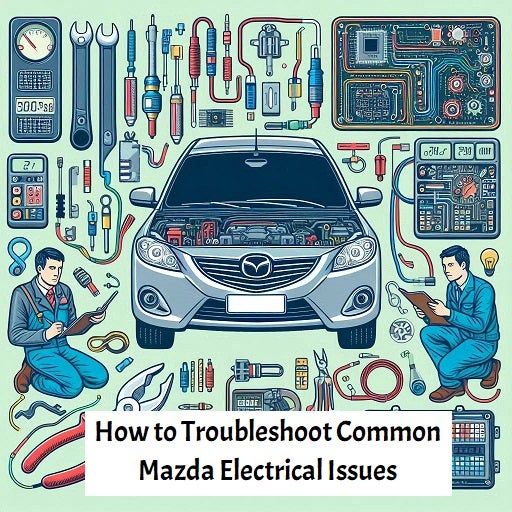
How to Troubleshoot Common Mazda Electrical Issues

Electrical issues can be frustrating for any car owner, and Mazda vehicles, like all modern cars, rely heavily on electrical systems for performance and safety. From starting problems to malfunctioning lights, understanding how to troubleshoot common electrical issues can save you time and money. In this blog, we’ll explore some common electrical problems encountered in Mazda vehicles and provide you with practical troubleshooting steps to help you diagnose and resolve them. more Symptoms of Electrical Issues Before diving into troubleshooting, it’s essential to recognize the symptoms of electrical issues. Common signs include: Vehicle Won't Start: The engine cranks but doesn’t start, or there are no sounds at all when you turn the key. Dim or Flickering Lights: Interior or exterior lights are dim, flickering, or completely non-functional. Warning Lights on Dashboard: Various warning lights appear on the dashboard, indicating potential electrical issues. Malfunctioning Accessories: Power windows, locks, or other electrical accessories fail to operate correctly. Battery Drain: Frequent dead batteries or slow cranking when starting the engine. Troubleshooting Steps If you encounter any of the above symptoms, follow these troubleshooting steps to diagnose the issue. Step 1: Check the Battery Visual Inspection: Start by checking the battery for any signs of corrosion around the terminals. Clean any corrosion with a mixture of baking soda and water, and ensure the terminals are tightly connected. Battery Voltage: Use a multimeter to measure the battery voltage. A fully charged battery should read around 12.6 volts. If the voltage is significantly lower, consider charging or replacing the battery. Step 2: Inspect Fuses Locate the Fuse Box: Find the fuse box in your Mazda, typically located under the dashboard or in the engine compartment. Check for Blown Fuses: Visually inspect the fuses for any that appear burnt out. If you find a blown fuse, replace it with one of the same amperage. Identify the Issue: If the new fuse blows shortly after replacement, it may indicate an underlying electrical problem, such as a short circuit. Step 3: Examine the Alternator Testing the Alternator: Start the engine and use a multimeter to measure the voltage at the battery terminals. The reading should be between 13.7 to 14.7 volts if the alternator is functioning properly. Listen for Unusual Noises: While the engine is running, listen for any strange noises coming from the alternator, such as grinding or whining, which could indicate a failing alternator. Step 4: Check Wiring and Connections Inspect Wiring Harnesses: Look for damaged or frayed wiring in the engine compartment and under the dashboard. Pay close attention to areas that may be exposed to heat or abrasion. Check Ground Connections: Ensure that all ground connections are clean and secure. A loose or corroded ground connection can lead to various electrical issues. Step 5: Test Electrical Components Use a Multimeter: Test individual electrical components, such as power windows, lights, and switches, with a multimeter to check for proper voltage and functionality. Swap Components: If a specific accessory is malfunctioning, consider swapping it with a known good component (if applicable) to determine if the issue lies with the component itself. Common Electrical Issues and Solutions Here are a few common electrical issues encountered in Mazda vehicles and their potential solutions: Problem: Power Windows Won't Operate Solution: Check the window fuse and switch. If the fuse is intact, test the switch and window motor with a multimeter to identify any faulty components. Problem: Dashboard Warning Lights Stay On Solution: Use an OBD-II scanner to read diagnostic trouble codes (DTCs). This can help pinpoint the specific issue triggering the warning lights. Problem: Headlights or Taillights Are Dim Solution: Inspect the bulbs for wear and replace them if necessary. Check the wiring and connections to ensure there are no loose or corroded terminals. Problem: Battery Drains Overnight Solution: Perform a parasitic draw test using a multimeter to identify any components that may be drawing excessive power when the vehicle is off. When to Seek Professional Help While many electrical issues can be diagnosed and resolved with basic troubleshooting, some problems may require professional assistance. If you encounter persistent issues, complex wiring problems, or are unsure about performing electrical repairs, it’s best to consult a qualified mechanic. They have the tools and expertise to diagnose and fix more intricate electrical problems safely. Save Time, Monday and Frustration Troubleshooting common electrical issues in your Mazda can save you time, money, and frustration. By following these steps and being proactive about maintenance, you can ensure your vehicle’s electrical system remains in good working order. Remember that safety is paramount; if you ever feel unsure about your ability to diagnose or repair electrical problems, don’t hesitate to seek professional assistance. With a little knowledge and care, you can keep your Mazda running smoothly and enjoy a hassle-free driving experience.

bm1 jan title

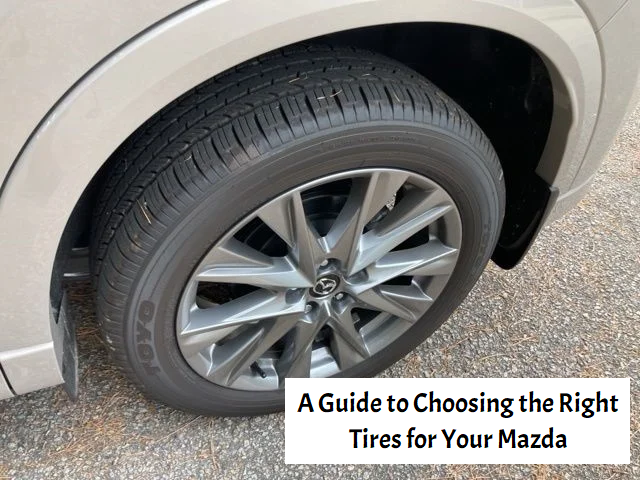
A Guide to Choosing the Right Tires for Your Mazda

Your Mazda is designed for performance, safety, and comfort, and the right set of tires plays a crucial role in maintaining these qualities. Whether you're looking to replace your worn-out tires or upgrade to a new set, choosing the right tires is essential for optimizing your Mazda's handling, fuel efficiency, and overall driving experience. This guide will walk you through the key factors to consider when selecting tires for your Mazda. more Understanding Tire Basics: What You Need to Know Before diving into the selection process, it's important to understand the basics of tire specifications and how they impact your driving experience. Tire Size: The size of your tires is specified by a combination of numbers and letters, such as 225/45R17. These numbers represent the tire's width, aspect ratio, and diameter. It's crucial to choose tires that match the size recommended by Mazda for your specific model, as using the wrong size can affect handling, safety, and even your vehicle's warranty. Tread Pattern: Tires come with different tread patterns designed for various driving conditions. The tread pattern affects traction, handling, and noise levels. Common tread patterns include: Symmetrical: Offers a smooth, quiet ride and long-lasting performance. Ideal for everyday driving. Asymmetrical: Combines different tread patterns to enhance handling, especially in wet conditions. Great for sporty driving. Directional: Designed for high-performance driving with excellent wet and dry traction. Often found on sports cars and performance vehicles. Speed Rating: The speed rating indicates the maximum speed at which a tire can safely operate. It's denoted by a letter, such as H, V, or Z. Make sure to choose a tire with a speed rating that meets or exceeds the capabilities of your Mazda. Load Index: The load index indicates the maximum weight a tire can support. It's important to select tires with a load index that matches or exceeds the weight of your Mazda, especially if you frequently carry heavy loads or passengers. Types of Tires: Which One Is Right for Your Mazda? Different types of tires are designed to perform optimally in specific conditions. Choosing the right type of tire depends on your driving habits, the climate you live in, and your Mazda model. All-Season Tires: All-season tires are the most versatile option, designed to perform well in a variety of conditions, including dry, wet, and light snow. They offer a balance of comfort, durability, and performance, making them an excellent choice for most Mazda drivers. If you live in an area with mild winters and don't frequently encounter extreme weather conditions, all-season tires are likely the best choice for you. Summer Tires: Summer tires, also known as performance tires, are engineered for maximum grip and handling on dry and wet roads during warm weather. They offer superior traction and responsiveness, making them ideal for sporty driving and high-performance Mazda models like the Mazda MX-5 Miata. However, summer tires are not suitable for cold weather or snow-covered roads, so they should be used only during the warmer months. Winter Tires: Winter tires are specifically designed to provide optimal traction and handling in cold weather, snow, and ice. They feature a softer rubber compound that remains flexible in low temperatures and a tread pattern designed to bite into snow and ice. If you live in an area with harsh winters, winter tires are essential for maintaining safety and control. It's recommended to switch to winter tires when the temperature consistently drops below 45°F (7°C). Touring Tires: Touring tires are designed for a smooth, comfortable ride with enhanced fuel efficiency and longer tread life. They are ideal for drivers who prioritize comfort and economy over sporty performance. Touring tires are a great option for Mazda sedans and crossovers used primarily for commuting and long-distance driving. Performance Tires: Performance tires are designed for drivers who demand high levels of grip, handling, and responsiveness. They are often found on sports cars and performance-oriented Mazda models. While they offer excellent performance in dry and wet conditions, they may have a shorter tread life and be noisier than other tire types. Off-Road Tires: If you frequently take your Mazda CX-5 or CX-9 off the beaten path, off-road or all-terrain tires may be a good choice. These tires are designed with rugged tread patterns and reinforced sidewalls to handle rough terrain, mud, and gravel. However, they may sacrifice some comfort and fuel efficiency on paved roads. Considering Your Driving Habits: Tailoring Your Tire Choice Your driving habits play a significant role in determining the right tires for your Mazda. Consider the following factors when making your decision: Daily Commutes: If you use your Mazda primarily for daily commuting on highways and city streets, all-season or touring tires are likely the best option. They offer a good balance of comfort, fuel efficiency, and durability. Sporty Driving: For those who enjoy spirited driving or own a performance-oriented Mazda model like the MX-5 Miata, performance or summer tires will provide the grip and handling needed to fully enjoy the driving experience. Long-Distance Travel: If you frequently embark on long road trips, touring tires may be the best choice for their smooth ride and long tread life. They are designed to minimize road noise and enhance comfort, making them ideal for extended journeys. Off-Road Adventures: If you often take your Mazda on off-road trails or unpaved roads, consider all-terrain or off-road tires. These tires are built to handle rough surfaces and provide the necessary traction for off-road driving. Winter Conditions: If you live in an area with harsh winters, winter tires are a must. They provide the traction and control needed to navigate snow and ice safely. Remember to switch back to all-season or summer tires when the weather warms up to maintain optimal performance. Budget Considerations: Balancing Cost and Quality Tires are a significant investment in your Mazda's performance and safety, so it's important to balance cost with quality. Here are some tips for making a budget-conscious decision: Set a Budget: Determine how much you're willing to spend on tires before you start shopping. While it's important to stay within your budget, remember that tires are a critical component of your vehicle's safety and performance, so prioritize quality. Compare Brands: There are many reputable tire brands available, each offering a range of options at different price points. Research and compare brands to find a set of tires that offers the best value for your needs. Well-known brands like Michelin, Bridgestone, Goodyear, and Continental are often reliable choices. Consider Tread Life: Tires with longer tread life may have a higher upfront cost but can save you money in the long run by lasting longer. Check the treadwear rating to get an idea of how long the tires are expected to last. Look for Promotions: Tire manufacturers and retailers often run promotions, discounts, or rebates. Keep an eye out for these deals to save money on your purchase. Balance Performance and Price: While high-performance tires may be tempting, consider whether you truly need the extra capabilities they offer. For everyday driving, a good-quality all-season tire may provide all the performance you need at a lower cost. Maintaining Your Tires: Maximizing Longevity and Performance Once you've chosen the right tires for your Mazda, proper maintenance is key to maximizing their lifespan and performance. Here are some maintenance tips to keep your tires in top condition: Regularly Check Tire Pressure: Maintaining the correct tire pressure is crucial for safety, fuel efficiency, and tire longevity. Check your tire pressure at least once a month and before long trips. Refer to your Mazda's owner’s manual or the sticker inside the driver’s door for the recommended pressure levels. Rotate Tires: To ensure even wear, have your tires rotated every 6,000 to 8,000 miles, or as recommended by Mazda. Rotating your tires helps extend their lifespan and maintain consistent handling. Align and Balance Tires: If you notice uneven tire wear, your Mazda may need a wheel alignment or balancing. Proper alignment and balancing ensure that your tires wear evenly and that your vehicle handles correctly. Check Tread Depth: Worn-out tires with low tread depth can compromise traction and safety, especially in wet conditions. Use the penny test to check your tread depth: insert a penny into the tread with Lincoln's head facing down. If you can see the top of Lincoln’s head, it's time to replace your tires. Inspect for Damage: Regularly inspect your tires for signs of damage, such as cuts, punctures, or bulges. If you notice any damage, have your tires inspected by a professional to determine if they need to be repaired or replaced. Essential Maintenance Choosing the right tires for your Mazda is an essential part of maintaining your vehicle's performance, safety, and comfort. By understanding tire basics, considering your driving habits, and balancing cost with quality, you can select a set of tires that will keep your Mazda performing at its best. Remember to maintain your tires properly to maximize their lifespan and ensure a smooth, safe driving experience. Whether you're cruising through the city, taking a road trip, or navigating winter weather, the right tires will help you enjoy every mile in your Mazda.

rtjtryktyktyj

Driving Confidence: Top 5 Reasons to Choose Dealership Service for Your Car Repairs

When it comes to keeping your vehicle in peak condition, choosing where to have it serviced is a crucial decision. While independent garages and quick-service centers are common options, there are compelling reasons to consider having your car repaired or serviced at a dealership. In this blog post, we'll explore the top five reasons why dealership service might be the best choice for ensuring the longevity and optimal performance of your vehicle. more Manufacturer Expertise Dealership service centers specialize in the brands they sell. This means that the technicians working on your vehicle have in-depth knowledge of the manufacturer's specifications, engineering, and technology. Their training often includes direct access to manufacturer resources, ensuring your car is serviced with the latest information and techniques. Genuine Parts and Accessories When you choose dealership service, you can be confident that your vehicle will receive genuine manufacturer parts and accessories. These components are designed and tested to meet the exact specifications of your car. Using original parts helps maintain the integrity of your vehicle, ensuring optimal performance, safety, and longevity. Advanced Diagnostics and Equipment Dealership service centers are equipped with state-of-the-art diagnostic tools and equipment. This advanced technology allows technicians to pinpoint issues accurately and efficiently. Whether it's identifying a complex engine problem or diagnosing a modern vehicle's intricate electronic systems, dealership service centers are well-equipped to handle the latest automotive advancements. Recall Information and Updates Dealerships are the first to receive information about recalls and service updates from the manufacturer. When you service your car at a dealership, you benefit from their direct access to this critical information. This ensures that your vehicle receives necessary updates, addressing potential safety concerns or performance enhancements as recommended by the manufacturer. Warranty Coverage If your vehicle is still under warranty, having it serviced at a dealership is often a requirement to maintain warranty coverage. Manufacturers typically outline specific service requirements to validate warranty claims. By following these guidelines and having your car serviced at an authorized dealership, you can ensure that any warranty-related issues are addressed promptly and without additional costs. Additional Considerations Customer Amenities: Dealership service centers often provide comfortable waiting areas with amenities such as Wi-Fi, refreshments, and sometimes even shuttle services. This adds to the overall customer experience during the service process. Trained Technicians: Dealership technicians undergo extensive training to stay updated on the latest technologies and repair techniques. This ensures that they can effectively address issues specific to your vehicle model. Service Records: Maintaining a consistent service record at a dealership can enhance the resale value of your vehicle. Prospective buyers often view dealership service records as a sign of proper maintenance and care. Several Advantages Choosing to have your car serviced at a dealership offers several advantages, from manufacturer expertise to access to genuine parts and advanced diagnostics. While independent garages and quick-service centers have their merits, the specialized knowledge and resources available at dealership service centers can provide peace of mind and contribute to the long-term health of your vehicle. Consider these reasons when deciding where to entrust your car for repairs and maintenance, and drive with confidence knowing your vehicle is in expert hands.

Cars for sale on a car lot

Should You Lease or Buy Your Next Car?

Deciding whether to lease or buy your next car is a big decision, and each option has its pros and cons. Your choice will ultimately depend on your lifestyle, budget, and long-term goals. Leasing offers the allure of driving a new car with manageable monthly payments, while buying provides the freedom of ownership and the potential for long-term value. This blog dives into how leasing works and compares the advantages and disadvantages of each option to help you make an informed decision. How Does a Car Lease Work? Leasing a car is essentially like renting it for an extended period, typically for a set number of years. Here's what you need to know about how leasing works: Monthly Payments: When you lease a car, you pay a fixed monthly fee to drive the vehicle during the agreed lease term. Returning the Car: At the end of the lease, you generally return the car unless you choose to buy it outright (if this option is available). Mileage Restrictions: Leased cars often come with annual mileage limits, typically between 10,000 and 15,000 miles. Exceeding this limit could result in extra fees. Understanding how leasing works is key to deciding whether it aligns with your driving habits and financial situation. Now let's take a look at the pros and cons of leasing. Pros of Leasing a Car Leasing can be an excellent choice for many drivers, especially those who love the idea of switching to a newer model every few years. Here are some key advantages: Predictable Costs: Leases usually come with predictable monthly payments and often include repair costs under warranty, so there are fewer surprises. Shorter Terms: Lease terms are generally shorter than car loan terms, typically lasting three years or 36 months. This means you'll have the flexibility to upgrade when the lease ends. Access to New Features: With leasing, you can always drive a car with the latest technology, advanced safety features, and improved fuel efficiency. Frequent Upgrades: Leases allow you to upgrade your car more often than if you owned one, giving you access to different vehicles every few years. Lower Down Payment: Leasing often requires a lower initial payment compared to buying a car. Option to Buy: At the end of the lease term, some agreements allow you to purchase the car if you've developed a connection to it. These benefits make leasing a car an attractive option for individuals who prioritize flexibility, convenience, and consistently driving new cars. Cons of Leasing a Car On the flip side, there are some limitations that come with leasing. These should be considered carefully before making a decision: Mileage Restrictions: Leases have mileage limits, and exceeding them could result in costly penalties. No Equity: Since you don't own the car, you won't build equity in it. At the end of the lease, the car must be returned, leaving you with nothing to show for your payments. Wear and Tear Fees: If the car shows excessive wear and tear when you return it, you might incur additional charges. Early Termination Fees: If you need to break the lease agreement early, you could face substantial fees. Condition Requirements: Because leased vehicles must be returned, you're obligated to keep them in good condition. Leasing is often ideal for drivers with predictable habits and those who don’t mind adhering to specific contract terms. However, these drawbacks may make it less appealing to others. Pros of Buying a Car Buying a car offers a completely different set of advantages, especially if ownership appeals to you: Ownership: Once you've paid off the loan (if applicable), the car is entirely yours to keep, customize, and sell whenever you like. Extended Warranties: New cars usually come with warranties that last for at least 36 months or 60,000 miles. Lower Interest Rates: Financing a new vehicle typically comes with lower interest rates compared to purchasing a used car, which can save you money over time. Latest Features: Just like leasing, buying a new car gives you access to state-of-the-art technology, improved safety features, and better fuel efficiency. For people who value long-term cost savings and ownership, buying a car can be a highly rewarding investment. Cons of Buying a Car While car ownership has its benefits, there are also some downsides you should be aware of: Higher Costs: A new car can be expensive upfront, often requiring a high down payment and higher monthly loan payments. Rapid Depreciation: New cars depreciate quickly, losing approximately 20% of their value within the first year and around 50% within five years. Maintenance Costs: Once the warranty expires, you'll be responsible for all repair and maintenance costs, which can add up over time. Insurance Rates: Insurance for new cars can be higher, further increasing the overall cost of ownership. Buying a car is a long-term commitment that demands careful budgeting. If money is tight or you prefer frequent upgrades, leasing may be a better fit. Finding the Right Fit for You Ultimately, the decision to lease or buy a car comes down to your priorities. If you like the idea of lower monthly payments, driving something new every few years, and limited commitment, leasing could be the perfect option. On the other hand, if you prefer the freedom of ownership and are thinking about long-term value, buying might be a wiser choice. At Beach Mazda in Myrtle Beach, South Carolina, we offer a wide selection of new and pre-owned vehicles, along with flexible leasing options to suit your needs. Whether you're ready to lease your next car or looking to buy, our friendly team is here to guide you every step of the way. Visit us today or schedule a test drive and take the first step towards finding your perfect ride.

bm3 dec title

Navigating the Road Early: A Guide to Terminating Your Car Lease Ahead of Schedule

Life is full of unexpected twists and turns, and sometimes, your car lease may not align with your current circumstances. Whether you're facing a change in financial situations, lifestyle adjustments, or simply desire a different vehicle, terminating your car lease early might be on your mind. In this blog, we'll explore the steps and considerations involved in ending your car lease ahead of schedule. more Review Your Lease Agreement Start by thoroughly reviewing your lease agreement. Pay close attention to any clauses related to early termination, penalties, and fees. Understanding the terms of your lease is crucial for making informed decisions. Check for Early Termination Clauses Some lease agreements have specific clauses outlining the conditions and costs associated with terminating the lease early. Take note of any penalties, such as early termination fees or the requirement to pay the remaining lease payments. Evaluate Your Finances Consider your financial situation and assess whether terminating the lease early is feasible. Calculate the potential costs, including any penalties, remaining payments, and additional fees. Compare this to the financial impact of keeping the lease until the end. Contact the Leasing Company Reach out to the leasing company or the dealership's finance department to discuss your intention to terminate the lease early. They can provide you with detailed information on the process, associated fees, and any potential alternatives. Explore Lease Transfer Options Some leasing agreements allow for a lease transfer, where another individual takes over the remaining lease term. While there may be fees associated with this process, it can be a mutually beneficial solution, freeing you from the lease obligations. Consider Buying the Vehicle Evaluate the possibility of buying the vehicle outright instead of terminating the lease. Some leasing agreements provide buyout options, and this may be a more cost-effective solution, depending on your circumstances. Research State Laws Familiarize yourself with the leasing and automotive laws in your state or country. Some jurisdictions have specific regulations regarding early lease termination, and understanding these can empower you during negotiations. Weigh the Pros and Cons Before making a final decision, weigh the pros and cons of terminating your lease early. Consider the financial implications, your future vehicle needs, and how the decision aligns with your overall lifestyle and budget. Document the Process Keep thorough records of all communication with the leasing company, including agreements, negotiations, and any paperwork. Having a documented trail can be valuable in case of disputes or misunderstandings. Careful Consideration Terminating a car lease early involves careful consideration, research, and effective communication with the leasing company. By understanding the terms of your lease agreement and exploring available options, you can navigate the process smoothly and make decisions that align with your current circumstances. Remember to be proactive, informed, and open to exploring alternatives as you embark on the journey to terminate your car lease ahead of schedule.

bm2 dec title

Navigating the Road to Savings: Tips for Finding an Affordable Automotive Repair Shop

Every car owner knows that the open road is not always smooth, and sooner or later, the need for automotive repairs is bound to arise. However, finding a reliable and affordable automotive repair shop can sometimes feel like navigating an unfamiliar route. In this blog, we'll explore practical tips and strategies to help you find an affordable automotive repair shop that not only fits your budget but also provides quality service. more R esearch and Recommendations Start your quest for an affordable automotive repair shop by conducting thorough research. Seek recommendations from friends, family, and colleagues who have had positive experiences with budget-friendly shops. Online reviews and forums can also offer valuable insights into the reputation and pricing of local repair shops. Compare Quotes Don't settle for the first quote you receive. Reach out to multiple automotive repair shops in your area and request detailed quotes for the specific services your vehicle needs. A transparent and itemized quote will help you understand the cost breakdown and make an informed decision. C heck Certifications and Experience While affordability is essential, it's equally crucial to ensure that the repair shop has certified technicians and relevant experience. Look for certifications displayed in the shop, as they indicate a commitment to professional standards. Experienced technicians are more likely to diagnose issues accurately, potentially saving you money in the long run. L ook for Special Offers and Discounts Many automotive repair shops offer special promotions, discounts, or loyalty programs. Keep an eye out for these cost-saving opportunities, as they can significantly reduce the overall expense of your repairs. Some shops may also have seasonal promotions or discounts for new customers. Consider Local and Independent Shops Local and independent automotive repair shops often have lower overhead costs compared to large chains, making their services more budget-friendly. Additionally, local shops are more likely to prioritize customer satisfaction, as their reputation within the community is at stake. Ask about Warranty and Guarantees A reputable and affordable automotive repair shop should stand by the quality of its work. Inquire about warranties or guarantees on parts and labor. This not only reflects the shop's confidence in its services but also provides you with added peace of mind, knowing that you won't incur additional costs if an issue arises shortly after the repair. DIY Options and Maintenance Workshops For smaller repairs and routine maintenance tasks, consider exploring do-it-yourself (DIY) options. Many automotive parts stores offer workshops or tutorials on basic maintenance tasks, allowing you to save money by handling simpler repairs on your own. Build a Relationship Establishing a long-term relationship with an automotive repair shop can lead to benefits such as loyalty discounts and personalized service. By consistently choosing the same shop for your repairs, you may find that they are more willing to work with you on pricing. Affordability and Quality Finding an affordable automotive repair shop is not just about cutting costs; it's about striking a balance between affordability and quality service. By following these tips, you can navigate the road to savings and ensure that your vehicle receives the care it needs without breaking the bank. Remember, a reliable and budget-friendly repair shop can be a valuable asset on your journey as a car owner.

bm1 dec title

Behind the Wheel: Top 5 Questions to Ask Yourself Before Buying a New Car

Purchasing a new car is an exciting endeavor that requires thoughtful consideration and research. Before you drive off the lot with your shiny new vehicle, it's essential to ask yourself a series of questions to ensure that the car you choose aligns with your needs, preferences, and budget. In this blog post, we'll explore the top five questions you should ask yourself before making that significant investment. more 1. What Are My Budgetary Constraints? Understanding your financial limits is the first step in the car-buying process. Determine your budget by evaluating your current financial situation, factoring in not only the purchase price of the car but also additional costs like insurance, taxes, registration fees, and potential financing interest. Establishing a clear budget will guide your choices and help you avoid overextending financially. 2. What Are My Priorities and Needs? Consider your lifestyle, daily commute, and future plans when assessing your priorities and needs in a new car. Are you looking for fuel efficiency for long commutes? Do you need ample cargo space for family outings? Prioritize features such as safety, technology, and comfort based on your specific requirements. Knowing your priorities will help narrow down the myriad of options available in the automotive market. 3. New or Used: What Fits My Situation? Determine whether a new or used car best suits your needs. While a new car offers the latest features, warranties, and the satisfaction of being the first owner, a used car may provide a more affordable option with the potential for lower depreciation. Weigh the pros and cons of each based on your budget and preferences. 4. How Will I Finance the Purchase? Consider your financing options and decide whether you'll pay for the car upfront, finance it through a loan, or lease it. If financing, shop around for the best interest rates and terms. Understanding your financing strategy will impact your monthly payments and overall cost of ownership. 5. What Are the Long-Term Costs? Beyond the initial purchase price, assess the long-term costs associated with owning the car. Research the vehicle's fuel efficiency, maintenance requirements, and potential repair costs. Understanding these factors will give you a realistic picture of the ongoing expenses you'll incur throughout your ownership. Bonus Question: What Do Reviews and Research Say? Before finalizing your decision, delve into reviews and research on the specific make and model you're considering. Evaluate reliability ratings, safety features, and user reviews. This step ensures that you're well-informed about the car's performance, potential issues, and overall reputation. Five Crucial Questions Asking yourself these five crucial questions before buying a new car empowers you to make a well-informed decision that aligns with your financial capacity and lifestyle. Remember, the process of buying a car is not just about the thrill of a new ride but also about securing a vehicle that meets your needs and enhances your daily experiences on the road. By taking the time to reflect on these key questions, you'll navigate the car-buying journey with confidence and satisfaction.

Silver Mazda driving down a road

Why Buying a Mazda Certified Pre-Owned Car is a Smart Move

When it comes to buying your next car, the age-old question remains—should you buy new, used, or certified pre-owned (CPO)? While a used car might be the more affordable option, what if you could combine affordability with the peace of mind that comes from buying new? Certified pre-owned cars offer just that. They bridge the gap between new and used vehicles by undergoing rigorous inspections and meeting specific quality standards before being sold. If you've been thinking about a Mazda, you're in luck. Mazda Certified Pre-Owned vehicles offer exceptional quality and benefits for buyers, ensuring you're making a smart investment. Let’s explore why opting for a CPO Mazda could be one of the best decisions for your next car purchase, and how it differs from buying a typical used car. more What Makes a Certified Pre-Owned Car Different? Before we talk about Mazda specifically, it's essential to understand what makes certified pre-owned cars stand out from traditional used vehicles. CPO Cars Undergo a Thorough Inspection One of the biggest differentiators is the inspection process. Unlike typical used cars, which might only have a basic checkup, certified pre-owned cars go through a detailed, multi-point inspection process to ensure they're in top condition. This includes inspections of major systems like the engine, transmission, brakes, and more. Extended or Limited Warranties Certified pre-owned vehicles come with warranties that standard used cars don't provide. This added coverage means you're protected against certain repairs and issues, making ownership stress-free. Additional Perks Beyond a quality inspection and warranty, CPO cars often come with added benefits. Think roadside assistance, complimentary maintenance plans, and vehicle history reports—all things that go a long way in enhancing your car-buying confidence. Why Consider a Mazda Certified Pre-Owned Car? Mazda takes the concept of certified pre-owned to the next level with strict quality standards and competitive benefits that make their program stand out. Here's why Mazda CPO cars are such a great option. Only Late Model Vehicles Mazda Certified Pre-Owned vehicles are exclusively late-model cars. This ensures buyers are getting a relatively new car with modern features and technologies. 160-Point Inspection Every Mazda CPO vehicle must pass a rigorous 160-point inspection. This process includes evaluating key components like the engine, brakes, transmission, AC/heating systems, interiors, exteriors, and even smaller details like windshield wipers and tires. If a vehicle doesn’t meet Mazda’s stringent standards, it won’t be certified. Warranty Information Mazda provides one of the most reliable warranty programs for its certified pre-owned vehicles. Here's what you get when you buy a Mazda CPO. New Vehicle Limited Warranty – Your CPO vehicle is still covered under the remaining portion of Mazda’s 3-year/36,000-mile New Vehicle Limited Warranty (if applicable). Certified Pre-Owned Limited Vehicle Warranty – Adds another 12 months or up to 12,000 miles of coverage, giving you even greater peace of mind. 7-Year/100,000-Mile CPO Limited Powertrain Warranty – Coverage for major powertrain components, ensuring long-term protection. The combined warranties make Mazda CPO vehicles an exceptional value while giving you the assurance you're buying a dependable car. 24-Hour Emergency Roadside Assistance Being prepared for roadside emergencies is another advantage of going certified pre-owned with Mazda. All Mazda CPO vehicles come with 24/7 Emergency Roadside Assistance, and it lasts the length of the 7-Year/100,000-Mile CPO Limited Powertrain Warranty. Perks of the roadside assistance program include: Jump starts Lockout assistance Towing Flat tire changes Gas delivery It’s a reassuring benefit that ensures both you and your family are covered no matter where you are in the U.S. or Canada. Transferrable Coverage Mazda Certified Pre-Owned Limited Vehicle Warranties and Limited Powertrain Warranties are transferrable to future owners at no cost. This additional feature adds value to your car and makes it more attractive to buyers should you decide to sell your vehicle later on. Find Your Certified Pre-Owned Mazda at Beach Mazda Looking to get behind the wheel of a high-quality certified pre-owned Mazda? Beach Mazda in Myrtle Beach, South Carolina, is your destination for Mazda CPO vehicles. Our dealership is committed to providing you with a superior car-buying experience, ensuring you drive away in a vehicle that feels like new. From rigorous inspections to exceptional warranty coverage and additional perks, Mazda Certified Pre-Owned vehicles represent the perfect balance of quality, value, and peace of mind. Explore our inventory online or visit us at Beach Mazda to find your next vehicle today. Happy driving!

bm4 nov title

Breath of Fresh Air: Discovering the Best Car Air Fresheners for a Pleasant Drive

Your car is more than just a means of transportation; it's your personal space on wheels. Enhancing the driving experience goes beyond a smooth ride and stylish interior – it extends to the ambiance inside your vehicle. In this blog, we'll explore the world of car air fresheners, helping you discover the best options to keep your car smelling delightful during every journey. more Febreze Car Air Freshener Clips Why It's Great: Febreze is a trusted name in freshness, and their car air freshener clips are no exception. These clips attach easily to your car's air vents, releasing a burst of fragrance as air flows through. Variety: Febreze offers a range of scents, allowing you to choose from classic favorites or explore new, invigorating fragrances. Yankee Candle Car Jar Ultimate Why It's Great: Known for their premium candles, Yankee Candle brings their expertise to car air fresheners. The Car Jar Ultimate hangs freely in your car, offering a consistent release of pleasant fragrance. Long-Lasting: The Car Jar Ultimate is designed to last for weeks, providing a long-lasting solution for a fresh-smelling car. Little Trees Vent Wrap Why It's Great: Little Trees is an iconic brand in the world of air fresheners, and their Vent Wrap is a discreet and effective option. These wraps attach to your car's vents, ensuring a subtle and continuous release of fragrance. Variety and Style: With a wide range of scents and stylish designs, Little Trees Vent Wraps offer both functionality and a touch of personalization. Meguiar's Whole Car Air Re-Fresher Why It's Great: Meguiar's takes a different approach with their Whole Car Air Re-Fresher. This aerosol spray is designed to be used with your car's HVAC system, effectively treating the entire interior. Eliminates Odors: Meguiar's formula doesn't just mask odors – it eliminates them, leaving your car with a clean and fresh scent. Chemical Guys New Car Smell Premium Air Freshener Why It's Great: If you love the scent of a new car, Chemical Guys has you covered. Their New Car Smell Premium Air Freshener captures the essence of a freshly manufactured vehicle. Concentrated Formula: A little goes a long way with this concentrated formula, ensuring a lasting and authentic new car fragrance. Ozium Gel Why It's Great: Ozium Gel is a powerful option for those seeking to neutralize odors rather than mask them. It's a gel-based air freshener that works continuously to combat unwanted smells. Effective Odor Elimination: Ozium is known for its effectiveness in eliminating odors, making it a go-to choice for those dealing with persistent or challenging smells. California Scents Spillproof Organic Air Freshener Why It's Great: California Scents offers an eco-friendly and organic solution with their spill-proof air fresheners. These compact cans can be placed in various locations within your car for consistent freshness. Environmentally Conscious: If sustainability is a priority, California Scents provides an option that is both effective and environmentally conscious. Dr. Marcus EcoBreeze Car Air Freshener Vent Sticks Why It's Great: Dr. Marcus offers a unique and eco-friendly solution with their vent sticks. Made from natural wood, these sticks attach to your car's vents, providing a refreshing and long-lasting fragrance. Natural Materials: The use of natural materials adds an earthy and organic touch to your car's interior. Purggo Car Air Freshener Why It's Great: Purggo takes a different approach by using bamboo charcoal to naturally absorb and neutralize odors. It's an eco-friendly and allergen-free option that doesn't release any additional fragrances. Long-Lasting and Reusable: The Purggo Car Air Freshener is not only effective but also reusable. Simply place it in the sun to rejuvenate its odor-absorbing capabilities. Areon Ken Car Air Freshener Gel Why It's Great: Areon Ken offers a stylish and effective gel-based air freshener. Housed in a sleek container, the gel slowly releases a pleasant fragrance, creating a luxurious ambiance in your car. Elegant Design: Beyond its fragrance, the Areon Ken air freshener adds a touch of elegance to your car's interior with its sophisticated design. A Personal Choice Selecting the best car air freshener is a personal choice based on your preferences and the ambiance you want to create in your vehicle. Whether you prefer clips, sprays, gels, or natural options, the market offers a wide array of choices to suit every taste. Experiment with different scents and formats to discover the perfect air freshener that transforms every drive into a breath of fresh air.

bm3 nov title

Drive Smart, Save Smart: 10 Proven Ways to Cut Costs on Car Insurance

Introduction: Car insurance is a necessary expense for every driver, but that doesn't mean you have to break the bank to stay protected on the road. With a strategic approach and awareness of available options, you can save money on your car insurance premiums without compromising on coverage. In this blog, we'll explore ten effective ways to cut costs and drive smart while enjoying the benefits of affordable car insurance. more 1. Shop Around and Compare Quotes: Why It Matters: Insurance rates can vary significantly between providers. By shopping around and obtaining quotes from multiple insurers, you can identify the most competitive rates that suit your budget. How to Save: Utilize online comparison tools and obtain quotes directly from insurance providers. Compare coverage options, deductibles, and discounts to make an informed decision. 2. Bundle Your Policies: Why It Matters: Many insurance companies offer discounts when you bundle multiple policies, such as auto and home insurance. Bundling can lead to significant savings on your overall insurance costs. How to Save: Inquire with your current insurance provider or explore options with new providers to determine the potential discounts available for bundling policies. 3. Increase Your Deductible: Why It Matters: Opting for a higher deductible can result in lower premium payments. While it means taking on more financial responsibility in the event of a claim, it can significantly reduce your monthly or annual insurance costs. How to Save: Evaluate your financial situation and choose a deductible that aligns with your ability to cover out-of-pocket expenses in the event of an accident. 4. Maintain a Clean Driving Record: Why It Matters: Safe driving habits not only keep you and others on the road safe but also contribute to lower insurance premiums. A clean driving record is often rewarded with discounts. How to Save: Drive responsibly, obey traffic laws, and avoid accidents. Safe driving can lead to discounts and lower premiums over time. 5. Take Advantage of Discounts: Why It Matters: Insurance providers offer various discounts that can significantly reduce your premiums. Common discounts include safe driver discounts, multi-policy discounts, and good student discounts. How to Save: Inquire about available discounts and ensure you are taking advantage of all applicable ones. Discounts may also be available for features like anti-theft devices and safety features in your vehicle. 6. Maintain a Good Credit Score: Why It Matters: In many states, insurance companies use credit scores as a factor in determining premiums. A good credit score can positively influence your insurance rates. How to Save: Regularly monitor and improve your credit score. Responsible financial habits can lead to lower insurance premiums. 7. Drive Less and Consider Pay-Per-Mile Insurance: Why It Matters: Insurance providers often offer lower rates to drivers with lower annual mileage. Pay-per-mile insurance models calculate premiums based on the actual number of miles you drive. How to Save: Reduce your annual mileage when possible. If you have a low driving frequency, inquire about pay-per-mile insurance options for potential savings. 8. Maintain Continuous Coverage: Why It Matters: Continuous insurance coverage without lapses is viewed favorably by insurance providers. It can contribute to lower premiums over time. How to Save: Avoid gaps in coverage and maintain continuous insurance. If you switch providers, ensure there is no lapse in coverage to maximize potential savings. 9. Choose the Right Vehicle: Why It Matters: The type of vehicle you drive influences insurance premiums. High-performance or luxury cars often come with higher insurance costs. How to Save: When selecting a vehicle, consider insurance costs. Safe and reliable vehicles with lower repair and replacement costs typically result in more affordable insurance. 10. Attend Defensive Driving Courses: Why It Matters: Completing defensive driving courses can improve your driving skills and make you eligible for discounts from many insurance providers. How to Save: Enroll in a recognized defensive driving course. Check with your insurer to confirm eligibility for discounts and potential premium reductions. Strategic Decision-making Saving money on car insurance is a matter of strategic decision-making, responsible driving, and taking advantage of available discounts. By being proactive, comparing options, and adopting safe driving habits, you can enjoy the benefits of affordable car insurance without compromising

bm2 nov title

Smooth Shifts: How Often You Should Change Your Transmission Fluid

Your vehicle's transmission is a critical component that ensures the smooth operation of gears, allowing for efficient power transfer from the engine to the wheels. One key factor in maintaining a healthy transmission is regular fluid changes. In this blog post, we'll explore the importance of transmission fluid, signs that it may need changing, and the recommended frequency for this crucial maintenance task. more The Role of Transmission Fluid Transmission fluid serves multiple essential functions in your vehicle's transmission system: Lubrication: Transmission fluid lubricates the various moving parts within the transmission, reducing friction and preventing wear and tear. Cooling: It helps dissipate heat generated during the operation of the transmission, preventing overheating and potential damage. Seal Conditioning: Transmission fluid conditions and maintains the integrity of seals, preventing leaks and ensuring a tight seal on various components. Signs Your Transmission Fluid Needs Changing While there is a recommended schedule for changing transmission fluid, it's crucial to pay attention to your vehicle's specific needs. Signs that your transmission fluid may need changing include: Discolored Fluid: Transmission fluid is typically a bright red color. If it appears brown or has a burnt smell, it may be time for a change. Slipping Gears: If you experience a delay or slipping sensation when shifting gears, it could indicate insufficient or degraded transmission fluid. Unusual Noises: Whining or clunking noises during gear shifts may be a sign of inadequate lubrication, often due to deteriorating transmission fluid. Overheating: An overheating transmission can lead to fluid breakdown. If you notice your transmission temperature rising, it's crucial to address the issue promptly. Recommended Frequency for Transmission Fluid Changes The recommended frequency for changing transmission fluid can vary depending on the make and model of your vehicle. However, a general guideline is to change the transmission fluid every 30,000 to 60,000 miles (48,000 to 96,000 kilometers). Normal Driving Conditions: For vehicles that undergo regular, everyday driving without extreme conditions, the 30,000 to 60,000-mile range is a suitable guideline. Severe Driving Conditions: If you often engage in severe driving conditions, such as towing heavy loads, driving in stop-and-go traffic, or frequent short trips, consider changing the transmission fluid more frequently—closer to the 30,000-mile mark. DIY or Professional Service Changing transmission fluid can be a DIY task for some, but it may require specialized tools and expertise. If you're comfortable performing automotive maintenance tasks and your vehicle's design allows for easy access to the transmission fluid, you might consider tackling this job yourself. However, if you're unsure or prefer professional assistance, a certified mechanic or service center can ensure the task is done correctly. Vital Maintenance Regular transmission fluid changes are vital for maintaining the health and longevity of your vehicle's transmission system. By adhering to the recommended frequency and staying vigilant for signs of fluid degradation, you can enjoy smoother shifts, prevent costly repairs, and extend the life of your transmission. Whether you choose to perform the task yourself or seek professional help, prioritizing transmission fluid changes is a key aspect of responsible vehicle ownership.

Contact Us

Fill out this form below and we'll contact you shortly
*Required Fields