Blog / Fuel & Gas

Blog

All Fuel & Gas News Technology Important Information Tips Mazda Model Features Mazda Service Features & Specs Awards Service Mazda Vehicles Mazda Safety Technology Money Saving Tips Safety Beach Mazda Service History 2023 Models Community Events Comparisons Fun Stuff Financing Your Mazda Local 2024 Models Holidays Mazda Parts Car Buying Process Driver-Centric Design EVs Exterior Infotainment Pre-Owned Travel Certified Pre-Owned Mazda Vehicles Electric & Hybrid Vehicles Insurance Mazda Accessories Mazda CX-30 Mazda CX-5 Mazda3 Racing Restaurants & Food Tires & Wheels Activities Drive For Good Interior Kodo Design Language Mazda CX-9 Mazda Motorsports Seasonal Automotive Cleaning Fuel System Mazda Connect Paint & Body Work Down-payments Transmission Weather Brakes i-Activsense Technology Large Vehicles & SUVs Mazda high compression engine care Millennials Skyactiv engine maintenance Suspension System Towing
Skyactiv® Technology

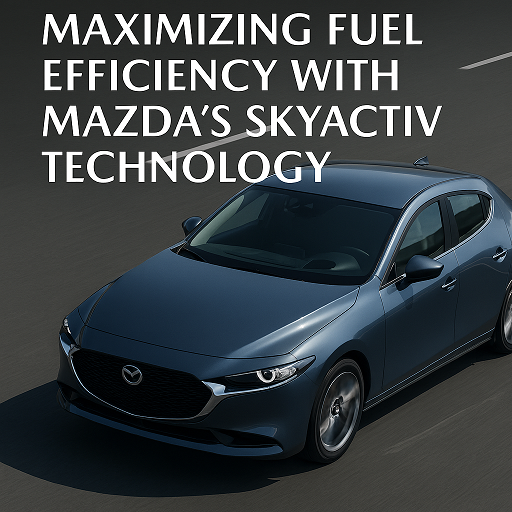
Maximizing Fuel Efficiency with Mazda’s Skyactiv® Technology

At Beach Mazda, we know that drivers want a vehicle that delivers performance and fuel efficiency — without compromise. That’s exactly what Mazda’s Skyactiv® Technology was built for. Whether you're commuting daily, planning a road trip, or simply trying to reduce fuel costs, Skyactiv® makes every mile count. Let’s take a closer look at how the Skyactiv® Technology suite of technologies works and how you can get the most out of it. more What Is Mazda’s Skyactiv® Technology? Skyactiv® is Mazda’s comprehensive approach to vehicle engineering. Rather than optimizing one part of the vehicle, Mazda reimagined the entire system — from the engine and transmission to the chassis and body — to improve fuel efficiency and performance without sacrificing the thrill of driving. Here’s what makes it special: Skyactiv®-G Engine: A high-compression gasoline engine that delivers more power with less fuel. Skyactiv®-Drive Transmission: Combines the best features of automatic, manual, and CVT transmissions for a more responsive and efficient ride. Skyactiv®-Body and Chassis: Lightweight materials and smart design reduce vehicle weight while improving handling and safety. How Skyactiv® Helps You Save on Fuel Higher Compression Ratio = Better Fuel Economy The Skyactiv®-G engine features a 13:1 compression ratio (one of the highest for gasoline engines), allowing for more efficient combustion and less fuel usage. Lighter Weight = Less Work for the Engine Mazda vehicles are engineered to be lighter without compromising strength, meaning your engine uses less energy to move the car. Smarter Shifting = More Efficient Driving Skyactiv®-Drive anticipates your driving style and optimizes gear shifts for smoothness and fuel savings. Tips to Maximize Fuel Efficiency in Your Mazda Even with advanced technology under the hood, how you drive still matters. Here are a few ways to take full advantage of Skyactiv®: Drive Smoothly: Avoid rapid acceleration and hard braking. Smooth driving reduces fuel consumption. Use Cruise Control: On highways, cruise control can help maintain a consistent speed and reduce unnecessary fuel use. Stay on Top of Maintenance: Clean air filters, properly inflated tires, and regular oil changes help your Mazda perform at its most efficient. Reduce Weight and Drag: Remove excess cargo and use roof racks only when needed to cut down on aerodynamic drag. Mazda Models Equipped with Skyactiv® Technology Skyactiv® Technology is standard on nearly all new Mazda vehicles, including: Mazda3 Sedan & Hatchback Mazda CX-30 Mazda CX-5 Mazda CX-50 Mazda CX-90 (also includes electrified Skyactiv®-PHEV options) Each model is designed to deliver impressive fuel economy ratings without losing the dynamic feel that Mazda drivers love. Final Thoughts from Beach Mazda Mazda’s Skyactiv® Technology proves you don’t have to choose between performance and efficiency. Whether you're navigating Myrtle Beach or heading out for a long-distance drive, your Mazda is engineered to make every gallon of fuel go further. Want to learn more or experience Skyactiv® for yourself? Visit us at Beach Mazda for a test drive and see how fun, fuel-efficient driving should feel. Need help picking the most fuel-efficient Mazda for your lifestyle? Contact Beach Mazda today and let’s find your perfect match!

BM2 TITLE DEC 2025

How to Improve the Fuel Efficiency of Your Mazda

Fuel efficiency is a key consideration for many Mazda owners, whether you’re looking to save money on gas or reduce your environmental footprint. Mazda vehicles are designed to be both fun to drive and fuel-efficient, but there are several steps you can take to maximize your Mazda's fuel economy. In this blog, we’ll explore practical tips and strategies to help you get the most miles per gallon (MPG) out of your Mazda. more Keep Up with Regular Maintenance Regular maintenance is crucial for ensuring that your Mazda operates efficiently. A well-maintained vehicle is not only more reliable but also more fuel-efficient. Here’s what you should focus on: Oil Changes: Regular oil changes keep your engine running smoothly. Fresh, clean oil reduces friction in the engine, allowing it to run more efficiently. Be sure to use the recommended oil type for your Mazda, as specified in the owner’s manual. Air Filter Replacement: A clogged air filter can restrict airflow to the engine, making it work harder and consume more fuel. Check your air filter regularly and replace it as needed to ensure optimal engine performance and fuel efficiency. Spark Plug Inspection: Worn or dirty spark plugs can cause misfires, leading to reduced fuel efficiency. Inspect your spark plugs according to the maintenance schedule and replace them if necessary to keep your engine firing efficiently. Tire Maintenance: Properly inflated tires reduce rolling resistance, which in turn improves fuel efficiency. Check your tire pressure regularly and keep it at the level recommended by Mazda. Additionally, rotating and balancing your tires as needed will help them wear evenly, further contributing to better fuel economy. Wheel Alignment: Misaligned wheels can cause your Mazda to drag or pull to one side, increasing fuel consumption. Have your wheel alignment checked periodically, especially if you notice uneven tire wear or if your vehicle pulls to one side. Drive Smoothly and Consistently Your driving habits have a significant impact on your Mazda’s fuel efficiency. By adopting a smooth and consistent driving style, you can reduce fuel consumption and make the most of every tank. Avoid Rapid Acceleration: Sudden acceleration requires more fuel than gradually increasing your speed. Accelerate smoothly and steadily to improve your MPG. Maintain a Steady Speed: Constantly changing your speed, especially at high speeds, can lead to increased fuel consumption. Use cruise control on highways when possible to maintain a steady speed and improve fuel efficiency. Anticipate Traffic Conditions: Look ahead and anticipate traffic flow to avoid unnecessary braking and acceleration. By coasting to a stop instead of slamming on the brakes, you’ll use less fuel. Avoid Idling: Idling consumes fuel without moving your vehicle. If you expect to be stopped for more than a minute, consider turning off the engine to save fuel. Modern Mazda vehicles are equipped with an i-stop feature that automatically shuts off the engine when the car is stopped, further enhancing fuel efficiency. Lighten Your Load: Carrying excess weight in your Mazda can reduce fuel efficiency. Remove unnecessary items from your trunk and cabin to lighten the load and improve MPG. Use the Right Fuel Using the correct fuel is essential for optimal performance and fuel efficiency. Mazda vehicles are designed to run on specific types of fuel, and using the recommended fuel grade is important for both engine health and fuel economy. Choose the Right Octane: Most Mazda vehicles are designed to run on regular unleaded gasoline with an octane rating of 87. Using a higher-octane fuel than recommended doesn’t necessarily improve performance or fuel efficiency and can be a waste of money. Always refer to your owner’s manual for the correct fuel type for your Mazda. Consider Top-Tier Gasoline: Top-tier gasoline contains higher levels of detergents that help keep your engine clean and running efficiently. While it may cost a bit more, using top-tier gasoline can contribute to better fuel economy and lower emissions over time. Optimize Your Use of Air Conditioning and Climate Control Using your Mazda’s air conditioning and climate control system can impact fuel efficiency, especially in extreme temperatures. Here’s how to optimize their use: Use Air Conditioning Wisely: Air conditioning puts an additional load on your engine, which can reduce fuel efficiency. To minimize the impact, use the A/C sparingly and only when necessary. At lower speeds, consider rolling down the windows instead of using the A/C. However, at highway speeds, using air conditioning is more fuel-efficient than driving with the windows down, which can create drag. Park in the Shade: Parking in the shade can reduce the need to use air conditioning when you start your Mazda, saving fuel in the process. Additionally, using a windshield sunshade can help keep the interior cooler. Pre-Cool Your Vehicle: If your Mazda has remote start, consider using it to cool down the interior before you begin driving. This allows the air conditioning to work more efficiently and reduces the load on the engine while you’re driving. Reduce Aerodynamic Drag Aerodynamic drag increases fuel consumption, especially at higher speeds. By reducing drag, you can improve your Mazda’s fuel efficiency. Remove Roof Racks and Carriers: Roof racks, cargo boxes, and bike carriers create additional drag, reducing fuel efficiency. When not in use, remove these accessories to reduce wind resistance and improve MPG. Close Windows and Sunroof at High Speeds: Driving with the windows or sunroof open at high speeds can increase drag and decrease fuel efficiency. Keep them closed on the highway to minimize drag and improve fuel economy. Consider Upgrading to Fuel-Efficient Tires Tires play a crucial role in your Mazda’s fuel efficiency. If you’re in the market for new tires, consider choosing a set designed for low rolling resistance, which can help improve MPG. Low Rolling Resistance Tires: These tires are specifically designed to reduce the energy required to keep your vehicle moving, thereby improving fuel efficiency. They often feature a special tread pattern and rubber compound that minimizes friction with the road. Proper Tire Inflation: As mentioned earlier, keeping your tires properly inflated is key to reducing rolling resistance and improving fuel economy. Make sure to check your tire pressure regularly and keep it at the recommended level. Leverage Mazda’s Fuel-Efficiency Technologies Mazda has developed several technologies to enhance fuel efficiency without compromising performance. By taking advantage of these features, you can further improve your Mazda’s fuel economy. SKYACTIV® Technology: Mazda’s SKYACTIV® technology is a suite of innovations designed to maximize fuel efficiency and performance. From SKYACTIV® engines and transmissions to lightweight chassis and body structures, these technologies work together to reduce fuel consumption while maintaining the engaging driving experience Mazda is known for. i-ELOOP: Mazda’s i-ELOOP system is a regenerative braking system that captures energy during braking and stores it in a capacitor. This stored energy is then used to power electrical systems in the vehicle, reducing the load on the engine and improving fuel efficiency. i-Stop: Mazda’s i-Stop technology automatically shuts off the engine when the vehicle is stopped, such as at traffic lights or in heavy traffic. This feature helps conserve fuel by reducing engine idling time, and the engine restarts quickly and smoothly when you’re ready to move again. Maximize Your Mazda’s MPG Improving the fuel efficiency of your Mazda is not only good for your wallet but also for the environment. By following these tips—maintaining your vehicle regularly, adopting fuel-efficient driving habits, using the right fuel, and taking advantage of Mazda’s advanced technologies—you can maximize your Mazda’s MPG and enjoy a more economical and eco-friendly driving experience. Whether you’re commuting to work, running errands, or embarking on a road trip, these strategies will help you get the most out of every tank of gas.

BM4 title Oct 2025

Understanding and Maintaining Your Car's Fuel System

The fuel system is a crucial component of your vehicle, responsible for delivering the right amount of fuel to the engine for optimal performance. Understanding how your fuel system works and how to maintain it can help you avoid costly repairs, improve fuel efficiency, and ensure a smooth driving experience. In this blog, we will explore the different parts of the fuel system, common issues that may arise, and essential maintenance tips to keep your fuel system in top shape. more Components of the Fuel System Fuel Tank: The fuel tank stores the fuel until it is needed by the engine. It is usually made of metal or plastic and is designed to withstand pressure and temperature changes. Fuel Pump: The fuel pump is responsible for moving fuel from the tank to the engine. Most modern vehicles use an electric fuel pump, which is located inside the fuel tank. Fuel Filter: The fuel filter removes impurities and contaminants from the fuel before it reaches the engine. A clean fuel filter ensures that only clean fuel is delivered to the engine, preventing damage to internal components. Fuel Injectors: Fuel injectors spray a fine mist of fuel into the engine's combustion chamber. They are controlled by the vehicle’s engine control unit (ECU) and are crucial for maintaining the correct air-fuel mixture for efficient combustion. Fuel Lines: Fuel lines transport fuel from the tank to the engine and return any excess fuel back to the tank. They are typically made of durable materials to withstand the pressure of the fuel system. Common Fuel System Issues Clogged Fuel Filter: A clogged fuel filter can restrict fuel flow to the engine, leading to poor performance, engine stalling, or difficulty starting. Failing Fuel Pump: A failing fuel pump may cause the engine to sputter, lose power, or not start at all. It can also lead to decreased fuel efficiency. Fuel Injector Problems: Dirty or malfunctioning fuel injectors can cause poor fuel atomization, resulting in rough idling, misfires, and decreased engine performance. Leaking Fuel Lines: Leaks in the fuel lines can lead to fuel odors, decreased fuel efficiency, and potential fire hazards. Maintenance Tips for Your Fuel System Use Quality Fuel Using high-quality fuel from reputable gas stations can help maintain your fuel system's health. Quality fuels contain detergents that help keep the fuel injectors clean and prevent carbon buildup in the engine. Change the Fuel Filter Regularly Regularly changing the fuel filter is essential for preventing clogs and ensuring proper fuel flow. Consult your vehicle’s owner manual for recommended intervals for fuel filter replacement, typically every 30,000 to 50,000 miles. Keep the Fuel Tank Full Keeping your fuel tank at least a quarter full can help prevent sediment buildup at the bottom of the tank from entering the fuel system. This is especially important if your vehicle has been sitting for extended periods. Add Fuel System Cleaner Periodically adding a fuel system cleaner can help remove carbon deposits and keep fuel injectors clean. Follow the manufacturer’s instructions for use, and consider using a cleaner every few thousand miles or as recommended by your mechanic. Inspect Fuel Lines for Leaks Regularly check your fuel lines for signs of wear, cracks, or leaks. Look for fuel stains or odors around the lines and fittings. If you notice any issues, have them repaired promptly by a qualified mechanic. Monitor Engine Performance Pay attention to any changes in engine performance, such as difficulty starting, rough idling, or decreased power. These symptoms may indicate fuel system issues that require immediate attention. Schedule Regular Maintenance In addition to your routine oil changes, schedule regular maintenance that includes checking the fuel system. A qualified mechanic can inspect components, perform necessary tests, and address any potential issues before they become major problems. Prevent Common Issues Understanding and maintaining your car's fuel system is essential for ensuring optimal performance, fuel efficiency, and longevity. By familiarizing yourself with the components of the fuel system and following these maintenance tips, you can help prevent common issues and keep your vehicle running smoothly. Regular attention to your fuel system will not only enhance your driving experience but also save you time and money on repairs. If you encounter any significant problems or have concerns about your fuel system, don’t hesitate to consult a qualified mechanic for assistance. A well-maintained fuel system is key to a reliable and efficient vehicle.

BM2 title Oct 2025

Understanding Mazda's SKYACTIV-G Engine Technology

Mazda has long been recognized for its innovative engineering and commitment to creating vehicles that provide a thrilling driving experience. One of the standout features in their lineup is the SKYACTIV-G engine technology, which represents a significant leap forward in engine performance and efficiency. In this blog, we’ll explore what SKYACTIV-G is, how it works, and why it matters for both Mazda owners and the environment. more What is SKYACTIV-G? SKYACTIV-G is Mazda’s term for its gasoline engines that utilize a unique combination of technologies to enhance performance, fuel efficiency, and emissions. Introduced as part of the broader SKYACTIV technology suite, SKYACTIV-G is designed to provide an engaging driving experience while minimizing environmental impact. The key goal of this technology is to offer the power and responsiveness of traditional gasoline engines while achieving the efficiency typically associated with diesel engines. Key Features of SKYACTIV-G Several innovative features set SKYACTIV-G engines apart from conventional gasoline engines: High Compression Ratio: One of the most notable aspects of SKYACTIV-G technology is its high compression ratio, which can reach up to 14:1 in certain models. This high ratio allows the engine to extract more energy from each drop of fuel, improving overall efficiency and performance. Traditional gasoline engines typically operate at lower compression ratios, which can limit their efficiency. Direct Fuel Injection: SKYACTIV-G engines utilize direct fuel injection technology, which delivers fuel directly into the combustion chamber at high pressure. This method enhances fuel atomization, resulting in a more complete combustion process. Improved combustion leads to better power output, increased efficiency, and reduced emissions. Lightweight Design: The SKYACTIV-G engines are designed with lightweight materials and components, which contribute to overall vehicle weight reduction. A lighter engine improves fuel efficiency and enhances vehicle handling, making for a more engaging driving experience. Optimized Combustion Chamber: The shape and design of the combustion chamber in SKYACTIV-G engines are carefully engineered to promote efficient airflow and combustion. This optimization helps achieve better performance and reduced emissions while maintaining power. Benefits of SKYACTIV-G Technology The implementation of SKYACTIV-G technology brings several benefits to both drivers and the environment: Improved Fuel Efficiency: With its high compression ratio and direct fuel injection, SKYACTIV-G engines deliver impressive fuel economy, allowing drivers to go further on less fuel. This efficiency is particularly beneficial for those who frequently drive long distances or commute regularly. Enhanced Performance: SKYACTIV-G engines provide a responsive and engaging driving experience. The combination of improved torque and power output ensures that Mazda vehicles feel lively and spirited on the road, making them enjoyable to drive. Lower Emissions: By optimizing combustion and fuel efficiency, SKYACTIV-G technology reduces harmful emissions, contributing to a cleaner environment. Mazda is committed to sustainability, and SKYACTIV-G is a crucial part of that mission. Versatility Across Models: SKYACTIV-G engines are used in a wide range of Mazda models, from compact sedans to SUVs. This versatility means that drivers can enjoy the benefits of this technology regardless of the vehicle type they choose. SKYACTIV-G in the Real World Mazda’s SKYACTIV-G technology is not just theoretical; it has been successfully implemented in various models, showcasing its real-world benefits. Some popular Mazda vehicles featuring SKYACTIV-G engines include: Mazda3: Known for its sporty handling and efficient performance, the Mazda3 leverages SKYACTIV-G technology to offer drivers a thrilling driving experience while achieving excellent fuel economy. Mazda CX-5: As a compact SUV, the CX-5 combines the practicality of an SUV with the engaging performance of a Mazda, thanks in part to its SKYACTIV-G engine that balances power and efficiency. Mazda MX-5 Miata: The iconic roadster utilizes SKYACTIV-G technology to deliver a lightweight, responsive driving experience that has earned it a dedicated following among driving enthusiasts. Looking Ahead Mazda continues to innovate with its SKYACTIV technology suite, including plans for future engine developments and enhancements. As the automotive industry shifts towards electrification and sustainability, Mazda is exploring ways to integrate its SKYACTIV-G technology with hybrid and electric systems, ensuring that drivers can continue to enjoy the performance and efficiency they expect from Mazda vehicles. Efficient and Engaging Mazda's SKYACTIV-G engine technology represents a significant advancement in the pursuit of efficient and engaging driving experiences. By combining high compression ratios, direct fuel injection, and optimized design, SKYACTIV-G engines deliver a powerful performance while minimizing environmental impact. For Mazda owners, this technology means more than just fuel savings; it translates into a thrilling driving experience that embodies the spirit of the brand. As Mazda continues to evolve and innovate, SKYACTIV-G will remain at the forefront of its commitment to performance, efficiency, and sustainability in the automotive world.

BM2 TITLE APRIL 2025

Understanding Car Emissions and How to Reduce Them

Car emissions are a significant concern in today's world, contributing to air pollution, climate change, and public health issues. Understanding what car emissions are, their impact, and how to reduce them can help you make informed choices and contribute to a cleaner environment. Here’s a comprehensive guide to understanding car emissions and effective strategies for reducing them. more What Are Car Emissions? Types of Emissions Carbon Dioxide (CO2): CO2 is the primary greenhouse gas emitted from burning fossil fuels. It contributes to global warming and climate change. Carbon Monoxide (CO): CO is a colorless, odorless gas that can be harmful in high concentrations. It is produced from incomplete combustion of fuel. Nitrogen Oxides (NOx): NOx gases, including nitrogen dioxide (NO2) and nitric oxide (NO), contribute to smog formation and can cause respiratory problems. Particulate Matter (PM): PM consists of tiny particles that can penetrate the lungs and cause health issues. Diesel engines, in particular, are known for emitting high levels of PM. Volatile Organic Compounds (VOCs): VOCs are organic chemicals that contribute to smog and can have adverse health effects. Emission Sources Exhaust System: The primary source of car emissions is the exhaust system, which releases pollutants from the engine into the atmosphere. Fuel Type: Different fuels produce varying levels of emissions. For example, gasoline and diesel have different combustion characteristics and emission profiles. The Impact of Car Emissions Environmental Effects Climate Change: CO2 and other greenhouse gases trap heat in the atmosphere, contributing to global warming and climate change. This can lead to more extreme weather events and rising sea levels. Air Pollution: NOx and VOCs contribute to ground-level ozone formation and smog, which can degrade air quality and harm ecosystems. Health Impacts Respiratory Issues: Exposure to pollutants like NOx and PM can cause or exacerbate respiratory conditions such as asthma, bronchitis, and other lung diseases. Cardiovascular Problems: Long-term exposure to air pollution is associated with increased risk of cardiovascular diseases, including heart attacks and strokes. How to Reduce Car Emissions Choose a Cleaner Vehicle Electric Vehicles (EVs): EVs produce zero tailpipe emissions and are a cleaner alternative to traditional gasoline and diesel vehicles. They help reduce CO2 and other harmful pollutants. Hybrid Vehicles: Hybrids combine a conventional engine with an electric motor, improving fuel efficiency and reducing emissions compared to standard combustion engines. Low-Emission Models: When choosing a new car, look for models with lower emissions ratings and advanced emission control technologies. Maintain Your Vehicle Regular Maintenance: Follow the manufacturer’s maintenance schedule, including oil changes, filter replacements, and spark plug inspections. Proper maintenance ensures that your vehicle runs efficiently and produces fewer emissions. Emission Controls: Ensure that your vehicle’s emission control systems, such as catalytic converters and oxygen sensors, are functioning properly. These systems help reduce the amount of harmful pollutants released from the exhaust. Improve Fuel Efficiency Drive Efficiently: Adopt fuel-efficient driving habits, such as smooth acceleration and braking, maintaining a steady speed, and avoiding excessive idling. These practices can improve fuel efficiency and reduce emissions. Proper Tire Maintenance: Keep your tires properly inflated and aligned. Under-inflated tires can increase fuel consumption and emissions. Use Alternative Fuels Biofuels: Biofuels, such as ethanol and biodiesel, are derived from renewable sources and can reduce the overall carbon footprint of your vehicle. Check if your vehicle is compatible with alternative fuels. Hydrogen Fuel Cells: Hydrogen fuel cell vehicles emit only water vapor and are a promising alternative to traditional fuels. They offer a clean energy solution for reducing emissions. Reduce Vehicle Usage Carpooling: Share rides with others to reduce the number of vehicles on the road. Carpooling can decrease overall emissions and reduce traffic congestion. Public Transportation: Use public transportation, bike, or walk for short trips to minimize your reliance on personal vehicles and lower your carbon footprint. Combine Trips: Plan your trips efficiently to reduce the number of short trips and avoid unnecessary driving. Support Sustainable Practices Advocate for Policies Support Legislation: Advocate for and support policies and regulations aimed at reducing vehicle emissions, such as stricter emission standards and incentives for clean energy vehicles. Promote Renewable Energy: Support initiatives that promote the use of renewable energy sources for electricity generation, which can further reduce the environmental impact of electric vehicles. Educate and Raise Awareness Community Engagement: Share information about the environmental and health impacts of car emissions with friends, family, and community members. Encourage others to adopt cleaner and more sustainable practices. Participate in Initiatives: Get involved in local and national initiatives focused on reducing vehicle emissions and promoting sustainable transportation solutions. Future Trends and Innovations Advancements in Technology Improved Emission Controls: Ongoing research and development are focused on improving emission control technologies and reducing the environmental impact of vehicles. Autonomous Vehicles: Autonomous vehicles have the potential to optimize driving patterns and reduce fuel consumption, leading to lower emissions. Emerging Alternatives Alternative Powertrains: Innovations in alternative powertrains, such as hydrogen fuel cells and advanced battery technologies, are expected to further reduce emissions and improve environmental sustainability. Driving Toward a Cleaner Future Understanding car emissions and taking proactive steps to reduce them are essential for protecting the environment and public health. By choosing cleaner vehicles, maintaining your car, adopting fuel-efficient driving habits, and supporting sustainable practices, you can contribute to a cleaner and healthier planet. Embracing innovation and staying informed about advancements in automotive technology will help drive progress toward a more sustainable future in transportation.

bm2-sept-title

Fueling Your Savings: Practical Tips for Cutting Gas Expenses

In today's world, where gas prices seem to fluctuate more than ever, finding ways to save money at the pump has become a priority for many. Whether you're a daily commuter, a road-trip enthusiast, or just looking to stretch your budget, there are practical and easy-to-implement strategies that can help you save money on gas. In this blog, we'll explore some effective tips and habits to keep your fuel expenses in check without compromising your lifestyle. more Maintain Your Vehicle Regular vehicle maintenance is not only crucial for safety but also plays a significant role in fuel efficiency. Ensure your car is in good condition by regularly checking and changing the oil, keeping the tires properly inflated, and scheduling routine tune-ups. A well-maintained vehicle tends to run more efficiently, leading to better gas mileage and, ultimately, cost savings. Drive Smart Your driving habits have a direct impact on your fuel efficiency. Adopting a few simple driving techniques can make a noticeable difference in your gas consumption. Avoid aggressive driving, sudden stops, and rapid accelerations. Use cruise control on highways to maintain a steady speed and reduce fuel consumption. Additionally, plan your trips efficiently to minimize the need for unnecessary backtracking or multiple short trips. Choose the Right Fuel Check your vehicle's owner's manual to determine the recommended fuel type. Using a higher-octane fuel than necessary won't improve performance and is a waste of money. Stick to the manufacturer's guidelines to optimize your fuel efficiency. Additionally, consider using fuel with cleaning additives to keep your engine running smoothly. Comparison Shop for Gas Gas prices can vary significantly from one station to another. Take advantage of mobile apps and websites that provide real-time information on gas prices in your area. Plan your refueling stops based on the most affordable options but be mindful not to drive too far out of your way, as the savings may be outweighed by the additional fuel consumed. Keep Your Car Light Carrying unnecessary weight in your vehicle can reduce fuel efficiency. Remove items from your trunk or roof rack that you don't need, as excess weight creates additional drag on the vehicle and decreases gas mileage. A lighter load means less effort for your engine and more savings for your wallet. Explore Alternative Transportation Consider alternative transportation options for your daily commute. Carpooling, biking, walking, or using public transportation are environmentally friendly alternatives that can significantly reduce your fuel expenses. Additionally, telecommuting or working from home part-time, if possible, can further cut down on your commuting costs. Simple Yet Effective Strategies Saving money on gas doesn't have to be a daunting task. By adopting these simple yet effective strategies, you can make a positive impact on your budget while contributing to a more sustainable and eco-friendlier lifestyle. Remember, small changes in your driving habits and maintenance routines can lead to substantial savings over time. So, start implementing these tips today and watch your fuel expenses decrease without compromising your mobility and convenience.

Contact Us

Fill out this form below and we'll contact you shortly
*Required Fields