Blog / Mazda Service

Blog

All Mazda Service News Technology Important Information Mazda Model Features Tips Features & Specs Awards Service Mazda Vehicles Mazda Safety Technology Money Saving Tips Safety Beach Mazda Service History 2023 Models Community Events Comparisons Financing Your Mazda Fun Stuff Local 2024 Models Holidays Mazda Parts Car Buying Process Driver-Centric Design EVs Exterior Fuel & Gas Pre-Owned Certified Pre-Owned Mazda Vehicles Electric & Hybrid Vehicles Infotainment Insurance Mazda Accessories Mazda CX-30 Mazda3 Racing Restaurants & Food Tires & Wheels Travel Activities Drive For Good Kodo Design Language Mazda CX-5 Mazda CX-9 Mazda Motorsports Automotive Cleaning Fuel System Interior Paint & Body Work Seasonal Down-payments Mazda Connect Transmission Weather Brakes i-Activsense Technology Large Vehicles & SUVs Millennials Suspension System Towing
BM3 TITLE AUG 2026

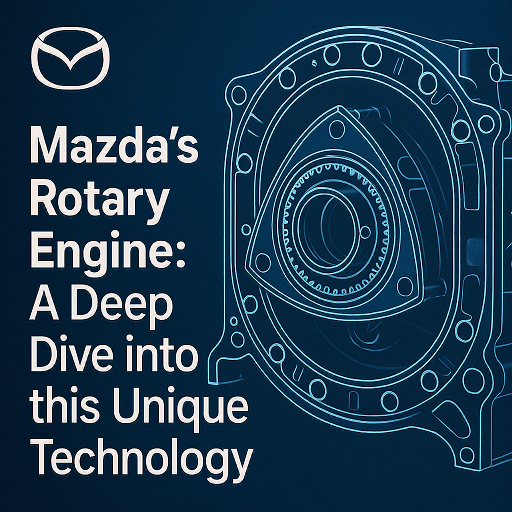
Mazda's Rotary Engine: A Deep Dive into this Unique Technology

When you think of Mazda performance and innovation, one term likely stands out: rotary engine. Unlike traditional piston engines, the rotary engine—also known as the Wankel engine —has become a symbol of Mazda’s engineering boldness and passion for unique driving experiences. At Beach Mazda, we believe part of what makes Mazda special is its willingness to think differently. So today, we’re diving deep into what makes the rotary engine so unique, how it works, and why it still holds a legendary status among driving enthusiasts. more 🔧 What Is a Rotary Engine? Instead of using pistons that move up and down, a rotary engine uses a triangular rotor that spins inside an oval-shaped housing. The rotor’s movement completes the four strokes of internal combustion— intake, compression, power, and exhaust —in a continuous motion. This design offers a lightweight, compact engine that delivers smooth power output and high-revving performance in a much smaller package than traditional engines. 🚘 Mazda and the Rotary Legacy Mazda didn't invent the rotary engine, but it perfected it. Starting with the Mazda Cosmo Sport 110S in 1967, Mazda brought the rotary engine to global attention. However, it was the Mazda RX-7 and later the RX-8 that truly defined the brand’s rotary reputation. These cars became beloved for their lightweight handling, distinctive engine sound, and thrilling driving dynamics. ⚙️ Key Advantages of the Rotary Engine Compact and Lightweight: Ideal for achieving balanced weight distribution and nimble handling. High Power-to-Weight Ratio: Delivers impressive horsepower for its size. Smooth Operation: Fewer moving parts and a unique rotation create a silky engine feel. High RPM Capability: Rotary engines love to rev, making them exciting for sports car fans. 🔍 Rotary Engine Challenges While the rotary engine has many perks, it’s not without its quirks: Fuel and Oil Consumption: Rotary engines are less efficient than piston engines, using more fuel and burning oil by design. Maintenance Requirements: They require more frequent attention, especially regarding seals and spark plugs. Emissions: Regulatory pressure and emissions standards eventually led to the discontinuation of the RX-8 in 2012. 🔋 A Rotary Comeback? The e-Skyactiv R-EV Mazda hasn’t given up on rotary technology. In fact, it’s returning in a new role: as a range extender for Mazda’s plug-in hybrid vehicles. The Mazda MX-30 e-Skyactiv R-EV reintroduces a compact rotary engine—not for driving the wheels, but for charging the battery when needed. It’s a clever use of the rotary’s lightweight, compact design, showing that Mazda still values its rotary heritage in the age of electrification. 🔧 Caring for a Rotary Engine (If You Own One) If you’re lucky enough to drive a rotary-powered Mazda like an RX-7 or RX-8, here are a few maintenance tips: Use high-quality oil and check levels often. Warm up the engine fully before pushing RPMs. Regularly replace spark plugs and ignition components. Stay on top of cooling system health to avoid overheating. Let the engine idle for a few seconds before shutting off to prevent flooding. Need help servicing a rotary engine? Our team at Beach Mazda has access to Mazda-certified parts and service experts who understand the care these engines require. 🔧 Rotary Engine, Mazda Spirit While the rotary engine is rare today, it remains a cornerstone of Mazda’s identity: innovation, driving joy, and fearless engineering. Whether in classic sports cars or cutting-edge EVs, the rotary still spins strong in Mazda’s DNA. Ready to explore Mazda’s legacy or the latest in electrified performance? Visit Beach Mazda today — where the spirit of rotary innovation lives on in every vehicle we sell and service. Want to learn more about rotary engine models or future Mazda tech? Just let us know and we’ll be glad to share more insights!

TRANSMISSION FLUID

Transmission Fluid Changes for Your Mazda: Which Type and When

By Beach Mazda Transmission fluid plays an essential role in ensuring that your vehicle shifts smoothly, operates efficiently, and prevents costly repairs. At Beach Mazda, we know how important it is to keep your vehicle running smoothly, and one of the most critical components that requires regular maintenance is your Mazda’s transmission. In this blog, we’ll explore why transmission fluid changes are so important, the different types of transmission fluid used in Mazda vehicles, and when it’s time to get your fluid changed. more Why is Transmission Fluid Important? Transmission fluid serves as the lifeblood of your vehicle’s transmission system. It lubricates the internal components, reduces friction, keeps everything cool, and helps to prevent wear and tear. Without the proper fluid levels or quality, your Mazda’s transmission can experience excessive wear, poor shifting, overheating, and even total failure. Regular transmission fluid changes can extend the life of your transmission and improve the overall performance of your vehicle. If you want to ensure smooth shifting, consistent performance, and avoid expensive repairs down the road, keeping your transmission fluid fresh and at the proper level is key. Types of Transmission Fluid for Mazda Vehicles Mazda vehicles use different types of transmission fluid depending on the model and transmission type. It's essential to use the right type of fluid to ensure proper function and avoid damaging your transmission. Below are the common types of transmission fluids used in Mazda vehicles: 1. Mazda Genuine ATF (Automatic Transmission Fluid) Mazda recommends using Genuine Mazda ATF for most of its automatic transmission models. This specially formulated fluid is designed to provide optimal performance and protection for your Mazda’s automatic transmission system. Why Use Mazda Genuine ATF? Engineered specifically for Mazda transmissions. Helps maintain smooth shifting and prolong transmission life. Prevents issues related to overheating and friction. 2. Dexron III/Mercon ATF Some older Mazda models may use Dexron III or Mercon automatic transmission fluid, which is compatible with many older automatic transmissions. However, it’s crucial to check your vehicle’s manual to confirm the exact specifications. Why It’s Used: Common in older Mazda models. Suitable for use in a wide range of automatic transmissions. Tip: Always refer to your owner’s manual to ensure you are using the correct fluid for your vehicle's transmission. 3. Mazda CVT Fluid (Continuously Variable Transmission) For Mazda vehicles equipped with CVT (Continuously Variable Transmission), such as the Mazda3 and Mazda6, it’s important to use Mazda's Genuine CVT Fluid. CVT systems require specific fluid to function optimally due to their unique design. Why Use Mazda CVT Fluid? Optimized for the unique design of CVT transmissions. Improves fuel efficiency and provides smooth performance. Protects against wear, overheating, and excessive friction. When Should You Change Your Mazda’s Transmission Fluid? Unlike engine oil, which requires more frequent changes, transmission fluid has a longer lifespan but still needs periodic maintenance to keep your transmission in top condition. However, there’s no one-size-fits-all answer for when to change your transmission fluid—it depends on your driving habits, the type of transmission, and the manufacturer’s recommendations. Here are some general guidelines for Mazda vehicles: Automatic Transmission Fluid For Mazda vehicles with automatic transmissions, Mazda typically recommends changing the transmission fluid every 30,000 to 60,000 miles. However, this can vary depending on your driving conditions and the type of fluid used. If you frequently drive in harsh conditions such as towing, stop-and-go traffic, or very hot or cold climates, you may need to change the fluid more frequently. Continuously Variable Transmission (CVT) Fluid For Mazda vehicles equipped with a CVT, the fluid change interval is usually 60,000 to 100,000 miles. However, it’s important to check your owner’s manual for the manufacturer’s specific recommendation for your model. Manual Transmission Fluid Manual transmission fluid generally needs to be changed less frequently than automatic transmission fluid, often around 30,000 to 50,000 miles. However, not all Mazda vehicles have a service interval for manual transmission fluid changes, as these systems are often designed for longer intervals. Signs That Your Mazda Needs a Transmission Fluid Change Even if you’re not sure when your transmission fluid was last changed, there are a few signs to look out for that may indicate it’s time for a fluid change: 1. Unusual Shifting Behavior If you notice your Mazda’s transmission is shifting roughly, hesitating, or slipping between gears, it could be a sign that your transmission fluid is low or dirty. 2. Grinding or Strange Noises Grinding, whining, or clunking noises coming from your transmission while driving or when shifting gears can be an indication that the fluid is not lubricating the system properly. 3. Burning Smell A burning smell is a common sign of overheating transmission fluid, which could indicate that the fluid is old, contaminated, or running low. 4. Warning Lights If your Mazda’s transmission warning light comes on, it’s essential to have the system checked immediately. Low or dirty fluid is often the cause, but it could also indicate other transmission problems. How to Change Your Mazda’s Transmission Fluid Changing transmission fluid is not a simple task, and it requires specific tools and knowledge to do properly. It’s recommended to have the service performed by a professional technician at Beach Mazda to ensure the correct fluid is used and that the change is done according to Mazda’s specifications. However, if you plan to do it yourself, here’s a basic overview of the steps: Lift the vehicle and securely support it. Locate the transmission fluid pan and drain plug (refer to your owner’s manual). Drain the old fluid into a container. Replace the filter (if necessary). Refill with the correct fluid until it reaches the proper level. Check the fluid level after starting the engine and shifting through gears. Tip: Always use the fluid recommended by Mazda, and never overfill the transmission, as this can cause damage. Final Thoughts Your Mazda’s transmission is a complex system, and proper fluid maintenance is key to ensuring its longevity and smooth performance. By understanding which type of fluid your vehicle needs and when it should be changed, you can help avoid costly transmission repairs and keep your Mazda running at its best. If you’re due for a transmission fluid change or need advice on which fluid to use, the expert technicians at Beach Mazda are here to help. We’ll make sure your Mazda gets the best care to keep you on the road for many years to come. Beach Mazda Your Trusted Mazda Experts in Myrtle Beach Ready to take care of your transmission fluid? Contact Beach Mazda today to schedule your service appointment! Our team is here to keep your Mazda running smoothly, mile after mile.

BM4 TITLE JUNE 26

Mazda i-Activ AWD System Maintenance and Troubleshooting

By Beach Mazda Mazda's i-Activ All-Wheel Drive (AWD) system is a cutting-edge technology designed to provide enhanced control and performance, especially in challenging road conditions. Whether you’re navigating wet streets, gravel roads, or snow-covered terrain, the i-Activ AWD system ensures optimal traction and stability, giving you confidence in any driving scenario. However, like any advanced system, regular maintenance and occasional troubleshooting are essential to keep your Mazda’s AWD system functioning at its best. In this blog, we’ll dive into the maintenance requirements and common troubleshooting tips for the Mazda i-Activ AWD system to ensure it continues to deliver reliable performance for years to come. more What is Mazda’s i-Activ AWD System? Mazda's i-Activ AWD system is designed to seamlessly distribute power between the front and rear wheels, depending on driving conditions. Unlike traditional AWD systems that react to slippage, i-Activ is proactive—constantly monitoring factors like wheel speed, steering angle, throttle input, and road conditions to predict when all-wheel drive is needed and adjust accordingly. This predictive system ensures that the vehicle is always prepared for various conditions without sacrificing fuel efficiency. It’s an integral part of Mazda’s Skyactiv technology, designed to maximize performance while maintaining a lightweight, fuel-efficient vehicle. Why i-Activ AWD System Maintenance is Important To ensure that the i-Activ AWD system functions efficiently, regular maintenance is crucial. If neglected, issues could arise, such as poor traction, reduced fuel efficiency, or drivetrain problems. The good news is that with proper care and attention, the system can offer reliable performance for many years. Essential i-Activ AWD System Maintenance 1. Check the AWD Fluid Regularly Like any other drivetrain component, the i-Activ AWD system relies on specific fluids to function properly. The fluid in your vehicle’s AWD system lubricates and cools the components, helping the system maintain smooth and efficient operation. When to Check: Inspect the fluid level at least once a year or every 30,000 miles, depending on your driving habits and climate. If you notice a burning smell or the AWD system is making unusual noises, it may be time for a fluid inspection or replacement. How to Maintain: Mazda recommends using the appropriate AWD fluid specific to your model, as different systems require different types of fluid. Always follow the recommendations found in your vehicle’s owner’s manual. Fluid flushes should be done at regular intervals, typically every 60,000 miles, but check with Beach Mazda for exact recommendations based on your model and driving conditions. 2. Inspect the Differential and Transfer Case The differential and transfer case are crucial components of your i-Activ AWD system, responsible for distributing power to the wheels. Over time, wear and tear can affect their efficiency, so it's important to ensure they’re operating smoothly. How to Inspect: Have your differential fluid checked during routine oil changes or when performing maintenance on other drivetrain components. If you notice any vibrations, difficulty turning, or unusual noises, it could indicate a problem with the transfer case or differential. Regular inspections will help catch any issues early before they cause more significant damage. 3. Tire Maintenance and Rotation The i-Activ AWD system relies heavily on the uniformity of the tires. If your tires are mismatched or unevenly worn, the AWD system may not function optimally. Uneven tire wear can result in strain on the drivetrain, leading to premature component wear. How to Maintain: Rotate your tires every 6,000 to 8,000 miles or as recommended in your owner’s manual. Check your tire pressure regularly and maintain the recommended levels to prevent uneven wear. Make sure your tires are always the same size and tread type to ensure that the AWD system operates efficiently. 4. Brake System Maintenance While not directly part of the i-Activ AWD system, the brake system and ABS (Anti-lock Braking System) play a crucial role in maintaining control when the AWD system is engaged. The i-Activ AWD system can activate in situations that also require effective braking. What to Check: Check the condition of your brake pads and rotors every 12,000 to 15,000 miles. Ensure the ABS system is functioning properly, as it works in conjunction with the AWD system to provide stability in slippery conditions. 5. Regularly Inspect the AWD Sensors The i-Activ AWD system relies on sensors to monitor various parameters such as wheel speed, steering angle, and throttle input. If any of these sensors fail or become misaligned, it could affect the AWD system's performance. What to Check: Have the AWD sensors inspected during regular service visits. If you notice a decrease in performance, it could be due to faulty sensors. Keep an eye on the check engine light or any other warning indicators that may signal sensor issues. Troubleshooting Common i-Activ AWD Issues 1. AWD Warning Light Comes On If the AWD warning light comes on your dashboard, it may indicate a problem with the system. Common causes include low fluid levels, malfunctioning sensors, or an issue with the differential or transfer case. What to Do: Check your AWD fluid levels and make sure they’re within the recommended range. If the light remains on, it’s important to bring your Mazda to Beach Mazda for a diagnostic check. Our technicians can identify the root cause and ensure your i-Activ AWD system is functioning properly. 2. Unusual Noises or Vibrations If you hear grinding, whining, or any other unusual noises coming from your drivetrain, or if you feel vibrations while driving, this could be a sign of an issue with your i-Activ AWD system, such as a problem with the differential, transfer case, or AWD fluid. What to Do: Inspect the fluid levels and check for any visible leaks around the drivetrain. If the problem persists, visit Beach Mazda for an in-depth inspection. Our certified technicians will pinpoint the issue and provide the necessary repairs. 3. Loss of Traction or Handling Issues If your Mazda feels like it’s losing traction more frequently or is handling poorly, it could be a sign that the i-Activ AWD system isn’t working as it should. This might happen if the tires are worn unevenly or the AWD system isn’t engaging properly. What to Do: Inspect your tires for wear and ensure that they’re properly inflated and rotated. Have the AWD system checked by a professional to ensure it’s distributing power correctly. When to Visit Beach Mazda for i-Activ AWD Service While many of the i-Activ AWD maintenance tasks can be performed at home, certain aspects, especially troubleshooting, are best handled by professional technicians. If you experience any of the issues mentioned above, or if you just want to make sure your i-Activ AWD system is in top shape, it’s a good idea to bring your Mazda in for a service visit. At Beach Mazda, we’re experts in maintaining and troubleshooting the i-Activ AWD system. Our team of certified technicians is equipped with the knowledge and tools to keep your Mazda performing at its best, no matter the road conditions. Beach Mazda Can Help Mazda’s i-Activ AWD system offers superior traction, stability, and handling, making it ideal for all types of driving conditions. With regular maintenance and timely troubleshooting, you can keep your Mazda’s AWD system functioning at its peak performance for years to come. At Beach Mazda, we’re always here to help with your AWD maintenance needs. Whether you’re due for a fluid change, tire rotation, or need assistance with troubleshooting, you can rely on us to keep your Mazda running smoothly. Beach Mazda Your Trusted Mazda Experts in Myrtle Beach If you have any questions or need assistance with your Mazda i-Activ AWD system, don’t hesitate to contact us or schedule a service appointment!

BM4 TITLE MAY 2026

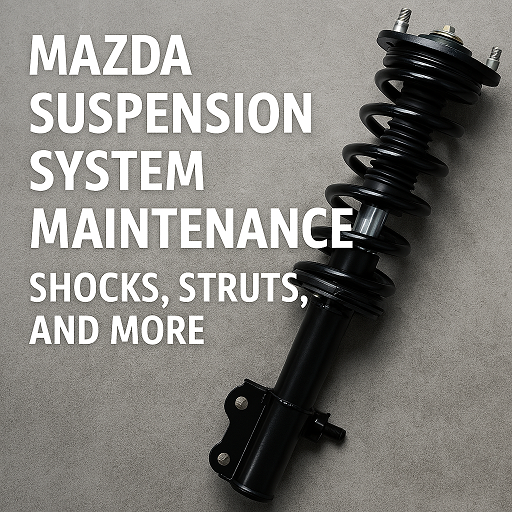
Mazda Suspension System Maintenance: Shocks, Struts, and More

By Beach Mazda Your Mazda’s suspension system plays a pivotal role in ensuring a smooth and comfortable ride, and it also contributes to your vehicle’s overall handling, stability, and safety. When your suspension components like shocks, struts, and springs are well-maintained, you enjoy a safer, more enjoyable driving experience. At Beach Mazda, we understand the importance of keeping your suspension system in optimal condition. In this blog, we’ll walk you through the essential parts of your Mazda’s suspension system, why maintenance is crucial, and how to spot signs of wear. more What is the Suspension System? Your Mazda’s suspension system consists of several key components that work together to absorb shocks and bumps from the road, keeping the wheels in contact with the ground. These components include the shocks, struts, springs, control arms, and ball joints. The suspension system is crucial for providing comfort, handling, and safety while driving. Here’s a quick breakdown of the most common suspension parts that need regular maintenance: Shocks & Struts: These components help absorb impacts from bumps and potholes, ensuring that the ride remains smooth. While they perform similar functions, shocks are usually found at the rear, and struts are typically used in the front. Springs: Springs provide the foundational support for the suspension, helping to distribute the weight of the vehicle evenly and ensure that the wheels remain firmly on the ground. Control Arms & Ball Joints: These components connect the wheels to the vehicle frame, allowing for proper movement and alignment. Bushings: Rubber bushings provide cushioning and help prevent metal-on-metal contact in the suspension system. Why Suspension System Maintenance is Important Maintaining your Mazda’s suspension system is not just about comfort—it's about safety and handling. A well-maintained suspension ensures: Smoother rides by absorbing road bumps and irregularities. Better control and stability, particularly during sharp turns or when stopping quickly. Improved tire wear, as the suspension helps keep your tires in proper alignment with the road. Enhanced braking performance, as a properly functioning suspension ensures that the vehicle remains stable during braking. Neglecting suspension system maintenance can lead to reduced driving comfort, poor handling, and unsafe driving conditions. Keeping your shocks, struts, and other suspension components in top shape is essential for maintaining your Mazda’s performance and your safety on the road. Common Suspension Issues to Look Out For Your Mazda’s suspension system takes a lot of abuse from the road, and over time, certain components can wear out. It’s important to keep an eye out for common symptoms that may indicate that your suspension system needs attention: 1. Bumpy or Rough Ride If you notice your ride feels unusually rough, especially over bumps or uneven surfaces, it may be a sign that your shocks or struts are worn out. They may no longer be absorbing impacts effectively, leading to an uncomfortable driving experience. 2. Unusual Noises If you hear clunking, squeaking, or rattling noises coming from the suspension area, it could indicate worn-out parts such as control arms, bushings, or ball joints. These noises often signal that something is loose or damaged and needs to be repaired or replaced. 3. Drifting or Pulling to One Side If your Mazda drifts or pulls to one side when you turn, it could mean there’s an issue with the suspension system. This could be caused by a damaged strut or shock absorber, leading to uneven handling. 4. Uneven Tire Wear Excessive or uneven tire wear is often a sign that your suspension system is out of alignment. When your suspension components are worn or damaged, the vehicle’s alignment can shift, causing the tires to wear unevenly, which can lead to costly tire replacements if not addressed. 5. Leaking Fluid Shocks and struts contain fluid that helps control their movement. If you notice oil or fluid leaks around these components, it’s a clear indication that they need attention or replacement. 6. Nose Diving or Swaying During Braking If your Mazda seems to dip forward when you brake or sways during sharp turns, it could indicate a problem with the shock absorbers or struts. These components are responsible for maintaining stability during braking and cornering. How to Maintain Your Mazda’s Suspension System To keep your Mazda’s suspension system working properly, regular maintenance and inspections are crucial. Here are a few key steps to ensure your suspension remains in good shape: 1. Regular Inspections Have your suspension system inspected regularly by a professional technician at Beach Mazda. During an inspection, the technician will check for worn or damaged parts, such as shocks, struts, springs, and other suspension components. A routine checkup can help identify potential problems before they become serious. 2. Replace Worn Shocks and Struts Shocks and struts wear out over time, typically after about 50,000 to 100,000 miles, depending on your driving conditions. If your Mazda is showing signs of poor ride quality, it may be time to replace these components. Replacing shocks and struts when necessary can prevent further damage to other parts of your suspension system. 3. Check the Alignment Proper wheel alignment is crucial for the health of your suspension system. If your Mazda pulls to one side or if you notice uneven tire wear, it may indicate an alignment issue. Having your alignment checked regularly can save you from premature tire replacement and help maintain your suspension system. 4. Lubricate Suspension Components Certain parts of your suspension, such as ball joints, control arms, and bushings, may require periodic lubrication to maintain smooth operation. Regular lubrication helps reduce friction and wear, improving the longevity of these components. 5. Address Suspension Issues Promptly If you notice any of the symptoms mentioned above, it’s essential to have your suspension system checked by a professional technician as soon as possible. Prompt attention to issues like worn-out shocks, leaking struts, or damaged control arms can prevent further damage and costly repairs. Schedule Service with Beach Mazda Your Mazda’s suspension system is crucial for ensuring a smooth, comfortable, and safe driving experience. Regular maintenance, such as inspecting and replacing worn shocks, struts, and other suspension components, is essential for maintaining the performance and safety of your vehicle. Keeping your suspension system in top shape not only enhances your driving comfort but also extends the life of your tires and other critical vehicle systems. At Beach Mazda, we’re here to help you keep your Mazda in excellent condition. Our expert technicians can inspect your suspension system and provide any necessary repairs or replacements to ensure you’re always driving safely and comfortably. Beach Mazda Your Trusted Mazda Experts in Myrtle Beach If you suspect an issue with your suspension system or are due for an inspection, contact Beach Mazda today to schedule your service appointment. We're dedicated to keeping your Mazda in top performance, mile after mile!

bm2 title apr 26

Finding Genuine Mazda Parts and Accessories: Why It Matters

When it comes to maintaining or customizing your Mazda, using the right parts and accessories can make all the difference. Whether you're driving a sporty Mazda3 or a family-friendly CX-90, choosing genuine Mazda components ensures optimal performance, safety, and longevity. more At Beach Mazda, we know your Mazda was built with precision — and it deserves to stay that way. In this blog, we’ll explain why genuine Mazda parts and accessories are essential and how to make sure you’re getting the real deal. 🛠️ What Are Genuine Mazda Parts? Genuine Mazda parts are original equipment manufacturer (OEM) components designed specifically for your vehicle. That means they meet the same engineering and quality standards as the parts used when your car was first built. These parts are tested for performance, durability, and safety — unlike many aftermarket parts, which may not fit or function properly. ✅ Why Choose Genuine Mazda Parts? Here are the top reasons to stick with OEM components: 1. Perfect Fit Each part is made to fit your specific Mazda model. No modifications, no guesswork — just plug-and-play precision. 2. Peace of Mind Genuine Mazda parts often come with a manufacturer’s warranty, offering added protection that aftermarket options typically don’t provide. 3. Better Performance From brake pads to filters to spark plugs, OEM parts keep your Mazda running the way it was engineered to — smooth, efficient, and reliable. 4. Safety Safety systems like airbags, sensors, and brakes must meet strict standards. Using non-genuine parts can compromise performance and put you at risk. 5. Resale Value Maintaining your Mazda with genuine parts shows that you’ve taken proper care of it — something potential buyers or trade-in appraisers will notice. 🧰 Genuine Mazda Accessories: Make It Yours Looking to personalize your ride? Mazda offers a wide range of genuine accessories designed to enhance your driving experience: All-weather floor mats Cargo organizers and trays Roof racks and bike carriers Navigation upgrades Interior trim kits Stylish alloy wheels and spoilers These accessories not only fit perfectly — they also match your vehicle’s styling and color themes, preserving the refined Mazda aesthetic. 🔍 How to Spot Genuine Mazda Parts Worried about fakes? Here’s how to ensure you’re buying genuine: Buy from an authorized Mazda dealership like Beach Mazda. Look for Mazda part numbers and branded packaging. Avoid unusually low prices from unknown sellers. Ask for proof of OEM certification if buying from third parties. 🛒 Get Genuine Parts at Beach Mazda At Beach Mazda, we make it easy to find the right parts and accessories for your vehicle. Our Mazda-trained service advisors and technicians are here to help you choose, install, or order exactly what you need. Benefits of shopping with us include: OEM part warranty coverage Professional installation available Special order support Mazda accessory promotions throughout the year 💡 Final Thoughts Your Mazda is more than just transportation — it’s a reflection of craftsmanship and innovation. Using genuine Mazda parts and accessories helps you protect that investment and enjoy your vehicle to the fullest. Looking for a specific part or accessory? Contact our parts department at Beach Mazda today, and let our experts help you find exactly what you need. Would you like help customizing your Mazda or setting up a parts order? Just say the word and we’ll get you started!

BM4 TITLE MARCH 2026

Mazda Brake System Maintenance: Tips for Keeping Your Mazda Stopping Safely

By Beach Mazda Your Mazda’s brake system is one of the most critical components of your vehicle, ensuring your safety and the safety of everyone on the road. Whether you're navigating the busy streets of Myrtle Beach or cruising on open highways, keeping your brakes in excellent condition is essential to ensure that you can stop quickly and effectively when needed. more At Beach Mazda, we know how important your brakes are. In this blog, we’ll walk you through the essential tips for maintaining your Mazda’s brake system, from checking brake pads to inspecting the fluid levels. These simple yet effective steps can help you keep your car stopping safely for years to come. Check Your Brake Pads Regularly Why It’s Important: Brake pads are crucial for stopping your vehicle. Over time, they wear down and can become less effective, leading to longer stopping distances and potential damage to your brake rotors. How to Do It: Inspect the Thickness: You can usually check the thickness of your brake pads by looking through the spokes of the wheel. If the pad material is less than 1/8 inch thick, it’s time for a replacement. Listen for Squeaking or Grinding: If you hear squeaking, squealing, or grinding noises while braking, this could be a sign that the brake pads are worn out and need replacement. Have a Professional Check Them: If you're unsure about the condition of your brake pads, have a professional inspect them during your next service visit. Tip: On average, brake pads should be replaced every 30,000 to 70,000 miles, depending on driving conditions. Monitor Brake Fluid Levels Why It’s Important: Brake fluid is what allows your brakes to function properly by transferring the pressure from your foot on the brake pedal to the braking components. Low brake fluid can cause your brakes to feel soft or unresponsive, which can be dangerous. How to Do It: Check the Fluid Reservoir: The brake fluid reservoir is typically located near the back of the engine bay. Look for the “min” and “max” lines on the side of the reservoir to see if the fluid is within the recommended level. Look for Discoloration: Brake fluid should be clear or light yellow. If it looks dark or has a burnt smell, it’s time to replace it, as old brake fluid can degrade the performance of your braking system. Top Off or Replace Fluid: If the fluid level is low, top it off with the correct type of brake fluid, which can be found in your owner’s manual. If you need to replace the fluid, make sure to follow the correct procedure or have a technician do it for you. Tip: Check your brake fluid every 6 months to ensure it’s at the proper level and condition. Inspect Brake Rotors Why It’s Important: Brake rotors play a vital role in stopping your vehicle. When your brake pads press against the rotors, they slow your car down. Over time, rotors can become worn, scored, or warped, which can lead to vibrations, reduced braking efficiency, and even brake failure. How to Do It: Check for Scoring or Warping: Look for any visible signs of wear, such as grooves, scoring, or cracks. If you feel vibrations when braking or notice uneven brake pad wear, it may be time to replace the rotors. Measure Rotor Thickness: If your rotors are too thin, they can overheat and cause brake failure. A professional can measure the thickness to ensure they’re still within safe limits. Tip: Brake rotors should be inspected regularly, especially if you notice any unusual sounds or vibrations while braking. Bleed Your Brakes Why It’s Important: Over time, air can get trapped in the brake lines, which can cause your brakes to feel spongy or less responsive. Bleeding the brakes removes this air, ensuring the braking system works efficiently. How to Do It: Check for Soft Pedal: If you notice that your brake pedal feels unusually soft or sinks to the floor when pressed, air in the brake lines could be the issue. Bleed the Brakes: This process involves loosening the brake line valve at each brake and letting fluid flow out until no bubbles appear. It’s recommended to have this done by a professional, as it requires the correct tools and expertise. Tip: Brake fluid should be changed every 2-3 years to ensure optimal brake performance. Check for Leaks Why It’s Important: Leaking brake fluid can lead to a drop in braking performance and even complete brake failure. It's important to regularly check for leaks to ensure the integrity of your brake system. How to Do It: Inspect Brake Lines and Hoses: Look for any visible signs of leaks or damage around the brake lines and hoses. If you notice fluid under your car or a drop in brake fluid levels, there could be a leak somewhere in the system. Check the Master Cylinder: The master cylinder is responsible for distributing brake fluid to each wheel. If it’s leaking, your brakes will lose fluid and fail to work properly. Tip: If you find any leaks, have them fixed immediately to avoid a dangerous situation. Replace Worn Brake Shoes (For Drum Brakes) Why It’s Important: While most modern Mazdas use disc brakes, some models may still have drum brakes, particularly on the rear wheels. Brake shoes inside the drum press against the drum to slow your vehicle down. Over time, these shoes wear down and need replacement. How to Do It: Inspect the Brake Shoes: If you hear a grinding sound or notice your brakes feel less responsive, it could be a sign that your brake shoes are worn out. Replace the Shoes: Replacing brake shoes can be more complex than replacing pads, so if you’re not comfortable doing this yourself, it’s best to leave it to a professional. Tip: Brake shoes typically last around 30,000 to 50,000 miles, but they should be checked regularly. Regular Brake System Inspections Why It’s Important: Even if everything seems to be working fine, it’s important to have your brake system checked by a professional regularly. Routine inspections can catch potential problems before they become serious issues, ensuring you maintain safe and reliable braking. How to Do It: Schedule Regular Maintenance: At Beach Mazda, we recommend having your brake system inspected during routine service appointments, typically every 12,000 to 15,000 miles or once a year. Look for Warning Signs: If you notice any unusual noises, vibrations, or a decrease in braking performance, schedule a brake inspection immediately. Essential for Safe Driving Your Mazda’s brake system is essential for safe driving, and regular maintenance is key to ensuring it operates at its best. By checking brake pads, fluid, rotors, and other components, you can keep your braking system in excellent condition and avoid costly repairs down the road. At Beach Mazda, we’re here to help you with all your Mazda maintenance needs. If you’re unsure about any aspect of your brake system or need professional assistance, our expert technicians are ready to provide you with top-notch service. Beach Mazda Your Trusted Mazda Experts in Myrtle Beach Ready to ensure your Mazda stops safely? Contact Beach Mazda to schedule a brake system inspection or any other maintenance service today!

BM2 TITLE MARCH 26

DIY Mazda Maintenance: Simple Tasks You Can Do at Home

At Beach Mazda, we know many of our customers enjoy taking a hands-on approach when it comes to caring for their vehicles. Whether you're looking to save money or simply enjoy working on your car, there are several easy maintenance tasks you can perform at home to keep your Mazda running smoothly between service visits. Let’s explore a few simple and effective DIY Mazda maintenance tips that require only basic tools and minimal mechanical experience — perfect for Mazda drivers around Myrtle Beach! more Check and Top Off Fluids Your Mazda relies on a variety of fluids to operate at its best. Checking and topping them off regularly is a quick task you can do in your driveway. Engine Oil: Pull out the dipstick, wipe it clean, insert it again, and check the level. If it’s low, add the recommended oil type (found in your owner’s manual). Coolant: Make sure coolant levels are between the min and max lines on the reservoir — always check when the engine is cool! Brake Fluid and Transmission Fluid: Check fluid color and levels and top off as needed with the proper specification. Windshield Washer Fluid: An easy refill that keeps your visibility clear. Replace Engine Air Filter A dirty air filter can reduce fuel efficiency and performance. Luckily, replacing it is one of the easiest DIY tasks: Open the airbox (usually held closed with clips or screws). Remove the old filter. Drop in a new, clean one — no tools required on most Mazda models. Pro tip: Do this every 12,000–15,000 miles, or more often in dusty areas like coastal roads or construction zones. Check Tire Pressure and Tread Depth Properly inflated tires improve gas mileage and extend tire life — and checking them takes just a couple of minutes: Use a tire pressure gauge to ensure your tires match the PSI listed inside your driver’s door. For tread depth, insert a penny with Lincoln’s head down. If you can see all of his head, it’s time to replace your tires. Bonus: Don’t forget to inspect your spare tire too! Replace Wiper Blades Wiper blades typically last about 6 to 12 months, especially in areas with lots of rain or sun. If yours streak or squeak, it's time to change them: Lift the wiper arm. Press the release tab and slide the old blade off. Slide the new blade on until it clicks into place. Mazda OEM wiper blades are available at Beach Mazda’s parts department if you want the perfect fit. Clean and Protect Your Battery Terminals A battery that won’t start is often caused by dirty or corroded terminals. Here’s how to clean them: Disconnect the battery (negative terminal first). Use a wire brush and baking soda solution to scrub away corrosion. Rinse with water and dry completely. Reconnect the terminals (positive first), and apply a corrosion-preventive spray. Always wear gloves and eye protection! Change the Cabin Air Filter Breathe cleaner air in your Mazda by replacing the cabin air filter, usually located behind the glove box: Remove the glove box (consult your owner’s manual). Slide out the old filter. Insert the new one with airflow arrows facing the right direction. This is especially helpful during allergy season or after a sandy summer at the beach. When to Leave It to the Pros While DIY maintenance is great for basic tasks, more complex services — like brake replacements, suspension repairs, or engine diagnostics — are best handled by certified technicians. At Beach Mazda, we’re here to support your DIY efforts and step in whenever you need expert help. Our service center offers everything from oil changes and multi-point inspections to advanced diagnostics, all using genuine Mazda parts. Final Thoughts Taking care of your Mazda at home doesn’t have to be intimidating. With just a little time and effort, you can extend your vehicle’s life and catch small issues before they become big problems. Need filters, fluids, or wiper blades? Visit Beach Mazda’s Parts Center or contact us today — and keep your Mazda running like new, one simple DIY step at a time. Thinking about a DIY-friendly Mazda model or parts? Let our team help you find the right fit for your next project!

BM4_FEB 2026_TITLE

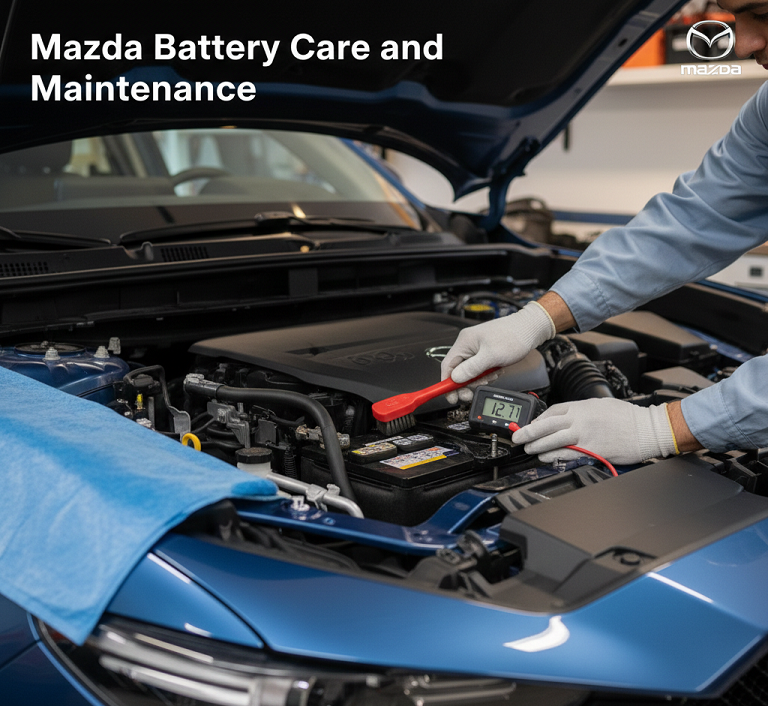
Mazda Battery Care and Maintenance

By Beach Mazda Your Mazda’s battery plays a critical role in the overall performance of your vehicle, providing the necessary power to start the engine and keeping essential electrical systems running. Over time, however, your battery can lose its efficiency or even fail altogether. To ensure your Mazda starts reliably every time, it’s essential to take proper care of your battery. more At Beach Mazda, we understand how important it is to maintain your car’s battery for optimal performance. In this blog, we’ll explain everything you need to know about Mazda battery care and maintenance so you can keep your vehicle running smoothly, whether you’re commuting around town or taking a road trip. Why Battery Maintenance is Important Your Mazda’s battery powers more than just the engine start-up. It also provides energy to essential electrical components like lights, air conditioning, entertainment systems, and more. Without a well-maintained battery, these systems can fail, leaving you stranded or facing costly repairs. Proper battery maintenance helps you: Extend the life of your battery. Avoid unexpected battery failures. Ensure consistent and reliable performance. With a few simple care steps, you can keep your Mazda’s battery in top condition and avoid the stress of sudden battery failure. Mazda Battery Care Tips 1. Check Battery Terminals for Corrosion Corrosion at the battery terminals can disrupt the flow of electricity and prevent your car from starting. To avoid this, regularly check the battery terminals for any signs of corrosion (a white, powdery substance). How to Clean Corrosion: Turn off the engine and disconnect the negative terminal first, followed by the positive terminal. Use a mixture of baking soda and water to clean the terminals with a brush. After cleaning, dry the terminals completely and reconnect the battery, starting with the positive terminal and finishing with the negative. Tip: Applying a thin layer of petroleum jelly or special terminal grease after cleaning helps prevent future corrosion. 2. Inspect the Battery for Damage A physically damaged battery can be a safety hazard and might need replacing sooner than expected. Always inspect the battery casing for cracks or bulges, which can indicate internal damage. If you notice any issues, it’s time to replace your battery. Key things to check: Cracks, leaks, or bulging in the battery casing. Discoloration or frosting around the battery terminals. Loose or damaged cables connected to the battery. If you notice any of these signs, visit Beach Mazda for a professional battery inspection. 3. Ensure Proper Battery Charge A battery that isn’t being charged correctly can lose its capacity over time. If you don’t drive your Mazda regularly or take frequent short trips, the battery may not have enough time to recharge fully. How to Maintain Battery Charge: Drive your car regularly for at least 20 minutes, especially if you only use it for short trips. If you plan to leave your car unused for an extended period, consider using a battery maintainer or trickle charger to keep the battery charged. Tip: If your car won’t start after a period of inactivity, it could be due to a drained battery, and a jump-start may be necessary. 4. Test Your Battery’s Voltage Testing your battery’s voltage regularly helps identify early signs of trouble. A healthy, fully charged battery should have a voltage of about 12.6 volts when the engine is off. If the voltage drops below 12.4 volts, it’s a sign that your battery may need charging or replacing. You can test the battery voltage with a multimeter, or have the battery tested during a routine service visit at Beach Mazda. 5. Check the Charging System Your Mazda’s alternator is responsible for charging the battery while the engine is running. If the alternator is faulty, the battery won’t charge properly, leading to poor performance or even complete battery failure. If you notice dim lights, difficulty starting your car, or electrical issues while driving, it could indicate a problem with the alternator. A visit to Beach Mazda for a diagnostic test will help ensure your charging system is functioning properly. 6. Avoid Overuse of Electrical Accessories Using electrical accessories like lights, air conditioning, and entertainment systems while the engine is off can drain your battery. It’s important to avoid overusing these accessories when the engine is not running, as it can lead to a dead battery, especially if the car is left idle for a while. Signs You May Need a New Battery Even with regular maintenance, car batteries have a limited lifespan, typically around 3 to 5 years. If your battery is reaching this age or showing signs of failure, it may be time for a replacement. Here are some signs to watch out for: Slow engine cranking when starting the car. Warning lights on the dashboard related to the battery or charging system. Frequent jump-starts or electrical issues. A noticeable decrease in battery life or the need to recharge more often. If you’re experiencing any of these symptoms, it’s best to have your battery inspected by a Beach Mazda technician to determine if it needs replacing. How to Replace Your Mazda Battery Replacing a car battery is a simple process, but it’s important to do it properly to avoid damaging your vehicle’s electrical system. Here’s a quick overview of how to replace the battery: Turn off the engine and remove the key. Disconnect the negative terminal first, followed by the positive terminal. Remove the battery by loosening the clamps or securing brackets holding it in place. Insert the new battery and secure it with the clamps. Reconnect the positive terminal, followed by the negative terminal. Check the connections to ensure they are tight and clean. Tip: It’s best to have a professional technician replace the battery to avoid complications with the electrical system. P revent Issues Proper Mazda battery care and maintenance can significantly extend the life of your vehicle’s battery and ensure that your car starts reliably every time. By following the tips mentioned above, you can prevent issues like corrosion, poor charging, and battery failure, all of which can leave you stranded. Regular battery checks and keeping your system in good working order are essential for a smooth and hassle-free driving experience. If you ever need help with battery maintenance, testing, or replacement, Beach Mazda is here to assist you. Our expert technicians can perform battery checks and replacements to keep your vehicle running at its best. Beach Mazda Your Trusted Mazda Experts in Myrtle Beach If you're ready for a battery inspection or need to replace your battery, schedule a service appointment with Beach Mazda today! We’ll ensure your vehicle stays reliable and ready to go, no matter where the road takes you.

BM2_FEB 2026_TITLE

Decoding Mazda’s Diagnostic Codes: What They Mean and What to Do

Modern Mazdas are packed with advanced technology designed to keep you safe and your vehicle running smoothly. One of these technologies is the On-Board Diagnostic (OBD) system, which monitors your car’s systems and alerts you when something isn’t quite right through diagnostic trouble codes (DTCs). At Beach Mazda, we understand how confusing those blinking check engine lights or error messages can be. That’s why we’ve put together this guide to help you decode Mazda’s diagnostic codes, understand what they mean, and know the best steps to take. more What Are Diagnostic Trouble Codes (DTCs)? Diagnostic trouble codes are alphanumeric codes generated by your vehicle’s computer when it detects a malfunction. These codes pinpoint specific issues in your engine, transmission, emissions system, brakes, or other critical components. When a problem arises, the “Check Engine” light or another warning indicator might illuminate on your dashboard, signaling that it’s time for a diagnostic check. Common Mazda Diagnostic Codes and What They Mean Here are some common Mazda DTCs you might encounter: Code Meaning What to Do P0300 Random/Multiple Cylinder Misfire Schedule service to inspect spark plugs, ignition coils, or fuel injectors. P0420 Catalyst System Efficiency Below Threshold Possible catalytic converter issue; get it checked promptly. P0171 System Too Lean (Bank 1) Could indicate vacuum leaks or dirty fuel injectors. Service needed. P0442 Evaporative Emission Control System Leak (small leak) Check gas cap seal and fuel system. Tighten or replace gas cap if needed. C0035 Wheel Speed Sensor Malfunction (ABS) May affect braking performance; have your brakes inspected immediately. What Should You Do When a Code Appears? Don’t panic. A check engine light doesn’t always mean a major repair. Sometimes it’s a simple fix like tightening a loose gas cap. Check for symptoms. Is your Mazda driving differently? Any unusual noises, smells, or performance changes? Note them to share with your technician. Use an OBD-II scanner. If you have one, you can check the code yourself and get a rough idea of the problem. However, some Mazda-specific codes may require professional tools. Schedule a service appointment at Beach Mazda. Our expert technicians have the latest Mazda diagnostic equipment and factory training to accurately read and repair your vehicle. Why Trust Beach Mazda for Diagnostics? At Beach Mazda, we don’t just read codes — we interpret them in the context of your vehicle’s condition. That means fewer unnecessary repairs and more accurate solutions. Our advantages include: Genuine Mazda diagnostic software Certified Mazda technicians OEM parts and warranty-backed repairs Transparent explanations and cost estimates Proactive Maintenance Helps Prevent Codes Regular maintenance is your best defense against unexpected codes. Stay on top of: Oil changes Spark plug and air filter replacement Fuel system cleaning Brake system inspections Emissions testing (where required) Stay Informed, Drive Confidently Understanding Mazda’s diagnostic codes empowers you to take timely action and keep your vehicle performing at its best. If your check engine light comes on or you notice any warning indicators, don’t hesitate— bring your Mazda to Beach Mazda for expert diagnostics and trusted repairs. Need help decoding a code or scheduling a diagnostic check? Contact Beach Mazda today and let our team get you back on the road safely and smoothly.

bm3 title jan 2026

DIY Mazda Maintenance: What You Can Do at Home

Owning a Mazda comes with the responsibility of keeping your vehicle in top shape, and while regular visits to a certified Mazda technician are essential, there are many maintenance tasks you can perform yourself at home to keep your car running smoothly. DIY maintenance not only saves you money but also helps you become more familiar with your vehicle, improving both its lifespan and your overall driving experience. more At Beach Mazda, we’re passionate about keeping your Mazda in great condition. In this blog, we’ll guide you through some simple, effective DIY Mazda maintenance tasks that you can tackle at home. From checking your fluids to changing your wiper blades, these tasks are easy and rewarding! 1. Checking and Changing Engine Oil Why It’s Important: Regular oil changes are crucial for maintaining engine health and performance. The oil in your Mazda’s engine keeps all moving parts lubricated and prevents excessive wear. How to Do It: Prepare Your Supplies: You’ll need the right type of oil for your Mazda (check your owner’s manual for the exact specifications), an oil filter, an oil drain pan, a funnel, and a wrench to remove the oil plug. Drain the Oil: Place the drain pan under the oil pan and unscrew the drain plug. Allow the oil to drain completely into the pan. Replace the Oil Filter: Use a wrench to unscrew the old oil filter. Coat the rubber gasket of the new filter with a little oil before installing it. Add New Oil: Once the old oil has drained, replace the drain plug and add the new oil using a funnel. Check the oil level with the dipstick to ensure it's at the proper level. Dispose of the Oil: Take your used oil to a recycling center. 2. Checking and Replacing Air Filters Why It’s Important: A clean air filter ensures that your engine gets a steady supply of clean air, which is essential for optimal performance and fuel efficiency. How to Do It: Locate the Air Filter: On most Mazda models, the air filter is located in a rectangular air box near the front of the engine bay. Inspect the Filter: Remove the air filter and check for dirt, debris, and wear. If it’s clogged or dirty, it’s time to replace it. Install a New Filter: Place a new air filter in the air box, ensuring it fits snugly and seals properly. Tip: For maximum performance, replace your air filter every 12,000 to 15,000 miles, or more often if you drive in dusty conditions. 3. Replacing Windshield Wiper Blades Why It’s Important: Worn-out wiper blades can reduce visibility, especially during rain or snow. Keeping your wipers in good condition is essential for safe driving. How to Do It: Check Wiper Blades: Lift the wiper arms away from the windshield and check the blades for cracks, tears, or missing rubber. If they’re damaged, it’s time to replace them. Remove the Old Blades: Most Mazda wipers can be removed by pressing a small tab on the wiper arm to release the blade. Slide the old wiper off. Install the New Blades: Slide the new wiper blades onto the wiper arm and make sure they’re securely attached. Tip: Replace your wiper blades every 6-12 months for optimal performance. 4. Checking Tire Pressure Why It’s Important: Proper tire pressure is essential for safety, fuel efficiency, and tire longevity. Underinflated or overinflated tires can cause uneven wear and reduce your car's handling ability. How to Do It: Get a Tire Pressure Gauge: A digital or manual tire pressure gauge will allow you to check the pressure in each tire. Check the Recommended Pressure: Look for the recommended tire pressure for your Mazda, which is usually listed on the driver’s side door frame or in the owner’s manual. Measure and Adjust the Pressure: Remove the valve cap from the tire and press the gauge onto the valve stem. If the pressure is too low, add air until it reaches the recommended level. If it’s too high, release some air until it’s just right. Tip: Check your tire pressure at least once a month and before long trips. 5. Inspecting and Replacing Brake Pads Why It’s Important: Your brakes are one of the most critical safety features of your vehicle. Keeping an eye on brake pad wear can prevent costly repairs and ensure your safety. How to Do It: Visual Inspection: If you can see the brake pads through the wheel spokes, check their thickness. Brake pads should be replaced if they are worn down to about 1/8 inch or thinner. Replace the Brake Pads: To replace the brake pads, you'll need to remove the wheel, use a jack to lift the car, and unscrew the caliper. Once the caliper is off, remove the old brake pads and replace them with new ones. Be sure to follow your owner’s manual for exact steps, as the process may vary by model. Tip: If you’re not familiar with brake pad replacement, consider having a professional handle it for safety reasons. 6. Changing Cabin Air Filter Why It’s Important: The cabin air filter ensures the air you breathe inside the car is clean. It filters dust, pollen, and other allergens from the air entering the cabin. How to Do It: Locate the Filter: The cabin air filter is usually located behind the glove compartment or under the dashboard. Check your owner’s manual to find the exact location. Remove the Old Filter: Open the compartment or panel that houses the filter. Slide out the old filter and check it for dirt and debris. Install the New Filter: Insert the new filter, ensuring it’s properly aligned and seated. Tip: Replace the cabin air filter every 15,000 to 20,000 miles, or more often if you live in a dusty area. 7. Checking and Replacing Fluids Why It’s Important: Fluids like engine oil, coolant, transmission fluid, and brake fluid are essential to keep your Mazda running smoothly and prevent damage to critical systems. How to Do It: Engine Oil: Check the oil level with the dipstick and top off if necessary. Coolant: Check the coolant level and top it off with the appropriate coolant if it’s low. Brake Fluid: Inspect the brake fluid reservoir and add fluid if needed. Transmission Fluid: Check the transmission fluid level (if accessible) and add more fluid if necessary. Tip: Always use the fluid type specified in your Mazda’s owner manual to ensure proper performance. Visit the Beach Mazda Service Department Performing DIY maintenance on your Mazda is a great way to save money, stay connected with your car, and ensure its longevity. While some tasks, like oil changes and brake pad replacements, can be more involved, others, like checking tire pressure and replacing air filters, are simple and quick. At Beach Mazda, we’re always here to help with more complex maintenance tasks and provide guidance if you ever need assistance. Regular maintenance not only keeps your Mazda running like new, but it also ensures your safety and driving comfort. If you ever have questions about performing DIY maintenance or need help with a more advanced repair, don’t hesitate to contact us! Beach Mazda Your Trusted Mazda Experts in Myrtle Beach Ready to tackle some DIY Mazda maintenance? Visit Beach Mazda for more tips, tools, and guidance on keeping your vehicle in top shape!

bm2 title jan 2026

Choosing the Right Tires for Your Mazda: A Comprehensive Guide

Your Mazda is built for performance, safety, and style — and the right set of tires plays a crucial role in all three. Whether you’re driving through Myrtle Beach’s sunny streets or preparing for a long road trip, choosing the proper tires helps ensure your vehicle performs its best in any condition. more At Beach Mazda, we know that picking the right tires can be confusing. That’s why we’ve created this easy-to-follow guide to help you make the right decision for your Mazda and your lifestyle. Why the Right Tires Matter Tires directly affect: Handling and performance Fuel efficiency Ride comfort Safety and stopping distance Tire wear and lifespan Mazda engineers each vehicle with a specific driving feel — what they call “Jinba Ittai,” the harmony between car and driver. The wrong tires can interfere with that carefully balanced experience. Types of Tires for Your Mazda Let’s break down the most common types of tires you might consider for your Mazda: 1. All-Season Tires Best for: Everyday driving in mild climates These are the most common tires and typically what comes standard on most Mazda models. They offer a balance of performance, comfort, and longevity. 2. Performance Tires Best for: Sporty handling and enhanced grip Ideal for Mazda3, Mazda6, or MX-5 Miata owners who want tighter cornering and better high-speed control. However, they may wear faster than standard all-season options. 3. Touring Tires Best for: Long-distance comfort and quiet rides These tires are perfect for drivers who value a smooth, quiet ride — great for family-focused vehicles like the Mazda CX-5 or CX-90. 4. Winter/Snow Tires Best for: Cold-weather or snowy conditions If you travel north in the winter or live in colder climates, winter tires are essential. They provide better traction in snow, ice, and freezing temperatures. 5. All-Terrain Tires Best for: Off-road and rugged conditions If you drive a Mazda CX-50 or plan to explore trails and unpaved roads, all-terrain tires give you the traction and toughness needed for adventure. How to Choose the Right Tires Here are a few factors to consider when selecting your next set of tires: 1. Driving Habits Do you stick to city roads, hit the highway often, or take the scenic route off the beaten path? Your driving patterns should influence your tire choice. 2. Climate Myrtle Beach drivers generally benefit from all-season tires. However, if you travel to colder regions or experience frequent rain, consider specialty options. 3. Vehicle Model Each Mazda model has a recommended tire size and type. Refer to your owner’s manual or the sticker inside the driver-side door for Mazda’s specific recommendations. 4. Budget and Longevity Tires vary in cost and tread life. A more expensive tire may last longer and offer better performance, making it a smarter long-term investment. Signs It’s Time to Replace Your Tires Tread depth is below 2/32 of an inch (use the penny test!) Uneven wear or visible cracks Frequent tire pressure loss Road noise or vibration while driving Your tires are more than 6 years old Why Choose Beach Mazda for Tires? At Beach Mazda, we carry a wide selection of genuine Mazda-recommended tires and top brands. Our certified technicians can: Recommend the best tires for your specific model and driving style Perform professional tire installation and balancing Handle alignments, rotations, and flat repairs Help you save with regular tire specials and rebates Final Thoughts The right tires enhance your Mazda’s performance, improve fuel economy, and keep your family safe. Don’t leave such a critical component to chance — let the experts at Beach Mazda help you choose the best tires for your driving lifestyle. Need help picking or installing tires? Schedule an appointment or visit Beach Mazda today, and let’s keep your Mazda riding smoothly, no matter where the road takes you. Want to learn more about tire maintenance or tire pressure monitoring systems? We're happy to help you understand every detail!

BM4 title dec 2025

When to Replace Your Car's Timing Belt or Chain

The timing belt or chain is a critical component of your vehicle's engine, responsible for synchronizing the rotation of the crankshaft and camshaft(s). This ensures that the engine's valves open and close at the proper times during each cylinder's intake and exhaust strokes. Because of its importance, it’s essential to know when to replace your car’s timing belt or chain to avoid severe engine damage and costly repairs. In this blog, we’ll explore the differences between timing belts and chains, how to tell when they need replacement, and the general guidelines for replacement. more Timing Belt vs. Timing Chain Before diving into replacement schedules, it’s crucial to understand the difference between timing belts and chains: Timing Belt: Made of rubber and reinforced with fibers, timing belts are quieter and lighter than chains. However, they can wear out over time and typically require replacement. Timing Chain: Made of metal, timing chains are more durable and designed to last the lifetime of the engine. They usually don’t require regular replacement, but they can stretch or wear out under certain conditions. When to Replace Your Timing Belt Most manufacturers recommend replacing the timing belt every 60,000 to 100,000 miles, but this can vary depending on your vehicle's make and model. Here are some signs and guidelines to help you determine when to replace your timing belt: Check Your Owner’s Manual: Always refer to your vehicle’s owner manual for the manufacturer’s specific recommendations regarding timing belt replacement intervals. Mileage and Age: If your vehicle has reached the mileage range recommended by the manufacturer, or if the belt is more than five years old, it’s time to consider a replacement, even if the mileage is lower. Visible Wear and Damage: Inspect the timing belt for signs of wear, such as cracks, fraying, or glazing. If you notice any of these issues, it’s essential to replace the belt immediately. Engine Performance Issues: If you experience symptoms such as misfiring, rough idling, or difficulty starting the engine, it could indicate a problem with the timing belt. Have your vehicle inspected by a qualified mechanic if you notice these symptoms. Oil Leaks: Oil leaking onto the timing belt can cause it to degrade more quickly. If you find oil on the belt, it’s best to have it replaced along with any necessary repairs to stop the leak. When to Replace Your Timing Chain Timing chains are generally more robust and longer-lasting than timing belts, but they can still wear out or experience issues. Here’s when to consider replacing your timing chain: Manufacturer Recommendations: Unlike timing belts, timing chains don’t have a strict replacement schedule, but some manufacturers suggest inspecting the chain every 100,000 miles or so. Engine Noise: A rattling or knocking noise from the engine, especially during startup, may indicate a worn or loose timing chain. If you hear unusual noises, have a professional inspection done. Check Engine Light: If the check engine light comes on and diagnostic codes indicate timing chain issues, it’s crucial to address the problem promptly. Oil Contamination: Just like with timing belts, oil leaks that contaminate the timing chain can lead to premature wear. If you notice oil leaks, address them quickly and inspect the timing chain. Engine Performance Issues: Symptoms such as poor acceleration, rough idling, or engine misfires may indicate timing chain problems. A thorough inspection by a mechanic can help diagnose the issue. Stay Proactive Knowing when to replace your car's timing belt or chain is crucial for maintaining your engine's health and performance. Regular maintenance and inspections can help identify potential issues before they lead to severe damage. If you’re approaching the recommended mileage for replacement or notice any signs of wear, consult a qualified mechanic for a thorough inspection and any necessary replacements. By staying proactive with your timing belt or chain, you can ensure your engine runs smoothly for years to come.

Contact Us

Fill out this form below and we'll contact you shortly
*Required Fields