Blog / Mazda Service

Blog

All Mazda Service News Technology Important Information Mazda Model Features Tips Features & Specs Awards Service Mazda Vehicles Mazda Safety Technology Money Saving Tips Safety Beach Mazda Service History 2023 Models Community Events Comparisons Financing Your Mazda Fun Stuff Local 2024 Models Holidays Mazda Parts Car Buying Process Driver-Centric Design EVs Exterior Fuel & Gas Pre-Owned Certified Pre-Owned Mazda Vehicles Electric & Hybrid Vehicles Infotainment Insurance Mazda Accessories Mazda CX-30 Mazda3 Racing Restaurants & Food Tires & Wheels Travel Activities Drive For Good Kodo Design Language Mazda CX-5 Mazda CX-9 Mazda Motorsports Automotive Cleaning Fuel System Interior Paint & Body Work Seasonal Down-payments Mazda Connect Transmission Weather Brakes i-Activsense Technology Large Vehicles & SUVs Millennials Suspension System Towing
BM3 title dec 2025

How to Keep Your Mazda's Suspension System in Top Shape

The suspension system of your Mazda is crucial for ensuring a smooth ride, maintaining vehicle stability, and providing handling performance. A well-maintained suspension not only enhances comfort but also improves safety by keeping your tires in contact with the road. To help you keep your Mazda’s suspension system in top shape, this blog will cover essential maintenance tips, common signs of wear, and when to seek professional assistance. more Understanding Your Suspension System Before diving into maintenance, it’s important to understand the components of your Mazda's suspension system. Key parts include: Shock Absorbers/Struts: These dampen the impact of bumps and irregularities in the road, helping to stabilize your vehicle. Coil Springs: These support the weight of the vehicle and absorb shocks from the road. Control Arms: These connect the suspension to the vehicle’s chassis, allowing for controlled movement. Ball Joints: These act as pivot points, enabling the wheels to turn and move vertically. Bushings: These provide cushioning and reduce friction between moving parts. Regular Inspections Routine inspections are vital for identifying potential issues before they escalate. Here are some tips for inspecting your Mazda’s suspension: Visual Checks: Regularly inspect the suspension components for signs of wear, such as cracks, leaks, or rust. Pay attention to the shock absorbers and struts for oil leaks, which indicate they may need replacement. Listen for Noises: Be aware of any unusual noises while driving, such as clunking or rattling sounds, which may indicate loose or damaged components. Check Ride Height: If you notice your vehicle sitting lower or higher on one side, it could be a sign of worn springs or damaged components. Keep the Tires in Check Tires and suspension are closely linked, so maintaining your tires can positively impact your suspension system. Regular Tire Rotations: Rotate your tires every 5,000 to 7,500 miles to promote even wear and extend their lifespan. Proper Inflation: Ensure your tires are inflated to the recommended pressure, as under-inflated or over-inflated tires can negatively affect suspension performance and lead to uneven wear. Alignment Checks: Get a wheel alignment every 6,000 miles or if you notice uneven tire wear or if the vehicle pulls to one side. Proper alignment helps maintain suspension integrity and improves handling. Monitor Driving Conditions Your driving habits and the conditions you encounter can affect the longevity of your suspension system. Here are some practices to consider: Avoid Potholes and Road Hazards: Whenever possible, steer clear of potholes, speed bumps, and other road hazards that can jolt your suspension and cause damage. Drive Smoothly: Accelerate and brake smoothly to minimize stress on the suspension components. Aggressive driving can lead to premature wear. Maintenance and Replacement Regular maintenance is essential to keep your Mazda’s suspension system in optimal condition. Here are some maintenance practices to follow: Fluid Checks: Ensure that the hydraulic fluid levels for your shocks and struts are within the recommended range. Low fluid levels can affect performance and lead to premature wear. Component Replacement: Replace worn-out suspension components as needed. If you notice any signs of damage or excessive wear, consult your owner’s manual or a professional mechanic for guidance on when to replace parts. Professional Inspections and Services While regular maintenance can help you keep your suspension system in check, professional inspections are essential for identifying issues you might overlook. Consider the following: Annual Inspections: Have your suspension system inspected by a qualified mechanic at least once a year. They can identify hidden problems and recommend necessary repairs. After Heavy Usage: If you frequently drive on rough terrain, or if you notice any changes in handling or comfort, schedule a professional inspection sooner rather than later. Signs Your Suspension Needs Attention Be on the lookout for these signs that may indicate your suspension system requires attention: Excessive Bouncing: If your vehicle bounces excessively after hitting a bump, it may indicate worn shocks or struts. Uneven Tire Wear: If you notice uneven wear patterns on your tires, it may suggest alignment or suspension issues. Difficulty Steering: If you experience difficulty steering or notice that your vehicle feels unstable, it may be time to have your suspension checked. Maintain Optimal Performance Keeping your Mazda’s suspension system in top shape is essential for a comfortable and safe driving experience. By performing regular inspections, monitoring tire health, and adopting good driving habits, you can extend the life of your suspension components and maintain optimal performance. Don’t hesitate to seek professional help when needed, as early detection of issues can save you from costly repairs down the line. By taking these proactive steps, you’ll enjoy a smoother ride and ensure your Mazda remains a pleasure to drive for years to come.

BM2 TITLE DEC 2025

How to Improve the Fuel Efficiency of Your Mazda

Fuel efficiency is a key consideration for many Mazda owners, whether you’re looking to save money on gas or reduce your environmental footprint. Mazda vehicles are designed to be both fun to drive and fuel-efficient, but there are several steps you can take to maximize your Mazda's fuel economy. In this blog, we’ll explore practical tips and strategies to help you get the most miles per gallon (MPG) out of your Mazda. more Keep Up with Regular Maintenance Regular maintenance is crucial for ensuring that your Mazda operates efficiently. A well-maintained vehicle is not only more reliable but also more fuel-efficient. Here’s what you should focus on: Oil Changes: Regular oil changes keep your engine running smoothly. Fresh, clean oil reduces friction in the engine, allowing it to run more efficiently. Be sure to use the recommended oil type for your Mazda, as specified in the owner’s manual. Air Filter Replacement: A clogged air filter can restrict airflow to the engine, making it work harder and consume more fuel. Check your air filter regularly and replace it as needed to ensure optimal engine performance and fuel efficiency. Spark Plug Inspection: Worn or dirty spark plugs can cause misfires, leading to reduced fuel efficiency. Inspect your spark plugs according to the maintenance schedule and replace them if necessary to keep your engine firing efficiently. Tire Maintenance: Properly inflated tires reduce rolling resistance, which in turn improves fuel efficiency. Check your tire pressure regularly and keep it at the level recommended by Mazda. Additionally, rotating and balancing your tires as needed will help them wear evenly, further contributing to better fuel economy. Wheel Alignment: Misaligned wheels can cause your Mazda to drag or pull to one side, increasing fuel consumption. Have your wheel alignment checked periodically, especially if you notice uneven tire wear or if your vehicle pulls to one side. Drive Smoothly and Consistently Your driving habits have a significant impact on your Mazda’s fuel efficiency. By adopting a smooth and consistent driving style, you can reduce fuel consumption and make the most of every tank. Avoid Rapid Acceleration: Sudden acceleration requires more fuel than gradually increasing your speed. Accelerate smoothly and steadily to improve your MPG. Maintain a Steady Speed: Constantly changing your speed, especially at high speeds, can lead to increased fuel consumption. Use cruise control on highways when possible to maintain a steady speed and improve fuel efficiency. Anticipate Traffic Conditions: Look ahead and anticipate traffic flow to avoid unnecessary braking and acceleration. By coasting to a stop instead of slamming on the brakes, you’ll use less fuel. Avoid Idling: Idling consumes fuel without moving your vehicle. If you expect to be stopped for more than a minute, consider turning off the engine to save fuel. Modern Mazda vehicles are equipped with an i-stop feature that automatically shuts off the engine when the car is stopped, further enhancing fuel efficiency. Lighten Your Load: Carrying excess weight in your Mazda can reduce fuel efficiency. Remove unnecessary items from your trunk and cabin to lighten the load and improve MPG. Use the Right Fuel Using the correct fuel is essential for optimal performance and fuel efficiency. Mazda vehicles are designed to run on specific types of fuel, and using the recommended fuel grade is important for both engine health and fuel economy. Choose the Right Octane: Most Mazda vehicles are designed to run on regular unleaded gasoline with an octane rating of 87. Using a higher-octane fuel than recommended doesn’t necessarily improve performance or fuel efficiency and can be a waste of money. Always refer to your owner’s manual for the correct fuel type for your Mazda. Consider Top-Tier Gasoline: Top-tier gasoline contains higher levels of detergents that help keep your engine clean and running efficiently. While it may cost a bit more, using top-tier gasoline can contribute to better fuel economy and lower emissions over time. Optimize Your Use of Air Conditioning and Climate Control Using your Mazda’s air conditioning and climate control system can impact fuel efficiency, especially in extreme temperatures. Here’s how to optimize their use: Use Air Conditioning Wisely: Air conditioning puts an additional load on your engine, which can reduce fuel efficiency. To minimize the impact, use the A/C sparingly and only when necessary. At lower speeds, consider rolling down the windows instead of using the A/C. However, at highway speeds, using air conditioning is more fuel-efficient than driving with the windows down, which can create drag. Park in the Shade: Parking in the shade can reduce the need to use air conditioning when you start your Mazda, saving fuel in the process. Additionally, using a windshield sunshade can help keep the interior cooler. Pre-Cool Your Vehicle: If your Mazda has remote start, consider using it to cool down the interior before you begin driving. This allows the air conditioning to work more efficiently and reduces the load on the engine while you’re driving. Reduce Aerodynamic Drag Aerodynamic drag increases fuel consumption, especially at higher speeds. By reducing drag, you can improve your Mazda’s fuel efficiency. Remove Roof Racks and Carriers: Roof racks, cargo boxes, and bike carriers create additional drag, reducing fuel efficiency. When not in use, remove these accessories to reduce wind resistance and improve MPG. Close Windows and Sunroof at High Speeds: Driving with the windows or sunroof open at high speeds can increase drag and decrease fuel efficiency. Keep them closed on the highway to minimize drag and improve fuel economy. Consider Upgrading to Fuel-Efficient Tires Tires play a crucial role in your Mazda’s fuel efficiency. If you’re in the market for new tires, consider choosing a set designed for low rolling resistance, which can help improve MPG. Low Rolling Resistance Tires: These tires are specifically designed to reduce the energy required to keep your vehicle moving, thereby improving fuel efficiency. They often feature a special tread pattern and rubber compound that minimizes friction with the road. Proper Tire Inflation: As mentioned earlier, keeping your tires properly inflated is key to reducing rolling resistance and improving fuel economy. Make sure to check your tire pressure regularly and keep it at the recommended level. Leverage Mazda’s Fuel-Efficiency Technologies Mazda has developed several technologies to enhance fuel efficiency without compromising performance. By taking advantage of these features, you can further improve your Mazda’s fuel economy. SKYACTIV® Technology: Mazda’s SKYACTIV® technology is a suite of innovations designed to maximize fuel efficiency and performance. From SKYACTIV® engines and transmissions to lightweight chassis and body structures, these technologies work together to reduce fuel consumption while maintaining the engaging driving experience Mazda is known for. i-ELOOP: Mazda’s i-ELOOP system is a regenerative braking system that captures energy during braking and stores it in a capacitor. This stored energy is then used to power electrical systems in the vehicle, reducing the load on the engine and improving fuel efficiency. i-Stop: Mazda’s i-Stop technology automatically shuts off the engine when the vehicle is stopped, such as at traffic lights or in heavy traffic. This feature helps conserve fuel by reducing engine idling time, and the engine restarts quickly and smoothly when you’re ready to move again. Maximize Your Mazda’s MPG Improving the fuel efficiency of your Mazda is not only good for your wallet but also for the environment. By following these tips—maintaining your vehicle regularly, adopting fuel-efficient driving habits, using the right fuel, and taking advantage of Mazda’s advanced technologies—you can maximize your Mazda’s MPG and enjoy a more economical and eco-friendly driving experience. Whether you’re commuting to work, running errands, or embarking on a road trip, these strategies will help you get the most out of every tank of gas.

BM4 TITLE NOV 2025

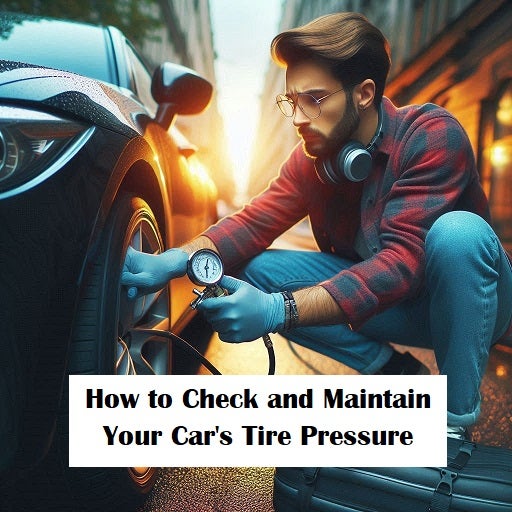
How to Check and Maintain Your Car's Tire Pressure

Proper tire maintenance is essential for the safety, performance, and longevity of your vehicle. One of the most critical aspects of tire care is maintaining the correct tire pressure. Under-inflated or over-inflated tires can lead to poor handling, reduced fuel efficiency, and even tire blowouts. In this blog, we’ll guide you through the process of checking and maintaining your car’s tire pressure, helping you ensure a smooth and safe ride. more Understanding Tire Pressure Tire pressure is measured in pounds per square inch (PSI) and refers to the amount of air inside the tire. Every vehicle has a recommended tire pressure, which can usually be found in the owner’s manual or on a sticker located on the driver’s side door jamb. Maintaining the correct tire pressure is crucial for: Safety: Properly inflated tires ensure better traction, handling, and braking performance. Fuel Efficiency: Tires that are inflated to the correct pressure can improve fuel economy, as under-inflated tires create more rolling resistance. Tire Longevity: Maintaining proper pressure can help prevent premature tire wear, extending the lifespan of your tires. When to Check Tire Pressure It's important to check your tire pressure regularly to ensure optimal performance: Monthly Checks: Aim to check your tire pressure at least once a month, as tires can lose pressure over time. Before Long Trips: Always check your tire pressure before embarking on a long journey to ensure that your tires are in optimal condition. Seasonal Changes: Temperature fluctuations can affect tire pressure. It’s a good practice to check your tires with the change of seasons, especially before winter and summer. How to Check Tire Pressure Checking your tire pressure is a straightforward process that can be done at home or at a gas station: Gather Your Tools You’ll need the following tools: Tire Pressure Gauge: A digital or analog tire pressure gauge will work. Digital gauges are often easier to read. Air Compressor: If your tires are low, you may need an air compressor to inflate them. Many gas stations have air pumps available for public use. Check Tire Pressure Ensure Cold Tires: Check tire pressure when the tires are cold, ideally before you’ve driven or at least three hours after driving. Tires heat up from friction, causing the air inside to expand and give a false reading. Remove Valve Caps: Unscrew the valve cap from the tire you want to check. Keep the cap in a safe place to avoid losing it. Press the Gauge: Firmly press the tire pressure gauge onto the valve stem. You should hear a short hiss of air as the gauge makes contact. Ensure that the gauge is seated properly for an accurate reading. Read the Pressure: Take note of the reading on the gauge. If using a digital gauge, it will display the pressure on the screen. If using an analog gauge, the needle will indicate the pressure. Replace Valve Caps: After checking, be sure to replace the valve cap securely. Adjusting Tire Pressure If your tire pressure is not within the recommended range, you’ll need to adjust it accordingly: Inflating Tires Use an Air Compressor: If the pressure is too low, locate an air compressor. Many gas stations have them, or you can use a portable air compressor. Inflate Gradually: Add air in short bursts, checking the pressure frequently until you reach the recommended PSI. Avoid Over-Inflation: Be cautious not to exceed the recommended pressure, as over-inflated tires can lead to reduced traction and a harsher ride. Deflating Tires If your tires are over-inflated, you can release some air: Press the Valve Stem: Use a small tool (like a screwdriver or a tire gauge) to press the valve stem, allowing air to escape slowly. Check Pressure Regularly: Continuously check the tire pressure until it reaches the recommended level. Maintaining Tire Pressure To maintain optimal tire pressure over time, consider the following tips: Regular Checks: Make tire pressure checks part of your regular vehicle maintenance routine, as mentioned earlier. Monitor Temperature: Be aware that temperature changes can affect tire pressure. As a general rule, tire pressure can drop about 1 PSI for every 10-degree Fahrenheit decrease in temperature. Use TPMS: Many modern vehicles are equipped with a Tire Pressure Monitoring System (TPMS) that alerts you when tire pressure is low. While this is a helpful feature, it’s still essential to check tire pressure manually. Inspect for Damage: Regularly inspect your tires for signs of damage, such as cracks, bulges, or foreign objects embedded in the tread. Address any issues promptly to maintain safety. Keep Tires in Top Condition Checking and maintaining your car's tire pressure is a simple yet crucial aspect of vehicle maintenance that can enhance safety, improve fuel efficiency, and extend the life of your tires. By incorporating regular tire pressure checks into your routine, you can ensure a smooth and safe driving experience. Don’t overlook this essential maintenance task—your tires are the only contact your vehicle has with the road, so keeping them in top condition is vital for your safety and performance. Happy driving!

BM4 title Oct 2025

Understanding and Maintaining Your Car's Fuel System

The fuel system is a crucial component of your vehicle, responsible for delivering the right amount of fuel to the engine for optimal performance. Understanding how your fuel system works and how to maintain it can help you avoid costly repairs, improve fuel efficiency, and ensure a smooth driving experience. In this blog, we will explore the different parts of the fuel system, common issues that may arise, and essential maintenance tips to keep your fuel system in top shape. more Components of the Fuel System Fuel Tank: The fuel tank stores the fuel until it is needed by the engine. It is usually made of metal or plastic and is designed to withstand pressure and temperature changes. Fuel Pump: The fuel pump is responsible for moving fuel from the tank to the engine. Most modern vehicles use an electric fuel pump, which is located inside the fuel tank. Fuel Filter: The fuel filter removes impurities and contaminants from the fuel before it reaches the engine. A clean fuel filter ensures that only clean fuel is delivered to the engine, preventing damage to internal components. Fuel Injectors: Fuel injectors spray a fine mist of fuel into the engine's combustion chamber. They are controlled by the vehicle’s engine control unit (ECU) and are crucial for maintaining the correct air-fuel mixture for efficient combustion. Fuel Lines: Fuel lines transport fuel from the tank to the engine and return any excess fuel back to the tank. They are typically made of durable materials to withstand the pressure of the fuel system. Common Fuel System Issues Clogged Fuel Filter: A clogged fuel filter can restrict fuel flow to the engine, leading to poor performance, engine stalling, or difficulty starting. Failing Fuel Pump: A failing fuel pump may cause the engine to sputter, lose power, or not start at all. It can also lead to decreased fuel efficiency. Fuel Injector Problems: Dirty or malfunctioning fuel injectors can cause poor fuel atomization, resulting in rough idling, misfires, and decreased engine performance. Leaking Fuel Lines: Leaks in the fuel lines can lead to fuel odors, decreased fuel efficiency, and potential fire hazards. Maintenance Tips for Your Fuel System Use Quality Fuel Using high-quality fuel from reputable gas stations can help maintain your fuel system's health. Quality fuels contain detergents that help keep the fuel injectors clean and prevent carbon buildup in the engine. Change the Fuel Filter Regularly Regularly changing the fuel filter is essential for preventing clogs and ensuring proper fuel flow. Consult your vehicle’s owner manual for recommended intervals for fuel filter replacement, typically every 30,000 to 50,000 miles. Keep the Fuel Tank Full Keeping your fuel tank at least a quarter full can help prevent sediment buildup at the bottom of the tank from entering the fuel system. This is especially important if your vehicle has been sitting for extended periods. Add Fuel System Cleaner Periodically adding a fuel system cleaner can help remove carbon deposits and keep fuel injectors clean. Follow the manufacturer’s instructions for use, and consider using a cleaner every few thousand miles or as recommended by your mechanic. Inspect Fuel Lines for Leaks Regularly check your fuel lines for signs of wear, cracks, or leaks. Look for fuel stains or odors around the lines and fittings. If you notice any issues, have them repaired promptly by a qualified mechanic. Monitor Engine Performance Pay attention to any changes in engine performance, such as difficulty starting, rough idling, or decreased power. These symptoms may indicate fuel system issues that require immediate attention. Schedule Regular Maintenance In addition to your routine oil changes, schedule regular maintenance that includes checking the fuel system. A qualified mechanic can inspect components, perform necessary tests, and address any potential issues before they become major problems. Prevent Common Issues Understanding and maintaining your car's fuel system is essential for ensuring optimal performance, fuel efficiency, and longevity. By familiarizing yourself with the components of the fuel system and following these maintenance tips, you can help prevent common issues and keep your vehicle running smoothly. Regular attention to your fuel system will not only enhance your driving experience but also save you time and money on repairs. If you encounter any significant problems or have concerns about your fuel system, don’t hesitate to consult a qualified mechanic for assistance. A well-maintained fuel system is key to a reliable and efficient vehicle.

BM4 TITLE SEPT 2025

The Role of Regular Tune-Ups in Car Maintenance

When it comes to keeping your vehicle in optimal condition, regular maintenance is key. One of the most important aspects of car maintenance is the tune-up. While many drivers may overlook this service, understanding its significance can help prolong the life of your vehicle, improve performance, and enhance fuel efficiency. In this blog, we’ll explore what a tune-up entails, its benefits, and why it should be a regular part of your car maintenance routine. more What is a Tune-Up? A tune-up is a series of maintenance tasks performed on your vehicle to ensure it operates smoothly and efficiently. Traditionally, tune-ups involved adjusting the ignition system, replacing spark plugs, and checking the fuel system. However, modern vehicles often use electronic fuel injection and sophisticated engine management systems, which means the tune-up process has evolved. Today, a tune-up can include: Replacing spark plugs and ignition coils Checking and adjusting the ignition timing Inspecting and replacing air and fuel filters Testing and cleaning the fuel injectors Inspecting the throttle body and mass airflow sensor Checking the battery and electrical system Inspecting belts and hoses for wear Benefits of Regular Tune-Ups Improved Performance Regular tune-ups can significantly improve your vehicle's overall performance. By ensuring that the ignition system, fuel system, and air intake are functioning optimally, you can experience smoother acceleration, better throttle response, and reduced engine noise. A well-tuned engine operates more efficiently, providing a more enjoyable driving experience. Enhanced Fuel Efficiency One of the most noticeable benefits of a tune-up is improved fuel efficiency. When components like spark plugs, fuel injectors, and air filters are in good condition, your engine can burn fuel more efficiently. This means you’ll spend less at the pump, making regular tune-ups a cost-effective maintenance strategy. Many drivers notice a significant decrease in fuel consumption after a thorough tune-up. Extended Engine Life Regular maintenance, including tune-ups, can help extend the life of your engine. By addressing minor issues before they become major problems, you can prevent costly repairs and keep your engine running smoothly for years to come. A well-maintained engine experiences less stress and wear, resulting in a longer lifespan. Reduced Emissions A properly tuned engine produces fewer harmful emissions. This is not only beneficial for the environment but can also help you pass emissions tests. By ensuring that your fuel system and ignition system are functioning efficiently, you can reduce the pollutants your vehicle emits, contributing to a cleaner atmosphere. Preventative Maintenance Tune-ups serve as an excellent form of preventative maintenance. By regularly inspecting and replacing worn components, you can catch potential problems early before they lead to breakdowns or costly repairs. This proactive approach can save you time, money, and stress down the road. How Often Should You Get a Tune-Up? The frequency of tune-ups can vary depending on your vehicle's make and model, driving habits, and manufacturer recommendations. A good rule of thumb is to schedule a tune-up every 30,000 to 100,000 miles. However, always refer to your owner’s manual for specific guidelines related to your vehicle. Additionally, if you notice any signs of poor performance, such as decreased fuel efficiency, rough idling, or difficulty starting, it’s a good idea to schedule a tune-up sooner rather than later. Essential Maintenance Regular tune-ups play a vital role in maintaining your vehicle's performance, fuel efficiency, and longevity. By investing in this essential maintenance service, you can enjoy a smoother ride, save money on fuel, and extend the life of your engine. Don’t wait for warning signs to schedule a tune-up; make it a part of your regular car maintenance routine. With proper care and attention, your vehicle will continue to perform at its best, ensuring a safe and enjoyable driving experience for years to come.

BM3 TITLE SEPT 2025

Tips for Maintaining Your Mazda's Transmission: Ensuring Smooth Shifts and Longevity

The transmission is one of the most critical components of your Mazda, responsible for transferring power from the engine to the wheels. Proper maintenance is essential to ensure your transmission operates smoothly and lasts for many miles. Whether you own a manual or automatic transmission Mazda, following these tips can help you maintain its performance and reliability. In this blog, we’ll explore practical steps you can take to keep your Mazda’s transmission in top shape. more Regular Fluid Checks and Changes Transmission fluid is vital for lubrication, cooling, and ensuring smooth gear shifts. Over time, transmission fluid can degrade and lose its effectiveness. Here’s how to manage your transmission fluid: Check Fluid Levels: Regularly check the transmission fluid level using the dipstick (if equipped) while the engine is running and at operating temperature. Ensure the fluid is at the recommended level. Inspect Fluid Condition: Transmission fluid should be a bright red color and have a slightly sweet smell. If it appears dark, brown, or smells burnt, it’s time for a change. Change Fluid Regularly: Follow your owner’s manual for recommended fluid change intervals. Generally, it’s advisable to change the transmission fluid every 30,000 to 60,000 miles, but this can vary based on driving conditions and usage. Keep an Eye on Transmission Filters Most automatic transmissions are equipped with filters that help keep the fluid clean and free from debris. Clogged filters can lead to transmission issues. Here’s how to manage your transmission filter: Replace Filters as Needed: Check your owner’s manual for guidance on when to replace the transmission filter. It’s often recommended to change the filter during fluid changes to ensure optimal performance. Use OEM Parts: When replacing the filter, opt for original equipment manufacturer (OEM) parts to ensure compatibility and quality. Monitor for Signs of Trouble Being aware of your transmission’s performance can help you catch issues early. Keep an eye out for the following warning signs: Unusual Noises: Grinding, whining, or clunking noises when shifting can indicate a problem. Slipping Gears: If the transmission slips out of gear or has difficulty staying in gear, it may signal a need for inspection. Fluid Leaks: Puddles of reddish-brown fluid under your vehicle can indicate a transmission leak. Address leaks promptly to avoid more significant damage. Warning Lights: Pay attention to any warning lights on your dashboard. If the check engine light or transmission warning light illuminates, have your vehicle checked by a professional. Practice Good Driving Habits Your driving habits can significantly impact the longevity of your transmission. Consider the following tips to minimize wear and tear: Avoid Rapid Acceleration: Sudden starts and aggressive driving can put excessive strain on the transmission. Accelerate smoothly and gradually. Use the Right Gear: For manual transmissions, ensure you’re using the appropriate gear for the speed and load. Over-revving or lugging the engine can cause unnecessary wear. Warm Up the Engine: Allow your engine to warm up for a few minutes before driving, especially in cold weather. This helps the transmission fluid circulate and reach optimal temperatures for smooth operation. Don’t Tow Beyond Capacity: If your Mazda is equipped for towing, ensure you adhere to the manufacturer’s towing capacity. Overloading can strain the transmission. Maintain the Cooling System The transmission generates heat during operation, and an efficient cooling system is essential to prevent overheating. Follow these tips to maintain your cooling system: Check Coolant Levels: Regularly check the coolant level and ensure it’s at the recommended level to prevent overheating. Inspect Transmission Cooler: If your Mazda is equipped with a transmission cooler, inspect it for leaks or blockages. A well-functioning cooler helps maintain optimal transmission temperatures. Seek Professional Inspections While many maintenance tasks can be performed at home, having a professional technician inspect your transmission periodically is advisable. They can identify potential issues before they escalate, ensuring your transmission remains in good condition. Keep Your Transmission Running Smoothly Maintaining your Mazda’s transmission is crucial for optimal performance and longevity. By regularly checking fluid levels, changing the fluid and filter, monitoring for signs of trouble, practicing good driving habits, and ensuring proper cooling, you can help keep your transmission running smoothly for years to come. Remember, a little preventive maintenance goes a long way in avoiding costly repairs down the line. If you’re ever unsure about your transmission’s condition, don’t hesitate to consult a qualified mechanic for expert advice and service. Keeping your Mazda’s transmission in top shape will ensure a more enjoyable driving experience and peace of mind on the road.

BM2 TITLE SEPT 2025

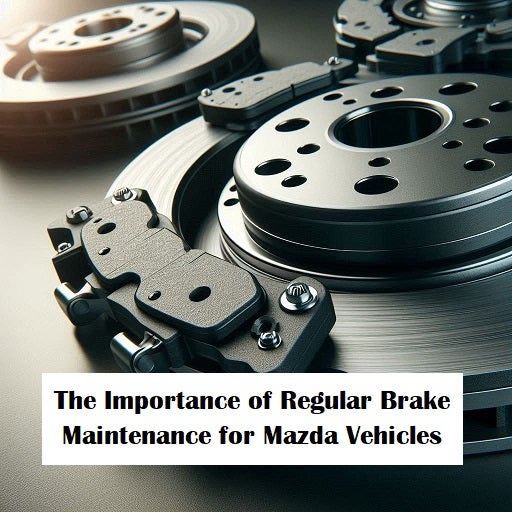
The Importance of Regular Brake Maintenance for Mazda Vehicles

Brakes are one of the most critical safety features of any vehicle, and Mazda is no exception. As a Mazda owner, ensuring that your braking system is in top condition is essential for safe driving and optimal vehicle performance. Regular brake maintenance not only enhances your safety but also prolongs the life of your braking components. In this blog, we’ll explore the importance of regular brake maintenance, what to look for, and how to keep your Mazda’s braking system in excellent shape. more Why Brake Maintenance is Crucial The braking system is responsible for slowing down and stopping your vehicle, making it vital for overall safety. Here are some reasons why regular brake maintenance is essential: Safety: The primary function of brakes is to ensure that you can stop your vehicle safely and effectively. Worn or malfunctioning brakes can lead to accidents, compromising your safety and that of others on the road. Performance: Well-maintained brakes provide better stopping power and responsiveness. If your brakes are not functioning correctly, you may experience longer stopping distances or reduced control over your vehicle. Cost-Effectiveness: Regular maintenance can help identify and address issues early on, preventing more significant and costly repairs in the future. Replacing worn-out brake pads and rotors is far less expensive than dealing with the aftermath of a brake failure. Key Components of the Brake System To understand brake maintenance, it’s important to be familiar with the key components of your Mazda's braking system: Brake Pads: These friction components press against the brake rotors to create the stopping force. Over time, brake pads wear down and need to be replaced. Brake Rotors: These metal discs provide a surface for the brake pads to clamp down on. Warped or worn rotors can lead to reduced braking performance and should be inspected regularly. Brake Fluid: This hydraulic fluid transmits the force from your foot on the brake pedal to the brake components. Low or contaminated brake fluid can affect braking performance and should be checked periodically. Calipers: These devices house the brake pads and push them against the rotors when you apply the brakes. If calipers become stuck or malfunction, they can lead to uneven brake wear or reduced stopping power. Signs That Your Brakes Need Attention Regularly monitoring your brakes for signs of wear or malfunction can help you catch potential issues before they become serious. Look out for these warning signs: Squeaking or Grinding Noises: If you hear squeaking, squealing, or grinding sounds when applying the brakes, it’s a sign that your brake pads may be worn down and need replacement. Vibrations or Pulsations: If you feel vibrations or pulsations in the brake pedal when applying the brakes, it may indicate warped rotors that require resurfacing or replacement. Warning Lights: Pay attention to any warning lights on your dashboard related to the braking system. If the brake warning light illuminates, have your vehicle inspected immediately. Reduced Stopping Power: If you notice that your vehicle takes longer to stop than usual or the brakes feel less responsive, it’s time to have them checked by a professional. Establishing a Maintenance Schedule Creating a regular maintenance schedule for your Mazda's brakes is essential for ensuring their longevity and performance. Here are some guidelines to follow: Routine Inspections: Have your brakes inspected at least once a year, or more frequently if you drive in heavy traffic, on mountainous roads, or in other demanding conditions. Check Brake Fluid Levels: Regularly check the brake fluid level and quality. If the fluid appears dark or contaminated, have it replaced. Brake Pad Replacement: Depending on your driving habits, brake pads may need replacement every 25,000 to 70,000 miles. Consult your owner’s manual for specific recommendations. Rotor Maintenance: Rotors should be inspected for wear and resurfaced or replaced as needed. This can typically be done during a brake pad replacement. Professional Brake Service While some maintenance tasks can be performed at home, it’s crucial to rely on professionals for comprehensive brake service. Professional mechanics have the tools and expertise to diagnose and address brake issues accurately. Here are some services you can expect: Complete Brake Inspection: A professional inspection will assess the condition of all brake components, including pads, rotors, calipers, and fluid. Brake Pad and Rotor Replacement: If needed, mechanics will replace worn-out brake pads and rotors, ensuring that your braking system functions optimally. Brake Fluid Flush: A brake fluid flush removes old, contaminated fluid and replaces it with fresh fluid to maintain hydraulic performance. Vital for Safety and Performance Regular brake maintenance is vital for the safety and performance of your Mazda. By staying vigilant for warning signs, establishing a maintenance schedule, and seeking professional assistance, when necessary, you can ensure that your braking system remains in top shape. Remember, your brakes are your vehicle's most crucial safety feature, and taking care of them is essential for a safe and enjoyable driving experience. Prioritize brake maintenance, and you'll enjoy peace of mind knowing you’re driving a well-maintained vehicle.

bm4 title july 2025

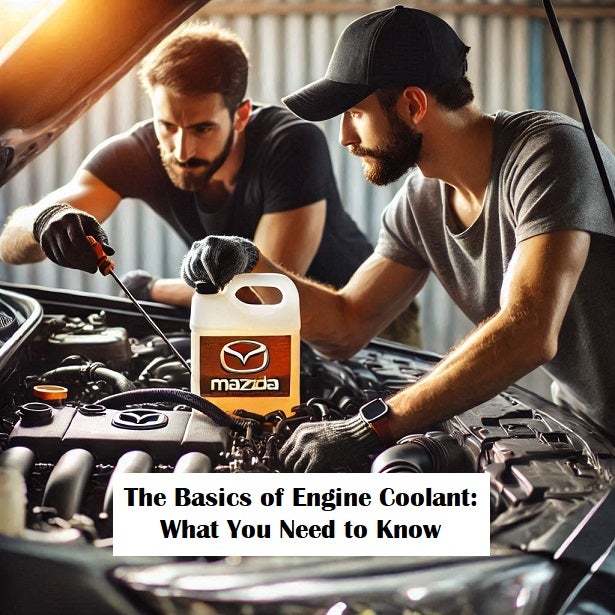
The Basics of Engine Coolant: What You Need to Know

Engine coolant, also known as antifreeze, is a crucial fluid in your vehicle's cooling system. Its primary role is to regulate engine temperature, preventing overheating and ensuring optimal performance. Understanding the basics of engine coolant can help you maintain your vehicle and avoid costly repairs. In this blog, we’ll explore what engine coolant is, its functions, types, maintenance tips, and how to detect issues. more What is Engine Coolant? Engine coolant is a liquid mixture, typically made of water and antifreeze, designed to absorb and dissipate heat from the engine. It circulates through the engine block, radiator, and heater core, helping to maintain a consistent operating temperature. Functions of Engine Coolant Engine coolant serves several essential functions, including: Temperature Regulation: Coolant absorbs heat from the engine and carries it to the radiator, where it is dissipated into the air. This process helps maintain an optimal operating temperature, preventing overheating. Corrosion Prevention: Most modern coolants contain additives that help protect the engine and cooling system components from rust and corrosion. Boiling and Freezing Protection: Engine coolant has a lower freezing point and a higher boiling point than water, which helps prevent the coolant from freezing in cold weather and boiling over in high temperatures. Lubrication: Coolant also lubricates the water pump and other components of the cooling system, reducing friction and wear. Types of Engine Coolant There are several types of engine coolant available, each with its unique properties: Ethylene Glycol: The most common type of coolant, ethylene glycol is used in a wide range of vehicles. It provides excellent freeze protection and corrosion resistance but is toxic, so handling it with care is essential. Propylene Glycol: A less toxic alternative to ethylene glycol, propylene glycol is often used in vehicles where human or animal exposure is a concern. While it provides similar freeze protection, it may not be as effective in preventing corrosion. Organic Acid Technology (OAT) Coolants: These coolants are formulated with organic acids and provide long-lasting protection. They typically have a longer service life than traditional coolants and are often used in newer vehicles. Hybrid Organic Acid Technology (HOAT) Coolants: Combining traditional and organic acid technologies, HOAT coolants offer excellent protection against corrosion and are suitable for a wide range of vehicles. How to Maintain Engine Coolant Proper maintenance of engine coolant is essential for optimal performance. Here are some tips: Check Coolant Levels Regularly: Periodically inspect the coolant reservoir and the radiator (when cool) to ensure the fluid level is within the recommended range. If it’s low, top it off with the appropriate coolant. Flush the Cooling System: Over time, coolant can become contaminated with debris and lose its effectiveness. Flushing the cooling system every 30,000 to 50,000 miles or as recommended by your vehicle manufacturer helps remove old coolant and contaminants. Inspect for Leaks: Regularly check hoses, connections, and the radiator for signs of leaks. If you notice coolant on the ground or a decrease in coolant levels, it may indicate a leak that needs to be addressed. Monitor Temperature: Pay attention to your vehicle’s temperature gauge. If the engine runs hotter than normal or the check engine light illuminates, it may indicate a coolant issue that requires immediate attention. Signs of Coolant Issues Recognizing the signs of coolant problems can help you address issues before they escalate: Overheating Engine: If your engine overheats, it may indicate low coolant levels or a malfunctioning cooling system. Coolant Leaks: Puddles of green, orange, or pink fluid under your vehicle can indicate a coolant leak. Address leaks promptly to avoid engine damage. Discolored or Sludgy Coolant: If the coolant appears discolored or has a sludgy consistency, it may indicate contamination. Flushing the cooling system may be necessary. Sweet Smell: A sweet odor inside or around your vehicle can indicate a coolant leak, as antifreeze has a distinct sweet smell. When to Replace Engine Coolant The frequency of coolant replacement depends on the type of coolant used and the manufacturer's recommendations. Generally, it’s advisable to replace coolant every 2 to 5 years or every 30,000 to 50,000 miles, depending on the coolant type. Always refer to your owner’s manual for specific guidelines. Health and Performance Understanding the basics of engine coolant is vital for maintaining your vehicle's health and performance. Regular inspection, maintenance, and prompt attention to any issues can help you avoid costly repairs and ensure your engine runs smoothly. By keeping an eye on coolant levels, types, and signs of potential problems, you can enjoy a reliable driving experience and extend the life of your vehicle.

bm2 title july 2025

The Importance of Regular Oil Changes for Your Mazda

When it comes to maintaining your Mazda, few things are as critical as regular oil changes. Engine oil is the lifeblood of your vehicle, ensuring that all the moving parts inside the engine work smoothly and efficiently. Neglecting this simple yet essential task can lead to reduced performance, increased fuel consumption, and potentially costly repairs. Here’s why regular oil changes are crucial for keeping your Mazda running at its best. more Lubrication: Keeping Your Engine Running Smoothly Your Mazda’s engine consists of numerous moving parts, including pistons, valves, and camshafts, all of which operate at high speeds and under intense pressure. Engine oil lubricates these components, reducing friction and preventing them from grinding against each other. Without proper lubrication, these parts can wear down quickly, leading to engine damage and, ultimately, engine failure. Over time, engine oil breaks down and loses its effectiveness, especially under extreme conditions like high temperatures or heavy loads. Regular oil changes ensure that your engine always has fresh, high-quality oil to keep everything running smoothly. Heat Dissipation: Preventing Overheating Engines generate a significant amount of heat during operation, and one of the roles of engine oil is to help dissipate this heat. As the oil circulates through the engine, it absorbs heat from critical components, helping to maintain optimal operating temperatures. However, as oil ages, it becomes less effective at absorbing and dispersing heat, which can lead to overheating. Regular oil changes help prevent this by ensuring that your Mazda’s engine is always protected by oil that can efficiently manage heat, reducing the risk of overheating and associated damage. Removing Contaminants: Keeping Your Engine Clean As engine oil circulates, it picks up dirt, debris, and metal particles from the engine. Over time, these contaminants can accumulate and form sludge, which can clog oil passages and reduce the efficiency of the oil. Sludge buildup can lead to poor engine performance, increased fuel consumption, and even engine damage. Regular oil changes are essential for removing these contaminants from your engine. By replacing old, dirty oil with fresh, clean oil, you help keep your engine clean and free from harmful deposits, ensuring it runs smoothly and efficiently. Improving Fuel Efficiency One of the benefits of regular oil changes is improved fuel efficiency. When engine oil is clean and free-flowing, it reduces friction between engine components, allowing the engine to operate more efficiently. This means your engine doesn’t have to work as hard, which can lead to better fuel economy. On the other hand, old, dirty oil can thicken and create more friction, making your engine work harder and consume more fuel. By sticking to a regular oil change schedule, you can help maximize your Mazda’s fuel efficiency and save money at the pump. Extending Engine Life Regular oil changes are one of the simplest and most cost-effective ways to extend the life of your Mazda’s engine. Clean, fresh oil reduces wear and tear on engine components, prevents overheating, and keeps the engine free from harmful contaminants. By taking care of your engine with regular oil changes, you can help ensure it remains reliable and performs well for years to come. Neglecting oil changes, on the other hand, can lead to accelerated wear, increased risk of engine failure, and costly repairs. In the worst-case scenario, driving with old or insufficient oil can result in catastrophic engine damage that may require a complete engine replacement. Maintaining Warranty Coverage For newer Mazdas, regular oil changes are often a requirement for maintaining warranty coverage. Failing to adhere to the recommended oil change schedule can void your warranty, leaving you responsible for any repairs that may arise as a result of neglect. By following Mazda’s recommended maintenance schedule and keeping up with regular oil changes, you can ensure that your warranty remains intact, giving you peace of mind and protecting your investment. Adapting to Driving Conditions Your driving habits and conditions can impact how often you need to change your oil. For example, if you frequently drive in stop-and-go traffic, tow heavy loads, or operate in extreme temperatures, your engine may experience more stress, causing the oil to break down faster. Mazda provides specific recommendations for oil change intervals based on driving conditions, so it’s important to follow these guidelines to ensure your engine is properly protected. If you’re unsure about how often to change your oil based on your driving habits, consult your owner’s manual or speak with a Mazda service technician. Peace of Mind Regular oil changes provide peace of mind knowing that your Mazda’s engine is well-maintained and operating at its best. By staying on top of this routine maintenance task, you can avoid the stress and expense of unexpected engine problems, ensuring that your vehicle remains reliable and enjoyable to drive. A Fundamental Aspect Regular oil changes are a fundamental aspect of maintaining your Mazda’s health and performance. By ensuring your engine is always lubricated, clean, and operates efficiently, you can enjoy better fuel economy, a longer engine life, and a more enjoyable driving experience. Don’t overlook this simple but essential maintenance task—keep your Mazda running smoothly and reliably by sticking to a regular oil change schedule.

BM4 june 2025 title

How to Troubleshoot Common Car Electrical Problems

Car electrical systems can be complex, and when issues arise, they can lead to frustration and inconvenience. However, many common electrical problems can be diagnosed and potentially fixed with a bit of knowledge and patience. In this blog, we’ll explore some common car electrical issues, how to troubleshoot them, and when to seek professional help. more Understanding Your Car's Electrical System Your car's electrical system powers a variety of components, including the starter, alternator, battery, lights, and various sensors. The system relies on a network of wires, fuses, and relays to distribute electricity efficiently. When one component fails or malfunctions, it can impact the entire system. Common Car Electrical Problems Dead Battery Symptoms: The engine won't start, dim headlights, or electrical accessories not working. Alternator Issues Symptoms: Warning lights on the dashboard, flickering headlights, or a dead battery after a jump start. Blown Fuses Symptoms: Certain electrical components (like lights or radio) stop working. Starter Motor Problems Symptoms: Clicking sounds when turning the key, or the engine won't crank. Wiring Issues Symptoms: Intermittent electrical failures, lights that flicker, or unexpected behavior from electrical components. Troubleshooting Steps Diagnosing a Dead Battery Check Battery Connections: Ensure the battery terminals are clean and tightly connected. Corrosion can hinder electrical flow, so clean any buildup with a wire brush. Test the Battery: Use a multimeter to check the voltage. A healthy battery should read around 12.6 volts. If it’s below 12.4 volts, it may need a charge or replacement. Jump Start: If the battery is dead, try jump-starting the vehicle. If it starts, the battery may be faulty or unable to hold a charge. Inspecting the Alternator Check Warning Lights: If the battery light or charging system warning light is illuminated, it could indicate an alternator problem. Test Voltage Output: With the engine running, use a multimeter to measure the voltage at the battery terminals. A healthy alternator should produce between 13.7 and 14.7 volts. If the voltage is lower, the alternator may fail. Listen for Unusual Noises: A whining or grinding noise from the alternator can indicate a failing bearing or internal problem. Identifying Blown Fuses Locate the Fuse Box: Consult the owner’s manual to find the fuse box and identify the specific fuse for the malfunctioning component. Check the Fuses: Remove the fuse and inspect it for a broken filament. If the fuse is blown, replace it with a new one of the same amperage. Investigate the Cause: If the new fuse blows shortly after replacement, there may be an underlying issue, such as a short circuit, that needs further investigation. Troubleshooting Starter Motor Issues Listen for Clicks: If you hear a clicking sound when turning the key, the starter motor may be faulty or there may be insufficient power. Check Battery Voltage: Ensure the battery is fully charged, as low voltage can prevent the starter from functioning properly. Inspect Wiring: Check the wiring connections to the starter motor for signs of damage or corrosion. Addressing Wiring Issues Look for Exposed Wires: Inspect the wiring harnesses for any exposed or damaged wires, which can cause shorts or intermittent electrical failures. Test with a Multimeter: Use a multimeter to check for continuity in wires and connectors. If you find a break in the wire, repair or replace it as needed. Consult a Wiring Diagram: Use a wiring diagram for your vehicle to help identify potential problem areas and ensure everything is connected properly. When to Seek Professional Help While many electrical problems can be diagnosed and resolved at home, some issues may require professional expertise. If you’re unsure about the problem, lack the necessary tools, or feel uncomfortable working on the electrical system, it’s best to consult a qualified mechanic. Additionally, problems like computer malfunctions, advanced diagnostics, or repairs involving the vehicle’s onboard systems may be best left to the professionals. Save Time and Money Troubleshooting common car electrical problems can save you time and money while keeping your vehicle running smoothly. By understanding the symptoms and following the appropriate troubleshooting steps, you can diagnose and potentially resolve many electrical issues. Always prioritize safety and don’t hesitate to seek professional help when needed. With a little knowledge and effort, you can keep your car’s electrical system in top shape and enjoy a reliable driving experience.

BM3 june 2025 title

Mazda's Approach to Sustainability and Environmental Responsibility

As the world becomes increasingly aware of environmental issues and the need for sustainable practices, the automotive industry is under pressure to adapt and innovate. Mazda is rising to this challenge with a strong commitment to sustainability and environmental responsibility. From vehicle design and production to corporate practices, Mazda is implementing strategies that not only benefit the planet but also enhance the overall driving experience. In this blog, we’ll explore Mazda’s holistic approach to sustainability and what it means for the future of the brand and its customers. more Sustainable Zoom-Zoom 2030 Vision At the core of Mazda’s sustainability efforts is its long-term vision, Sustainable Zoom-Zoom 2030. This roadmap outlines the company’s commitment to reducing its environmental impact while enhancing driving pleasure. Key goals of this initiative include: Reduction of CO2 Emissions: Mazda aims to achieve a 50% reduction in average CO2 emissions from its new vehicles by 2030, compared to 2010 levels. This ambitious target reflects the brand’s dedication to creating more efficient and environmentally friendly vehicles. Electrification of the Lineup: Mazda plans to expand its electrified vehicle offerings, including battery electric vehicles (BEVs), hybrids, and plug-in hybrids. The company intends for 100% of its new models to feature some form of electrification by 2030, allowing customers to choose sustainable options that suit their lifestyles. Innovative Technologies for Efficiency Mazda is committed to developing innovative technologies that improve fuel efficiency and reduce emissions across its entire lineup. Key advancements include: SKYACTIV Technology: This suite of technologies encompasses engines, transmissions, and vehicle platforms designed to maximize fuel efficiency and performance. SKYACTIV-G, the brand’s gasoline engine technology, features high compression ratios and direct fuel injection, resulting in impressive efficiency without sacrificing power. Mild Hybrid Systems: Mazda is incorporating mild hybrid systems in several models, enhancing fuel efficiency by using an electric motor to assist the gasoline engine during acceleration. This technology not only improves efficiency but also contributes to lower emissions. Sustainable Materials: In line with its commitment to environmental responsibility, Mazda is exploring the use of sustainable materials in its vehicles. This includes recycled plastics, natural fibers, and other eco-friendly materials that reduce the environmental impact of production. Eco-Friendly Manufacturing Practices Mazda understands that sustainability extends beyond vehicle design; it also involves responsible manufacturing practices. The company is taking significant steps to reduce its environmental footprint throughout the production process: Energy Efficiency: Mazda is investing in energy-efficient manufacturing processes and technologies to minimize energy consumption in its plants. This includes the use of renewable energy sources, such as solar and wind power, to reduce reliance on fossil fuels. Waste Reduction: The company is committed to reducing waste generated during production. Initiatives include recycling materials, optimizing production processes to minimize scrap, and implementing waste management practices that divert materials from landfills. Water Conservation: Mazda is focused on conserving water resources in its manufacturing facilities. The company has implemented strategies to reduce water usage and recycle water in its production processes. Community Engagement and Corporate Responsibility Mazda’s commitment to sustainability extends beyond its operations; the company actively engages with communities and supports initiatives that promote environmental stewardship: Partnerships and Collaborations: Mazda collaborates with various organizations and initiatives aimed at promoting sustainability and environmental education. These partnerships help raise awareness about environmental issues and encourage responsible practices within communities. Corporate Social Responsibility Programs: Mazda supports various corporate social responsibility programs focused on education, health, and community development. By investing in these initiatives, the company aims to contribute positively to society and the environment. Looking Ahead: The Future of Mazda and Sustainability As Mazda continues to evolve, its commitment to sustainability will remain at the forefront of its strategy. The company is actively researching and developing new technologies that will further enhance its environmental responsibility, including: Advancements in Battery Technology: Mazda is exploring new battery technologies to improve the performance and range of its electric vehicles. Innovations in battery chemistry and design will contribute to more efficient and sustainable EVs. Hydrogen Technology: Mazda is also researching hydrogen fuel cell technology as a potential solution for sustainable mobility. The company believes that hydrogen could play a significant role in achieving carbon neutrality in the automotive industry. Global Carbon Neutrality Goals: Mazda is committed to achieving carbon neutrality across its entire business, from manufacturing to product lifecycle, by 2050. This ambitious goal reflects the company’s dedication to addressing climate change and promoting a sustainable future. Industry Leader Mazda’s approach to sustainability and environmental responsibility is comprehensive and forward-thinking. Through its Sustainable Zoom-Zoom 2030 vision, innovative technologies, eco-friendly manufacturing practices, and community engagement, Mazda is taking significant steps toward creating a more sustainable automotive future. As consumers increasingly prioritize sustainability in their purchasing decisions, Mazda’s commitment to environmental stewardship positions the brand as a leader in the industry. With ongoing advancements and a clear vision for the future, Mazda is not only shaping the way we drive but also ensuring that the planet remains a beautiful place to explore.

BM2 JUNE 2025 TITLE

How to Properly Maintain Your Mazda's Air Conditioning System

As the temperature rises, the importance of a functioning air conditioning (AC) system in your Mazda becomes abundantly clear. A well-maintained AC system ensures a comfortable driving experience and enhances the overall longevity and performance of your vehicle. Here’s a comprehensive guide on how to properly maintain your Mazda’s air conditioning system, helping you beat the heat and avoid costly repairs down the line. more Regular Inspections Conducting regular inspections of your AC system is crucial to catch potential issues early. Here are some key aspects to check: Visual Inspection: Periodically inspect the exterior components of your AC system, including the compressor, condenser, and hoses, for signs of wear, damage, or leaks. Listen for Unusual Noises: When you turn on your AC, listen for unusual noises such as grinding or hissing. These sounds could indicate a problem that needs immediate attention. Check and Replace Cabin Air Filter The cabin air filter is responsible for filtering dust, pollen, and other contaminants from the air entering the vehicle's interior. A dirty or clogged filter can restrict airflow and decrease the efficiency of your AC system. Regular Replacement: Check your owner’s manual for recommendations on when to replace the cabin air filter, typically every 15,000 to 30,000 miles, or annually. If you frequently drive in dusty conditions, consider replacing it more often. Use Your AC Regularly It may seem counterintuitive, but using your AC system regularly, even during cooler months, can help maintain its functionality. Run the AC Year-Round: Turn on your AC for a few minutes every month to keep the system lubricated and prevent seals from drying out. This practice helps ensure the system remains in good working order. Monitor Refrigerant Levels Refrigerant is essential for the proper operation of your AC system. Low refrigerant levels can lead to poor cooling performance and potential damage to the compressor. Check for Leaks: If you notice a decrease in cooling efficiency, it may indicate a refrigerant leak. Have a professional technician check for leaks and recharge the system as needed. Avoid Overcharging: When adding refrigerant, be careful not to overcharge the system, as this can cause damage. It’s best to have a qualified technician handle refrigerant maintenance. Keep the Condenser Clean The AC condenser is located at the front of your vehicle, and it can accumulate dirt, debris, and insects over time, obstructing airflow and cooling efficiency. Regular Cleaning: Inspect the condenser for dirt and debris, especially if you frequently drive in dusty or rural areas. Gently wash the condenser with water to remove any buildup. Avoid Obstructions: Ensure that no objects, such as leaves or plastic bags, are blocking the condenser, as this can hinder performance. Schedule Professional Maintenance While there are many maintenance tasks you can perform on your own, scheduling professional maintenance is vital for the longevity of your AC system. Annual Check-Up: Have your AC system inspected by a qualified technician at least once a year. They can perform a comprehensive check, including testing pressure levels, inspecting components, and ensuring the system is functioning efficiently. Address Problems Promptly: If you notice any signs of malfunction—such as strange noises, poor cooling, or bad odors—schedule a service appointment immediately to prevent further damage. Be Mindful of Odors Unpleasant odors coming from your AC system can indicate mold or mildew growth, often due to moisture buildup. Use the Recirculation Setting: When using the AC, switch to the recirculation setting to help reduce humidity levels inside the cabin and prevent mold growth. Consider an Interior Detail: If you experience persistent odors, consider having your vehicle’s interior cleaned and the AC system disinfected by a professional. Keep Cool Maintaining your Mazda's air conditioning system is essential for comfort, performance, and longevity. By following these tips—conducting regular inspections, replacing the cabin air filter, running the AC year-round, monitoring refrigerant levels, keeping the condenser clean, scheduling professional maintenance, and addressing odors—you can ensure your AC system operates efficiently and effectively. A well-maintained AC system will not only keep you cool during hot summer days but also enhance your overall driving experience. By being proactive in your maintenance efforts, you can enjoy a comfortable cabin and peace of mind on every journey.

Contact Us

Fill out this form below and we'll contact you shortly
*Required Fields