Blog / Mazda Service

Blog

All Mazda Service News Technology Important Information Mazda Model Features Tips Features & Specs Awards Service Mazda Vehicles Mazda Safety Technology Money Saving Tips Safety Beach Mazda Service History 2023 Models Community Events Comparisons Financing Your Mazda Fun Stuff Local 2024 Models Holidays Mazda Parts Car Buying Process Driver-Centric Design EVs Exterior Fuel & Gas Pre-Owned Certified Pre-Owned Mazda Vehicles Electric & Hybrid Vehicles Infotainment Insurance Mazda Accessories Mazda CX-30 Mazda3 Racing Restaurants & Food Tires & Wheels Travel Activities Drive For Good Kodo Design Language Mazda CX-5 Mazda CX-9 Mazda Motorsports Automotive Cleaning Fuel System Interior Paint & Body Work Seasonal Down-payments Mazda Connect Transmission Weather Brakes i-Activsense Technology Large Vehicles & SUVs Millennials Suspension System Towing
bm1 nov title

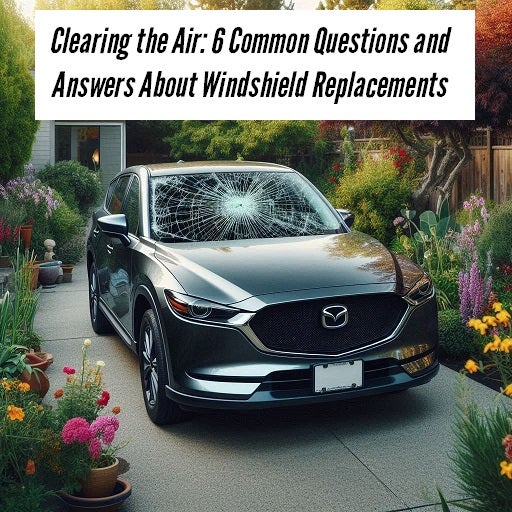
Clearing the Air: 6 Common Questions and Answers About Windshield Replacements

Your car's windshield is not just a protective barrier against the elements; it's a crucial component of your vehicle's structural integrity and safety features. When faced with windshield damage, understanding the essentials of windshield replacement is essential. In this blog, we'll address six common questions about windshield replacements to guide you through the process. more Q: Can a Cracked Windshield Be Repaired, or Does It Need Replacement? A: In some cases, minor chips or cracks can be repaired using specialized techniques. However, if the damage is extensive, located in the driver's line of sight, or compromises the structural integrity of the windshield, replacement is often the safer and more effective option. Consulting with a professional technician can help determine the best course of action for your specific situation. Q: How Long Does a Windshield Replacement Take? A: The duration of a windshield replacement depends on various factors, including the complexity of the installation and the type of adhesive used. On average, the process can take anywhere from 1 to 2 hours. It's advisable to check with the auto glass service provider for a more accurate estimate based on your vehicle's make and model. Q: Will Insurance Cover the Cost of a Windshield Replacement? A: Many insurance policies cover windshield replacements, and some even offer full coverage without imposing a deductible. Check your insurance policy to understand your coverage. If covered, the replacement cost is often taken care of by the insurance company, making it a cost-effective solution. Q: Can I Drive Immediately After a Windshield Replacement? A: While the adhesive used during the replacement process cures relatively quickly, it's recommended to wait until it fully sets before driving. This typically takes about 1 to 2 hours. Your technician will provide specific instructions, and it's crucial to follow them to ensure the windshield is secure and safe for driving. Q: What Type of Glass is Used for Windshield Replacements? A: Windshields are typically made of laminated safety glass, which consists of two layers of glass with a layer of polyvinyl butyral (PVB) in between. This design enhances safety by preventing the glass from shattering upon impact. When getting a replacement, it's essential to use glass that meets or exceeds original equipment manufacturer (OEM) standards to ensure proper fit and performance. Q: How Do I Care for a Newly Replaced Windshield? A: After a windshield replacement, avoid washing your car or exposing it to rain for at least 24 hours, allowing the adhesive to fully cure. Additionally: Do not slam car doors forcefully, as the increased pressure may affect the seal. Avoid off-road or high-impact driving immediately after replacement. Wait for a few days before using automated car washes to prevent damage to the fresh seal. A Common Necessity: Windshield replacements are a common necessity, whether due to chips, cracks, or extensive damage. Understanding the process, insurance coverage, and post-replacement care is crucial for a successful and safe windshield replacement. If you encounter windshield damage, seeking professional advice and timely replacement can help maintain the structural integrity of your vehicle and ensure a clear and safe view of the road ahead.

bm4 oct title

Listen Up: Top 3 Car Engine Noises That Demand Immediate Attention

Your car is like a symphony of moving parts, each contributing to the harmonious hum of a well-functioning engine. However, just like any orchestra, when one instrument is out of tune, the entire performance is affected. In the case of your car, unusual engine noises can be the early warning signs of potential issues that demand your immediate attention. In this blog post, we'll explore the top three car engine noises that should never be ignored. more Knocking or Pinging Sounds A distinct knocking or pinging noise coming from your engine can be an alarming sign of a problem with the combustion process. This noise is often caused by premature ignition of the air-fuel mixture in the cylinders, resulting in a knocking sound. Ignoring this issue can lead to serious damage to the engine. Possible Causes: Low-quality or incorrect fuel: Use the recommended fuel grade for your vehicle. Carbon buildup in the combustion chamber: Regular maintenance and fuel system cleaning can help prevent this issue. Faulty spark plugs or ignition timing: Replace spark plugs and ensure proper ignition timing during routine maintenance. Immediate Action: If you notice persistent knocking or pinging sounds, it's crucial to consult a professional mechanic promptly. Ignoring this issue can lead to piston damage, engine overheating, and decreased fuel efficiency. Squealing or Screeching Noises A high-pitched squealing or screeching noise when you start your car or while driving can indicate a problem with the belt system. Belts play a crucial role in powering various engine components, such as the alternator, water pump, and air conditioning compressor. Ignoring these noises may result in a sudden breakdown or even engine damage. Possible Causes: Worn or loose serpentine belt: Belts wear out over time and may need replacement. Faulty tensioner or pulley: A malfunctioning tensioner or pulley can lead to belt slippage and noise. Contaminated or damaged belt: Oil or coolant leaks can damage belts, causing noise. Immediate Action: Inspect the belt system visually for any signs of wear, damage, or misalignment. If you notice issues, consult a mechanic to replace the damaged components promptly. Ignoring belt issues can lead to a breakdown or a more expensive repair. Rattling or Ticking Sounds A consistent rattling or ticking noise from the engine can be an indication of a serious problem, such as issues with the timing chain or valve train. These components play a crucial role in controlling the timing and movement of engine parts, and any abnormalities can lead to significant damage. Possible Causes: Worn or damaged timing chain: A loose or damaged timing chain can result in engine misfires and decreased performance. Low oil levels or poor oil quality: Proper lubrication is essential for the smooth operation of engine components. Valve train issues: Damaged lifters, valves, or other valve train components can cause ticking sounds. Immediate Action: If you hear persistent rattling or ticking sounds, do not delay seeking professional assistance. These noises can be indicative of serious internal engine problems that, if left unaddressed, may lead to catastrophic engine failure. Be Attentive Your car's engine communicates with you through various sounds, and being attentive to these cues can help you catch potential issues before they escalate. If you notice any of the aforementioned noises, don't hesitate to consult a qualified mechanic. Regular maintenance, prompt attention to unusual sounds, and addressing issues early on can help keep your car's engine running smoothly and extend its lifespan. Remember, when it comes to your car's health, listening can be just as important as looking under the hood.

bm2 oct title

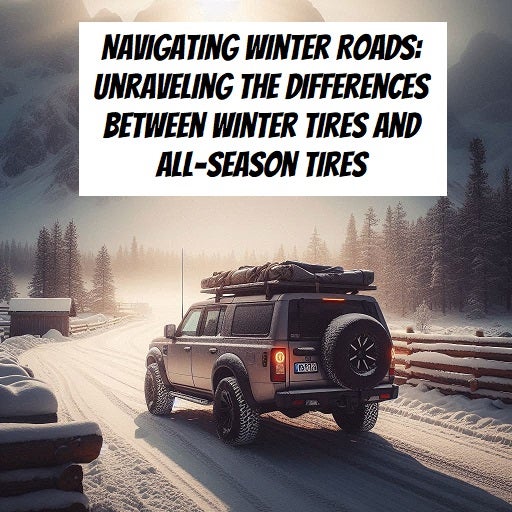
Navigating Winter Roads: Unraveling the Differences Between Winter Tires and All-Season Tires

As winter blankets the roads with snow and ice, your vehicle's safety relies heavily on the type of tires it wears. When it comes to choosing the right tires for winter driving, the debate often centers around two main contenders: winter tires and all-season tires. In this blog post, we'll dive into the key differences between these two tire types, helping you make an informed decision for safer winter travels. more Tread Design and Compound Winter Tires: Winter tires are specifically engineered to tackle cold and icy conditions. They feature a unique tread design with deeper grooves and a higher number of sipes (small channels) to enhance grip on slippery surfaces. The rubber compound used in winter tires remains flexible in low temperatures, providing better traction and grip in freezing conditions. All-Season Tires: All-season tires, as the name suggests, aim to provide a balanced performance in various weather conditions, including mild winter conditions. They come with a tread design that strikes a compromise between dry and wet traction. However, the rubber compound used in all-season tires may harden in extremely cold temperatures, leading to reduced flexibility and traction. Performance in Snow and Ice Winter Tires: Winter tires excel in snow and ice. The aggressive tread patterns and softer rubber compounds allow them to bite into snow and ice, providing superior traction and handling. The tread is designed to evacuate snow and slush efficiently, reducing the risk of skidding. All-Season Tires: While all-season tires offer better performance in winter compared to summer tires, they may struggle in extreme winter conditions. The tread patterns are not as aggressive, and the rubber compound is not as pliable in very cold temperatures, compromising their performance on snow and ice. Temperature Sensitivity Winter Tires: Winter tires are designed for cold weather, and their rubber compounds remain flexible even in freezing temperatures. This ensures optimal traction and handling in winter conditions. However, their performance may degrade in warmer temperatures, making them less suitable for year-round use. All-Season Tires: All-season tires are built to provide decent performance in a variety of conditions, including mild winter weather. They are a good compromise for drivers who do not face extreme winter conditions regularly. However, in very cold temperatures, their rubber may stiffen, affecting traction. Know the Difference Choosing between winter tires and all-season tires ultimately depends on your local climate and driving habits. If you frequently encounter harsh winter conditions with snow and ice, investing in a set of winter tires is a wise decision for enhanced safety and performance. On the other hand, if your winters are milder and you want a tire that can handle a variety of conditions throughout the year, all-season tires may be a more practical choice. Remember, the right tires can make a significant difference in your vehicle's handling and your safety on winter roads.

bm4-sept-title

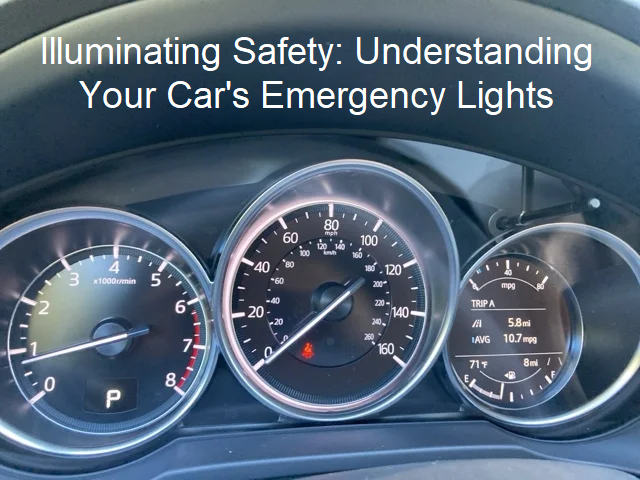
Illuminating Safety: Understanding Your Car's Emergency Lights

Your car's emergency lights are like silent guardians, ready to communicate crucial information to other drivers and pedestrians on the road. In this blog post, we'll delve into the different types of emergency lights in your vehicle, their functions, and when and how to use them effectively. more Hazard Lights (Flashers) Function: Hazard lights, commonly known as flashers, are designed to alert others to a potential road hazard or emergency. When to Use: Use hazard lights when your vehicle is stationary and facing an emergency situation, such as a breakdown, flat tire, or when parked in a hazardous location. Pro Tip: It's important to use hazard lights only when your vehicle is stationary. Activating them while driving can confuse other motorists and may be illegal in some areas. Turn Signals Function: Turn signals, or indicators, communicate your intention to turn or change lanes to other drivers. When to Use: Activate turn signals well in advance of making a turn or changing lanes. This gives other drivers ample time to anticipate your movements. Pro Tip: Always check that your turn signals are functioning properly during routine vehicle checks. Emergency Brake Lights Function: Some vehicles are equipped with emergency brake lights that illuminate more brightly when the driver applies the brakes forcefully. When to Use: Emergency brake lights activate during sudden and hard braking, signaling to following drivers that you are making a sudden stop. Pro Tip: Familiarize yourself with your vehicle's braking system, and use emergency brake lights judiciously to communicate urgency. Emergency Flashers in Motion Function: In some situations, flashing your headlights while driving can signal an emergency or a need for assistance. When to Use: Use this feature sparingly and only in situations where immediate attention is required, such as a medical emergency or when signaling for help. Pro Tip: Be aware that in some regions, flashing headlights while driving may be subject to legal restrictions. Fog Lights Function: Fog lights are designed to improve visibility in adverse weather conditions, such as dense fog or heavy rain. When to Use: Turn on fog lights when driving in foggy conditions, heavy rain, or when visibility is significantly reduced. Pro Tip: Avoid using fog lights in clear conditions, as they can be blinding to other drivers. Understanding Dashboard Warning Lights Function: Modern vehicles are equipped with various warning lights on the dashboard that signal specific issues, such as engine trouble, low tire pressure, or low fuel. When to Take Action: Respond promptly to dashboard warning lights by consulting your vehicle's manual or seeking professional assistance. Ignoring warning lights can lead to more significant problems. Vital Communication Your car's emergency lights are vital communication tools that enhance road safety and facilitate smooth traffic flow. Understanding when and how to use these lights ensures that you can navigate emergency situations effectively and convey important information to fellow drivers. Regularly check your vehicle's lighting systems to ensure they are functioning correctly, and always adhere to local traffic laws regarding the use of emergency lights. By doing so, you contribute to a safer and more cooperative driving environment for everyone on the road.

bm3-aug-title

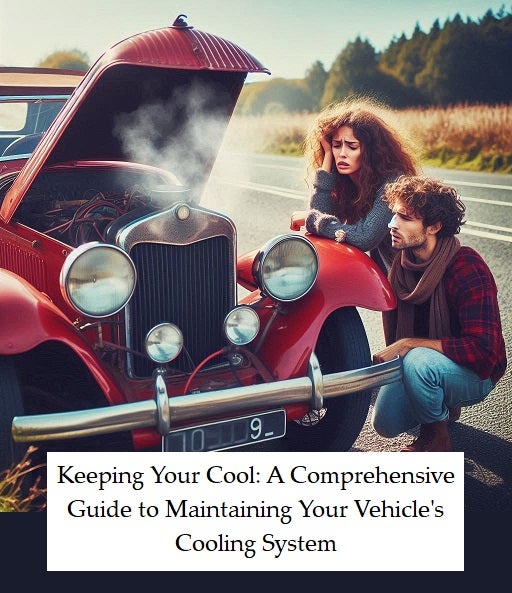
Keeping Your Cool: A Comprehensive Guide to Maintaining Your Vehicle's Cooling System

Your vehicle's cooling system plays a vital role in preventing overheating and ensuring optimal engine performance. Regular maintenance of the cooling system is essential for the longevity of your vehicle and preventing costly repairs. In this blog, we'll provide a comprehensive guide on how to maintain your vehicle's cooling system, keeping your engine running smoothly and your car on the road. more Understanding the Cooling System The cooling system consists of various components working together to regulate engine temperature and prevent overheating. Key components include the radiator, coolant, water pump, thermostat, and hoses. Proper maintenance of these components is crucial for the efficient operation of the cooling system. 1. Regularly Check Coolant Levels Why It's Important: Coolant, also known as antifreeze, helps regulate the engine temperature and prevents freezing in cold conditions. Regularly check coolant levels to ensure they are within the recommended range. Tip: Check coolant levels when the engine is cool, and if needed, top up with a mixture of coolant and distilled water as specified in your vehicle's owner's manual. 2. Inspect for Coolant Leaks Why It's Important: Coolant leaks can lead to a loss of fluid, causing the engine to overheat. Periodically inspect the area around the radiator, hoses, and water pump for signs of leaks. Tip: Look for puddles or stains beneath the vehicle and check for visible leaks in the engine compartment. 3. Flush and Replace Coolant Why It's Important: Over time, coolant can accumulate contaminants and lose its effectiveness. A periodic coolant flush helps remove debris and old fluid, ensuring optimal performance. Tip: Follow your vehicle manufacturer's recommended interval for coolant replacement. Use the type of coolant specified in your owner's manual. 4. Check Radiator and Cooling Fins Why It's Important: The radiator dissipates heat from the coolant, and the cooling fins enhance this process. Inspect the radiator for damage and ensure the fins are clean and free from debris. Tip: Use a soft brush or compressed air to clean the cooling fins and visually inspect for any bent or damaged sections. 5. Inspect Belts and Hoses Why It's Important: Belts and hoses play a crucial role in the cooling system. Regularly inspect them for signs of wear, cracking, or leaks to prevent unexpected failures. Tip: Replace worn or damaged belts and hoses promptly. Check for proper tension in the belts to ensure they are functioning correctly. 6. Test the Thermostat Why It's Important: The thermostat regulates coolant flow, ensuring it reaches the proper temperature. Testing the thermostat helps identify any issues with its operation. Tip: If you notice fluctuations in engine temperature or overheating, it may indicate a faulty thermostat. Consider having it tested or replaced. 7. Monitor the Water Pump Why It's Important: The water pump circulates coolant through the engine and radiator. Regularly check for leaks around the water pump and listen for any unusual noises. Tip: If you notice coolant leaks or hear a squeaking noise, it may indicate a failing water pump. Address these issues promptly to prevent overheating. 8. Keep an Eye on Engine Temperature Why It's Important: Monitoring your vehicle's temperature gauge can provide early indications of cooling system issues. An unusually high temperature may signal a problem. Tip: If you observe temperature fluctuations or overheating, consult a professional mechanic to diagnose and address the issue. 9. Use Coolant Additives Why It's Important: Coolant additives can enhance the performance of your vehicle's cooling system. They can provide additional protection against rust, corrosion, and the formation of deposits. Tip: Follow the manufacturer's recommendations when using coolant additives and choose products compatible with your vehicle's coolant. 10. Consult a Professional Mechanic Why It's Important: While you can perform basic cooling system maintenance, consulting a professional mechanic for more complex tasks and inspections ensures thorough care for your vehicle. Tip: Schedule regular check-ups with a mechanic to assess the overall health of your vehicle's cooling system and address any potential issues. Responsible Car Ownership Maintaining your vehicle's cooling system is a crucial aspect of responsible car ownership. By following these comprehensive steps and staying proactive with regular checks, you can prevent overheating, extend the life of your engine, and ensure a smooth and reliable driving experience. Remember that a well-maintained cooling system not only keeps your engine cool but also contributes to the overall health and longevity of your vehicle.

srtkhmjwrp6oijuqithjworgijbfg-1

Revving Up: Top 5 Things to Consider Before Buying Your Dream Car

Buying a car is a significant decision that involves a careful balance of personal preferences, financial considerations, and practical needs. Whether you're a first-time buyer or a seasoned car enthusiast, making the right choice requires thoughtful consideration. In this blog, we'll explore the top five things you should keep in mind before taking the plunge into car ownership. more Budget The first and foremost consideration when buying a car is your budget. Determine how much you can comfortably afford, factoring in not just the initial purchase price, but also ongoing costs like insurance, maintenance, and fuel. It's essential to be realistic about your financial situation and set a budget that aligns with your long-term financial goals. Don't forget to consider financing options, interest rates, and potential down payments. New vs. Used Deciding between a new or used car is a critical choice that hinges on your budget, preferences, and priorities. New cars come with the latest features, warranties, and that unmistakable "new car smell," but they also depreciate faster. Used cars, on the other hand, often offer better value for money, as they have already experienced the steepest part of their depreciation curve. Consider the trade-offs and determine which option aligns better with your needs and financial situation. Fuel Efficiency and Environmental Impact With growing environmental awareness and fluctuating fuel prices, considering the fuel efficiency and environmental impact of a vehicle is crucial. Research and compare the miles per gallon (MPG) ratings of different models to ensure your car aligns with your environmental values and provides cost savings in the long run. This consideration becomes even more significant if you plan on using the vehicle for daily commuting or extensive travel. Safety Features Safety should be a top priority when selecting a car. Investigate the safety features of the models you're interested in, including airbags, anti-lock brakes, traction control, electronic stability control, and advanced driver assistance systems (ADAS). Many modern cars come equipped with cutting-edge safety technologies that can prevent accidents and protect occupants in the event of a collision. Check crash-test ratings and reviews from reputable sources to ensure the vehicle meets or exceeds safety standards. Lifestyle and Future Needs Consider your current lifestyle and anticipate future needs when choosing a car. If you have a growing family, you might need a vehicle with more seating capacity. If you live in an urban area, a compact car with good maneuverability and parking capabilities might be preferable. Additionally, think about the car's intended use—whether it's for daily commuting, weekend adventures, or a combination of both. Ensuring that your car aligns with your lifestyle will contribute to a satisfying and practical ownership experience. A Delicate Balance Buying a car is a significant investment, and the decision-making process involves a delicate balance of financial considerations, personal preferences, and practical needs. By carefully evaluating your budget, considering new vs. used options, prioritizing fuel efficiency and safety features, and aligning the vehicle with your lifestyle, you can make a well-informed decision that not only meets your immediate needs but also enhances your overall driving experience. So, rev up your engines, do your research, and drive off with confidence in the car of your dreams.

Roadmap to Reliability: 5 Questions to Ask When Choosing a Mechanic for Your Car

Finding a trustworthy and skilled mechanic is crucial for the well-being of your vehicle. Whether you're facing a sudden breakdown or in need of routine maintenance, the right mechanic can make all the difference. In this blog post, we'll explore five essential questions you should ask when selecting a mechanic to ensure your car receives the care it deserves. more Are You Certified and Licensed? Before entrusting your vehicle to a mechanic, it's essential to verify their credentials. A certified and licensed mechanic has undergone formal training and demonstrated a certain level of expertise in the field. Certifications from reputable organizations, such as the National Institute for Automotive Service Excellence (ASE), are a testament to a mechanic's professionalism and commitment to quality service. What Experience and Specializations Do You Have? Experience matters when it comes to handling the intricacies of different vehicle makes and models. Inquire about the mechanic's experience, especially with cars similar to yours. Some mechanics specialize in specific areas, such as electrical systems, brakes, or transmissions. Understanding their expertise can help you choose a mechanic who is well-equipped to address your car's specific needs. Do You Provide Written Estimates? Transparent communication about costs is essential in any service industry, and automotive repair is no exception. A reputable mechanic should provide you with a detailed, written estimate before commencing any work on your vehicle. This estimate should outline the costs of parts, labor, and any additional fees, helping you avoid surprises when the final bill arrives. What Warranty or Guarantees Do You Offer? A reliable mechanic stands by their work and should offer warranties or guarantees on both parts and labor. Ask about the specific terms of their warranty policy, including the duration and coverage. A warranty not only reflects the mechanic's confidence in their work but also provides you with peace of mind, knowing that you're protected in case issues arise after the repair. Can You Provide References or Customer Reviews? Word of mouth is a powerful indicator of a mechanic's reputation. Ask for references or seek out customer reviews online to get a sense of the experiences others have had with the mechanic. Positive reviews and satisfied customers are a good sign that the mechanic values customer satisfaction and performs quality work. Establish a Relationship Choosing the right mechanic involves more than just finding someone who can fix your car; it's about establishing a relationship built on trust and reliability. By asking these five essential questions, you can navigate the process of selecting a mechanic with confidence. Remember, a skilled and trustworthy mechanic can be a valuable partner in keeping your vehicle running smoothly and ensuring your peace of mind on the road.

What You Need to Know About Automotive Belts and Hoses

When it comes to keeping your car running smoothly, automotive belts and hoses are essential components. Belts and hoses are responsible for transferring power from the engine to other parts of the car, such as the alternator, power steering pump, and air conditioning compressor. They also help to keep the engine cool by transferring coolant from the radiator to the engine. more What are Belts? Belts are made of rubber and are used to transfer power from the crankshaft to other parts of the car. They are usually made of a single piece of rubber and are designed to be flexible and durable. Belts can become worn over time, and it is important to check them regularly for signs of wear and tear. If a belt is worn or cracked, it should be replaced as soon as possible to avoid further damage to the engine. What are Hoses? Hoses are also made of rubber and are used to transfer fluids, such as coolant, from one part of the car to another. They are usually made of a reinforced rubber material and are designed to be flexible and durable. Like belts, hoses can become worn over time and should be checked regularly for signs of wear and tear. If a hose is cracked or leaking, it should be replaced as soon as possible to avoid further damage to the engine. Regularly Inspect It is important to regularly inspect your car’s belts and hoses to ensure they are in good condition. If you notice any signs of wear or damage, it is important to have them replaced as soon as possible to avoid further damage to the engine. Regular maintenance of your car’s belts and hoses can help to keep your car running smoothly and efficiently.

When are Car Repairs Covered by Insurance?

Car repairs can be expensive, but luckily, some of them may be covered by your insurance policy. Depending on the type of coverage you have, you may be able to get some or all of the costs of repairs covered. more Comprehensive Coverage If you have comprehensive coverage, you may be able to get repairs covered if your car is damaged in an accident, or if it is damaged by something other than an accident, such as a natural disaster or vandalism. Comprehensive coverage may also cover repairs if your car is stolen. Collision Coverage If you have collision coverage, you may be able to get repairs covered if your car is damaged in an accident. This coverage may also cover repairs if your car is damaged by something other than an accident, such as a natural disaster or vandalism. Liability Coverage If you have liability coverage, you may be able to get repairs covered if you are found to be at fault for an accident. This coverage may also cover repairs if your car is damaged by something other than an accident, such as a natural disaster or vandalism. Exceptions It’s important to note that not all car repairs are covered by insurance. For example, if you need repairs due to normal wear and tear, or if you need repairs due to a lack of maintenance, these costs may not be covered. Additionally, some insurance policies may have limits on the amount of coverage they provide for car repairs. If you’re unsure whether or not your car repairs are covered by your insurance policy, it’s best to contact your insurance provider to find out. They can provide you with more information about what is and isn’t covered, as well as any limits that may apply.

7 Tips to Keep Your Mazda Healthy

Mazda is one of the most reliable and dependable cars on the market, but like any vehicle, it needs regular maintenance to keep it running smoothly. Here are some of the best tips for keeping your Mazda healthy and running at its best. more Follow These Tips Regular Oil Changes: Regular oil changes are essential for keeping your Mazda running smoothly. Make sure to check your owner’s manual for the recommended oil change interval and stick to it. Regular Tire Rotations: Regular tire rotations help to ensure that your tires wear evenly and last longer. It’s important to rotate your tires every 5,000 to 8,000 miles, depending on your driving habits. Regular Brake Inspections: Regular brake inspections are important for ensuring that your brakes are in good working order. Make sure to have your brakes inspected every 6 months or 6,000 miles, whichever comes first. Regular Fluids Checks: Regular fluid checks are important for ensuring that your Mazda’s fluids are at the correct levels. Make sure to check your engine oil, coolant, brake fluid, and transmission fluid levels regularly. Regular Battery Checks: Regular battery checks are important for ensuring that your battery is in good working order. Make sure to check your battery every 6 months or 6,000 miles, whichever comes first. Regular Filter Changes: Regular filter changes are important for ensuring that your Mazda’s engine is running efficiently. Make sure to change your air filter, fuel filter, and cabin air filter every 12 months or 12,000 miles, whichever comes first. Regular Wiper Blade Replacements: Regular wiper blade replacements are important for ensuring that your windshield is clear and your visibility is not impaired. Make sure to replace your wiper blades every 6 months or 6,000 miles, whichever comes first. Schedule Service at Beach Mazda By following these tips, you can help ensure that your Mazda stays healthy and running at its best. Regular maintenance is the key to keeping your Mazda running smoothly and reliably for years to come. Of course, scheduling regular maintenance and checkups at the Beach Mazda Service Department is something we will always recommend. We have the experts who can keep your vehicle on the road for years to come!

Do You Know What to Ask Your Mazda Service Advisor?

Being very much educated on the intricate details regarding your vehicle's maintenance is significant. On the off chance that you have a forthcoming Mazda Service appointment, the following are a couple of inquiries you might need to pose to your service experts. more What Services are Advertised? It's fundamental to comprehend the services accessible for your vehicle in the event that you are acquiring it for customary support. A few services that will be required incorporate oil changes, tire pivots, brake, and battery checks. Do You Utilize Certified MAZDA Parts? While buying new parts, you'll need to buy great parts that will keep going for quite a while. Genuine original equipment manufacturer (OEM) vehicle parts are ensured to accommodate your vehicle since they are made by the same maker who made its unique parts. There are less expensive parts accessible, otherwise called aftermarket parts, yet they are in many cases lower quality and can harm your vehicle, causing exorbitant repairs over the long haul. Are Written Estimations Offered? Before your Mazda vehicle is taken in to be overhauled, request a written estimate. This estimate will provide you with an overall idea of what you will pay. It ought to incorporate the maintenance of your Mazda vehicle, the parts utilized for the maintenance, and work hours. The estimate ought to be nitty gritty and supported by the repairman. Feel free to ask your Service expert any subsequent inquiries concerning your arranged upkeep or fix! Are Guarantees Presented for the Service and Parts? In the event that there are issues with your Service or parts, guarantee they have a guarantee. A guarantee can guarantee that no extra installments will be paid in the event that a similar help is required soon. Prepared to acquire your Mazda vehicle for Service? Call or make an appointment at our Beach Mazda Service Department today. One of our certified specialists will be eager to assist!

The Five MAZDA Vehicle Parts You May be Forgetting

The specialists at our Mazda Service Center in Myrtle Beach have seen it over and over again: a snapped crankshaft belt, a rusted battery connector, or a shattered spark plug that harmed the motor. Without legitimate consideration and convenient substitution, an ignored Mazda vehicle part can prompt a horrendous breakdown. The following are five Mazda vehicle parts you might be forgetting. more The Timing Belt However more sturdy timing belts have become ordinary, drivers with more seasoned vehicles actually need to deal with their timing belt. The belts are elastic and will snap when they get excessively weak, possibly making the valves slam into the cylinders. Battery Connection Points We don't frequently contemplate the vehicle battery until it bites the dust out and about, which is the reason it pays to actually take a look at the connection points with the vehicle battery. These can become eroded, get messy, or develop mineral stores. Keeping these associations clean or supplanting them could expand your battery's duration cycle. Motor Mounts Similarly, as the name suggests, the motor mounts keep the SKYACTIV®-G motor set up and working without a hitch. They last somewhere in the range of five to seven years overall. Without legitimate substitution, you will see your vehicle's presentation corrupt or even conceivable motor disappointment. The Spark Plugs Current spark plugs frequently last up to 100,000 miles before they should be replaced, so individuals frequently disregard them to their disadvantage. A failing or broken spark plug can ruin the exhaust system or even tumble off into the motor causing considerably more critical issues. Gas Cap In the event that you are driving a more established Mazda SUV or vehicle, there's a more noteworthy possibility the gas cap's elastic seal has become worn. Barely noticeable, a worn gas cap seal will diminish efficiency over the long run, setting you back increasingly more after some time until it gets replaced. This is a ton to monitor, however that is the thing the help experts at the Beach Mazda Service Center focus are hanging around for! They'll review your vehicle and ensure everything is replaced with certified Mazda parts intended for your vehicle.

Contact Us

Fill out this form below and we'll contact you shortly
*Required Fields