
Blog / Comparisons

Navigating Winter Roads: Unraveling the Differences Between Winter Tires and All-Season Tires

bm2 oct title

As winter blankets the roads with snow and ice, your vehicle's safety relies heavily on the type of tires it wears. When it comes to choosing the right tires for winter driving, the debate often centers around two main contenders: winter tires and all-season tires. In this blog post, we'll dive into the key differences between these two tire types, helping you make an informed decision for safer winter travels.

Tread Design and Compound

Winter Tires: Winter tires are specifically engineered to tackle cold and icy conditions. They feature a unique tread design with deeper grooves and a higher number of sipes (small channels) to enhance grip on slippery surfaces. The rubber compound used in winter tires remains flexible in low temperatures, providing better traction and grip in freezing conditions.

All-Season Tires: All-season tires, as the name suggests, aim to provide a balanced performance in various weather conditions, including mild winter conditions. They come with a tread design that strikes a compromise between dry and wet traction. However, the rubber compound used in all-season tires may harden in extremely cold temperatures, leading to reduced flexibility and traction.

Performance in Snow and Ice

Winter Tires: Winter tires excel in snow and ice. The aggressive tread patterns and softer rubber compounds allow them to bite into snow and ice, providing superior traction and handling. The tread is designed to evacuate snow and slush efficiently, reducing the risk of skidding.

All-Season Tires: While all-season tires offer better performance in winter compared to summer tires, they may struggle in extreme winter conditions. The tread patterns are not as aggressive, and the rubber compound is not as pliable in very cold temperatures, compromising their performance on snow and ice.

Temperature Sensitivity

Winter Tires: Winter tires are designed for cold weather, and their rubber compounds remain flexible even in freezing temperatures. This ensures optimal traction and handling in winter conditions. However, their performance may degrade in warmer temperatures, making them less suitable for year-round use.

All-Season Tires: All-season tires are built to provide decent performance in a variety of conditions, including mild winter weather. They are a good compromise for drivers who do not face extreme winter conditions regularly. However, in very cold temperatures, their rubber may stiffen, affecting traction.

Know the Difference

Choosing between winter tires and all-season tires ultimately depends on your local climate and driving habits. If you frequently encounter harsh winter conditions with snow and ice, investing in a set of winter tires is a wise decision for enhanced safety and performance. On the other hand, if your winters are milder and you want a tire that can handle a variety of conditions throughout the year, all-season tires may be a more practical choice. Remember, the right tires can make a significant difference in your vehicle's handling and your safety on winter roads.

Posted in:

Related Posts

BM1_FEB 2026_TITLE

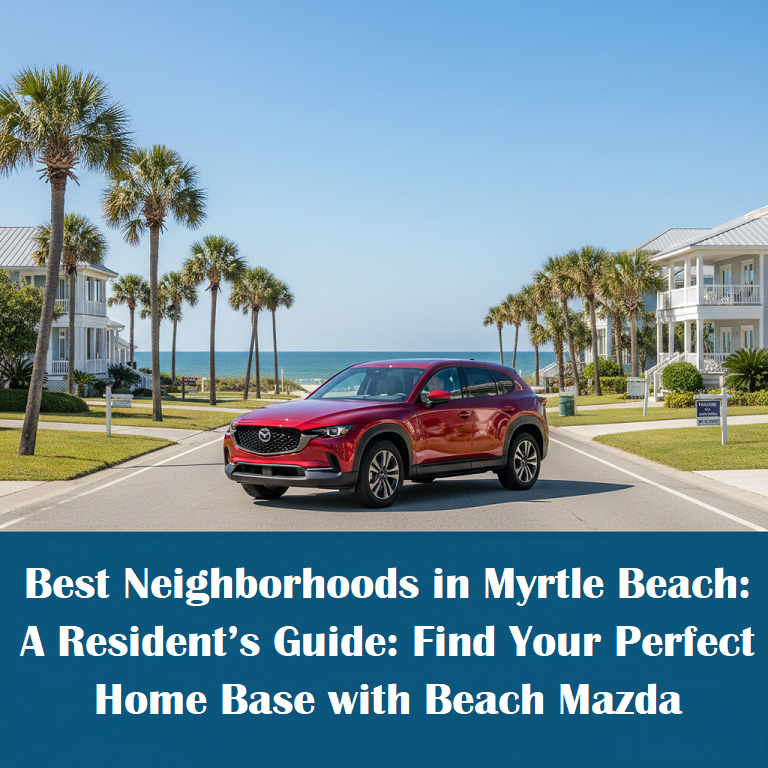
Best Neighborhoods in Myrtle Beach: A Resident’s Guide: Find Your Perfect Home Base with Beach Mazda

Thinking about calling Myrtle Beach home? Whether you’re relocating, buying a second home, or planning an extended stay, choosing the right neighborhood is key to making the most of coastal living. Myrtle Beach offers a variety of communities—each with its own vibe, amenities, and lifestyle. more At Beach Mazda, we know that the journey to your new home is just as important as the destination. With a Mazda that fits your needs—whether it’s the agile Mazda3 or the spacious CX-9—getting around town and exploring neighborhoods is easier and more enjoyable. Here’s our guide to some of the best neighborhoods in Myrtle Beach for residents, with something for every lifestyle. Carolina Forest Why residents love it: This family-friendly neighborhood boasts excellent schools, plenty of parks, and a growing shopping and dining scene. It’s perfect for those who want suburban convenience close to the beach without the tourist crowds. Mazda match: The Mazda CX-5 with advanced safety tech and comfortable seating makes family runs and school drop-offs a breeze. Market Common Why residents love it: An upscale, walkable community built on a former air force base, Market Common features trendy boutiques, restaurants, and green spaces. It’s ideal for young professionals and those who want a blend of city and beach life. Mazda match: The sleek Mazda3 offers sporty handling for quick trips and stylish city driving. Grande Dunes Why residents love it: If luxury living is your goal, Grande Dunes delivers with gated security, private golf courses, and waterfront properties. It’s a premier spot for golf lovers and boat enthusiasts alike. Mazda match: The Mazda CX-90 combines luxury with capability, perfect for cruising to the marina or the golf club. Myrtlewood Why residents love it: Just a few minutes from the beach, Myrtlewood is known for spacious homes and a quiet, family-oriented atmosphere. It’s great for those who want coastal living with easy access to schools and shopping. Mazda match: The versatile Mazda CX-30 is ideal for neighborhood drives and beach runs. Downtown Myrtle Beach Why residents love it: For lovers of vibrant nightlife, live entertainment, and cultural events, downtown is the place to be. It’s a mix of historic charm and modern amenities, with easy access to the boardwalk and ocean. Mazda match: The compact Mazda MX-5 Miata is perfect for navigating city streets and parking with ease. Getting Around Myrtle Beach with Your Mazda No matter where you decide to settle, having a reliable, efficient vehicle makes all the difference. Mazda’s lineup offers: Fuel efficiency for daily commutes Advanced safety features for family peace of mind Comfort and technology for work and play Cargo space for weekend getaways Ready to Explore Myrtle Beach’s Neighborhoods? At Beach Mazda, we’re here to help you find the perfect vehicle for your lifestyle—whether that’s commuting to work, running errands, or weekend adventures. Visit us today to test drive a Mazda and discover how it can enhance your life in Myrtle Beach. Want personalized advice on neighborhoods or vehicle options? Reach out anytime—we love helping locals make the most of living in this beautiful coastal city.

bm3-title

Navigating the Maze: A Comprehensive Guide to Comparing Car Insurance Companies

Choosing the right car insurance company is a crucial step in ensuring your peace of mind on the road. With a plethora of options available, understanding how car insurance companies compare is essential for making an informed decision. In this blog, we'll explore key factors to consider when evaluating and comparing car insurance providers to find the one that best suits your needs. more Financial Stability Why It Matters: A financially stable insurance company is more likely to fulfill its financial obligations and pay claims promptly. Financial stability is a key indicator of an insurer's reliability and long-term viability. How to Assess: Review financial ratings from independent rating agencies such as A.M. Best, Moody's, or Standard & Poor's. These ratings provide insights into an insurer's financial health and stability. Customer Service Why It Matters: Responsive and helpful customer service is crucial when navigating the claims process or seeking assistance. A company with excellent customer service ensures a smoother experience during critical moments. How to Assess: Read customer reviews and testimonials to gauge the experiences of other policyholders. Consider factors such as ease of communication, speed of claims processing, and overall satisfaction. Coverage Options Why It Matters: Different drivers have unique needs, and a good insurance company offers a range of coverage options to cater to diverse situations. The ability to tailor your coverage ensures you get the protection you need. How to Assess: Review the types of coverage offered, including liability, comprehensive, collision, uninsured/underinsured motorist coverage, and additional options. Ensure that the company provides the flexibility to customize your policy. Discounts and Incentives Why It Matters: Discounts and incentives can significantly impact the overall cost of your policy. Companies that offer a variety of discounts can help you save money on premiums. How to Assess: Inquire about available discounts, such as safe driver discounts, multi-policy discounts, good student discounts, and discounts for safety features in your vehicle. Compare the range of discounts offered by different insurers. Claims Handling Why It Matters: Efficient claims processing is crucial during stressful situations like accidents or damage to your vehicle. A company with a streamlined claims process ensures timely resolution and support. How to Assess: Investigate the claims process, including how to file a claim, the average time it takes for claims to be processed, and the overall customer satisfaction with the claims handling process. Premium Costs Why It Matters: Premium costs are a significant factor in choosing an insurance provider. While affordability is essential, it's crucial to strike a balance between cost and the coverage provided. How to Assess: Obtain quotes from multiple insurers and compare premium costs. Consider the coverage limits, deductibles, and any discounts offered to ensure a comprehensive understanding of the overall cost. Online Tools and Resources Why It Matters: An insurance company with user-friendly online tools and resources can enhance your overall experience. Online platforms for policy management, claims tracking, and customer support contribute to convenience. How to Assess: Explore the insurer's website and online resources. Check for the availability of tools like online quotes, policy management platforms, and mobile apps that simplify the insurance process. Reputation and Reviews Why It Matters: A company's reputation is a reflection of its reliability and the experiences of its customers. Choosing a reputable insurer increases the likelihood of a positive overall insurance experience. How to Assess: Read reviews on independent review platforms and consider ratings from consumer satisfaction surveys. Look for patterns in customer feedback to gain insights into the strengths and potential weaknesses of each insurer. Coverage Area and Accessibility Why It Matters: Ensuring that your insurance company operates in your geographic area and has accessible offices or representatives can be crucial for in-person assistance or local support. How to Assess: Confirm that the insurer operates in your state and assess the availability of local offices or agents. Consider whether the company's accessibility aligns with your preferences for in-person assistance. Additional Services and Benefits Why It Matters: Some insurance companies offer additional services and benefits, such as roadside assistance, rental car coverage, or discounts on affiliated services. These extras can add value to your policy. How to Assess: Explore any additional services or benefits offered by the insurer and evaluate their relevance to your needs. Consider whether these extras contribute to a more comprehensive and valuable insurance package. Thorough Evaluation Comparing car insurance companies involves a thorough evaluation of various factors, from financial stability and customer service to coverage options and premium costs. By considering these key aspects and conducting thorough research, you can make an informed decision that aligns with your unique needs and preferences

bm2-title

Beyond Luxury: Unveiling the Most Expensive Vehicles to Own in the United States

Owning a vehicle extends beyond the initial purchase price, as factors like maintenance, fuel, insurance, and depreciation contribute to the overall cost of ownership. For those seeking the epitome of automotive luxury and performance, certain vehicles stand out as the most expensive to own in the United States. In this blog, we'll explore these exclusive rides, delving into the realms of opulence, power, and the accompanying financial commitment. more Bugatti Veyron Ownership Costs: The Bugatti Veyron, known for its unparalleled speed and craftsmanship, comes with a hefty price tag. With a starting price well into the millions, maintenance, insurance, and fuel costs elevate the overall ownership expense. Lamborghini Aventador Ownership Costs: The Lamborghini Aventador, an icon in the world of supercars, boasts a striking design and formidable performance. However, its high maintenance costs, premium insurance rates, and thirst for fuel contribute to its status as one of the most expensive vehicles to own. Rolls-Royce Phantom Ownership Costs: The epitome of luxury, the Rolls-Royce Phantom, demands a considerable investment in ownership. The exclusivity and meticulous craftsmanship come at a price, not only in terms of the initial purchase but also in ongoing maintenance and premium insurance costs. Ferrari SF90 Stradale Ownership Costs: The Ferrari SF90 Stradale represents the pinnacle of Ferrari's engineering prowess, blending performance and electrification. However, its advanced technology, bespoke components, and specialized maintenance contribute to its high cost of ownership. Porsche 911 Turbo S Ownership Costs: While the Porsche 911 Turbo S is a sports car icon, its elevated performance and luxury features contribute to higher ownership costs. Routine maintenance, premium fuel, and insurance for this high-performance machine are part of the overall expense. Bentley Bentayga Ownership Costs: The Bentley Bentayga, an ultra-luxurious SUV, offers opulence and performance. However, its elevated maintenance costs, premium fuel requirements, and high-end insurance contribute to its status as one of the most expensive vehicles to own. Tesla Model X Performance Ownership Costs: While electric vehicles are often associated with lower operating costs, the Tesla Model X Performance, with its cutting-edge technology and high-performance features, can still be expensive to own. Maintenance, insurance, and charging infrastructure requirements contribute to its overall cost of ownership. Mercedes-Benz Maybach S650 Ownership Costs: The Mercedes-Benz Maybach S650 stands as a symbol of automotive luxury and comfort. However, its premium features, advanced technology, and specialized maintenance contribute to its position among the most expensive vehicles to own. Factors Contributing to High Ownership Costs Exclusive Components: Luxury and high-performance vehicles often feature exclusive and specialized components, leading to higher costs for replacement and maintenance. Specialized Maintenance: The intricate engineering and advanced technology in these vehicles may require specialized technicians and maintenance procedures, contributing to higher service costs. High-Performance Fuel: Some of these vehicles demand high-performance fuel, which comes at a premium compared to regular gasoline. Premium Insurance Rates: The cost of insuring these high-value vehicles with advanced features and technology contributes significantly to the overall ownership expense. Ongoing Financial Commitment Owning the most expensive vehicles in the United States goes beyond the initial awe-inspiring purchase price. The unparalleled luxury, performance, and exclusivity of these vehicles come with ongoing financial commitments, making them a choice reserved for those who seek the pinnacle of automotive excellence and are willing to bear the associated costs. As automotive technology continues to advance, these costs may evolve, but for now, these vehicles remain the epitome of opulence and extravagance on American roads.