Blog / Financing Your Mazda

Blog

All Financing Your Mazda News Technology Important Information Mazda Model Features Tips Mazda Service Features & Specs Awards Service Mazda Vehicles Mazda Safety Technology Money Saving Tips Safety Beach Mazda Service History 2023 Models Community Events Comparisons Fun Stuff Local 2024 Models Holidays Mazda Parts Car Buying Process Driver-Centric Design EVs Exterior Fuel & Gas Pre-Owned Certified Pre-Owned Mazda Vehicles Electric & Hybrid Vehicles Infotainment Insurance Mazda Accessories Mazda CX-30 Mazda3 Racing Restaurants & Food Tires & Wheels Travel Activities Drive For Good Kodo Design Language Mazda CX-5 Mazda CX-9 Mazda Motorsports Automotive Cleaning Fuel System Interior Paint & Body Work Seasonal Down-payments Mazda Connect Transmission Weather Brakes i-Activsense Technology Large Vehicles & SUVs Millennials Suspension System Towing
BM2 title Aug 2025

Understanding the Pros and Cons of Zero Percent Financing

Zero percent financing is a popular promotion used by car dealerships to attract buyers. The appeal is clear: you can finance a vehicle with no interest charges over the life of the loan. However, while the offer sounds enticing, it’s essential to understand the full picture before deciding if zero percent financing is the right choice for you. Let's dive into the pros and cons of zero percent financing. more What is Zero Percent Financing? Zero percent financing means that you borrow money to purchase a vehicle without paying any interest on the loan. Instead of the lender charging interest, you pay back only the principal—the amount you borrowed. This offer is typically available for a limited time and often requires a good to excellent credit score to qualify. The Pros of Zero Percent Financing Interest-Free Borrowing: No Interest Costs: The most significant advantage of zero percent financing is that you won’t pay any interest on your loan. Every dollar you pay goes directly toward the principal, allowing you to pay off the car more quickly and with less total expenditure compared to a standard loan with interest. Cost Savings: Without interest charges, the total cost of the car is lower. Over the life of the loan, this can result in significant savings, especially on higher-priced vehicles. Simplified Budgeting: Fixed Payments: Since there’s no interest to worry about, your monthly payments are straightforward and easy to calculate. This predictability can help with budgeting, as you know exactly how much you’ll pay each month and how long it will take to pay off the loan. Potential to Afford a Better Car: Upgrade Potential: Zero percent financing may allow you to afford a higher trim level or a more expensive vehicle than you could with a traditional loan. Since your monthly payments are lower without interest, you might be able to stretch your budget further. Increased Equity in the Vehicle: Building Equity Faster: Because your payments go directly toward the principal, you build equity in the vehicle more quickly. This can be beneficial if you plan to sell or trade in the car before the loan is paid off. The Cons of Zero Percent Financing Limited Availability: Strict Qualifications: Zero percent financing is typically reserved for buyers with excellent credit scores (usually 700 or above). If your credit score doesn’t meet the lender’s criteria, you may not qualify for the offer, or you might be offered a higher interest rate instead. Vehicle Restrictions: These promotions are often limited to specific models or trims. If you’re not interested in the cars available under the offer, you may need to choose between the promotion and getting the car you want. Shorter Loan Terms: Higher Monthly Payments: Zero percent financing deals often come with shorter loan terms, such as 36 or 48 months. While this means you’ll pay off the car sooner, it also results in higher monthly payments, which may strain your budget if you’re not prepared. Limited Flexibility: With a shorter loan term, you have less flexibility to extend payments if your financial situation changes. This could make it harder to manage your budget during challenging times. Potential Trade-Offs: No Room for Negotiation: Dealerships offering zero percent financing may be less willing to negotiate the car's price or other terms of the sale. The low financing offer might come at the expense of other discounts or incentives, such as cash rebates. Limited Incentives: Sometimes, zero percent financing is offered as an alternative to other incentives, like cash-back offers. In some cases, taking the cash rebate and financing at a standard interest rate could save you more money in the long run. Opportunity Cost: Missed Alternative Deals: By focusing on zero percent financing, you might overlook other financing options or promotions that could be more advantageous, such as lower prices on older models or used vehicles with low-interest loans. Higher Initial Costs: Zero percent financing often requires a substantial down payment. If you’re not prepared to put down a large sum of money upfront, you might end up financing more of the vehicle’s cost, which could lead to higher overall expenses. Is Zero Percent Financing Right for You? Deciding whether to take advantage of zero percent financing depends on your financial situation, credit score, and the specific terms of the offer. Here are a few questions to consider: Do You Have Excellent Credit? If your credit score is high, you’re more likely to qualify for zero percent financing. If your score is lower, you might face higher interest rates or be ineligible for the promotion. Can You Afford the Higher Monthly Payments? If the zero percent financing offer comes with a shorter loan term, make sure the monthly payments fit comfortably within your budget. Are There Other Incentives Available? Compare the zero percent financing offer with other available incentives, such as cash rebates or low-interest financing on a longer term. Sometimes, taking a different deal can save you more money overall. Does the Offer Apply to the Vehicle You Want? Make sure the zero percent financing promotion applies to the car you’re interested in. If not, you might need to compromise on features or trim levels to take advantage of the deal. Weighing the Benefits and Drawbacks Zero percent financing can be a powerful tool for saving money when buying a car, but it’s not always the best choice for everyone. By understanding the pros and cons, you can make a more informed decision that aligns with your financial goals and driving needs. Before you head to the dealership, take the time to evaluate your budget, credit score, and the terms of the financing offer. Compare all available incentives and consider the long-term impact of your decision. With careful consideration, you can drive away with a deal that’s right for you.

bm3 dec title

Navigating the Road Early: A Guide to Terminating Your Car Lease Ahead of Schedule

Life is full of unexpected twists and turns, and sometimes, your car lease may not align with your current circumstances. Whether you're facing a change in financial situations, lifestyle adjustments, or simply desire a different vehicle, terminating your car lease early might be on your mind. In this blog, we'll explore the steps and considerations involved in ending your car lease ahead of schedule. more Review Your Lease Agreement Start by thoroughly reviewing your lease agreement. Pay close attention to any clauses related to early termination, penalties, and fees. Understanding the terms of your lease is crucial for making informed decisions. Check for Early Termination Clauses Some lease agreements have specific clauses outlining the conditions and costs associated with terminating the lease early. Take note of any penalties, such as early termination fees or the requirement to pay the remaining lease payments. Evaluate Your Finances Consider your financial situation and assess whether terminating the lease early is feasible. Calculate the potential costs, including any penalties, remaining payments, and additional fees. Compare this to the financial impact of keeping the lease until the end. Contact the Leasing Company Reach out to the leasing company or the dealership's finance department to discuss your intention to terminate the lease early. They can provide you with detailed information on the process, associated fees, and any potential alternatives. Explore Lease Transfer Options Some leasing agreements allow for a lease transfer, where another individual takes over the remaining lease term. While there may be fees associated with this process, it can be a mutually beneficial solution, freeing you from the lease obligations. Consider Buying the Vehicle Evaluate the possibility of buying the vehicle outright instead of terminating the lease. Some leasing agreements provide buyout options, and this may be a more cost-effective solution, depending on your circumstances. Research State Laws Familiarize yourself with the leasing and automotive laws in your state or country. Some jurisdictions have specific regulations regarding early lease termination, and understanding these can empower you during negotiations. Weigh the Pros and Cons Before making a final decision, weigh the pros and cons of terminating your lease early. Consider the financial implications, your future vehicle needs, and how the decision aligns with your overall lifestyle and budget. Document the Process Keep thorough records of all communication with the leasing company, including agreements, negotiations, and any paperwork. Having a documented trail can be valuable in case of disputes or misunderstandings. Careful Consideration Terminating a car lease early involves careful consideration, research, and effective communication with the leasing company. By understanding the terms of your lease agreement and exploring available options, you can navigate the process smoothly and make decisions that align with your current circumstances. Remember to be proactive, informed, and open to exploring alternatives as you embark on the journey to terminate your car lease ahead of schedule.

bm1 dec title

Behind the Wheel: Top 5 Questions to Ask Yourself Before Buying a New Car

Purchasing a new car is an exciting endeavor that requires thoughtful consideration and research. Before you drive off the lot with your shiny new vehicle, it's essential to ask yourself a series of questions to ensure that the car you choose aligns with your needs, preferences, and budget. In this blog post, we'll explore the top five questions you should ask yourself before making that significant investment. more 1. What Are My Budgetary Constraints? Understanding your financial limits is the first step in the car-buying process. Determine your budget by evaluating your current financial situation, factoring in not only the purchase price of the car but also additional costs like insurance, taxes, registration fees, and potential financing interest. Establishing a clear budget will guide your choices and help you avoid overextending financially. 2. What Are My Priorities and Needs? Consider your lifestyle, daily commute, and future plans when assessing your priorities and needs in a new car. Are you looking for fuel efficiency for long commutes? Do you need ample cargo space for family outings? Prioritize features such as safety, technology, and comfort based on your specific requirements. Knowing your priorities will help narrow down the myriad of options available in the automotive market. 3. New or Used: What Fits My Situation? Determine whether a new or used car best suits your needs. While a new car offers the latest features, warranties, and the satisfaction of being the first owner, a used car may provide a more affordable option with the potential for lower depreciation. Weigh the pros and cons of each based on your budget and preferences. 4. How Will I Finance the Purchase? Consider your financing options and decide whether you'll pay for the car upfront, finance it through a loan, or lease it. If financing, shop around for the best interest rates and terms. Understanding your financing strategy will impact your monthly payments and overall cost of ownership. 5. What Are the Long-Term Costs? Beyond the initial purchase price, assess the long-term costs associated with owning the car. Research the vehicle's fuel efficiency, maintenance requirements, and potential repair costs. Understanding these factors will give you a realistic picture of the ongoing expenses you'll incur throughout your ownership. Bonus Question: What Do Reviews and Research Say? Before finalizing your decision, delve into reviews and research on the specific make and model you're considering. Evaluate reliability ratings, safety features, and user reviews. This step ensures that you're well-informed about the car's performance, potential issues, and overall reputation. Five Crucial Questions Asking yourself these five crucial questions before buying a new car empowers you to make a well-informed decision that aligns with your financial capacity and lifestyle. Remember, the process of buying a car is not just about the thrill of a new ride but also about securing a vehicle that meets your needs and enhances your daily experiences on the road. By taking the time to reflect on these key questions, you'll navigate the car-buying journey with confidence and satisfaction.

bm3-sept-title

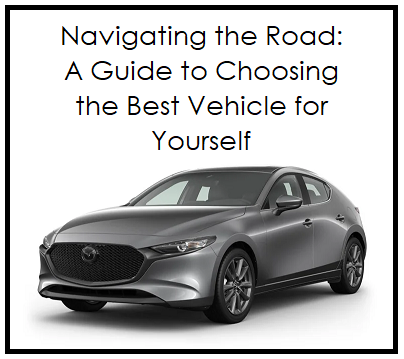
Navigating the Road: A Guide to Choosing the Best Vehicle for Yourself

Selecting the perfect vehicle is a significant decision that involves a blend of personal preferences, lifestyle considerations, and practical needs. Whether you're a first-time car buyer or considering an upgrade, finding the best vehicle for yourself requires thoughtful evaluation. In this blog, we'll explore key factors to consider and guide you through the process of making a well-informed decision. more Assess Your Lifestyle and Needs Begin by reflecting on your lifestyle and daily activities. Consider: Your commuting patterns. The number of passengers you typically transport. Your storage and cargo requirements. Any specific features or capabilities you prioritize, such as fuel efficiency, off-road capabilities, or advanced safety features. Determine Your Budget Establish a clear budget for your vehicle purchase. Consider not only the upfront cost but also ongoing expenses such as insurance, maintenance, and fuel. Stick to a budget that aligns with your financial comfort and long-term goals. New vs. Used Decide whether a new or used vehicle is a better fit for your needs. New cars offer the latest features, warranties, and the assurance of no prior ownership. Used cars, on the other hand, often provide better value for money and may have already experienced the bulk of depreciation. Consider Fuel Efficiency Evaluate the fuel efficiency of potential vehicles, especially if you have a long daily commute or plan to use the vehicle frequently. Fuel-efficient models can save you money over time and contribute to environmental sustainability. Explore Different Body Styles Vehicles come in various body styles, including sedans, SUVs, trucks, and hatchbacks. Each style offers unique advantages and caters to different preferences. Consider the level of comfort, space, and utility each body style provides to determine which aligns best with your lifestyle. Safety Features Prioritize safety features that align with your preferences and concerns. Look for vehicles equipped with advanced safety technologies such as airbags, anti-lock brakes, stability control, and modern driver-assistance features like lane departure warning and automatic emergency braking. Test Drive Multiple Models The best way to understand a vehicle's performance and comfort is through a test drive. Visit dealerships and test drive different models that fit your criteria. Pay attention to aspects like driving comfort, visibility, and overall handling. Research Reliability and Resale Value Investigate the reliability ratings and resale values of the vehicles you're interested in. Brands with a reputation for reliability and strong resale value can offer long-term benefits, ensuring your investment holds its value over time. Explore Financing Options Research financing options and consider whether buying or leasing aligns better with your financial goals. Evaluate interest rates, loan terms, and monthly payments to make an informed decision. Check Insurance Costs Before finalizing your decision, obtain insurance quotes for the vehicles you're considering. Insurance costs can vary based on factors like the model's safety features, repair costs, and overall risk profile. Read Reviews and Seek Recommendations Explore reviews from automotive experts and seek recommendations from friends, family, or online communities. Learning from the experiences of others can provide valuable insights into the pros and cons of specific models. Holistic Approach Choosing the best vehicle for yourself involves a holistic approach that considers your lifestyle, budget, and preferences. Take the time to thoroughly research and test drive different models, weigh the pros and cons, and make decisions aligned with your long-term goals. Whether you prioritize fuel efficiency, safety features, or specific body styles, the right vehicle is the one that seamlessly integrates into your life and enhances your overall driving experience. Happy driving!

bm1-sept-title

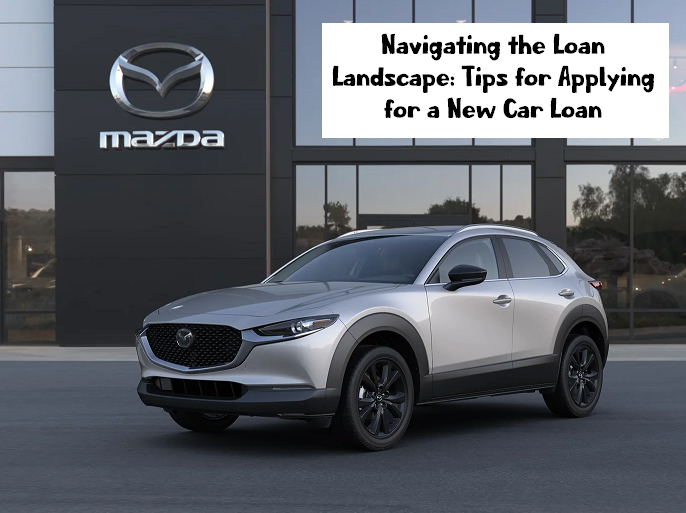
Navigating the Loan Landscape: Tips for Applying for a New Car Loan

Applying for a new car loan is a significant step on the road to vehicle ownership. Whether you're a first-time car buyer or a seasoned driver, understanding the intricacies of the loan application process is crucial to securing favorable terms. In this blog, we'll explore valuable tips to guide you through the process of applying for a new car loan and help you make informed decisions that align with your financial goals. more Check Your Credit Score Before applying for a car loan, check your credit score. Your credit score plays a pivotal role in determining the interest rate you qualify for. A higher credit score generally translates to lower interest rates, saving you money over the life of the loan. If your score is lower than desired, consider taking steps to improve it before applying. Establish a Realistic Budget Determine a realistic budget for your car purchase, taking into account your monthly income, existing expenses, and potential additional costs such as insurance and maintenance. Understanding your budget will help you narrow down the range of cars you can afford and ensure that your loan payments align with your financial capabilities. Save for a Down Payment While it's possible to secure a car loan with little to no down payment, putting money down upfront can have significant advantages. A down payment reduces the loan amount, resulting in lower monthly payments and potentially a more favorable interest rate. Aim for a down payment of at least 10-20% of the car's purchase price. Research Lenders and Loan Options Explore loan options from different lenders, including banks, credit unions, and online lenders. Research their interest rates, loan terms, and customer reviews. Getting quotes from multiple sources allows you to compare offers and choose the loan that best suits your needs. Get Preapproved Consider getting preapproved for a car loan before visiting the dealership. Preapproval provides you with a clear understanding of the loan amount and interest rate you qualify for, empowering you during the negotiation process. It also streamlines the car-buying experience and helps you stay within your budget. Understand the Loan Terms Carefully review the terms of the loan, including the interest rate, loan term, and any additional fees. Pay attention to the annual percentage rate (APR), which includes both the interest rate and any fees, providing a comprehensive view of the total cost of the loan. Ensure you understand the terms before committing to the loan. Consider Loan Term Length Evaluate the loan term carefully. While longer loan terms may result in lower monthly payments, they often lead to higher overall interest costs. Shorter loan terms may have higher monthly payments but can save you money in interest. Choose a term that aligns with your budget and financial goals. Read and Understand the Loan Agreement Before finalizing the loan, carefully read and understand the loan agreement. Pay attention to the terms and conditions, including any prepayment penalties or hidden fees. If there's anything you don't understand, seek clarification from the lender. Knowing the details of the loan agreement is crucial for making an informed decision. Driving Towards Financial Confidence Applying for a new car loan is a significant financial decision, and arming yourself with knowledge is key to securing the best possible terms. By checking your credit score, establishing a realistic budget, saving for a down payment, researching lenders, getting preapproved and understanding loan terms, you can navigate the loan landscape with confidence. Remember, a well-informed borrower is better positioned to make sound financial decisions and enjoy the excitement of a new car without unnecessary financial burdens.

bm4-aug-title

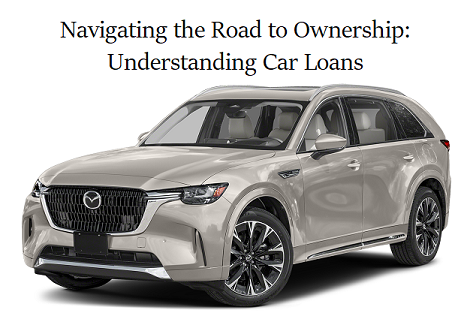
Navigating the Road to Ownership: Understanding Car Loans

For many, the dream of owning a car involves securing a car loan to turn that dream into reality. However, navigating the landscape of car loans can be complex and overwhelming. In this blog, we'll break down the fundamentals of car loans, empowering you with the knowledge to make informed decisions as you embark on the journey of financing your vehicle. more Understanding Car Loans: A Primer A car loan is a financial arrangement in which a lender provides funds to a borrower for the purpose of purchasing a vehicle. The borrower agrees to repay the loan amount over a specified period, typically through monthly installments that include both principal and interest. Key Components of a Car Loan Principal: The principal is the initial amount borrowed to purchase the vehicle. It represents the total cost of the car, including taxes and fees. Interest Rate: The interest rate is the cost of borrowing money and is expressed as a percentage. It determines the additional amount (interest) you'll pay on top of the principal over the life of the loan. Loan Term: The loan term is the duration over which you agree to repay the loan. Common terms range from 36 to 72 months. A longer term may result in lower monthly payments but may lead to higher overall interest costs. Credit Score's Role Your credit score plays a pivotal role in determining the interest rate you qualify for. A higher credit score generally results in a lower interest rate, potentially saving you money over the life of the loan. Conversely, a lower credit score may lead to a higher interest rate. Down Payment Making a down payment can significantly impact your car loan. A larger down payment reduces the principal amount, resulting in lower monthly payments and potentially more favorable loan terms. Secured vs. Unsecured Loans Car loans can be either secured or unsecured. A secured loan is backed by the vehicle itself, allowing the lender to repossess the car if the borrower defaults. Unsecured loans, on the other hand, do not require collateral but often come with higher interest rates. Preapproval Process Before visiting a dealership, consider getting preapproved for a car loan from a bank or credit union. Preapproval provides insight into the amount you can borrow and the interest rate you qualify for, simplifying the negotiation process at the dealership. Monthly Payments and Affordability While it's essential to focus on the total cost of the car, evaluating your monthly budget is equally crucial. Determine a monthly payment that aligns with your financial situation, ensuring that you can comfortably meet your obligations without straining your budget. Read the Fine Print Before signing any loan agreement, carefully read the terms and conditions. Pay attention to details such as interest rates, fees, prepayment penalties, and any additional charges. Understanding the fine print can prevent surprises and ensure you make an informed decision. Refinancing Options If you currently have a car loan with a high-interest rate, explore the possibility of refinancing. Refinancing allows you to secure a new loan with more favorable terms, potentially lowering your monthly payments. Be Mindful of Depreciation Cars depreciate over time, losing value as they age. It's essential to consider the rate of depreciation when financing a vehicle, as owing more than the car's value (being "upside down" on the loan) can pose challenges if you decide to sell or trade in the car. A Smooth Journey Ahead Understanding car loans is a crucial step in the car-buying process. By grasping the key components, considering your credit score, making informed decisions about down payments and loan terms, and being mindful of the fine print, you can navigate the road to car ownership with confidence. Whether you're a first-time buyer or looking to upgrade, a well-understood car loan ensures a smoother and more enjoyable journey towards owning the vehicle of your dreams.

qeryqerhqrthqrthtrh

Navigating the Road to Ownership: Understanding Down Payments for Car Financing

Embarking on the journey to finance a car involves several key decisions, and one of the initial considerations is the down payment. The down payment plays a significant role in determining the terms of your auto loan and can impact your monthly payments and overall financial commitment. In this blog, we'll delve into the factors that influence the required down payment and offer insights into making informed decisions when financing a car. more Understanding Down Payments A down payment is the initial upfront payment made when purchasing a car through financing. It is typically expressed as a percentage of the total car price and is paid at the time of the purchase. Factors Influencing Down Payment Requirements Credit Score Your credit score is a crucial factor in determining the down payment amount. A higher credit score often allows for lower down payment requirements, as it reflects a lower perceived risk for lenders. Lender Policies Different lenders may have varying policies regarding down payments. Some lenders may have specific requirements, while others may offer more flexibility based on your creditworthiness. Car Price and Loan Amount The total cost of the car and the loan amount requested influence the down payment. A larger down payment may be required for more expensive vehicles or when financing a smaller portion of the total cost. Loan Terms The length of the loan term can affect down payment requirements. Some lenders may require a higher down payment for longer loan terms to mitigate the risk associated with extended repayment periods. Typical Down Payment Range While down payment requirements can vary, a common industry standard is around 10-20% of the car's purchase price. However, some lenders may accept lower down payments, especially for buyers with strong credit histories. Advantages of a Higher Down Payment Lower Monthly Payments A higher down payment results in a lower loan amount, reducing your monthly payments. Lower Interest Costs With a substantial down payment, you may qualify for a lower interest rate, leading to overall savings on interest costs throughout the loan term. Faster Loan Approval A significant down payment may improve your chances of loan approval, particularly if you have a less-than-perfect credit history. Options for Low or No Down Payment While a down payment is typically required, some financing options may allow for lower initial payments. However, it's important to weigh the long-term financial implications, as lower down payments often result in higher monthly payments and increased interest costs. Personal Financial Considerations Assess your personal financial situation to determine an appropriate down payment amount. Consider your budget, savings, and future financial goals to ensure that the down payment aligns with your overall financial well-being. Negotiation Strategies Don't hesitate to negotiate the down payment with the dealership or lender. While some factors, such as credit score, may limit flexibility, discussing your individual circumstances may lead to more favorable terms. Strike a Balance Deciding on the right down payment when financing a car involves a careful assessment of your financial situation, credit score, and loan terms. By understanding the factors that influence down payment requirements and exploring options based on your individual circumstances, you can make informed decisions that align with your budget and overall financial goals. Whether you opt for a higher down payment for lower monthly payments or choose a lower initial payment to preserve cash flow, the key is to strike a balance that works best for your unique financial journey on the road to car ownership.

Revving Up Your Ride: A Guide on How to Buy a Car on Credit

Buying a car on credit can be a practical and feasible option for many individuals. Whether you're a first-time buyer or looking to upgrade your current vehicle, understanding the process of financing a car purchase is crucial. In this blog, we'll navigate through the steps and considerations to help you make an informed decision when buying a car on credit. more Know Your Credit Score Your credit score plays a pivotal role in determining the interest rates and terms of your auto loan. Obtain a copy of your credit report and check your credit score before starting the car-buying process. A higher credit score typically results in more favorable loan terms, including lower interest rates. Set a Realistic Budget Determine how much you can comfortably afford to spend on a car. Consider not only the purchase price but also additional costs such as insurance, taxes, registration, and maintenance. Setting a realistic budget helps you narrow down your options and ensures that your monthly payments are manageable. Research Loan Options Explore different loan options available to you. Banks, credit unions, and dealerships may offer financing options, each with its own terms and interest rates. Compare rates, terms, and any additional fees associated with each option. Online lenders can also be a convenient source for competitive auto loans. Understand Interest Rates and Loan Terms Pay close attention to the interest rates offered on auto loans. Interest rates significantly impact the total cost of the loan. Additionally, understand the loan terms, including the duration of the loan (loan term). While longer terms may result in lower monthly payments, they often lead to higher overall interest costs. Get Pre-Approved Consider getting pre-approved for a car loan before visiting dealerships. Pre-approval provides you with a clear understanding of your budget and enhances your negotiating power. It also streamlines the car-buying process and allows you to focus on finding the right vehicle. Read the Fine Print Before signing any loan agreement, carefully read the terms and conditions. Understand the interest rate, loan duration, monthly payments, and any additional fees associated with the loan. Clarify any questions you may have before committing to the loan. Consider Down Payment and Trade-In Making a down payment can reduce the amount you need to finance and may result in lower monthly payments. Additionally, if you have a trade-in, consider its value as it can further offset the cost of the new vehicle. Factor in Insurance Costs Auto insurance is a mandatory expense, and the cost can vary based on factors such as the car's make and model. Obtain insurance quotes for the vehicles you're considering to factor in this cost when assessing your overall budget. Review and Monitor Your Loan Once you've secured your car loan, periodically review your loan statement to ensure accuracy. Stay informed about your remaining balance, interest paid, and any potential fees. Consider refinancing if you find more favorable interest rates down the road. Make a Well-informed Decision Buying a car on credit requires careful planning, research, and consideration of your financial situation. By knowing your credit score, setting a realistic budget, researching loan options, getting pre-approved, negotiating the purchase price, reading the fine print, considering down payment and trade-in options, factoring in insurance costs, and monitoring your loan, you can make a well-informed decision and drive off with a vehicle that fits both your needs and your financial goals.

Navigating High Car Prices: Smart Tips for Buying a Car in 2024

As we step into 2024, the landscape of the automotive industry continues to evolve, and one notable challenge many potential buyers face is the surge in car prices. While the prospect of buying a new car may seem daunting with the current market conditions, there are still savvy ways to navigate the challenges and make a purchase that aligns with both your needs and budget. In this blog, we'll explore some practical tips for buying a car in 2024 when prices are at a premium. more Research and Compare In a market where prices are high, thorough research becomes your best ally. Take the time to explore different makes and models, considering factors like fuel efficiency, reliability, and maintenance costs. Compare prices from various dealerships, both online and in-person, to identify any potential variations. Use reputable car valuation tools to understand the fair market value of the specific make and model you're interested in, helping you make informed decisions during negotiations. Consider Pre-Owned Options New cars often come with a premium price tag, so it's worth considering pre-owned or certified pre-owned (CPO) vehicles. These options can provide substantial savings while still offering reliable and well-maintained vehicles. CPO programs typically include extended warranties and thorough inspections, giving you added peace of mind. Be open to exploring a slightly older model or a car with a few miles on it – you may find a gem that meets your requirements at a more affordable price. Explore Financing Options Given the current economic climate, financing options play a crucial role in making a car purchase more manageable. Research interest rates, loan terms, and financing deals offered by banks, credit unions, and dealerships. Having a pre-approved loan can also strengthen your negotiating position when dealing with sellers. Additionally, be cautious of extended loan terms, as they may result in paying more in interest over the life of the loan. Look for Incentives and Discounts Car manufacturers and dealerships often provide incentives, discounts, and promotional offers to boost sales. Keep an eye out for manufacturer rebates, loyalty programs, or special financing rates that can help offset the high initial costs. Some dealerships may also offer discounts for certain professions or memberships, so inquire about any available promotions to maximize your savings. Timing Matters The timing of your car purchase can impact the deal you get. Dealerships may have monthly or quarterly sales targets, making the end of the month or quarter a potentially advantageous time to negotiate. Additionally, consider shopping during holidays or promotional events when dealerships may be more inclined to offer special deals to attract buyers. Negotiate Wisely Effective negotiation is a crucial skill when buying a car, especially in a market with elevated prices. Be prepared to walk away if the deal doesn't meet your budget or expectations. Approach negotiations with a clear understanding of the fair market value, your budget constraints, and any available incentives. Polite persistence and a willingness to explore creative solutions, such as including additional accessories or services in the deal, can enhance your negotiating position. Informed Approach Buying a car in a market with high prices requires a strategic and informed approach. By conducting thorough research, considering pre-owned options, exploring financing deals, seeking incentives, timing your purchase strategically, and negotiating wisely, you can navigate the challenges and secure a deal that aligns with your budget and preferences. Remember, patience and persistence are key when navigating the current automotive landscape, so take your time and make a decision that sets you up for a satisfying and financially responsible ownership experience in 2024.

10 Things to Consider Before Buying a Car

Buying a car is a big decision, and it’s important to make sure you’re making the right choice. Here are 10 things to consider before you buy a car: more Budget Before you start shopping, it’s important to determine how much you can afford to spend on a car. Consider the cost of the car, as well as the cost of insurance, taxes, and maintenance. Research Do your research to find out which cars are the best fit for your needs. Read reviews, compare features, and look at safety ratings. Test Drive Once you’ve narrowed down your choices, take each car for a test drive. This will help you get a better feel for the car and make sure it’s the right fit for you. Financing If you’re financing your car, make sure you understand the terms of the loan and shop around for the best rates. Insurance Make sure you get the right insurance coverage for your car. Consider the cost of the premiums, as well as the coverage you need. Maintenance Consider the cost of regular maintenance for the car you’re buying. Some cars require more frequent maintenance than others. Fuel Efficiency If you’re looking to save money on gas, consider a car with good fuel efficiency. Warranty Make sure you understand the warranty that comes with the car. This will help protect you in case of any mechanical issues. Resale Value Consider the resale value of the car you’re buying. Some cars hold their value better than others. Safety Safety should be a top priority when buying a car. Look for cars with the latest safety features and good crash test ratings. By considering these 10 things before you buy a car, you can make sure you’re making the right decision.

The Pros and Cons of Leasing a Vehicle

Leasing a new vehicle can be a great way to get behind the wheel of a new car without having to commit to a long-term loan. However, there are both pros and cons to leasing a new vehicle that you should consider before making a decision. more Pros Lower Monthly Payments Leasing a new vehicle typically has lower monthly payments than financing a new vehicle. This is because you are only paying for the depreciation of the vehicle during the lease term, rather than the full cost of the vehicle. Lower Upfront Costs Leasing a new vehicle also typically requires lower upfront costs than financing a new vehicle. This is because you are only paying for the first month’s payment, taxes, and fees, rather than a down payment. Flexibility Leasing a new vehicle also gives you the flexibility to upgrade to a newer model after the lease term is up. This allows you to stay up to date with the latest technology and features without having to commit to a long-term loan. Cons Mileage Restrictions Leasing a new vehicle typically comes with mileage restrictions. This means that you will be charged for any miles you drive over the agreed upon limit. Early Termination Fees If you decide to terminate your lease early, you may be subject to early termination fees. This can be costly, so it’s important to make sure you understand the terms of your lease before signing. Higher Long-Term Costs Leasing a new vehicle can be more expensive in the long run than financing a new vehicle. This is because you are only paying for the depreciation of the vehicle during the lease term, rather than the full cost of the vehicle. Overall Overall, leasing a new vehicle can be a great way to get behind the wheel of a new car without having to commit to a long-term loan. However, it’s important to consider the pros and cons before making a decision.

How to Buy Your First New Car

Buying your first new car can be an exciting and overwhelming experience. With so many options available, it can be difficult to know where to start. To help make the process easier, here are some of the best tips for buying your first new car. more Do Your Research Before you start shopping for a new car, it’s important to do your research. Read reviews, compare prices, and look at safety ratings to get an idea of what type of car you’re looking for. New 2024 Mazda CX-5 2.5 S Select AWD Set a Budget Once you’ve done your research, it’s time to set a budget. Consider all of the costs associated with buying a new car, such as taxes, registration fees, and insurance. Test Drive Once you’ve narrowed down your choices, it’s time to take a test drive. This will help you get a feel for the car and make sure it’s the right fit for you. Negotiate Don’t be afraid to negotiate when it comes to the price of the car. Many dealerships are willing to work with you to get the best deal possible. Get Financing If you’re not able to pay for the car in full, you’ll need to get financing. Shop around for the best rates and terms before signing any paperwork. By following these tips, you’ll be well on your way to finding the perfect car for you. Good luck and happy shopping!

Contact Us

Fill out this form below and we'll contact you shortly
*Required Fields