Blog / Mazda Parts

Blog

All Mazda Parts News Technology Important Information Mazda Model Features Tips Mazda Service Features & Specs Awards Service Mazda Vehicles Mazda Safety Technology Money Saving Tips Safety Beach Mazda Service History 2023 Models Community Events Comparisons Financing Your Mazda Fun Stuff Local 2024 Models Holidays Car Buying Process Driver-Centric Design EVs Exterior Fuel & Gas Pre-Owned Certified Pre-Owned Mazda Vehicles Electric & Hybrid Vehicles Infotainment Insurance Mazda Accessories Mazda CX-30 Mazda3 Racing Restaurants & Food Tires & Wheels Travel Activities Drive For Good Kodo Design Language Mazda CX-5 Mazda CX-9 Mazda Motorsports Automotive Cleaning Fuel System Interior Paint & Body Work Seasonal Down-payments Mazda Connect Transmission Weather Brakes i-Activsense Technology Large Vehicles & SUVs Millennials Suspension System Towing
BM3 TITLE AUG 2026

Mazda's Rotary Engine: A Deep Dive into this Unique Technology

When you think of Mazda performance and innovation, one term likely stands out: rotary engine. Unlike traditional piston engines, the rotary engine—also known as the Wankel engine —has become a symbol of Mazda’s engineering boldness and passion for unique driving experiences. At Beach Mazda, we believe part of what makes Mazda special is its willingness to think differently. So today, we’re diving deep into what makes the rotary engine so unique, how it works, and why it still holds a legendary status among driving enthusiasts. more 🔧 What Is a Rotary Engine? Instead of using pistons that move up and down, a rotary engine uses a triangular rotor that spins inside an oval-shaped housing. The rotor’s movement completes the four strokes of internal combustion— intake, compression, power, and exhaust —in a continuous motion. This design offers a lightweight, compact engine that delivers smooth power output and high-revving performance in a much smaller package than traditional engines. 🚘 Mazda and the Rotary Legacy Mazda didn't invent the rotary engine, but it perfected it. Starting with the Mazda Cosmo Sport 110S in 1967, Mazda brought the rotary engine to global attention. However, it was the Mazda RX-7 and later the RX-8 that truly defined the brand’s rotary reputation. These cars became beloved for their lightweight handling, distinctive engine sound, and thrilling driving dynamics. ⚙️ Key Advantages of the Rotary Engine Compact and Lightweight: Ideal for achieving balanced weight distribution and nimble handling. High Power-to-Weight Ratio: Delivers impressive horsepower for its size. Smooth Operation: Fewer moving parts and a unique rotation create a silky engine feel. High RPM Capability: Rotary engines love to rev, making them exciting for sports car fans. 🔍 Rotary Engine Challenges While the rotary engine has many perks, it’s not without its quirks: Fuel and Oil Consumption: Rotary engines are less efficient than piston engines, using more fuel and burning oil by design. Maintenance Requirements: They require more frequent attention, especially regarding seals and spark plugs. Emissions: Regulatory pressure and emissions standards eventually led to the discontinuation of the RX-8 in 2012. 🔋 A Rotary Comeback? The e-Skyactiv R-EV Mazda hasn’t given up on rotary technology. In fact, it’s returning in a new role: as a range extender for Mazda’s plug-in hybrid vehicles. The Mazda MX-30 e-Skyactiv R-EV reintroduces a compact rotary engine—not for driving the wheels, but for charging the battery when needed. It’s a clever use of the rotary’s lightweight, compact design, showing that Mazda still values its rotary heritage in the age of electrification. 🔧 Caring for a Rotary Engine (If You Own One) If you’re lucky enough to drive a rotary-powered Mazda like an RX-7 or RX-8, here are a few maintenance tips: Use high-quality oil and check levels often. Warm up the engine fully before pushing RPMs. Regularly replace spark plugs and ignition components. Stay on top of cooling system health to avoid overheating. Let the engine idle for a few seconds before shutting off to prevent flooding. Need help servicing a rotary engine? Our team at Beach Mazda has access to Mazda-certified parts and service experts who understand the care these engines require. 🔧 Rotary Engine, Mazda Spirit While the rotary engine is rare today, it remains a cornerstone of Mazda’s identity: innovation, driving joy, and fearless engineering. Whether in classic sports cars or cutting-edge EVs, the rotary still spins strong in Mazda’s DNA. Ready to explore Mazda’s legacy or the latest in electrified performance? Visit Beach Mazda today — where the spirit of rotary innovation lives on in every vehicle we sell and service. Want to learn more about rotary engine models or future Mazda tech? Just let us know and we’ll be glad to share more insights!

bm2 title apr 26

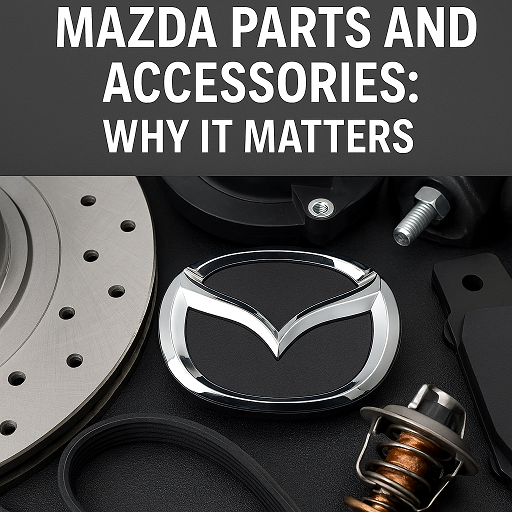
Finding Genuine Mazda Parts and Accessories: Why It Matters

When it comes to maintaining or customizing your Mazda, using the right parts and accessories can make all the difference. Whether you're driving a sporty Mazda3 or a family-friendly CX-90, choosing genuine Mazda components ensures optimal performance, safety, and longevity. more At Beach Mazda, we know your Mazda was built with precision — and it deserves to stay that way. In this blog, we’ll explain why genuine Mazda parts and accessories are essential and how to make sure you’re getting the real deal. 🛠️ What Are Genuine Mazda Parts? Genuine Mazda parts are original equipment manufacturer (OEM) components designed specifically for your vehicle. That means they meet the same engineering and quality standards as the parts used when your car was first built. These parts are tested for performance, durability, and safety — unlike many aftermarket parts, which may not fit or function properly. ✅ Why Choose Genuine Mazda Parts? Here are the top reasons to stick with OEM components: 1. Perfect Fit Each part is made to fit your specific Mazda model. No modifications, no guesswork — just plug-and-play precision. 2. Peace of Mind Genuine Mazda parts often come with a manufacturer’s warranty, offering added protection that aftermarket options typically don’t provide. 3. Better Performance From brake pads to filters to spark plugs, OEM parts keep your Mazda running the way it was engineered to — smooth, efficient, and reliable. 4. Safety Safety systems like airbags, sensors, and brakes must meet strict standards. Using non-genuine parts can compromise performance and put you at risk. 5. Resale Value Maintaining your Mazda with genuine parts shows that you’ve taken proper care of it — something potential buyers or trade-in appraisers will notice. 🧰 Genuine Mazda Accessories: Make It Yours Looking to personalize your ride? Mazda offers a wide range of genuine accessories designed to enhance your driving experience: All-weather floor mats Cargo organizers and trays Roof racks and bike carriers Navigation upgrades Interior trim kits Stylish alloy wheels and spoilers These accessories not only fit perfectly — they also match your vehicle’s styling and color themes, preserving the refined Mazda aesthetic. 🔍 How to Spot Genuine Mazda Parts Worried about fakes? Here’s how to ensure you’re buying genuine: Buy from an authorized Mazda dealership like Beach Mazda. Look for Mazda part numbers and branded packaging. Avoid unusually low prices from unknown sellers. Ask for proof of OEM certification if buying from third parties. 🛒 Get Genuine Parts at Beach Mazda At Beach Mazda, we make it easy to find the right parts and accessories for your vehicle. Our Mazda-trained service advisors and technicians are here to help you choose, install, or order exactly what you need. Benefits of shopping with us include: OEM part warranty coverage Professional installation available Special order support Mazda accessory promotions throughout the year 💡 Final Thoughts Your Mazda is more than just transportation — it’s a reflection of craftsmanship and innovation. Using genuine Mazda parts and accessories helps you protect that investment and enjoy your vehicle to the fullest. Looking for a specific part or accessory? Contact our parts department at Beach Mazda today, and let our experts help you find exactly what you need. Would you like help customizing your Mazda or setting up a parts order? Just say the word and we’ll get you started!

bm3 title jan 2026

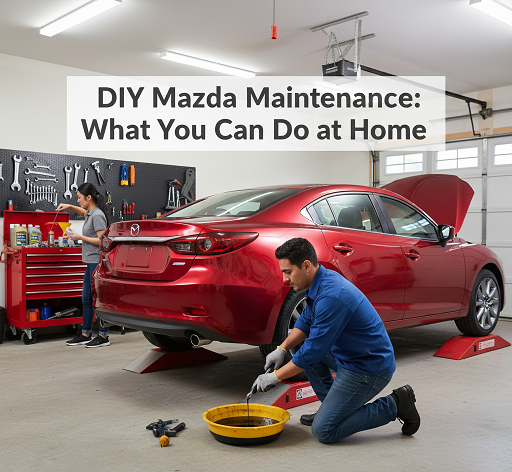
DIY Mazda Maintenance: What You Can Do at Home

Owning a Mazda comes with the responsibility of keeping your vehicle in top shape, and while regular visits to a certified Mazda technician are essential, there are many maintenance tasks you can perform yourself at home to keep your car running smoothly. DIY maintenance not only saves you money but also helps you become more familiar with your vehicle, improving both its lifespan and your overall driving experience. more At Beach Mazda, we’re passionate about keeping your Mazda in great condition. In this blog, we’ll guide you through some simple, effective DIY Mazda maintenance tasks that you can tackle at home. From checking your fluids to changing your wiper blades, these tasks are easy and rewarding! 1. Checking and Changing Engine Oil Why It’s Important: Regular oil changes are crucial for maintaining engine health and performance. The oil in your Mazda’s engine keeps all moving parts lubricated and prevents excessive wear. How to Do It: Prepare Your Supplies: You’ll need the right type of oil for your Mazda (check your owner’s manual for the exact specifications), an oil filter, an oil drain pan, a funnel, and a wrench to remove the oil plug. Drain the Oil: Place the drain pan under the oil pan and unscrew the drain plug. Allow the oil to drain completely into the pan. Replace the Oil Filter: Use a wrench to unscrew the old oil filter. Coat the rubber gasket of the new filter with a little oil before installing it. Add New Oil: Once the old oil has drained, replace the drain plug and add the new oil using a funnel. Check the oil level with the dipstick to ensure it's at the proper level. Dispose of the Oil: Take your used oil to a recycling center. 2. Checking and Replacing Air Filters Why It’s Important: A clean air filter ensures that your engine gets a steady supply of clean air, which is essential for optimal performance and fuel efficiency. How to Do It: Locate the Air Filter: On most Mazda models, the air filter is located in a rectangular air box near the front of the engine bay. Inspect the Filter: Remove the air filter and check for dirt, debris, and wear. If it’s clogged or dirty, it’s time to replace it. Install a New Filter: Place a new air filter in the air box, ensuring it fits snugly and seals properly. Tip: For maximum performance, replace your air filter every 12,000 to 15,000 miles, or more often if you drive in dusty conditions. 3. Replacing Windshield Wiper Blades Why It’s Important: Worn-out wiper blades can reduce visibility, especially during rain or snow. Keeping your wipers in good condition is essential for safe driving. How to Do It: Check Wiper Blades: Lift the wiper arms away from the windshield and check the blades for cracks, tears, or missing rubber. If they’re damaged, it’s time to replace them. Remove the Old Blades: Most Mazda wipers can be removed by pressing a small tab on the wiper arm to release the blade. Slide the old wiper off. Install the New Blades: Slide the new wiper blades onto the wiper arm and make sure they’re securely attached. Tip: Replace your wiper blades every 6-12 months for optimal performance. 4. Checking Tire Pressure Why It’s Important: Proper tire pressure is essential for safety, fuel efficiency, and tire longevity. Underinflated or overinflated tires can cause uneven wear and reduce your car's handling ability. How to Do It: Get a Tire Pressure Gauge: A digital or manual tire pressure gauge will allow you to check the pressure in each tire. Check the Recommended Pressure: Look for the recommended tire pressure for your Mazda, which is usually listed on the driver’s side door frame or in the owner’s manual. Measure and Adjust the Pressure: Remove the valve cap from the tire and press the gauge onto the valve stem. If the pressure is too low, add air until it reaches the recommended level. If it’s too high, release some air until it’s just right. Tip: Check your tire pressure at least once a month and before long trips. 5. Inspecting and Replacing Brake Pads Why It’s Important: Your brakes are one of the most critical safety features of your vehicle. Keeping an eye on brake pad wear can prevent costly repairs and ensure your safety. How to Do It: Visual Inspection: If you can see the brake pads through the wheel spokes, check their thickness. Brake pads should be replaced if they are worn down to about 1/8 inch or thinner. Replace the Brake Pads: To replace the brake pads, you'll need to remove the wheel, use a jack to lift the car, and unscrew the caliper. Once the caliper is off, remove the old brake pads and replace them with new ones. Be sure to follow your owner’s manual for exact steps, as the process may vary by model. Tip: If you’re not familiar with brake pad replacement, consider having a professional handle it for safety reasons. 6. Changing Cabin Air Filter Why It’s Important: The cabin air filter ensures the air you breathe inside the car is clean. It filters dust, pollen, and other allergens from the air entering the cabin. How to Do It: Locate the Filter: The cabin air filter is usually located behind the glove compartment or under the dashboard. Check your owner’s manual to find the exact location. Remove the Old Filter: Open the compartment or panel that houses the filter. Slide out the old filter and check it for dirt and debris. Install the New Filter: Insert the new filter, ensuring it’s properly aligned and seated. Tip: Replace the cabin air filter every 15,000 to 20,000 miles, or more often if you live in a dusty area. 7. Checking and Replacing Fluids Why It’s Important: Fluids like engine oil, coolant, transmission fluid, and brake fluid are essential to keep your Mazda running smoothly and prevent damage to critical systems. How to Do It: Engine Oil: Check the oil level with the dipstick and top off if necessary. Coolant: Check the coolant level and top it off with the appropriate coolant if it’s low. Brake Fluid: Inspect the brake fluid reservoir and add fluid if needed. Transmission Fluid: Check the transmission fluid level (if accessible) and add more fluid if necessary. Tip: Always use the fluid type specified in your Mazda’s owner manual to ensure proper performance. Visit the Beach Mazda Service Department Performing DIY maintenance on your Mazda is a great way to save money, stay connected with your car, and ensure its longevity. While some tasks, like oil changes and brake pad replacements, can be more involved, others, like checking tire pressure and replacing air filters, are simple and quick. At Beach Mazda, we’re always here to help with more complex maintenance tasks and provide guidance if you ever need assistance. Regular maintenance not only keeps your Mazda running like new, but it also ensures your safety and driving comfort. If you ever have questions about performing DIY maintenance or need help with a more advanced repair, don’t hesitate to contact us! Beach Mazda Your Trusted Mazda Experts in Myrtle Beach Ready to tackle some DIY Mazda maintenance? Visit Beach Mazda for more tips, tools, and guidance on keeping your vehicle in top shape!

BM4 title dec 2025

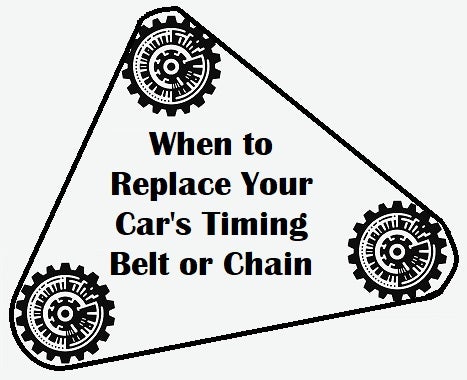
When to Replace Your Car's Timing Belt or Chain

The timing belt or chain is a critical component of your vehicle's engine, responsible for synchronizing the rotation of the crankshaft and camshaft(s). This ensures that the engine's valves open and close at the proper times during each cylinder's intake and exhaust strokes. Because of its importance, it’s essential to know when to replace your car’s timing belt or chain to avoid severe engine damage and costly repairs. In this blog, we’ll explore the differences between timing belts and chains, how to tell when they need replacement, and the general guidelines for replacement. more Timing Belt vs. Timing Chain Before diving into replacement schedules, it’s crucial to understand the difference between timing belts and chains: Timing Belt: Made of rubber and reinforced with fibers, timing belts are quieter and lighter than chains. However, they can wear out over time and typically require replacement. Timing Chain: Made of metal, timing chains are more durable and designed to last the lifetime of the engine. They usually don’t require regular replacement, but they can stretch or wear out under certain conditions. When to Replace Your Timing Belt Most manufacturers recommend replacing the timing belt every 60,000 to 100,000 miles, but this can vary depending on your vehicle's make and model. Here are some signs and guidelines to help you determine when to replace your timing belt: Check Your Owner’s Manual: Always refer to your vehicle’s owner manual for the manufacturer’s specific recommendations regarding timing belt replacement intervals. Mileage and Age: If your vehicle has reached the mileage range recommended by the manufacturer, or if the belt is more than five years old, it’s time to consider a replacement, even if the mileage is lower. Visible Wear and Damage: Inspect the timing belt for signs of wear, such as cracks, fraying, or glazing. If you notice any of these issues, it’s essential to replace the belt immediately. Engine Performance Issues: If you experience symptoms such as misfiring, rough idling, or difficulty starting the engine, it could indicate a problem with the timing belt. Have your vehicle inspected by a qualified mechanic if you notice these symptoms. Oil Leaks: Oil leaking onto the timing belt can cause it to degrade more quickly. If you find oil on the belt, it’s best to have it replaced along with any necessary repairs to stop the leak. When to Replace Your Timing Chain Timing chains are generally more robust and longer-lasting than timing belts, but they can still wear out or experience issues. Here’s when to consider replacing your timing chain: Manufacturer Recommendations: Unlike timing belts, timing chains don’t have a strict replacement schedule, but some manufacturers suggest inspecting the chain every 100,000 miles or so. Engine Noise: A rattling or knocking noise from the engine, especially during startup, may indicate a worn or loose timing chain. If you hear unusual noises, have a professional inspection done. Check Engine Light: If the check engine light comes on and diagnostic codes indicate timing chain issues, it’s crucial to address the problem promptly. Oil Contamination: Just like with timing belts, oil leaks that contaminate the timing chain can lead to premature wear. If you notice oil leaks, address them quickly and inspect the timing chain. Engine Performance Issues: Symptoms such as poor acceleration, rough idling, or engine misfires may indicate timing chain problems. A thorough inspection by a mechanic can help diagnose the issue. Stay Proactive Knowing when to replace your car's timing belt or chain is crucial for maintaining your engine's health and performance. Regular maintenance and inspections can help identify potential issues before they lead to severe damage. If you’re approaching the recommended mileage for replacement or notice any signs of wear, consult a qualified mechanic for a thorough inspection and any necessary replacements. By staying proactive with your timing belt or chain, you can ensure your engine runs smoothly for years to come.

BM3 title dec 2025

How to Keep Your Mazda's Suspension System in Top Shape

The suspension system of your Mazda is crucial for ensuring a smooth ride, maintaining vehicle stability, and providing handling performance. A well-maintained suspension not only enhances comfort but also improves safety by keeping your tires in contact with the road. To help you keep your Mazda’s suspension system in top shape, this blog will cover essential maintenance tips, common signs of wear, and when to seek professional assistance. more Understanding Your Suspension System Before diving into maintenance, it’s important to understand the components of your Mazda's suspension system. Key parts include: Shock Absorbers/Struts: These dampen the impact of bumps and irregularities in the road, helping to stabilize your vehicle. Coil Springs: These support the weight of the vehicle and absorb shocks from the road. Control Arms: These connect the suspension to the vehicle’s chassis, allowing for controlled movement. Ball Joints: These act as pivot points, enabling the wheels to turn and move vertically. Bushings: These provide cushioning and reduce friction between moving parts. Regular Inspections Routine inspections are vital for identifying potential issues before they escalate. Here are some tips for inspecting your Mazda’s suspension: Visual Checks: Regularly inspect the suspension components for signs of wear, such as cracks, leaks, or rust. Pay attention to the shock absorbers and struts for oil leaks, which indicate they may need replacement. Listen for Noises: Be aware of any unusual noises while driving, such as clunking or rattling sounds, which may indicate loose or damaged components. Check Ride Height: If you notice your vehicle sitting lower or higher on one side, it could be a sign of worn springs or damaged components. Keep the Tires in Check Tires and suspension are closely linked, so maintaining your tires can positively impact your suspension system. Regular Tire Rotations: Rotate your tires every 5,000 to 7,500 miles to promote even wear and extend their lifespan. Proper Inflation: Ensure your tires are inflated to the recommended pressure, as under-inflated or over-inflated tires can negatively affect suspension performance and lead to uneven wear. Alignment Checks: Get a wheel alignment every 6,000 miles or if you notice uneven tire wear or if the vehicle pulls to one side. Proper alignment helps maintain suspension integrity and improves handling. Monitor Driving Conditions Your driving habits and the conditions you encounter can affect the longevity of your suspension system. Here are some practices to consider: Avoid Potholes and Road Hazards: Whenever possible, steer clear of potholes, speed bumps, and other road hazards that can jolt your suspension and cause damage. Drive Smoothly: Accelerate and brake smoothly to minimize stress on the suspension components. Aggressive driving can lead to premature wear. Maintenance and Replacement Regular maintenance is essential to keep your Mazda’s suspension system in optimal condition. Here are some maintenance practices to follow: Fluid Checks: Ensure that the hydraulic fluid levels for your shocks and struts are within the recommended range. Low fluid levels can affect performance and lead to premature wear. Component Replacement: Replace worn-out suspension components as needed. If you notice any signs of damage or excessive wear, consult your owner’s manual or a professional mechanic for guidance on when to replace parts. Professional Inspections and Services While regular maintenance can help you keep your suspension system in check, professional inspections are essential for identifying issues you might overlook. Consider the following: Annual Inspections: Have your suspension system inspected by a qualified mechanic at least once a year. They can identify hidden problems and recommend necessary repairs. After Heavy Usage: If you frequently drive on rough terrain, or if you notice any changes in handling or comfort, schedule a professional inspection sooner rather than later. Signs Your Suspension Needs Attention Be on the lookout for these signs that may indicate your suspension system requires attention: Excessive Bouncing: If your vehicle bounces excessively after hitting a bump, it may indicate worn shocks or struts. Uneven Tire Wear: If you notice uneven wear patterns on your tires, it may suggest alignment or suspension issues. Difficulty Steering: If you experience difficulty steering or notice that your vehicle feels unstable, it may be time to have your suspension checked. Maintain Optimal Performance Keeping your Mazda’s suspension system in top shape is essential for a comfortable and safe driving experience. By performing regular inspections, monitoring tire health, and adopting good driving habits, you can extend the life of your suspension components and maintain optimal performance. Don’t hesitate to seek professional help when needed, as early detection of issues can save you from costly repairs down the line. By taking these proactive steps, you’ll enjoy a smoother ride and ensure your Mazda remains a pleasure to drive for years to come.

BM3 TITLE NOV 2025

The Best Accessories for Enhancing Your Mazda Experience

Owning a Mazda is all about enjoying the drive, but there are plenty of accessories available to enhance your experience even further. Whether you want to improve comfort, convenience, performance, or style, there’s an accessory for every Mazda owner. In this blog, we’ll explore some of the best accessories to elevate your Mazda experience and make your time on the road even more enjoyable. more All-Weather Floor Mats Keeping your Mazda’s interior clean is essential for maintaining its value and aesthetics. All-weather floor mats are a practical accessory that protects your vehicle's carpet from dirt, mud, spills, and wear. Designed to fit your Mazda's specific model, these mats are durable, easy to clean, and can handle a variety of conditions. Whether you're dealing with rain, snow, or just everyday messes, all-weather floor mats help preserve the interior while adding a touch of style. Cargo Trays and Organizers Maximize the functionality of your Mazda’s cargo area with custom-fit cargo trays and organizers. These accessories provide protection for the trunk or hatch area and keep your belongings secure and organized. Look for options with raised edges to contain spills or dirt, and consider organizers that offer compartments for smaller items, making it easier to find what you need while on the go. Car Phone Mount A car phone mount is a must-have for anyone who uses their smartphone for navigation, calls, or music. A high-quality phone mount keeps your device within reach and at eye level, allowing you to stay focused on the road while accessing your favorite apps. Look for mounts that are compatible with your phone size and can be easily attached to your Mazda’s dashboard or air vent. Dash Cam For added peace of mind, consider installing a dash cam in your Mazda. A dash cam records your driving and can provide crucial evidence in case of an accident or incident. Some models come with features like loop recording, parking mode, and GPS tracking, offering extra security and protection. Investing in a quality dash cam can enhance your driving experience by keeping you informed and protected. Upgraded Sound System Mazda vehicles come with decent audio systems, but upgrading to a premium sound system can significantly enhance your in-car experience. Consider installing a high-quality aftermarket stereo, speakers, or subwoofer for improved sound quality and clarity. Whether you enjoy listening to music, podcasts, or audiobooks, an upgraded sound system will transform your daily drives into a more immersive experience. Roof Racks and Cargo Carriers If you love outdoor adventures, roof racks and cargo carriers are essential accessories for your Mazda. Roof racks allow you to transport bikes, kayaks, skis, or extra luggage, freeing up space inside the vehicle. Consider a cargo carrier for long road trips, providing additional storage for your belongings. Look for options specifically designed for your Mazda model to ensure proper fit and stability. Window Tinting Window tinting is a stylish accessory that offers both aesthetic and functional benefits. Tinted windows reduce glare from the sun, enhance privacy, and protect your interior from UV rays, which can cause fading and cracking over time. Additionally, window tinting can help keep your Mazda cooler in hot weather, improving comfort during those long drives. LED Lighting Upgrades Enhance the ambiance of your Mazda with LED lighting upgrades. Interior LED lights can create a modern and inviting atmosphere, while upgraded exterior lighting can improve visibility and style. Consider adding LED strips under the dashboard or in the footwell for a customized look, or upgrade your headlights and taillights for better illumination and a sleek appearance. Performance Upgrades If you’re looking to enhance the performance of your Mazda, there are several aftermarket accessories to consider. Cold air intakes, performance exhaust systems, and upgraded suspension components can improve horsepower, handling, and overall driving experience. Before making modifications, research compatibility with your specific Mazda model and consult with a professional if necessary. Custom Seat Covers Protect your seats and add a personal touch to your Mazda with custom seat covers. Available in a variety of materials, colors, and patterns, seat covers can enhance comfort and style while safeguarding your seats from wear and tear. Look for covers that are easy to install and clean, ensuring they fit your Mazda perfectly. Portable Jump Starter A portable jump starter is a practical accessory that can save you from being stranded due to a dead battery. Compact and easy to store, a jump starter allows you to jump-start your Mazda without needing another vehicle. Many models also come with USB ports for charging devices, making them a versatile addition to your emergency kit. Reflect Your Lifestyle Enhancing your Mazda experience is all about personalization, comfort, and convenience. From practical accessories like all-weather floor mats and cargo organizers to performance upgrades and stylish modifications, there are countless options to make your time on the road even more enjoyable. By investing in the right accessories, you can create a driving experience that reflects your lifestyle and meets your needs, ensuring that every journey in your Mazda is a pleasure.

BM2 TITLE SEPT 2025

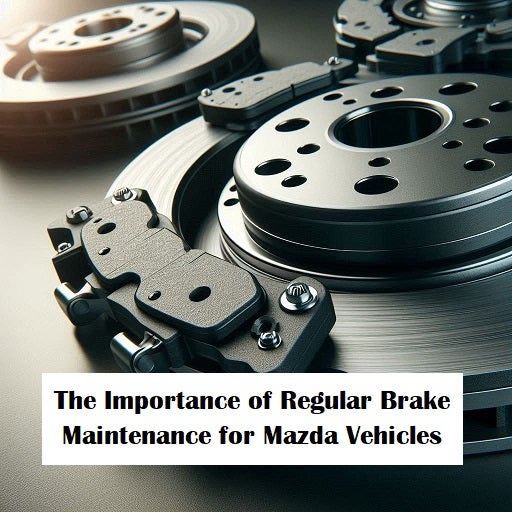
The Importance of Regular Brake Maintenance for Mazda Vehicles

Brakes are one of the most critical safety features of any vehicle, and Mazda is no exception. As a Mazda owner, ensuring that your braking system is in top condition is essential for safe driving and optimal vehicle performance. Regular brake maintenance not only enhances your safety but also prolongs the life of your braking components. In this blog, we’ll explore the importance of regular brake maintenance, what to look for, and how to keep your Mazda’s braking system in excellent shape. more Why Brake Maintenance is Crucial The braking system is responsible for slowing down and stopping your vehicle, making it vital for overall safety. Here are some reasons why regular brake maintenance is essential: Safety: The primary function of brakes is to ensure that you can stop your vehicle safely and effectively. Worn or malfunctioning brakes can lead to accidents, compromising your safety and that of others on the road. Performance: Well-maintained brakes provide better stopping power and responsiveness. If your brakes are not functioning correctly, you may experience longer stopping distances or reduced control over your vehicle. Cost-Effectiveness: Regular maintenance can help identify and address issues early on, preventing more significant and costly repairs in the future. Replacing worn-out brake pads and rotors is far less expensive than dealing with the aftermath of a brake failure. Key Components of the Brake System To understand brake maintenance, it’s important to be familiar with the key components of your Mazda's braking system: Brake Pads: These friction components press against the brake rotors to create the stopping force. Over time, brake pads wear down and need to be replaced. Brake Rotors: These metal discs provide a surface for the brake pads to clamp down on. Warped or worn rotors can lead to reduced braking performance and should be inspected regularly. Brake Fluid: This hydraulic fluid transmits the force from your foot on the brake pedal to the brake components. Low or contaminated brake fluid can affect braking performance and should be checked periodically. Calipers: These devices house the brake pads and push them against the rotors when you apply the brakes. If calipers become stuck or malfunction, they can lead to uneven brake wear or reduced stopping power. Signs That Your Brakes Need Attention Regularly monitoring your brakes for signs of wear or malfunction can help you catch potential issues before they become serious. Look out for these warning signs: Squeaking or Grinding Noises: If you hear squeaking, squealing, or grinding sounds when applying the brakes, it’s a sign that your brake pads may be worn down and need replacement. Vibrations or Pulsations: If you feel vibrations or pulsations in the brake pedal when applying the brakes, it may indicate warped rotors that require resurfacing or replacement. Warning Lights: Pay attention to any warning lights on your dashboard related to the braking system. If the brake warning light illuminates, have your vehicle inspected immediately. Reduced Stopping Power: If you notice that your vehicle takes longer to stop than usual or the brakes feel less responsive, it’s time to have them checked by a professional. Establishing a Maintenance Schedule Creating a regular maintenance schedule for your Mazda's brakes is essential for ensuring their longevity and performance. Here are some guidelines to follow: Routine Inspections: Have your brakes inspected at least once a year, or more frequently if you drive in heavy traffic, on mountainous roads, or in other demanding conditions. Check Brake Fluid Levels: Regularly check the brake fluid level and quality. If the fluid appears dark or contaminated, have it replaced. Brake Pad Replacement: Depending on your driving habits, brake pads may need replacement every 25,000 to 70,000 miles. Consult your owner’s manual for specific recommendations. Rotor Maintenance: Rotors should be inspected for wear and resurfaced or replaced as needed. This can typically be done during a brake pad replacement. Professional Brake Service While some maintenance tasks can be performed at home, it’s crucial to rely on professionals for comprehensive brake service. Professional mechanics have the tools and expertise to diagnose and address brake issues accurately. Here are some services you can expect: Complete Brake Inspection: A professional inspection will assess the condition of all brake components, including pads, rotors, calipers, and fluid. Brake Pad and Rotor Replacement: If needed, mechanics will replace worn-out brake pads and rotors, ensuring that your braking system functions optimally. Brake Fluid Flush: A brake fluid flush removes old, contaminated fluid and replaces it with fresh fluid to maintain hydraulic performance. Vital for Safety and Performance Regular brake maintenance is vital for the safety and performance of your Mazda. By staying vigilant for warning signs, establishing a maintenance schedule, and seeking professional assistance, when necessary, you can ensure that your braking system remains in top shape. Remember, your brakes are your vehicle's most crucial safety feature, and taking care of them is essential for a safe and enjoyable driving experience. Prioritize brake maintenance, and you'll enjoy peace of mind knowing you’re driving a well-maintained vehicle.

bm4 title march 2025

How to Keep Your Car's Paint Looking New

Your car’s paint is not just for aesthetics; it protects the metal beneath from rust and corrosion while enhancing its overall appearance. Keeping your car’s paint looking new requires regular care and attention. In this blog, we’ll explore practical tips and techniques to help you maintain your vehicle’s exterior and preserve its shine for years to come. more Regular Washing One of the simplest ways to maintain your car’s paint is through regular washing. Dirt, grime, and road salt can damage the paint over time if not removed. How to Wash: Use a dedicated car wash soap, a soft sponge or microfiber wash mitt, and plenty of clean water. Rinse your car thoroughly before washing to remove loose dirt, then wash from the top down, using straight, horizontal strokes. Avoid using household cleaners, as they can strip wax and harm the paint. Frequency: Aim to wash your car every two weeks, or more frequently if you drive in harsh conditions, such as winter salt or off-road environments. Drying Properly After washing your car, it’s crucial to dry it properly to prevent water spots and streaks. Use Microfiber Towels: Use clean, dry microfiber towels to gently blot and wipe the car’s surface. Avoid rubbing, as this can cause scratches. Air Dry: If possible, allow the car to air dry in the shade to prevent water spots from forming due to sunlight. Waxing and Sealing Applying a layer of wax or paint sealant helps protect your car’s paint from UV rays, dirt, and environmental contaminants. When to Wax: Wax your car every three to six months, depending on your environment and how often you wash it. How to Apply: After washing and drying your car, apply a quality wax or sealant using an applicator pad. Work in small sections, applying in circular motions, and buff with a clean microfiber cloth to achieve a high shine. Avoiding Scratches and Swirls Scratches and swirl marks can detract from your car’s appearance. To minimize these, follow these tips: Use Soft Materials: Always use microfiber towels and soft applicators to avoid scratching the paint. Be Careful with Equipment: When using automatic car washes, opt for touchless washes or those with soft cloths to minimize the risk of scratches. Park Wisely: Whenever possible, park away from trees, bushes, and other vehicles to avoid dings and scratches from branches or car doors. Dealing with Contaminants Over time, your car’s paint can accumulate contaminants like tree sap, bird droppings, and industrial fallout. These can harm the paint if not addressed promptly. Prompt Removal: Remove bird droppings and tree sap as soon as possible to prevent etching. Use a damp microfiber cloth or a specialized cleaner to gently lift the contaminant without damaging the paint. Clay Bar Treatment: Consider using a clay bar treatment every year or so to remove embedded contaminants and restore a smooth surface. Follow the instructions on the clay bar kit for best results. Using Paint Protection Film or Ceramic Coating For added protection, consider investing in paint protection film (PPF) or ceramic coating. Paint Protection Film: PPF is a clear, durable film that can be applied to vulnerable areas of your car to shield it from scratches and chips. Ceramic Coating: This advanced coating provides long-lasting protection against UV rays, dirt, and contaminants while enhancing shine. It typically requires professional application but can offer exceptional protection. Regular Inspections Perform regular inspections of your car’s paint to identify any potential issues early. Check for Scratches and Chips: Look for any scratches, chips, or blemishes on the surface. If you find any, consider using touch-up paint to prevent rust and further damage. Examine the Finish: Ensure the paint is still smooth and glossy. If it appears dull, it may be time for a polish or a professional detailing service. Protecting Your Vehicle’s Value Keeping your car’s paint looking new is a rewarding effort that enhances its appearance and protects its value. By following these tips—regular washing, drying properly, waxing, and being vigilant about contaminants—you can maintain a stunning finish for your vehicle. With a little care and attention, your car will continue to turn heads and shine like new for years to come!

bm4 jan title

DIY Guide to Replacing Windshield Wipers

Windshield wipers are an essential component of your vehicle, ensuring clear visibility during rain, snow, and other inclement weather. Over time, wiper blades can wear out, leading to streaks, smears, and reduced performance. Fortunately, replacing windshield wipers is a straightforward DIY task that can save you time and money. In this blog, we’ll provide a step-by-step guide to help you replace your windshield wipers easily and efficiently. more Why Replace Windshield Wipers? Before diving into the replacement process, it’s important to understand why regular wiper replacement is essential: Improved Visibility: Worn wiper blades can reduce visibility, especially during heavy rain or snow, making driving unsafe. Prevention of Windshield Damage: Old or damaged wiper blades can scratch the windshield, leading to costly repairs. Increased Safety: Properly functioning wipers are crucial for safe driving in adverse weather conditions. When to Replace Windshield Wipers You should replace your windshield wipers if you notice any of the following signs: Streaking: Wipers leave streaks or smears on the windshield when in use. Skipping: Wipers skip or jump across the windshield instead of making full contact. Cracks or Tears: Inspect the rubber blade for any visible cracks, tears, or signs of wear. Noise: Squeaking or chattering noises when the wipers are in use can indicate worn blades. DIY Steps to Replace Windshield Wipers 1. Gather Your Supplies Before you start, gather the following tools and materials: New windshield wiper blades (check your vehicle’s owner manual for the correct size) Cleaning cloth (optional) Screwdriver (if needed for your specific wiper arm) 2. Prepare Your Vehicle Park on a Level Surface: Ensure your vehicle is parked on a flat surface with the engine off and the keys removed from the ignition. Lift the Wiper Arms: Gently lift the wiper arms away from the windshield until they are in a vertical position. This makes it easier to access the blades. 3. Remove the Old Wiper Blades Locate the Release Mechanism: Most wiper blades are attached using a small clip or latch. Examine the connection to identify how to detach the old blade. Some may require a simple press or a slide mechanism. Detach the Old Blade: Press the release tab or slide the blade off the wiper arm, then pull the blade downwards to remove it completely. Repeat this step for the other wiper blade. 4. Install the New Wiper Blades Prepare the New Blade: Take the new wiper blade out of the packaging. If it has a protective cover on the rubber edge, remove it. Attach the New Blade: Align the new blade with the wiper arm. Depending on the type of connection, you may need to slide the blade onto the arm or press it into place until you hear a click. Ensure Proper Fit: Tug gently on the blade to ensure it is securely attached to the wiper arm. Repeat the process for the other wiper blade. 5. Test the Wipers Lower the Wiper Arms: Carefully lower the wiper arms back onto the windshield. Check Functionality: Start your vehicle and test the wipers by activating them to ensure they operate smoothly and effectively. If they leave streaks or do not function properly, double-check the installation. 6. Clean the Windshield (Optional) For optimal performance, consider cleaning your windshield after replacing the wipers. Use a glass cleaner and a soft cloth to remove any residue or dirt. This will help improve visibility when using the new wiper blades. Essential Maintenance Replacing your windshield wipers is a simple yet essential maintenance task that can significantly improve your visibility and driving safety. By following this DIY guide, you can easily replace your wiper blades and ensure your vehicle is ready for any weather condition. Remember to check your wiper blades regularly and replace them at least once a year or sooner if you notice any signs of wear. With fresh wiper blades, you’ll enjoy a clearer view of the road ahead, enhancing your overall driving experience.

Contact Us

Fill out this form below and we'll contact you shortly
*Required Fields