Blog / Mazda Service

Blog

All Mazda Service News Technology Important Information Mazda Model Features Tips Features & Specs Awards Service Mazda Vehicles Mazda Safety Technology Money Saving Tips Safety Beach Mazda Service History 2023 Models Community Events Comparisons Financing Your Mazda Fun Stuff Local 2024 Models Holidays Mazda Parts Car Buying Process Driver-Centric Design EVs Exterior Fuel & Gas Pre-Owned Certified Pre-Owned Mazda Vehicles Electric & Hybrid Vehicles Infotainment Insurance Mazda Accessories Mazda CX-30 Mazda3 Racing Restaurants & Food Tires & Wheels Travel Activities Drive For Good Kodo Design Language Mazda CX-5 Mazda CX-9 Mazda Motorsports Automotive Cleaning Fuel System Interior Paint & Body Work Seasonal Down-payments Mazda Connect Transmission Weather Brakes i-Activsense Technology Large Vehicles & SUVs Millennials Suspension System Towing
BM1 June 2025 title

How to Extend the Life of Your Mazda Vehicle: Tips for Longevity and Performance

Mazda vehicles are known for their reliability, performance, and driving enjoyment. To get the most out of your Mazda and ensure it serves you well for many years, proper maintenance and care are essential. Here are some practical tips to help you extend the life of your Mazda vehicle while keeping it performing at its best. more Regular Maintenance One of the most effective ways to extend the life of your Mazda is through regular maintenance. Adhering to the manufacturer’s recommended service schedule will help keep your vehicle in optimal condition. Key maintenance tasks include: Oil Changes: Regularly changing your engine oil and filter is crucial for engine health. Check your owner’s manual for the recommended oil change interval, typically every 5,000 to 7,500 miles. Fluid Checks: Monitor and maintain fluid levels, including transmission fluid, coolant, brake fluid, and power steering fluid. Low or dirty fluids can lead to significant issues over time. Tire Care: Rotate your tires regularly and keep them properly inflated to ensure even wear and optimal performance. Check the tread depth frequently and replace tires when necessary. Brake Maintenance: Inspect your brakes regularly, including pads, rotors, and brake fluid. Replacing worn components promptly ensures safe driving and prevents further damage. Keep it Clean Regular cleaning and detailing can help protect your Mazda's exterior and interior, extending its life: Wash and Wax: Wash your vehicle regularly to remove dirt, salt, and debris that can cause rust and damage. Waxing helps protect the paint and finish from the elements. Interior Care: Vacuum and clean the interior regularly, paying attention to upholstery and surfaces. Use protectants for leather or vinyl to prevent cracking and fading. Underbody Maintenance: If you live in an area with harsh winters or frequent rain, consider having the underbody washed and treated to prevent rust and corrosion. Mind Your Driving Habits How you drive your Mazda can significantly impact its longevity. Adopting good driving habits can help reduce wear and tear: Gentle Acceleration and Braking: Avoid aggressive starts and sudden stops. Smooth acceleration and braking can reduce stress on your engine and braking system. Avoid Overloading: Don’t exceed your vehicle’s weight capacity, as this can strain the engine, suspension, and brakes. Warm Up the Engine: Allow your engine to warm up for a minute or two before driving, especially in cold weather. This helps the oil circulate and lubricate engine components. Pay Attention to Warning Lights Modern Mazda vehicles are equipped with advanced warning systems that alert you to potential issues. Pay attention to dashboard warning lights and address any concerns promptly: Check Engine Light: If the check engine light illuminates, have your vehicle inspected as soon as possible. Ignoring this warning can lead to more significant problems down the line. Fluid Level Alerts: If you receive warnings related to fluid levels (e.g., oil, coolant), check and top off fluids as necessary to prevent damage. Use Quality Parts and Fluids When it comes time to replace components, always opt for high-quality or OEM (original equipment manufacturer) parts and fluids: OEM Parts: Using OEM parts ensures compatibility and quality, helping to maintain your Mazda's performance and longevity. Quality Fluids: Use the recommended fluids specified in your owner’s manual. High-quality engine oil, coolant, and other fluids can improve efficiency and protect components. Store Your Vehicle Properly If you have to store your Mazda for an extended period, take the necessary steps to protect it: Indoor Storage: If possible, store your vehicle indoors to shield it from the elements. Use a breathable car cover to protect against dust and scratches. Battery Maintenance: Disconnect the battery or use a trickle charger to prevent it from draining during long periods of inactivity. Fuel System Care: Fill the gas tank to prevent condensation and add a fuel stabilizer to keep the fuel system clean. Stay Informed and Engaged Stay informed about your Mazda and engage with the community: Owner’s Manual: Familiarize yourself with your owner’s manual to understand your vehicle’s maintenance needs and specifications. Join a Mazda Community: Engaging with other Mazda enthusiasts can provide valuable insights, tips, and support for keeping your vehicle in top shape. Be Proactive Extending the life of your Mazda vehicle requires a combination of regular maintenance, good driving habits, and proper care. By following these tips and being proactive about your vehicle’s health, you can enjoy many years of reliable performance and driving pleasure. Remember that a well-maintained Mazda not only enhances your driving experience but also retains its value over time, ensuring that you get the most out of your investment. Whether you’re cruising down the highway or navigating city streets, a little care goes a long way in preserving your Mazda for the road ahead.

bm4 title may 2025

How to Properly Rotate Your Vehicle's Tires

Rotating your vehicle’s tires is a crucial maintenance task that helps ensure even tire wear, extend the life of your tires, and improve overall vehicle performance. Most manufacturers recommend rotating tires every 5,000 to 7,500 miles, but it’s always a good idea to consult your owner’s manual for specific guidelines. In this blog, we’ll guide you through the steps for properly rotating your vehicle’s tires, as well as discuss the benefits of this important maintenance task. more Why Rotate Your Tires? Before we delve into the steps for rotation, let’s explore why this practice is essential: Even Wear: Tires are worn differently depending on their position on the vehicle. Front tires often wear out faster due to the added weight of the engine and the steering forces they experience. Rotating the tires helps to distribute wear more evenly. Improved Handling: Evenly worn tires provide better traction and handling, which enhances safety and driving comfort. Extended Tire Life: Regular tire rotation can prolong the lifespan of your tires, saving you money on replacements. Better Fuel Efficiency: Properly rotated tires can improve fuel efficiency by ensuring that all tires are making optimal contact with the road. Steps to Properly Rotate Your Tires Tools You’ll Need: Jack Jack stands Lug wrench Torque wrench (optional but recommended) Step 1: Prepare Your Vehicle Park on a Level Surface: Ensure that your vehicle is parked on a flat, stable surface and that the parking brake is engaged. Gather Your Tools: Collect all necessary tools and materials before starting the rotation process. Step 2: Loosen the Lug Nuts Before Lifting the Vehicle: Use a lug wrench to loosen the lug nuts on all four tires. Turn them counterclockwise just enough to break their initial resistance but do not remove them yet. Step 3: Lift the Vehicle Use a Jack: Locate the jack points on your vehicle and lift it high enough to access the tires comfortably. Always refer to your owner’s manual for the correct jack points. Secure with Jack Stands: Once the vehicle is lifted, place jack stands under the appropriate support points for safety. Step 4: Remove the Tires Take Off the Lug Nuts: Now, remove the lug nuts completely and set them aside in a safe place. Remove Tires: Carefully take off the tires and set them aside, keeping track of their positions. Step 5: Rotate the Tires The rotation pattern will depend on whether your tires are directional (designed to rotate in one direction) and whether your vehicle is front-wheel drive, rear-wheel drive, or all-wheel drive. Here are common rotation patterns: Front-Wheel Drive Vehicles: Move the front tires to the rear, and the rear tires to the front, but swap the sides. (e.g., left front to right rear, right front to left rear). Rear-Wheel Drive Vehicles: Move the rear tires to the front, and the front tires to the rear, but swap the sides. All-Wheel Drive Vehicles: Rotate all four tires in a crisscross pattern (e.g., left front to right rear, right front to left rear, and vice versa). Step 6: Reinstall the Tires Position Tires: Place each tire back onto its respective wheel hub. Hand-Tighten Lug Nuts: Start all lug nuts by hand to ensure they’re properly aligned. Then, use the lug wrench to tighten them slightly. Step 7: Lower the Vehicle Remove the Jack Stands: Before lowering the vehicle, ensure all tools are clear and that no one is in the vicinity. Lower the Vehicle: Use the jack to carefully lower the vehicle back to the ground. Step 8: Tighten the Lug Nuts Final Tightening: Once the vehicle is on the ground, use the lug wrench to fully tighten the lug nuts in a star pattern to ensure even pressure. If you have a torque wrench, refer to the manufacturer’s specifications for the correct torque setting. Step 9: Check Tire Pressure Inflate as Needed: After rotating your tires, check the tire pressure and inflate them to the recommended PSI, which can be found in your owner’s manual or on the driver’s side door jamb. Vital Maintenance Properly rotating your vehicle’s tires is a simple yet vital maintenance task that can significantly enhance your vehicle's performance and extend tire life. By following these steps and adhering to your manufacturer’s recommendations, you can ensure that your tires wear evenly and maintain optimal handling and safety. Regular tire rotation not only saves you money in the long run but also contributes to a smoother and safer driving experience. Make tire rotation a part of your vehicle maintenance routine and enjoy the benefits of well-maintained tires!

bm4 title april 2025

How to Maintain Your Vehicle's Clutch: Essential Tips for Longevity

The clutch is a critical component of manual transmission vehicles, enabling smooth gear shifts and controlling the power transfer from the engine to the wheels. Proper maintenance of your vehicle's clutch is essential for ensuring its longevity and optimal performance. Neglecting this vital system can lead to costly repairs and a compromised driving experience. In this blog, we’ll explore practical tips for maintaining your vehicle’s clutch and keeping it in top shape. more Understand Your Clutch System Before diving into maintenance, it's important to understand the components of your vehicle's clutch system: Clutch Disc: The disc engages and disengages the engine power to the transmission. Pressure Plate: This component holds the clutch disc against the flywheel and is crucial for engaging gears. Release Bearing: The bearing enables smooth disengagement of the clutch when you press the pedal. Use the Clutch Properly Proper driving techniques can significantly extend the life of your clutch. Here are some tips to keep in mind: Avoid Riding the Clutch: Keep your foot off the clutch pedal when not shifting gears. Riding the clutch can cause unnecessary wear on the clutch components. Smooth Engagement: When engaging the clutch, do so smoothly to prevent excessive strain on the system. Gradually release the pedal to ensure a seamless transition between gears. Shift at Appropriate RPMs: Avoid revving the engine too high before shifting gears, as this can put extra stress on the clutch. Shift gears at the recommended RPMs for your vehicle. Regular Inspections Frequent inspections can help identify potential issues before they become major problems. Here are some key aspects to check: Clutch Pedal Travel: Pay attention to how far you need to press the clutch pedal to engage or disengage gears. If you notice excessive travel or if the pedal feels spongy, it may indicate a problem with the hydraulic system or worn components. Listen for Unusual Noises: Strange sounds when pressing the clutch pedal—such as grinding, squeaking, or rattling—can indicate wear or damage. Address these sounds promptly to avoid further issues. Check Fluid Levels For hydraulic clutch systems, maintaining the proper fluid level is essential for smooth operation: Monitor Clutch Fluid: Regularly check the clutch fluid reservoir for the correct fluid level. If the level is low, top it off with the recommended fluid type. Inspect for Leaks: Look for signs of fluid leaks around the clutch master cylinder and slave cylinder. Leaks can lead to low fluid levels and compromise clutch performance. Replace the Clutch Fluid Just like any other fluid in your vehicle, the clutch fluid can become contaminated over time. Regularly replacing it is crucial for optimal performance: Follow the Manufacturer's Recommendations: Refer to your owner’s manual for the recommended clutch fluid change intervals. Flushing the System: If the fluid appears dark or dirty, it may be time to flush the system and replace it with fresh fluid. Be Mindful of Driving Conditions Your driving habits and the conditions you encounter can impact the health of your clutch: Avoid Heavy Traffic: Frequent stop-and-go traffic can lead to excessive clutch engagement and wear. If possible, try to plan routes that minimize heavy traffic. Towing and Carrying Loads: If you often tow heavy loads or drive with a full passenger load, be cautious with clutch engagement. These conditions can put additional strain on the clutch. Know the Signs of Wear Being aware of the signs of a worn clutch can help you address issues before they escalate: Slipping Clutch: If the engine revs higher without an increase in speed, it may indicate a slipping clutch. This is a sign that the clutch disc is worn and may need replacement. Difficulty Engaging Gears: If you experience resistance when shifting gears or if the gears grind, it may indicate a problem with the clutch system that requires attention. Professional Maintenance While some maintenance tasks can be performed by vehicle owners, others may require professional expertise: Regular Servicing: Schedule regular maintenance with a qualified mechanic who can inspect and service your clutch system as needed. Clutch Replacement: If your clutch is worn out or damaged, it's best to have a professional handle the replacement to ensure it's done correctly. Smooth and Enjoyable Drive Maintaining your vehicle’s clutch is essential for ensuring a smooth and enjoyable driving experience. By following these tips and being mindful of your driving habits, you can extend the life of your clutch and avoid costly repairs. Regular inspections, proper use, and timely fluid changes will help keep your clutch in top condition, allowing you to enjoy the full potential of your manual transmission vehicle. Remember, a little care goes a long way in preserving this vital component of your vehicle!

bm3 title april 2025

How to Maintain Your Mazda for Optimal Performance

Owning a Mazda is not just about driving—it’s about experiencing the thrill of precision engineering, dynamic handling, and innovative technology. To ensure that your Mazda continues to deliver top-notch performance throughout its life, regular maintenance is key. Here’s a comprehensive guide on how to maintain your Mazda for optimal performance. more Regular Oil Changes: The Lifeblood of Your Engine Oil is the lifeblood of your Mazda’s engine, keeping all the moving parts lubricated and running smoothly. Regular oil changes are crucial to maintaining engine health and performance. Mazda recommends changing the oil every 5,000 to 7,500 miles, depending on your driving conditions. Always use the type of oil specified in your owner’s manual to ensure compatibility with Mazda’s Skyactiv Technology. Tip: Consider using synthetic oil for better protection and longer intervals between changes, especially if you drive in extreme conditions. Monitor and Maintain Fluid Levels Your Mazda relies on various fluids to operate efficiently, including coolant, brake fluid, transmission fluid, and power steering fluid. Regularly check these fluid levels and top them off as needed. Low or dirty fluids can lead to overheating, poor braking performance, and transmission issues, all of which can affect your vehicle’s overall performance. Tip: Schedule a full fluid check with your mechanic during routine maintenance visits to ensure all fluids are at optimal levels and free from contaminants. Keep an Eye on Tire Health Tires are a critical component of your Mazda’s performance, affecting handling, fuel efficiency, and safety. Regularly inspect your tires for proper inflation, tread wear, and overall condition. Underinflated tires can lead to reduced fuel efficiency and poor handling, while overinflated tires may cause a harsh ride and increased wear. Tip: Rotate your tires every 6,000 to 8,000 miles to ensure even wear and prolong tire life. Also, check the alignment and balance if you notice uneven wear or your Mazda pulling to one side. Brake Maintenance: Safety First Your brakes are essential for safe driving and maintaining control of your Mazda. Regular brake inspections help prevent issues such as squeaking, reduced stopping power, or vibrations. Check the brake pads, rotors, and fluid regularly, and replace worn components promptly to maintain braking performance. Tip: If you notice any unusual noises or a spongy brake pedal, have your brakes inspected immediately to avoid potential safety hazards. Air Filter and Cabin Filter Replacement A clean air filter ensures your Mazda’s engine receives the right amount of air for efficient combustion, while a clean cabin filter keeps the air inside your vehicle fresh. Dirty filters can lead to reduced engine performance and poor air quality inside the car. Replace the engine air filter every 15,000 to 30,000 miles, depending on driving conditions, and the cabin filter annually or every 15,000 miles. Tip: If you frequently drive in dusty or polluted areas, consider checking and replacing the filters more often to maintain optimal air quality and engine performance. Ba ttery Care: Reliable Starting Power A healthy battery is essential for reliable starting and powering your Mazda’s electrical systems. Regularly check the battery terminals for corrosion, ensure the battery is securely mounted, and test the battery’s charge. Most car batteries last between three to five years, so keep an eye on the age of your battery and replace it when necessary. Tip: If you experience slow cranking or need to jump-start your Mazda frequently, it’s time to have your battery and charging system checked by a professional. Regular Software Updates Mazda vehicles equipped with advanced infotainment systems and driver-assist technologies may require occasional software updates to ensure optimal performance and functionality. Regularly check for updates and have them installed by your dealer to keep your Mazda’s systems running smoothly. Tip: If you’re not sure whether your vehicle needs a software update, consult your dealer during routine maintenance visits. Wash and Wax: Protect the Exterior Regular washing and waxing protect your Mazda’s exterior from the elements, preventing rust, paint damage, and fading. Wash your car every two weeks, especially if you drive in harsh conditions or on salted roads. Wax your Mazda at least twice a year to maintain the paint’s luster and protect against UV rays. Tip: Pay special attention to the undercarriage during washes, as dirt and grime can accumulate and lead to rust if not properly cleaned. Follow the Manufacturer’s Maintenance Schedule Mazda provides a detailed maintenance schedule in the owner’s manual, outlining when specific services and inspections should be performed. Adhering to this schedule ensures that all critical components are checked and maintained at the appropriate intervals, helping to prevent costly repairs and prolonging your vehicle’s lifespan. Tip: Keep a log of all maintenance performed on your Mazda. This can help you track what’s been done and may increase the resale value of your car by showing prospective buyers that the vehicle has been well-maintained. More than Following a Checklist Maintaining your Mazda for optimal performance is about more than just following a checklist—it’s about ensuring that your vehicle continues to deliver the exhilarating driving experience you’ve come to expect. By staying on top of regular maintenance and addressing any issues promptly, you can keep your Mazda running smoothly for years to come. Remember, a well-maintained Mazda is not only more reliable and efficient but also more fun to drive.

BM2 TITLE APRIL 2025

Understanding Car Emissions and How to Reduce Them

Car emissions are a significant concern in today's world, contributing to air pollution, climate change, and public health issues. Understanding what car emissions are, their impact, and how to reduce them can help you make informed choices and contribute to a cleaner environment. Here’s a comprehensive guide to understanding car emissions and effective strategies for reducing them. more What Are Car Emissions? Types of Emissions Carbon Dioxide (CO2): CO2 is the primary greenhouse gas emitted from burning fossil fuels. It contributes to global warming and climate change. Carbon Monoxide (CO): CO is a colorless, odorless gas that can be harmful in high concentrations. It is produced from incomplete combustion of fuel. Nitrogen Oxides (NOx): NOx gases, including nitrogen dioxide (NO2) and nitric oxide (NO), contribute to smog formation and can cause respiratory problems. Particulate Matter (PM): PM consists of tiny particles that can penetrate the lungs and cause health issues. Diesel engines, in particular, are known for emitting high levels of PM. Volatile Organic Compounds (VOCs): VOCs are organic chemicals that contribute to smog and can have adverse health effects. Emission Sources Exhaust System: The primary source of car emissions is the exhaust system, which releases pollutants from the engine into the atmosphere. Fuel Type: Different fuels produce varying levels of emissions. For example, gasoline and diesel have different combustion characteristics and emission profiles. The Impact of Car Emissions Environmental Effects Climate Change: CO2 and other greenhouse gases trap heat in the atmosphere, contributing to global warming and climate change. This can lead to more extreme weather events and rising sea levels. Air Pollution: NOx and VOCs contribute to ground-level ozone formation and smog, which can degrade air quality and harm ecosystems. Health Impacts Respiratory Issues: Exposure to pollutants like NOx and PM can cause or exacerbate respiratory conditions such as asthma, bronchitis, and other lung diseases. Cardiovascular Problems: Long-term exposure to air pollution is associated with increased risk of cardiovascular diseases, including heart attacks and strokes. How to Reduce Car Emissions Choose a Cleaner Vehicle Electric Vehicles (EVs): EVs produce zero tailpipe emissions and are a cleaner alternative to traditional gasoline and diesel vehicles. They help reduce CO2 and other harmful pollutants. Hybrid Vehicles: Hybrids combine a conventional engine with an electric motor, improving fuel efficiency and reducing emissions compared to standard combustion engines. Low-Emission Models: When choosing a new car, look for models with lower emissions ratings and advanced emission control technologies. Maintain Your Vehicle Regular Maintenance: Follow the manufacturer’s maintenance schedule, including oil changes, filter replacements, and spark plug inspections. Proper maintenance ensures that your vehicle runs efficiently and produces fewer emissions. Emission Controls: Ensure that your vehicle’s emission control systems, such as catalytic converters and oxygen sensors, are functioning properly. These systems help reduce the amount of harmful pollutants released from the exhaust. Improve Fuel Efficiency Drive Efficiently: Adopt fuel-efficient driving habits, such as smooth acceleration and braking, maintaining a steady speed, and avoiding excessive idling. These practices can improve fuel efficiency and reduce emissions. Proper Tire Maintenance: Keep your tires properly inflated and aligned. Under-inflated tires can increase fuel consumption and emissions. Use Alternative Fuels Biofuels: Biofuels, such as ethanol and biodiesel, are derived from renewable sources and can reduce the overall carbon footprint of your vehicle. Check if your vehicle is compatible with alternative fuels. Hydrogen Fuel Cells: Hydrogen fuel cell vehicles emit only water vapor and are a promising alternative to traditional fuels. They offer a clean energy solution for reducing emissions. Reduce Vehicle Usage Carpooling: Share rides with others to reduce the number of vehicles on the road. Carpooling can decrease overall emissions and reduce traffic congestion. Public Transportation: Use public transportation, bike, or walk for short trips to minimize your reliance on personal vehicles and lower your carbon footprint. Combine Trips: Plan your trips efficiently to reduce the number of short trips and avoid unnecessary driving. Support Sustainable Practices Advocate for Policies Support Legislation: Advocate for and support policies and regulations aimed at reducing vehicle emissions, such as stricter emission standards and incentives for clean energy vehicles. Promote Renewable Energy: Support initiatives that promote the use of renewable energy sources for electricity generation, which can further reduce the environmental impact of electric vehicles. Educate and Raise Awareness Community Engagement: Share information about the environmental and health impacts of car emissions with friends, family, and community members. Encourage others to adopt cleaner and more sustainable practices. Participate in Initiatives: Get involved in local and national initiatives focused on reducing vehicle emissions and promoting sustainable transportation solutions. Future Trends and Innovations Advancements in Technology Improved Emission Controls: Ongoing research and development are focused on improving emission control technologies and reducing the environmental impact of vehicles. Autonomous Vehicles: Autonomous vehicles have the potential to optimize driving patterns and reduce fuel consumption, leading to lower emissions. Emerging Alternatives Alternative Powertrains: Innovations in alternative powertrains, such as hydrogen fuel cells and advanced battery technologies, are expected to further reduce emissions and improve environmental sustainability. Driving Toward a Cleaner Future Understanding car emissions and taking proactive steps to reduce them are essential for protecting the environment and public health. By choosing cleaner vehicles, maintaining your car, adopting fuel-efficient driving habits, and supporting sustainable practices, you can contribute to a cleaner and healthier planet. Embracing innovation and staying informed about advancements in automotive technology will help drive progress toward a more sustainable future in transportation.

bm4 feb title

How to Inspect and Maintain Your Vehicle's Transmission

Your vehicle's transmission is one of the most critical components, responsible for transferring power from the engine to the wheels. A well-maintained transmission ensures smooth shifting and optimal performance, while neglect can lead to costly repairs or even complete transmission failure. In this blog, we’ll explore how to inspect and maintain your vehicle's transmission to keep it running smoothly for years to come. ***Please be advised, this information is for older Mazda vehicles. Newer Mazda vehicles have a sealed transmission system.*** more Understanding Your Transmission Before diving into maintenance, it's essential to understand the different types of transmissions: Automatic Transmission: Uses a complex system of gears and hydraulic systems to change gears automatically based on speed and load. Manual Transmission: Requires the driver to manually shift gears using a clutch pedal and gear lever. Continuously Variable Transmission (CVT): Uses a system of pulleys and belts to provide seamless acceleration without traditional gear shifts. Signs of Transmission Problems Regular inspection can help you identify issues before they escalate. Here are some signs that your transmission may need attention: Slipping Gears: If your transmission unexpectedly shifts out of gear or has trouble staying in gear, it could indicate a problem. Delayed Engagement: A noticeable delay when shifting from park to drive or reverse can signal low fluid levels or internal issues. Unusual Noises: Grinding, whining, or clunking sounds when changing gears can indicate worn components or low fluid. Fluid Leaks: Puddles of reddish or brownish fluid under your vehicle can indicate a transmission fluid leak, which should be addressed immediately. Regular Transmission Maintenance To keep your transmission in good shape, follow these maintenance tips: Check Transmission Fluid Level and Condition Warm Up the Vehicle: Start the engine and let it run for a few minutes to warm up the transmission fluid. Locate the Dipstick: For vehicles with an automatic transmission, locate the transmission dipstick, usually marked with a color-coded handle. Manual transmissions may not have a dipstick; instead, they may require a fill plug for checking fluid levels. Check Fluid Level: With the engine running, remove the dipstick, wipe it clean with a cloth, and reinsert it. Remove it again to check the fluid level. The fluid should be within the marked range on the dipstick. Inspect Fluid Condition: The transmission fluid should be a bright red color and free of debris. If it appears dark brown or smells burnt, it may need to be replaced. Change Transmission Fluid and Filter Most manufacturers recommend changing the transmission fluid and filter every 30,000 to 60,000 miles, but always refer to your owner’s manual for specific guidelines. Gather Supplies: You will need new transmission fluid, a new filter (if applicable), a drain pan, and a funnel. Drain the Old Fluid: Locate the transmission drain plug and remove it to let the fluid drain into the pan. Allow it to drain completely. Replace the Filter: If your vehicle has a replaceable transmission filter, remove the old filter and install the new one according to the manufacturer’s instructions. Refill with New Fluid: Use a funnel to add new transmission fluid through the dipstick tube, ensuring you use the correct type of fluid specified in your owner’s manual. Check Fluid Level Again: After refilling, start the engine and let it run for a few minutes. Check the fluid level again and add more if necessary. Inspect Transmission Cooling System An efficient transmission cooling system is vital for maintaining optimal operating temperatures: Check the Cooler Lines: Inspect the transmission cooler lines for any signs of wear, cracks, or leaks. Replace any damaged lines immediately. Inspect the Radiator: If your vehicle uses the radiator to cool the transmission fluid, ensure it is functioning properly and free of leaks. Monitor Driving Habits Your driving habits can significantly affect the lifespan of your transmission. Consider the following tips: Avoid Overloading: Excessive weight can put additional strain on your transmission. Ensure you don’t exceed the vehicle’s load capacity. Use Proper Gear: In manual transmissions, shift smoothly and at the appropriate RPMs. In automatic vehicles, avoid “lugging” the engine by letting it downshift before acceleration. Keep Your Cool: If towing or driving in heavy traffic, be mindful of your transmission temperature. Consider using an auxiliary transmission cooler for added protection. When to Seek Professional Help While many transmission maintenance tasks can be performed at home, some issues may require professional attention. If you notice persistent problems, such as slipping, delayed engagement, or unusual noises, it's best to consult a qualified mechanic. They can diagnose and repair any internal issues that may be affecting your transmission. Ensuring Longevity and Performance Regular inspection and maintenance of your vehicle's transmission are essential for ensuring its longevity and performance. By checking fluid levels, changing fluid and filters, inspecting the cooling system, and being mindful of your driving habits, you can keep your transmission running smoothly. If you’re ever in doubt or encounter significant issues, don’t hesitate to seek professional assistance. Taking proactive steps will help you avoid costly repairs and keep your vehicle on the road for years to come.

bm4 jan title

DIY Guide to Replacing Windshield Wipers

Windshield wipers are an essential component of your vehicle, ensuring clear visibility during rain, snow, and other inclement weather. Over time, wiper blades can wear out, leading to streaks, smears, and reduced performance. Fortunately, replacing windshield wipers is a straightforward DIY task that can save you time and money. In this blog, we’ll provide a step-by-step guide to help you replace your windshield wipers easily and efficiently. more Why Replace Windshield Wipers? Before diving into the replacement process, it’s important to understand why regular wiper replacement is essential: Improved Visibility: Worn wiper blades can reduce visibility, especially during heavy rain or snow, making driving unsafe. Prevention of Windshield Damage: Old or damaged wiper blades can scratch the windshield, leading to costly repairs. Increased Safety: Properly functioning wipers are crucial for safe driving in adverse weather conditions. When to Replace Windshield Wipers You should replace your windshield wipers if you notice any of the following signs: Streaking: Wipers leave streaks or smears on the windshield when in use. Skipping: Wipers skip or jump across the windshield instead of making full contact. Cracks or Tears: Inspect the rubber blade for any visible cracks, tears, or signs of wear. Noise: Squeaking or chattering noises when the wipers are in use can indicate worn blades. DIY Steps to Replace Windshield Wipers 1. Gather Your Supplies Before you start, gather the following tools and materials: New windshield wiper blades (check your vehicle’s owner manual for the correct size) Cleaning cloth (optional) Screwdriver (if needed for your specific wiper arm) 2. Prepare Your Vehicle Park on a Level Surface: Ensure your vehicle is parked on a flat surface with the engine off and the keys removed from the ignition. Lift the Wiper Arms: Gently lift the wiper arms away from the windshield until they are in a vertical position. This makes it easier to access the blades. 3. Remove the Old Wiper Blades Locate the Release Mechanism: Most wiper blades are attached using a small clip or latch. Examine the connection to identify how to detach the old blade. Some may require a simple press or a slide mechanism. Detach the Old Blade: Press the release tab or slide the blade off the wiper arm, then pull the blade downwards to remove it completely. Repeat this step for the other wiper blade. 4. Install the New Wiper Blades Prepare the New Blade: Take the new wiper blade out of the packaging. If it has a protective cover on the rubber edge, remove it. Attach the New Blade: Align the new blade with the wiper arm. Depending on the type of connection, you may need to slide the blade onto the arm or press it into place until you hear a click. Ensure Proper Fit: Tug gently on the blade to ensure it is securely attached to the wiper arm. Repeat the process for the other wiper blade. 5. Test the Wipers Lower the Wiper Arms: Carefully lower the wiper arms back onto the windshield. Check Functionality: Start your vehicle and test the wipers by activating them to ensure they operate smoothly and effectively. If they leave streaks or do not function properly, double-check the installation. 6. Clean the Windshield (Optional) For optimal performance, consider cleaning your windshield after replacing the wipers. Use a glass cleaner and a soft cloth to remove any residue or dirt. This will help improve visibility when using the new wiper blades. Essential Maintenance Replacing your windshield wipers is a simple yet essential maintenance task that can significantly improve your visibility and driving safety. By following this DIY guide, you can easily replace your wiper blades and ensure your vehicle is ready for any weather condition. Remember to check your wiper blades regularly and replace them at least once a year or sooner if you notice any signs of wear. With fresh wiper blades, you’ll enjoy a clearer view of the road ahead, enhancing your overall driving experience.

bf2 jan title

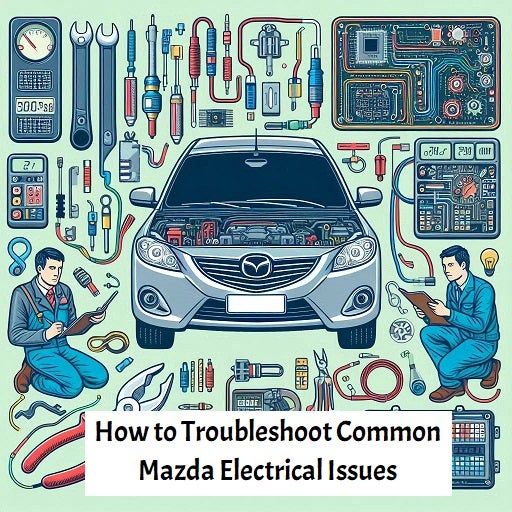
How to Troubleshoot Common Mazda Electrical Issues

Electrical issues can be frustrating for any car owner, and Mazda vehicles, like all modern cars, rely heavily on electrical systems for performance and safety. From starting problems to malfunctioning lights, understanding how to troubleshoot common electrical issues can save you time and money. In this blog, we’ll explore some common electrical problems encountered in Mazda vehicles and provide you with practical troubleshooting steps to help you diagnose and resolve them. more Symptoms of Electrical Issues Before diving into troubleshooting, it’s essential to recognize the symptoms of electrical issues. Common signs include: Vehicle Won't Start: The engine cranks but doesn’t start, or there are no sounds at all when you turn the key. Dim or Flickering Lights: Interior or exterior lights are dim, flickering, or completely non-functional. Warning Lights on Dashboard: Various warning lights appear on the dashboard, indicating potential electrical issues. Malfunctioning Accessories: Power windows, locks, or other electrical accessories fail to operate correctly. Battery Drain: Frequent dead batteries or slow cranking when starting the engine. Troubleshooting Steps If you encounter any of the above symptoms, follow these troubleshooting steps to diagnose the issue. Step 1: Check the Battery Visual Inspection: Start by checking the battery for any signs of corrosion around the terminals. Clean any corrosion with a mixture of baking soda and water, and ensure the terminals are tightly connected. Battery Voltage: Use a multimeter to measure the battery voltage. A fully charged battery should read around 12.6 volts. If the voltage is significantly lower, consider charging or replacing the battery. Step 2: Inspect Fuses Locate the Fuse Box: Find the fuse box in your Mazda, typically located under the dashboard or in the engine compartment. Check for Blown Fuses: Visually inspect the fuses for any that appear burnt out. If you find a blown fuse, replace it with one of the same amperage. Identify the Issue: If the new fuse blows shortly after replacement, it may indicate an underlying electrical problem, such as a short circuit. Step 3: Examine the Alternator Testing the Alternator: Start the engine and use a multimeter to measure the voltage at the battery terminals. The reading should be between 13.7 to 14.7 volts if the alternator is functioning properly. Listen for Unusual Noises: While the engine is running, listen for any strange noises coming from the alternator, such as grinding or whining, which could indicate a failing alternator. Step 4: Check Wiring and Connections Inspect Wiring Harnesses: Look for damaged or frayed wiring in the engine compartment and under the dashboard. Pay close attention to areas that may be exposed to heat or abrasion. Check Ground Connections: Ensure that all ground connections are clean and secure. A loose or corroded ground connection can lead to various electrical issues. Step 5: Test Electrical Components Use a Multimeter: Test individual electrical components, such as power windows, lights, and switches, with a multimeter to check for proper voltage and functionality. Swap Components: If a specific accessory is malfunctioning, consider swapping it with a known good component (if applicable) to determine if the issue lies with the component itself. Common Electrical Issues and Solutions Here are a few common electrical issues encountered in Mazda vehicles and their potential solutions: Problem: Power Windows Won't Operate Solution: Check the window fuse and switch. If the fuse is intact, test the switch and window motor with a multimeter to identify any faulty components. Problem: Dashboard Warning Lights Stay On Solution: Use an OBD-II scanner to read diagnostic trouble codes (DTCs). This can help pinpoint the specific issue triggering the warning lights. Problem: Headlights or Taillights Are Dim Solution: Inspect the bulbs for wear and replace them if necessary. Check the wiring and connections to ensure there are no loose or corroded terminals. Problem: Battery Drains Overnight Solution: Perform a parasitic draw test using a multimeter to identify any components that may be drawing excessive power when the vehicle is off. When to Seek Professional Help While many electrical issues can be diagnosed and resolved with basic troubleshooting, some problems may require professional assistance. If you encounter persistent issues, complex wiring problems, or are unsure about performing electrical repairs, it’s best to consult a qualified mechanic. They have the tools and expertise to diagnose and fix more intricate electrical problems safely. Save Time, Monday and Frustration Troubleshooting common electrical issues in your Mazda can save you time, money, and frustration. By following these steps and being proactive about maintenance, you can ensure your vehicle’s electrical system remains in good working order. Remember that safety is paramount; if you ever feel unsure about your ability to diagnose or repair electrical problems, don’t hesitate to seek professional assistance. With a little knowledge and care, you can keep your Mazda running smoothly and enjoy a hassle-free driving experience.

bm1 jan title

A Guide to Choosing the Right Tires for Your Mazda

Your Mazda is designed for performance, safety, and comfort, and the right set of tires plays a crucial role in maintaining these qualities. Whether you're looking to replace your worn-out tires or upgrade to a new set, choosing the right tires is essential for optimizing your Mazda's handling, fuel efficiency, and overall driving experience. This guide will walk you through the key factors to consider when selecting tires for your Mazda. more Understanding Tire Basics: What You Need to Know Before diving into the selection process, it's important to understand the basics of tire specifications and how they impact your driving experience. Tire Size: The size of your tires is specified by a combination of numbers and letters, such as 225/45R17. These numbers represent the tire's width, aspect ratio, and diameter. It's crucial to choose tires that match the size recommended by Mazda for your specific model, as using the wrong size can affect handling, safety, and even your vehicle's warranty. Tread Pattern: Tires come with different tread patterns designed for various driving conditions. The tread pattern affects traction, handling, and noise levels. Common tread patterns include: Symmetrical: Offers a smooth, quiet ride and long-lasting performance. Ideal for everyday driving. Asymmetrical: Combines different tread patterns to enhance handling, especially in wet conditions. Great for sporty driving. Directional: Designed for high-performance driving with excellent wet and dry traction. Often found on sports cars and performance vehicles. Speed Rating: The speed rating indicates the maximum speed at which a tire can safely operate. It's denoted by a letter, such as H, V, or Z. Make sure to choose a tire with a speed rating that meets or exceeds the capabilities of your Mazda. Load Index: The load index indicates the maximum weight a tire can support. It's important to select tires with a load index that matches or exceeds the weight of your Mazda, especially if you frequently carry heavy loads or passengers. Types of Tires: Which One Is Right for Your Mazda? Different types of tires are designed to perform optimally in specific conditions. Choosing the right type of tire depends on your driving habits, the climate you live in, and your Mazda model. All-Season Tires: All-season tires are the most versatile option, designed to perform well in a variety of conditions, including dry, wet, and light snow. They offer a balance of comfort, durability, and performance, making them an excellent choice for most Mazda drivers. If you live in an area with mild winters and don't frequently encounter extreme weather conditions, all-season tires are likely the best choice for you. Summer Tires: Summer tires, also known as performance tires, are engineered for maximum grip and handling on dry and wet roads during warm weather. They offer superior traction and responsiveness, making them ideal for sporty driving and high-performance Mazda models like the Mazda MX-5 Miata. However, summer tires are not suitable for cold weather or snow-covered roads, so they should be used only during the warmer months. Winter Tires: Winter tires are specifically designed to provide optimal traction and handling in cold weather, snow, and ice. They feature a softer rubber compound that remains flexible in low temperatures and a tread pattern designed to bite into snow and ice. If you live in an area with harsh winters, winter tires are essential for maintaining safety and control. It's recommended to switch to winter tires when the temperature consistently drops below 45°F (7°C). Touring Tires: Touring tires are designed for a smooth, comfortable ride with enhanced fuel efficiency and longer tread life. They are ideal for drivers who prioritize comfort and economy over sporty performance. Touring tires are a great option for Mazda sedans and crossovers used primarily for commuting and long-distance driving. Performance Tires: Performance tires are designed for drivers who demand high levels of grip, handling, and responsiveness. They are often found on sports cars and performance-oriented Mazda models. While they offer excellent performance in dry and wet conditions, they may have a shorter tread life and be noisier than other tire types. Off-Road Tires: If you frequently take your Mazda CX-5 or CX-9 off the beaten path, off-road or all-terrain tires may be a good choice. These tires are designed with rugged tread patterns and reinforced sidewalls to handle rough terrain, mud, and gravel. However, they may sacrifice some comfort and fuel efficiency on paved roads. Considering Your Driving Habits: Tailoring Your Tire Choice Your driving habits play a significant role in determining the right tires for your Mazda. Consider the following factors when making your decision: Daily Commutes: If you use your Mazda primarily for daily commuting on highways and city streets, all-season or touring tires are likely the best option. They offer a good balance of comfort, fuel efficiency, and durability. Sporty Driving: For those who enjoy spirited driving or own a performance-oriented Mazda model like the MX-5 Miata, performance or summer tires will provide the grip and handling needed to fully enjoy the driving experience. Long-Distance Travel: If you frequently embark on long road trips, touring tires may be the best choice for their smooth ride and long tread life. They are designed to minimize road noise and enhance comfort, making them ideal for extended journeys. Off-Road Adventures: If you often take your Mazda on off-road trails or unpaved roads, consider all-terrain or off-road tires. These tires are built to handle rough surfaces and provide the necessary traction for off-road driving. Winter Conditions: If you live in an area with harsh winters, winter tires are a must. They provide the traction and control needed to navigate snow and ice safely. Remember to switch back to all-season or summer tires when the weather warms up to maintain optimal performance. Budget Considerations: Balancing Cost and Quality Tires are a significant investment in your Mazda's performance and safety, so it's important to balance cost with quality. Here are some tips for making a budget-conscious decision: Set a Budget: Determine how much you're willing to spend on tires before you start shopping. While it's important to stay within your budget, remember that tires are a critical component of your vehicle's safety and performance, so prioritize quality. Compare Brands: There are many reputable tire brands available, each offering a range of options at different price points. Research and compare brands to find a set of tires that offers the best value for your needs. Well-known brands like Michelin, Bridgestone, Goodyear, and Continental are often reliable choices. Consider Tread Life: Tires with longer tread life may have a higher upfront cost but can save you money in the long run by lasting longer. Check the treadwear rating to get an idea of how long the tires are expected to last. Look for Promotions: Tire manufacturers and retailers often run promotions, discounts, or rebates. Keep an eye out for these deals to save money on your purchase. Balance Performance and Price: While high-performance tires may be tempting, consider whether you truly need the extra capabilities they offer. For everyday driving, a good-quality all-season tire may provide all the performance you need at a lower cost. Maintaining Your Tires: Maximizing Longevity and Performance Once you've chosen the right tires for your Mazda, proper maintenance is key to maximizing their lifespan and performance. Here are some maintenance tips to keep your tires in top condition: Regularly Check Tire Pressure: Maintaining the correct tire pressure is crucial for safety, fuel efficiency, and tire longevity. Check your tire pressure at least once a month and before long trips. Refer to your Mazda's owner’s manual or the sticker inside the driver’s door for the recommended pressure levels. Rotate Tires: To ensure even wear, have your tires rotated every 6,000 to 8,000 miles, or as recommended by Mazda. Rotating your tires helps extend their lifespan and maintain consistent handling. Align and Balance Tires: If you notice uneven tire wear, your Mazda may need a wheel alignment or balancing. Proper alignment and balancing ensure that your tires wear evenly and that your vehicle handles correctly. Check Tread Depth: Worn-out tires with low tread depth can compromise traction and safety, especially in wet conditions. Use the penny test to check your tread depth: insert a penny into the tread with Lincoln's head facing down. If you can see the top of Lincoln’s head, it's time to replace your tires. Inspect for Damage: Regularly inspect your tires for signs of damage, such as cuts, punctures, or bulges. If you notice any damage, have your tires inspected by a professional to determine if they need to be repaired or replaced. Essential Maintenance Choosing the right tires for your Mazda is an essential part of maintaining your vehicle's performance, safety, and comfort. By understanding tire basics, considering your driving habits, and balancing cost with quality, you can select a set of tires that will keep your Mazda performing at its best. Remember to maintain your tires properly to maximize their lifespan and ensure a smooth, safe driving experience. Whether you're cruising through the city, taking a road trip, or navigating winter weather, the right tires will help you enjoy every mile in your Mazda.

rtjtryktyktyj

Driving Confidence: Top 5 Reasons to Choose Dealership Service for Your Car Repairs

When it comes to keeping your vehicle in peak condition, choosing where to have it serviced is a crucial decision. While independent garages and quick-service centers are common options, there are compelling reasons to consider having your car repaired or serviced at a dealership. In this blog post, we'll explore the top five reasons why dealership service might be the best choice for ensuring the longevity and optimal performance of your vehicle. more Manufacturer Expertise Dealership service centers specialize in the brands they sell. This means that the technicians working on your vehicle have in-depth knowledge of the manufacturer's specifications, engineering, and technology. Their training often includes direct access to manufacturer resources, ensuring your car is serviced with the latest information and techniques. Genuine Parts and Accessories When you choose dealership service, you can be confident that your vehicle will receive genuine manufacturer parts and accessories. These components are designed and tested to meet the exact specifications of your car. Using original parts helps maintain the integrity of your vehicle, ensuring optimal performance, safety, and longevity. Advanced Diagnostics and Equipment Dealership service centers are equipped with state-of-the-art diagnostic tools and equipment. This advanced technology allows technicians to pinpoint issues accurately and efficiently. Whether it's identifying a complex engine problem or diagnosing a modern vehicle's intricate electronic systems, dealership service centers are well-equipped to handle the latest automotive advancements. Recall Information and Updates Dealerships are the first to receive information about recalls and service updates from the manufacturer. When you service your car at a dealership, you benefit from their direct access to this critical information. This ensures that your vehicle receives necessary updates, addressing potential safety concerns or performance enhancements as recommended by the manufacturer. Warranty Coverage If your vehicle is still under warranty, having it serviced at a dealership is often a requirement to maintain warranty coverage. Manufacturers typically outline specific service requirements to validate warranty claims. By following these guidelines and having your car serviced at an authorized dealership, you can ensure that any warranty-related issues are addressed promptly and without additional costs. Additional Considerations Customer Amenities: Dealership service centers often provide comfortable waiting areas with amenities such as Wi-Fi, refreshments, and sometimes even shuttle services. This adds to the overall customer experience during the service process. Trained Technicians: Dealership technicians undergo extensive training to stay updated on the latest technologies and repair techniques. This ensures that they can effectively address issues specific to your vehicle model. Service Records: Maintaining a consistent service record at a dealership can enhance the resale value of your vehicle. Prospective buyers often view dealership service records as a sign of proper maintenance and care. Several Advantages Choosing to have your car serviced at a dealership offers several advantages, from manufacturer expertise to access to genuine parts and advanced diagnostics. While independent garages and quick-service centers have their merits, the specialized knowledge and resources available at dealership service centers can provide peace of mind and contribute to the long-term health of your vehicle. Consider these reasons when deciding where to entrust your car for repairs and maintenance, and drive with confidence knowing your vehicle is in expert hands.

bm2 dec title

Navigating the Road to Savings: Tips for Finding an Affordable Automotive Repair Shop

Every car owner knows that the open road is not always smooth, and sooner or later, the need for automotive repairs is bound to arise. However, finding a reliable and affordable automotive repair shop can sometimes feel like navigating an unfamiliar route. In this blog, we'll explore practical tips and strategies to help you find an affordable automotive repair shop that not only fits your budget but also provides quality service. more R esearch and Recommendations Start your quest for an affordable automotive repair shop by conducting thorough research. Seek recommendations from friends, family, and colleagues who have had positive experiences with budget-friendly shops. Online reviews and forums can also offer valuable insights into the reputation and pricing of local repair shops. Compare Quotes Don't settle for the first quote you receive. Reach out to multiple automotive repair shops in your area and request detailed quotes for the specific services your vehicle needs. A transparent and itemized quote will help you understand the cost breakdown and make an informed decision. C heck Certifications and Experience While affordability is essential, it's equally crucial to ensure that the repair shop has certified technicians and relevant experience. Look for certifications displayed in the shop, as they indicate a commitment to professional standards. Experienced technicians are more likely to diagnose issues accurately, potentially saving you money in the long run. L ook for Special Offers and Discounts Many automotive repair shops offer special promotions, discounts, or loyalty programs. Keep an eye out for these cost-saving opportunities, as they can significantly reduce the overall expense of your repairs. Some shops may also have seasonal promotions or discounts for new customers. Consider Local and Independent Shops Local and independent automotive repair shops often have lower overhead costs compared to large chains, making their services more budget-friendly. Additionally, local shops are more likely to prioritize customer satisfaction, as their reputation within the community is at stake. Ask about Warranty and Guarantees A reputable and affordable automotive repair shop should stand by the quality of its work. Inquire about warranties or guarantees on parts and labor. This not only reflects the shop's confidence in its services but also provides you with added peace of mind, knowing that you won't incur additional costs if an issue arises shortly after the repair. DIY Options and Maintenance Workshops For smaller repairs and routine maintenance tasks, consider exploring do-it-yourself (DIY) options. Many automotive parts stores offer workshops or tutorials on basic maintenance tasks, allowing you to save money by handling simpler repairs on your own. Build a Relationship Establishing a long-term relationship with an automotive repair shop can lead to benefits such as loyalty discounts and personalized service. By consistently choosing the same shop for your repairs, you may find that they are more willing to work with you on pricing. Affordability and Quality Finding an affordable automotive repair shop is not just about cutting costs; it's about striking a balance between affordability and quality service. By following these tips, you can navigate the road to savings and ensure that your vehicle receives the care it needs without breaking the bank. Remember, a reliable and budget-friendly repair shop can be a valuable asset on your journey as a car owner.

bm2 nov title

Smooth Shifts: How Often You Should Change Your Transmission Fluid

Your vehicle's transmission is a critical component that ensures the smooth operation of gears, allowing for efficient power transfer from the engine to the wheels. One key factor in maintaining a healthy transmission is regular fluid changes. In this blog post, we'll explore the importance of transmission fluid, signs that it may need changing, and the recommended frequency for this crucial maintenance task. more The Role of Transmission Fluid Transmission fluid serves multiple essential functions in your vehicle's transmission system: Lubrication: Transmission fluid lubricates the various moving parts within the transmission, reducing friction and preventing wear and tear. Cooling: It helps dissipate heat generated during the operation of the transmission, preventing overheating and potential damage. Seal Conditioning: Transmission fluid conditions and maintains the integrity of seals, preventing leaks and ensuring a tight seal on various components. Signs Your Transmission Fluid Needs Changing While there is a recommended schedule for changing transmission fluid, it's crucial to pay attention to your vehicle's specific needs. Signs that your transmission fluid may need changing include: Discolored Fluid: Transmission fluid is typically a bright red color. If it appears brown or has a burnt smell, it may be time for a change. Slipping Gears: If you experience a delay or slipping sensation when shifting gears, it could indicate insufficient or degraded transmission fluid. Unusual Noises: Whining or clunking noises during gear shifts may be a sign of inadequate lubrication, often due to deteriorating transmission fluid. Overheating: An overheating transmission can lead to fluid breakdown. If you notice your transmission temperature rising, it's crucial to address the issue promptly. Recommended Frequency for Transmission Fluid Changes The recommended frequency for changing transmission fluid can vary depending on the make and model of your vehicle. However, a general guideline is to change the transmission fluid every 30,000 to 60,000 miles (48,000 to 96,000 kilometers). Normal Driving Conditions: For vehicles that undergo regular, everyday driving without extreme conditions, the 30,000 to 60,000-mile range is a suitable guideline. Severe Driving Conditions: If you often engage in severe driving conditions, such as towing heavy loads, driving in stop-and-go traffic, or frequent short trips, consider changing the transmission fluid more frequently—closer to the 30,000-mile mark. DIY or Professional Service Changing transmission fluid can be a DIY task for some, but it may require specialized tools and expertise. If you're comfortable performing automotive maintenance tasks and your vehicle's design allows for easy access to the transmission fluid, you might consider tackling this job yourself. However, if you're unsure or prefer professional assistance, a certified mechanic or service center can ensure the task is done correctly. Vital Maintenance Regular transmission fluid changes are vital for maintaining the health and longevity of your vehicle's transmission system. By adhering to the recommended frequency and staying vigilant for signs of fluid degradation, you can enjoy smoother shifts, prevent costly repairs, and extend the life of your transmission. Whether you choose to perform the task yourself or seek professional help, prioritizing transmission fluid changes is a key aspect of responsible vehicle ownership.

Contact Us

Fill out this form below and we'll contact you shortly
*Required Fields