Blog / Money Saving Tips

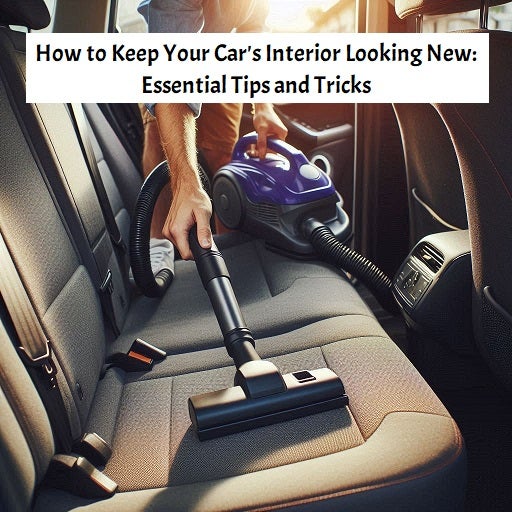
How to Keep Your Car's Interior Looking New: Essential Tips and Tricks

bm1 feb title

Your car's interior is more than just a space to sit; it’s a reflection of your care and attention. Maintaining a clean and fresh interior not only enhances your driving experience but also helps retain the vehicle's value over time. Here’s a comprehensive guide to keeping your car’s interior looking new, from routine cleaning to preventative measures.

Regular Cleaning Routine

Vacuuming

  • Frequency: Vacuum your car’s interior at least once a week to remove dust, dirt, and crumbs. Focus on seats, floor mats, and under the seats.
  • Technique: Use a vacuum with a brush attachment to gently clean upholstery and carpets. For hard-to-reach areas, consider using a handheld vacuum or a crevice tool.

Dusting and Wiping

  • Dashboard and Console: Dust and wipe down the dashboard, center console, and door panels with a microfiber cloth. Use a mild cleaner designed for automotive interiors to remove grime.
  • Air Vents: Use a small brush or compressed air to clean out dust from air vents. A soft brush attachment can help reach tight spaces.

Cleaning Upholstery

  • Fabric Seats: For fabric seats, use a vacuum to remove loose dirt and a fabric cleaner to tackle stains. Follow the manufacturer’s instructions for application and drying.
  • Leather Seats: Clean leather seats with a leather cleaner and conditioner to maintain their appearance and prevent cracking. Avoid using harsh chemicals or excessive water.

Stain and Odor Prevention

Stain Protection

  • Immediate Action: Address spills and stains as soon as they occur. Blot the area with a clean cloth to absorb excess liquid before treating the stain with an appropriate cleaner.
  • Protective Sprays: Consider using fabric or leather protectors that repel stains and make cleaning easier. These products create a barrier that helps prevent spills from setting in.

Odor Control

  • Air Fresheners: Use air fresheners or odor-neutralizing products to keep the interior smelling fresh. Opt for natural options like essential oil diffusers for a pleasant aroma.
  • Ventilation: Regularly air out your car by opening the windows and using the air conditioning or heating system to circulate fresh air.

Preventative Measures

Use Floor Mats and Seat Covers

  • Floor Mats: Invest in high-quality, all-weather floor mats to protect your car’s carpeting from dirt, spills, and wear. Ensure they are easy to remove and clean.
  • Seat Covers: Seat covers provide an extra layer of protection for your upholstery, especially if you have kids or pets. Choose covers that are easy to install and remove for cleaning.

Avoid Eating and Drinking in the Car

  • Minimize Mess: Try to avoid eating and drinking in your car to reduce the risk of spills and crumbs. If you must eat or drink, use spill-proof containers and clean up immediately.

Detailing and Deep Cleaning

Professional Detailing

  • Frequency: Consider having your car professionally detailed every 6 to 12 months. Professional detailers have the tools and expertise to thoroughly clean and protect your car’s interior.
  • Services: Professional detailing often includes deep cleaning of carpets and upholstery, conditioning of leather, and treatment of hard-to-reach areas.

DIY Deep Cleaning

  • Shampoo Carpets and Upholstery: For a thorough clean, use a carpet and upholstery shampooer to remove deep-seated dirt and stains. Follow the manufacturer’s instructions for best results.
  • Clean Windows: Use a glass cleaner to clean the interior windows and mirrors. Avoid ammonia-based cleaners, as they can damage tinted windows and leave streaks.

Protecting Your Car’s Interior

Sun Protection

  • Window Shades: Use sunshades or window visors to protect your car’s interior from harmful UV rays. This helps prevent fading and cracking of upholstery and dashboard components.
  • Park in Shade: Whenever possible, park your car in a shaded area or use a car cover to minimize exposure to direct sunlight.

Regular Maintenance

  • Check for Issues: Regularly inspect your car’s interior for any signs of wear or damage. Address issues promptly to prevent further deterioration.
  • Keep Cleaning Supplies Handy: Maintain a set of cleaning supplies in your car for quick touch-ups. Include items like microfiber cloths, a small vacuum, and a multi-purpose cleaner.

A Clean and Inviting Interior

Keeping your car’s interior looking new requires a combination of regular cleaning, preventative measures, and occasional deep cleaning. By incorporating these practices into your routine, you can ensure that your vehicle’s interior remains fresh, clean, and inviting. A well-maintained interior not only enhances your driving experience but also helps preserve the value of your car for years to come.


Posted in:

Related Posts

BM1 TITLE NOV 2025

How to Winterize Your Mazda Vehicle: A Comprehensive Guide

As winter approaches, it’s essential to prepare your Mazda for the colder months ahead. Winterizing your vehicle not only ensures your safety on the road but also helps maintain its performance and longevity. In this blog, we’ll cover the key steps to winterize your Mazda effectively, so you can tackle those icy roads with confidence. more Check and Replace Fluids Fluids play a crucial role in your vehicle’s performance, especially during winter. Here are the key fluids to check and replace if necessary: Engine Oil: Ensure your engine oil is suitable for winter temperatures. If you’re using conventional oil, consider switching to a winter-grade synthetic oil that offers better performance in cold weather. Always follow your owner’s manual for the recommended oil type and viscosity. Coolant: Inspect your coolant levels and ensure that your antifreeze is mixed correctly to prevent freezing. A 50/50 mixture of antifreeze and water is generally recommended for optimal protection. If your coolant is old or contaminated, consider flushing and replacing it. Windshield Washer Fluid: Use a winter-grade windshield washer fluid that is designed to withstand freezing temperatures. This will help keep your windshield clear of ice and snow, improving visibility. Inspect and Replace Wipers Visibility is critical during winter driving conditions, so ensuring your wiper blades are in good condition is essential. Check your wipers for any signs of wear or damage, such as cracking or stiffness. If they’re not performing well, replace them with winter-specific wipers designed to handle ice and snow buildup. Check Your Tires Your tires are your vehicle's only contact with the road, making them a vital component for winter safety. Here’s what to do: Tread Depth: Check the tread depth of your tires to ensure they provide adequate traction on snowy or icy roads. The minimum recommended tread depth for winter driving is 4/32 of an inch. Inflation Pressure: Cold temperatures can cause tire pressure to drop, so check and inflate your tires to the manufacturer-recommended levels. Properly inflated tires improve handling and fuel efficiency. Winter Tires: If you live in an area with heavy snowfall or icy conditions, consider investing in winter tires. These tires are specifically designed for cold weather, providing better traction and handling compared to all-season tires. Inspect the Battery Cold temperatures can be harsh on car batteries, making it essential to check your battery’s health before winter sets in. Here’s how to ensure your battery is ready for the colder months: Battery Test: Have your battery tested for its charge and overall health. Most auto parts stores offer free battery testing services. If your battery is weak or over three years old, consider replacing it. Clean Terminals: Inspect the battery terminals for corrosion or dirt. Clean them with a mixture of baking soda and water, and ensure they are securely connected. Prepare Your Heating System A properly functioning heating system is essential for comfort during winter drives. Here’s how to prepare it: Check Heater Functionality: Test your heater and defroster to ensure they are working effectively. If you notice any issues, such as inadequate heat or strange smells, have it inspected by a professional. Inspect Cabin Air Filter: A clean cabin air filter ensures that your heating system functions efficiently. If it’s dirty or clogged, replace it to improve airflow and air quality inside the vehicle. Check Belts and Hoses Cold weather can put extra strain on belts and hoses, making it essential to inspect them for wear and damage: Visual Inspection: Look for any cracks, fraying, or signs of wear on belts and hoses. Pay particular attention to the serpentine belt and radiator hoses, as these are critical for engine performance and cooling. Replace if Necessary: If you notice any issues during your inspection, replace the affected belts and hoses before winter sets in to prevent breakdowns. Emergency Kit Preparation An emergency kit is essential for winter driving, ensuring you’re prepared for unexpected situations. Here are some items to include: Blankets and Warm Clothing: Pack blankets, gloves, and hats to keep warm in case you get stranded. First Aid Kit: A well-stocked first aid kit can be invaluable in emergencies. Food and Water: Keep non-perishable snacks and bottled water in your kit. Flashlight and Batteries: A flashlight can be useful for visibility in the dark. Ice Scraper and Snow Brush: These tools will help you clear your windshield and windows quickly. Jumper Cables: In case of a dead battery, jumper cables can be a lifesaver. Wash and Wax Your Vehicle Winter road conditions can lead to the accumulation of salt and grime on your vehicle, which can damage the paint and undercarriage. Here’s how to protect your Mazda: Wash Your Car: Thoroughly wash your vehicle to remove any dirt, salt, or debris. Pay special attention to the undercarriage, as salt can cause rust and corrosion. Wax for Protection: Apply a coat of wax to your vehicle's exterior to create a protective barrier against the elements. This can help prevent damage from road salt and moisture. Drive with Confidence Winterizing your Mazda is essential for ensuring your vehicle’s performance, safety, and longevity during the colder months. By following these steps—checking and replacing fluids, inspecting tires and battery, preparing your heating system, and assembling an emergency kit—you can drive with confidence through winter weather. Taking the time to winterize your vehicle will not only enhance your driving experience but also keep you safe on the road, allowing you to enjoy all that the season has to offer.

TRANSMISSION FLUID

Transmission Fluid Changes for Your Mazda: Which Type and When

By Beach Mazda Transmission fluid plays an essential role in ensuring that your vehicle shifts smoothly, operates efficiently, and prevents costly repairs. At Beach Mazda, we know how important it is to keep your vehicle running smoothly, and one of the most critical components that requires regular maintenance is your Mazda’s transmission. In this blog, we’ll explore why transmission fluid changes are so important, the different types of transmission fluid used in Mazda vehicles, and when it’s time to get your fluid changed. more Why is Transmission Fluid Important? Transmission fluid serves as the lifeblood of your vehicle’s transmission system. It lubricates the internal components, reduces friction, keeps everything cool, and helps to prevent wear and tear. Without the proper fluid levels or quality, your Mazda’s transmission can experience excessive wear, poor shifting, overheating, and even total failure. Regular transmission fluid changes can extend the life of your transmission and improve the overall performance of your vehicle. If you want to ensure smooth shifting, consistent performance, and avoid expensive repairs down the road, keeping your transmission fluid fresh and at the proper level is key. Types of Transmission Fluid for Mazda Vehicles Mazda vehicles use different types of transmission fluid depending on the model and transmission type. It's essential to use the right type of fluid to ensure proper function and avoid damaging your transmission. Below are the common types of transmission fluids used in Mazda vehicles: 1. Mazda Genuine ATF (Automatic Transmission Fluid) Mazda recommends using Genuine Mazda ATF for most of its automatic transmission models. This specially formulated fluid is designed to provide optimal performance and protection for your Mazda’s automatic transmission system. Why Use Mazda Genuine ATF? Engineered specifically for Mazda transmissions. Helps maintain smooth shifting and prolong transmission life. Prevents issues related to overheating and friction. 2. Dexron III/Mercon ATF Some older Mazda models may use Dexron III or Mercon automatic transmission fluid, which is compatible with many older automatic transmissions. However, it’s crucial to check your vehicle’s manual to confirm the exact specifications. Why It’s Used: Common in older Mazda models. Suitable for use in a wide range of automatic transmissions. Tip: Always refer to your owner’s manual to ensure you are using the correct fluid for your vehicle's transmission. 3. Mazda CVT Fluid (Continuously Variable Transmission) For Mazda vehicles equipped with CVT (Continuously Variable Transmission), such as the Mazda3 and Mazda6, it’s important to use Mazda's Genuine CVT Fluid. CVT systems require specific fluid to function optimally due to their unique design. Why Use Mazda CVT Fluid? Optimized for the unique design of CVT transmissions. Improves fuel efficiency and provides smooth performance. Protects against wear, overheating, and excessive friction. When Should You Change Your Mazda’s Transmission Fluid? Unlike engine oil, which requires more frequent changes, transmission fluid has a longer lifespan but still needs periodic maintenance to keep your transmission in top condition. However, there’s no one-size-fits-all answer for when to change your transmission fluid—it depends on your driving habits, the type of transmission, and the manufacturer’s recommendations. Here are some general guidelines for Mazda vehicles: Automatic Transmission Fluid For Mazda vehicles with automatic transmissions, Mazda typically recommends changing the transmission fluid every 30,000 to 60,000 miles. However, this can vary depending on your driving conditions and the type of fluid used. If you frequently drive in harsh conditions such as towing, stop-and-go traffic, or very hot or cold climates, you may need to change the fluid more frequently. Continuously Variable Transmission (CVT) Fluid For Mazda vehicles equipped with a CVT, the fluid change interval is usually 60,000 to 100,000 miles. However, it’s important to check your owner’s manual for the manufacturer’s specific recommendation for your model. Manual Transmission Fluid Manual transmission fluid generally needs to be changed less frequently than automatic transmission fluid, often around 30,000 to 50,000 miles. However, not all Mazda vehicles have a service interval for manual transmission fluid changes, as these systems are often designed for longer intervals. Signs That Your Mazda Needs a Transmission Fluid Change Even if you’re not sure when your transmission fluid was last changed, there are a few signs to look out for that may indicate it’s time for a fluid change: 1. Unusual Shifting Behavior If you notice your Mazda’s transmission is shifting roughly, hesitating, or slipping between gears, it could be a sign that your transmission fluid is low or dirty. 2. Grinding or Strange Noises Grinding, whining, or clunking noises coming from your transmission while driving or when shifting gears can be an indication that the fluid is not lubricating the system properly. 3. Burning Smell A burning smell is a common sign of overheating transmission fluid, which could indicate that the fluid is old, contaminated, or running low. 4. Warning Lights If your Mazda’s transmission warning light comes on, it’s essential to have the system checked immediately. Low or dirty fluid is often the cause, but it could also indicate other transmission problems. How to Change Your Mazda’s Transmission Fluid Changing transmission fluid is not a simple task, and it requires specific tools and knowledge to do properly. It’s recommended to have the service performed by a professional technician at Beach Mazda to ensure the correct fluid is used and that the change is done according to Mazda’s specifications. However, if you plan to do it yourself, here’s a basic overview of the steps: Lift the vehicle and securely support it. Locate the transmission fluid pan and drain plug (refer to your owner’s manual). Drain the old fluid into a container. Replace the filter (if necessary). Refill with the correct fluid until it reaches the proper level. Check the fluid level after starting the engine and shifting through gears. Tip: Always use the fluid recommended by Mazda, and never overfill the transmission, as this can cause damage. Final Thoughts Your Mazda’s transmission is a complex system, and proper fluid maintenance is key to ensuring its longevity and smooth performance. By understanding which type of fluid your vehicle needs and when it should be changed, you can help avoid costly transmission repairs and keep your Mazda running at its best. If you’re due for a transmission fluid change or need advice on which fluid to use, the expert technicians at Beach Mazda are here to help. We’ll make sure your Mazda gets the best care to keep you on the road for many years to come. Beach Mazda Your Trusted Mazda Experts in Myrtle Beach Ready to take care of your transmission fluid? Contact Beach Mazda today to schedule your service appointment! Our team is here to keep your Mazda running smoothly, mile after mile.

BM4 TITLE MARCH 2026

Mazda Brake System Maintenance: Tips for Keeping Your Mazda Stopping Safely

By Beach Mazda Your Mazda’s brake system is one of the most critical components of your vehicle, ensuring your safety and the safety of everyone on the road. Whether you're navigating the busy streets of Myrtle Beach or cruising on open highways, keeping your brakes in excellent condition is essential to ensure that you can stop quickly and effectively when needed. more At Beach Mazda, we know how important your brakes are. In this blog, we’ll walk you through the essential tips for maintaining your Mazda’s brake system, from checking brake pads to inspecting the fluid levels. These simple yet effective steps can help you keep your car stopping safely for years to come. Check Your Brake Pads Regularly Why It’s Important: Brake pads are crucial for stopping your vehicle. Over time, they wear down and can become less effective, leading to longer stopping distances and potential damage to your brake rotors. How to Do It: Inspect the Thickness: You can usually check the thickness of your brake pads by looking through the spokes of the wheel. If the pad material is less than 1/8 inch thick, it’s time for a replacement. Listen for Squeaking or Grinding: If you hear squeaking, squealing, or grinding noises while braking, this could be a sign that the brake pads are worn out and need replacement. Have a Professional Check Them: If you're unsure about the condition of your brake pads, have a professional inspect them during your next service visit. Tip: On average, brake pads should be replaced every 30,000 to 70,000 miles, depending on driving conditions. Monitor Brake Fluid Levels Why It’s Important: Brake fluid is what allows your brakes to function properly by transferring the pressure from your foot on the brake pedal to the braking components. Low brake fluid can cause your brakes to feel soft or unresponsive, which can be dangerous. How to Do It: Check the Fluid Reservoir: The brake fluid reservoir is typically located near the back of the engine bay. Look for the “min” and “max” lines on the side of the reservoir to see if the fluid is within the recommended level. Look for Discoloration: Brake fluid should be clear or light yellow. If it looks dark or has a burnt smell, it’s time to replace it, as old brake fluid can degrade the performance of your braking system. Top Off or Replace Fluid: If the fluid level is low, top it off with the correct type of brake fluid, which can be found in your owner’s manual. If you need to replace the fluid, make sure to follow the correct procedure or have a technician do it for you. Tip: Check your brake fluid every 6 months to ensure it’s at the proper level and condition. Inspect Brake Rotors Why It’s Important: Brake rotors play a vital role in stopping your vehicle. When your brake pads press against the rotors, they slow your car down. Over time, rotors can become worn, scored, or warped, which can lead to vibrations, reduced braking efficiency, and even brake failure. How to Do It: Check for Scoring or Warping: Look for any visible signs of wear, such as grooves, scoring, or cracks. If you feel vibrations when braking or notice uneven brake pad wear, it may be time to replace the rotors. Measure Rotor Thickness: If your rotors are too thin, they can overheat and cause brake failure. A professional can measure the thickness to ensure they’re still within safe limits. Tip: Brake rotors should be inspected regularly, especially if you notice any unusual sounds or vibrations while braking. Bleed Your Brakes Why It’s Important: Over time, air can get trapped in the brake lines, which can cause your brakes to feel spongy or less responsive. Bleeding the brakes removes this air, ensuring the braking system works efficiently. How to Do It: Check for Soft Pedal: If you notice that your brake pedal feels unusually soft or sinks to the floor when pressed, air in the brake lines could be the issue. Bleed the Brakes: This process involves loosening the brake line valve at each brake and letting fluid flow out until no bubbles appear. It’s recommended to have this done by a professional, as it requires the correct tools and expertise. Tip: Brake fluid should be changed every 2-3 years to ensure optimal brake performance. Check for Leaks Why It’s Important: Leaking brake fluid can lead to a drop in braking performance and even complete brake failure. It's important to regularly check for leaks to ensure the integrity of your brake system. How to Do It: Inspect Brake Lines and Hoses: Look for any visible signs of leaks or damage around the brake lines and hoses. If you notice fluid under your car or a drop in brake fluid levels, there could be a leak somewhere in the system. Check the Master Cylinder: The master cylinder is responsible for distributing brake fluid to each wheel. If it’s leaking, your brakes will lose fluid and fail to work properly. Tip: If you find any leaks, have them fixed immediately to avoid a dangerous situation. Replace Worn Brake Shoes (For Drum Brakes) Why It’s Important: While most modern Mazdas use disc brakes, some models may still have drum brakes, particularly on the rear wheels. Brake shoes inside the drum press against the drum to slow your vehicle down. Over time, these shoes wear down and need replacement. How to Do It: Inspect the Brake Shoes: If you hear a grinding sound or notice your brakes feel less responsive, it could be a sign that your brake shoes are worn out. Replace the Shoes: Replacing brake shoes can be more complex than replacing pads, so if you’re not comfortable doing this yourself, it’s best to leave it to a professional. Tip: Brake shoes typically last around 30,000 to 50,000 miles, but they should be checked regularly. Regular Brake System Inspections Why It’s Important: Even if everything seems to be working fine, it’s important to have your brake system checked by a professional regularly. Routine inspections can catch potential problems before they become serious issues, ensuring you maintain safe and reliable braking. How to Do It: Schedule Regular Maintenance: At Beach Mazda, we recommend having your brake system inspected during routine service appointments, typically every 12,000 to 15,000 miles or once a year. Look for Warning Signs: If you notice any unusual noises, vibrations, or a decrease in braking performance, schedule a brake inspection immediately. Essential for Safe Driving Your Mazda’s brake system is essential for safe driving, and regular maintenance is key to ensuring it operates at its best. By checking brake pads, fluid, rotors, and other components, you can keep your braking system in excellent condition and avoid costly repairs down the road. At Beach Mazda, we’re here to help you with all your Mazda maintenance needs. If you’re unsure about any aspect of your brake system or need professional assistance, our expert technicians are ready to provide you with top-notch service. Beach Mazda Your Trusted Mazda Experts in Myrtle Beach Ready to ensure your Mazda stops safely? Contact Beach Mazda to schedule a brake system inspection or any other maintenance service today!