Blog

All News Technology Important Information Mazda Model Features Tips Mazda Service Features & Specs Awards Service Mazda Vehicles Mazda Safety Technology Money Saving Tips Safety Beach Mazda Service History 2023 Models Community Events Comparisons Financing Your Mazda Fun Stuff Local 2024 Models Holidays Mazda Parts Car Buying Process Driver-Centric Design EVs Exterior Fuel & Gas Pre-Owned Certified Pre-Owned Mazda Vehicles Electric & Hybrid Vehicles Infotainment Insurance Mazda Accessories Mazda CX-30 Mazda3 Racing Restaurants & Food Tires & Wheels Travel Activities Drive For Good Kodo Design Language Mazda CX-5 Mazda CX-9 Mazda Motorsports Automotive Cleaning Fuel System Interior Paint & Body Work Seasonal Down-payments Mazda Connect Transmission Weather Brakes i-Activsense Technology Large Vehicles & SUVs Millennials Suspension System Towing
bm1 nov title

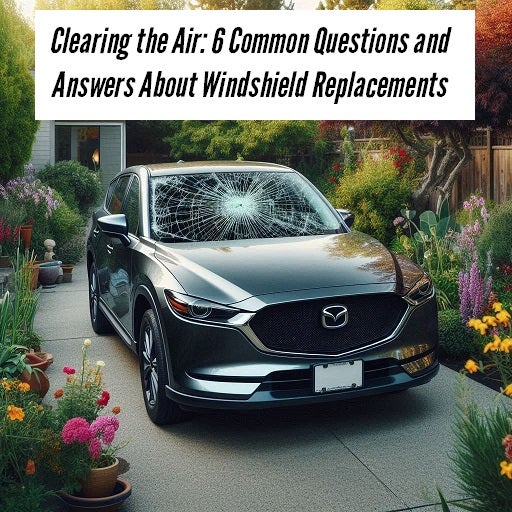
Clearing the Air: 6 Common Questions and Answers About Windshield Replacements

Your car's windshield is not just a protective barrier against the elements; it's a crucial component of your vehicle's structural integrity and safety features. When faced with windshield damage, understanding the essentials of windshield replacement is essential. In this blog, we'll address six common questions about windshield replacements to guide you through the process. more Q: Can a Cracked Windshield Be Repaired, or Does It Need Replacement? A: In some cases, minor chips or cracks can be repaired using specialized techniques. However, if the damage is extensive, located in the driver's line of sight, or compromises the structural integrity of the windshield, replacement is often the safer and more effective option. Consulting with a professional technician can help determine the best course of action for your specific situation. Q: How Long Does a Windshield Replacement Take? A: The duration of a windshield replacement depends on various factors, including the complexity of the installation and the type of adhesive used. On average, the process can take anywhere from 1 to 2 hours. It's advisable to check with the auto glass service provider for a more accurate estimate based on your vehicle's make and model. Q: Will Insurance Cover the Cost of a Windshield Replacement? A: Many insurance policies cover windshield replacements, and some even offer full coverage without imposing a deductible. Check your insurance policy to understand your coverage. If covered, the replacement cost is often taken care of by the insurance company, making it a cost-effective solution. Q: Can I Drive Immediately After a Windshield Replacement? A: While the adhesive used during the replacement process cures relatively quickly, it's recommended to wait until it fully sets before driving. This typically takes about 1 to 2 hours. Your technician will provide specific instructions, and it's crucial to follow them to ensure the windshield is secure and safe for driving. Q: What Type of Glass is Used for Windshield Replacements? A: Windshields are typically made of laminated safety glass, which consists of two layers of glass with a layer of polyvinyl butyral (PVB) in between. This design enhances safety by preventing the glass from shattering upon impact. When getting a replacement, it's essential to use glass that meets or exceeds original equipment manufacturer (OEM) standards to ensure proper fit and performance. Q: How Do I Care for a Newly Replaced Windshield? A: After a windshield replacement, avoid washing your car or exposing it to rain for at least 24 hours, allowing the adhesive to fully cure. Additionally: Do not slam car doors forcefully, as the increased pressure may affect the seal. Avoid off-road or high-impact driving immediately after replacement. Wait for a few days before using automated car washes to prevent damage to the fresh seal. A Common Necessity: Windshield replacements are a common necessity, whether due to chips, cracks, or extensive damage. Understanding the process, insurance coverage, and post-replacement care is crucial for a successful and safe windshield replacement. If you encounter windshield damage, seeking professional advice and timely replacement can help maintain the structural integrity of your vehicle and ensure a clear and safe view of the road ahead.

Discover the Technology and Safety with the Mazda CX-50

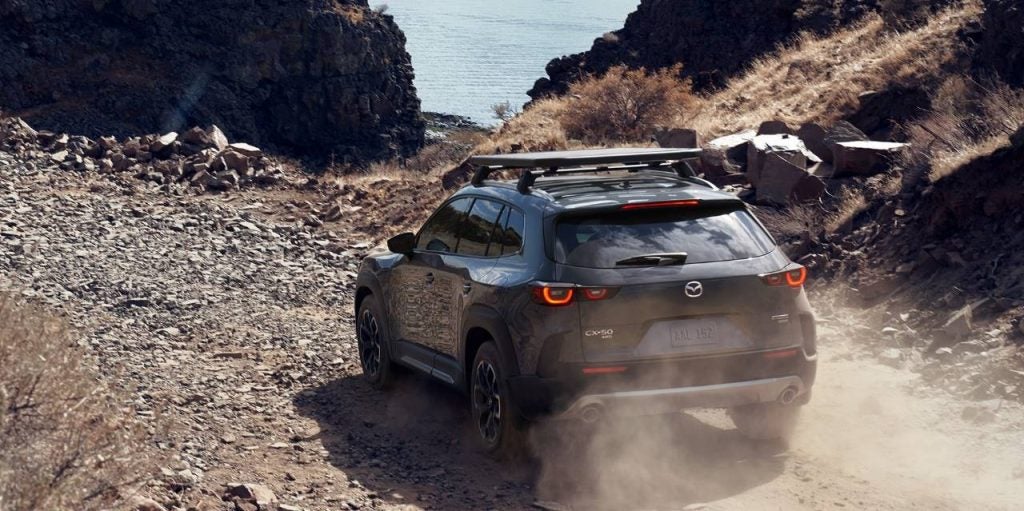
CX-50 Interior Discover the impressive technology and safety features within the Mazda CX-50, designed to enhance every drive with confidence and convenience. Equipped with advanced technology, the CX-50 offers seamless connectivity through Mazda Connect™ with Apple CarPlay and Android Auto integration, keeping you connected and entertained on the go. Safety is a top priority with Mazda’s i-Activsense® suite, which includes features like Blind Spot Monitoring, Rear Cross-Traffic Alert, and Mazda Radar Cruise Control with Stop & Go, providing peace of mind in every situation. Experience the innovation and thoughtful design of the Mazda CX-50, where cutting-edge technology meets comprehensive safety. more The Mazda CX-50's interior exemplifies the brand's premium approach to design, featuring high-quality materials and thoughtful ergonomics throughout the cabin. This five-passenger crossover offers comfortable seating with available leather upholstery and heated/ventilated front seats, while the rear seats provide ample space for adult passengers. The interior technology centers around a 10.25-inch infotainment display, which can be controlled via the touchscreen or the intuitive rotary controller, and includes standard wireless Apple CarPlay and Android Auto integration. The Mazda Connect system features crisp graphics and responsive performance, complemented by an available 12-speaker Bose premium audio system. Standard safety technology includes adaptive cruise control, lane departure warning, lane-keeping assist, and blind-spot monitoring. In terms of cargo capacity, the CX-50 provides 31.4 cubic feet of space behind the rear seats, expanding to a generous 56.3 cubic feet with the 60/40 split-folding rear seats lowered. Additional interior features include an available wireless charging pad, dual-zone automatic climate control, a power moonroof, and a 7-inch digital instrument cluster display that puts essential information directly in the driver's line of sight. Is the Mazda CX50 Bigger than the Mazda CX-5? The Mazda CX-50 is indeed larger than the Mazda CX-5, offering more space for those who need a bit extra room without stepping into a full-size SUV. The CX-50 has a wider stance and a slightly longer body, designed to improve stability and give a rugged, off-road-ready feel. Inside, the CX-50 provides a bit more cargo space and rear passenger legroom than the CX-5, making it a great choice for families or drivers who enjoy weekend getaways with extra gear. Despite the difference in size, both models offer Mazda's renowned handling and comfort, but the CX-50 is geared toward those seeking a larger, more adventure-oriented crossover experience. Mazda CX-50 Safety Features The Mazda CX-50 comes equipped with an impressive array of standard safety features through the i-ACTIVSENSE safety suite, demonstrating Mazda's commitment to passenger protection. Standard safety technologies include Advanced Smart City Brake Support with pedestrian detection, which can automatically apply the brakes to help avoid or reduce the severity of collisions, along with Blind Spot Monitoring with Rear Cross-Traffic Alert to enhance awareness during lane changes and reversing. The CX-50 also features Lane Departure Warning with Lane-Keep Assist, Driver Attention Alert, and Mazda Radar Cruise Control with Stop & Go functionality for safer highway driving. High Beam Control automatically adjusts headlight intensity based on surrounding conditions, while the 360° View Monitor with front and rear parking sensors (available on higher trims) provides enhanced visibility during parking maneuvers. Additional safety features include Traffic Sign Recognition, Smart Brake Support for rear-crossing traffic, and Traffic Jam Assist. The CX-50's rigid SKYACTIV-Body structure with ring structure reinforcement helps protect occupants in the event of a collision, while multiple airbags throughout the cabin provide comprehensive protection for all passengers. Other Mazda CX-50 Key Technology Features Rear power liftgate Rooftop platform to store bikes, kayaks, and tents Different drive modes include off-road, sport, and towing Panoramic Moonroof LED combination taillights Adaptive front lighting system Visit Beach Mazda and Test Drive a Mazda CX-50 Today! Visit Beach Mazda today to experience the impressive Mazda CX-50 for sale firsthand! This stylish and versatile SUV combines performance and comfort, making it perfect for any adventure. Schedule a test drive to feel its powerful engine and enjoy its luxurious interior. Plus, while you’re here, take advantage of our trade-in program to value your current vehicle. You can apply that value toward one of our exciting CX-50 models, making your upgrade both easy and affordable. Don’t miss out on the chance to drive home in a new Mazda CX-50 today!

bm4 oct title

Listen Up: Top 3 Car Engine Noises That Demand Immediate Attention

Your car is like a symphony of moving parts, each contributing to the harmonious hum of a well-functioning engine. However, just like any orchestra, when one instrument is out of tune, the entire performance is affected. In the case of your car, unusual engine noises can be the early warning signs of potential issues that demand your immediate attention. In this blog post, we'll explore the top three car engine noises that should never be ignored. more Knocking or Pinging Sounds A distinct knocking or pinging noise coming from your engine can be an alarming sign of a problem with the combustion process. This noise is often caused by premature ignition of the air-fuel mixture in the cylinders, resulting in a knocking sound. Ignoring this issue can lead to serious damage to the engine. Possible Causes: Low-quality or incorrect fuel: Use the recommended fuel grade for your vehicle. Carbon buildup in the combustion chamber: Regular maintenance and fuel system cleaning can help prevent this issue. Faulty spark plugs or ignition timing: Replace spark plugs and ensure proper ignition timing during routine maintenance. Immediate Action: If you notice persistent knocking or pinging sounds, it's crucial to consult a professional mechanic promptly. Ignoring this issue can lead to piston damage, engine overheating, and decreased fuel efficiency. Squealing or Screeching Noises A high-pitched squealing or screeching noise when you start your car or while driving can indicate a problem with the belt system. Belts play a crucial role in powering various engine components, such as the alternator, water pump, and air conditioning compressor. Ignoring these noises may result in a sudden breakdown or even engine damage. Possible Causes: Worn or loose serpentine belt: Belts wear out over time and may need replacement. Faulty tensioner or pulley: A malfunctioning tensioner or pulley can lead to belt slippage and noise. Contaminated or damaged belt: Oil or coolant leaks can damage belts, causing noise. Immediate Action: Inspect the belt system visually for any signs of wear, damage, or misalignment. If you notice issues, consult a mechanic to replace the damaged components promptly. Ignoring belt issues can lead to a breakdown or a more expensive repair. Rattling or Ticking Sounds A consistent rattling or ticking noise from the engine can be an indication of a serious problem, such as issues with the timing chain or valve train. These components play a crucial role in controlling the timing and movement of engine parts, and any abnormalities can lead to significant damage. Possible Causes: Worn or damaged timing chain: A loose or damaged timing chain can result in engine misfires and decreased performance. Low oil levels or poor oil quality: Proper lubrication is essential for the smooth operation of engine components. Valve train issues: Damaged lifters, valves, or other valve train components can cause ticking sounds. Immediate Action: If you hear persistent rattling or ticking sounds, do not delay seeking professional assistance. These noises can be indicative of serious internal engine problems that, if left unaddressed, may lead to catastrophic engine failure. Be Attentive Your car's engine communicates with you through various sounds, and being attentive to these cues can help you catch potential issues before they escalate. If you notice any of the aforementioned noises, don't hesitate to consult a qualified mechanic. Regular maintenance, prompt attention to unusual sounds, and addressing issues early on can help keep your car's engine running smoothly and extend its lifespan. Remember, when it comes to your car's health, listening can be just as important as looking under the hood.

bm3 oct title

Driving Green: Carbon Footprint Reduction in the Auto Industry

As concerns about climate change intensify, the automotive industry is steering toward a greener future. Carbon footprint reduction has become a focal point for manufacturers, prompting innovations in technology, materials, and manufacturing processes. In this blog, we'll explore the initiatives and advancements in the auto industry that contribute to a sustainable and eco-friendly future. more 1. Electric Vehicles (EVs): Zero Emissions: Electric vehicles stand as the flag bearers of carbon footprint reduction. With no tailpipe emissions, EVs contribute to cleaner air and a substantial reduction in greenhouse gas emissions. 2. Hybrid Technology: Combining Efficiency: Hybrid vehicles, combining traditional internal combustion engines with electric power, offer improved fuel efficiency and reduced emissions compared to conventional vehicles. 3. Advancements in Fuel Efficiency: Innovative Engine Designs: Auto manufacturers are investing heavily in developing more fuel-efficient engines. Technologies like direct injection, turbocharging, and variable valve timing optimize combustion for better mileage and reduced carbon emissions. 4. Lightweight Materials: Cutting Weight, Cutting Emissions: The use of lightweight materials, such as aluminum and high-strength composites, reduces a vehicle's weight. Lighter vehicles require less energy to operate, resulting in lower fuel consumption and emissions. 5. Alternative Fuels: Diversifying Energy Sources: The auto industry is exploring alternative fuels like hydrogen and compressed natural gas (CNG) to diversify energy sources and reduce dependence on traditional fossil fuels. 6. Green Manufacturing Processes: Sustainable Production: Car manufacturers are adopting eco-friendly manufacturing processes, incorporating renewable energy sources, recycling materials, and minimizing waste to reduce the carbon footprint of vehicle production. 7. Lifecycle Assessments: Understanding the Full Impact: Lifecycle assessments evaluate the environmental impact of vehicles from production to disposal. This holistic approach helps manufacturers identify areas for improvement in reducing the overall carbon footprint. 8. Regenerative Braking Systems: Energy Recovery: Regenerative braking systems in electric and hybrid vehicles capture and convert kinetic energy during braking into electricity, increasing overall energy efficiency and reducing reliance on traditional braking systems. 9. Connected and Autonomous Vehicles: Optimizing Traffic Flow: Connected and autonomous vehicles can communicate with each other and traffic infrastructure to optimize traffic flow. This can reduce congestion and prevent unnecessary fuel consumption and emissions. 10. Carbon-Neutral Commitments: Corporate Responsibility: Several automakers are making bold commitments to achieve carbon neutrality. These initiatives involve offsetting emissions through tree-planting programs, renewable energy investments, and other sustainable practices. 11. Consumer Education and Incentives: Encouraging Sustainable Choices: Manufacturers are actively educating consumers about the environmental benefits of sustainable choices. Incentives, such as tax credits and rebates for purchasing electric vehicles, encourage the adoption of greener options. 12. Green Supply Chains: Sustainable Sourcing: Auto manufacturers are working with suppliers to ensure sustainable sourcing of materials. This includes responsibly mined metals and components with lower environmental impact. 13. End-of-Life Vehicle Recycling: Closing the Loop: Efficient recycling programs for end-of-life vehicles contribute to a circular economy. Recovering and reusing materials from retired vehicles reduce the demand for new raw materials. 14. Government Regulations and Standards: Driving Change Through Policy: Stringent emissions standards and regulations push auto manufacturers to invest in cleaner technologies and sustainable practices, driving the industry toward a lower carbon footprint. Industry's Commitment The auto industry's commitment to reducing its carbon footprint is evident in the array of innovations and initiatives aimed at creating a more sustainable future. From electric and hybrid vehicles to green manufacturing processes and a focus on sustainable sourcing, each step forward contributes to a cleaner and greener automotive landscape. As these efforts continue to gain momentum, the road ahead holds the promise of a more environmentally conscious and eco-friendly driving experience for all.

bm2 oct title

Navigating Winter Roads: Unraveling the Differences Between Winter Tires and All-Season Tires

As winter blankets the roads with snow and ice, your vehicle's safety relies heavily on the type of tires it wears. When it comes to choosing the right tires for winter driving, the debate often centers around two main contenders: winter tires and all-season tires. In this blog post, we'll dive into the key differences between these two tire types, helping you make an informed decision for safer winter travels. more Tread Design and Compound Winter Tires: Winter tires are specifically engineered to tackle cold and icy conditions. They feature a unique tread design with deeper grooves and a higher number of sipes (small channels) to enhance grip on slippery surfaces. The rubber compound used in winter tires remains flexible in low temperatures, providing better traction and grip in freezing conditions. All-Season Tires: All-season tires, as the name suggests, aim to provide a balanced performance in various weather conditions, including mild winter conditions. They come with a tread design that strikes a compromise between dry and wet traction. However, the rubber compound used in all-season tires may harden in extremely cold temperatures, leading to reduced flexibility and traction. Performance in Snow and Ice Winter Tires: Winter tires excel in snow and ice. The aggressive tread patterns and softer rubber compounds allow them to bite into snow and ice, providing superior traction and handling. The tread is designed to evacuate snow and slush efficiently, reducing the risk of skidding. All-Season Tires: While all-season tires offer better performance in winter compared to summer tires, they may struggle in extreme winter conditions. The tread patterns are not as aggressive, and the rubber compound is not as pliable in very cold temperatures, compromising their performance on snow and ice. Temperature Sensitivity Winter Tires: Winter tires are designed for cold weather, and their rubber compounds remain flexible even in freezing temperatures. This ensures optimal traction and handling in winter conditions. However, their performance may degrade in warmer temperatures, making them less suitable for year-round use. All-Season Tires: All-season tires are built to provide decent performance in a variety of conditions, including mild winter weather. They are a good compromise for drivers who do not face extreme winter conditions regularly. However, in very cold temperatures, their rubber may stiffen, affecting traction. Know the Difference Choosing between winter tires and all-season tires ultimately depends on your local climate and driving habits. If you frequently encounter harsh winter conditions with snow and ice, investing in a set of winter tires is a wise decision for enhanced safety and performance. On the other hand, if your winters are milder and you want a tire that can handle a variety of conditions throughout the year, all-season tires may be a more practical choice. Remember, the right tires can make a significant difference in your vehicle's handling and your safety on winter roads.

bm1 oct title

The Quick Fix: Super Easy Ways to Repair Scratches on Your Car

Scratches on your car's pristine paintwork can be a source of frustration, but fear not! There are super easy and effective ways to address minor scratches without breaking the bank or spending hours at an auto body shop. In this blog, we'll explore some DIY methods to help you fix those annoying scratches and restore your car's finish with minimal effort. more Assess the Depth of the Scratch Before diving into the fixes, assess the depth of the scratch. If the scratch is superficial, meaning it hasn't penetrated the clear coat, you can likely address it with these quick and easy methods. Use Toothpaste Toothpaste isn't just for your teeth – it can also work wonders on minor scratches. Choose a plain, non-gel toothpaste and apply a small amount to the scratch. Gently rub the toothpaste onto the affected area using a soft cloth or sponge. Wipe away the excess with a clean cloth, and voila! The mild abrasives in toothpaste can help reduce the appearance of superficial scratches. Nail Polish for Small Scratches For tiny scratches, clear nail polish can be an excellent quick fix. Clean the scratch and the surrounding area, then carefully apply a thin layer of clear nail polish over the scratch. Allow it to dry completely. The nail polish can fill in the scratch and create a smoother surface. DIY Baking Soda Paste Create a simple paste using baking soda and water. Mix equal parts of baking soda and water to form a thick paste. Apply the paste to the scratch, rubbing gently with a soft cloth in circular motions. Wipe away the residue and assess the results. This method is effective for light scratches. Scratch Repair Pens Scratch repair pens with clear coat applicators are readily available and can be an easy solution for minor scratches. Clean the scratch, apply the pen according to the instructions, and use a microfiber cloth to blend the clear coat. These pens often come in handy for small, shallow scratches. Car Scratch Remover Kits Consider investing in a car scratch remover kit that includes various compounds and polishes designed to address different levels of scratches. Follow the instructions provided in the kit for the best results. Buffing Compound for Light Scratches A light buffing compound can be effective for shallow scratches. Apply a small amount of the compound to a clean, soft cloth and rub it onto the scratch using circular motions. Buff the area until the scratch is less noticeable, and then wipe away any residue. Professional-Grade Polishing Compound If the scratch persists, you can opt for a professional-grade polishing compound. Apply the compound with a clean cloth and buff the scratched area. This method can be more aggressive, so use it with caution and follow the instructions carefully. Protect with Wax After addressing the scratch, protect the repaired area by applying a coat of car wax. This not only enhances the overall shine of your car but also provides an extra layer of protection against future scratches. Seek Professional Help for Deep Scratches If the scratch is deep, extends beyond the clear coat, or covers a large area, it's advisable to consult with a professional auto body shop for more comprehensive repairs. Fixing minor scratches on your car doesn't have to be a complicated or expensive endeavor. With these super easy and DIY-friendly methods, you can address superficial scratches and restore your car's appearance without the need for professional intervention. Remember to be gentle, follow instructions carefully, and always test any method on a small, inconspicuous area before applying it to the entire scratch. Enjoy the satisfaction of seeing those annoying scratches fade away as you bring back the shine to your beloved vehicle.

Mazda3 vs Mazda6: Which Sedan is For You?

If you're torn between purchasing a Mazda3 or exploring a Mazda6 for sale, both offer unique features that cater to different driving preferences. The Mazda3 is a compact, agile car, ideal for city driving with excellent fuel efficiency and a sporty feel. On the other hand, the Mazda6 provides more interior space and a refined, upscale experience, making it a great choice for families or those who want extra comfort on long drives. Deciding between the two depends on your lifestyle and needs, whether you prefer the compact versatility of the Mazda3 or the spacious elegance of the Mazda6. more Performance The Mazda3 delivers an impressive balance of performance and efficiency. It comes equipped with a standard 2.5-liter Skyactiv-G engine, generating 191 horsepower and 186 lb-ft of torque. For drivers seeking an extra boost, the available turbocharged engine pushes out up to 250 horsepower and 320 lb-ft of torque when using premium fuel, giving the Mazda3 a thrilling, dynamic driving experience. Paired with either a six-speed manual or automatic transmission and available all-wheel drive, the Mazda3 is engineered for nimble handling, making it a fun and engaging ride. The Mazda6, designed for those who crave power with a touch of sophistication, comes standard with the same 2.5-liter Skyactiv-G engine but adds an available turbocharged option for enhanced performance. The turbocharged engine in the Mazda6 produces up to 250 horsepower and 310 lb-ft of torque, providing smooth, confident acceleration on highways and a commanding presence on the road. The Mazda6 also features advanced handling technologies like G-Vectoring Control Plus, which enhances cornering and stability, offering a refined yet responsive driving experience. Interior and Seating The interior of the Mazda3 is designed with modern, driver-focused elements that enhance comfort and convenience. Its cabin seats up to five passengers, with available premium materials such as leather upholstery and heated front seats in higher trims. Despite its compact size, the Mazda3 offers a sleek and well-organized layout, with intuitive controls and an available 8.8-inch center display for infotainment. While the rear seat space is more suited for smaller groups or shorter trips, the Mazda3's interior feels high-end and refined, ideal for urban drivers who appreciate style and comfort. In contrast, the Mazda6 offers a more spacious and luxurious interior, comfortably seating up to five passengers with increased legroom, especially in the rear seats. This makes it a better option for families or those who regularly carry passengers. The Mazda6 boasts upscale touches such as available Nappa leather seating, heated and ventilated front seats, and a premium Bose sound system in higher trims. With its refined design and spacious cabin, the Mazda6 provides an elevated driving experience, blending comfort with a sophisticated atmosphere ideal for longer journeys. Cargo Space When comparing cargo capacity, the Mazda6 offers more room than the Mazda3, making it a better choice for those needing extra space for luggage or gear. The Mazda3 hatchback provides up to 20.1 cubic feet of cargo space, while the sedan version offers a smaller 13.2 cubic feet, suitable for daily errands or smaller loads. The Mazda6 sedan, on the other hand, features a generous 14.7 cubic feet of cargo space, allowing for larger items and increased practicality. While both models have fold-down rear seats for added flexibility, the Mazda6’s larger trunk makes it a more versatile option for drivers who prioritize cargo space. Reliability According to U.S. News, the 2024 Mazda3 scored a reliability rating of 9.2/10, meanwhile the 2021 Mazda6 (the last year the Mazda6 was in production) scored an 8.5/10. Both sedans have above average ratings for reliability, handling, and safety. Mazda3 Trim Levels S S Select Sport S Preferred S Carbon Edition Carbon Turbo Turbo Premium Plus Mazda6 Trim Levels Sport Touring Grand Touring Reserve Signature Carbon Edition Visit Beach Mazda and Test Drive Both the Mazda3 and Mazda6 Today! At Beach Mazda in Myrtle Beach, you can experience the thrill of both the Mazda3 and Mazda6 by scheduling a test drive today. Whether you're drawn to the compact, sporty feel of the Mazda3 or prefer the spacious luxury of the Mazda6, our knowledgeable team is here to help you explore each model's unique features. Visit Beach Mazda in Myrtle Beac h to compare their performance, interior comforts, and cargo capacities firsthand, and let us assist you in finding the Mazda that fits your lifestyle best. Test drive both models and make your decision with confidence.

bm4-sept-title

Illuminating Safety: Understanding Your Car's Emergency Lights

Your car's emergency lights are like silent guardians, ready to communicate crucial information to other drivers and pedestrians on the road. In this blog post, we'll delve into the different types of emergency lights in your vehicle, their functions, and when and how to use them effectively. more Hazard Lights (Flashers) Function: Hazard lights, commonly known as flashers, are designed to alert others to a potential road hazard or emergency. When to Use: Use hazard lights when your vehicle is stationary and facing an emergency situation, such as a breakdown, flat tire, or when parked in a hazardous location. Pro Tip: It's important to use hazard lights only when your vehicle is stationary. Activating them while driving can confuse other motorists and may be illegal in some areas. Turn Signals Function: Turn signals, or indicators, communicate your intention to turn or change lanes to other drivers. When to Use: Activate turn signals well in advance of making a turn or changing lanes. This gives other drivers ample time to anticipate your movements. Pro Tip: Always check that your turn signals are functioning properly during routine vehicle checks. Emergency Brake Lights Function: Some vehicles are equipped with emergency brake lights that illuminate more brightly when the driver applies the brakes forcefully. When to Use: Emergency brake lights activate during sudden and hard braking, signaling to following drivers that you are making a sudden stop. Pro Tip: Familiarize yourself with your vehicle's braking system, and use emergency brake lights judiciously to communicate urgency. Emergency Flashers in Motion Function: In some situations, flashing your headlights while driving can signal an emergency or a need for assistance. When to Use: Use this feature sparingly and only in situations where immediate attention is required, such as a medical emergency or when signaling for help. Pro Tip: Be aware that in some regions, flashing headlights while driving may be subject to legal restrictions. Fog Lights Function: Fog lights are designed to improve visibility in adverse weather conditions, such as dense fog or heavy rain. When to Use: Turn on fog lights when driving in foggy conditions, heavy rain, or when visibility is significantly reduced. Pro Tip: Avoid using fog lights in clear conditions, as they can be blinding to other drivers. Understanding Dashboard Warning Lights Function: Modern vehicles are equipped with various warning lights on the dashboard that signal specific issues, such as engine trouble, low tire pressure, or low fuel. When to Take Action: Respond promptly to dashboard warning lights by consulting your vehicle's manual or seeking professional assistance. Ignoring warning lights can lead to more significant problems. Vital Communication Your car's emergency lights are vital communication tools that enhance road safety and facilitate smooth traffic flow. Understanding when and how to use these lights ensures that you can navigate emergency situations effectively and convey important information to fellow drivers. Regularly check your vehicle's lighting systems to ensure they are functioning correctly, and always adhere to local traffic laws regarding the use of emergency lights. By doing so, you contribute to a safer and more cooperative driving environment for everyone on the road.

bm3-sept-title

Navigating the Road: A Guide to Choosing the Best Vehicle for Yourself

Selecting the perfect vehicle is a significant decision that involves a blend of personal preferences, lifestyle considerations, and practical needs. Whether you're a first-time car buyer or considering an upgrade, finding the best vehicle for yourself requires thoughtful evaluation. In this blog, we'll explore key factors to consider and guide you through the process of making a well-informed decision. more Assess Your Lifestyle and Needs Begin by reflecting on your lifestyle and daily activities. Consider: Your commuting patterns. The number of passengers you typically transport. Your storage and cargo requirements. Any specific features or capabilities you prioritize, such as fuel efficiency, off-road capabilities, or advanced safety features. Determine Your Budget Establish a clear budget for your vehicle purchase. Consider not only the upfront cost but also ongoing expenses such as insurance, maintenance, and fuel. Stick to a budget that aligns with your financial comfort and long-term goals. New vs. Used Decide whether a new or used vehicle is a better fit for your needs. New cars offer the latest features, warranties, and the assurance of no prior ownership. Used cars, on the other hand, often provide better value for money and may have already experienced the bulk of depreciation. Consider Fuel Efficiency Evaluate the fuel efficiency of potential vehicles, especially if you have a long daily commute or plan to use the vehicle frequently. Fuel-efficient models can save you money over time and contribute to environmental sustainability. Explore Different Body Styles Vehicles come in various body styles, including sedans, SUVs, trucks, and hatchbacks. Each style offers unique advantages and caters to different preferences. Consider the level of comfort, space, and utility each body style provides to determine which aligns best with your lifestyle. Safety Features Prioritize safety features that align with your preferences and concerns. Look for vehicles equipped with advanced safety technologies such as airbags, anti-lock brakes, stability control, and modern driver-assistance features like lane departure warning and automatic emergency braking. Test Drive Multiple Models The best way to understand a vehicle's performance and comfort is through a test drive. Visit dealerships and test drive different models that fit your criteria. Pay attention to aspects like driving comfort, visibility, and overall handling. Research Reliability and Resale Value Investigate the reliability ratings and resale values of the vehicles you're interested in. Brands with a reputation for reliability and strong resale value can offer long-term benefits, ensuring your investment holds its value over time. Explore Financing Options Research financing options and consider whether buying or leasing aligns better with your financial goals. Evaluate interest rates, loan terms, and monthly payments to make an informed decision. Check Insurance Costs Before finalizing your decision, obtain insurance quotes for the vehicles you're considering. Insurance costs can vary based on factors like the model's safety features, repair costs, and overall risk profile. Read Reviews and Seek Recommendations Explore reviews from automotive experts and seek recommendations from friends, family, or online communities. Learning from the experiences of others can provide valuable insights into the pros and cons of specific models. Holistic Approach Choosing the best vehicle for yourself involves a holistic approach that considers your lifestyle, budget, and preferences. Take the time to thoroughly research and test drive different models, weigh the pros and cons, and make decisions aligned with your long-term goals. Whether you prioritize fuel efficiency, safety features, or specific body styles, the right vehicle is the one that seamlessly integrates into your life and enhances your overall driving experience. Happy driving!

bm2-sept-title

Fueling Your Savings: Practical Tips for Cutting Gas Expenses

In today's world, where gas prices seem to fluctuate more than ever, finding ways to save money at the pump has become a priority for many. Whether you're a daily commuter, a road-trip enthusiast, or just looking to stretch your budget, there are practical and easy-to-implement strategies that can help you save money on gas. In this blog, we'll explore some effective tips and habits to keep your fuel expenses in check without compromising your lifestyle. more Maintain Your Vehicle Regular vehicle maintenance is not only crucial for safety but also plays a significant role in fuel efficiency. Ensure your car is in good condition by regularly checking and changing the oil, keeping the tires properly inflated, and scheduling routine tune-ups. A well-maintained vehicle tends to run more efficiently, leading to better gas mileage and, ultimately, cost savings. Drive Smart Your driving habits have a direct impact on your fuel efficiency. Adopting a few simple driving techniques can make a noticeable difference in your gas consumption. Avoid aggressive driving, sudden stops, and rapid accelerations. Use cruise control on highways to maintain a steady speed and reduce fuel consumption. Additionally, plan your trips efficiently to minimize the need for unnecessary backtracking or multiple short trips. Choose the Right Fuel Check your vehicle's owner's manual to determine the recommended fuel type. Using a higher-octane fuel than necessary won't improve performance and is a waste of money. Stick to the manufacturer's guidelines to optimize your fuel efficiency. Additionally, consider using fuel with cleaning additives to keep your engine running smoothly. Comparison Shop for Gas Gas prices can vary significantly from one station to another. Take advantage of mobile apps and websites that provide real-time information on gas prices in your area. Plan your refueling stops based on the most affordable options but be mindful not to drive too far out of your way, as the savings may be outweighed by the additional fuel consumed. Keep Your Car Light Carrying unnecessary weight in your vehicle can reduce fuel efficiency. Remove items from your trunk or roof rack that you don't need, as excess weight creates additional drag on the vehicle and decreases gas mileage. A lighter load means less effort for your engine and more savings for your wallet. Explore Alternative Transportation Consider alternative transportation options for your daily commute. Carpooling, biking, walking, or using public transportation are environmentally friendly alternatives that can significantly reduce your fuel expenses. Additionally, telecommuting or working from home part-time, if possible, can further cut down on your commuting costs. Simple Yet Effective Strategies Saving money on gas doesn't have to be a daunting task. By adopting these simple yet effective strategies, you can make a positive impact on your budget while contributing to a more sustainable and eco-friendlier lifestyle. Remember, small changes in your driving habits and maintenance routines can lead to substantial savings over time. So, start implementing these tips today and watch your fuel expenses decrease without compromising your mobility and convenience.

bm1-sept-title

Navigating the Loan Landscape: Tips for Applying for a New Car Loan

Applying for a new car loan is a significant step on the road to vehicle ownership. Whether you're a first-time car buyer or a seasoned driver, understanding the intricacies of the loan application process is crucial to securing favorable terms. In this blog, we'll explore valuable tips to guide you through the process of applying for a new car loan and help you make informed decisions that align with your financial goals. more Check Your Credit Score Before applying for a car loan, check your credit score. Your credit score plays a pivotal role in determining the interest rate you qualify for. A higher credit score generally translates to lower interest rates, saving you money over the life of the loan. If your score is lower than desired, consider taking steps to improve it before applying. Establish a Realistic Budget Determine a realistic budget for your car purchase, taking into account your monthly income, existing expenses, and potential additional costs such as insurance and maintenance. Understanding your budget will help you narrow down the range of cars you can afford and ensure that your loan payments align with your financial capabilities. Save for a Down Payment While it's possible to secure a car loan with little to no down payment, putting money down upfront can have significant advantages. A down payment reduces the loan amount, resulting in lower monthly payments and potentially a more favorable interest rate. Aim for a down payment of at least 10-20% of the car's purchase price. Research Lenders and Loan Options Explore loan options from different lenders, including banks, credit unions, and online lenders. Research their interest rates, loan terms, and customer reviews. Getting quotes from multiple sources allows you to compare offers and choose the loan that best suits your needs. Get Preapproved Consider getting preapproved for a car loan before visiting the dealership. Preapproval provides you with a clear understanding of the loan amount and interest rate you qualify for, empowering you during the negotiation process. It also streamlines the car-buying experience and helps you stay within your budget. Understand the Loan Terms Carefully review the terms of the loan, including the interest rate, loan term, and any additional fees. Pay attention to the annual percentage rate (APR), which includes both the interest rate and any fees, providing a comprehensive view of the total cost of the loan. Ensure you understand the terms before committing to the loan. Consider Loan Term Length Evaluate the loan term carefully. While longer loan terms may result in lower monthly payments, they often lead to higher overall interest costs. Shorter loan terms may have higher monthly payments but can save you money in interest. Choose a term that aligns with your budget and financial goals. Read and Understand the Loan Agreement Before finalizing the loan, carefully read and understand the loan agreement. Pay attention to the terms and conditions, including any prepayment penalties or hidden fees. If there's anything you don't understand, seek clarification from the lender. Knowing the details of the loan agreement is crucial for making an informed decision. Driving Towards Financial Confidence Applying for a new car loan is a significant financial decision, and arming yourself with knowledge is key to securing the best possible terms. By checking your credit score, establishing a realistic budget, saving for a down payment, researching lenders, getting preapproved and understanding loan terms, you can navigate the loan landscape with confidence. Remember, a well-informed borrower is better positioned to make sound financial decisions and enjoy the excitement of a new car without unnecessary financial burdens.

bm4-aug-title

Navigating the Road to Ownership: Understanding Car Loans

For many, the dream of owning a car involves securing a car loan to turn that dream into reality. However, navigating the landscape of car loans can be complex and overwhelming. In this blog, we'll break down the fundamentals of car loans, empowering you with the knowledge to make informed decisions as you embark on the journey of financing your vehicle. more Understanding Car Loans: A Primer A car loan is a financial arrangement in which a lender provides funds to a borrower for the purpose of purchasing a vehicle. The borrower agrees to repay the loan amount over a specified period, typically through monthly installments that include both principal and interest. Key Components of a Car Loan Principal: The principal is the initial amount borrowed to purchase the vehicle. It represents the total cost of the car, including taxes and fees. Interest Rate: The interest rate is the cost of borrowing money and is expressed as a percentage. It determines the additional amount (interest) you'll pay on top of the principal over the life of the loan. Loan Term: The loan term is the duration over which you agree to repay the loan. Common terms range from 36 to 72 months. A longer term may result in lower monthly payments but may lead to higher overall interest costs. Credit Score's Role Your credit score plays a pivotal role in determining the interest rate you qualify for. A higher credit score generally results in a lower interest rate, potentially saving you money over the life of the loan. Conversely, a lower credit score may lead to a higher interest rate. Down Payment Making a down payment can significantly impact your car loan. A larger down payment reduces the principal amount, resulting in lower monthly payments and potentially more favorable loan terms. Secured vs. Unsecured Loans Car loans can be either secured or unsecured. A secured loan is backed by the vehicle itself, allowing the lender to repossess the car if the borrower defaults. Unsecured loans, on the other hand, do not require collateral but often come with higher interest rates. Preapproval Process Before visiting a dealership, consider getting preapproved for a car loan from a bank or credit union. Preapproval provides insight into the amount you can borrow and the interest rate you qualify for, simplifying the negotiation process at the dealership. Monthly Payments and Affordability While it's essential to focus on the total cost of the car, evaluating your monthly budget is equally crucial. Determine a monthly payment that aligns with your financial situation, ensuring that you can comfortably meet your obligations without straining your budget. Read the Fine Print Before signing any loan agreement, carefully read the terms and conditions. Pay attention to details such as interest rates, fees, prepayment penalties, and any additional charges. Understanding the fine print can prevent surprises and ensure you make an informed decision. Refinancing Options If you currently have a car loan with a high-interest rate, explore the possibility of refinancing. Refinancing allows you to secure a new loan with more favorable terms, potentially lowering your monthly payments. Be Mindful of Depreciation Cars depreciate over time, losing value as they age. It's essential to consider the rate of depreciation when financing a vehicle, as owing more than the car's value (being "upside down" on the loan) can pose challenges if you decide to sell or trade in the car. A Smooth Journey Ahead Understanding car loans is a crucial step in the car-buying process. By grasping the key components, considering your credit score, making informed decisions about down payments and loan terms, and being mindful of the fine print, you can navigate the road to car ownership with confidence. Whether you're a first-time buyer or looking to upgrade, a well-understood car loan ensures a smoother and more enjoyable journey towards owning the vehicle of your dreams.

Contact Us

Fill out this form below and we'll contact you shortly
*Required Fields