Blog

All News Technology Important Information Tips Mazda Model Features Mazda Service Features & Specs Awards Service Mazda Vehicles Mazda Safety Technology Money Saving Tips Safety Beach Mazda Service History 2023 Models Community Events Comparisons Fun Stuff Financing Your Mazda Local 2024 Models Holidays Mazda Parts Car Buying Process Driver-Centric Design EVs Exterior Fuel & Gas Infotainment Pre-Owned Travel Certified Pre-Owned Mazda Vehicles Electric & Hybrid Vehicles Insurance Mazda Accessories Mazda CX-30 Mazda CX-5 Mazda3 Racing Restaurants & Food Tires & Wheels Activities Drive For Good Interior Kodo Design Language Mazda CX-9 Mazda Motorsports Seasonal Automotive Cleaning Fuel System Mazda Connect Paint & Body Work Down-payments Transmission Weather Brakes i-Activsense Technology Large Vehicles & SUVs Mazda high compression engine care Millennials Skyactiv engine maintenance Suspension System Towing
bm1-aug-title

Driving Big: The Benefits of Choosing a Large Vehicle

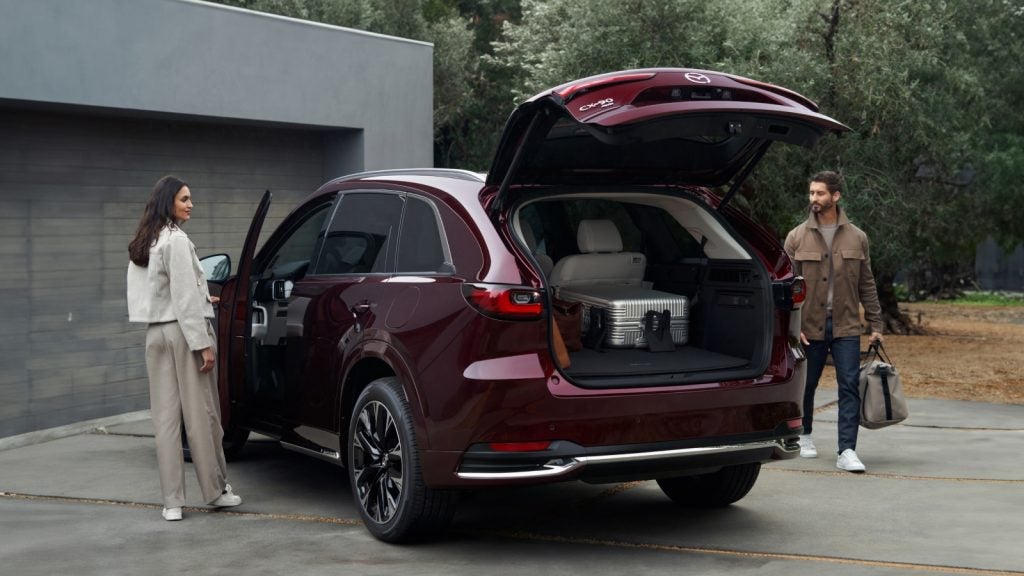
In the diverse world of automotive options, the choice of a vehicle often comes down to individual preferences, lifestyle, and specific needs. While small cars have their own set of advantages, large vehicles offer a distinct array of benefits that cater to a different set of priorities. In this blog, we'll explore the compelling reasons why buying a large vehicle might be the ideal choice for you. Spacious Interior One of the primary advantages of large vehicles is their spacious interior. Whether you have a growing family, frequently transport passengers, or simply enjoy the luxury of ample legroom, large vehicles, such as SUVs or minivans, provide a more comfortable and accommodating space for occupants. The expansive interiors also make them well-suited for long road trips, offering comfort and flexibility for both driver and passengers. Cargo Capacity Large vehicles excel when it comes to cargo capacity. If you find yourself regularly hauling sports equipment, furniture, or other sizable items, a large vehicle provides the necessary cargo space. SUVs and trucks, in particular, often come equipped with features like fold-flat seats and spacious cargo areas, making them versatile for both daily tasks and larger projects. Towing Capability For individuals who require the ability to tow trailers, boats, or campers, a large vehicle, such as a pickup truck or SUV, is the go-to choice. These vehicles are designed with towing capabilities that allow you to transport heavy loads with ease, expanding your options for recreational activities or work-related tasks. Enhanced Safety Features Large vehicles often come equipped with advanced safety features and technologies. From robust structural designs to a plethora of safety enhancements such as lane departure warning, collision avoidance systems, and multiple airbags, these vehicles prioritize the safety of both driver and passengers. The elevated driving position in SUVs also provides better visibility on the road. Off-Road Capability For those who enjoy off-road adventures, a large vehicle with four-wheel drive or all-wheel drive capability is a game-changer. Trucks and SUVs designed for off-road use can handle rough terrain, providing the freedom to explore beyond paved roads. Whether it's camping in the mountains or traversing through challenging landscapes, a large, rugged vehicle is up to the task. Commanding Presence The sheer size and presence of a large vehicle can instill a sense of confidence and security on the road. The elevated driving position not only provides better visibility but also contributes to a commanding presence, which can be advantageous in various driving situations. This sense of assurance can be particularly appealing to drivers who value a robust and imposing vehicle on the road. Individual Preferences While the decision to buy a large vehicle ultimately depends on individual preferences and requirements, the unique benefits they offer make them an attractive choice for many drivers. From spacious interiors and towing capabilities to advanced safety features and off-road prowess, large vehicles cater to a diverse range of needs and preferences. As you contemplate your next automotive purchase, consider the advantages of a large vehicle and whether they align with your lifestyle and priorities on the road.

Mazda CX-5 vs. Mazda CX-90: Which SUV Suits Your Lifestyle?

Choosing the right SUV can be a daunting task, especially with the impressive lineup that Mazda offers. Two of their standout models for 2024 are the Mazda CX-5 and the Mazda CX-90. Both vehicles exemplify Mazda's commitment to quality, performance, and style. In this blog post, we'll delve into a detailed comparison of these two remarkable SUVs to help you decide which one is the perfect fit for your needs. Introducing the 2024 Mazda CX-5 The 2024 Mazda CX-5 for sale continues to be a favorite among SUV enthusiasts. Known for its sleek design, spacious interior, and advanced safety features, the CX-5 is a versatile vehicle that caters to families and adventurers alike. It offers a balanced combination of performance and luxury, making it a popular choice in the compact SUV market. Introducing the 2024 Mazda CX-90 The 2024 Mazda CX-90 for sale is the latest addition to Mazda's SUV lineup, boasting cutting-edge technology and a refined design. It is designed to provide an elevated driving experience with its advanced features and superior craftsmanship. The CX-90 offers more space, power, and luxury, positioning itself as a top contender in the full-size SUV segment. Performance Specs Mazda CX-5 Performance The standard 2024 Mazda CX-5 is powered by a 2.5-liter engine that delivers 187 horsepower and 185 lb-ft of torque. Some Cx-5 trims give way to a 2.5 liter turbocharged engine that delivers 256 horsepower. Both of these engines provide a smooth and responsive driving experience, whether you're navigating city streets or cruising on the highway. The CX-5's Skyactiv®-Vehicle Dynamics with G-Vectoring Control ensures precise handling and stability, making every drive enjoyable. Mazda CX-90 Performance On the other hand, the 2024 Mazda CX-90 takes performance to the next level with its 3.3-liter inline-six engine, producing 340 horsepower and 369 lb-ft of torque. This powerful engine is paired with Mazda's i-Activ AWD® system, providing exceptional traction and control in various driving conditions. The CX-90's enhanced suspension system offers a smooth and comfortable ride, even on rough terrain. Interior Comparison Mazda CX-5 Interior The Mazda CX-5 interior is designed with comfort and convenience in mind. It offers seating for up to five passengers. The premium materials and attention to detail are evident throughout the cabin, with features like leather-trimmed seats, a 10.25-inch center display, and a Bose® 10-speaker audio system. The CX-5 also provides ample cargo space, making it ideal for family trips and daily commutes. Mazda CX-90 Interior The Mazda CX-90 interior takes luxury to a new level. It features a spacious and elegant cabin with seating for up to eight passengers. High-quality materials, including Nappa leather and genuine wood accents, create a sophisticated atmosphere. The CX-90's interior is equipped with a 12.3-inch digital gauge display, a 12.3-inch center display, and a premium audio system from Bose®. The second and third rows offer generous legroom, ensuring comfort for all passengers. Feature Comparison Mazda CX-5 Features The 2024 Mazda CX-5 comes loaded with advanced features designed to enhance your driving experience. It includes Mazda's i-Activsense® safety suite, featuring adaptive cruise control, blind-spot monitoring, and lane-keeping assist. The CX-5 also offers Apple CarPlay® and Android Auto™ integration, allowing you to stay connected on the go. Additionally, the available hands-free power liftgate adds convenience when loading and unloading cargo. Mazda CX-90 Features The 2024 Mazda CX-90 raises the bar with its extensive list of features. In addition to the i-Activsense® safety suite, the CX-90 includes a 360-degree view monitor, front and rear parking sensors, and Traffic Jam Assist. The SUV also boasts wireless Apple CarPlay® and Android Auto™ integration, a wireless charging pad, and a head-up display. The CX-90's panoramic sunroof and ambient lighting further enhance the luxurious feel of the interior. Conclusion Both the 2024 Mazda CX-5 and Mazda CX-90 offer exceptional performance, luxurious interiors, and advanced features. The choice between the two ultimately depends on your specific needs and preferences. If you're looking for a compact SUV with a blend of performance and comfort, the Mazda CX-5 is an excellent choice. However, if you desire a full-size SUV with more power, space, and luxury, the Mazda CX-90 is the way to go.Ready to experience the Mazda CX-5 or Mazda CX-90 for yourself? Visit Beach Mazda today! Our knowledgeable staff is here to help you find the perfect vehicle to fit your lifestyle. Don't forget to ask about our finance center, where we offer competitive rates and flexible terms. Plus, our service center is dedicated to keeping your Mazda running smoothly for years to come.

bm4-title

Road to Ownership: Efficient Strategies for Saving Money for Your Car Down-payment

Embarking on the journey to own a car is an exciting but financially demanding endeavor. One of the initial hurdles many individuals face is saving for a down-payment. However, with strategic planning and disciplined saving, you can efficiently accumulate the funds needed to make your dream car a reality. In this blog, we'll explore practical and effective strategies for saving money efficiently towards your car down-payment. Establish a Clear Budget Before you can start saving, it's essential to have a clear understanding of your financial situation. Create a detailed budget that outlines your income, expenses, and savings goals. Identify areas where you can cut unnecessary spending and allocate those funds toward your down-payment goal. Set a Realistic Down-payment Goal Determine the amount you need for your down-payment based on the car you want and your financial capacity. A common recommendation is aiming for a down-payment of at least 10-20% of the car's total cost. Setting a realistic goal provides a tangible target and motivates you to stay on track. Open a Dedicated Savings Account Consider opening a separate savings account specifically for your car down-payment. This helps prevent the mingling of funds with other expenses and allows you to monitor your progress easily. Some banks even offer high-interest savings accounts that can help your money grow over time. Automate Your Savings Take advantage of technology by setting up automatic transfers to your dedicated savings account. Schedule regular transfers, such as monthly or bi-weekly, to ensure a consistent and disciplined approach to saving. Automation eliminates the temptation to spend the money elsewhere. Cut Unnecessary Expenses Identify non-essential expenses in your budget that can be temporarily reduced or eliminated. This could include dining out less, canceling subscription services you don't use, or finding more cost-effective alternatives for everyday purchases. Redirect the money saved towards your down-payment fund. Side Hustles and Additional Income Streams Explore opportunities to increase your income through side hustles or part-time jobs. Freelancing, consulting, or taking on temporary gigs can provide an extra source of income dedicated to your down-payment goal. Every additional dollar earned brings you closer to your dream car. Take Advantage of Windfalls Whenever you receive unexpected money, such as tax refunds, work bonuses, or gifts, resist the urge to splurge. Instead, allocate a portion or the entirety of these windfalls to your down-payment fund. This accelerates your savings progress without impacting your regular budget. Monitor and Adjust Your Plan Regularly review your budget and savings plan to ensure you're on track. If your financial situation changes or unexpected expenses arise, be flexible in adjusting your strategy. Consistent monitoring allows you to stay proactive and adapt to evolving circumstances. Discipline, Commitment and Strategic Planning Saving money for a car down-payment requires discipline, commitment, and strategic planning. By setting clear goals, establishing a dedicated savings plan, and making conscious financial choices, you can efficiently accumulate the funds needed to turn your car ownership dreams into reality. Stay focused, stay disciplined, and watch as your down-payment fund grows steadily over time. Happy saving!

bm3-title

Navigating the Maze: A Comprehensive Guide to Comparing Car Insurance Companies

Choosing the right car insurance company is a crucial step in ensuring your peace of mind on the road. With a plethora of options available, understanding how car insurance companies compare is essential for making an informed decision. In this blog, we'll explore key factors to consider when evaluating and comparing car insurance providers to find the one that best suits your needs. Financial Stability Why It Matters: A financially stable insurance company is more likely to fulfill its financial obligations and pay claims promptly. Financial stability is a key indicator of an insurer's reliability and long-term viability. How to Assess: Review financial ratings from independent rating agencies such as A.M. Best, Moody's, or Standard & Poor's. These ratings provide insights into an insurer's financial health and stability. Customer Service Why It Matters: Responsive and helpful customer service is crucial when navigating the claims process or seeking assistance. A company with excellent customer service ensures a smoother experience during critical moments. How to Assess: Read customer reviews and testimonials to gauge the experiences of other policyholders. Consider factors such as ease of communication, speed of claims processing, and overall satisfaction. Coverage Options Why It Matters: Different drivers have unique needs, and a good insurance company offers a range of coverage options to cater to diverse situations. The ability to tailor your coverage ensures you get the protection you need. How to Assess: Review the types of coverage offered, including liability, comprehensive, collision, uninsured/underinsured motorist coverage, and additional options. Ensure that the company provides the flexibility to customize your policy. Discounts and Incentives Why It Matters: Discounts and incentives can significantly impact the overall cost of your policy. Companies that offer a variety of discounts can help you save money on premiums. How to Assess: Inquire about available discounts, such as safe driver discounts, multi-policy discounts, good student discounts, and discounts for safety features in your vehicle. Compare the range of discounts offered by different insurers. Claims Handling Why It Matters: Efficient claims processing is crucial during stressful situations like accidents or damage to your vehicle. A company with a streamlined claims process ensures timely resolution and support. How to Assess: Investigate the claims process, including how to file a claim, the average time it takes for claims to be processed, and the overall customer satisfaction with the claims handling process. Premium Costs Why It Matters: Premium costs are a significant factor in choosing an insurance provider. While affordability is essential, it's crucial to strike a balance between cost and the coverage provided. How to Assess: Obtain quotes from multiple insurers and compare premium costs. Consider the coverage limits, deductibles, and any discounts offered to ensure a comprehensive understanding of the overall cost. Online Tools and Resources Why It Matters: An insurance company with user-friendly online tools and resources can enhance your overall experience. Online platforms for policy management, claims tracking, and customer support contribute to convenience. How to Assess: Explore the insurer's website and online resources. Check for the availability of tools like online quotes, policy management platforms, and mobile apps that simplify the insurance process. Reputation and Reviews Why It Matters: A company's reputation is a reflection of its reliability and the experiences of its customers. Choosing a reputable insurer increases the likelihood of a positive overall insurance experience. How to Assess: Read reviews on independent review platforms and consider ratings from consumer satisfaction surveys. Look for patterns in customer feedback to gain insights into the strengths and potential weaknesses of each insurer. Coverage Area and Accessibility Why It Matters: Ensuring that your insurance company operates in your geographic area and has accessible offices or representatives can be crucial for in-person assistance or local support. How to Assess: Confirm that the insurer operates in your state and assess the availability of local offices or agents. Consider whether the company's accessibility aligns with your preferences for in-person assistance. Additional Services and Benefits Why It Matters: Some insurance companies offer additional services and benefits, such as roadside assistance, rental car coverage, or discounts on affiliated services. These extras can add value to your policy. How to Assess: Explore any additional services or benefits offered by the insurer and evaluate their relevance to your needs. Consider whether these extras contribute to a more comprehensive and valuable insurance package. Thorough Evaluation Comparing car insurance companies involves a thorough evaluation of various factors, from financial stability and customer service to coverage options and premium costs. By considering these key aspects and conducting thorough research, you can make an informed decision that aligns with your unique needs and preferences

bm2-title

Beyond Luxury: Unveiling the Most Expensive Vehicles to Own in the United States

Owning a vehicle extends beyond the initial purchase price, as factors like maintenance, fuel, insurance, and depreciation contribute to the overall cost of ownership. For those seeking the epitome of automotive luxury and performance, certain vehicles stand out as the most expensive to own in the United States. In this blog, we'll explore these exclusive rides, delving into the realms of opulence, power, and the accompanying financial commitment. Bugatti Veyron Ownership Costs: The Bugatti Veyron, known for its unparalleled speed and craftsmanship, comes with a hefty price tag. With a starting price well into the millions, maintenance, insurance, and fuel costs elevate the overall ownership expense. Lamborghini Aventador Ownership Costs: The Lamborghini Aventador, an icon in the world of supercars, boasts a striking design and formidable performance. However, its high maintenance costs, premium insurance rates, and thirst for fuel contribute to its status as one of the most expensive vehicles to own. Rolls-Royce Phantom Ownership Costs: The epitome of luxury, the Rolls-Royce Phantom, demands a considerable investment in ownership. The exclusivity and meticulous craftsmanship come at a price, not only in terms of the initial purchase but also in ongoing maintenance and premium insurance costs. Ferrari SF90 Stradale Ownership Costs: The Ferrari SF90 Stradale represents the pinnacle of Ferrari's engineering prowess, blending performance and electrification. However, its advanced technology, bespoke components, and specialized maintenance contribute to its high cost of ownership. Porsche 911 Turbo S Ownership Costs: While the Porsche 911 Turbo S is a sports car icon, its elevated performance and luxury features contribute to higher ownership costs. Routine maintenance, premium fuel, and insurance for this high-performance machine are part of the overall expense. Bentley Bentayga Ownership Costs: The Bentley Bentayga, an ultra-luxurious SUV, offers opulence and performance. However, its elevated maintenance costs, premium fuel requirements, and high-end insurance contribute to its status as one of the most expensive vehicles to own. Tesla Model X Performance Ownership Costs: While electric vehicles are often associated with lower operating costs, the Tesla Model X Performance, with its cutting-edge technology and high-performance features, can still be expensive to own. Maintenance, insurance, and charging infrastructure requirements contribute to its overall cost of ownership. Mercedes-Benz Maybach S650 Ownership Costs: The Mercedes-Benz Maybach S650 stands as a symbol of automotive luxury and comfort. However, its premium features, advanced technology, and specialized maintenance contribute to its position among the most expensive vehicles to own. Factors Contributing to High Ownership Costs Exclusive Components: Luxury and high-performance vehicles often feature exclusive and specialized components, leading to higher costs for replacement and maintenance. Specialized Maintenance: The intricate engineering and advanced technology in these vehicles may require specialized technicians and maintenance procedures, contributing to higher service costs. High-Performance Fuel: Some of these vehicles demand high-performance fuel, which comes at a premium compared to regular gasoline. Premium Insurance Rates: The cost of insuring these high-value vehicles with advanced features and technology contributes significantly to the overall ownership expense. Ongoing Financial Commitment Owning the most expensive vehicles in the United States goes beyond the initial awe-inspiring purchase price. The unparalleled luxury, performance, and exclusivity of these vehicles come with ongoing financial commitments, making them a choice reserved for those who seek the pinnacle of automotive excellence and are willing to bear the associated costs. As automotive technology continues to advance, these costs may evolve, but for now, these vehicles remain the epitome of opulence and extravagance on American roads.

bm1-title-pic

Ready, Set, Road Trip: A Comprehensive Guide to Getting Your Vehicle Adventure-Ready

Embarking on a road trip is an exhilarating experience, and ensuring your vehicle is in top-notch condition is crucial for a smooth and enjoyable journey. Before you hit the open road, it's essential to prepare your car for the adventure ahead. In this blog post, we'll provide a comprehensive guide to getting your vehicle road trip ready. Perform a Thorough Inspection Before anything else, conduct a comprehensive inspection of your vehicle. Check the following: Fluid Levels: Ensure that engine oil, transmission fluid, brake fluid, coolant, and windshield washer fluid levels are appropriate. Tire Condition: Inspect tire tread depth, look for signs of uneven wear, and ensure all tires are properly inflated, including the spare. Brakes: Check the brake pads and rotors for wear. If you hear unusual noises or experience braking issues, have the brakes inspected. Lights and Signals: Verify that all lights, including headlights, brake lights, turn signals, and hazard lights, are functioning correctly. Battery: Test the battery's charge and inspect for any signs of corrosion on the terminals. Change the Oil and Filter Schedule an oil change if you're due for one. Fresh oil and a clean filter help ensure optimal engine performance during the road trip. Check the manufacturer's recommendations for the appropriate oil type and change interval. Check the Cooling System A well-functioning cooling system is vital for preventing overheating during long drives. Inspect the radiator, hoses, and coolant levels. If the coolant hasn't been changed in a while, consider flushing and refilling the system. Inspect the Brakes Brakes are crucial for safety, especially on long journeys. If you notice any signs of brake issues, such as squeaking or grinding noises, or if it's been a while since your last brake inspection, schedule a checkup. Replace brake pads or rotors as needed. Replace Wiper Blades and Fluid Clear visibility is essential for safe driving. Replace worn-out wiper blades and ensure the windshield washer fluid reservoir is filled. Summer road trips may involve unexpected rain showers, and having efficient wipers is crucial. Test the Air Conditioning A functional air conditioning system ensures a comfortable driving experience, especially during hot summer months. Test the AC system to ensure it's cooling effectively. If there are issues, schedule a professional inspection and recharge if necessary. Inspect the Suspension and Alignment A smooth ride is essential for a comfortable road trip. Check for signs of uneven tire wear, vibrations, or pulling to one side, as these could indicate issues with the suspension or wheel alignment. Address any problems before hitting the road. Pack an Emergency Kit Prepare for unexpected situations by packing an emergency kit that includes: Jumper cables Spare tire, jack, and lug wrench Flashlight with extra batteries Basic tools (screwdrivers, pliers) First aid kit Reflective triangles or flares Tire pressure gauge Verify Insurance and Documents Ensure your vehicle's insurance is up to date and pack all necessary documents, including: Driver's license Vehicle registration Insurance card Roadside assistance information Plan Your Route and Stops Plan your route in advance, considering rest stops, meals, and attractions along the way. Having a well-thought-out itinerary enhances the overall road trip experience. Address Issues Early Getting your vehicle road trip ready involves a combination of preventive maintenance, thorough inspections, and proper planning. By taking the time to address any potential issues and prepare for the unexpected, you'll not only ensure a safe and reliable journey but also set the stage for unforgettable adventures on the open road. Safe travels!

e5liuyhqpeiuhqprghpruigh

Driving Towards Tomorrow: The Auto Industry's Integration of Sustainability

In an era where environmental consciousness is at the forefront of global concerns, the automotive industry is steering towards a sustainable future. Automakers worldwide are embracing the challenge to reduce their carbon footprint, minimize environmental impact, and innovate towards more eco-friendly practices. In this blog, we'll explore how the auto industry is integrating sustainability across various aspects of design, manufacturing, and operation. Electric Vehicle Revolution At the forefront of the automotive sustainability movement is the rapid rise of electric vehicles (EVs). Major automakers are investing heavily in EV technology, producing models that offer zero-emission driving. These vehicles utilize clean energy sources, such as electricity, and contribute significantly to reducing greenhouse gas emissions and dependence on fossil fuels. Hybrid Technologies Hybrid vehicles, combining traditional internal combustion engines with electric power, bridge the gap between conventional and electric cars. Hybrid technologies enhance fuel efficiency, reduce emissions, and provide consumers with a transitional option towards a fully electric future. Advancements in Fuel Efficiency Automakers are continually improving the fuel efficiency of internal combustion engine vehicles. Through innovations in engine design, lightweight materials, and aerodynamics, new cars are achieving higher miles per gallon (MPG) ratings, resulting in reduced fuel consumption and emissions. Materials Innovation The auto industry is exploring sustainable materials for vehicle construction. Lightweight, recycled, and bio-based materials are being integrated into car manufacturing to reduce environmental impact. Additionally, the use of eco-friendly materials aligns with the principles of a circular economy, promoting resource efficiency and recycling. Renewable Energy in Manufacturing Sustainable practices extend to the manufacturing process itself. Many automakers are adopting renewable energy sources, such as solar and wind power, to meet the energy needs of their production facilities. This shift towards cleaner energy helps reduce the carbon footprint associated with the manufacturing of vehicles. Reducing Waste and Recycling Efforts to minimize waste and increase recycling are becoming integral to automotive manufacturing. From recycling production materials to implementing eco-friendly disposal methods, automakers are striving to reduce the environmental impact of their operations. Closed-loop recycling systems are being implemented to create a more sustainable production cycle. Eco-Friendly Supply Chains Automakers are placing increased emphasis on sustainability within their supply chains. Collaborating with suppliers committed to environmentally responsible practices, such as ethical sourcing of materials and reduced energy consumption, contributes to a more sustainable and socially responsible automotive industry. Green Certifications and Standards Many automakers are seeking and obtaining green certifications for their facilities and products. Certifications, such as ISO 14001 for environmental management and LEED (Leadership in Energy and Environmental Design) for building sustainability, showcase a commitment to meeting stringent environmental standards. Embracing Circular Economy Principles The concept of a circular economy is gaining traction in the automotive industry. Manufacturers are exploring ways to design products for longevity, reuse, and recycling. This approach aims to minimize waste and extend the life cycle of automotive components, contributing to a more sustainable and resource-efficient industry. Consumer Education and Engagement Sustainability efforts in the auto industry extend to consumer education and engagement. Automakers are providing information about eco-friendly driving practices, the environmental impact of vehicle choices, and the benefits of choosing sustainable transportation options. This education empowers consumers to make informed decisions that align with their environmental values. Paving the Way to a Sustainable Drive The integration of sustainability in the automotive industry signifies a commitment to a greener, more environmentally conscious future. From electric vehicles and hybrid technologies to eco-friendly manufacturing practices and supply chain sustainability, the auto industry is navigating a transformative journey. As consumers increasingly prioritize sustainability, automakers are not only meeting regulatory standards but also driving innovation towards a future where mobility and environmental responsibility coexist harmoniously on the road ahead.

Mazda3 vs Honda Civic: Which Compact Car is For You?

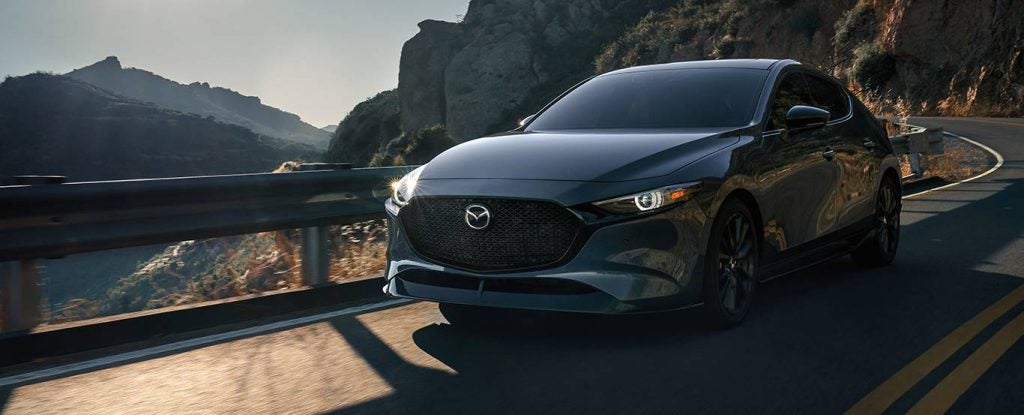
Regarding compact sedans that blend performance, reliability, and style, the Mazda3 and Honda Civic stand out as top contenders. Both vehicles have garnered a reputation for delivering exceptional value and driving experiences, making them popular choices among car enthusiasts and everyday drivers alike. The Mazda3, known for its sleek design and engaging driving dynamics, often appeals to those who prioritize a sporty feel and upscale features. In contrast, the Honda Civic, with its long-standing history of dependability and fuel efficiency, attracts buyers seeking practicality and innovation. This comparison delves into the key differences and similarities between the Mazda3 and Honda Civic, helping prospective buyers determine which vehicle best suits their needs and preferences. Performance When comparing the performance of the Mazda3 and Honda Civic, both vehicles offer impressive capabilities that cater to different driving preferences. The Mazda3 is celebrated for its agile handling and responsive engine options, providing a sporty and exhilarating driving experience. On the other hand, the Honda Civic is renowned for its balanced performance, combining reliable acceleration with exceptional fuel efficiency. Mazda3 Performance The Mazda3 delivers a compelling performance that appeals to driving enthusiasts and everyday commuters alike. Its standard 2.5-liter four-cylinder engine produces a robust 186 horsepower and 186 lb-ft of torque, ensuring a spirited and responsive drive. For those seeking even more power, the turbocharged variant boasts an impressive 250 horsepower and 320 lb-ft of torque when using premium fuel, significantly enhancing acceleration and overall performance. The Mazda3's finely tuned suspension and precise steering further contribute to its reputation for agile handling and an engaging driving experience, making it a standout in the compact sedan segment. Honda Civic Performance The Honda Civic is celebrated for its balanced performance, combining efficiency with sufficient power to satisfy most drivers. The base model comes equipped with a 2.0-liter four-cylinder engine that delivers 158 horsepower and 138 lb-ft of torque, providing a reliable and smooth driving experience. For those desiring more performance, the 1.5-liter turbocharged four-cylinder engine option produces a notable 180 horsepower and 177 lb-ft of torque, ensuring brisk acceleration and enhanced driving dynamics. The Civic's refined suspension system and responsive steering further contribute to its well-rounded performance, making it an excellent choice for both city commuting and spirited driving. Reliability Reliability is a crucial factor for car buyers, ensuring peace of mind and long-term satisfaction. Both the Mazda3 and Honda Civic have earned strong reputations for dependability, making them popular choices in the compact car segment. The Mazda3 is praised for its durable build quality and consistent performance over time, while the Honda Civic is renowned for its longevity and low maintenance costs. Mazda3 Reliability According to U.S. News, the 2024 Mazda3 scored an 8.5/10 on overall reliability. The Mazda3 is highly regarded for its reliability, often cited as a top choice for drivers seeking a dependable vehicle. Mazda's commitment to quality engineering ensures that the Mazda3's components are built to last, minimizing the frequency and cost of repairs. The car's sturdy construction and use of high-quality materials contribute to its durability, allowing it to withstand daily wear and tear effectively. Additionally, the Mazda3 consistently performs well in reliability surveys and consumer reports, reinforcing its reputation as a trustworthy vehicle. Honda Civic Reliability Much like the Mazda3, the 2024 Honda Civic scored a similar score of 8.7/10 for overall reliability. The Honda Civic is renowned for its exceptional reliability, making it a perennial favorite among compact car buyers. Its reputation for longevity and low maintenance costs is backed by decades of consistent performance and high rankings in reliability surveys. The Civic's engineering excellence ensures that its components are durable and less prone to failure, translating into fewer trips to the mechanic and lower ownership costs over time. Interior The interior quality of a car significantly impacts the overall driving experience, blending comfort, technology, and design into a cohesive environment. Both the Mazda3 and Honda Civic excel in this aspect, offering well-crafted interiors that cater to different tastes and needs. The Mazda3 is known for its upscale, driver-focused cabin with premium materials and a sophisticated design. In contrast, the Honda Civic provides a spacious, user-friendly interior with practical features and modern technology. Mazda3 Interior The Mazda3's interior is a testament to Mazda's commitment to luxury and driver-centric design, often rivaling more expensive brands. The cabin is crafted with high-quality materials, including soft-touch surfaces and available leather upholstery, giving it a premium feel. The minimalist dashboard features a sleek, horizontally oriented layout that enhances the sense of space and elegance. Key interior features include an 8.8-inch infotainment display with a user-friendly rotary controller, Apple CarPlay, Android Auto, and a Bose premium audio system in higher trims. Additionally, the Mazda3 offers comfortable, supportive seating and an intuitive climate control system, ensuring a refined and enjoyable driving experience for both the driver and passengers. Honda Civic Interior The Honda Civic boasts a spacious and well-appointed interior that prioritizes functionality and comfort. Its cabin design emphasizes ergonomics, with intuitive controls and ample storage options throughout. The Civic offers supportive seating with generous legroom and headroom for both front and rear passengers, making it a practical choice for long journeys. Interior features include a user-friendly infotainment system with a standard 7-inch touchscreen display, Apple CarPlay, Android Auto, and available navigation. Higher trim levels may offer additional amenities such as leather upholstery, a power-adjustable driver's seat, and a premium audio system. With its thoughtful design and abundance of tech-savvy features, the Honda Civic provides a pleasant and convenient driving environment for occupants. Cargo Space Cargo space is a crucial consideration for car buyers, especially those who prioritize practicality and versatility in their vehicles. Both the Mazda3 and Honda Civic offer ample cargo capacity within the compact sedan segment, catering to various storage needs. From grocery runs to weekend getaways, the ability to accommodate luggage, groceries, sports gear, and other items enhances the overall utility of these vehicles. Mazda3 Cargo Space The Mazda3 impresses with its thoughtful design and ample cargo space, making it a practical choice for everyday use. Its well-engineered trunk offers a generous 13.2 cubic feet of cargo capacity in the sedan model, providing plenty of room for luggage, groceries, or sports equipment. The hatchback variant expands on this versatility with even more storage room, offering up to 20.1 cubic feet behind the rear seats and a maximum of 47.1 cubic feet with the rear seats folded down. Additionally, the Mazda3 features split-folding rear seats, allowing for customizable configurations to accommodate larger items while still providing seating for passengers. Honda Civic Cargo Space The Honda Civic offers cargo space and practical storage solutions, enhancing its versatility for everyday use. In the sedan model, the Civic provides a spacious trunk with 15.1 cubic feet of cargo capacity, accommodating groceries, luggage, and other items with ease. The hatchback variant of the Civic further amplifies its cargo-carrying capabilities, offering up to 25.7 cubic feet of cargo space behind the rear seats and a maximum of 46.2 cubic feet with the rear seats folded down. This flexibility allows drivers to transport larger items or gear for outdoor adventures without sacrificing passenger comfort. Additionally, the Civic features split-folding rear seats, enabling various configurations to optimize cargo room while still accommodating passengers. Handling Handling is a critical aspect of the driving experience, influencing a vehicle's agility, stability, and overall responsiveness on the road. Both the Mazda3 and Honda Civic are known for their commendable handling characteristics within the compact car segment, offering drivers a blend of precision and comfort. From navigating city streets to tackling winding roads, superior handling enhances confidence behind the wheel and contributes to an enjoyable driving experience. Mazda3 Handling The Mazda3 sets itself apart with its exceptional handling, delivering a dynamic and engaging driving experience that appeals to enthusiasts and everyday drivers alike. Its finely tuned suspension system and responsive steering provide precise control and confidence-inspiring agility, allowing the Mazda3 to navigate corners with ease and tackle twisty roads with poise. Whether cruising on the highway or maneuvering through tight city streets, the Mazda3 maintains a composed and balanced demeanor, ensuring a smooth and enjoyable ride for occupants. Additionally, the Mazda3's well-weighted steering and minimal body roll contribute to its sporty feel, enhancing driver involvement and overall driving satisfaction. Honda Civic Handling The Honda Civic is renowned for its composed and predictable handling, offering a balanced blend of comfort and agility that appeals to a wide range of drivers. Its well-tuned suspension system effectively absorbs bumps and imperfections in the road, providing a smooth and controlled ride quality. The Civic's precise steering offers responsive feedback, allowing drivers to confidently navigate through tight turns and corners with ease. Whether cruising along the highway or navigating urban environments, the Civic maintains stability and poise, instilling confidence in its handling capabilities. Visit Beach Mazda & Test Drive a New Mazda3 If you're in Myrtle Beach, SC, and eager to experience the exhilarating performance and sophisticated design of the Mazda3 firsthand, a visit to Beach Mazda is a must. Conveniently located in the heart of Myrtle Beach, our dealership offers a wide selection of Mazda3 models ready for test drives. Step into our showroom, where our friendly and knowledgeable staff will guide you through our inventory, helping you find the Mazda3 trim that suits your preferences and lifestyle. Plus, if you're considering trading in your current vehicle, we offer hassle-free appraisal services to ensure you receive the best value. Don't miss out on the opportunity to elevate your driving experience with the Mazda3 at Beach Mazda—stop by today to test drive and value your trade-in!

e5yhwrthoiqryiqu45h09uqrthijrg

Eyes on the Road: Exploring the Best Dashboard Cameras for Your Vehicle

Introduction: In the age of advanced technology, having a dashboard camera, or dash cam, in your vehicle is becoming increasingly popular. These compact devices capture real-time footage of your journey, providing not only a sense of security but also valuable evidence in case of incidents. In this blog, we'll delve into the world of dashboard cameras, exploring the best options available to equip your vehicle with an extra set of vigilant eyes. 1. Vantrue N2 Pro Dual Dash Cam Why It's Great: The Vantrue N2 Pro is renowned for its dual-camera setup, capturing both the road ahead and the interior of your vehicle. It boasts impressive video quality, night vision capability, and a user-friendly design. Key Features: Dual 1080p resolution cameras. Infrared night vision for clear footage in low-light conditions. Loop recording and G-sensor for incident detection. 2. Garmin Dash Cam 66W Why It's Great: Garmin is a trusted name in navigation, and their Dash Cam 66W combines reliability with advanced features. This compact dash cam offers a wide-angle lens, 1440p resolution, and built-in GPS for location tracking. Key Features: 180-degree field of view for comprehensive coverage. Voice control for hands-free operation. Automatic incident detection and recording. 3. Nextbase 522GW Dash Cam Why It's Great: The Nextbase 522GW stands out for its impressive 1440p resolution, touch screen display, and compatibility with Amazon's Alexa. It also supports add-on modules for features like rear-view recording and cabin view. Key Features: Emergency SOS feature for immediate response in case of an accident. Intelligent Parking Mode for surveillance when your vehicle is parked. Quick-Link Wi-Fi for easy file transfer and sharing. 4. Rexing V1-4K Ultra HD Car Dash Cam Why It's Great: The Rexing V1-4K delivers ultra HD video quality at an affordable price. Its discreet design, loop recording, and reliable performance make it a popular choice among budget-conscious users. Key Features: 4K resolution for crisp and clear video footage. Wide dynamic range (WDR) for enhanced low-light performance. Loop recording and G-sensor for incident capture. 5. BlackVue DR900S-2CH Dash Cam Why It's Great: BlackVue is synonymous with high-quality dash cams, and the DR900S-2CH is no exception. It offers 4K front camera recording and a Full HD rear camera, along with cloud connectivity for remote access to footage. Key Features: 4K UHD front camera and Full HD rear camera. Built-in GPS and Wi-Fi for location tracking and easy file access. Cloud connectivity for real-time notifications and remote viewing. 6. Thinkware U1000 4K Dual Channel Dash Cam Why It's Great: The Thinkware U1000 boasts 4K UHD resolution, making it one of the highest-quality dash cams on the market. It comes equipped with advanced safety features and a comprehensive parking surveillance mode. Key Features: 4K UHD front and 2K QHD rear cameras for exceptional video clarity. Super Night Vision and Energy Saving Parking Mode. Advanced driver assistance system (ADAS) with lane departure and forward collision warnings. 7. VIOFO A129 Pro Duo 4K Dual Dash Cam Why It's Great: The VIOFO A129 Pro Duo is a compact yet powerful dual-channel dash cam offering 4K UHD resolution for both front and rear cameras. It features reliable performance, GPS logging, and built-in Wi-Fi for easy file management. Key Features: 4K UHD front and rear cameras with Sony image sensors. Buffered parking mode for capturing events before and after triggered incidents. CPL filter for reducing glare and improving video quality. 8. Anker Roav DashCam C2 Pro Why It's Great: Anker's Roav DashCam C2 Pro is a budget-friendly option that doesn't compromise on essential features. It offers 1080p resolution, a wide-angle lens, and built-in GPS for accurate location tracking. Key Features: Full HD 1080p resolution with a 145-degree wide-angle lens. Gravity sensor for automatic incident detection and recording. Compact design with a user-friendly interface. 9. Rove R2-4K Dash Cam Why It's Great: The Rove R2-4K stands out for its 4K UHD recording capability at an affordable price. It features built-in Wi-Fi, loop recording, and a compact design that won't obstruct your view. Key Features: 4K UHD resolution for sharp and detailed video footage. Built-in Wi-Fi for easy file transfer and mobile app connectivity. Loop recording and G-sensor for incident detection. 10. Aukey Dash Cam Dual Why It's Great: Aukey's Dual Dash Cam offers budget-friendly dual-camera functionality with Full HD recording for both the front and rear views. It features a compact design, loop recording, and a user-friendly interface. Key Features: Full HD 1080p resolution for both front and rear cameras. Loop recording and G-sensor for automatic incident capture. Super capacitor for reliable performance in various temperatures. Safety and Peace of Mind Investing in a reliable dashboard camera is a prudent decision for both safety and peace of mind. The best dashboard camera for your vehicle depends on your specific needs, budget, and desired features. Whether you prioritize 4K resolution, dual-channel recording, or smart connectivity, the options listed above cater to a variety of preferences, ensuring you find the perfect dash cam to document your journeys on the road.

qeryqerhqrthqrthtrh

Navigating the Road to Ownership: Understanding Down Payments for Car Financing

Embarking on the journey to finance a car involves several key decisions, and one of the initial considerations is the down payment. The down payment plays a significant role in determining the terms of your auto loan and can impact your monthly payments and overall financial commitment. In this blog, we'll delve into the factors that influence the required down payment and offer insights into making informed decisions when financing a car. Understanding Down Payments A down payment is the initial upfront payment made when purchasing a car through financing. It is typically expressed as a percentage of the total car price and is paid at the time of the purchase. Factors Influencing Down Payment Requirements Credit Score Your credit score is a crucial factor in determining the down payment amount. A higher credit score often allows for lower down payment requirements, as it reflects a lower perceived risk for lenders. Lender Policies Different lenders may have varying policies regarding down payments. Some lenders may have specific requirements, while others may offer more flexibility based on your creditworthiness. Car Price and Loan Amount The total cost of the car and the loan amount requested influence the down payment. A larger down payment may be required for more expensive vehicles or when financing a smaller portion of the total cost. Loan Terms The length of the loan term can affect down payment requirements. Some lenders may require a higher down payment for longer loan terms to mitigate the risk associated with extended repayment periods. Typical Down Payment Range While down payment requirements can vary, a common industry standard is around 10-20% of the car's purchase price. However, some lenders may accept lower down payments, especially for buyers with strong credit histories. Advantages of a Higher Down Payment Lower Monthly Payments A higher down payment results in a lower loan amount, reducing your monthly payments. Lower Interest Costs With a substantial down payment, you may qualify for a lower interest rate, leading to overall savings on interest costs throughout the loan term. Faster Loan Approval A significant down payment may improve your chances of loan approval, particularly if you have a less-than-perfect credit history. Options for Low or No Down Payment While a down payment is typically required, some financing options may allow for lower initial payments. However, it's important to weigh the long-term financial implications, as lower down payments often result in higher monthly payments and increased interest costs. Personal Financial Considerations Assess your personal financial situation to determine an appropriate down payment amount. Consider your budget, savings, and future financial goals to ensure that the down payment aligns with your overall financial well-being. Negotiation Strategies Don't hesitate to negotiate the down payment with the dealership or lender. While some factors, such as credit score, may limit flexibility, discussing your individual circumstances may lead to more favorable terms. Strike a Balance Deciding on the right down payment when financing a car involves a careful assessment of your financial situation, credit score, and loan terms. By understanding the factors that influence down payment requirements and exploring options based on your individual circumstances, you can make informed decisions that align with your budget and overall financial goals. Whether you opt for a higher down payment for lower monthly payments or choose a lower initial payment to preserve cash flow, the key is to strike a balance that works best for your unique financial journey on the road to car ownership.

srtkhmjwrp6oijuqithjworgijbfg-1

Revving Up: Top 5 Things to Consider Before Buying Your Dream Car

Buying a car is a significant decision that involves a careful balance of personal preferences, financial considerations, and practical needs. Whether you're a first-time buyer or a seasoned car enthusiast, making the right choice requires thoughtful consideration. In this blog, we'll explore the top five things you should keep in mind before taking the plunge into car ownership. Budget The first and foremost consideration when buying a car is your budget. Determine how much you can comfortably afford, factoring in not just the initial purchase price, but also ongoing costs like insurance, maintenance, and fuel. It's essential to be realistic about your financial situation and set a budget that aligns with your long-term financial goals. Don't forget to consider financing options, interest rates, and potential down payments. New vs. Used Deciding between a new or used car is a critical choice that hinges on your budget, preferences, and priorities. New cars come with the latest features, warranties, and that unmistakable "new car smell," but they also depreciate faster. Used cars, on the other hand, often offer better value for money, as they have already experienced the steepest part of their depreciation curve. Consider the trade-offs and determine which option aligns better with your needs and financial situation. Fuel Efficiency and Environmental Impact With growing environmental awareness and fluctuating fuel prices, considering the fuel efficiency and environmental impact of a vehicle is crucial. Research and compare the miles per gallon (MPG) ratings of different models to ensure your car aligns with your environmental values and provides cost savings in the long run. This consideration becomes even more significant if you plan on using the vehicle for daily commuting or extensive travel. Safety Features Safety should be a top priority when selecting a car. Investigate the safety features of the models you're interested in, including airbags, anti-lock brakes, traction control, electronic stability control, and advanced driver assistance systems (ADAS). Many modern cars come equipped with cutting-edge safety technologies that can prevent accidents and protect occupants in the event of a collision. Check crash-test ratings and reviews from reputable sources to ensure the vehicle meets or exceeds safety standards. Lifestyle and Future Needs Consider your current lifestyle and anticipate future needs when choosing a car. If you have a growing family, you might need a vehicle with more seating capacity. If you live in an urban area, a compact car with good maneuverability and parking capabilities might be preferable. Additionally, think about the car's intended use—whether it's for daily commuting, weekend adventures, or a combination of both. Ensuring that your car aligns with your lifestyle will contribute to a satisfying and practical ownership experience. A Delicate Balance Buying a car is a significant investment, and the decision-making process involves a delicate balance of financial considerations, personal preferences, and practical needs. By carefully evaluating your budget, considering new vs. used options, prioritizing fuel efficiency and safety features, and aligning the vehicle with your lifestyle, you can make a well-informed decision that not only meets your immediate needs but also enhances your overall driving experience. So, rev up your engines, do your research, and drive off with confidence in the car of your dreams.

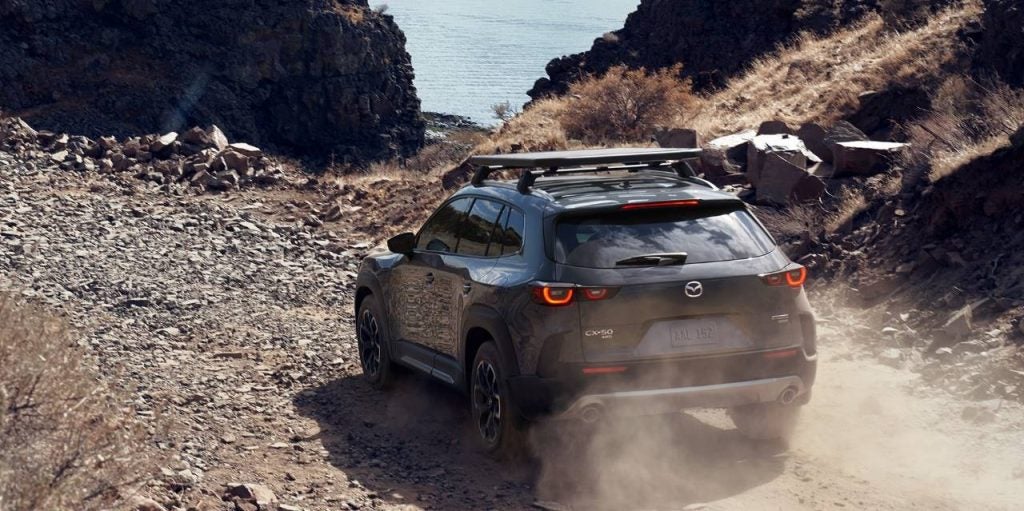
green mazda cx-50 driving on a dirt road

Mazda CX-50 Key Features

The Mazda CX-50 is a standout in the compact SUV segment, combining Mazda's signature driving dynamics with robust features and a stylish design. This vehicle is designed to offer a blend of performance, comfort, and advanced technology, making it an appealing choice for a wide range of drivers. Key features of the CX-50 include its powerful yet efficient Skyactiv®-G engine options, a sophisticated i-Activ AWD® system for enhanced handling and traction, and a sleek, modern interior equipped with the latest infotainment and connectivity technologies. Learn more about the key features of the CX-50 to see why it stands out from its competitors. Performance The Mazda CX-50 delivers an impressive performance, characterized by a harmonious balance of power, agility, and efficiency. Under the hood, it offers two engine options: a naturally aspirated 2.5-liter Skyactiv®-G engine producing 187 horsepower and a more potent 2.5-liter turbocharged Skyactiv®-G engine delivering up to 256 horsepower with premium fuel. Both engines are paired with a responsive six-speed automatic transmission, ensuring smooth acceleration and confident power delivery. The CX-50 comes standard with Mazda’s i-Activ AWD® system, which enhances handling and stability by intelligently distributing power to the wheels with the most grip. Additionally, Mazda’s G-Vectoring Control Plus technology further refines the driving experience by optimizing load control and improving cornering dynamics. This combination of advanced engineering and thoughtful design results in an SUV that offers spirited performance, precise handling, and excellent fuel efficiency, making every drive both exhilarating and enjoyable. Drive Modes Normal Sport Off-Road Towing Design The Mazda CX-50 boasts a design that seamlessly blends ruggedness with sophistication, making it a visually striking addition to the compact SUV market. Its exterior design reflects Mazda's Kodo: "Soul of Motion" philosophy, characterized by clean, flowing lines and a sense of dynamic motion even when stationary. The front end features a bold, distinctive grille flanked by sleek LED headlights, creating a commanding presence on the road. The CX-50's sculpted body panels and pronounced wheel arches give it a robust and athletic stance, while thoughtful details like integrated roof rails and available 20-inch alloy wheels enhance its adventurous appeal. Inside, the Mazda CX-50 continues to impress with a meticulously crafted cabin that emphasizes comfort, functionality, and premium materials. The interior layout is driver-focused, with intuitive controls and a high-resolution infotainment display that enhances usability. Soft-touch surfaces, available leather upholstery, and sophisticated trim options contribute to a luxurious ambiance. Ample passenger space, supportive seats, and versatile cargo capacity ensure that the CX-50 is as practical as it is stylish. The panoramic sunroof option further elevates the interior experience, allowing natural light to flood the cabin and providing an open, airy feel. Overall, the Mazda CX-50's design embodies a perfect blend of elegance and durability, appealing to those who seek both refinement and capability in their vehicle. Technology The Mazda CX-50 has various advanced technologies to enhance connectivity, convenience, and safety, ensuring a modern and enjoyable driving experience. At the heart of the CX-50's tech suite is the Mazda Connect™ infotainment system, featuring a high-resolution 10.25-inch display that can be controlled via a multifunction Commander control knob or voice commands. This system supports Apple CarPlay® and Android Auto™ integration, allowing seamless access to navigation, music, and communication apps from your smartphone. The CX-50 also offers a premium Bose® audio system, delivering crisp and immersive sound quality for an enhanced listening experience. For added convenience, the vehicle includes wireless charging, multiple USB ports, and an available Wi-Fi hotspot to keep all your devices powered and connected on the go. On the safety front, the CX-50 is equipped with Mazda's i-Activsense® suite of advanced safety features, which includes adaptive cruise control, lane-keeping assist, blind-spot monitoring, and rear cross-traffic alert. These technologies work together to provide comprehensive protection and assist the driver in maintaining awareness of their surroundings. According to U.S. News and World Report, the 2024 Mazda CX-50 scored an 8.1/10 safety rating. Trim Levels 2.5 S Select 2.5 S Preferred 2.5 S Premium 2.5 S Premium Plus 2.5 Turbo 2.5 Turbo Meridian Edition 2.5 Turbo Premium 2.5 Turbo Premium Plus Does the Mazda CX-50 Have Third Row Seating? No, the Mazda CX-50 does not have third-row seating. It is designed as a compact SUV with two rows of seating, comfortably accommodating up to five passengers. The focus of the CX-50 is on providing a spacious and comfortable environment for both front and rear passengers, along with ample cargo space. For those needing additional passenger capacity and third-row seating, Mazda offers the larger Mazda CX-90, which is designed to accommodate up to seven passengers. How Much Can a Mazda CX-50 Tow? The Mazda CX-50 is capable of towing up to 3,500 pounds when properly equipped. This towing capacity makes it suitable for hauling small trailers, boats, and other recreational equipment, adding to its versatility as an adventure-ready SUV. To achieve this maximum towing capacity, the CX-50 typically needs to be equipped with the available turbocharged engine and the appropriate towing package. Always refer to the owner's manual and consult with your dealer to ensure your vehicle is properly equipped for towing and to understand any additional requirements or limitations. Does the Mazda CX-50 Need Premium Gas? The Mazda CX-50 does not strictly require premium gasoline; however, it can benefit from it under certain conditions. For models equipped with the standard 2.5-liter naturally aspirated engine, regular unleaded gasoline (87 octane) is sufficient. For those with the available 2.5-liter turbocharged engine, using premium gasoline (91 octane or higher) is recommended to achieve the maximum advertised horsepower and torque. While the turbocharged engine can run on regular gasoline, performance will be optimized with premium fuel. Always refer to the owner’s manual for specific fuel recommendations and requirements for your vehicle. Visit Beach Mazda in Myrtle Beach and View our CX-50 Models Today Visiting Beach Mazda in Myrtle Beach offers an excellent opportunity to explore our impressive lineup of Mazda CX-50 models firsthand. At Beach Mazda, we pride ourselves on providing a welcoming and informative environment where you can discover all the features and benefits of the CX-50. Our knowledgeable staff is ready to assist you with any questions, provide detailed information about the various trims and options, and arrange a personalized test drive so you can experience the vehicle's performance and comfort for yourself. Additionally, we offer competitive financing options to help you find the perfect payment plan. Come visit Beach Mazda in Myrtle Beach to see why the Mazda CX-50 is the ideal choice for your next adventure.

Contact Us

Fill out this form below and we'll contact you shortly
*Required Fields