Blog

All News Technology Important Information Tips Mazda Model Features Mazda Service Features & Specs Awards Service Mazda Vehicles Mazda Safety Technology Money Saving Tips Safety Beach Mazda Service History 2023 Models Community Events Comparisons Fun Stuff Financing Your Mazda Local 2024 Models Holidays Mazda Parts Car Buying Process Driver-Centric Design EVs Exterior Fuel & Gas Infotainment Pre-Owned Travel Certified Pre-Owned Mazda Vehicles Electric & Hybrid Vehicles Insurance Mazda Accessories Mazda CX-30 Mazda CX-5 Mazda3 Racing Restaurants & Food Tires & Wheels Activities Drive For Good Interior Kodo Design Language Mazda CX-9 Mazda Motorsports Seasonal Automotive Cleaning Fuel System Mazda Connect Paint & Body Work Down-payments Transmission Weather Brakes i-Activsense Technology Large Vehicles & SUVs Mazda high compression engine care Millennials Skyactiv engine maintenance Suspension System Towing
dprtujhyostiyujhstyipojsptyojisptojspyjio

Cruising in Comfort: Must-Have Car Accessories for Stress-Free Traveling with Children

Traveling with children can be an adventure filled with laughter, excitement, and occasionally, a few challenges. Equipping your car with the right accessories can turn those challenges into smooth and enjoyable journeys for both parents and kids. In this blog, we'll explore essential car accessories designed to make family travel more comfortable, entertaining, and stress-free. Car Seat Organizers Keep the backseat organized and clutter-free with car seat organizers. These multi-pocketed organizers can hold snacks, toys, wipes, and other essentials within easy reach for both parents and children. Look for organizers that are easy to install and adjust to accommodate various car seat styles. Travel Tray and Snack Containers Invest in travel trays that attach to car seats, providing a sturdy surface for coloring, playing, or enjoying snacks. Portable snack containers with spill-proof features are also invaluable, minimizing messes and keeping snacks easily accessible. Rear-View Mirror for Backseat Monitoring Enhance safety and peace of mind with a rear-view mirror designed specifically for monitoring children in the backseat. These mirrors provide a clear view of rear-facing car seats, allowing parents to check on their little ones without turning around. Sun Shades Protect your children from the sun's glare and heat by installing window sun shades. These shades not only provide shade but also reduce the interior temperature, creating a more comfortable environment for passengers in the backseat. Entertainment Systems Keep children entertained during long drives with dedicated entertainment systems. Portable DVD players, tablet holders, or built-in screens can provide hours of distraction with movies, shows, or games, making the journey more enjoyable for everyone. Travel-friendly Potty For families with young children who are potty training, a travel-friendly potty can be a game-changer. These compact and foldable potties are easy to carry and set up, providing a convenient solution for roadside bathroom breaks. Car Window Shades with UV Protection Ensure your children's comfort and protection from the sun's harmful UV rays with window shades that offer UV protection. These shades provide an additional layer of sunblock while maintaining visibility for passengers. Backseat Kick Mats Prevent scuff marks and dirt on the back of your front seats with kick mats. These durable covers attach to the back of the front seats, protecting them from little feet and keeping the interior looking clean and well-maintained. Travel Pillow and Blanket Comfort is key during long journeys, and travel pillows and blankets can make a significant difference. Opt for cozy and compact options that are easy to store and provide added comfort for napping or relaxing. Car Trash Can Maintain a clean and tidy car interior with a dedicated car trash can. Choose a spill-proof, easily accessible trash container that can be secured in the backseat to collect wrappers, tissues, and other small items. In-car Cooler Ensure that drinks and snacks stay cool during the journey by using an in-car cooler. These compact coolers can be plugged into the car's power outlet and are ideal for keeping refreshments chilled, especially on warm days. For younger children who enjoy playing with toys or action figures, a portable car play mat can be a great addition. These mats are designed to provide a flat surface for imaginative play, creating a designated area for toys that won't roll away. A Memorable Experience Traveling with children doesn't have to be a daunting task; with the right car accessories, it can be an enjoyable and memorable experience for the whole family. By investing in thoughtful and practical accessories like organizers, entertainment systems, and comfort-enhancing items, you can transform your car into a kid-friendly space that makes every journey a delightful adventure. Happy travels!
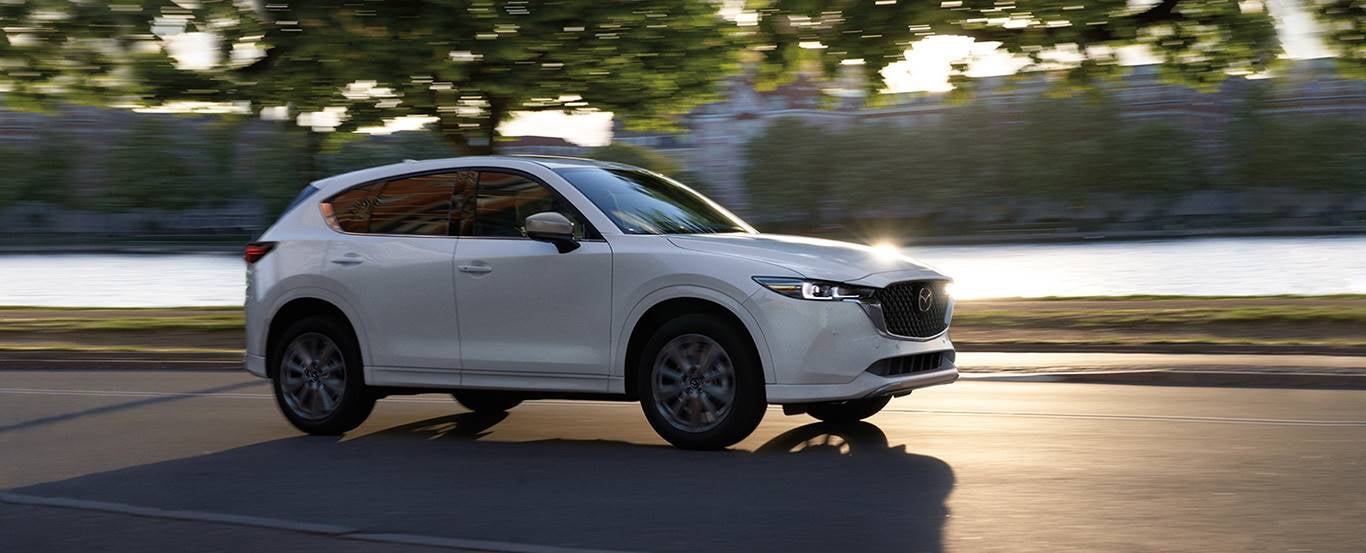
white mazda cx-5 driving

Common Questions About the Mazda CX-5

Welcome to our guide addressing the common questions surrounding the Mazda CX-5, a standout in the compact SUV segment. As one of Mazda's most popular offerings, the CX-5 garners attention for its stylish design, impressive performance, and refined interior. Yet, many prospective buyers find themselves with a host of questions about this versatile vehicle. From inquiries about its comparable models and mpg to queries about its seating and driving dynamics, we're here to provide comprehensive answers and insightful analysis. Whether you're considering the CX-5 for your next family vehicle or as a stylish commuter, our guide will address your concerns and guide you towards a confident choice. Is the Mazda CX-5 AWD? Yes, the Mazda CX-5 is available with all-wheel drive (AWD) as an option. AWD enhances the CX-5's traction and stability by distributing power to all four wheels as needed, providing better performance in adverse weather conditions such as rain, snow, or slippery roads. With AWD, the CX-5 offers drivers enhanced confidence and control, making it an ideal choice for those who prioritize safety and capability in their vehicles. Whether navigating through city streets or venturing off the beaten path, the Mazda CX-5 with AWD delivers a refined driving experience with added assurance and peace of mind. Which is Bigger: Mazda CX-5 or CX-30? When comparing the sizes of the Mazda CX-5 and the Mazda CX-30, it's evident that the CX-5 is the larger of the two SUVs. The CX-5 belongs to the compact SUV segment, offering a more spacious cabin and greater overall dimensions compared to the subcompact CX-30. With its larger footprint, the CX-5 provides ample seating space for passengers and more cargo capacity, making it a practical choice for families and those who require extra room for their gear. In contrast, the CX-30, while still offering comfortable seating for passengers, has a more compact design, making it well-suited for urban environments and maneuverability in tight spaces. Overall, the Mazda CX-5's larger size and greater interior space make it a versatile option for drivers seeking a spacious and practical SUV, while the CX-30 offers a more compact and agile alternative for city dwellers or those with fewer space requirements. What SUV is Most Comparable to the Mazda CX-5? When considering SUVs comparable to the Mazda CX-5, one vehicle that often comes to mind is the Honda CR-V. Both the Mazda CX-5 and Honda CR-V belong to the compact SUV segment and offer a blend of comfort, practicality, and performance. Like the CX-5, the CR-V boasts a refined interior, comfortable seating, and a smooth ride quality, making it an excellent choice for daily commuting and family adventures. Additionally, both SUVs offer advanced safety features and technology options to enhance the driving experience. While the CX-5 may offer a sportier driving dynamic and slightly more upscale interior, the CR-V counters with a spacious cabin and class-leading cargo space. Ultimately, whether choosing the Mazda CX-5 or Honda CR-V depends on individual preferences, with each offering a compelling combination of features and capabilities in the competitive compact SUV segment. How Much Does a Mazda CX-5 Weigh? The weight of the Mazda CX-5 can vary depending on the specific model, trim level, and configuration. However, as a general guideline, the curb weight of the Mazda CX-5 typically falls within the range of approximately 3,500 to 3,800 pounds. Curb weight refers to the total weight of the vehicle with all standard equipment, fluids, and a full tank of fuel, but does not include the weight of any passengers or cargo. It's essential to consult the vehicle's specifications for the exact curb weight of a specific model and configuration of the Mazda CX-5. What MPG Does the Mazda CX-5 Get? The fuel efficiency of the Mazda CX-5 varies depending on factors such as the specific engine choice, drivetrain configuration, and driving conditions. As a general guideline, the Mazda CX-5 typically achieves fuel economy ratings ranging from around 24 to 28 miles per gallon (mpg) in combined city and highway driving. Models equipped with the efficient Skyactiv-G gasoline engines tend to offer slightly higher fuel economy, while those with the available i-Activ AWD system may have slightly lower MPG due to the added weight and drivetrain complexity. How Many Seats Does the Mazda CX-5 Have? The Mazda CX-5 typically offers seating for up to five passengers across two rows. With its spacious and comfortable interior, the CX-5 provides ample room for both front and rear passengers to ride in comfort on daily commutes or long road trips. The seats are well-cushioned and supportive, providing a pleasant ride experience for all occupants. Additionally, the CX-5 offers convenient amenities and features to enhance passenger comfort, such as available heated front seats and dual-zone automatic climate control. What are the Mazda CX-5 Trim Levels? S Select S Preferred S Carbon Edition S Premium S Premium Plus Carbon Turbo Turbo Premium Turbo Signature Visit Beach Mazda to View our Mazda CX-5 Models and Schedule a Test Drive Today Embark on your journey to driving excellence by visiting Beach Mazda in Myrtle Beach, SC, where our showroom proudly showcases the stunning Mazda CX-5 lineup. From its elegant design to its dynamic performance, the CX-5 exemplifies the essence of Mazda's craftsmanship and innovation. Step into our dealership and explore our extensive inventory of CX-5 models, each offering a blend of style, comfort, and cutting-edge technology. Our knowledgeable team is dedicated to providing personalized assistance, whether you're searching for the perfect trim level or seeking to schedule a test drive to experience the CX-5's performance firsthand. Additionally, our finance experts are available to discuss flexible financing options tailored to your budget and preferences. Don't wait any longer and visit our Mazda dealer today!

stjhrsjsryjsyrjsy

Compact and Convenient: The Case for Buying a Small Car

In a world where automotive choices seem almost limitless, the decision to purchase a new car often involves considering various factors, including size, efficiency, and lifestyle. One option that has gained popularity for its practicality and efficiency is the small car. In this blog, we'll explore the compelling reasons why buying a small car might be the perfect choice for you. Fuel Efficiency One of the most significant advantages of small cars is their exceptional fuel efficiency. With smaller, lightweight engines, these vehicles typically boast higher miles per gallon (MPG) ratings compared to their larger counterparts. Choosing a small car can translate to significant savings at the pump, making it an economical and environmentally friendly choice for daily commuting or city driving. Easy Maneuverability Navigating through crowded city streets, tight parking spaces, and narrow lanes becomes a breeze with a small car. The compact size and tight turning radius make small cars highly maneuverable, allowing drivers to effortlessly slip into parking spots, make U-turns, and handle congested traffic. This feature is particularly advantageous for urban dwellers or anyone who values ease of navigation in bustling environments. Affordable Pricing Small cars often come with more budget-friendly price tags compared to larger vehicles. Not only are the upfront costs generally lower, but maintenance, repairs, and insurance premiums are often more economical as well. If you're looking for an affordable yet reliable means of transportation, a small car can offer a cost-effective solution without compromising on essential features. Lower Environmental Impact As concerns about environmental sustainability grow, many car buyers are turning to small cars as an eco-friendly option. With reduced fuel consumption and lower emissions, small cars contribute to a smaller carbon footprint. Some models even come with hybrid or electric variants, providing an even more environmentally conscious choice for conscientious consumers. Ideal for Urban Living Small cars are well-suited for city living, where parking spaces are limited, and traffic congestion is common. Their compact size allows for easy parking in tight spots, and they're generally more agile in stop-and-go city traffic. If you live in an urban area and prioritize convenience and efficiency in your daily commute, a small car could be the perfect fit for your lifestyle. Technology and Features Contrary to their size, many small cars come equipped with advanced technology and modern features. Manufacturers understand that consumers seek connectivity, safety, and comfort, regardless of the vehicle's size. As a result, small cars often boast infotainment systems, advanced safety features, and ergonomic designs, providing a comfortable and enjoyable driving experience. A Compelling Choice While the decision to buy a small car ultimately depends on your personal preferences and lifestyle, the numerous benefits they offer make them a compelling choice for many drivers. From fuel efficiency and maneuverability to affordability and environmental impact, small cars pack a punch in terms of practicality and convenience. As you embark on your car-buying journey, consider the advantages of a small car and whether it aligns with your priorities and needs on the road.

DALL·E-2024-04-04-09.32.53-photograph-of-a-car-driving-in-rain-looking-through-the-windshield-from-the-inside

Avoiding the Abyss: The Critical Reasons Why You Should Never Drive on Flooded Roads

In the face of heavy rains or severe weather, flooded roads can present a deceptive and treacherous challenge for drivers. While the temptation to navigate through the water may arise, it's crucial to understand the potential dangers and make a responsible decision. This blog will delve into the critical reasons why driving on flooded roads is a risk that should never be taken lightly. Unpredictable Water Depth Flooded roads can hide the true depth of the water beneath the surface. What may seem like a shallow puddle could conceal a deeper pool, making it impossible to gauge the actual water depth. Attempting to drive through flooded areas puts you at risk of getting stuck or, worse, submerging your vehicle in dangerously deep waters. Swiftly Moving Water Floodwaters are notorious for their swift and unpredictable currents. Even seemingly calm water can carry tremendous force, making it easy for a vehicle to be swept away. The force of moving water can quickly overpower even large and heavy vehicles, turning a seemingly innocent decision to drive through a flooded road into a life-threatening situation. Hidden Hazards Flooded roads may hide various hazards beneath the water's surface, such as debris, fallen branches, or even downed power lines. These unseen dangers can damage your vehicle or pose serious risks to your safety. Driving through flooded areas increases the likelihood of encountering hidden hazards that could lead to accidents or injuries. Engine Damage and Stalling Floodwaters can wreak havoc on a vehicle's engine and internal components. Submerging your car in water increases the risk of water entering the engine or other critical systems, causing extensive damage. Stalled engines are a common consequence of attempting to drive through flooded areas, leaving you stranded and facing costly repairs. Electrical Risks Modern vehicles are equipped with intricate electrical systems that are highly susceptible to water damage. Attempting to drive through flooded roads increases the risk of short circuits, electrical failures, and potential fire hazards. Water and electricity are a dangerous combination, and attempting to navigate flooded areas puts both your vehicle and personal safety at significant risk. Rescue Challenges Driving on flooded roads not only endangers your safety but also places a burden on emergency responders who may need to rescue stranded individuals. Swift-water rescue operations are complex and risky, diverting resources from other critical emergencies. By avoiding flooded roads, you contribute to the safety of yourself and the community as a whole. Prioritize Safety The allure of navigating through flooded roads may be strong, especially in urgent situations, but the risks far outweigh the potential benefits. The unpredictability of water depth, swift currents, hidden hazards, engine damage, electrical risks, and the strain on emergency services are compelling reasons to exercise caution and never attempt to drive on flooded roads. Prioritize safety, stay informed about weather conditions, and choose alternative routes to ensure you and your passengers navigate safely through adverse weather situations. Remember, the road to safety is the one that avoids the dangerous depths of flooded streets.

490cf8c396ee41eaeae334b01c82792a

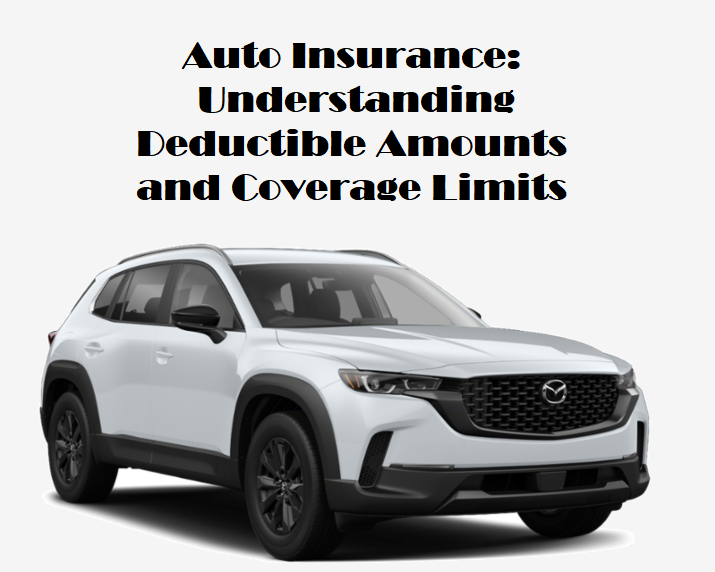
Auto Insurance: Understanding Deductible Amounts and Coverage Limits

Auto insurance is a critical component of responsible car ownership, providing financial protection in the event of accidents or unforeseen circumstances. Two key aspects of auto insurance policies that directly impact your coverage and costs are deductible amounts and coverage limits. In this blog, we'll delve into these components, helping you understand their significance and guiding you in making informed decisions to tailor your auto insurance policy to your needs. The Basics: Deductible Amounts What is a Deductible? A deductible is the amount of money you agree to pay out of pocket before your insurance coverage kicks in. For example, if you have a $500 deductible and your car sustains $1,000 in damages in an accident, you would pay the first $500, and your insurance would cover the remaining $500. How Do Deductibles Affect Premiums? Generally, higher deductibles lead to lower insurance premiums, and vice versa. Opting for a higher deductible means you're willing to bear more of the financial burden in the event of a claim, which can result in reduced monthly or annual premiums. Choosing the Right Deductible: When selecting a deductible, consider your financial situation and risk tolerance. While higher deductibles can save you money on premiums, it's crucial to choose an amount you can comfortably afford to pay out of pocket in the event of a claim. Types of Deductibles: Deductibles can be categorized as either per-incident or per-claim. Per-incident deductibles apply to each separate incident, while per-claim deductibles apply to each claim made, regardless of how many incidents are involved. Understanding the type of deductible in your policy is essential for accurate cost assessment. Unpacking Coverage Limits What Are Coverage Limits? Coverage limits refer to the maximum amount your insurance provider will pay for a covered claim. These limits are often expressed as three separate numbers, indicating bodily injury liability limits per person, bodily injury liability limits per accident, and property damage liability limits. Minimum State Requirements: Every state has minimum required coverage limits that drivers must meet. Familiarize yourself with your state's minimum requirements to ensure compliance. Commonly expressed as 25/50/25, these numbers represent, in thousands of dollars, the required minimum coverage for bodily injury per person, bodily injury per accident, and property damage, respectively. Evaluating Your Needs: Assess your specific needs and potential risks when determining coverage limits. Factors such as personal assets, the value of your vehicle, and the potential costs of medical expenses and property damage can influence the appropriate coverage limits for your situation. Additional Coverage Options: Beyond state-mandated minimums, you have the option to enhance your coverage with additional options such as comprehensive, collision, uninsured/underinsured motorist coverage, and more. These options allow you to tailor your coverage to specific needs but may come with additional costs. Umbrella Insurance: For drivers seeking extra protection, umbrella insurance can provide an additional layer of coverage beyond the limits of your standard auto insurance policy. This type of policy is particularly useful for individuals with significant assets to protect. Balancing Deductibles and Coverage Limits Consider Your Financial Comfort: Assess your financial comfort level and ability to cover out-of-pocket expenses. While higher deductibles can reduce premiums, it's essential to strike a balance that aligns with your budget and risk tolerance. Evaluate Potential Risks: Consider potential risks and liabilities associated with your driving habits, vehicle, and lifestyle. This evaluation can help you determine appropriate coverage limits to safeguard your financial well-being. Regularly Review and Update: Life changes, such as marriage, the birth of a child, or acquiring significant assets, may necessitate adjustments to your coverage limits. Regularly review and update your policy to ensure it continues to meet your evolving needs. Seek Professional Advice: If you find the process overwhelming or have specific concerns, don't hesitate to seek advice from insurance professionals. An insurance agent or broker can provide valuable insights and help you tailor a policy that suits your unique circumstances Pivotal Components Deductible amounts and coverage limits are pivotal components of auto insurance policies, directly impacting your out-of-pocket expenses and the extent of financial protection your policy provides. By understanding these aspects, assessing your individual needs, and striking a balance between cost and coverage, you can tailor an auto insurance policy that provides optimal protection while remaining affordable. Regularly reviewing and updating your policy ensures that it continues to align with your changing circumstances, providing peace of mind on the road. Remember, a well-informed approach to auto insurance is key to driving with confidence and financial security.

Navigating the Maze: A Guide to Comparing Prices Between Automotive Dealerships

Buying a car is a significant investment, and one of the crucial factors that can influence your decision is the price. The automotive market is vast, and prices can vary widely between dealerships. To ensure you get the best deal, it's essential to embark on the journey of comparing prices. In this blog, we'll guide you through the process of comparing prices between automotive dealerships, helping you make an informed decision and drive away with the best value for your money. Research Your Desired Model Before diving into price comparisons, it's crucial to have a clear understanding of the specific car model you want. Consider factors such as the make, model, year, trim level, and any additional features. Knowing exactly what you want will make it easier to compare prices accurately and avoid being swayed by unnecessary upgrades or add-ons. Online Research The internet is a powerful tool when it comes to researching car prices. Utilize reputable automotive websites, dealer websites, and online marketplaces to gather information on the average prices for your desired vehicle. Pay attention to the location, as prices may vary based on geographical factors and local market conditions. Request Quotes Once you have a baseline understanding of the average price, reach out to multiple dealerships for quotes. Request detailed quotes that include all fees, taxes, and any additional charges. Be transparent about your intention to compare prices, and don't hesitate to let dealerships know that you're shopping around for the best deal. Consider Additional Factors Price is undoubtedly a crucial factor, but it's not the only one. Consider the reputation of the dealership, customer reviews, and the overall buying experience. A slightly higher price from a reputable dealership with excellent customer service may be worth the investment in the long run. Be Aware of Incentives and Discounts Dealerships often offer incentives, rebates, and discounts to attract customers. Stay informed about any ongoing promotions, manufacturer rebates, or special financing options. These factors can significantly impact the overall cost of your purchase. Be Proactive Comparing prices between automotive dealerships is a strategic process that requires thorough research and careful consideration. By arming yourself with information and being proactive in seeking quotes, you increase your chances of securing the best deal on your desired vehicle. Remember that the goal is not just to get the lowest price but to find a balance between cost, customer service, and overall value. Happy car shopping!

Zooming in Comfort: Mazda's Top Picks for Unforgettable Road Trips

Embarking on a long road trip is an adventure that demands a reliable and comfortable vehicle, and Mazda has established itself as a brand that delivers driving pleasure without compromising on practicality. In this blog, we'll explore the best Mazda vehicles that stand out for their balance of performance, fuel efficiency, and comfort – the perfect companions for those seeking a memorable and enjoyable road trip experience. New 2024 Mazda CX-90 3.3 Turbo Preferred AWD Mazda CX-90 At the forefront of Mazda's SUV lineup, the CX-90 is a midsize SUV that excels in providing a comfortable and engaging driving experience. With its three rows of seating, the CX-90 accommodates families and travel enthusiasts alike. The elegant design, premium interior materials, and advanced safety features make it an excellent choice for those who prioritize comfort and safety on long journeys. New 2024 Mazda CX-50 2.5 S Select AWD Mazda CX-50 The Mazda CX-5 is a compact SUV that strikes a perfect balance between efficiency and versatility, making it an ideal companion for road trips. With a refined interior, available premium features, and Mazda's signature handling prowess, the CX-50 ensures a smooth and enjoyable ride. Its compact size also makes it easy to navigate through various terrains, enhancing its suitability for a range of road trip adventures. New 2024 Mazda MX-5 MIATA Grand Touring Mazda MX-5 Miata For those who crave the thrill of open-top motoring on their road trips, the Mazda MX-5 Miata is an iconic choice. This compact convertible sports car is known for its nimble handling and spirited performance. While it may not be the most spacious option, the MX-5 Miata offers a unique and exhilarating driving experience, perfect for solo or duo road trips where the journey itself is a significant part of the adventure. New 2024 Mazda CX-30 Mazda CX-30 The Mazda CX-30 is a subcompact SUV that combines practicality with a touch of elegance. Its comfortable interior, user-friendly technology, and efficient fuel economy make it a compelling choice for road trips. The CX-30's compact size makes it easy to maneuver in urban settings, while still providing ample cargo space for luggage and gear. Diverse Range of Options Mazda's lineup of vehicles offers a diverse range of options for road trip enthusiasts, combining stylish design, responsive performance, and practical features. Whether you opt for the spacious CX-9, the dynamic Mazda6, the versatile CX-5, the exhilarating MX-5 Miata, or the compact CX-30, each Mazda model is engineered to deliver driving pleasure while ensuring comfort during long journeys. With Mazda, the road trip becomes a seamless blend of excitement and relaxation, promising an unforgettable experience on every mile of the adventure.

Driving into the Future: Choosing the Perfect Mazda Model for Graduates

As a recent graduate, stepping into the next chapter of your life often comes with the excitement of upgrading your ride. Mazda, renowned for its sleek design, engaging driving experience, and advanced technology, offers a range of models that cater to various preferences and lifestyles. In this blog post, we'll explore some of the best Mazda models for graduates, considering factors like affordability, style, and driving dynamics. New 2024 Mazda3 Hatchback 2.5 S Preferred Mazda3: The Stylish Compact The Mazda3 stands out as a stylish and versatile compact car that blends elegance with an engaging driving experience. As a graduate, you'll appreciate its sleek design, advanced safety features, and the option of a hatchback for added practicality. The Mazda3 is perfect for those seeking an affordable yet sophisticated ride. New 2024 Mazda CX-30 2.5 Turbo Carbon Edition AWD Mazda CX-30: The Subcompact Crossover For graduates with an active lifestyle and a preference for a crossover, the Mazda CX-30 offers a compelling package. Combining the agility of a compact car with the versatility of a crossover, the CX-30 provides a comfortable ride and modern technology features. Its compact size makes it well-suited for urban living. New 2024 Mazda CX-50 2.5 S Select AWD Mazda CX-50: The Stylish SUV The Mazda CX-50 is a standout choice for graduates who desire a blend of style and functionality in an SUV. With its upscale interior, refined driving dynamics, and available turbocharged engine, the CX-50 delivers a sophisticated driving experience. It's an ideal companion for those who appreciate both aesthetics and performance. New 2024 Mazda MX-5 MIATA Grand Touring Mazda MX-5 Miata: The Sporty Roadster For the graduate with a passion for driving and a love for open-air adventures, the Mazda MX-5 Miata is an iconic choice. This sporty roadster embodies the spirit of driving enthusiasts, offering a lightweight design, responsive handling, and a convertible top for an exhilarating driving experience. C onsiderations for Graduates Budget Constraints: Evaluate your budget and explore financing options or lease deals that align with your financial situation. Lifestyle Needs: Consider your lifestyle, daily commute, and any specific requirements you have in terms of space, technology, and features. Technology and Connectivity: Look for models that offer advanced technology, infotainment features, and driver-assistance systems to enhance your driving experience. Fuel Efficiency: Assess the fuel efficiency of the chosen Mazda model, especially if you have a long commute or prioritize eco-friendly driving. Preferences, Needs & Budget Choosing the best Mazda model for graduates involves considering personal preferences, lifestyle needs, and budget constraints. Whether it's the stylish compact Mazda3, the versatile CX-30 crossover, the sophisticated CX-5 SUV, the sleek Mazda6 sedan, or the sporty MX-5 Miata roadster, Mazda offers a diverse range of vehicles to cater to your post-graduate aspirations. Elevate your journey into the next chapter of life with a Mazda that not only complements your style but also delivers an enjoyable driving experience.

Revving Up Your Ride: A Guide on How to Buy a Car on Credit

Buying a car on credit can be a practical and feasible option for many individuals. Whether you're a first-time buyer or looking to upgrade your current vehicle, understanding the process of financing a car purchase is crucial. In this blog, we'll navigate through the steps and considerations to help you make an informed decision when buying a car on credit. Know Your Credit Score Your credit score plays a pivotal role in determining the interest rates and terms of your auto loan. Obtain a copy of your credit report and check your credit score before starting the car-buying process. A higher credit score typically results in more favorable loan terms, including lower interest rates. Set a Realistic Budget Determine how much you can comfortably afford to spend on a car. Consider not only the purchase price but also additional costs such as insurance, taxes, registration, and maintenance. Setting a realistic budget helps you narrow down your options and ensures that your monthly payments are manageable. Research Loan Options Explore different loan options available to you. Banks, credit unions, and dealerships may offer financing options, each with its own terms and interest rates. Compare rates, terms, and any additional fees associated with each option. Online lenders can also be a convenient source for competitive auto loans. Understand Interest Rates and Loan Terms Pay close attention to the interest rates offered on auto loans. Interest rates significantly impact the total cost of the loan. Additionally, understand the loan terms, including the duration of the loan (loan term). While longer terms may result in lower monthly payments, they often lead to higher overall interest costs. Get Pre-Approved Consider getting pre-approved for a car loan before visiting dealerships. Pre-approval provides you with a clear understanding of your budget and enhances your negotiating power. It also streamlines the car-buying process and allows you to focus on finding the right vehicle. Read the Fine Print Before signing any loan agreement, carefully read the terms and conditions. Understand the interest rate, loan duration, monthly payments, and any additional fees associated with the loan. Clarify any questions you may have before committing to the loan. Consider Down Payment and Trade-In Making a down payment can reduce the amount you need to finance and may result in lower monthly payments. Additionally, if you have a trade-in, consider its value as it can further offset the cost of the new vehicle. Factor in Insurance Costs Auto insurance is a mandatory expense, and the cost can vary based on factors such as the car's make and model. Obtain insurance quotes for the vehicles you're considering to factor in this cost when assessing your overall budget. Review and Monitor Your Loan Once you've secured your car loan, periodically review your loan statement to ensure accuracy. Stay informed about your remaining balance, interest paid, and any potential fees. Consider refinancing if you find more favorable interest rates down the road. Make a Well-informed Decision Buying a car on credit requires careful planning, research, and consideration of your financial situation. By knowing your credit score, setting a realistic budget, researching loan options, getting pre-approved, negotiating the purchase price, reading the fine print, considering down payment and trade-in options, factoring in insurance costs, and monitoring your loan, you can make a well-informed decision and drive off with a vehicle that fits both your needs and your financial goals.

Safeguarding Your Loved Ones: A Guide to Choosing a Family-Friendly and Safe Car

New 2024 Mazda CX-90 3.3 Turbo Preferred AWD When it comes to family transportation, safety is paramount. Selecting a car that prioritizes the well-being of your loved ones is a crucial decision. From advanced safety features to crash-test ratings, there are several factors to consider when choosing a family-friendly and safe car. In this blog, we'll guide you through the key considerations to ensure you make an informed decision that prioritizes the safety of your family. Crash Test Ratings Why It's Important: Organizations like the National Highway Traffic Safety Administration (NHTSA) and the Insurance Institute for Highway Safety (IIHS) conduct crash tests on vehicles, providing valuable insights into their safety performance. Tip: Research and compare crash test ratings for the specific make and model you are considering. Look for vehicles with high scores in frontal, side, and rollover crash tests. New 2024 Mazda CX-90 3.3 Turbo Preferred AWD Safety Features Why It's Important: Modern cars come equipped with a variety of safety features designed to prevent accidents and protect occupants in the event of a collision. Tip: Prioritize vehicles with advanced safety features such as antilock brakes, airbags, electronic stability control, adaptive cruise control, lane-keeping assistance, and automatic emergency braking. Size and Weight Why It's Important: Larger, heavier vehicles often perform better in crashes than smaller ones. Consider the size of the vehicle relative to your family's needs and ensure it provides adequate protection in various scenarios. Tip: Opt for midsize or larger vehicles, such as SUVs or minivans, which tend to offer better protection in accidents. Child Safety Features Why It's Important: Families with young children should prioritize vehicles with proper child safety features, including LATCH (Lower Anchors and Tethers for Children) systems and rearview cameras to aid in parking and visibility. Tip: Ensure the vehicle has sufficient space for child safety seats and strollers and check the ease of access to the rear seats. Visibility and Blind Spot Monitoring Why It's Important: Good visibility is essential for safe driving. Cars with blind spot monitoring systems can help drivers be aware of vehicles in adjacent lanes, reducing the risk of accidents during lane changes. Tip: Test the visibility from the driver's seat and look for vehicles with blind spot monitoring features. All-Wheel Drive (AWD) or Four-Wheel Drive (4WD) Why It's Important: AWD or 4WD can enhance a vehicle's stability and traction, especially in adverse weather conditions. This feature contributes to better control and handling. Tip: If you live in an area with challenging weather conditions, consider AWD or 4WD for improved safety. Reliability and Maintenance Why It's Important: A reliable vehicle ensures that safety features and systems are consistently operational. Regular maintenance is crucial for keeping the car in top condition. Tip: Research the reliability ratings of the specific make and model you are interested in, and consider the availability of maintenance services in your area. Advanced Driver Assistance Systems (ADAS) Why It's Important: ADAS, including features like adaptive cruise control, lane departure warning, and automatic emergency braking, can enhance driver awareness and actively contribute to accident prevention. Tip: Look for vehicles with comprehensive ADAS features, and understand how these systems function. Vehicle History Reports Why It's Important: Obtain a vehicle history report to check for any accidents, title issues, or odometer discrepancies. This can provide insights into the car's past and potential safety concerns. Tip: Use reputable services to obtain a comprehensive vehicle history report before finalizing a purchase. Ease of Use Why It's Important: An easy-to-use vehicle ensures that drivers can focus on the road without distraction. Intuitive controls and user-friendly features contribute to a safer driving experience. Tip: During test drives, assess the ease of use for controls, infotainment systems, and other essential features. Various Factors Choosing a family-friendly and safe car involves a thoughtful consideration of various factors, from crash test ratings to advanced safety features. By prioritizing safety in your decision-making process and conducting thorough research, you can select a vehicle that provides peace of mind and safeguards your loved ones on every journey. Remember, safety is an investment that pays invaluable dividends for the well-being of your family.

two mazda miatas in the street

Mazda Maintenance Schedule: The Ultimate Service Guide

Owning a Mazda is not just about enjoying its sleek design and thrilling performance; it's also about ensuring that your vehicle stays in top-notch condition for years to come. Regular maintenance is essential to keep your Mazda running smoothly and reliably. In this guide, we'll explore the Mazda maintenance schedule, outlining the key services and intervals necessary to maintain your vehicle's performance and longevity. 1. Oil Changes: Regular oil changes are crucial to keep your Mazda's engine lubricated and running smoothly. Mazda recommends changing the engine oil and oil filter every 5,000 to 7,500 miles, depending on driving conditions and the type of oil used. Synthetic vs Conventional Oil Mazda vehicles can use either synthetic or conventional engine oil, depending on the model and driving conditions. Synthetic oil offers superior performance and protection, especially in extreme temperatures and high-stress driving conditions. While synthetic oil may cost more upfront, it can help extend oil change intervals and reduce engine wear over time. 2. Fluid Checks and Replacements: Regularly checking and replacing essential fluids such as coolant, transmission fluid, brake fluid, and power steering fluid is essential for maintaining optimal performance and preventing costly repairs. These fluids should be inspected and replaced as needed according to the manufacturer's recommendations. 3. Tire Maintenance: Proper tire maintenance is crucial for safety and performance. Regularly inspecting tire tread depth, rotating tires, and ensuring proper tire inflation can help extend tire life and improve fuel efficiency. Mazda recommends rotating tires every 5,000 to 7,500 miles and replacing them when they reach the end of their service life. How Do You Know When to Change Tires? Knowing when to change your tires is essential for maintaining safe driving conditions and optimal vehicle performance. Several indicators can signal that it's time to replace your tires. One of the most obvious signs is tread wear. Inspect your tires regularly for tread depth using a tread depth gauge or the "penny test," where you insert a penny into the tread with Lincoln's head facing down; if you can see the top of Lincoln's head, it's time to replace the tires. Additionally, uneven tread wear, visible cracks, bulges, or punctures on the tire sidewalls, and vibrations or pulling to one side while driving are all indications that your tires may need replacing. Finally, if your tires are older than six years, regardless of tread wear, it's recommended to replace them due to the potential deterioration of rubber compounds over time. 4. Brake Inspections and Service: Maintaining your Mazda's braking system is essential for safety. Regularly inspecting brake pads, rotors, and brake fluid levels can help prevent brake system failures and ensure optimal stopping power. Brake pads should be replaced when they are worn down, and brake fluid should be flushed and replaced according to Mazda's recommended intervals. 5. Air Filter Replacement: The engine air filter and cabin air filter play a crucial role in maintaining engine performance and interior air quality. Mazda recommends inspecting and replacing these filters regularly to ensure optimal engine performance and passenger comfort. 6. Timing Belt or Chain Replacement: Some Mazda vehicles are equipped with timing belts or chains that need to be replaced at specific intervals to prevent engine damage. It's essential to consult your owner's manual or a certified Mazda technician to determine when the timing belt or chain should be replaced based on your vehicle's model and mileage. How Often Should You Change Your Timing Belt? While the timing belt's lifespan varies depending on the model and engine type, Mazda typically recommends replacing it every 60,000 to 100,000 miles or every 5 to 7 years, whichever comes first. However, it's essential to consult your vehicle's owner's manual or a certified Mazda technician for specific recommendations tailored to your model and driving conditions. Timely replacement of the timing belt is crucial to prevent potential engine damage and costly repairs, as a failing timing belt can lead to engine misfires, loss of power, or even catastrophic engine failure. 7. Scheduled Maintenance Services: In addition to these routine maintenance tasks, Mazda recommends scheduling regular maintenance services at specified intervals, typically every 15,000 to 30,000 miles. These services may include comprehensive vehicle inspections, fluid replacements, and other preventative maintenance tasks to ensure your Mazda is operating at its best. Visit Our Service Center at Beach Mazda for Maintenance Today Following the Mazda maintenance schedule outlined above is essential for keeping your vehicle in the best possible shape. By staying proactive with routine maintenance and addressing any issues promptly, you can enjoy years of reliable performance and driving pleasure from your Mazda. Remember to consult your owner's manual or a certified Mazda technician for specific maintenance recommendations tailored to your vehicle's model and mileage. Visit Beach Mazda in Myrtle Beach, SC today and utilize our service center for any Mazda maintenance requests. Whether you need routine maintenance such as oil changes, tire alignments, brake service, or more serious inspections and repairs, our service team of technicians is here to help. Schedule a service appointment today and keep your Mazda in pristine condition.

Roadmap to Reliability: 5 Questions to Ask When Choosing a Mechanic for Your Car

Finding a trustworthy and skilled mechanic is crucial for the well-being of your vehicle. Whether you're facing a sudden breakdown or in need of routine maintenance, the right mechanic can make all the difference. In this blog post, we'll explore five essential questions you should ask when selecting a mechanic to ensure your car receives the care it deserves. Are You Certified and Licensed? Before entrusting your vehicle to a mechanic, it's essential to verify their credentials. A certified and licensed mechanic has undergone formal training and demonstrated a certain level of expertise in the field. Certifications from reputable organizations, such as the National Institute for Automotive Service Excellence (ASE), are a testament to a mechanic's professionalism and commitment to quality service. What Experience and Specializations Do You Have? Experience matters when it comes to handling the intricacies of different vehicle makes and models. Inquire about the mechanic's experience, especially with cars similar to yours. Some mechanics specialize in specific areas, such as electrical systems, brakes, or transmissions. Understanding their expertise can help you choose a mechanic who is well-equipped to address your car's specific needs. Do You Provide Written Estimates? Transparent communication about costs is essential in any service industry, and automotive repair is no exception. A reputable mechanic should provide you with a detailed, written estimate before commencing any work on your vehicle. This estimate should outline the costs of parts, labor, and any additional fees, helping you avoid surprises when the final bill arrives. What Warranty or Guarantees Do You Offer? A reliable mechanic stands by their work and should offer warranties or guarantees on both parts and labor. Ask about the specific terms of their warranty policy, including the duration and coverage. A warranty not only reflects the mechanic's confidence in their work but also provides you with peace of mind, knowing that you're protected in case issues arise after the repair. Can You Provide References or Customer Reviews? Word of mouth is a powerful indicator of a mechanic's reputation. Ask for references or seek out customer reviews online to get a sense of the experiences others have had with the mechanic. Positive reviews and satisfied customers are a good sign that the mechanic values customer satisfaction and performs quality work. Establish a Relationship Choosing the right mechanic involves more than just finding someone who can fix your car; it's about establishing a relationship built on trust and reliability. By asking these five essential questions, you can navigate the process of selecting a mechanic with confidence. Remember, a skilled and trustworthy mechanic can be a valuable partner in keeping your vehicle running smoothly and ensuring your peace of mind on the road.

Contact Us

Fill out this form below and we'll contact you shortly
*Required Fields