Blog / Tips

Blog

All Tips News Technology Important Information Mazda Model Features Mazda Service Features & Specs Awards Service Mazda Vehicles Mazda Safety Technology Money Saving Tips Safety Beach Mazda Service History 2023 Models Community Events Comparisons Financing Your Mazda Fun Stuff Local 2024 Models Holidays Mazda Parts Car Buying Process Driver-Centric Design EVs Exterior Fuel & Gas Pre-Owned Certified Pre-Owned Mazda Vehicles Electric & Hybrid Vehicles Infotainment Insurance Mazda Accessories Mazda CX-30 Mazda3 Racing Restaurants & Food Tires & Wheels Travel Activities Drive For Good Kodo Design Language Mazda CX-5 Mazda CX-9 Mazda Motorsports Automotive Cleaning Fuel System Interior Paint & Body Work Seasonal Down-payments Mazda Connect Transmission Weather Brakes i-Activsense Technology Large Vehicles & SUVs Millennials Suspension System Towing
bm4 title july 2025

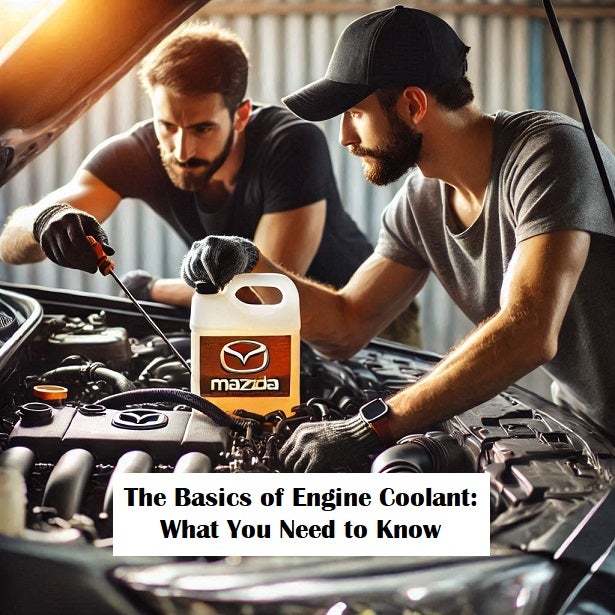
The Basics of Engine Coolant: What You Need to Know

Engine coolant, also known as antifreeze, is a crucial fluid in your vehicle's cooling system. Its primary role is to regulate engine temperature, preventing overheating and ensuring optimal performance. Understanding the basics of engine coolant can help you maintain your vehicle and avoid costly repairs. In this blog, we’ll explore what engine coolant is, its functions, types, maintenance tips, and how to detect issues. more What is Engine Coolant? Engine coolant is a liquid mixture, typically made of water and antifreeze, designed to absorb and dissipate heat from the engine. It circulates through the engine block, radiator, and heater core, helping to maintain a consistent operating temperature. Functions of Engine Coolant Engine coolant serves several essential functions, including: Temperature Regulation: Coolant absorbs heat from the engine and carries it to the radiator, where it is dissipated into the air. This process helps maintain an optimal operating temperature, preventing overheating. Corrosion Prevention: Most modern coolants contain additives that help protect the engine and cooling system components from rust and corrosion. Boiling and Freezing Protection: Engine coolant has a lower freezing point and a higher boiling point than water, which helps prevent the coolant from freezing in cold weather and boiling over in high temperatures. Lubrication: Coolant also lubricates the water pump and other components of the cooling system, reducing friction and wear. Types of Engine Coolant There are several types of engine coolant available, each with its unique properties: Ethylene Glycol: The most common type of coolant, ethylene glycol is used in a wide range of vehicles. It provides excellent freeze protection and corrosion resistance but is toxic, so handling it with care is essential. Propylene Glycol: A less toxic alternative to ethylene glycol, propylene glycol is often used in vehicles where human or animal exposure is a concern. While it provides similar freeze protection, it may not be as effective in preventing corrosion. Organic Acid Technology (OAT) Coolants: These coolants are formulated with organic acids and provide long-lasting protection. They typically have a longer service life than traditional coolants and are often used in newer vehicles. Hybrid Organic Acid Technology (HOAT) Coolants: Combining traditional and organic acid technologies, HOAT coolants offer excellent protection against corrosion and are suitable for a wide range of vehicles. How to Maintain Engine Coolant Proper maintenance of engine coolant is essential for optimal performance. Here are some tips: Check Coolant Levels Regularly: Periodically inspect the coolant reservoir and the radiator (when cool) to ensure the fluid level is within the recommended range. If it’s low, top it off with the appropriate coolant. Flush the Cooling System: Over time, coolant can become contaminated with debris and lose its effectiveness. Flushing the cooling system every 30,000 to 50,000 miles or as recommended by your vehicle manufacturer helps remove old coolant and contaminants. Inspect for Leaks: Regularly check hoses, connections, and the radiator for signs of leaks. If you notice coolant on the ground or a decrease in coolant levels, it may indicate a leak that needs to be addressed. Monitor Temperature: Pay attention to your vehicle’s temperature gauge. If the engine runs hotter than normal or the check engine light illuminates, it may indicate a coolant issue that requires immediate attention. Signs of Coolant Issues Recognizing the signs of coolant problems can help you address issues before they escalate: Overheating Engine: If your engine overheats, it may indicate low coolant levels or a malfunctioning cooling system. Coolant Leaks: Puddles of green, orange, or pink fluid under your vehicle can indicate a coolant leak. Address leaks promptly to avoid engine damage. Discolored or Sludgy Coolant: If the coolant appears discolored or has a sludgy consistency, it may indicate contamination. Flushing the cooling system may be necessary. Sweet Smell: A sweet odor inside or around your vehicle can indicate a coolant leak, as antifreeze has a distinct sweet smell. When to Replace Engine Coolant The frequency of coolant replacement depends on the type of coolant used and the manufacturer's recommendations. Generally, it’s advisable to replace coolant every 2 to 5 years or every 30,000 to 50,000 miles, depending on the coolant type. Always refer to your owner’s manual for specific guidelines. Health and Performance Understanding the basics of engine coolant is vital for maintaining your vehicle's health and performance. Regular inspection, maintenance, and prompt attention to any issues can help you avoid costly repairs and ensure your engine runs smoothly. By keeping an eye on coolant levels, types, and signs of potential problems, you can enjoy a reliable driving experience and extend the life of your vehicle.

bm2 title july 2025

The Importance of Regular Oil Changes for Your Mazda

When it comes to maintaining your Mazda, few things are as critical as regular oil changes. Engine oil is the lifeblood of your vehicle, ensuring that all the moving parts inside the engine work smoothly and efficiently. Neglecting this simple yet essential task can lead to reduced performance, increased fuel consumption, and potentially costly repairs. Here’s why regular oil changes are crucial for keeping your Mazda running at its best. more Lubrication: Keeping Your Engine Running Smoothly Your Mazda’s engine consists of numerous moving parts, including pistons, valves, and camshafts, all of which operate at high speeds and under intense pressure. Engine oil lubricates these components, reducing friction and preventing them from grinding against each other. Without proper lubrication, these parts can wear down quickly, leading to engine damage and, ultimately, engine failure. Over time, engine oil breaks down and loses its effectiveness, especially under extreme conditions like high temperatures or heavy loads. Regular oil changes ensure that your engine always has fresh, high-quality oil to keep everything running smoothly. Heat Dissipation: Preventing Overheating Engines generate a significant amount of heat during operation, and one of the roles of engine oil is to help dissipate this heat. As the oil circulates through the engine, it absorbs heat from critical components, helping to maintain optimal operating temperatures. However, as oil ages, it becomes less effective at absorbing and dispersing heat, which can lead to overheating. Regular oil changes help prevent this by ensuring that your Mazda’s engine is always protected by oil that can efficiently manage heat, reducing the risk of overheating and associated damage. Removing Contaminants: Keeping Your Engine Clean As engine oil circulates, it picks up dirt, debris, and metal particles from the engine. Over time, these contaminants can accumulate and form sludge, which can clog oil passages and reduce the efficiency of the oil. Sludge buildup can lead to poor engine performance, increased fuel consumption, and even engine damage. Regular oil changes are essential for removing these contaminants from your engine. By replacing old, dirty oil with fresh, clean oil, you help keep your engine clean and free from harmful deposits, ensuring it runs smoothly and efficiently. Improving Fuel Efficiency One of the benefits of regular oil changes is improved fuel efficiency. When engine oil is clean and free-flowing, it reduces friction between engine components, allowing the engine to operate more efficiently. This means your engine doesn’t have to work as hard, which can lead to better fuel economy. On the other hand, old, dirty oil can thicken and create more friction, making your engine work harder and consume more fuel. By sticking to a regular oil change schedule, you can help maximize your Mazda’s fuel efficiency and save money at the pump. Extending Engine Life Regular oil changes are one of the simplest and most cost-effective ways to extend the life of your Mazda’s engine. Clean, fresh oil reduces wear and tear on engine components, prevents overheating, and keeps the engine free from harmful contaminants. By taking care of your engine with regular oil changes, you can help ensure it remains reliable and performs well for years to come. Neglecting oil changes, on the other hand, can lead to accelerated wear, increased risk of engine failure, and costly repairs. In the worst-case scenario, driving with old or insufficient oil can result in catastrophic engine damage that may require a complete engine replacement. Maintaining Warranty Coverage For newer Mazdas, regular oil changes are often a requirement for maintaining warranty coverage. Failing to adhere to the recommended oil change schedule can void your warranty, leaving you responsible for any repairs that may arise as a result of neglect. By following Mazda’s recommended maintenance schedule and keeping up with regular oil changes, you can ensure that your warranty remains intact, giving you peace of mind and protecting your investment. Adapting to Driving Conditions Your driving habits and conditions can impact how often you need to change your oil. For example, if you frequently drive in stop-and-go traffic, tow heavy loads, or operate in extreme temperatures, your engine may experience more stress, causing the oil to break down faster. Mazda provides specific recommendations for oil change intervals based on driving conditions, so it’s important to follow these guidelines to ensure your engine is properly protected. If you’re unsure about how often to change your oil based on your driving habits, consult your owner’s manual or speak with a Mazda service technician. Peace of Mind Regular oil changes provide peace of mind knowing that your Mazda’s engine is well-maintained and operating at its best. By staying on top of this routine maintenance task, you can avoid the stress and expense of unexpected engine problems, ensuring that your vehicle remains reliable and enjoyable to drive. A Fundamental Aspect Regular oil changes are a fundamental aspect of maintaining your Mazda’s health and performance. By ensuring your engine is always lubricated, clean, and operates efficiently, you can enjoy better fuel economy, a longer engine life, and a more enjoyable driving experience. Don’t overlook this simple but essential maintenance task—keep your Mazda running smoothly and reliably by sticking to a regular oil change schedule.

bm2 title may 2025

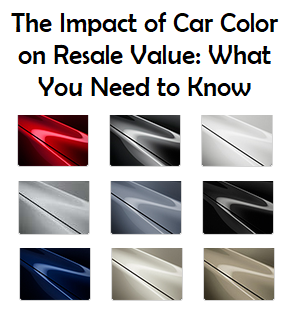
The Impact of Car Color on Resale Value: What You Need to Know

When buying a car, color might not seem like a major factor in your decision-making process. However, the color of your vehicle can significantly influence its resale value. While practical considerations like condition, mileage, and model are crucial, the color of your car can also affect how easily it sells and at what price. Here’s a look at how car color impacts resale value and what you should consider when choosing a color for your vehicle. more Popular Car Colors and Resale Value Neutral Colors White: White is one of the most popular and timeless car colors. It’s associated with cleanliness, simplicity, and high resale value. White cars tend to have a broad appeal and are often easier to sell. Black: Black is another classic color that generally holds its value well. It’s often associated with luxury and sophistication, making it a preferred choice for many buyers. Silver and Gray: These colors are also popular and tend to retain their value. They are versatile and less likely to show dirt and scratches, which can contribute to a higher resale value. Less Common Colors Red and Blue: While vibrant colors like red and blue can be eye-catching, they may not have as broad an appeal as neutral colors. The impact on resale value can vary based on trends and buyer preferences. Green and Purple: These less common colors can be polarizing and might appeal to a smaller market segment. While they may stand out, they can sometimes lead to a lower resale value compared to more popular colors. Trends and Market Preferences Changing Preferences Trends: Car color trends can shift over time. What’s popular today may not be as desirable in a few years. For example, bold colors or unique finishes that are trendy now might not have the same appeal in the future. Regional Preferences: Preferences for car colors can vary by region. In some areas, certain colors might be more popular or have a higher resale value based on local tastes and climate. Resale Market Dynamics Demand and Supply: The resale value of a car can be influenced by the supply and demand for specific colors. If a particular color is in high demand, it can positively impact resale value, whereas less popular colors may lead to lower offers. Seasonal Factors: Car colors that are more suited to specific seasons or weather conditions might experience fluctuations in resale value based on the time of year and current market trends. T he Psychological Impact of Color Buyer Perception First Impressions: Car color can affect first impressions. Buyers often associate certain colors with specific attributes, such as safety, luxury, or sportiness. This perception can influence their willingness to pay more or negotiate on price. Emotional Appeal: Colors that evoke positive emotions or align with personal preferences can make a vehicle more attractive to potential buyers. This emotional connection can impact how much buyers are willing to pay. Brand and Model Association Luxury and Performance: Certain colors are often associated with luxury and performance brands. For example, a high-end sports car in a bold color may appeal to enthusiasts and command a higher resale value. Brand Identity: Some brands have specific colors that are part of their identity. Choosing a color that aligns with the brand’s image can positively influence resale value. Practical Considerations Maintenance and Care Visibility and Wear: Colors like white, silver, and gray tend to hide dirt and minor scratches better than darker or more vibrant colors. This can keep the vehicle looking newer for longer and potentially help maintain its resale value. Repair Costs: Some colors are more challenging and expensive to match for repairs. Custom or unique colors may require specialized touch-up work, which can impact the vehicle’s overall condition and resale value. Longevity and Appeal Timelessness: Classic colors that have remained popular over time generally offer better resale value. They tend to appeal to a broader audience and remain in demand, making them a safer choice for long-term value. Fashion and Trends: While trendy colors might be appealing now, they can become outdated or less desirable as trends change. Consider choosing a color that has a more timeless appeal to ensure better resale value. Making an Informed Decision Research and Analysis Market Research: Conduct research on current car color trends and their impact on resale value. Look at data and statistics to understand how different colors perform in the resale market. Consultation: Speak with automotive experts, dealerships, or resale professionals to get insights on how color choices can affect resale value. Personal Preferences vs. Resale Value Balance: While it’s important to consider resale value, choosing a color that you love and that suits your style is also crucial. Finding a balance between personal preference and resale potential will ensure you enjoy your vehicle while maximizing its value when it’s time to sell. The Color Choice That Works for You Choosing the right car color involves more than just aesthetic preferences. It’s about understanding how color influences resale value, buyer perceptions, and market trends. By considering popular and timeless colors, staying informed about market dynamics, and balancing your personal preferences with practical considerations, you can make a more informed decision that benefits both your enjoyment of the vehicle and its future resale value.

bm3 title april 2025

How to Maintain Your Mazda for Optimal Performance

Owning a Mazda is not just about driving—it’s about experiencing the thrill of precision engineering, dynamic handling, and innovative technology. To ensure that your Mazda continues to deliver top-notch performance throughout its life, regular maintenance is key. Here’s a comprehensive guide on how to maintain your Mazda for optimal performance. more Regular Oil Changes: The Lifeblood of Your Engine Oil is the lifeblood of your Mazda’s engine, keeping all the moving parts lubricated and running smoothly. Regular oil changes are crucial to maintaining engine health and performance. Mazda recommends changing the oil every 5,000 to 7,500 miles, depending on your driving conditions. Always use the type of oil specified in your owner’s manual to ensure compatibility with Mazda’s Skyactiv Technology. Tip: Consider using synthetic oil for better protection and longer intervals between changes, especially if you drive in extreme conditions. Monitor and Maintain Fluid Levels Your Mazda relies on various fluids to operate efficiently, including coolant, brake fluid, transmission fluid, and power steering fluid. Regularly check these fluid levels and top them off as needed. Low or dirty fluids can lead to overheating, poor braking performance, and transmission issues, all of which can affect your vehicle’s overall performance. Tip: Schedule a full fluid check with your mechanic during routine maintenance visits to ensure all fluids are at optimal levels and free from contaminants. Keep an Eye on Tire Health Tires are a critical component of your Mazda’s performance, affecting handling, fuel efficiency, and safety. Regularly inspect your tires for proper inflation, tread wear, and overall condition. Underinflated tires can lead to reduced fuel efficiency and poor handling, while overinflated tires may cause a harsh ride and increased wear. Tip: Rotate your tires every 6,000 to 8,000 miles to ensure even wear and prolong tire life. Also, check the alignment and balance if you notice uneven wear or your Mazda pulling to one side. Brake Maintenance: Safety First Your brakes are essential for safe driving and maintaining control of your Mazda. Regular brake inspections help prevent issues such as squeaking, reduced stopping power, or vibrations. Check the brake pads, rotors, and fluid regularly, and replace worn components promptly to maintain braking performance. Tip: If you notice any unusual noises or a spongy brake pedal, have your brakes inspected immediately to avoid potential safety hazards. Air Filter and Cabin Filter Replacement A clean air filter ensures your Mazda’s engine receives the right amount of air for efficient combustion, while a clean cabin filter keeps the air inside your vehicle fresh. Dirty filters can lead to reduced engine performance and poor air quality inside the car. Replace the engine air filter every 15,000 to 30,000 miles, depending on driving conditions, and the cabin filter annually or every 15,000 miles. Tip: If you frequently drive in dusty or polluted areas, consider checking and replacing the filters more often to maintain optimal air quality and engine performance. Ba ttery Care: Reliable Starting Power A healthy battery is essential for reliable starting and powering your Mazda’s electrical systems. Regularly check the battery terminals for corrosion, ensure the battery is securely mounted, and test the battery’s charge. Most car batteries last between three to five years, so keep an eye on the age of your battery and replace it when necessary. Tip: If you experience slow cranking or need to jump-start your Mazda frequently, it’s time to have your battery and charging system checked by a professional. Regular Software Updates Mazda vehicles equipped with advanced infotainment systems and driver-assist technologies may require occasional software updates to ensure optimal performance and functionality. Regularly check for updates and have them installed by your dealer to keep your Mazda’s systems running smoothly. Tip: If you’re not sure whether your vehicle needs a software update, consult your dealer during routine maintenance visits. Wash and Wax: Protect the Exterior Regular washing and waxing protect your Mazda’s exterior from the elements, preventing rust, paint damage, and fading. Wash your car every two weeks, especially if you drive in harsh conditions or on salted roads. Wax your Mazda at least twice a year to maintain the paint’s luster and protect against UV rays. Tip: Pay special attention to the undercarriage during washes, as dirt and grime can accumulate and lead to rust if not properly cleaned. Follow the Manufacturer’s Maintenance Schedule Mazda provides a detailed maintenance schedule in the owner’s manual, outlining when specific services and inspections should be performed. Adhering to this schedule ensures that all critical components are checked and maintained at the appropriate intervals, helping to prevent costly repairs and prolonging your vehicle’s lifespan. Tip: Keep a log of all maintenance performed on your Mazda. This can help you track what’s been done and may increase the resale value of your car by showing prospective buyers that the vehicle has been well-maintained. More than Following a Checklist Maintaining your Mazda for optimal performance is about more than just following a checklist—it’s about ensuring that your vehicle continues to deliver the exhilarating driving experience you’ve come to expect. By staying on top of regular maintenance and addressing any issues promptly, you can keep your Mazda running smoothly for years to come. Remember, a well-maintained Mazda is not only more reliable and efficient but also more fun to drive.

BM2 TITLE APRIL 2025

Understanding Car Emissions and How to Reduce Them

Car emissions are a significant concern in today's world, contributing to air pollution, climate change, and public health issues. Understanding what car emissions are, their impact, and how to reduce them can help you make informed choices and contribute to a cleaner environment. Here’s a comprehensive guide to understanding car emissions and effective strategies for reducing them. more What Are Car Emissions? Types of Emissions Carbon Dioxide (CO2): CO2 is the primary greenhouse gas emitted from burning fossil fuels. It contributes to global warming and climate change. Carbon Monoxide (CO): CO is a colorless, odorless gas that can be harmful in high concentrations. It is produced from incomplete combustion of fuel. Nitrogen Oxides (NOx): NOx gases, including nitrogen dioxide (NO2) and nitric oxide (NO), contribute to smog formation and can cause respiratory problems. Particulate Matter (PM): PM consists of tiny particles that can penetrate the lungs and cause health issues. Diesel engines, in particular, are known for emitting high levels of PM. Volatile Organic Compounds (VOCs): VOCs are organic chemicals that contribute to smog and can have adverse health effects. Emission Sources Exhaust System: The primary source of car emissions is the exhaust system, which releases pollutants from the engine into the atmosphere. Fuel Type: Different fuels produce varying levels of emissions. For example, gasoline and diesel have different combustion characteristics and emission profiles. The Impact of Car Emissions Environmental Effects Climate Change: CO2 and other greenhouse gases trap heat in the atmosphere, contributing to global warming and climate change. This can lead to more extreme weather events and rising sea levels. Air Pollution: NOx and VOCs contribute to ground-level ozone formation and smog, which can degrade air quality and harm ecosystems. Health Impacts Respiratory Issues: Exposure to pollutants like NOx and PM can cause or exacerbate respiratory conditions such as asthma, bronchitis, and other lung diseases. Cardiovascular Problems: Long-term exposure to air pollution is associated with increased risk of cardiovascular diseases, including heart attacks and strokes. How to Reduce Car Emissions Choose a Cleaner Vehicle Electric Vehicles (EVs): EVs produce zero tailpipe emissions and are a cleaner alternative to traditional gasoline and diesel vehicles. They help reduce CO2 and other harmful pollutants. Hybrid Vehicles: Hybrids combine a conventional engine with an electric motor, improving fuel efficiency and reducing emissions compared to standard combustion engines. Low-Emission Models: When choosing a new car, look for models with lower emissions ratings and advanced emission control technologies. Maintain Your Vehicle Regular Maintenance: Follow the manufacturer’s maintenance schedule, including oil changes, filter replacements, and spark plug inspections. Proper maintenance ensures that your vehicle runs efficiently and produces fewer emissions. Emission Controls: Ensure that your vehicle’s emission control systems, such as catalytic converters and oxygen sensors, are functioning properly. These systems help reduce the amount of harmful pollutants released from the exhaust. Improve Fuel Efficiency Drive Efficiently: Adopt fuel-efficient driving habits, such as smooth acceleration and braking, maintaining a steady speed, and avoiding excessive idling. These practices can improve fuel efficiency and reduce emissions. Proper Tire Maintenance: Keep your tires properly inflated and aligned. Under-inflated tires can increase fuel consumption and emissions. Use Alternative Fuels Biofuels: Biofuels, such as ethanol and biodiesel, are derived from renewable sources and can reduce the overall carbon footprint of your vehicle. Check if your vehicle is compatible with alternative fuels. Hydrogen Fuel Cells: Hydrogen fuel cell vehicles emit only water vapor and are a promising alternative to traditional fuels. They offer a clean energy solution for reducing emissions. Reduce Vehicle Usage Carpooling: Share rides with others to reduce the number of vehicles on the road. Carpooling can decrease overall emissions and reduce traffic congestion. Public Transportation: Use public transportation, bike, or walk for short trips to minimize your reliance on personal vehicles and lower your carbon footprint. Combine Trips: Plan your trips efficiently to reduce the number of short trips and avoid unnecessary driving. Support Sustainable Practices Advocate for Policies Support Legislation: Advocate for and support policies and regulations aimed at reducing vehicle emissions, such as stricter emission standards and incentives for clean energy vehicles. Promote Renewable Energy: Support initiatives that promote the use of renewable energy sources for electricity generation, which can further reduce the environmental impact of electric vehicles. Educate and Raise Awareness Community Engagement: Share information about the environmental and health impacts of car emissions with friends, family, and community members. Encourage others to adopt cleaner and more sustainable practices. Participate in Initiatives: Get involved in local and national initiatives focused on reducing vehicle emissions and promoting sustainable transportation solutions. Future Trends and Innovations Advancements in Technology Improved Emission Controls: Ongoing research and development are focused on improving emission control technologies and reducing the environmental impact of vehicles. Autonomous Vehicles: Autonomous vehicles have the potential to optimize driving patterns and reduce fuel consumption, leading to lower emissions. Emerging Alternatives Alternative Powertrains: Innovations in alternative powertrains, such as hydrogen fuel cells and advanced battery technologies, are expected to further reduce emissions and improve environmental sustainability. Driving Toward a Cleaner Future Understanding car emissions and taking proactive steps to reduce them are essential for protecting the environment and public health. By choosing cleaner vehicles, maintaining your car, adopting fuel-efficient driving habits, and supporting sustainable practices, you can contribute to a cleaner and healthier planet. Embracing innovation and staying informed about advancements in automotive technology will help drive progress toward a more sustainable future in transportation.

bm1 title april 2025

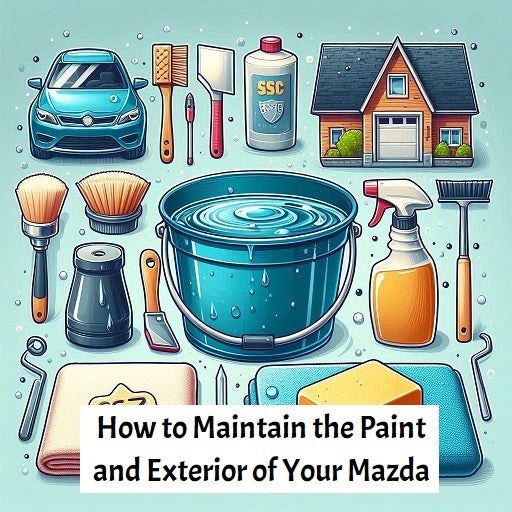
How to Maintain the Paint and Exterior of Your Mazda

Your Mazda is more than just a mode of transportation; it’s a reflection of your style and personality. Keeping your vehicle's paint and exterior in pristine condition not only enhances its aesthetic appeal but also protects its value over time. In this blog, we’ll explore effective strategies for maintaining the paint and exterior of your Mazda, ensuring it remains as stunning as the day you drove it off the lot. more Regular Washing The foundation of paint maintenance is regular washing. Dirt, grime, and contaminants can damage the paint over time if not removed. Here are some tips for washing your Mazda effectively: Use the Right Products: Choose a pH-balanced car wash soap specifically designed for automotive paint. Avoid household cleaners or dish soap, as they can strip away wax and harm the paint. Soft Wash Mitt or Sponge: Use a soft wash mitt or sponge to prevent scratching the paint. Start washing from the top of the vehicle and work your way down, rinsing the mitt frequently to avoid redistributing dirt. Rinse Thoroughly: Make sure to rinse off all soap residue thoroughly to avoid streaks or spots on the paint. Wash Frequently: Aim to wash your Mazda every two weeks, or more often if you live in an area with harsh weather conditions, road salt, or heavy pollen. Drying Properly After washing, drying your Mazda properly is crucial to prevent water spots and streaks. Use a Microfiber Towel: Choose a soft, absorbent microfiber towel or drying chamois to dry your vehicle. Microfiber is gentle on paint and effectively absorbs water without scratching. Blot, Don’t Wipe: Blot the surface to absorb water instead of wiping, which can cause swirl marks or scratches. Dry in the Shade: If possible, dry your vehicle in the shade to avoid water spots caused by sunlight evaporating water too quickly. Waxing and Sealing Waxing your Mazda not only enhances its shine but also provides a protective barrier against UV rays, dirt, and contaminants. Here’s how to do it: Choose the Right Wax: Use a high-quality carnauba wax or synthetic sealant. Carnauba wax provides a deep shine, while synthetic sealants offer longer-lasting protection. Apply in a Controlled Environment: Wax your vehicle in a shaded area or indoors to avoid direct sunlight, which can cause the wax to dry too quickly. Follow Application Instructions: Apply the wax in thin, even layers using a foam applicator pad. Allow it to haze according to the product instructions before buffing it off with a clean microfiber towel. Frequency of Waxing: Wax your Mazda every three to six months, depending on environmental conditions and personal preference. Protecting Against Contaminants Environmental contaminants like bird droppings, tree sap, and road salt can damage your Mazda's paint if not addressed promptly. Here’s how to protect against them: Remove Contaminants Quickly: If you notice bird droppings, tree sap, or bug splatter, remove them as soon as possible. Use a gentle cleaner specifically designed for automotive surfaces to avoid damaging the paint. Consider a Ceramic Coating: For added protection, consider applying a ceramic coating. This advanced solution forms a durable layer on the paint, providing enhanced protection against scratches, UV rays, and environmental contaminants. Avoiding Scratches and Dings Preventing scratches and dings is essential for maintaining the exterior of your Mazda. Here are some tips to minimize damage: Be Mindful of Parking: Avoid tight parking spots and areas with low-hanging branches. Whenever possible, park in safe, well-lit areas to reduce the risk of dings. Use a Car Cover: If you plan to park your Mazda outdoors for an extended period, consider using a breathable car cover. This adds an extra layer of protection against dust, debris, and harsh weather. Careful Cleaning Techniques: When washing your vehicle, avoid using automatic car washes with brushes that can scratch the paint. Instead, opt for touchless car washes or hand washing. Regular Inspections Regularly inspecting your Mazda’s exterior can help you catch potential issues before they escalate. Check for Paint Damage: Look for scratches, chips, or signs of rust on the paint surface. Address any issues promptly to prevent further damage. Inspect Seals and Trim: Check the rubber seals around windows and doors for wear or damage. Replacing worn seals can prevent water leaks and further protect your vehicle’s interior. Professional Detailing Consider professional detailing services at least once a year to keep your Mazda looking its best. Professional detailers have access to specialized products and techniques that can enhance your vehicle’s appearance and protect the paint. Preserving Beauty and Value Maintaining the paint and exterior of your Mazda is essential for preserving its beauty and value. By following these tips—regular washing, proper drying, waxing, protecting against contaminants, avoiding scratches, conducting regular inspections, and considering professional detailing—you can ensure that your Mazda remains in top condition for years to come. A well-maintained exterior not only enhances your vehicle's appearance but also contributes to a more enjoyable driving experience, allowing you to take pride in every journey.

bm3 title march 2025

How to Care for the Interior of Your Mazda: Tips for Maintaining a Pristine Cabin

Your Mazda's interior is where you spend most of your time while driving, so keeping it clean, comfortable, and well-maintained is essential. A well-cared-for interior not only enhances your driving experience but also helps preserve the value of your vehicle over time. Here are some tips on how to care for the interior of your Mazda to ensure it stays in top condition for years to come. more Regular Cleaning: The Foundation of Interior Care Regular cleaning is the first step in maintaining a pristine interior. Dust, dirt, and grime can accumulate quickly, especially on frequently touched surfaces like the steering wheel, dashboard, and seats. To keep your Mazda's interior looking its best, make it a habit to clean it regularly. Vacuuming: Start by vacuuming the carpets, floor mats, and seats to remove loose dirt and debris. Use a soft brush attachment to gently clean around vents, seams, and other delicate areas. Don’t forget to vacuum under the seats and in the crevices where dirt tends to accumulate. Wiping Down Surfaces: Use a microfiber cloth and a mild, non-abrasive cleaner to wipe down hard surfaces such as the dashboard, center console, and door panels. Avoid using harsh chemicals or rough cloths that could scratch or damage surfaces. For leather seats and trim, use a leather cleaner and conditioner to keep the material soft and supple. Cleaning Windows: Clean the interior windows and mirrors with a glass cleaner to remove smudges, fingerprints, and streaks. This will not only improve visibility but also give your interior a polished look. Protecting Your Seats: Preserve Comfort and Appearance Your Mazda's seats are subject to a lot of wear and tear, so it's important to take steps to protect them from damage. Whether your seats are upholstered in cloth, leather, or a combination of materials, proper care will help them stay in good condition. Seat Covers: Consider using seat covers to protect your seats from spills, stains, and UV damage. Seat covers are especially useful if you frequently transport pets, kids, or cargo that could damage the seats. Choose covers that are designed to fit your specific Mazda model for the best protection and appearance. Leather Care: If your Mazda has leather seats, regular cleaning and conditioning are essential to prevent cracking, fading, and drying out. Use a leather cleaner to remove dirt and oils, followed by a leather conditioner to keep the leather soft and moisturized. Avoid leaving your car parked in direct sunlight for extended periods, as UV rays can cause leather to deteriorate over time. Cloth Seat Care: For cloth seats, vacuum them regularly to remove dust and dirt. If you notice stains, treat them promptly with a fabric cleaner that is safe for automotive interiors. Blot stains gently rather than scrubbing, as scrubbing can damage the fabric. Floor Mats and Carpets: Keeping Them Fresh and Clean The floor mats and carpets in your Mazda are among the most heavily used areas of the interior, often bearing the brunt of dirt, mud, and spills. Regular care will help keep them looking fresh and clean. Cleaning Floor Mats: Remove your floor mats and shake them out to remove loose dirt and debris. If your mats are rubber, rinse them with water and use a mild soap to clean them thoroughly. For carpeted mats, vacuum them and treat any stains with a carpet cleaner. Allow the mats to dry completely before placing them back in your car. Carpet Care: Vacuum your Mazda's carpets regularly to prevent dirt from becoming embedded in the fibers. For stains, use a carpet cleaner specifically designed for automotive use. Consider using all-weather floor mats during the winter months or in wet conditions to protect the carpets from mud, snow, and moisture. Protecting Against UV Damage: Preserve Your Interior’s Longevity The sun's UV rays can cause significant damage to your Mazda's interior over time, leading to fading, cracking, and discoloration of materials. Protecting your interior from UV damage is key to maintaining its appearance and longevity. Window Tinting: Consider having your Mazda’s windows tinted to reduce the amount of UV rays that enter the cabin. Window tinting not only helps protect your interior but also keeps the cabin cooler and more comfortable during hot weather. Sunshades: Use a windshield sunshade when parking your car in direct sunlight to protect the dashboard, steering wheel, and seats from UV exposure. Sunshades are an inexpensive and effective way to prevent sun damage and keep your interior looking new. UV Protectant Sprays: Apply a UV protectant spray to plastic and vinyl surfaces to shield them from the sun's harmful rays. These sprays can help prevent cracking and fading, extending the life of your interior materials. Dealing with Spills and Stains: Quick Action Is Key Accidents happen, and spills and stains are inevitable. However, how you handle them can make a big difference in whether they leave a lasting mark on your Mazda's interior. Immediate Action: As soon as a spill occurs, blot it up with a clean cloth or paper towel to absorb as much liquid as possible. Avoid rubbing the spill, as this can spread it and make the stain worse. Stain Removal: Use an appropriate cleaner for the type of material you’re treating. For fabric seats and carpets, a fabric cleaner can work wonders on stains. For leather, use a leather cleaner. Be sure to test any cleaning product on a small, inconspicuous area first to ensure it won’t damage the material. Odor Control: If a spill leaves behind an odor, sprinkle baking soda on the affected area and let it sit for a few hours before vacuuming it up. This can help neutralize any lingering smells. For more stubborn odors, consider using an interior odor eliminator designed for cars. Maintaining the Air Quality: Breathe Easy Inside Your Mazda The air quality inside your Mazda is important for your comfort and health, so it’s worth taking steps to ensure the cabin air is clean and fresh. Cabin Air Filter: Your Mazda’s cabin air filter helps remove dust, pollen, and other contaminants from the air that enters the interior. Over time, the filter can become clogged, reducing its effectiveness. Check your owner’s manual for the recommended replacement interval, and replace the filter as needed to maintain good air quality. Air Fresheners: Use air fresheners to keep your Mazda’s interior smelling fresh, but be mindful of strong scents that might be overpowering. If you prefer a more natural approach, consider placing a small bag of activated charcoal or a few coffee beans in the car to absorb odors. Organizing Your Interior: Clutter-Free Driving A clutter-free interior not only looks better but also makes for a more enjoyable and stress-free driving experience. Keep your Mazda's cabin organized by following these tips: Storage Solutions: Make use of your Mazda’s built-in storage compartments, such as the glove box, center console, and door pockets, to keep items neatly stowed away. Consider using organizers or trays to keep smaller items from sliding around. Minimalist Approach: Try to keep only essential items in your car, such as your owner’s manual, registration, and emergency supplies. Removing unnecessary clutter will make it easier to keep your interior clean and organized. Trunk Organization: Use trunk organizers or cargo nets to keep your trunk tidy and prevent items from shifting during transit. This not only protects your belongings but also prevents damage to the trunk lining and carpet. Protect Your Investment Caring for the interior of your Mazda is an investment in both the longevity and enjoyment of your vehicle. By following these tips and making regular cleaning and maintenance a priority, you can keep your Mazda's cabin looking and feeling like new. Whether you’re driving to work, running errands, or embarking on a road trip, a well-maintained interior enhances every journey, ensuring that your Mazda remains a comfortable and inviting space for you and your passengers.

bm4 feb title

How to Inspect and Maintain Your Vehicle's Transmission

Your vehicle's transmission is one of the most critical components, responsible for transferring power from the engine to the wheels. A well-maintained transmission ensures smooth shifting and optimal performance, while neglect can lead to costly repairs or even complete transmission failure. In this blog, we’ll explore how to inspect and maintain your vehicle's transmission to keep it running smoothly for years to come. ***Please be advised, this information is for older Mazda vehicles. Newer Mazda vehicles have a sealed transmission system.*** more Understanding Your Transmission Before diving into maintenance, it's essential to understand the different types of transmissions: Automatic Transmission: Uses a complex system of gears and hydraulic systems to change gears automatically based on speed and load. Manual Transmission: Requires the driver to manually shift gears using a clutch pedal and gear lever. Continuously Variable Transmission (CVT): Uses a system of pulleys and belts to provide seamless acceleration without traditional gear shifts. Signs of Transmission Problems Regular inspection can help you identify issues before they escalate. Here are some signs that your transmission may need attention: Slipping Gears: If your transmission unexpectedly shifts out of gear or has trouble staying in gear, it could indicate a problem. Delayed Engagement: A noticeable delay when shifting from park to drive or reverse can signal low fluid levels or internal issues. Unusual Noises: Grinding, whining, or clunking sounds when changing gears can indicate worn components or low fluid. Fluid Leaks: Puddles of reddish or brownish fluid under your vehicle can indicate a transmission fluid leak, which should be addressed immediately. Regular Transmission Maintenance To keep your transmission in good shape, follow these maintenance tips: Check Transmission Fluid Level and Condition Warm Up the Vehicle: Start the engine and let it run for a few minutes to warm up the transmission fluid. Locate the Dipstick: For vehicles with an automatic transmission, locate the transmission dipstick, usually marked with a color-coded handle. Manual transmissions may not have a dipstick; instead, they may require a fill plug for checking fluid levels. Check Fluid Level: With the engine running, remove the dipstick, wipe it clean with a cloth, and reinsert it. Remove it again to check the fluid level. The fluid should be within the marked range on the dipstick. Inspect Fluid Condition: The transmission fluid should be a bright red color and free of debris. If it appears dark brown or smells burnt, it may need to be replaced. Change Transmission Fluid and Filter Most manufacturers recommend changing the transmission fluid and filter every 30,000 to 60,000 miles, but always refer to your owner’s manual for specific guidelines. Gather Supplies: You will need new transmission fluid, a new filter (if applicable), a drain pan, and a funnel. Drain the Old Fluid: Locate the transmission drain plug and remove it to let the fluid drain into the pan. Allow it to drain completely. Replace the Filter: If your vehicle has a replaceable transmission filter, remove the old filter and install the new one according to the manufacturer’s instructions. Refill with New Fluid: Use a funnel to add new transmission fluid through the dipstick tube, ensuring you use the correct type of fluid specified in your owner’s manual. Check Fluid Level Again: After refilling, start the engine and let it run for a few minutes. Check the fluid level again and add more if necessary. Inspect Transmission Cooling System An efficient transmission cooling system is vital for maintaining optimal operating temperatures: Check the Cooler Lines: Inspect the transmission cooler lines for any signs of wear, cracks, or leaks. Replace any damaged lines immediately. Inspect the Radiator: If your vehicle uses the radiator to cool the transmission fluid, ensure it is functioning properly and free of leaks. Monitor Driving Habits Your driving habits can significantly affect the lifespan of your transmission. Consider the following tips: Avoid Overloading: Excessive weight can put additional strain on your transmission. Ensure you don’t exceed the vehicle’s load capacity. Use Proper Gear: In manual transmissions, shift smoothly and at the appropriate RPMs. In automatic vehicles, avoid “lugging” the engine by letting it downshift before acceleration. Keep Your Cool: If towing or driving in heavy traffic, be mindful of your transmission temperature. Consider using an auxiliary transmission cooler for added protection. When to Seek Professional Help While many transmission maintenance tasks can be performed at home, some issues may require professional attention. If you notice persistent problems, such as slipping, delayed engagement, or unusual noises, it's best to consult a qualified mechanic. They can diagnose and repair any internal issues that may be affecting your transmission. Ensuring Longevity and Performance Regular inspection and maintenance of your vehicle's transmission are essential for ensuring its longevity and performance. By checking fluid levels, changing fluid and filters, inspecting the cooling system, and being mindful of your driving habits, you can keep your transmission running smoothly. If you’re ever in doubt or encounter significant issues, don’t hesitate to seek professional assistance. Taking proactive steps will help you avoid costly repairs and keep your vehicle on the road for years to come.

bm1 feb title

How to Keep Your Car's Interior Looking New: Essential Tips and Tricks

Your car's interior is more than just a space to sit; it’s a reflection of your care and attention. Maintaining a clean and fresh interior not only enhances your driving experience but also helps retain the vehicle's value over time. Here’s a comprehensive guide to keeping your car’s interior looking new, from routine cleaning to preventative measures. more Regular Cleaning Routine Vacuuming Frequency: Vacuum your car’s interior at least once a week to remove dust, dirt, and crumbs. Focus on seats, floor mats, and under the seats. Technique: Use a vacuum with a brush attachment to gently clean upholstery and carpets. For hard-to-reach areas, consider using a handheld vacuum or a crevice tool. Dusting and Wiping Dashboard and Console: Dust and wipe down the dashboard, center console, and door panels with a microfiber cloth. Use a mild cleaner designed for automotive interiors to remove grime. Air Vents: Use a small brush or compressed air to clean out dust from air vents. A soft brush attachment can help reach tight spaces. Cleaning Upholstery Fabric Seats: For fabric seats, use a vacuum to remove loose dirt and a fabric cleaner to tackle stains. Follow the manufacturer’s instructions for application and drying. Leather Seats: Clean leather seats with a leather cleaner and conditioner to maintain their appearance and prevent cracking. Avoid using harsh chemicals or excessive water. Stain and Odor Prevention Stain Protection Immediate Action: Address spills and stains as soon as they occur. Blot the area with a clean cloth to absorb excess liquid before treating the stain with an appropriate cleaner. Protective Sprays: Consider using fabric or leather protectors that repel stains and make cleaning easier. These products create a barrier that helps prevent spills from setting in. Odor Control Air Fresheners: Use air fresheners or odor-neutralizing products to keep the interior smelling fresh. Opt for natural options like essential oil diffusers for a pleasant aroma. Ventilation: Regularly air out your car by opening the windows and using the air conditioning or heating system to circulate fresh air. Preventative Measures Use Floor Mats and Seat Covers Floor Mats: Invest in high-quality, all-weather floor mats to protect your car’s carpeting from dirt, spills, and wear. Ensure they are easy to remove and clean. Seat Covers: Seat covers provide an extra layer of protection for your upholstery, especially if you have kids or pets. Choose covers that are easy to install and remove for cleaning. Avoid Eating and Drinking in the Car Minimize Mess: Try to avoid eating and drinking in your car to reduce the risk of spills and crumbs. If you must eat or drink, use spill-proof containers and clean up immediately. Detailing and Deep Cleaning Professional Detailing Frequency: Consider having your car professionally detailed every 6 to 12 months. Professional detailers have the tools and expertise to thoroughly clean and protect your car’s interior. Services: Professional detailing often includes deep cleaning of carpets and upholstery, conditioning of leather, and treatment of hard-to-reach areas. DIY Deep Cleaning Shampoo Carpets and Upholstery: For a thorough clean, use a carpet and upholstery shampooer to remove deep-seated dirt and stains. Follow the manufacturer’s instructions for best results. Clean Windows: Use a glass cleaner to clean the interior windows and mirrors. Avoid ammonia-based cleaners, as they can damage tinted windows and leave streaks. Protecting Your Car’s Interior Sun Protection Window Shades: Use sunshades or window visors to protect your car’s interior from harmful UV rays. This helps prevent fading and cracking of upholstery and dashboard components. Park in Shade: Whenever possible, park your car in a shaded area or use a car cover to minimize exposure to direct sunlight. Regular Maintenance Check for Issues: Regularly inspect your car’s interior for any signs of wear or damage. Address issues promptly to prevent further deterioration. Keep Cleaning Supplies Handy: Maintain a set of cleaning supplies in your car for quick touch-ups. Include items like microfiber cloths, a small vacuum, and a multi-purpose cleaner. A Clean and Inviting Interior Keeping your car’s interior looking new requires a combination of regular cleaning, preventative measures, and occasional deep cleaning. By incorporating these practices into your routine, you can ensure that your vehicle’s interior remains fresh, clean, and inviting. A well-maintained interior not only enhances your driving experience but also helps preserve the value of your car for years to come.

bm1 jan title

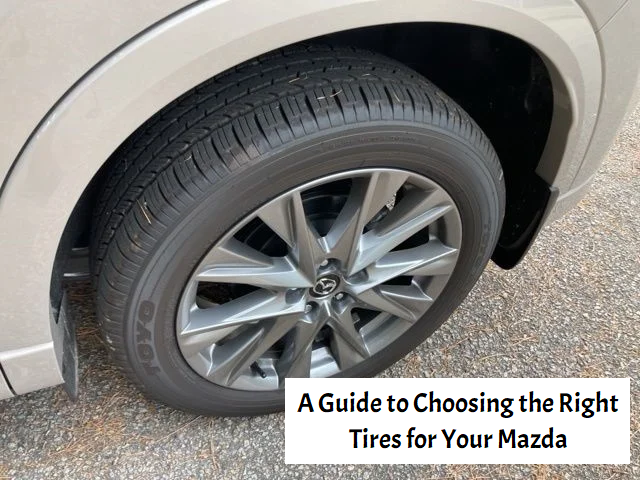
A Guide to Choosing the Right Tires for Your Mazda

Your Mazda is designed for performance, safety, and comfort, and the right set of tires plays a crucial role in maintaining these qualities. Whether you're looking to replace your worn-out tires or upgrade to a new set, choosing the right tires is essential for optimizing your Mazda's handling, fuel efficiency, and overall driving experience. This guide will walk you through the key factors to consider when selecting tires for your Mazda. more Understanding Tire Basics: What You Need to Know Before diving into the selection process, it's important to understand the basics of tire specifications and how they impact your driving experience. Tire Size: The size of your tires is specified by a combination of numbers and letters, such as 225/45R17. These numbers represent the tire's width, aspect ratio, and diameter. It's crucial to choose tires that match the size recommended by Mazda for your specific model, as using the wrong size can affect handling, safety, and even your vehicle's warranty. Tread Pattern: Tires come with different tread patterns designed for various driving conditions. The tread pattern affects traction, handling, and noise levels. Common tread patterns include: Symmetrical: Offers a smooth, quiet ride and long-lasting performance. Ideal for everyday driving. Asymmetrical: Combines different tread patterns to enhance handling, especially in wet conditions. Great for sporty driving. Directional: Designed for high-performance driving with excellent wet and dry traction. Often found on sports cars and performance vehicles. Speed Rating: The speed rating indicates the maximum speed at which a tire can safely operate. It's denoted by a letter, such as H, V, or Z. Make sure to choose a tire with a speed rating that meets or exceeds the capabilities of your Mazda. Load Index: The load index indicates the maximum weight a tire can support. It's important to select tires with a load index that matches or exceeds the weight of your Mazda, especially if you frequently carry heavy loads or passengers. Types of Tires: Which One Is Right for Your Mazda? Different types of tires are designed to perform optimally in specific conditions. Choosing the right type of tire depends on your driving habits, the climate you live in, and your Mazda model. All-Season Tires: All-season tires are the most versatile option, designed to perform well in a variety of conditions, including dry, wet, and light snow. They offer a balance of comfort, durability, and performance, making them an excellent choice for most Mazda drivers. If you live in an area with mild winters and don't frequently encounter extreme weather conditions, all-season tires are likely the best choice for you. Summer Tires: Summer tires, also known as performance tires, are engineered for maximum grip and handling on dry and wet roads during warm weather. They offer superior traction and responsiveness, making them ideal for sporty driving and high-performance Mazda models like the Mazda MX-5 Miata. However, summer tires are not suitable for cold weather or snow-covered roads, so they should be used only during the warmer months. Winter Tires: Winter tires are specifically designed to provide optimal traction and handling in cold weather, snow, and ice. They feature a softer rubber compound that remains flexible in low temperatures and a tread pattern designed to bite into snow and ice. If you live in an area with harsh winters, winter tires are essential for maintaining safety and control. It's recommended to switch to winter tires when the temperature consistently drops below 45°F (7°C). Touring Tires: Touring tires are designed for a smooth, comfortable ride with enhanced fuel efficiency and longer tread life. They are ideal for drivers who prioritize comfort and economy over sporty performance. Touring tires are a great option for Mazda sedans and crossovers used primarily for commuting and long-distance driving. Performance Tires: Performance tires are designed for drivers who demand high levels of grip, handling, and responsiveness. They are often found on sports cars and performance-oriented Mazda models. While they offer excellent performance in dry and wet conditions, they may have a shorter tread life and be noisier than other tire types. Off-Road Tires: If you frequently take your Mazda CX-5 or CX-9 off the beaten path, off-road or all-terrain tires may be a good choice. These tires are designed with rugged tread patterns and reinforced sidewalls to handle rough terrain, mud, and gravel. However, they may sacrifice some comfort and fuel efficiency on paved roads. Considering Your Driving Habits: Tailoring Your Tire Choice Your driving habits play a significant role in determining the right tires for your Mazda. Consider the following factors when making your decision: Daily Commutes: If you use your Mazda primarily for daily commuting on highways and city streets, all-season or touring tires are likely the best option. They offer a good balance of comfort, fuel efficiency, and durability. Sporty Driving: For those who enjoy spirited driving or own a performance-oriented Mazda model like the MX-5 Miata, performance or summer tires will provide the grip and handling needed to fully enjoy the driving experience. Long-Distance Travel: If you frequently embark on long road trips, touring tires may be the best choice for their smooth ride and long tread life. They are designed to minimize road noise and enhance comfort, making them ideal for extended journeys. Off-Road Adventures: If you often take your Mazda on off-road trails or unpaved roads, consider all-terrain or off-road tires. These tires are built to handle rough surfaces and provide the necessary traction for off-road driving. Winter Conditions: If you live in an area with harsh winters, winter tires are a must. They provide the traction and control needed to navigate snow and ice safely. Remember to switch back to all-season or summer tires when the weather warms up to maintain optimal performance. Budget Considerations: Balancing Cost and Quality Tires are a significant investment in your Mazda's performance and safety, so it's important to balance cost with quality. Here are some tips for making a budget-conscious decision: Set a Budget: Determine how much you're willing to spend on tires before you start shopping. While it's important to stay within your budget, remember that tires are a critical component of your vehicle's safety and performance, so prioritize quality. Compare Brands: There are many reputable tire brands available, each offering a range of options at different price points. Research and compare brands to find a set of tires that offers the best value for your needs. Well-known brands like Michelin, Bridgestone, Goodyear, and Continental are often reliable choices. Consider Tread Life: Tires with longer tread life may have a higher upfront cost but can save you money in the long run by lasting longer. Check the treadwear rating to get an idea of how long the tires are expected to last. Look for Promotions: Tire manufacturers and retailers often run promotions, discounts, or rebates. Keep an eye out for these deals to save money on your purchase. Balance Performance and Price: While high-performance tires may be tempting, consider whether you truly need the extra capabilities they offer. For everyday driving, a good-quality all-season tire may provide all the performance you need at a lower cost. Maintaining Your Tires: Maximizing Longevity and Performance Once you've chosen the right tires for your Mazda, proper maintenance is key to maximizing their lifespan and performance. Here are some maintenance tips to keep your tires in top condition: Regularly Check Tire Pressure: Maintaining the correct tire pressure is crucial for safety, fuel efficiency, and tire longevity. Check your tire pressure at least once a month and before long trips. Refer to your Mazda's owner’s manual or the sticker inside the driver’s door for the recommended pressure levels. Rotate Tires: To ensure even wear, have your tires rotated every 6,000 to 8,000 miles, or as recommended by Mazda. Rotating your tires helps extend their lifespan and maintain consistent handling. Align and Balance Tires: If you notice uneven tire wear, your Mazda may need a wheel alignment or balancing. Proper alignment and balancing ensure that your tires wear evenly and that your vehicle handles correctly. Check Tread Depth: Worn-out tires with low tread depth can compromise traction and safety, especially in wet conditions. Use the penny test to check your tread depth: insert a penny into the tread with Lincoln's head facing down. If you can see the top of Lincoln’s head, it's time to replace your tires. Inspect for Damage: Regularly inspect your tires for signs of damage, such as cuts, punctures, or bulges. If you notice any damage, have your tires inspected by a professional to determine if they need to be repaired or replaced. Essential Maintenance Choosing the right tires for your Mazda is an essential part of maintaining your vehicle's performance, safety, and comfort. By understanding tire basics, considering your driving habits, and balancing cost with quality, you can select a set of tires that will keep your Mazda performing at its best. Remember to maintain your tires properly to maximize their lifespan and ensure a smooth, safe driving experience. Whether you're cruising through the city, taking a road trip, or navigating winter weather, the right tires will help you enjoy every mile in your Mazda.

rtjtryktyktyj

Driving Confidence: Top 5 Reasons to Choose Dealership Service for Your Car Repairs

When it comes to keeping your vehicle in peak condition, choosing where to have it serviced is a crucial decision. While independent garages and quick-service centers are common options, there are compelling reasons to consider having your car repaired or serviced at a dealership. In this blog post, we'll explore the top five reasons why dealership service might be the best choice for ensuring the longevity and optimal performance of your vehicle. more Manufacturer Expertise Dealership service centers specialize in the brands they sell. This means that the technicians working on your vehicle have in-depth knowledge of the manufacturer's specifications, engineering, and technology. Their training often includes direct access to manufacturer resources, ensuring your car is serviced with the latest information and techniques. Genuine Parts and Accessories When you choose dealership service, you can be confident that your vehicle will receive genuine manufacturer parts and accessories. These components are designed and tested to meet the exact specifications of your car. Using original parts helps maintain the integrity of your vehicle, ensuring optimal performance, safety, and longevity. Advanced Diagnostics and Equipment Dealership service centers are equipped with state-of-the-art diagnostic tools and equipment. This advanced technology allows technicians to pinpoint issues accurately and efficiently. Whether it's identifying a complex engine problem or diagnosing a modern vehicle's intricate electronic systems, dealership service centers are well-equipped to handle the latest automotive advancements. Recall Information and Updates Dealerships are the first to receive information about recalls and service updates from the manufacturer. When you service your car at a dealership, you benefit from their direct access to this critical information. This ensures that your vehicle receives necessary updates, addressing potential safety concerns or performance enhancements as recommended by the manufacturer. Warranty Coverage If your vehicle is still under warranty, having it serviced at a dealership is often a requirement to maintain warranty coverage. Manufacturers typically outline specific service requirements to validate warranty claims. By following these guidelines and having your car serviced at an authorized dealership, you can ensure that any warranty-related issues are addressed promptly and without additional costs. Additional Considerations Customer Amenities: Dealership service centers often provide comfortable waiting areas with amenities such as Wi-Fi, refreshments, and sometimes even shuttle services. This adds to the overall customer experience during the service process. Trained Technicians: Dealership technicians undergo extensive training to stay updated on the latest technologies and repair techniques. This ensures that they can effectively address issues specific to your vehicle model. Service Records: Maintaining a consistent service record at a dealership can enhance the resale value of your vehicle. Prospective buyers often view dealership service records as a sign of proper maintenance and care. Several Advantages Choosing to have your car serviced at a dealership offers several advantages, from manufacturer expertise to access to genuine parts and advanced diagnostics. While independent garages and quick-service centers have their merits, the specialized knowledge and resources available at dealership service centers can provide peace of mind and contribute to the long-term health of your vehicle. Consider these reasons when deciding where to entrust your car for repairs and maintenance, and drive with confidence knowing your vehicle is in expert hands.

bm3 dec title

Navigating the Road Early: A Guide to Terminating Your Car Lease Ahead of Schedule

Life is full of unexpected twists and turns, and sometimes, your car lease may not align with your current circumstances. Whether you're facing a change in financial situations, lifestyle adjustments, or simply desire a different vehicle, terminating your car lease early might be on your mind. In this blog, we'll explore the steps and considerations involved in ending your car lease ahead of schedule. more Review Your Lease Agreement Start by thoroughly reviewing your lease agreement. Pay close attention to any clauses related to early termination, penalties, and fees. Understanding the terms of your lease is crucial for making informed decisions. Check for Early Termination Clauses Some lease agreements have specific clauses outlining the conditions and costs associated with terminating the lease early. Take note of any penalties, such as early termination fees or the requirement to pay the remaining lease payments. Evaluate Your Finances Consider your financial situation and assess whether terminating the lease early is feasible. Calculate the potential costs, including any penalties, remaining payments, and additional fees. Compare this to the financial impact of keeping the lease until the end. Contact the Leasing Company Reach out to the leasing company or the dealership's finance department to discuss your intention to terminate the lease early. They can provide you with detailed information on the process, associated fees, and any potential alternatives. Explore Lease Transfer Options Some leasing agreements allow for a lease transfer, where another individual takes over the remaining lease term. While there may be fees associated with this process, it can be a mutually beneficial solution, freeing you from the lease obligations. Consider Buying the Vehicle Evaluate the possibility of buying the vehicle outright instead of terminating the lease. Some leasing agreements provide buyout options, and this may be a more cost-effective solution, depending on your circumstances. Research State Laws Familiarize yourself with the leasing and automotive laws in your state or country. Some jurisdictions have specific regulations regarding early lease termination, and understanding these can empower you during negotiations. Weigh the Pros and Cons Before making a final decision, weigh the pros and cons of terminating your lease early. Consider the financial implications, your future vehicle needs, and how the decision aligns with your overall lifestyle and budget. Document the Process Keep thorough records of all communication with the leasing company, including agreements, negotiations, and any paperwork. Having a documented trail can be valuable in case of disputes or misunderstandings. Careful Consideration Terminating a car lease early involves careful consideration, research, and effective communication with the leasing company. By understanding the terms of your lease agreement and exploring available options, you can navigate the process smoothly and make decisions that align with your current circumstances. Remember to be proactive, informed, and open to exploring alternatives as you embark on the journey to terminate your car lease ahead of schedule.

Contact Us

Fill out this form below and we'll contact you shortly
*Required Fields