Blog / Tips

Blog

All Tips News Technology Important Information Mazda Model Features Mazda Service Features & Specs Awards Service Mazda Vehicles Mazda Safety Technology Money Saving Tips Safety Beach Mazda Service History 2023 Models Community Events Comparisons Financing Your Mazda Fun Stuff Local 2024 Models Holidays Mazda Parts Car Buying Process Driver-Centric Design EVs Exterior Fuel & Gas Pre-Owned Certified Pre-Owned Mazda Vehicles Electric & Hybrid Vehicles Infotainment Insurance Mazda Accessories Mazda CX-30 Mazda3 Racing Restaurants & Food Tires & Wheels Travel Activities Drive For Good Kodo Design Language Mazda CX-5 Mazda CX-9 Mazda Motorsports Automotive Cleaning Fuel System Interior Paint & Body Work Seasonal Down-payments Mazda Connect Transmission Weather Brakes i-Activsense Technology Large Vehicles & SUVs Millennials Suspension System Towing
bm3 title jan 2026

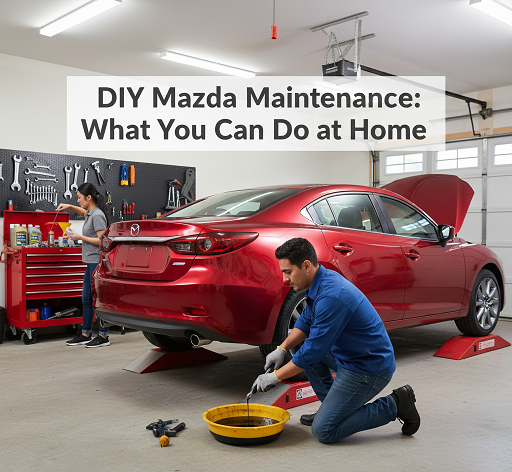
DIY Mazda Maintenance: What You Can Do at Home

Owning a Mazda comes with the responsibility of keeping your vehicle in top shape, and while regular visits to a certified Mazda technician are essential, there are many maintenance tasks you can perform yourself at home to keep your car running smoothly. DIY maintenance not only saves you money but also helps you become more familiar with your vehicle, improving both its lifespan and your overall driving experience. more At Beach Mazda, we’re passionate about keeping your Mazda in great condition. In this blog, we’ll guide you through some simple, effective DIY Mazda maintenance tasks that you can tackle at home. From checking your fluids to changing your wiper blades, these tasks are easy and rewarding! 1. Checking and Changing Engine Oil Why It’s Important: Regular oil changes are crucial for maintaining engine health and performance. The oil in your Mazda’s engine keeps all moving parts lubricated and prevents excessive wear. How to Do It: Prepare Your Supplies: You’ll need the right type of oil for your Mazda (check your owner’s manual for the exact specifications), an oil filter, an oil drain pan, a funnel, and a wrench to remove the oil plug. Drain the Oil: Place the drain pan under the oil pan and unscrew the drain plug. Allow the oil to drain completely into the pan. Replace the Oil Filter: Use a wrench to unscrew the old oil filter. Coat the rubber gasket of the new filter with a little oil before installing it. Add New Oil: Once the old oil has drained, replace the drain plug and add the new oil using a funnel. Check the oil level with the dipstick to ensure it's at the proper level. Dispose of the Oil: Take your used oil to a recycling center. 2. Checking and Replacing Air Filters Why It’s Important: A clean air filter ensures that your engine gets a steady supply of clean air, which is essential for optimal performance and fuel efficiency. How to Do It: Locate the Air Filter: On most Mazda models, the air filter is located in a rectangular air box near the front of the engine bay. Inspect the Filter: Remove the air filter and check for dirt, debris, and wear. If it’s clogged or dirty, it’s time to replace it. Install a New Filter: Place a new air filter in the air box, ensuring it fits snugly and seals properly. Tip: For maximum performance, replace your air filter every 12,000 to 15,000 miles, or more often if you drive in dusty conditions. 3. Replacing Windshield Wiper Blades Why It’s Important: Worn-out wiper blades can reduce visibility, especially during rain or snow. Keeping your wipers in good condition is essential for safe driving. How to Do It: Check Wiper Blades: Lift the wiper arms away from the windshield and check the blades for cracks, tears, or missing rubber. If they’re damaged, it’s time to replace them. Remove the Old Blades: Most Mazda wipers can be removed by pressing a small tab on the wiper arm to release the blade. Slide the old wiper off. Install the New Blades: Slide the new wiper blades onto the wiper arm and make sure they’re securely attached. Tip: Replace your wiper blades every 6-12 months for optimal performance. 4. Checking Tire Pressure Why It’s Important: Proper tire pressure is essential for safety, fuel efficiency, and tire longevity. Underinflated or overinflated tires can cause uneven wear and reduce your car's handling ability. How to Do It: Get a Tire Pressure Gauge: A digital or manual tire pressure gauge will allow you to check the pressure in each tire. Check the Recommended Pressure: Look for the recommended tire pressure for your Mazda, which is usually listed on the driver’s side door frame or in the owner’s manual. Measure and Adjust the Pressure: Remove the valve cap from the tire and press the gauge onto the valve stem. If the pressure is too low, add air until it reaches the recommended level. If it’s too high, release some air until it’s just right. Tip: Check your tire pressure at least once a month and before long trips. 5. Inspecting and Replacing Brake Pads Why It’s Important: Your brakes are one of the most critical safety features of your vehicle. Keeping an eye on brake pad wear can prevent costly repairs and ensure your safety. How to Do It: Visual Inspection: If you can see the brake pads through the wheel spokes, check their thickness. Brake pads should be replaced if they are worn down to about 1/8 inch or thinner. Replace the Brake Pads: To replace the brake pads, you'll need to remove the wheel, use a jack to lift the car, and unscrew the caliper. Once the caliper is off, remove the old brake pads and replace them with new ones. Be sure to follow your owner’s manual for exact steps, as the process may vary by model. Tip: If you’re not familiar with brake pad replacement, consider having a professional handle it for safety reasons. 6. Changing Cabin Air Filter Why It’s Important: The cabin air filter ensures the air you breathe inside the car is clean. It filters dust, pollen, and other allergens from the air entering the cabin. How to Do It: Locate the Filter: The cabin air filter is usually located behind the glove compartment or under the dashboard. Check your owner’s manual to find the exact location. Remove the Old Filter: Open the compartment or panel that houses the filter. Slide out the old filter and check it for dirt and debris. Install the New Filter: Insert the new filter, ensuring it’s properly aligned and seated. Tip: Replace the cabin air filter every 15,000 to 20,000 miles, or more often if you live in a dusty area. 7. Checking and Replacing Fluids Why It’s Important: Fluids like engine oil, coolant, transmission fluid, and brake fluid are essential to keep your Mazda running smoothly and prevent damage to critical systems. How to Do It: Engine Oil: Check the oil level with the dipstick and top off if necessary. Coolant: Check the coolant level and top it off with the appropriate coolant if it’s low. Brake Fluid: Inspect the brake fluid reservoir and add fluid if needed. Transmission Fluid: Check the transmission fluid level (if accessible) and add more fluid if necessary. Tip: Always use the fluid type specified in your Mazda’s owner manual to ensure proper performance. Visit the Beach Mazda Service Department Performing DIY maintenance on your Mazda is a great way to save money, stay connected with your car, and ensure its longevity. While some tasks, like oil changes and brake pad replacements, can be more involved, others, like checking tire pressure and replacing air filters, are simple and quick. At Beach Mazda, we’re always here to help with more complex maintenance tasks and provide guidance if you ever need assistance. Regular maintenance not only keeps your Mazda running like new, but it also ensures your safety and driving comfort. If you ever have questions about performing DIY maintenance or need help with a more advanced repair, don’t hesitate to contact us! Beach Mazda Your Trusted Mazda Experts in Myrtle Beach Ready to tackle some DIY Mazda maintenance? Visit Beach Mazda for more tips, tools, and guidance on keeping your vehicle in top shape!

BM1 TITLE JAN 2026

A Golfer’s Paradise: Top Golf Courses in Myrtle Beach

Hit the Fairways in Style with Beach Mazda Myrtle Beach isn’t just a beach destination—it’s one of the premier golf capitals in the world. With nearly 90 courses along the Grand Strand, there's something for every golfer, from weekend warriors to seasoned pros. And whether you’re teeing off at sunrise or enjoying a twilight round, getting there in a smooth, comfortable Mazda only adds to the experience. more At Beach Mazda, we know that your drive to the course should be as enjoyable as your drive off the tee. Here's our list of must-play Myrtle Beach golf courses—plus the perfect Mazda to match your playing style. Caledonia Golf & Fish Club (Pawleys Island) Style: Southern charm meets challenging design Caledonia is a Lowcountry masterpiece, known for its moss-draped oaks, perfectly manicured greens, and Southern plantation setting. Designed by the legendary Mike Strantz, it’s a favorite for serious golfers and scenic seekers alike. Mazda pairing: The elegant Mazda CX-90, offering premium comfort and cargo space for clubs and gear. Tidewater Golf Club (North Myrtle Beach) Style: Coastal beauty with a test of skill Tidewater is often called the “Pebble Beach of the East,” with breathtaking views of the Intracoastal Waterway and saltwater marshes. Its layout demands precision, but the scenery is worth every swing. Best enjoyed with: The Mazda CX-50 —rugged enough for early tee times and refined enough for the clubhouse. TPC Myrtle Beach (Murrells Inlet) Style: Tour-quality challenge This course is the only Golf Digest 5-star rated layout on the Grand Strand. Designed to PGA Tour standards, it’s a must-play for anyone who wants a professional-level round. Watch for bunkers, water hazards, and tournament-ready greens. Mazda match: The athletic Mazda3 for a smooth, performance-inspired arrival. Barefoot Resort & Golf (North Myrtle Beach) Style: Four world-class courses in one spot Barefoot offers layouts by Davis Love III, Greg Norman, Tom Fazio, and Pete Dye—each with its own signature flair. Whether you’re playing the wide fairways of the Love course or the Dye course’s famous finishing holes, it’s a one-stop-shop for golf greatness. Perfect companion: The versatile Mazda CX-5 —roomy, tech-savvy, and ready for a full golf weekend. Myrtle Beach National – King’s North (Central Myrtle Beach) Style: Classic Myrtle Beach golf with Arnold Palmer design Known for its dramatic holes—like the famous “Gambler” with its island fairway—King’s North is fun, flashy, and memorable. A Myrtle Beach icon. Arrive in style with: The sporty Mazda MX-5 Miata, for a fun, top-down drive to the clubhouse. Tee Off in Comfort: Why Mazda Makes the Perfect Golf Companion Whether you’re hauling your clubs to a local round or planning a weekend golf getaway, Mazda vehicles offer: Spacious cargo capacity for golf bags, shoes, and coolers Luxurious interiors to stay cool and comfortable between rounds Fuel efficiency and handling for smooth rides along the Grand Strand Smart navigation systems to guide you from one top course to the next Start Your Golf Adventure at Beach Mazda From sunrise tee times to twilight rounds, your Myrtle Beach golf trip deserves a ride that matches the experience. At Beach Mazda, we’ll help you find the right vehicle to make every trip to the course feel like a hole-in-one. Visit Beach Mazda today to test drive your next golf partner—and ask us about our favorite places to play!

BM4 title dec 2025

When to Replace Your Car's Timing Belt or Chain

The timing belt or chain is a critical component of your vehicle's engine, responsible for synchronizing the rotation of the crankshaft and camshaft(s). This ensures that the engine's valves open and close at the proper times during each cylinder's intake and exhaust strokes. Because of its importance, it’s essential to know when to replace your car’s timing belt or chain to avoid severe engine damage and costly repairs. In this blog, we’ll explore the differences between timing belts and chains, how to tell when they need replacement, and the general guidelines for replacement. more Timing Belt vs. Timing Chain Before diving into replacement schedules, it’s crucial to understand the difference between timing belts and chains: Timing Belt: Made of rubber and reinforced with fibers, timing belts are quieter and lighter than chains. However, they can wear out over time and typically require replacement. Timing Chain: Made of metal, timing chains are more durable and designed to last the lifetime of the engine. They usually don’t require regular replacement, but they can stretch or wear out under certain conditions. When to Replace Your Timing Belt Most manufacturers recommend replacing the timing belt every 60,000 to 100,000 miles, but this can vary depending on your vehicle's make and model. Here are some signs and guidelines to help you determine when to replace your timing belt: Check Your Owner’s Manual: Always refer to your vehicle’s owner manual for the manufacturer’s specific recommendations regarding timing belt replacement intervals. Mileage and Age: If your vehicle has reached the mileage range recommended by the manufacturer, or if the belt is more than five years old, it’s time to consider a replacement, even if the mileage is lower. Visible Wear and Damage: Inspect the timing belt for signs of wear, such as cracks, fraying, or glazing. If you notice any of these issues, it’s essential to replace the belt immediately. Engine Performance Issues: If you experience symptoms such as misfiring, rough idling, or difficulty starting the engine, it could indicate a problem with the timing belt. Have your vehicle inspected by a qualified mechanic if you notice these symptoms. Oil Leaks: Oil leaking onto the timing belt can cause it to degrade more quickly. If you find oil on the belt, it’s best to have it replaced along with any necessary repairs to stop the leak. When to Replace Your Timing Chain Timing chains are generally more robust and longer-lasting than timing belts, but they can still wear out or experience issues. Here’s when to consider replacing your timing chain: Manufacturer Recommendations: Unlike timing belts, timing chains don’t have a strict replacement schedule, but some manufacturers suggest inspecting the chain every 100,000 miles or so. Engine Noise: A rattling or knocking noise from the engine, especially during startup, may indicate a worn or loose timing chain. If you hear unusual noises, have a professional inspection done. Check Engine Light: If the check engine light comes on and diagnostic codes indicate timing chain issues, it’s crucial to address the problem promptly. Oil Contamination: Just like with timing belts, oil leaks that contaminate the timing chain can lead to premature wear. If you notice oil leaks, address them quickly and inspect the timing chain. Engine Performance Issues: Symptoms such as poor acceleration, rough idling, or engine misfires may indicate timing chain problems. A thorough inspection by a mechanic can help diagnose the issue. Stay Proactive Knowing when to replace your car's timing belt or chain is crucial for maintaining your engine's health and performance. Regular maintenance and inspections can help identify potential issues before they lead to severe damage. If you’re approaching the recommended mileage for replacement or notice any signs of wear, consult a qualified mechanic for a thorough inspection and any necessary replacements. By staying proactive with your timing belt or chain, you can ensure your engine runs smoothly for years to come.

BM3 title dec 2025

How to Keep Your Mazda's Suspension System in Top Shape

The suspension system of your Mazda is crucial for ensuring a smooth ride, maintaining vehicle stability, and providing handling performance. A well-maintained suspension not only enhances comfort but also improves safety by keeping your tires in contact with the road. To help you keep your Mazda’s suspension system in top shape, this blog will cover essential maintenance tips, common signs of wear, and when to seek professional assistance. more Understanding Your Suspension System Before diving into maintenance, it’s important to understand the components of your Mazda's suspension system. Key parts include: Shock Absorbers/Struts: These dampen the impact of bumps and irregularities in the road, helping to stabilize your vehicle. Coil Springs: These support the weight of the vehicle and absorb shocks from the road. Control Arms: These connect the suspension to the vehicle’s chassis, allowing for controlled movement. Ball Joints: These act as pivot points, enabling the wheels to turn and move vertically. Bushings: These provide cushioning and reduce friction between moving parts. Regular Inspections Routine inspections are vital for identifying potential issues before they escalate. Here are some tips for inspecting your Mazda’s suspension: Visual Checks: Regularly inspect the suspension components for signs of wear, such as cracks, leaks, or rust. Pay attention to the shock absorbers and struts for oil leaks, which indicate they may need replacement. Listen for Noises: Be aware of any unusual noises while driving, such as clunking or rattling sounds, which may indicate loose or damaged components. Check Ride Height: If you notice your vehicle sitting lower or higher on one side, it could be a sign of worn springs or damaged components. Keep the Tires in Check Tires and suspension are closely linked, so maintaining your tires can positively impact your suspension system. Regular Tire Rotations: Rotate your tires every 5,000 to 7,500 miles to promote even wear and extend their lifespan. Proper Inflation: Ensure your tires are inflated to the recommended pressure, as under-inflated or over-inflated tires can negatively affect suspension performance and lead to uneven wear. Alignment Checks: Get a wheel alignment every 6,000 miles or if you notice uneven tire wear or if the vehicle pulls to one side. Proper alignment helps maintain suspension integrity and improves handling. Monitor Driving Conditions Your driving habits and the conditions you encounter can affect the longevity of your suspension system. Here are some practices to consider: Avoid Potholes and Road Hazards: Whenever possible, steer clear of potholes, speed bumps, and other road hazards that can jolt your suspension and cause damage. Drive Smoothly: Accelerate and brake smoothly to minimize stress on the suspension components. Aggressive driving can lead to premature wear. Maintenance and Replacement Regular maintenance is essential to keep your Mazda’s suspension system in optimal condition. Here are some maintenance practices to follow: Fluid Checks: Ensure that the hydraulic fluid levels for your shocks and struts are within the recommended range. Low fluid levels can affect performance and lead to premature wear. Component Replacement: Replace worn-out suspension components as needed. If you notice any signs of damage or excessive wear, consult your owner’s manual or a professional mechanic for guidance on when to replace parts. Professional Inspections and Services While regular maintenance can help you keep your suspension system in check, professional inspections are essential for identifying issues you might overlook. Consider the following: Annual Inspections: Have your suspension system inspected by a qualified mechanic at least once a year. They can identify hidden problems and recommend necessary repairs. After Heavy Usage: If you frequently drive on rough terrain, or if you notice any changes in handling or comfort, schedule a professional inspection sooner rather than later. Signs Your Suspension Needs Attention Be on the lookout for these signs that may indicate your suspension system requires attention: Excessive Bouncing: If your vehicle bounces excessively after hitting a bump, it may indicate worn shocks or struts. Uneven Tire Wear: If you notice uneven wear patterns on your tires, it may suggest alignment or suspension issues. Difficulty Steering: If you experience difficulty steering or notice that your vehicle feels unstable, it may be time to have your suspension checked. Maintain Optimal Performance Keeping your Mazda’s suspension system in top shape is essential for a comfortable and safe driving experience. By performing regular inspections, monitoring tire health, and adopting good driving habits, you can extend the life of your suspension components and maintain optimal performance. Don’t hesitate to seek professional help when needed, as early detection of issues can save you from costly repairs down the line. By taking these proactive steps, you’ll enjoy a smoother ride and ensure your Mazda remains a pleasure to drive for years to come.

BM4 TITLE NOV 2025

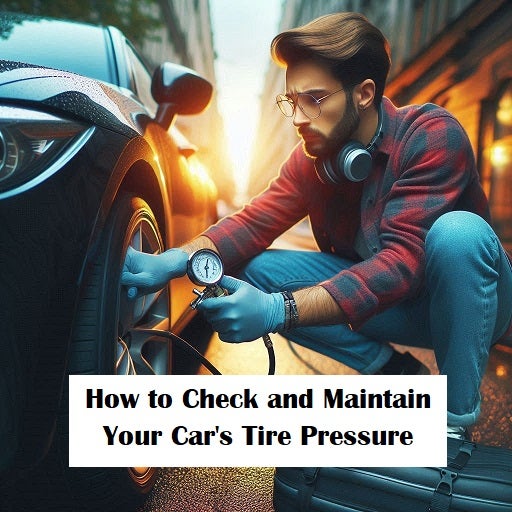
How to Check and Maintain Your Car's Tire Pressure

Proper tire maintenance is essential for the safety, performance, and longevity of your vehicle. One of the most critical aspects of tire care is maintaining the correct tire pressure. Under-inflated or over-inflated tires can lead to poor handling, reduced fuel efficiency, and even tire blowouts. In this blog, we’ll guide you through the process of checking and maintaining your car’s tire pressure, helping you ensure a smooth and safe ride. more Understanding Tire Pressure Tire pressure is measured in pounds per square inch (PSI) and refers to the amount of air inside the tire. Every vehicle has a recommended tire pressure, which can usually be found in the owner’s manual or on a sticker located on the driver’s side door jamb. Maintaining the correct tire pressure is crucial for: Safety: Properly inflated tires ensure better traction, handling, and braking performance. Fuel Efficiency: Tires that are inflated to the correct pressure can improve fuel economy, as under-inflated tires create more rolling resistance. Tire Longevity: Maintaining proper pressure can help prevent premature tire wear, extending the lifespan of your tires. When to Check Tire Pressure It's important to check your tire pressure regularly to ensure optimal performance: Monthly Checks: Aim to check your tire pressure at least once a month, as tires can lose pressure over time. Before Long Trips: Always check your tire pressure before embarking on a long journey to ensure that your tires are in optimal condition. Seasonal Changes: Temperature fluctuations can affect tire pressure. It’s a good practice to check your tires with the change of seasons, especially before winter and summer. How to Check Tire Pressure Checking your tire pressure is a straightforward process that can be done at home or at a gas station: Gather Your Tools You’ll need the following tools: Tire Pressure Gauge: A digital or analog tire pressure gauge will work. Digital gauges are often easier to read. Air Compressor: If your tires are low, you may need an air compressor to inflate them. Many gas stations have air pumps available for public use. Check Tire Pressure Ensure Cold Tires: Check tire pressure when the tires are cold, ideally before you’ve driven or at least three hours after driving. Tires heat up from friction, causing the air inside to expand and give a false reading. Remove Valve Caps: Unscrew the valve cap from the tire you want to check. Keep the cap in a safe place to avoid losing it. Press the Gauge: Firmly press the tire pressure gauge onto the valve stem. You should hear a short hiss of air as the gauge makes contact. Ensure that the gauge is seated properly for an accurate reading. Read the Pressure: Take note of the reading on the gauge. If using a digital gauge, it will display the pressure on the screen. If using an analog gauge, the needle will indicate the pressure. Replace Valve Caps: After checking, be sure to replace the valve cap securely. Adjusting Tire Pressure If your tire pressure is not within the recommended range, you’ll need to adjust it accordingly: Inflating Tires Use an Air Compressor: If the pressure is too low, locate an air compressor. Many gas stations have them, or you can use a portable air compressor. Inflate Gradually: Add air in short bursts, checking the pressure frequently until you reach the recommended PSI. Avoid Over-Inflation: Be cautious not to exceed the recommended pressure, as over-inflated tires can lead to reduced traction and a harsher ride. Deflating Tires If your tires are over-inflated, you can release some air: Press the Valve Stem: Use a small tool (like a screwdriver or a tire gauge) to press the valve stem, allowing air to escape slowly. Check Pressure Regularly: Continuously check the tire pressure until it reaches the recommended level. Maintaining Tire Pressure To maintain optimal tire pressure over time, consider the following tips: Regular Checks: Make tire pressure checks part of your regular vehicle maintenance routine, as mentioned earlier. Monitor Temperature: Be aware that temperature changes can affect tire pressure. As a general rule, tire pressure can drop about 1 PSI for every 10-degree Fahrenheit decrease in temperature. Use TPMS: Many modern vehicles are equipped with a Tire Pressure Monitoring System (TPMS) that alerts you when tire pressure is low. While this is a helpful feature, it’s still essential to check tire pressure manually. Inspect for Damage: Regularly inspect your tires for signs of damage, such as cracks, bulges, or foreign objects embedded in the tread. Address any issues promptly to maintain safety. Keep Tires in Top Condition Checking and maintaining your car's tire pressure is a simple yet crucial aspect of vehicle maintenance that can enhance safety, improve fuel efficiency, and extend the life of your tires. By incorporating regular tire pressure checks into your routine, you can ensure a smooth and safe driving experience. Don’t overlook this essential maintenance task—your tires are the only contact your vehicle has with the road, so keeping them in top condition is vital for your safety and performance. Happy driving!

BM3 TITLE NOV 2025

The Best Accessories for Enhancing Your Mazda Experience

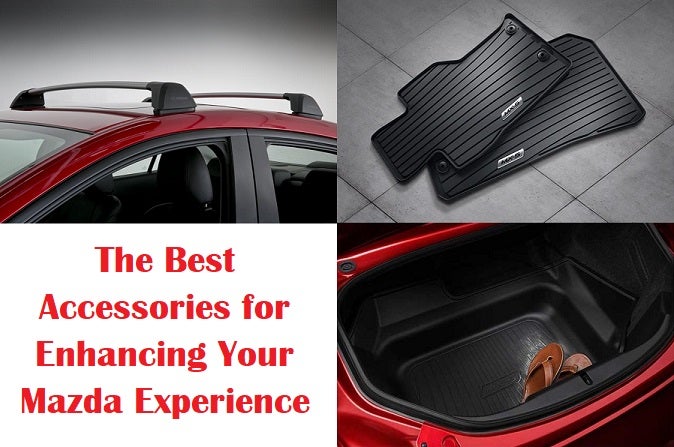
Owning a Mazda is all about enjoying the drive, but there are plenty of accessories available to enhance your experience even further. Whether you want to improve comfort, convenience, performance, or style, there’s an accessory for every Mazda owner. In this blog, we’ll explore some of the best accessories to elevate your Mazda experience and make your time on the road even more enjoyable. more All-Weather Floor Mats Keeping your Mazda’s interior clean is essential for maintaining its value and aesthetics. All-weather floor mats are a practical accessory that protects your vehicle's carpet from dirt, mud, spills, and wear. Designed to fit your Mazda's specific model, these mats are durable, easy to clean, and can handle a variety of conditions. Whether you're dealing with rain, snow, or just everyday messes, all-weather floor mats help preserve the interior while adding a touch of style. Cargo Trays and Organizers Maximize the functionality of your Mazda’s cargo area with custom-fit cargo trays and organizers. These accessories provide protection for the trunk or hatch area and keep your belongings secure and organized. Look for options with raised edges to contain spills or dirt, and consider organizers that offer compartments for smaller items, making it easier to find what you need while on the go. Car Phone Mount A car phone mount is a must-have for anyone who uses their smartphone for navigation, calls, or music. A high-quality phone mount keeps your device within reach and at eye level, allowing you to stay focused on the road while accessing your favorite apps. Look for mounts that are compatible with your phone size and can be easily attached to your Mazda’s dashboard or air vent. Dash Cam For added peace of mind, consider installing a dash cam in your Mazda. A dash cam records your driving and can provide crucial evidence in case of an accident or incident. Some models come with features like loop recording, parking mode, and GPS tracking, offering extra security and protection. Investing in a quality dash cam can enhance your driving experience by keeping you informed and protected. Upgraded Sound System Mazda vehicles come with decent audio systems, but upgrading to a premium sound system can significantly enhance your in-car experience. Consider installing a high-quality aftermarket stereo, speakers, or subwoofer for improved sound quality and clarity. Whether you enjoy listening to music, podcasts, or audiobooks, an upgraded sound system will transform your daily drives into a more immersive experience. Roof Racks and Cargo Carriers If you love outdoor adventures, roof racks and cargo carriers are essential accessories for your Mazda. Roof racks allow you to transport bikes, kayaks, skis, or extra luggage, freeing up space inside the vehicle. Consider a cargo carrier for long road trips, providing additional storage for your belongings. Look for options specifically designed for your Mazda model to ensure proper fit and stability. Window Tinting Window tinting is a stylish accessory that offers both aesthetic and functional benefits. Tinted windows reduce glare from the sun, enhance privacy, and protect your interior from UV rays, which can cause fading and cracking over time. Additionally, window tinting can help keep your Mazda cooler in hot weather, improving comfort during those long drives. LED Lighting Upgrades Enhance the ambiance of your Mazda with LED lighting upgrades. Interior LED lights can create a modern and inviting atmosphere, while upgraded exterior lighting can improve visibility and style. Consider adding LED strips under the dashboard or in the footwell for a customized look, or upgrade your headlights and taillights for better illumination and a sleek appearance. Performance Upgrades If you’re looking to enhance the performance of your Mazda, there are several aftermarket accessories to consider. Cold air intakes, performance exhaust systems, and upgraded suspension components can improve horsepower, handling, and overall driving experience. Before making modifications, research compatibility with your specific Mazda model and consult with a professional if necessary. Custom Seat Covers Protect your seats and add a personal touch to your Mazda with custom seat covers. Available in a variety of materials, colors, and patterns, seat covers can enhance comfort and style while safeguarding your seats from wear and tear. Look for covers that are easy to install and clean, ensuring they fit your Mazda perfectly. Portable Jump Starter A portable jump starter is a practical accessory that can save you from being stranded due to a dead battery. Compact and easy to store, a jump starter allows you to jump-start your Mazda without needing another vehicle. Many models also come with USB ports for charging devices, making them a versatile addition to your emergency kit. Reflect Your Lifestyle Enhancing your Mazda experience is all about personalization, comfort, and convenience. From practical accessories like all-weather floor mats and cargo organizers to performance upgrades and stylish modifications, there are countless options to make your time on the road even more enjoyable. By investing in the right accessories, you can create a driving experience that reflects your lifestyle and meets your needs, ensuring that every journey in your Mazda is a pleasure.

BM1 TITLE NOV 2025

How to Winterize Your Mazda Vehicle: A Comprehensive Guide

As winter approaches, it’s essential to prepare your Mazda for the colder months ahead. Winterizing your vehicle not only ensures your safety on the road but also helps maintain its performance and longevity. In this blog, we’ll cover the key steps to winterize your Mazda effectively, so you can tackle those icy roads with confidence. more Check and Replace Fluids Fluids play a crucial role in your vehicle’s performance, especially during winter. Here are the key fluids to check and replace if necessary: Engine Oil: Ensure your engine oil is suitable for winter temperatures. If you’re using conventional oil, consider switching to a winter-grade synthetic oil that offers better performance in cold weather. Always follow your owner’s manual for the recommended oil type and viscosity. Coolant: Inspect your coolant levels and ensure that your antifreeze is mixed correctly to prevent freezing. A 50/50 mixture of antifreeze and water is generally recommended for optimal protection. If your coolant is old or contaminated, consider flushing and replacing it. Windshield Washer Fluid: Use a winter-grade windshield washer fluid that is designed to withstand freezing temperatures. This will help keep your windshield clear of ice and snow, improving visibility. Inspect and Replace Wipers Visibility is critical during winter driving conditions, so ensuring your wiper blades are in good condition is essential. Check your wipers for any signs of wear or damage, such as cracking or stiffness. If they’re not performing well, replace them with winter-specific wipers designed to handle ice and snow buildup. Check Your Tires Your tires are your vehicle's only contact with the road, making them a vital component for winter safety. Here’s what to do: Tread Depth: Check the tread depth of your tires to ensure they provide adequate traction on snowy or icy roads. The minimum recommended tread depth for winter driving is 4/32 of an inch. Inflation Pressure: Cold temperatures can cause tire pressure to drop, so check and inflate your tires to the manufacturer-recommended levels. Properly inflated tires improve handling and fuel efficiency. Winter Tires: If you live in an area with heavy snowfall or icy conditions, consider investing in winter tires. These tires are specifically designed for cold weather, providing better traction and handling compared to all-season tires. Inspect the Battery Cold temperatures can be harsh on car batteries, making it essential to check your battery’s health before winter sets in. Here’s how to ensure your battery is ready for the colder months: Battery Test: Have your battery tested for its charge and overall health. Most auto parts stores offer free battery testing services. If your battery is weak or over three years old, consider replacing it. Clean Terminals: Inspect the battery terminals for corrosion or dirt. Clean them with a mixture of baking soda and water, and ensure they are securely connected. Prepare Your Heating System A properly functioning heating system is essential for comfort during winter drives. Here’s how to prepare it: Check Heater Functionality: Test your heater and defroster to ensure they are working effectively. If you notice any issues, such as inadequate heat or strange smells, have it inspected by a professional. Inspect Cabin Air Filter: A clean cabin air filter ensures that your heating system functions efficiently. If it’s dirty or clogged, replace it to improve airflow and air quality inside the vehicle. Check Belts and Hoses Cold weather can put extra strain on belts and hoses, making it essential to inspect them for wear and damage: Visual Inspection: Look for any cracks, fraying, or signs of wear on belts and hoses. Pay particular attention to the serpentine belt and radiator hoses, as these are critical for engine performance and cooling. Replace if Necessary: If you notice any issues during your inspection, replace the affected belts and hoses before winter sets in to prevent breakdowns. Emergency Kit Preparation An emergency kit is essential for winter driving, ensuring you’re prepared for unexpected situations. Here are some items to include: Blankets and Warm Clothing: Pack blankets, gloves, and hats to keep warm in case you get stranded. First Aid Kit: A well-stocked first aid kit can be invaluable in emergencies. Food and Water: Keep non-perishable snacks and bottled water in your kit. Flashlight and Batteries: A flashlight can be useful for visibility in the dark. Ice Scraper and Snow Brush: These tools will help you clear your windshield and windows quickly. Jumper Cables: In case of a dead battery, jumper cables can be a lifesaver. Wash and Wax Your Vehicle Winter road conditions can lead to the accumulation of salt and grime on your vehicle, which can damage the paint and undercarriage. Here’s how to protect your Mazda: Wash Your Car: Thoroughly wash your vehicle to remove any dirt, salt, or debris. Pay special attention to the undercarriage, as salt can cause rust and corrosion. Wax for Protection: Apply a coat of wax to your vehicle's exterior to create a protective barrier against the elements. This can help prevent damage from road salt and moisture. Drive with Confidence Winterizing your Mazda is essential for ensuring your vehicle’s performance, safety, and longevity during the colder months. By following these steps—checking and replacing fluids, inspecting tires and battery, preparing your heating system, and assembling an emergency kit—you can drive with confidence through winter weather. Taking the time to winterize your vehicle will not only enhance your driving experience but also keep you safe on the road, allowing you to enjoy all that the season has to offer.

BM4 title Oct 2025

Understanding and Maintaining Your Car's Fuel System

The fuel system is a crucial component of your vehicle, responsible for delivering the right amount of fuel to the engine for optimal performance. Understanding how your fuel system works and how to maintain it can help you avoid costly repairs, improve fuel efficiency, and ensure a smooth driving experience. In this blog, we will explore the different parts of the fuel system, common issues that may arise, and essential maintenance tips to keep your fuel system in top shape. more Components of the Fuel System Fuel Tank: The fuel tank stores the fuel until it is needed by the engine. It is usually made of metal or plastic and is designed to withstand pressure and temperature changes. Fuel Pump: The fuel pump is responsible for moving fuel from the tank to the engine. Most modern vehicles use an electric fuel pump, which is located inside the fuel tank. Fuel Filter: The fuel filter removes impurities and contaminants from the fuel before it reaches the engine. A clean fuel filter ensures that only clean fuel is delivered to the engine, preventing damage to internal components. Fuel Injectors: Fuel injectors spray a fine mist of fuel into the engine's combustion chamber. They are controlled by the vehicle’s engine control unit (ECU) and are crucial for maintaining the correct air-fuel mixture for efficient combustion. Fuel Lines: Fuel lines transport fuel from the tank to the engine and return any excess fuel back to the tank. They are typically made of durable materials to withstand the pressure of the fuel system. Common Fuel System Issues Clogged Fuel Filter: A clogged fuel filter can restrict fuel flow to the engine, leading to poor performance, engine stalling, or difficulty starting. Failing Fuel Pump: A failing fuel pump may cause the engine to sputter, lose power, or not start at all. It can also lead to decreased fuel efficiency. Fuel Injector Problems: Dirty or malfunctioning fuel injectors can cause poor fuel atomization, resulting in rough idling, misfires, and decreased engine performance. Leaking Fuel Lines: Leaks in the fuel lines can lead to fuel odors, decreased fuel efficiency, and potential fire hazards. Maintenance Tips for Your Fuel System Use Quality Fuel Using high-quality fuel from reputable gas stations can help maintain your fuel system's health. Quality fuels contain detergents that help keep the fuel injectors clean and prevent carbon buildup in the engine. Change the Fuel Filter Regularly Regularly changing the fuel filter is essential for preventing clogs and ensuring proper fuel flow. Consult your vehicle’s owner manual for recommended intervals for fuel filter replacement, typically every 30,000 to 50,000 miles. Keep the Fuel Tank Full Keeping your fuel tank at least a quarter full can help prevent sediment buildup at the bottom of the tank from entering the fuel system. This is especially important if your vehicle has been sitting for extended periods. Add Fuel System Cleaner Periodically adding a fuel system cleaner can help remove carbon deposits and keep fuel injectors clean. Follow the manufacturer’s instructions for use, and consider using a cleaner every few thousand miles or as recommended by your mechanic. Inspect Fuel Lines for Leaks Regularly check your fuel lines for signs of wear, cracks, or leaks. Look for fuel stains or odors around the lines and fittings. If you notice any issues, have them repaired promptly by a qualified mechanic. Monitor Engine Performance Pay attention to any changes in engine performance, such as difficulty starting, rough idling, or decreased power. These symptoms may indicate fuel system issues that require immediate attention. Schedule Regular Maintenance In addition to your routine oil changes, schedule regular maintenance that includes checking the fuel system. A qualified mechanic can inspect components, perform necessary tests, and address any potential issues before they become major problems. Prevent Common Issues Understanding and maintaining your car's fuel system is essential for ensuring optimal performance, fuel efficiency, and longevity. By familiarizing yourself with the components of the fuel system and following these maintenance tips, you can help prevent common issues and keep your vehicle running smoothly. Regular attention to your fuel system will not only enhance your driving experience but also save you time and money on repairs. If you encounter any significant problems or have concerns about your fuel system, don’t hesitate to consult a qualified mechanic for assistance. A well-maintained fuel system is key to a reliable and efficient vehicle.

BM3 title Oct 2025

Driving Perfection: 10 Must-Know Auto Detailing Tips for Enthusiasts

Auto detailing is not just a chore; it's a passionate pursuit of perfection for car enthusiasts. Whether you're a seasoned detailer or a novice looking to elevate your skills, these 10 must-know auto detailing tips will guide you towards achieving a flawless finish. Buckle up as we explore the secrets to transforming your vehicle into a showroom-worthy masterpiece. more Begin with a Thorough Wash: The Foundation of Detailing Excellence A clean canvas is essential for a masterpiece. Start your detailing journey with a thorough wash using the Two-Bucket Method to minimize scratches and swirl marks. Use a quality car wash soap, a gentle wash mitt, and ensure both buckets have grit guards. Invest in Quality Microfiber Towels: The Gentle Touch Matters Quality microfiber towels are your best friends in the detailing process. Invest in a variety of microfiber towels for different purposes – drying, buffing, and applying products. Their soft and absorbent nature ensures a scratch-free and streak-free finish. Master the Clay Bar Treatment: Silky Smooth Surfaces Clay bar treatment is a game-changer for achieving a silky-smooth finish. Use a clay bar kit with lubricant to remove embedded contaminants from the paint. Glide the clay bar gently, inspecting and kneading it regularly for optimal results. Choose the Right Products for Your Car's Surfaces: Tailored Care Matters Different surfaces require specific care. Invest in quality products tailored for your car's paint, leather, plastic, and glass. This includes car wash soap, wax or sealant, leather conditioner, and interior cleaners designed for automotive use. Polish for Perfection: Enhance the Shine Polishing is the secret to unlocking an enhanced shine. Choose a polish suitable for your paint type and use a dual-action polisher for even application. Regular polishing removes light swirl marks, oxidation, and enhances the overall luster of your vehicle. Wax or Seal for Protection: Shield Against the Elements Waxing or sealing your vehicle is crucial for protection against the elements. Apply a high-quality carnauba wax or synthetic sealant to create a protective barrier. This shields your paint from UV rays, contaminants, and environmental damage. Attention to Interior Detailing: The Devil Is in the Details Don't neglect the interior – it's where you spend your time. Use a homemade cleaner or automotive-specific interior cleaners to refresh surfaces. Clean air vents, intricate areas, and don't forget to condition leather to maintain its supple feel. Mindful Wheel and Tire Care: Gleaming from Rim to Rubber Wheels and tires are often overlooked but play a crucial role in the overall appearance. Use a dedicated wheel cleaner and tire dressing for a gleaming finish. Pay attention to brake dust, and consider applying a wheel sealant for easier cleaning in the future. Protect Against UV Rays: Keep Your Vehicle Vibrant UV rays can fade your vehicle's paint over time. Protect against sun damage by choosing a wax or sealant with UV-resistant properties. This extra layer of defense preserves your car's vibrant color and shine. Regular Maintenance: Consistency Is Key Maintain the perfection with regular detailing sessions. Consistency is key to preserving the quality of your work. Stay on top of washing, waxing, and interior detailing to ensure your vehicle consistently turns heads. Bonus Tip: Attention to Detail in the Truest Sense Auto detailing is all about the details. Pay attention to every nook and cranny, from door jambs to intricate emblems. Use detailing brushes, toothbrushes, and cotton swabs to reach areas that often go unnoticed. Elevate Your Auto Detailing Craft Armed with these 10 must-know auto detailing tips, you're ready to elevate your craft and transform your vehicle into a work of art. Remember, detailing is not just about cleanliness; it's about passion and precision. Embrace the journey of perfecting your vehicle, one meticulous detail at a time.

BM4 TITLE SEPT 2025

The Role of Regular Tune-Ups in Car Maintenance

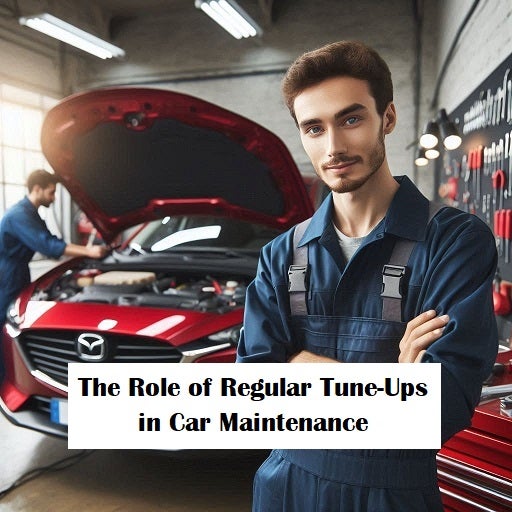
When it comes to keeping your vehicle in optimal condition, regular maintenance is key. One of the most important aspects of car maintenance is the tune-up. While many drivers may overlook this service, understanding its significance can help prolong the life of your vehicle, improve performance, and enhance fuel efficiency. In this blog, we’ll explore what a tune-up entails, its benefits, and why it should be a regular part of your car maintenance routine. more What is a Tune-Up? A tune-up is a series of maintenance tasks performed on your vehicle to ensure it operates smoothly and efficiently. Traditionally, tune-ups involved adjusting the ignition system, replacing spark plugs, and checking the fuel system. However, modern vehicles often use electronic fuel injection and sophisticated engine management systems, which means the tune-up process has evolved. Today, a tune-up can include: Replacing spark plugs and ignition coils Checking and adjusting the ignition timing Inspecting and replacing air and fuel filters Testing and cleaning the fuel injectors Inspecting the throttle body and mass airflow sensor Checking the battery and electrical system Inspecting belts and hoses for wear Benefits of Regular Tune-Ups Improved Performance Regular tune-ups can significantly improve your vehicle's overall performance. By ensuring that the ignition system, fuel system, and air intake are functioning optimally, you can experience smoother acceleration, better throttle response, and reduced engine noise. A well-tuned engine operates more efficiently, providing a more enjoyable driving experience. Enhanced Fuel Efficiency One of the most noticeable benefits of a tune-up is improved fuel efficiency. When components like spark plugs, fuel injectors, and air filters are in good condition, your engine can burn fuel more efficiently. This means you’ll spend less at the pump, making regular tune-ups a cost-effective maintenance strategy. Many drivers notice a significant decrease in fuel consumption after a thorough tune-up. Extended Engine Life Regular maintenance, including tune-ups, can help extend the life of your engine. By addressing minor issues before they become major problems, you can prevent costly repairs and keep your engine running smoothly for years to come. A well-maintained engine experiences less stress and wear, resulting in a longer lifespan. Reduced Emissions A properly tuned engine produces fewer harmful emissions. This is not only beneficial for the environment but can also help you pass emissions tests. By ensuring that your fuel system and ignition system are functioning efficiently, you can reduce the pollutants your vehicle emits, contributing to a cleaner atmosphere. Preventative Maintenance Tune-ups serve as an excellent form of preventative maintenance. By regularly inspecting and replacing worn components, you can catch potential problems early before they lead to breakdowns or costly repairs. This proactive approach can save you time, money, and stress down the road. How Often Should You Get a Tune-Up? The frequency of tune-ups can vary depending on your vehicle's make and model, driving habits, and manufacturer recommendations. A good rule of thumb is to schedule a tune-up every 30,000 to 100,000 miles. However, always refer to your owner’s manual for specific guidelines related to your vehicle. Additionally, if you notice any signs of poor performance, such as decreased fuel efficiency, rough idling, or difficulty starting, it’s a good idea to schedule a tune-up sooner rather than later. Essential Maintenance Regular tune-ups play a vital role in maintaining your vehicle's performance, fuel efficiency, and longevity. By investing in this essential maintenance service, you can enjoy a smoother ride, save money on fuel, and extend the life of your engine. Don’t wait for warning signs to schedule a tune-up; make it a part of your regular car maintenance routine. With proper care and attention, your vehicle will continue to perform at its best, ensuring a safe and enjoyable driving experience for years to come.

BM2 TITLE SEPT 2025

The Importance of Regular Brake Maintenance for Mazda Vehicles

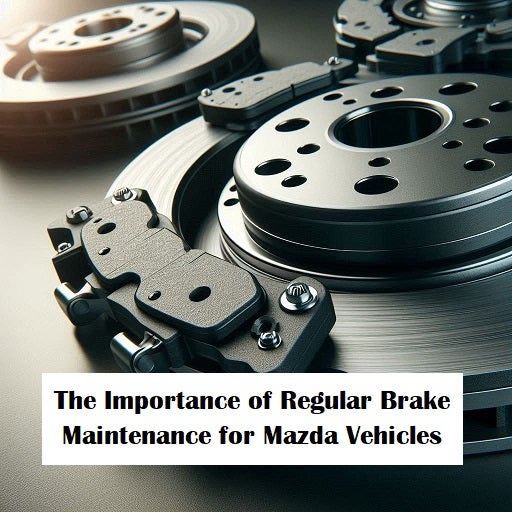
Brakes are one of the most critical safety features of any vehicle, and Mazda is no exception. As a Mazda owner, ensuring that your braking system is in top condition is essential for safe driving and optimal vehicle performance. Regular brake maintenance not only enhances your safety but also prolongs the life of your braking components. In this blog, we’ll explore the importance of regular brake maintenance, what to look for, and how to keep your Mazda’s braking system in excellent shape. more Why Brake Maintenance is Crucial The braking system is responsible for slowing down and stopping your vehicle, making it vital for overall safety. Here are some reasons why regular brake maintenance is essential: Safety: The primary function of brakes is to ensure that you can stop your vehicle safely and effectively. Worn or malfunctioning brakes can lead to accidents, compromising your safety and that of others on the road. Performance: Well-maintained brakes provide better stopping power and responsiveness. If your brakes are not functioning correctly, you may experience longer stopping distances or reduced control over your vehicle. Cost-Effectiveness: Regular maintenance can help identify and address issues early on, preventing more significant and costly repairs in the future. Replacing worn-out brake pads and rotors is far less expensive than dealing with the aftermath of a brake failure. Key Components of the Brake System To understand brake maintenance, it’s important to be familiar with the key components of your Mazda's braking system: Brake Pads: These friction components press against the brake rotors to create the stopping force. Over time, brake pads wear down and need to be replaced. Brake Rotors: These metal discs provide a surface for the brake pads to clamp down on. Warped or worn rotors can lead to reduced braking performance and should be inspected regularly. Brake Fluid: This hydraulic fluid transmits the force from your foot on the brake pedal to the brake components. Low or contaminated brake fluid can affect braking performance and should be checked periodically. Calipers: These devices house the brake pads and push them against the rotors when you apply the brakes. If calipers become stuck or malfunction, they can lead to uneven brake wear or reduced stopping power. Signs That Your Brakes Need Attention Regularly monitoring your brakes for signs of wear or malfunction can help you catch potential issues before they become serious. Look out for these warning signs: Squeaking or Grinding Noises: If you hear squeaking, squealing, or grinding sounds when applying the brakes, it’s a sign that your brake pads may be worn down and need replacement. Vibrations or Pulsations: If you feel vibrations or pulsations in the brake pedal when applying the brakes, it may indicate warped rotors that require resurfacing or replacement. Warning Lights: Pay attention to any warning lights on your dashboard related to the braking system. If the brake warning light illuminates, have your vehicle inspected immediately. Reduced Stopping Power: If you notice that your vehicle takes longer to stop than usual or the brakes feel less responsive, it’s time to have them checked by a professional. Establishing a Maintenance Schedule Creating a regular maintenance schedule for your Mazda's brakes is essential for ensuring their longevity and performance. Here are some guidelines to follow: Routine Inspections: Have your brakes inspected at least once a year, or more frequently if you drive in heavy traffic, on mountainous roads, or in other demanding conditions. Check Brake Fluid Levels: Regularly check the brake fluid level and quality. If the fluid appears dark or contaminated, have it replaced. Brake Pad Replacement: Depending on your driving habits, brake pads may need replacement every 25,000 to 70,000 miles. Consult your owner’s manual for specific recommendations. Rotor Maintenance: Rotors should be inspected for wear and resurfaced or replaced as needed. This can typically be done during a brake pad replacement. Professional Brake Service While some maintenance tasks can be performed at home, it’s crucial to rely on professionals for comprehensive brake service. Professional mechanics have the tools and expertise to diagnose and address brake issues accurately. Here are some services you can expect: Complete Brake Inspection: A professional inspection will assess the condition of all brake components, including pads, rotors, calipers, and fluid. Brake Pad and Rotor Replacement: If needed, mechanics will replace worn-out brake pads and rotors, ensuring that your braking system functions optimally. Brake Fluid Flush: A brake fluid flush removes old, contaminated fluid and replaces it with fresh fluid to maintain hydraulic performance. Vital for Safety and Performance Regular brake maintenance is vital for the safety and performance of your Mazda. By staying vigilant for warning signs, establishing a maintenance schedule, and seeking professional assistance, when necessary, you can ensure that your braking system remains in top shape. Remember, your brakes are your vehicle's most crucial safety feature, and taking care of them is essential for a safe and enjoyable driving experience. Prioritize brake maintenance, and you'll enjoy peace of mind knowing you’re driving a well-maintained vehicle.

BM2 title Aug 2025

Understanding the Pros and Cons of Zero Percent Financing

Zero percent financing is a popular promotion used by car dealerships to attract buyers. The appeal is clear: you can finance a vehicle with no interest charges over the life of the loan. However, while the offer sounds enticing, it’s essential to understand the full picture before deciding if zero percent financing is the right choice for you. Let's dive into the pros and cons of zero percent financing. more What is Zero Percent Financing? Zero percent financing means that you borrow money to purchase a vehicle without paying any interest on the loan. Instead of the lender charging interest, you pay back only the principal—the amount you borrowed. This offer is typically available for a limited time and often requires a good to excellent credit score to qualify. The Pros of Zero Percent Financing Interest-Free Borrowing: No Interest Costs: The most significant advantage of zero percent financing is that you won’t pay any interest on your loan. Every dollar you pay goes directly toward the principal, allowing you to pay off the car more quickly and with less total expenditure compared to a standard loan with interest. Cost Savings: Without interest charges, the total cost of the car is lower. Over the life of the loan, this can result in significant savings, especially on higher-priced vehicles. Simplified Budgeting: Fixed Payments: Since there’s no interest to worry about, your monthly payments are straightforward and easy to calculate. This predictability can help with budgeting, as you know exactly how much you’ll pay each month and how long it will take to pay off the loan. Potential to Afford a Better Car: Upgrade Potential: Zero percent financing may allow you to afford a higher trim level or a more expensive vehicle than you could with a traditional loan. Since your monthly payments are lower without interest, you might be able to stretch your budget further. Increased Equity in the Vehicle: Building Equity Faster: Because your payments go directly toward the principal, you build equity in the vehicle more quickly. This can be beneficial if you plan to sell or trade in the car before the loan is paid off. The Cons of Zero Percent Financing Limited Availability: Strict Qualifications: Zero percent financing is typically reserved for buyers with excellent credit scores (usually 700 or above). If your credit score doesn’t meet the lender’s criteria, you may not qualify for the offer, or you might be offered a higher interest rate instead. Vehicle Restrictions: These promotions are often limited to specific models or trims. If you’re not interested in the cars available under the offer, you may need to choose between the promotion and getting the car you want. Shorter Loan Terms: Higher Monthly Payments: Zero percent financing deals often come with shorter loan terms, such as 36 or 48 months. While this means you’ll pay off the car sooner, it also results in higher monthly payments, which may strain your budget if you’re not prepared. Limited Flexibility: With a shorter loan term, you have less flexibility to extend payments if your financial situation changes. This could make it harder to manage your budget during challenging times. Potential Trade-Offs: No Room for Negotiation: Dealerships offering zero percent financing may be less willing to negotiate the car's price or other terms of the sale. The low financing offer might come at the expense of other discounts or incentives, such as cash rebates. Limited Incentives: Sometimes, zero percent financing is offered as an alternative to other incentives, like cash-back offers. In some cases, taking the cash rebate and financing at a standard interest rate could save you more money in the long run. Opportunity Cost: Missed Alternative Deals: By focusing on zero percent financing, you might overlook other financing options or promotions that could be more advantageous, such as lower prices on older models or used vehicles with low-interest loans. Higher Initial Costs: Zero percent financing often requires a substantial down payment. If you’re not prepared to put down a large sum of money upfront, you might end up financing more of the vehicle’s cost, which could lead to higher overall expenses. Is Zero Percent Financing Right for You? Deciding whether to take advantage of zero percent financing depends on your financial situation, credit score, and the specific terms of the offer. Here are a few questions to consider: Do You Have Excellent Credit? If your credit score is high, you’re more likely to qualify for zero percent financing. If your score is lower, you might face higher interest rates or be ineligible for the promotion. Can You Afford the Higher Monthly Payments? If the zero percent financing offer comes with a shorter loan term, make sure the monthly payments fit comfortably within your budget. Are There Other Incentives Available? Compare the zero percent financing offer with other available incentives, such as cash rebates or low-interest financing on a longer term. Sometimes, taking a different deal can save you more money overall. Does the Offer Apply to the Vehicle You Want? Make sure the zero percent financing promotion applies to the car you’re interested in. If not, you might need to compromise on features or trim levels to take advantage of the deal. Weighing the Benefits and Drawbacks Zero percent financing can be a powerful tool for saving money when buying a car, but it’s not always the best choice for everyone. By understanding the pros and cons, you can make a more informed decision that aligns with your financial goals and driving needs. Before you head to the dealership, take the time to evaluate your budget, credit score, and the terms of the financing offer. Compare all available incentives and consider the long-term impact of your decision. With careful consideration, you can drive away with a deal that’s right for you.

Contact Us

Fill out this form below and we'll contact you shortly
*Required Fields