Blog / Tips

Blog

All Tips News Technology Important Information Mazda Model Features Mazda Service Features & Specs Awards Service Mazda Vehicles Mazda Safety Technology Money Saving Tips Safety Beach Mazda Service History 2023 Models Community Events Comparisons Financing Your Mazda Fun Stuff Local 2024 Models Holidays Mazda Parts Car Buying Process Driver-Centric Design EVs Exterior Fuel & Gas Pre-Owned Certified Pre-Owned Mazda Vehicles Electric & Hybrid Vehicles Infotainment Insurance Mazda Accessories Mazda CX-30 Mazda3 Racing Restaurants & Food Tires & Wheels Travel Activities Drive For Good Kodo Design Language Mazda CX-5 Mazda CX-9 Mazda Motorsports Automotive Cleaning Fuel System Interior Paint & Body Work Seasonal Down-payments Mazda Connect Transmission Weather Brakes i-Activsense Technology Large Vehicles & SUVs Millennials Suspension System Towing
bm4-aug-title

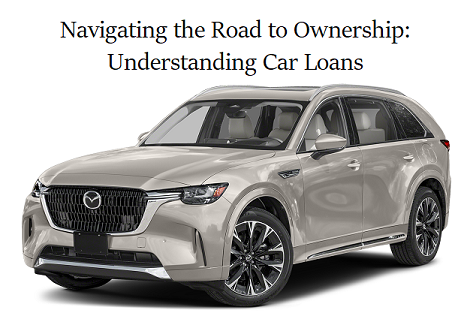
Navigating the Road to Ownership: Understanding Car Loans

For many, the dream of owning a car involves securing a car loan to turn that dream into reality. However, navigating the landscape of car loans can be complex and overwhelming. In this blog, we'll break down the fundamentals of car loans, empowering you with the knowledge to make informed decisions as you embark on the journey of financing your vehicle. more Understanding Car Loans: A Primer A car loan is a financial arrangement in which a lender provides funds to a borrower for the purpose of purchasing a vehicle. The borrower agrees to repay the loan amount over a specified period, typically through monthly installments that include both principal and interest. Key Components of a Car Loan Principal: The principal is the initial amount borrowed to purchase the vehicle. It represents the total cost of the car, including taxes and fees. Interest Rate: The interest rate is the cost of borrowing money and is expressed as a percentage. It determines the additional amount (interest) you'll pay on top of the principal over the life of the loan. Loan Term: The loan term is the duration over which you agree to repay the loan. Common terms range from 36 to 72 months. A longer term may result in lower monthly payments but may lead to higher overall interest costs. Credit Score's Role Your credit score plays a pivotal role in determining the interest rate you qualify for. A higher credit score generally results in a lower interest rate, potentially saving you money over the life of the loan. Conversely, a lower credit score may lead to a higher interest rate. Down Payment Making a down payment can significantly impact your car loan. A larger down payment reduces the principal amount, resulting in lower monthly payments and potentially more favorable loan terms. Secured vs. Unsecured Loans Car loans can be either secured or unsecured. A secured loan is backed by the vehicle itself, allowing the lender to repossess the car if the borrower defaults. Unsecured loans, on the other hand, do not require collateral but often come with higher interest rates. Preapproval Process Before visiting a dealership, consider getting preapproved for a car loan from a bank or credit union. Preapproval provides insight into the amount you can borrow and the interest rate you qualify for, simplifying the negotiation process at the dealership. Monthly Payments and Affordability While it's essential to focus on the total cost of the car, evaluating your monthly budget is equally crucial. Determine a monthly payment that aligns with your financial situation, ensuring that you can comfortably meet your obligations without straining your budget. Read the Fine Print Before signing any loan agreement, carefully read the terms and conditions. Pay attention to details such as interest rates, fees, prepayment penalties, and any additional charges. Understanding the fine print can prevent surprises and ensure you make an informed decision. Refinancing Options If you currently have a car loan with a high-interest rate, explore the possibility of refinancing. Refinancing allows you to secure a new loan with more favorable terms, potentially lowering your monthly payments. Be Mindful of Depreciation Cars depreciate over time, losing value as they age. It's essential to consider the rate of depreciation when financing a vehicle, as owing more than the car's value (being "upside down" on the loan) can pose challenges if you decide to sell or trade in the car. A Smooth Journey Ahead Understanding car loans is a crucial step in the car-buying process. By grasping the key components, considering your credit score, making informed decisions about down payments and loan terms, and being mindful of the fine print, you can navigate the road to car ownership with confidence. Whether you're a first-time buyer or looking to upgrade, a well-understood car loan ensures a smoother and more enjoyable journey towards owning the vehicle of your dreams.

bm3-aug-title

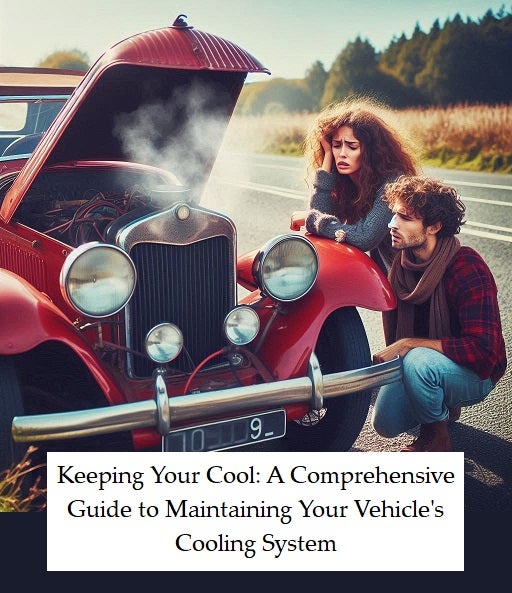
Keeping Your Cool: A Comprehensive Guide to Maintaining Your Vehicle's Cooling System

Your vehicle's cooling system plays a vital role in preventing overheating and ensuring optimal engine performance. Regular maintenance of the cooling system is essential for the longevity of your vehicle and preventing costly repairs. In this blog, we'll provide a comprehensive guide on how to maintain your vehicle's cooling system, keeping your engine running smoothly and your car on the road. more Understanding the Cooling System The cooling system consists of various components working together to regulate engine temperature and prevent overheating. Key components include the radiator, coolant, water pump, thermostat, and hoses. Proper maintenance of these components is crucial for the efficient operation of the cooling system. 1. Regularly Check Coolant Levels Why It's Important: Coolant, also known as antifreeze, helps regulate the engine temperature and prevents freezing in cold conditions. Regularly check coolant levels to ensure they are within the recommended range. Tip: Check coolant levels when the engine is cool, and if needed, top up with a mixture of coolant and distilled water as specified in your vehicle's owner's manual. 2. Inspect for Coolant Leaks Why It's Important: Coolant leaks can lead to a loss of fluid, causing the engine to overheat. Periodically inspect the area around the radiator, hoses, and water pump for signs of leaks. Tip: Look for puddles or stains beneath the vehicle and check for visible leaks in the engine compartment. 3. Flush and Replace Coolant Why It's Important: Over time, coolant can accumulate contaminants and lose its effectiveness. A periodic coolant flush helps remove debris and old fluid, ensuring optimal performance. Tip: Follow your vehicle manufacturer's recommended interval for coolant replacement. Use the type of coolant specified in your owner's manual. 4. Check Radiator and Cooling Fins Why It's Important: The radiator dissipates heat from the coolant, and the cooling fins enhance this process. Inspect the radiator for damage and ensure the fins are clean and free from debris. Tip: Use a soft brush or compressed air to clean the cooling fins and visually inspect for any bent or damaged sections. 5. Inspect Belts and Hoses Why It's Important: Belts and hoses play a crucial role in the cooling system. Regularly inspect them for signs of wear, cracking, or leaks to prevent unexpected failures. Tip: Replace worn or damaged belts and hoses promptly. Check for proper tension in the belts to ensure they are functioning correctly. 6. Test the Thermostat Why It's Important: The thermostat regulates coolant flow, ensuring it reaches the proper temperature. Testing the thermostat helps identify any issues with its operation. Tip: If you notice fluctuations in engine temperature or overheating, it may indicate a faulty thermostat. Consider having it tested or replaced. 7. Monitor the Water Pump Why It's Important: The water pump circulates coolant through the engine and radiator. Regularly check for leaks around the water pump and listen for any unusual noises. Tip: If you notice coolant leaks or hear a squeaking noise, it may indicate a failing water pump. Address these issues promptly to prevent overheating. 8. Keep an Eye on Engine Temperature Why It's Important: Monitoring your vehicle's temperature gauge can provide early indications of cooling system issues. An unusually high temperature may signal a problem. Tip: If you observe temperature fluctuations or overheating, consult a professional mechanic to diagnose and address the issue. 9. Use Coolant Additives Why It's Important: Coolant additives can enhance the performance of your vehicle's cooling system. They can provide additional protection against rust, corrosion, and the formation of deposits. Tip: Follow the manufacturer's recommendations when using coolant additives and choose products compatible with your vehicle's coolant. 10. Consult a Professional Mechanic Why It's Important: While you can perform basic cooling system maintenance, consulting a professional mechanic for more complex tasks and inspections ensures thorough care for your vehicle. Tip: Schedule regular check-ups with a mechanic to assess the overall health of your vehicle's cooling system and address any potential issues. Responsible Car Ownership Maintaining your vehicle's cooling system is a crucial aspect of responsible car ownership. By following these comprehensive steps and staying proactive with regular checks, you can prevent overheating, extend the life of your engine, and ensure a smooth and reliable driving experience. Remember that a well-maintained cooling system not only keeps your engine cool but also contributes to the overall health and longevity of your vehicle.

bm4-title

Road to Ownership: Efficient Strategies for Saving Money for Your Car Down-payment

Embarking on the journey to own a car is an exciting but financially demanding endeavor. One of the initial hurdles many individuals face is saving for a down-payment. However, with strategic planning and disciplined saving, you can efficiently accumulate the funds needed to make your dream car a reality. In this blog, we'll explore practical and effective strategies for saving money efficiently towards your car down-payment. more Establish a Clear Budget Before you can start saving, it's essential to have a clear understanding of your financial situation. Create a detailed budget that outlines your income, expenses, and savings goals. Identify areas where you can cut unnecessary spending and allocate those funds toward your down-payment goal. Set a Realistic Down-payment Goal Determine the amount you need for your down-payment based on the car you want and your financial capacity. A common recommendation is aiming for a down-payment of at least 10-20% of the car's total cost. Setting a realistic goal provides a tangible target and motivates you to stay on track. Open a Dedicated Savings Account Consider opening a separate savings account specifically for your car down-payment. This helps prevent the mingling of funds with other expenses and allows you to monitor your progress easily. Some banks even offer high-interest savings accounts that can help your money grow over time. Automate Your Savings Take advantage of technology by setting up automatic transfers to your dedicated savings account. Schedule regular transfers, such as monthly or bi-weekly, to ensure a consistent and disciplined approach to saving. Automation eliminates the temptation to spend the money elsewhere. Cut Unnecessary Expenses Identify non-essential expenses in your budget that can be temporarily reduced or eliminated. This could include dining out less, canceling subscription services you don't use, or finding more cost-effective alternatives for everyday purchases. Redirect the money saved towards your down-payment fund. Side Hustles and Additional Income Streams Explore opportunities to increase your income through side hustles or part-time jobs. Freelancing, consulting, or taking on temporary gigs can provide an extra source of income dedicated to your down-payment goal. Every additional dollar earned brings you closer to your dream car. Take Advantage of Windfalls Whenever you receive unexpected money, such as tax refunds, work bonuses, or gifts, resist the urge to splurge. Instead, allocate a portion or the entirety of these windfalls to your down-payment fund. This accelerates your savings progress without impacting your regular budget. Monitor and Adjust Your Plan Regularly review your budget and savings plan to ensure you're on track. If your financial situation changes or unexpected expenses arise, be flexible in adjusting your strategy. Consistent monitoring allows you to stay proactive and adapt to evolving circumstances. Discipline, Commitment and Strategic Planning Saving money for a car down-payment requires discipline, commitment, and strategic planning. By setting clear goals, establishing a dedicated savings plan, and making conscious financial choices, you can efficiently accumulate the funds needed to turn your car ownership dreams into reality. Stay focused, stay disciplined, and watch as your down-payment fund grows steadily over time. Happy saving!

bm1-title-pic

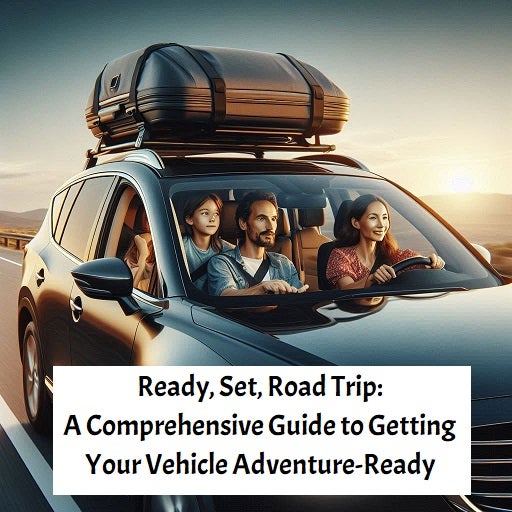
Ready, Set, Road Trip: A Comprehensive Guide to Getting Your Vehicle Adventure-Ready

Embarking on a road trip is an exhilarating experience, and ensuring your vehicle is in top-notch condition is crucial for a smooth and enjoyable journey. Before you hit the open road, it's essential to prepare your car for the adventure ahead. In this blog post, we'll provide a comprehensive guide to getting your vehicle road trip ready. more Perform a Thorough Inspection Before anything else, conduct a comprehensive inspection of your vehicle. Check the following: Fluid Levels: Ensure that engine oil, transmission fluid, brake fluid, coolant, and windshield washer fluid levels are appropriate. Tire Condition: Inspect tire tread depth, look for signs of uneven wear, and ensure all tires are properly inflated, including the spare. Brakes: Check the brake pads and rotors for wear. If you hear unusual noises or experience braking issues, have the brakes inspected. Lights and Signals: Verify that all lights, including headlights, brake lights, turn signals, and hazard lights, are functioning correctly. Battery: Test the battery's charge and inspect for any signs of corrosion on the terminals. Change the Oil and Filter Schedule an oil change if you're due for one. Fresh oil and a clean filter help ensure optimal engine performance during the road trip. Check the manufacturer's recommendations for the appropriate oil type and change interval. Check the Cooling System A well-functioning cooling system is vital for preventing overheating during long drives. Inspect the radiator, hoses, and coolant levels. If the coolant hasn't been changed in a while, consider flushing and refilling the system. Inspect the Brakes Brakes are crucial for safety, especially on long journeys. If you notice any signs of brake issues, such as squeaking or grinding noises, or if it's been a while since your last brake inspection, schedule a checkup. Replace brake pads or rotors as needed. Replace Wiper Blades and Fluid Clear visibility is essential for safe driving. Replace worn-out wiper blades and ensure the windshield washer fluid reservoir is filled. Summer road trips may involve unexpected rain showers, and having efficient wipers is crucial. Test the Air Conditioning A functional air conditioning system ensures a comfortable driving experience, especially during hot summer months. Test the AC system to ensure it's cooling effectively. If there are issues, schedule a professional inspection and recharge if necessary. Inspect the Suspension and Alignment A smooth ride is essential for a comfortable road trip. Check for signs of uneven tire wear, vibrations, or pulling to one side, as these could indicate issues with the suspension or wheel alignment. Address any problems before hitting the road. Pack an Emergency Kit Prepare for unexpected situations by packing an emergency kit that includes: Jumper cables Spare tire, jack, and lug wrench Flashlight with extra batteries Basic tools (screwdrivers, pliers) First aid kit Reflective triangles or flares Tire pressure gauge Verify Insurance and Documents Ensure your vehicle's insurance is up to date and pack all necessary documents, including: Driver's license Vehicle registration Insurance card Roadside assistance information Plan Your Route and Stops Plan your route in advance, considering rest stops, meals, and attractions along the way. Having a well-thought-out itinerary enhances the overall road trip experience. Address Issues Early Getting your vehicle road trip ready involves a combination of preventive maintenance, thorough inspections, and proper planning. By taking the time to address any potential issues and prepare for the unexpected, you'll not only ensure a safe and reliable journey but also set the stage for unforgettable adventures on the open road. Safe travels!

e5yhwrthoiqryiqu45h09uqrthijrg

Eyes on the Road: Exploring the Best Dashboard Cameras for Your Vehicle

Introduction: In the age of advanced technology, having a dashboard camera, or dash cam, in your vehicle is becoming increasingly popular. These compact devices capture real-time footage of your journey, providing not only a sense of security but also valuable evidence in case of incidents. In this blog, we'll delve into the world of dashboard cameras, exploring the best options available to equip your vehicle with an extra set of vigilant eyes. more 1. Vantrue N2 Pro Dual Dash Cam Why It's Great: The Vantrue N2 Pro is renowned for its dual-camera setup, capturing both the road ahead and the interior of your vehicle. It boasts impressive video quality, night vision capability, and a user-friendly design. Key Features: Dual 1080p resolution cameras. Infrared night vision for clear footage in low-light conditions. Loop recording and G-sensor for incident detection. 2. Garmin Dash Cam 66W Why It's Great: Garmin is a trusted name in navigation, and their Dash Cam 66W combines reliability with advanced features. This compact dash cam offers a wide-angle lens, 1440p resolution, and built-in GPS for location tracking. Key Features: 180-degree field of view for comprehensive coverage. Voice control for hands-free operation. Automatic incident detection and recording. 3. Nextbase 522GW Dash Cam Why It's Great: The Nextbase 522GW stands out for its impressive 1440p resolution, touch screen display, and compatibility with Amazon's Alexa. It also supports add-on modules for features like rear-view recording and cabin view. Key Features: Emergency SOS feature for immediate response in case of an accident. Intelligent Parking Mode for surveillance when your vehicle is parked. Quick-Link Wi-Fi for easy file transfer and sharing. 4. Rexing V1-4K Ultra HD Car Dash Cam Why It's Great: The Rexing V1-4K delivers ultra HD video quality at an affordable price. Its discreet design, loop recording, and reliable performance make it a popular choice among budget-conscious users. Key Features: 4K resolution for crisp and clear video footage. Wide dynamic range (WDR) for enhanced low-light performance. Loop recording and G-sensor for incident capture. 5. BlackVue DR900S-2CH Dash Cam Why It's Great: BlackVue is synonymous with high-quality dash cams, and the DR900S-2CH is no exception. It offers 4K front camera recording and a Full HD rear camera, along with cloud connectivity for remote access to footage. Key Features: 4K UHD front camera and Full HD rear camera. Built-in GPS and Wi-Fi for location tracking and easy file access. Cloud connectivity for real-time notifications and remote viewing. 6. Thinkware U1000 4K Dual Channel Dash Cam Why It's Great: The Thinkware U1000 boasts 4K UHD resolution, making it one of the highest-quality dash cams on the market. It comes equipped with advanced safety features and a comprehensive parking surveillance mode. Key Features: 4K UHD front and 2K QHD rear cameras for exceptional video clarity. Super Night Vision and Energy Saving Parking Mode. Advanced driver assistance system (ADAS) with lane departure and forward collision warnings. 7. VIOFO A129 Pro Duo 4K Dual Dash Cam Why It's Great: The VIOFO A129 Pro Duo is a compact yet powerful dual-channel dash cam offering 4K UHD resolution for both front and rear cameras. It features reliable performance, GPS logging, and built-in Wi-Fi for easy file management. Key Features: 4K UHD front and rear cameras with Sony image sensors. Buffered parking mode for capturing events before and after triggered incidents. CPL filter for reducing glare and improving video quality. 8. Anker Roav DashCam C2 Pro Why It's Great: Anker's Roav DashCam C2 Pro is a budget-friendly option that doesn't compromise on essential features. It offers 1080p resolution, a wide-angle lens, and built-in GPS for accurate location tracking. Key Features: Full HD 1080p resolution with a 145-degree wide-angle lens. Gravity sensor for automatic incident detection and recording. Compact design with a user-friendly interface. 9. Rove R2-4K Dash Cam Why It's Great: The Rove R2-4K stands out for its 4K UHD recording capability at an affordable price. It features built-in Wi-Fi, loop recording, and a compact design that won't obstruct your view. Key Features: 4K UHD resolution for sharp and detailed video footage. Built-in Wi-Fi for easy file transfer and mobile app connectivity. Loop recording and G-sensor for incident detection. 10. Aukey Dash Cam Dual Why It's Great: Aukey's Dual Dash Cam offers budget-friendly dual-camera functionality with Full HD recording for both the front and rear views. It features a compact design, loop recording, and a user-friendly interface. Key Features: Full HD 1080p resolution for both front and rear cameras. Loop recording and G-sensor for automatic incident capture. Super capacitor for reliable performance in various temperatures. Safety and Peace of Mind Investing in a reliable dashboard camera is a prudent decision for both safety and peace of mind. The best dashboard camera for your vehicle depends on your specific needs, budget, and desired features. Whether you prioritize 4K resolution, dual-channel recording, or smart connectivity, the options listed above cater to a variety of preferences, ensuring you find the perfect dash cam to document your journeys on the road.

qeryqerhqrthqrthtrh

Navigating the Road to Ownership: Understanding Down Payments for Car Financing

Embarking on the journey to finance a car involves several key decisions, and one of the initial considerations is the down payment. The down payment plays a significant role in determining the terms of your auto loan and can impact your monthly payments and overall financial commitment. In this blog, we'll delve into the factors that influence the required down payment and offer insights into making informed decisions when financing a car. more Understanding Down Payments A down payment is the initial upfront payment made when purchasing a car through financing. It is typically expressed as a percentage of the total car price and is paid at the time of the purchase. Factors Influencing Down Payment Requirements Credit Score Your credit score is a crucial factor in determining the down payment amount. A higher credit score often allows for lower down payment requirements, as it reflects a lower perceived risk for lenders. Lender Policies Different lenders may have varying policies regarding down payments. Some lenders may have specific requirements, while others may offer more flexibility based on your creditworthiness. Car Price and Loan Amount The total cost of the car and the loan amount requested influence the down payment. A larger down payment may be required for more expensive vehicles or when financing a smaller portion of the total cost. Loan Terms The length of the loan term can affect down payment requirements. Some lenders may require a higher down payment for longer loan terms to mitigate the risk associated with extended repayment periods. Typical Down Payment Range While down payment requirements can vary, a common industry standard is around 10-20% of the car's purchase price. However, some lenders may accept lower down payments, especially for buyers with strong credit histories. Advantages of a Higher Down Payment Lower Monthly Payments A higher down payment results in a lower loan amount, reducing your monthly payments. Lower Interest Costs With a substantial down payment, you may qualify for a lower interest rate, leading to overall savings on interest costs throughout the loan term. Faster Loan Approval A significant down payment may improve your chances of loan approval, particularly if you have a less-than-perfect credit history. Options for Low or No Down Payment While a down payment is typically required, some financing options may allow for lower initial payments. However, it's important to weigh the long-term financial implications, as lower down payments often result in higher monthly payments and increased interest costs. Personal Financial Considerations Assess your personal financial situation to determine an appropriate down payment amount. Consider your budget, savings, and future financial goals to ensure that the down payment aligns with your overall financial well-being. Negotiation Strategies Don't hesitate to negotiate the down payment with the dealership or lender. While some factors, such as credit score, may limit flexibility, discussing your individual circumstances may lead to more favorable terms. Strike a Balance Deciding on the right down payment when financing a car involves a careful assessment of your financial situation, credit score, and loan terms. By understanding the factors that influence down payment requirements and exploring options based on your individual circumstances, you can make informed decisions that align with your budget and overall financial goals. Whether you opt for a higher down payment for lower monthly payments or choose a lower initial payment to preserve cash flow, the key is to strike a balance that works best for your unique financial journey on the road to car ownership.

srtkhmjwrp6oijuqithjworgijbfg-1

Revving Up: Top 5 Things to Consider Before Buying Your Dream Car

Buying a car is a significant decision that involves a careful balance of personal preferences, financial considerations, and practical needs. Whether you're a first-time buyer or a seasoned car enthusiast, making the right choice requires thoughtful consideration. In this blog, we'll explore the top five things you should keep in mind before taking the plunge into car ownership. more Budget The first and foremost consideration when buying a car is your budget. Determine how much you can comfortably afford, factoring in not just the initial purchase price, but also ongoing costs like insurance, maintenance, and fuel. It's essential to be realistic about your financial situation and set a budget that aligns with your long-term financial goals. Don't forget to consider financing options, interest rates, and potential down payments. New vs. Used Deciding between a new or used car is a critical choice that hinges on your budget, preferences, and priorities. New cars come with the latest features, warranties, and that unmistakable "new car smell," but they also depreciate faster. Used cars, on the other hand, often offer better value for money, as they have already experienced the steepest part of their depreciation curve. Consider the trade-offs and determine which option aligns better with your needs and financial situation. Fuel Efficiency and Environmental Impact With growing environmental awareness and fluctuating fuel prices, considering the fuel efficiency and environmental impact of a vehicle is crucial. Research and compare the miles per gallon (MPG) ratings of different models to ensure your car aligns with your environmental values and provides cost savings in the long run. This consideration becomes even more significant if you plan on using the vehicle for daily commuting or extensive travel. Safety Features Safety should be a top priority when selecting a car. Investigate the safety features of the models you're interested in, including airbags, anti-lock brakes, traction control, electronic stability control, and advanced driver assistance systems (ADAS). Many modern cars come equipped with cutting-edge safety technologies that can prevent accidents and protect occupants in the event of a collision. Check crash-test ratings and reviews from reputable sources to ensure the vehicle meets or exceeds safety standards. Lifestyle and Future Needs Consider your current lifestyle and anticipate future needs when choosing a car. If you have a growing family, you might need a vehicle with more seating capacity. If you live in an urban area, a compact car with good maneuverability and parking capabilities might be preferable. Additionally, think about the car's intended use—whether it's for daily commuting, weekend adventures, or a combination of both. Ensuring that your car aligns with your lifestyle will contribute to a satisfying and practical ownership experience. A Delicate Balance Buying a car is a significant investment, and the decision-making process involves a delicate balance of financial considerations, personal preferences, and practical needs. By carefully evaluating your budget, considering new vs. used options, prioritizing fuel efficiency and safety features, and aligning the vehicle with your lifestyle, you can make a well-informed decision that not only meets your immediate needs but also enhances your overall driving experience. So, rev up your engines, do your research, and drive off with confidence in the car of your dreams.

dprtujhyostiyujhstyipojsptyojisptojspyjio

Cruising in Comfort: Must-Have Car Accessories for Stress-Free Traveling with Children

Traveling with children can be an adventure filled with laughter, excitement, and occasionally, a few challenges. Equipping your car with the right accessories can turn those challenges into smooth and enjoyable journeys for both parents and kids. In this blog, we'll explore essential car accessories designed to make family travel more comfortable, entertaining, and stress-free. more Car Seat Organizers Keep the backseat organized and clutter-free with car seat organizers. These multi-pocketed organizers can hold snacks, toys, wipes, and other essentials within easy reach for both parents and children. Look for organizers that are easy to install and adjust to accommodate various car seat styles. Travel Tray and Snack Containers Invest in travel trays that attach to car seats, providing a sturdy surface for coloring, playing, or enjoying snacks. Portable snack containers with spill-proof features are also invaluable, minimizing messes and keeping snacks easily accessible. Rear-View Mirror for Backseat Monitoring Enhance safety and peace of mind with a rear-view mirror designed specifically for monitoring children in the backseat. These mirrors provide a clear view of rear-facing car seats, allowing parents to check on their little ones without turning around. Sun Shades Protect your children from the sun's glare and heat by installing window sun shades. These shades not only provide shade but also reduce the interior temperature, creating a more comfortable environment for passengers in the backseat. Entertainment Systems Keep children entertained during long drives with dedicated entertainment systems. Portable DVD players, tablet holders, or built-in screens can provide hours of distraction with movies, shows, or games, making the journey more enjoyable for everyone. Travel-friendly Potty For families with young children who are potty training, a travel-friendly potty can be a game-changer. These compact and foldable potties are easy to carry and set up, providing a convenient solution for roadside bathroom breaks. Car Window Shades with UV Protection Ensure your children's comfort and protection from the sun's harmful UV rays with window shades that offer UV protection. These shades provide an additional layer of sunblock while maintaining visibility for passengers. Backseat Kick Mats Prevent scuff marks and dirt on the back of your front seats with kick mats. These durable covers attach to the back of the front seats, protecting them from little feet and keeping the interior looking clean and well-maintained. Travel Pillow and Blanket Comfort is key during long journeys, and travel pillows and blankets can make a significant difference. Opt for cozy and compact options that are easy to store and provide added comfort for napping or relaxing. Car Trash Can Maintain a clean and tidy car interior with a dedicated car trash can. Choose a spill-proof, easily accessible trash container that can be secured in the backseat to collect wrappers, tissues, and other small items. In-car Cooler Ensure that drinks and snacks stay cool during the journey by using an in-car cooler. These compact coolers can be plugged into the car's power outlet and are ideal for keeping refreshments chilled, especially on warm days. For younger children who enjoy playing with toys or action figures, a portable car play mat can be a great addition. These mats are designed to provide a flat surface for imaginative play, creating a designated area for toys that won't roll away. A Memorable Experience Traveling with children doesn't have to be a daunting task; with the right car accessories, it can be an enjoyable and memorable experience for the whole family. By investing in thoughtful and practical accessories like organizers, entertainment systems, and comfort-enhancing items, you can transform your car into a kid-friendly space that makes every journey a delightful adventure. Happy travels!

stjhrsjsryjsyrjsy

Compact and Convenient: The Case for Buying a Small Car

In a world where automotive choices seem almost limitless, the decision to purchase a new car often involves considering various factors, including size, efficiency, and lifestyle. One option that has gained popularity for its practicality and efficiency is the small car. In this blog, we'll explore the compelling reasons why buying a small car might be the perfect choice for you. more Fuel Efficiency One of the most significant advantages of small cars is their exceptional fuel efficiency. With smaller, lightweight engines, these vehicles typically boast higher miles per gallon (MPG) ratings compared to their larger counterparts. Choosing a small car can translate to significant savings at the pump, making it an economical and environmentally friendly choice for daily commuting or city driving. Easy Maneuverability Navigating through crowded city streets, tight parking spaces, and narrow lanes becomes a breeze with a small car. The compact size and tight turning radius make small cars highly maneuverable, allowing drivers to effortlessly slip into parking spots, make U-turns, and handle congested traffic. This feature is particularly advantageous for urban dwellers or anyone who values ease of navigation in bustling environments. Affordable Pricing Small cars often come with more budget-friendly price tags compared to larger vehicles. Not only are the upfront costs generally lower, but maintenance, repairs, and insurance premiums are often more economical as well. If you're looking for an affordable yet reliable means of transportation, a small car can offer a cost-effective solution without compromising on essential features. Lower Environmental Impact As concerns about environmental sustainability grow, many car buyers are turning to small cars as an eco-friendly option. With reduced fuel consumption and lower emissions, small cars contribute to a smaller carbon footprint. Some models even come with hybrid or electric variants, providing an even more environmentally conscious choice for conscientious consumers. Ideal for Urban Living Small cars are well-suited for city living, where parking spaces are limited, and traffic congestion is common. Their compact size allows for easy parking in tight spots, and they're generally more agile in stop-and-go city traffic. If you live in an urban area and prioritize convenience and efficiency in your daily commute, a small car could be the perfect fit for your lifestyle. Technology and Features Contrary to their size, many small cars come equipped with advanced technology and modern features. Manufacturers understand that consumers seek connectivity, safety, and comfort, regardless of the vehicle's size. As a result, small cars often boast infotainment systems, advanced safety features, and ergonomic designs, providing a comfortable and enjoyable driving experience. A Compelling Choice While the decision to buy a small car ultimately depends on your personal preferences and lifestyle, the numerous benefits they offer make them a compelling choice for many drivers. From fuel efficiency and maneuverability to affordability and environmental impact, small cars pack a punch in terms of practicality and convenience. As you embark on your car-buying journey, consider the advantages of a small car and whether it aligns with your priorities and needs on the road.

DALL·E-2024-04-04-09.32.53-photograph-of-a-car-driving-in-rain-looking-through-the-windshield-from-the-inside

Avoiding the Abyss: The Critical Reasons Why You Should Never Drive on Flooded Roads

In the face of heavy rains or severe weather, flooded roads can present a deceptive and treacherous challenge for drivers. While the temptation to navigate through the water may arise, it's crucial to understand the potential dangers and make a responsible decision. This blog will delve into the critical reasons why driving on flooded roads is a risk that should never be taken lightly. more Unpredictable Water Depth Flooded roads can hide the true depth of the water beneath the surface. What may seem like a shallow puddle could conceal a deeper pool, making it impossible to gauge the actual water depth. Attempting to drive through flooded areas puts you at risk of getting stuck or, worse, submerging your vehicle in dangerously deep waters. Swiftly Moving Water Floodwaters are notorious for their swift and unpredictable currents. Even seemingly calm water can carry tremendous force, making it easy for a vehicle to be swept away. The force of moving water can quickly overpower even large and heavy vehicles, turning a seemingly innocent decision to drive through a flooded road into a life-threatening situation. Hidden Hazards Flooded roads may hide various hazards beneath the water's surface, such as debris, fallen branches, or even downed power lines. These unseen dangers can damage your vehicle or pose serious risks to your safety. Driving through flooded areas increases the likelihood of encountering hidden hazards that could lead to accidents or injuries. Engine Damage and Stalling Floodwaters can wreak havoc on a vehicle's engine and internal components. Submerging your car in water increases the risk of water entering the engine or other critical systems, causing extensive damage. Stalled engines are a common consequence of attempting to drive through flooded areas, leaving you stranded and facing costly repairs. Electrical Risks Modern vehicles are equipped with intricate electrical systems that are highly susceptible to water damage. Attempting to drive through flooded roads increases the risk of short circuits, electrical failures, and potential fire hazards. Water and electricity are a dangerous combination, and attempting to navigate flooded areas puts both your vehicle and personal safety at significant risk. Rescue Challenges Driving on flooded roads not only endangers your safety but also places a burden on emergency responders who may need to rescue stranded individuals. Swift-water rescue operations are complex and risky, diverting resources from other critical emergencies. By avoiding flooded roads, you contribute to the safety of yourself and the community as a whole. Prioritize Safety The allure of navigating through flooded roads may be strong, especially in urgent situations, but the risks far outweigh the potential benefits. The unpredictability of water depth, swift currents, hidden hazards, engine damage, electrical risks, and the strain on emergency services are compelling reasons to exercise caution and never attempt to drive on flooded roads. Prioritize safety, stay informed about weather conditions, and choose alternative routes to ensure you and your passengers navigate safely through adverse weather situations. Remember, the road to safety is the one that avoids the dangerous depths of flooded streets.

490cf8c396ee41eaeae334b01c82792a

Auto Insurance: Understanding Deductible Amounts and Coverage Limits

Auto insurance is a critical component of responsible car ownership, providing financial protection in the event of accidents or unforeseen circumstances. Two key aspects of auto insurance policies that directly impact your coverage and costs are deductible amounts and coverage limits. In this blog, we'll delve into these components, helping you understand their significance and guiding you in making informed decisions to tailor your auto insurance policy to your needs. more The Basics: Deductible Amounts What is a Deductible? A deductible is the amount of money you agree to pay out of pocket before your insurance coverage kicks in. For example, if you have a $500 deductible and your car sustains $1,000 in damages in an accident, you would pay the first $500, and your insurance would cover the remaining $500. How Do Deductibles Affect Premiums? Generally, higher deductibles lead to lower insurance premiums, and vice versa. Opting for a higher deductible means you're willing to bear more of the financial burden in the event of a claim, which can result in reduced monthly or annual premiums. Choosing the Right Deductible: When selecting a deductible, consider your financial situation and risk tolerance. While higher deductibles can save you money on premiums, it's crucial to choose an amount you can comfortably afford to pay out of pocket in the event of a claim. Types of Deductibles: Deductibles can be categorized as either per-incident or per-claim. Per-incident deductibles apply to each separate incident, while per-claim deductibles apply to each claim made, regardless of how many incidents are involved. Understanding the type of deductible in your policy is essential for accurate cost assessment. Unpacking Coverage Limits What Are Coverage Limits? Coverage limits refer to the maximum amount your insurance provider will pay for a covered claim. These limits are often expressed as three separate numbers, indicating bodily injury liability limits per person, bodily injury liability limits per accident, and property damage liability limits. Minimum State Requirements: Every state has minimum required coverage limits that drivers must meet. Familiarize yourself with your state's minimum requirements to ensure compliance. Commonly expressed as 25/50/25, these numbers represent, in thousands of dollars, the required minimum coverage for bodily injury per person, bodily injury per accident, and property damage, respectively. Evaluating Your Needs: Assess your specific needs and potential risks when determining coverage limits. Factors such as personal assets, the value of your vehicle, and the potential costs of medical expenses and property damage can influence the appropriate coverage limits for your situation. Additional Coverage Options: Beyond state-mandated minimums, you have the option to enhance your coverage with additional options such as comprehensive, collision, uninsured/underinsured motorist coverage, and more. These options allow you to tailor your coverage to specific needs but may come with additional costs. Umbrella Insurance: For drivers seeking extra protection, umbrella insurance can provide an additional layer of coverage beyond the limits of your standard auto insurance policy. This type of policy is particularly useful for individuals with significant assets to protect. Balancing Deductibles and Coverage Limits Consider Your Financial Comfort: Assess your financial comfort level and ability to cover out-of-pocket expenses. While higher deductibles can reduce premiums, it's essential to strike a balance that aligns with your budget and risk tolerance. Evaluate Potential Risks: Consider potential risks and liabilities associated with your driving habits, vehicle, and lifestyle. This evaluation can help you determine appropriate coverage limits to safeguard your financial well-being. Regularly Review and Update: Life changes, such as marriage, the birth of a child, or acquiring significant assets, may necessitate adjustments to your coverage limits. Regularly review and update your policy to ensure it continues to meet your evolving needs. Seek Professional Advice: If you find the process overwhelming or have specific concerns, don't hesitate to seek advice from insurance professionals. An insurance agent or broker can provide valuable insights and help you tailor a policy that suits your unique circumstances Pivotal Components Deductible amounts and coverage limits are pivotal components of auto insurance policies, directly impacting your out-of-pocket expenses and the extent of financial protection your policy provides. By understanding these aspects, assessing your individual needs, and striking a balance between cost and coverage, you can tailor an auto insurance policy that provides optimal protection while remaining affordable. Regularly reviewing and updating your policy ensures that it continues to align with your changing circumstances, providing peace of mind on the road. Remember, a well-informed approach to auto insurance is key to driving with confidence and financial security.

Navigating the Maze: A Guide to Comparing Prices Between Automotive Dealerships

Buying a car is a significant investment, and one of the crucial factors that can influence your decision is the price. The automotive market is vast, and prices can vary widely between dealerships. To ensure you get the best deal, it's essential to embark on the journey of comparing prices. In this blog, we'll guide you through the process of comparing prices between automotive dealerships, helping you make an informed decision and drive away with the best value for your money. more Research Your Desired Model Before diving into price comparisons, it's crucial to have a clear understanding of the specific car model you want. Consider factors such as the make, model, year, trim level, and any additional features. Knowing exactly what you want will make it easier to compare prices accurately and avoid being swayed by unnecessary upgrades or add-ons. Online Research The internet is a powerful tool when it comes to researching car prices. Utilize reputable automotive websites, dealer websites, and online marketplaces to gather information on the average prices for your desired vehicle. Pay attention to the location, as prices may vary based on geographical factors and local market conditions. Request Quotes Once you have a baseline understanding of the average price, reach out to multiple dealerships for quotes. Request detailed quotes that include all fees, taxes, and any additional charges. Be transparent about your intention to compare prices, and don't hesitate to let dealerships know that you're shopping around for the best deal. Consider Additional Factors Price is undoubtedly a crucial factor, but it's not the only one. Consider the reputation of the dealership, customer reviews, and the overall buying experience. A slightly higher price from a reputable dealership with excellent customer service may be worth the investment in the long run. Be Aware of Incentives and Discounts Dealerships often offer incentives, rebates, and discounts to attract customers. Stay informed about any ongoing promotions, manufacturer rebates, or special financing options. These factors can significantly impact the overall cost of your purchase. Be Proactive Comparing prices between automotive dealerships is a strategic process that requires thorough research and careful consideration. By arming yourself with information and being proactive in seeking quotes, you increase your chances of securing the best deal on your desired vehicle. Remember that the goal is not just to get the lowest price but to find a balance between cost, customer service, and overall value. Happy car shopping!

Contact Us

Fill out this form below and we'll contact you shortly
*Required Fields