Blog / Exterior

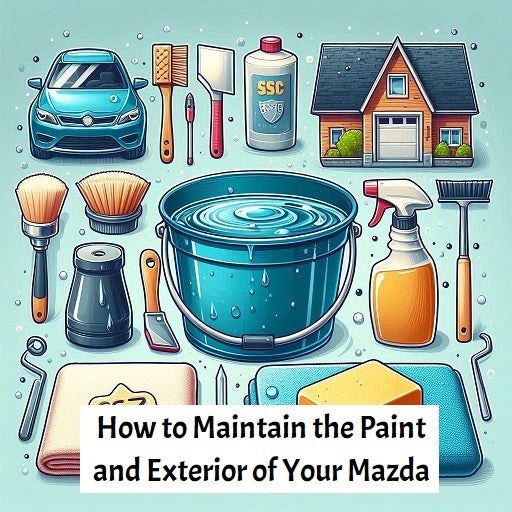
How to Maintain the Paint and Exterior of Your Mazda

bm1 title april 2025

Your Mazda is more than just a mode of transportation; it’s a reflection of your style and personality. Keeping your vehicle's paint and exterior in pristine condition not only enhances its aesthetic appeal but also protects its value over time. In this blog, we’ll explore effective strategies for maintaining the paint and exterior of your Mazda, ensuring it remains as stunning as the day you drove it off the lot.

Regular Washing

  • The foundation of paint maintenance is regular washing. Dirt, grime, and contaminants can damage the paint over time if not removed. Here are some tips for washing your Mazda effectively:
  • Use the Right Products: Choose a pH-balanced car wash soap specifically designed for automotive paint. Avoid household cleaners or dish soap, as they can strip away wax and harm the paint.
  • Soft Wash Mitt or Sponge: Use a soft wash mitt or sponge to prevent scratching the paint. Start washing from the top of the vehicle and work your way down, rinsing the mitt frequently to avoid redistributing dirt.
  • Rinse Thoroughly: Make sure to rinse off all soap residue thoroughly to avoid streaks or spots on the paint.
  • Wash Frequently: Aim to wash your Mazda every two weeks, or more often if you live in an area with harsh weather conditions, road salt, or heavy pollen.

Drying Properly

After washing, drying your Mazda properly is crucial to prevent water spots and streaks.

  • Use a Microfiber Towel: Choose a soft, absorbent microfiber towel or drying chamois to dry your vehicle. Microfiber is gentle on paint and effectively absorbs water without scratching.
  • Blot, Don’t Wipe: Blot the surface to absorb water instead of wiping, which can cause swirl marks or scratches.
  • Dry in the Shade: If possible, dry your vehicle in the shade to avoid water spots caused by sunlight evaporating water too quickly.

Waxing and Sealing

Waxing your Mazda not only enhances its shine but also provides a protective barrier against UV rays, dirt, and contaminants. Here’s how to do it:

  • Choose the Right Wax: Use a high-quality carnauba wax or synthetic sealant. Carnauba wax provides a deep shine, while synthetic sealants offer longer-lasting protection.
  • Apply in a Controlled Environment: Wax your vehicle in a shaded area or indoors to avoid direct sunlight, which can cause the wax to dry too quickly.
  • Follow Application Instructions: Apply the wax in thin, even layers using a foam applicator pad. Allow it to haze according to the product instructions before buffing it off with a clean microfiber towel.
  • Frequency of Waxing: Wax your Mazda every three to six months, depending on environmental conditions and personal preference.

Protecting Against Contaminants

Environmental contaminants like bird droppings, tree sap, and road salt can damage your Mazda's paint if not addressed promptly. Here’s how to protect against them:

  • Remove Contaminants Quickly: If you notice bird droppings, tree sap, or bug splatter, remove them as soon as possible. Use a gentle cleaner specifically designed for automotive surfaces to avoid damaging the paint.
  • Consider a Ceramic Coating: For added protection, consider applying a ceramic coating. This advanced solution forms a durable layer on the paint, providing enhanced protection against scratches, UV rays, and environmental contaminants.

Avoiding Scratches and Dings

Preventing scratches and dings is essential for maintaining the exterior of your Mazda. Here are some tips to minimize damage:

  • Be Mindful of Parking: Avoid tight parking spots and areas with low-hanging branches. Whenever possible, park in safe, well-lit areas to reduce the risk of dings.
  • Use a Car Cover: If you plan to park your Mazda outdoors for an extended period, consider using a breathable car cover. This adds an extra layer of protection against dust, debris, and harsh weather.
  • Careful Cleaning Techniques: When washing your vehicle, avoid using automatic car washes with brushes that can scratch the paint. Instead, opt for touchless car washes or hand washing.

Regular Inspections

Regularly inspecting your Mazda’s exterior can help you catch potential issues before they escalate.

  • Check for Paint Damage: Look for scratches, chips, or signs of rust on the paint surface. Address any issues promptly to prevent further damage.
  • Inspect Seals and Trim: Check the rubber seals around windows and doors for wear or damage. Replacing worn seals can prevent water leaks and further protect your vehicle’s interior.

Professional Detailing

Consider professional detailing services at least once a year to keep your Mazda looking its best. Professional detailers have access to specialized products and techniques that can enhance your vehicle’s appearance and protect the paint.

Preserving Beauty and Value

Maintaining the paint and exterior of your Mazda is essential for preserving its beauty and value. By following these tips—regular washing, proper drying, waxing, protecting against contaminants, avoiding scratches, conducting regular inspections, and considering professional detailing—you can ensure that your Mazda remains in top condition for years to come. A well-maintained exterior not only enhances your vehicle's appearance but also contributes to a more enjoyable driving experience, allowing you to take pride in every journey.


Posted in:

Related Posts

bm3 title july 2025

The Role of Aerodynamics in Car Design: Why It Matters

Aerodynamics plays a crucial role in modern car design, influencing everything from performance and fuel efficiency to safety and aesthetics. As automotive technology advances, understanding the principles of aerodynamics and their impact on vehicle design is essential for both engineers and consumers. This blog explores the importance of aerodynamics in car design, the key concepts involved, and how they shape the vehicles we drive today. more Understanding Aerodynamics What is Aerodynamics? Definition: Aerodynamics is the study of how air flows around objects, such as vehicles. In car design, it focuses on reducing drag and optimizing airflow to improve performance and efficiency. Principles: The fundamental principles of aerodynamics include lift, drag, and downforce. These factors influence how air interacts with the vehicle's surfaces as it moves. The Importance of Aerodynamics in Cars Performance: Aerodynamics affects a car's speed and handling. A well-designed aerodynamic profile can enhance stability and agility, allowing for better high-speed performance. Fuel Efficiency: Reducing drag improves fuel efficiency by decreasing the amount of energy required to overcome air resistance. This results in better mileage and reduced fuel consumption. Safety: Aerodynamic design can enhance vehicle stability and control, particularly at high speeds. It also plays a role in managing airflow around the car to improve visibility and reduce wind noise. Key Aerodynamic Concepts in Car Design Drag Coefficient (Cd) Definition: The drag coefficient is a measure of how aerodynamic a vehicle is. It represents the amount of aerodynamic drag a car experiences as it moves through the air. Impact: A lower drag coefficient indicates better aerodynamic efficiency, leading to improved fuel economy and higher top speeds. Modern cars strive for lower drag coefficients to maximize performance and efficiency. Lift and Downforce Lift: Lift is the force that acts upwards against gravity, potentially causing a vehicle to become less stable at high speeds. Minimizing the lift is crucial for maintaining stability and traction. Downforce: Downforce is the force that pushes the vehicle downwards, enhancing traction and stability. Aerodynamic features like spoilers and diffusers are designed to increase downforce, improving handling and cornering performance. Airflow Management Flow Separation: Flow separation occurs when the smooth airflow around a vehicle becomes turbulent. This can increase drag and reduce aerodynamic efficiency. Designing vehicles to manage airflow and minimize flow separation is essential for optimal performance. Vortex Generation: Engineers use vortex generators to control airflow and reduce drag. These small devices create controlled turbulence, helping to maintain smooth airflow and improve aerodynamic performance. Aerodynamic Features in Car Design Front Grilles and Bumpers Design: The shape and placement of front grilles and bumpers influence airflow around the car. Properly designed grilles can direct airflow to cool the engine and reduce drag. Function: Aerodynamic bumpers help manage airflow and reduce turbulence, contributing to a lower drag coefficient. Side Skirts and Underbody Panels Side Skirts: Side skirts help smooth airflow along the sides of the vehicle, reducing drag and improving stability. They also prevent airflow from getting trapped under the car. Underbody Panels: Smooth underbody panels reduce turbulence and drag by ensuring a consistent airflow beneath the vehicle. Rear Spoilers and Diffusers Spoilers: Rear spoilers increase downforce by disrupting airflow and creating aerodynamic pressure. They improve stability and handling, especially at high speeds. Diffusers: Rear diffusers manage the airflow exiting the vehicle and create additional downforce. They help reduce drag and improve overall aerodynamic efficiency. The Evolution of Aerodynamic Design Early Car Designs Historical Perspective: Early cars had rudimentary aerodynamic designs, focusing more on mechanical function than aerodynamic efficiency. As car performance became a priority, aerodynamic considerations started to influence design more significantly. Early Innovations: Innovations such as rounded shapes and streamlined bodies began to improve aerodynamic performance, leading to increased speeds and better fuel efficiency. Modern Advances Wind Tunnels and Simulations: Modern car manufacturers use wind tunnels and computer simulations to test and refine aerodynamic designs. These tools allow for precise adjustments and optimization of airflow. Materials and Techniques: Advances in materials and manufacturing techniques enable the creation of more complex aerodynamic features. Lightweight materials and advanced composites help reduce drag while maintaining structural integrity. Future Trends Electric Vehicles: As electric vehicles (EVs) become more prevalent, aerodynamic design will play an even greater role in optimizing range and performance. EVs often feature sleek, streamlined designs to maximize efficiency. Autonomous Vehicles: The design of autonomous vehicles may incorporate unique aerodynamic features to enhance stability and performance. The integration of sensors and cameras will influence aerodynamic considerations. The Impact on Consumers Benefits of Aerodynamic Design Improved Fuel Efficiency: Consumers benefit from better fuel economy due to reduced drag and optimized airflow, leading to cost savings on fuel. Enhanced Driving Experience: Aerodynamic design contributes to a smoother, quieter driving experience by reducing wind noise and improving vehicle stability. Choosing Aerodynamic Vehicles Considerations: When selecting a vehicle, consider its aerodynamic features and their impact on performance and efficiency. Look for vehicles with low drag coefficients and advanced aerodynamic design elements. The Power of Aerodynamics Aerodynamics is a fundamental aspect of modern car design, influencing everything from performance and fuel efficiency to safety and comfort. Understanding the role of aerodynamics helps appreciate the engineering and innovation behind today’s vehicles. As technology continues to advance, aerodynamic design will remain a key factor in shaping the future of automotive engineering, leading to more efficient, stable, and enjoyable driving experiences.

bm4 title march 2025

How to Keep Your Car's Paint Looking New

Your car’s paint is not just for aesthetics; it protects the metal beneath from rust and corrosion while enhancing its overall appearance. Keeping your car’s paint looking new requires regular care and attention. In this blog, we’ll explore practical tips and techniques to help you maintain your vehicle’s exterior and preserve its shine for years to come. more Regular Washing One of the simplest ways to maintain your car’s paint is through regular washing. Dirt, grime, and road salt can damage the paint over time if not removed. How to Wash: Use a dedicated car wash soap, a soft sponge or microfiber wash mitt, and plenty of clean water. Rinse your car thoroughly before washing to remove loose dirt, then wash from the top down, using straight, horizontal strokes. Avoid using household cleaners, as they can strip wax and harm the paint. Frequency: Aim to wash your car every two weeks, or more frequently if you drive in harsh conditions, such as winter salt or off-road environments. Drying Properly After washing your car, it’s crucial to dry it properly to prevent water spots and streaks. Use Microfiber Towels: Use clean, dry microfiber towels to gently blot and wipe the car’s surface. Avoid rubbing, as this can cause scratches. Air Dry: If possible, allow the car to air dry in the shade to prevent water spots from forming due to sunlight. Waxing and Sealing Applying a layer of wax or paint sealant helps protect your car’s paint from UV rays, dirt, and environmental contaminants. When to Wax: Wax your car every three to six months, depending on your environment and how often you wash it. How to Apply: After washing and drying your car, apply a quality wax or sealant using an applicator pad. Work in small sections, applying in circular motions, and buff with a clean microfiber cloth to achieve a high shine. Avoiding Scratches and Swirls Scratches and swirl marks can detract from your car’s appearance. To minimize these, follow these tips: Use Soft Materials: Always use microfiber towels and soft applicators to avoid scratching the paint. Be Careful with Equipment: When using automatic car washes, opt for touchless washes or those with soft cloths to minimize the risk of scratches. Park Wisely: Whenever possible, park away from trees, bushes, and other vehicles to avoid dings and scratches from branches or car doors. Dealing with Contaminants Over time, your car’s paint can accumulate contaminants like tree sap, bird droppings, and industrial fallout. These can harm the paint if not addressed promptly. Prompt Removal: Remove bird droppings and tree sap as soon as possible to prevent etching. Use a damp microfiber cloth or a specialized cleaner to gently lift the contaminant without damaging the paint. Clay Bar Treatment: Consider using a clay bar treatment every year or so to remove embedded contaminants and restore a smooth surface. Follow the instructions on the clay bar kit for best results. Using Paint Protection Film or Ceramic Coating For added protection, consider investing in paint protection film (PPF) or ceramic coating. Paint Protection Film: PPF is a clear, durable film that can be applied to vulnerable areas of your car to shield it from scratches and chips. Ceramic Coating: This advanced coating provides long-lasting protection against UV rays, dirt, and contaminants while enhancing shine. It typically requires professional application but can offer exceptional protection. Regular Inspections Perform regular inspections of your car’s paint to identify any potential issues early. Check for Scratches and Chips: Look for any scratches, chips, or blemishes on the surface. If you find any, consider using touch-up paint to prevent rust and further damage. Examine the Finish: Ensure the paint is still smooth and glossy. If it appears dull, it may be time for a polish or a professional detailing service. Protecting Your Vehicle’s Value Keeping your car’s paint looking new is a rewarding effort that enhances its appearance and protects its value. By following these tips—regular washing, drying properly, waxing, and being vigilant about contaminants—you can maintain a stunning finish for your vehicle. With a little care and attention, your car will continue to turn heads and shine like new for years to come!

BM2 MAY 2026

Keeping Your Mazda’s Interior Clean: Tips and Tricks

At Beach Mazda, we know your vehicle is more than just a way to get around — it’s your mobile sanctuary. Whether you’re driving solo or with the family, keeping the interior of your Mazda clean not only makes your ride more comfortable but also protects your vehicle’s long-term value. more From sandy beach days to busy commutes around Myrtle Beach, your Mazda’s cabin can quickly collect dirt, debris, and clutter. Here are some helpful tips and tricks to keep your interior looking fresh, clean, and like new. 1. Start with the Right Supplies To properly maintain your Mazda’s interior, you don’t need fancy equipment — just a few quality essentials: Microfiber cloths Interior cleaner (fabric or leather-specific) Vacuum with hose attachments Upholstery brush Compressed air canister (optional) Glass cleaner (ammonia-free) All-purpose wipes or disinfectant wipes 2. Vacuum Regularly — Especially the Hidden Spots Crumbs and dust tend to settle in tight corners and under the seats. Use your vacuum’s crevice tool to get into: Between seat cushions Under mats and pedals Cup holders and door pockets Pro tip: Move the front seats forward and backward to reach all floor areas. Vacuuming once a week helps keep buildup under control. 3. Protect and Maintain Your Seats For Cloth Seats: Use a fabric-safe cleaner and a soft-bristle brush to remove stains. Apply a fabric protector spray to resist future spills and dirt. For Leather Seats: Use a pH-balanced leather cleaner and conditioner. Wipe gently with a microfiber cloth to prevent cracking or fading from UV exposure. Beach Mazda offers interior detailing services if you'd like professional treatment. 4. Don’t Forget the Dashboard and Console Dust loves to settle on the dash. Use a damp microfiber cloth or a light interior cleaner to wipe down: Dashboard Touchscreen (with a screen-safe cloth) Gear shifter Center console and cup holders Avoid silicone-based products that can leave a greasy residue or damage soft-touch materials. 5. Clean Your Windows (Inside Too!) The inside of your Mazda’s windows can build up a film that causes glare. Use an ammonia-free glass cleaner and a microfiber towel to wipe interior windows and mirrors for streak-free clarity. 6. Use Floor Mats to Your Advantage All-weather rubber mats are perfect for life in Myrtle Beach, especially when you’re tracking in sand, mud, or rainwater. Rinse them off regularly and allow them to dry completely before placing them back in your car. 7. Declutter Weekly Keep your Mazda feeling new by removing: Empty bottles Fast food bags Kids’ toys Unused chargers and cords Use a small storage bin in the trunk or under seats to keep everyday items organized and out of sight. 8. Add a Cabin Air Freshener or Purifier A simple air freshener can go a long way. Or, consider a cabin air purifier for longer-lasting freshness, especially if you drive frequently with pets or passengers. Final Thoughts from Beach Mazda Your Mazda’s clean interior isn’t just about looks — it’s about comfort, pride, and protecting your investment. With regular upkeep and a few smart habits, you can enjoy a spotless cabin that makes every drive more enjoyable. Need help with a deeper interior detail or want to explore genuine Mazda interior accessories? Visit Beach Mazda or contact us today — we’re here to help your vehicle shine inside and out!