Blog

All News Technology Important Information Mazda Model Features Tips Mazda Service Features & Specs Awards Service Mazda Vehicles Mazda Safety Technology Money Saving Tips Safety Beach Mazda Service History 2023 Models Community Events Comparisons Financing Your Mazda Fun Stuff Local 2024 Models Holidays Mazda Parts Car Buying Process Driver-Centric Design EVs Exterior Fuel & Gas Pre-Owned Certified Pre-Owned Mazda Vehicles Electric & Hybrid Vehicles Infotainment Insurance Mazda Accessories Mazda CX-30 Mazda3 Racing Restaurants & Food Tires & Wheels Travel Activities Drive For Good Kodo Design Language Mazda CX-5 Mazda CX-9 Mazda Motorsports Automotive Cleaning Fuel System Interior Paint & Body Work Seasonal Down-payments Mazda Connect Transmission Weather Brakes i-Activsense Technology Large Vehicles & SUVs Millennials Suspension System Towing
bm1 title april 2025

How to Maintain the Paint and Exterior of Your Mazda

Your Mazda is more than just a mode of transportation; it’s a reflection of your style and personality. Keeping your vehicle's paint and exterior in pristine condition not only enhances its aesthetic appeal but also protects its value over time. In this blog, we’ll explore effective strategies for maintaining the paint and exterior of your Mazda, ensuring it remains as stunning as the day you drove it off the lot. more Regular Washing The foundation of paint maintenance is regular washing. Dirt, grime, and contaminants can damage the paint over time if not removed. Here are some tips for washing your Mazda effectively: Use the Right Products: Choose a pH-balanced car wash soap specifically designed for automotive paint. Avoid household cleaners or dish soap, as they can strip away wax and harm the paint. Soft Wash Mitt or Sponge: Use a soft wash mitt or sponge to prevent scratching the paint. Start washing from the top of the vehicle and work your way down, rinsing the mitt frequently to avoid redistributing dirt. Rinse Thoroughly: Make sure to rinse off all soap residue thoroughly to avoid streaks or spots on the paint. Wash Frequently: Aim to wash your Mazda every two weeks, or more often if you live in an area with harsh weather conditions, road salt, or heavy pollen. Drying Properly After washing, drying your Mazda properly is crucial to prevent water spots and streaks. Use a Microfiber Towel: Choose a soft, absorbent microfiber towel or drying chamois to dry your vehicle. Microfiber is gentle on paint and effectively absorbs water without scratching. Blot, Don’t Wipe: Blot the surface to absorb water instead of wiping, which can cause swirl marks or scratches. Dry in the Shade: If possible, dry your vehicle in the shade to avoid water spots caused by sunlight evaporating water too quickly. Waxing and Sealing Waxing your Mazda not only enhances its shine but also provides a protective barrier against UV rays, dirt, and contaminants. Here’s how to do it: Choose the Right Wax: Use a high-quality carnauba wax or synthetic sealant. Carnauba wax provides a deep shine, while synthetic sealants offer longer-lasting protection. Apply in a Controlled Environment: Wax your vehicle in a shaded area or indoors to avoid direct sunlight, which can cause the wax to dry too quickly. Follow Application Instructions: Apply the wax in thin, even layers using a foam applicator pad. Allow it to haze according to the product instructions before buffing it off with a clean microfiber towel. Frequency of Waxing: Wax your Mazda every three to six months, depending on environmental conditions and personal preference. Protecting Against Contaminants Environmental contaminants like bird droppings, tree sap, and road salt can damage your Mazda's paint if not addressed promptly. Here’s how to protect against them: Remove Contaminants Quickly: If you notice bird droppings, tree sap, or bug splatter, remove them as soon as possible. Use a gentle cleaner specifically designed for automotive surfaces to avoid damaging the paint. Consider a Ceramic Coating: For added protection, consider applying a ceramic coating. This advanced solution forms a durable layer on the paint, providing enhanced protection against scratches, UV rays, and environmental contaminants. Avoiding Scratches and Dings Preventing scratches and dings is essential for maintaining the exterior of your Mazda. Here are some tips to minimize damage: Be Mindful of Parking: Avoid tight parking spots and areas with low-hanging branches. Whenever possible, park in safe, well-lit areas to reduce the risk of dings. Use a Car Cover: If you plan to park your Mazda outdoors for an extended period, consider using a breathable car cover. This adds an extra layer of protection against dust, debris, and harsh weather. Careful Cleaning Techniques: When washing your vehicle, avoid using automatic car washes with brushes that can scratch the paint. Instead, opt for touchless car washes or hand washing. Regular Inspections Regularly inspecting your Mazda’s exterior can help you catch potential issues before they escalate. Check for Paint Damage: Look for scratches, chips, or signs of rust on the paint surface. Address any issues promptly to prevent further damage. Inspect Seals and Trim: Check the rubber seals around windows and doors for wear or damage. Replacing worn seals can prevent water leaks and further protect your vehicle’s interior. Professional Detailing Consider professional detailing services at least once a year to keep your Mazda looking its best. Professional detailers have access to specialized products and techniques that can enhance your vehicle’s appearance and protect the paint. Preserving Beauty and Value Maintaining the paint and exterior of your Mazda is essential for preserving its beauty and value. By following these tips—regular washing, proper drying, waxing, protecting against contaminants, avoiding scratches, conducting regular inspections, and considering professional detailing—you can ensure that your Mazda remains in top condition for years to come. A well-maintained exterior not only enhances your vehicle's appearance but also contributes to a more enjoyable driving experience, allowing you to take pride in every journey.

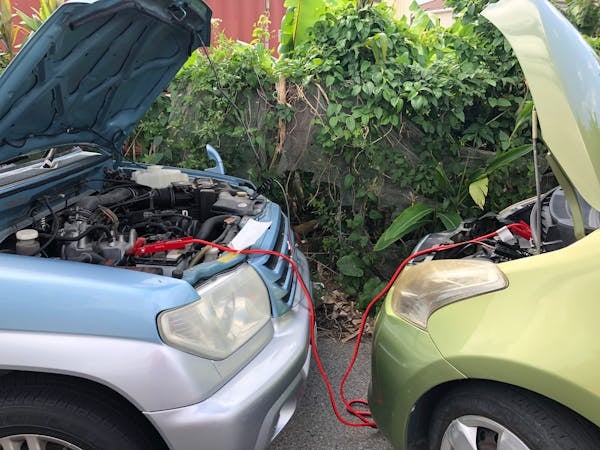
A blue and yellow car jumping batteries

Everything Mazda Owners Need to Know About Car Batteries

A reliable car battery is at the heart of your Mazda’s performance. Whether you drive a sleek Mazda3 or the spacious CX-50, keeping your battery in great shape ensures smooth starts and dependable drives. But how do you know when it’s time for a battery check or replacement? And what about hybrid batteries—how are they different? This guide will walk you through the basics of car batteries, common signs of battery issues, and why it’s essential to keep yours in peak condition. By the end, you’ll know exactly when to visit Beach Mazda in Myrtle Beach, South Carolina, for expert assistance. more What Does a Car Battery Do? Your car battery is much more than a simple component—it’s the lifeblood of your vehicle’s electrical system. Here’s what it does: Starts the Engine: The battery provides the power needed to crank your engine when you turn the key or hit the start button. Without a reliable battery, your Mazda won’t start. Powers Electrical Systems: It powers everything from your headlights and air conditioning to your radio and navigation system while the engine isn’t running. Works with the Alternator: Once the engine is on, the alternator takes over. However, a healthy battery ensures everything runs smoothly in those crucial seconds before ignition. Without a functioning battery, your Mazda wouldn’t just struggle to start—it would fail to power its core systems. How is a Hybrid Battery Different from a Regular Battery? If you're driving one of Mazda’s hybrid models, you likely have a hybrid battery. Unlike a conventional battery, a hybrid car battery performs multiple essential functions to ensure the vehicle operates efficiently. Rechargeable Power Source: A hybrid battery is rechargeable and stores energy that powers the vehicle’s electric motor. This motor complements the gas engine during acceleration, improving fuel efficiency and reducing emissions. Regenerative Braking: Every time you brake, energy that would otherwise be lost is captured and stored in the battery. This process is called regenerative braking, and it helps keep your hybrid battery charged as you drive. Longevity: Hybrid batteries are designed to last longer than regular car batteries. However, they still require proper care to avoid premature wear. While both hybrid and conventional batteries are crucial, they function differently. Understanding and maintaining the right type for your Mazda will keep your car running reliably. How to Know When Your Battery Needs to Be Replaced Batteries don’t last forever, and even the highest-quality Mazda battery will eventually need replacing. Here are key signs that it’s time to consider getting a new one: 1. Slow Engine Turnover If your Mazda struggles to start or if the engine cranks slowly when you turn the key, it could mean your battery is losing its charge. A clicking noise when you try to start the car is another clear sign that the battery is weak and needs attention. What to do: If you notice this, have your battery tested by a professional right away. 2. Dim or Flickering Headlights Are your headlights dimming when you idle or flickering when you accelerate? This might indicate that the battery isn’t providing enough power to your car’s electrical systems. Similarly, dim interior lighting could signal it's time for a replacement. What to do: Check your lights’ brightness with the engine off. If you notice a difference, it’s worth having your battery checked. 3. Battery Warning Light on Your Dashboard When the battery warning light appears on your Mazda’s dashboard, don’t ignore it. This warning is often the first indicator of a potential problem. It could mean your battery isn’t charging properly or that there’s another electrical issue. What to do: Visit Beach Mazda immediately for a diagnostic check to determine the problem. 4. A Bulging or Leaking Battery A quick visual inspection of your car's battery can tell you a lot. If the battery casing appears swollen or distorted, it may have overheated. Similarly, leaking fluid around the battery indicates damage and corrosion, which can compromise its functionality. What to do: Avoid attempting DIY repairs on a damaged battery. Bring your vehicle straight to a professional for replacement. Keep Your Mazda Running Smoothly Your car battery plays an essential role in your Mazda’s performance, from starting the engine to powering its advanced features. Recognizing the signs of a weak or failing battery can save you from unexpected breakdowns and ensure your drives stay hassle-free. At Beach Mazda in Myrtle Beach, South Carolina, we specialize in keeping Mazdas running like new. Whether you need a standard battery check, expert advice on hybrid batteries, or a full replacement, our team is here to help. Plus, we offer exclusive service specials to make maintaining your Mazda even easier. Don’t wait for battery troubles to stop you in your tracks—schedule your next service visit today. Your Mazda deserves the best, and we’re committed to delivering just that.

bm4 title march 2025

How to Keep Your Car's Paint Looking New

Your car’s paint is not just for aesthetics; it protects the metal beneath from rust and corrosion while enhancing its overall appearance. Keeping your car’s paint looking new requires regular care and attention. In this blog, we’ll explore practical tips and techniques to help you maintain your vehicle’s exterior and preserve its shine for years to come. more Regular Washing One of the simplest ways to maintain your car’s paint is through regular washing. Dirt, grime, and road salt can damage the paint over time if not removed. How to Wash: Use a dedicated car wash soap, a soft sponge or microfiber wash mitt, and plenty of clean water. Rinse your car thoroughly before washing to remove loose dirt, then wash from the top down, using straight, horizontal strokes. Avoid using household cleaners, as they can strip wax and harm the paint. Frequency: Aim to wash your car every two weeks, or more frequently if you drive in harsh conditions, such as winter salt or off-road environments. Drying Properly After washing your car, it’s crucial to dry it properly to prevent water spots and streaks. Use Microfiber Towels: Use clean, dry microfiber towels to gently blot and wipe the car’s surface. Avoid rubbing, as this can cause scratches. Air Dry: If possible, allow the car to air dry in the shade to prevent water spots from forming due to sunlight. Waxing and Sealing Applying a layer of wax or paint sealant helps protect your car’s paint from UV rays, dirt, and environmental contaminants. When to Wax: Wax your car every three to six months, depending on your environment and how often you wash it. How to Apply: After washing and drying your car, apply a quality wax or sealant using an applicator pad. Work in small sections, applying in circular motions, and buff with a clean microfiber cloth to achieve a high shine. Avoiding Scratches and Swirls Scratches and swirl marks can detract from your car’s appearance. To minimize these, follow these tips: Use Soft Materials: Always use microfiber towels and soft applicators to avoid scratching the paint. Be Careful with Equipment: When using automatic car washes, opt for touchless washes or those with soft cloths to minimize the risk of scratches. Park Wisely: Whenever possible, park away from trees, bushes, and other vehicles to avoid dings and scratches from branches or car doors. Dealing with Contaminants Over time, your car’s paint can accumulate contaminants like tree sap, bird droppings, and industrial fallout. These can harm the paint if not addressed promptly. Prompt Removal: Remove bird droppings and tree sap as soon as possible to prevent etching. Use a damp microfiber cloth or a specialized cleaner to gently lift the contaminant without damaging the paint. Clay Bar Treatment: Consider using a clay bar treatment every year or so to remove embedded contaminants and restore a smooth surface. Follow the instructions on the clay bar kit for best results. Using Paint Protection Film or Ceramic Coating For added protection, consider investing in paint protection film (PPF) or ceramic coating. Paint Protection Film: PPF is a clear, durable film that can be applied to vulnerable areas of your car to shield it from scratches and chips. Ceramic Coating: This advanced coating provides long-lasting protection against UV rays, dirt, and contaminants while enhancing shine. It typically requires professional application but can offer exceptional protection. Regular Inspections Perform regular inspections of your car’s paint to identify any potential issues early. Check for Scratches and Chips: Look for any scratches, chips, or blemishes on the surface. If you find any, consider using touch-up paint to prevent rust and further damage. Examine the Finish: Ensure the paint is still smooth and glossy. If it appears dull, it may be time for a polish or a professional detailing service. Protecting Your Vehicle’s Value Keeping your car’s paint looking new is a rewarding effort that enhances its appearance and protects its value. By following these tips—regular washing, drying properly, waxing, and being vigilant about contaminants—you can maintain a stunning finish for your vehicle. With a little care and attention, your car will continue to turn heads and shine like new for years to come!

bm3 title march 2025

How to Care for the Interior of Your Mazda: Tips for Maintaining a Pristine Cabin

Your Mazda's interior is where you spend most of your time while driving, so keeping it clean, comfortable, and well-maintained is essential. A well-cared-for interior not only enhances your driving experience but also helps preserve the value of your vehicle over time. Here are some tips on how to care for the interior of your Mazda to ensure it stays in top condition for years to come. more Regular Cleaning: The Foundation of Interior Care Regular cleaning is the first step in maintaining a pristine interior. Dust, dirt, and grime can accumulate quickly, especially on frequently touched surfaces like the steering wheel, dashboard, and seats. To keep your Mazda's interior looking its best, make it a habit to clean it regularly. Vacuuming: Start by vacuuming the carpets, floor mats, and seats to remove loose dirt and debris. Use a soft brush attachment to gently clean around vents, seams, and other delicate areas. Don’t forget to vacuum under the seats and in the crevices where dirt tends to accumulate. Wiping Down Surfaces: Use a microfiber cloth and a mild, non-abrasive cleaner to wipe down hard surfaces such as the dashboard, center console, and door panels. Avoid using harsh chemicals or rough cloths that could scratch or damage surfaces. For leather seats and trim, use a leather cleaner and conditioner to keep the material soft and supple. Cleaning Windows: Clean the interior windows and mirrors with a glass cleaner to remove smudges, fingerprints, and streaks. This will not only improve visibility but also give your interior a polished look. Protecting Your Seats: Preserve Comfort and Appearance Your Mazda's seats are subject to a lot of wear and tear, so it's important to take steps to protect them from damage. Whether your seats are upholstered in cloth, leather, or a combination of materials, proper care will help them stay in good condition. Seat Covers: Consider using seat covers to protect your seats from spills, stains, and UV damage. Seat covers are especially useful if you frequently transport pets, kids, or cargo that could damage the seats. Choose covers that are designed to fit your specific Mazda model for the best protection and appearance. Leather Care: If your Mazda has leather seats, regular cleaning and conditioning are essential to prevent cracking, fading, and drying out. Use a leather cleaner to remove dirt and oils, followed by a leather conditioner to keep the leather soft and moisturized. Avoid leaving your car parked in direct sunlight for extended periods, as UV rays can cause leather to deteriorate over time. Cloth Seat Care: For cloth seats, vacuum them regularly to remove dust and dirt. If you notice stains, treat them promptly with a fabric cleaner that is safe for automotive interiors. Blot stains gently rather than scrubbing, as scrubbing can damage the fabric. Floor Mats and Carpets: Keeping Them Fresh and Clean The floor mats and carpets in your Mazda are among the most heavily used areas of the interior, often bearing the brunt of dirt, mud, and spills. Regular care will help keep them looking fresh and clean. Cleaning Floor Mats: Remove your floor mats and shake them out to remove loose dirt and debris. If your mats are rubber, rinse them with water and use a mild soap to clean them thoroughly. For carpeted mats, vacuum them and treat any stains with a carpet cleaner. Allow the mats to dry completely before placing them back in your car. Carpet Care: Vacuum your Mazda's carpets regularly to prevent dirt from becoming embedded in the fibers. For stains, use a carpet cleaner specifically designed for automotive use. Consider using all-weather floor mats during the winter months or in wet conditions to protect the carpets from mud, snow, and moisture. Protecting Against UV Damage: Preserve Your Interior’s Longevity The sun's UV rays can cause significant damage to your Mazda's interior over time, leading to fading, cracking, and discoloration of materials. Protecting your interior from UV damage is key to maintaining its appearance and longevity. Window Tinting: Consider having your Mazda’s windows tinted to reduce the amount of UV rays that enter the cabin. Window tinting not only helps protect your interior but also keeps the cabin cooler and more comfortable during hot weather. Sunshades: Use a windshield sunshade when parking your car in direct sunlight to protect the dashboard, steering wheel, and seats from UV exposure. Sunshades are an inexpensive and effective way to prevent sun damage and keep your interior looking new. UV Protectant Sprays: Apply a UV protectant spray to plastic and vinyl surfaces to shield them from the sun's harmful rays. These sprays can help prevent cracking and fading, extending the life of your interior materials. Dealing with Spills and Stains: Quick Action Is Key Accidents happen, and spills and stains are inevitable. However, how you handle them can make a big difference in whether they leave a lasting mark on your Mazda's interior. Immediate Action: As soon as a spill occurs, blot it up with a clean cloth or paper towel to absorb as much liquid as possible. Avoid rubbing the spill, as this can spread it and make the stain worse. Stain Removal: Use an appropriate cleaner for the type of material you’re treating. For fabric seats and carpets, a fabric cleaner can work wonders on stains. For leather, use a leather cleaner. Be sure to test any cleaning product on a small, inconspicuous area first to ensure it won’t damage the material. Odor Control: If a spill leaves behind an odor, sprinkle baking soda on the affected area and let it sit for a few hours before vacuuming it up. This can help neutralize any lingering smells. For more stubborn odors, consider using an interior odor eliminator designed for cars. Maintaining the Air Quality: Breathe Easy Inside Your Mazda The air quality inside your Mazda is important for your comfort and health, so it’s worth taking steps to ensure the cabin air is clean and fresh. Cabin Air Filter: Your Mazda’s cabin air filter helps remove dust, pollen, and other contaminants from the air that enters the interior. Over time, the filter can become clogged, reducing its effectiveness. Check your owner’s manual for the recommended replacement interval, and replace the filter as needed to maintain good air quality. Air Fresheners: Use air fresheners to keep your Mazda’s interior smelling fresh, but be mindful of strong scents that might be overpowering. If you prefer a more natural approach, consider placing a small bag of activated charcoal or a few coffee beans in the car to absorb odors. Organizing Your Interior: Clutter-Free Driving A clutter-free interior not only looks better but also makes for a more enjoyable and stress-free driving experience. Keep your Mazda's cabin organized by following these tips: Storage Solutions: Make use of your Mazda’s built-in storage compartments, such as the glove box, center console, and door pockets, to keep items neatly stowed away. Consider using organizers or trays to keep smaller items from sliding around. Minimalist Approach: Try to keep only essential items in your car, such as your owner’s manual, registration, and emergency supplies. Removing unnecessary clutter will make it easier to keep your interior clean and organized. Trunk Organization: Use trunk organizers or cargo nets to keep your trunk tidy and prevent items from shifting during transit. This not only protects your belongings but also prevents damage to the trunk lining and carpet. Protect Your Investment Caring for the interior of your Mazda is an investment in both the longevity and enjoyment of your vehicle. By following these tips and making regular cleaning and maintenance a priority, you can keep your Mazda's cabin looking and feeling like new. Whether you’re driving to work, running errands, or embarking on a road trip, a well-maintained interior enhances every journey, ensuring that your Mazda remains a comfortable and inviting space for you and your passengers.

bm2 title march 2025

Exploring the Mazda MX-5 Miata: A Driver’s Dream

For over three decades, the Mazda MX-5 Miata has captivated driving enthusiasts around the world with its blend of agility, style, and pure driving pleasure. Often referred to as the ultimate driver’s car, the Miata is a testament to Mazda’s commitment to creating vehicles that celebrate the joy of driving. Let’s dive into what makes the Mazda MX-5 Miata a driver’s dream. more A Legacy of Driving Pleasure Since its debut in 1989, the Mazda MX-5 Miata has become synonymous with driving joy. Inspired by the classic British roadsters of the 1960s, Mazda set out to create a lightweight, nimble sports car that emphasized driving engagement over raw power. The result was a car that offered a thrilling, connected driving experience at an affordable price, quickly earning a dedicated fanbase. Over the years, the Miata has stayed true to its roots while evolving to meet modern demands. Each generation has refined the formula, incorporating new technologies and improvements while maintaining the essence of what makes the Miata special—its lightweight design, balanced handling, and an open-top experience that immerses the driver in the joy of the road. Lightweight Design: Less Is More One of the key elements that make the Miata a driver’s dream is its lightweight design. Weighing in at just over 2,300 pounds, the MX-5 Miata is one of the lightest sports cars on the market. This lightweight construction is central to the car’s dynamic handling and responsiveness. Mazda’s engineers have meticulously designed every component to minimize weight without compromising safety or structural integrity. This attention to detail is evident in the Miata’s quick acceleration, precise steering, and agile cornering. The result is a car that feels like an extension of the driver, responding instantly to inputs and delivering a driving experience that’s both exhilarating and effortless. Balanced Handling: The Perfect Dance Partner The Miata’s perfectly balanced chassis is another reason why it’s beloved by driving enthusiasts. With a near 50:50 weight distribution and rear-wheel drive, the MX-5 Miata offers a level of handling that’s hard to match. Whether you’re carving through twisty mountain roads or enjoying a spirited drive on the track, the Miata’s balance and poise make it a joy to drive. The Miata’s suspension is tuned to provide just the right amount of feedback, allowing the driver to feel connected to the road while maintaining comfort. The steering is precise and communicative, giving you confidence as you navigate corners with precision. This combination of balance and responsiveness makes the Miata a car that’s not only fun to drive but also easy to control, even at the limit. Open-Top Experience: Wind in Your Hair The Mazda MX-5 Miata is one of the few sports cars that offers an open-top experience, and it’s a big part of what makes the car so special. Whether you choose the classic soft-top or the retractable hardtop (RF) model, the Miata allows you to enjoy the thrill of driving with the wind in your hair and the sun on your face. The open-top design enhances the sense of freedom and connection with the environment, making every drive feel like an adventure. The Miata’s roof is also incredibly easy to operate, allowing you to go from enclosed to open-air in seconds, adding to the car’s appeal as the perfect weekend getaway vehicle. Engaging Powertrain: Power Meets Precision While the MX-5 Miata isn’t about sheer horsepower, its engine is perfectly matched to its lightweight and nimble character. The latest generation Miata features a 2.0-liter Skyactiv-G engine that delivers 181 horsepower and 151 lb-ft of torque. While these numbers may seem modest compared to other sports cars, the Miata’s power-to-weight ratio ensures brisk acceleration and lively performance. The engine is mated to a slick-shifting six-speed manual transmission, which is the preferred choice for purists who want the most engaging driving experience. The manual gearbox offers short, precise throws and a satisfying mechanical feel that makes every shift a delight. For those who prefer an automatic, Mazda also offers a six-speed automatic transmission that’s smooth and responsive. Timeless Design: Style Meets Functionality The MX-5 Miata’s design is as timeless as its driving dynamics. With its sleek lines, classic roadster proportions, and a design that’s both modern and evocative of the past, the Miata turns heads wherever it goes. Mazda’s Kodo design language, which emphasizes motion and vitality, is beautifully expressed in the Miata’s flowing curves and aggressive stance. The interior of the Miata is designed with the driver in mind, offering a minimalist, driver-focused cockpit that puts everything within easy reach. The seats are supportive and comfortable, even on long drives, and the materials used are of high quality, giving the cabin a premium feel despite the car’s affordable price. Affordability and Accessibility One of the Miata’s greatest strengths is its accessibility. Unlike many sports cars that come with a hefty price tag, the MX-5 Miata offers an affordable entry into the world of driving excitement. Mazda has managed to keep the Miata’s price within reach for a wide range of drivers, making it one of the most affordable sports cars on the market. This affordability, combined with the Miata’s low running costs and impressive reliability, makes it an attractive option for both first-time sports car buyers and seasoned enthusiasts alike. The Miata is a car that delivers a high level of driving enjoyment without breaking the bank, which is part of why it has such a dedicated following. The Community: More Than Just a Car Owning a Mazda MX-5 Miata is more than just owning a car—it’s being part of a passionate and welcoming community. Miata owners around the world come together to celebrate their love for the car through events, clubs, and online forums. This sense of camaraderie adds to the ownership experience, creating lasting friendships and shared adventures. A Driver’s Dream The Mazda MX-5 Miata is a driver’s dream, offering a pure, unfiltered connection to the road that few other cars can match. With its lightweight design, balanced handling, engaging powertrain, and open-top experience, the Miata embodies the joy of driving in its most essential form. Whether you’re a seasoned enthusiast or new to the world of sports cars, the MX-5 Miata offers a driving experience that’s hard to beat. It’s not just a car—it’s an invitation to enjoy the open road, to savor the simple pleasure of driving, and to be part of a community that shares your passion.

bm1 title march 2025

Evolution of Mazda: A Journey Through History

Mazda, renowned for its innovative spirit and engineering prowess, has carved a unique path in the automotive industry since its inception. From humble beginnings to becoming a global player, Mazda's journey is a testament to perseverance, innovation, and a deep commitment to driving pleasure. more The Early Days: Foundation and Innovation Founded in 1920 as Toyo Cork Kogyo Co., Ltd., Mazda initially produced cork, but soon diversified into machine tools and eventually automobiles. In 1931, Mazda produced its first vehicle, the Mazda-Go autorickshaw, marking its entry into the automotive world. The company's name was officially changed to Mazda in 1984, inspired by Ahura Mazda, the god of wisdom, intelligence, and harmony in early civilizations. Engineering Excellence and Rotary Engines Mazda gained global attention in the 1960s with its innovative rotary engine technology. The Cosmo Sport 110S, launched in 1967, was the world's first twin-rotor rotary engine production car, setting Mazda apart as a pioneer in unconventional engine designs. This commitment to innovation continued with models like the RX-7 and RX-8, solidifying Mazda's reputation for engineering excellence and driving enjoyment. Embracing Design and Performance Throughout the 1980s and 1990s, Mazda expanded its lineup and embraced a design philosophy focused on performance and style. The MX-5 Miata, introduced in 1989, became a global icon of affordable sports cars, combining agile handling with timeless design. This roadster not only revived interest in lightweight, fun-to-drive cars but also set records as the best-selling two-seater sports car in history. Commitment to Environmental Responsibility In recent decades, Mazda has prioritized sustainability and efficiency without compromising driving dynamics. Skyactiv Technology, introduced in 2011, embodies Mazda's holistic approach to enhancing fuel efficiency, reducing emissions, and maintaining performance. This innovative technology is integrated across Mazda's lineup, from compact cars to SUVs, demonstrating Mazda's commitment to environmental responsibility. Future Directions: Innovation and Beyond Looking ahead, Mazda continues to innovate with its next-generation technologies. The MX-30, Mazda's first all-electric vehicle, combines eco-friendliness with Mazda's renowned driving dynamics. Additionally, Mazda's partnership with Toyota aims to develop hydrogen fuel cell technology, showcasing its forward-thinking approach to sustainable mobility. Dedication to Innovation Mazda's evolution from a cork manufacturer to a global automotive leader reflects its dedication to innovation, craftsmanship, and the pursuit of driving pleasure. With a rich history of pioneering technologies and iconic designs, Mazda continues to shape the future of mobility while honoring its legacy of engineering excellence and passion for cars. Whether it's the thrill of rotary engines or the sustainability of Skyactiv, Mazda remains a brand that embodies the joy of driving while embracing the challenges of tomorrow's automotive landscape.

Car mechanic changing car oil

Keep Your Car Running Smoothly with Regular Oil Changes

Getting an oil change might not be the most exciting part of car ownership, but it’s one of the most critical. Regular oil changes keep your engine running smoothly, extend the life of your vehicle, and prevent costly repairs. Whether you’re cruising around town or heading out on a road trip, your car’s engine depends on clean oil to perform at its best. If you’re in Myrtle Beach, South Carolina, Beach Mazda’s service center is a great place to get your oil changed efficiently and professionally. more Why Does Your Car Need an Oil Change? Your car’s engine is made up of many intricately designed parts that work together to power your vehicle. Here’s why oil changes are essential: Lubrication for moving parts Oil lubricates fast-moving engine components, preventing friction and wear that could otherwise cause severe damage. Without proper lubrication, these parts can grind together, leading to overheating and failure. Heat reduction Engines generate intense heat during operation, but oil helps draw heat away from critical components, keeping your car running at a safe temperature. Contaminant removal Over time, oil collects dirt, debris, and sludge that can corrode the engine and hurt its efficiency. Dirty oil loses its ability to protect your engine and increases the risk of overheating or mechanical failure. Routine oil changes clean out these contaminants and replace the old, degraded oil with fresh lubricant, helping to reduce wear and avoid unexpected breakdowns. Types of Oil and What They’re Best For When it’s time to get your oil changed, choosing the right type of oil is vital. Different vehicles and driving conditions require different kinds of oil. Here are the most common options: Synthetic Blend A synthetic blend combines synthetic oil with conventional oil, offering a balance between performance and affordability. It provides better protection than conventional oil because it doesn’t break down as quickly under harsh conditions. Synthetic blends are ideal for drivers who want a more durable oil without the higher price of full synthetics. Synthetic Synthetic oil is engineered to provide superior performance and protection. It’s purer and more stable than conventional oil, making it a great choice for high-performance vehicles and newer cars. Synthetic oil has better resistance to both extreme heat and cold, ensuring your engine stays protected in any weather. While it’s a bit more expensive, the longer intervals between changes and enhanced engine protection are well worth the investment. Conventional Conventional oil is the go-to option for many older vehicles and those driven in mild conditions. It’s the least expensive type of oil, but it’s also more sensitive to temperature changes and breaks down faster than synthetic types. If you opt for conventional oil, remember to check your oil regularly and stick to the recommended change intervals. What Are the Signs Your Oil Needs to Be Changed? Not sure if your car needs an oil change? Watch out for these warning signals: Oil change light If your dashboard oil change light comes on, it’s a clear sign that your oil needs attention. Dark, dirty, or thick oil Fresh oil is golden or amber in color. If your oil looks dark, dirty, or thicker than normal, it’s time for a change. Low oil level Check your dipstick regularly. If your oil level is low, it indicates that your engine may be running without proper lubrication. Strong oil smell A noticeable oil smell inside your car could mean a leak or burning oil, both of which need immediate attention. Ignoring these signs can lead to engine damage, so it’s always better to address them promptly. How Often Should You Change Your Oil? The frequency of oil changes depends on the type of oil you use and your vehicle’s specifications. Here’s a general guide: Every 5,000 to 7,500 miles Most manufacturers recommend changing your oil within this range. Synthetic oil If you use synthetic oil, you may be able to extend your oil change interval slightly, as it lasts longer than conventional oil. Always consult your car’s manual for the manufacturer’s recommendations—it’s the most reliable guide for your specific make and model. Why Choose Beach Mazda for Your Oil Change? When it’s time for your next oil change, Beach Mazda in Myrtle Beach, South Carolina, has you covered. Our skilled technicians use high-quality oils to ensure your vehicle gets the care it deserves. Whether you drive a high-performance model needing synthetic oil or an older car powered by conventional oil, we'll match your car with the perfect lubricant. Beach Mazda makes it easy to keep your vehicle in top condition with our service center specials and coupons, so you can save money while keeping your car running smoothly. Book your appointment today and enjoy worry-free driving knowing your engine is well-protected. Visit Beach Mazda for your next oil change—you and your car deserve the best.

bm4 feb title

How to Inspect and Maintain Your Vehicle's Transmission

Your vehicle's transmission is one of the most critical components, responsible for transferring power from the engine to the wheels. A well-maintained transmission ensures smooth shifting and optimal performance, while neglect can lead to costly repairs or even complete transmission failure. In this blog, we’ll explore how to inspect and maintain your vehicle's transmission to keep it running smoothly for years to come. ***Please be advised, this information is for older Mazda vehicles. Newer Mazda vehicles have a sealed transmission system.*** more Understanding Your Transmission Before diving into maintenance, it's essential to understand the different types of transmissions: Automatic Transmission: Uses a complex system of gears and hydraulic systems to change gears automatically based on speed and load. Manual Transmission: Requires the driver to manually shift gears using a clutch pedal and gear lever. Continuously Variable Transmission (CVT): Uses a system of pulleys and belts to provide seamless acceleration without traditional gear shifts. Signs of Transmission Problems Regular inspection can help you identify issues before they escalate. Here are some signs that your transmission may need attention: Slipping Gears: If your transmission unexpectedly shifts out of gear or has trouble staying in gear, it could indicate a problem. Delayed Engagement: A noticeable delay when shifting from park to drive or reverse can signal low fluid levels or internal issues. Unusual Noises: Grinding, whining, or clunking sounds when changing gears can indicate worn components or low fluid. Fluid Leaks: Puddles of reddish or brownish fluid under your vehicle can indicate a transmission fluid leak, which should be addressed immediately. Regular Transmission Maintenance To keep your transmission in good shape, follow these maintenance tips: Check Transmission Fluid Level and Condition Warm Up the Vehicle: Start the engine and let it run for a few minutes to warm up the transmission fluid. Locate the Dipstick: For vehicles with an automatic transmission, locate the transmission dipstick, usually marked with a color-coded handle. Manual transmissions may not have a dipstick; instead, they may require a fill plug for checking fluid levels. Check Fluid Level: With the engine running, remove the dipstick, wipe it clean with a cloth, and reinsert it. Remove it again to check the fluid level. The fluid should be within the marked range on the dipstick. Inspect Fluid Condition: The transmission fluid should be a bright red color and free of debris. If it appears dark brown or smells burnt, it may need to be replaced. Change Transmission Fluid and Filter Most manufacturers recommend changing the transmission fluid and filter every 30,000 to 60,000 miles, but always refer to your owner’s manual for specific guidelines. Gather Supplies: You will need new transmission fluid, a new filter (if applicable), a drain pan, and a funnel. Drain the Old Fluid: Locate the transmission drain plug and remove it to let the fluid drain into the pan. Allow it to drain completely. Replace the Filter: If your vehicle has a replaceable transmission filter, remove the old filter and install the new one according to the manufacturer’s instructions. Refill with New Fluid: Use a funnel to add new transmission fluid through the dipstick tube, ensuring you use the correct type of fluid specified in your owner’s manual. Check Fluid Level Again: After refilling, start the engine and let it run for a few minutes. Check the fluid level again and add more if necessary. Inspect Transmission Cooling System An efficient transmission cooling system is vital for maintaining optimal operating temperatures: Check the Cooler Lines: Inspect the transmission cooler lines for any signs of wear, cracks, or leaks. Replace any damaged lines immediately. Inspect the Radiator: If your vehicle uses the radiator to cool the transmission fluid, ensure it is functioning properly and free of leaks. Monitor Driving Habits Your driving habits can significantly affect the lifespan of your transmission. Consider the following tips: Avoid Overloading: Excessive weight can put additional strain on your transmission. Ensure you don’t exceed the vehicle’s load capacity. Use Proper Gear: In manual transmissions, shift smoothly and at the appropriate RPMs. In automatic vehicles, avoid “lugging” the engine by letting it downshift before acceleration. Keep Your Cool: If towing or driving in heavy traffic, be mindful of your transmission temperature. Consider using an auxiliary transmission cooler for added protection. When to Seek Professional Help While many transmission maintenance tasks can be performed at home, some issues may require professional attention. If you notice persistent problems, such as slipping, delayed engagement, or unusual noises, it's best to consult a qualified mechanic. They can diagnose and repair any internal issues that may be affecting your transmission. Ensuring Longevity and Performance Regular inspection and maintenance of your vehicle's transmission are essential for ensuring its longevity and performance. By checking fluid levels, changing fluid and filters, inspecting the cooling system, and being mindful of your driving habits, you can keep your transmission running smoothly. If you’re ever in doubt or encounter significant issues, don’t hesitate to seek professional assistance. Taking proactive steps will help you avoid costly repairs and keep your vehicle on the road for years to come.

bm3 feb title

How to Upgrade Your Mazda's Audio System: A Comprehensive Guide

For many car enthusiasts, the audio system is just as important as the vehicle’s performance and handling. Mazda vehicles, known for their stylish design and sporty driving experience, can be greatly enhanced with an upgraded audio system. Whether you want clearer sound, more bass, or advanced connectivity features, upgrading your Mazda's audio system can significantly improve your driving experience. In this blog, we’ll guide you through the steps to upgrade your audio system, the components to consider, and tips for a successful installation. more Assess Your Current Audio System Before diving into an upgrade, it's important to evaluate your current audio system and identify what improvements you desire. Here are some factors to consider: Sound Quality: Are you satisfied with the overall sound quality? Do you want clearer vocals, better bass, or enhanced sound staging? Features: Do you need modern features like Bluetooth connectivity, smartphone integration, or built-in navigation? Power Output: Consider whether your current system provides enough power and volume for your preferences. Choose Your Upgrades Depending on your needs, you can choose to upgrade specific components of your audio system or replace the entire system. Here are some key components to consider: Head Unit (Receiver): Upgrading the head unit can significantly enhance your audio experience. Look for models with features like Bluetooth, USB ports, Apple CarPlay, and Android Auto for seamless smartphone integration. Speakers: High-quality speakers can drastically improve sound clarity and bass response. Consider upgrading to component speakers for better sound quality or coaxial speakers for a more straightforward installation. Subwoofer: If you're looking for deep bass, adding a subwoofer is an excellent choice. You can opt for a standalone subwoofer or a powered subwoofer that integrates with your existing audio system. Amplifier: An amplifier can provide the extra power needed to drive high-performance speakers and subwoofers, resulting in improved sound quality and volume. Sound Deadening Material: To enhance audio quality, consider adding sound-deadening material to reduce road noise and vibrations. This can help create a more enjoyable listening environment. Gather the Necessary Tools Before starting the installation process, make sure you have the right tools. Common tools needed for audio system upgrades include: Screwdrivers (flathead and Phillips) Wire strippers and crimpers Electrical tape Socket set Dash removal tools (for head unit installation) Multimeter (for electrical testing) Installation Steps Here’s a general overview of the installation process for upgrading your Mazda's audio system. Keep in mind that the specific steps may vary depending on your vehicle model and the components you choose. Step 1: Disconnect the Battery Always disconnect the negative terminal of the battery before working on any electrical components to avoid shorts or shocks. Step 2: Remove the Existing Head Unit Use dash removal tools to carefully remove the trim around the head unit. Unscrew the mounting screws and gently pull out the old head unit. Disconnect the wiring harness and antenna cable. Step 3: Install the New Head Unit Connect the wiring harness adapter to the new head unit. This may require some splicing of wires, so ensure you follow the color-coded instructions carefully. Secure the head unit in place and reattach the trim. Step 4: Upgrade Speakers If you’re replacing the speakers, remove the door panels or speaker covers to access the factory speakers. Disconnect the wiring harness and unscrew the old speakers. Install the new speakers, ensuring they fit securely and connect the wiring. Step 5: Add a Subwoofer (if applicable) If you're adding a subwoofer, follow the manufacturer’s instructions for placement and wiring. Connect the subwoofer to the amplifier, and ensure you have a secure power source. S tep 6: Install an Amplifier (if applicable) If you’re using an amplifier, find a suitable location to mount it (usually under a seat or in the trunk). Connect the amplifier to the head unit and the speakers, ensuring proper power and ground connections. Step 7: Test the System Once everything is connected, reconnect the battery and test the audio system. Check for sound quality, volume levels, and connectivity features. Make any necessary adjustments. Consider Professional Installation While upgrading your audio system can be a rewarding DIY project, consider seeking professional installation if you’re unsure about the process or if your upgrades are complex. Professional installers have the experience and tools to ensure a flawless installation and optimal performance. Fine-Tune Your Audio Settings After upgrading your audio system, take the time to fine-tune the settings for the best sound quality. Adjust the equalizer settings, balance, and fade to achieve your desired sound profile. Experiment with different settings to find what works best for your music preferences. Transform Your Driving Experience Upgrading your Mazda's audio system can transform your driving experience, allowing you to enjoy your favorite music with exceptional clarity and depth. By assessing your needs, choosing the right components, and following the installation steps, you can create a custom audio setup that enhances your vehicle. Whether you opt for a simple upgrade or a complete overhaul, investing in your Mazda’s audio system is a decision you won’t regret. Enjoy the ride and the music!

bf2 feb title

Mazda’s Commitment to Safety: A Look at i-ACTIVSENSE

Mazda has built a reputation for crafting vehicles that are not only exhilarating to drive but also safe for drivers and passengers alike. Central to this commitment is Mazda’s i-ACTIVSENSE—a suite of advanced safety technologies designed to prevent accidents and protect occupants in the event of a collision. Let’s explore how i-ACTIVSENSE reflects Mazda’s dedication to safety and why it’s a crucial aspect of the driving experience. more Proactive Safety: Preventing Accidents Before They Happen At the heart of i-ACTIVSENSE is the philosophy of proactive safety. Rather than just mitigating the effects of a collision, Mazda’s advanced safety technologies are designed to prevent accidents from occurring in the first place. By constantly monitoring the road and surrounding environment, i-ACTIVSENSE helps drivers avoid potential hazards and stay in control, even in challenging conditions. Mazda achieves this through a combination of sensors, cameras, and radar systems that work together to detect potential dangers and assist the driver in making safer decisions. This proactive approach not only reduces the likelihood of accidents but also enhances overall driving confidence, allowing drivers to focus on the joy of the road. Advanced Driver Assistance Systems (ADAS): Enhancing Driver Awareness One of the key components of i-ACTIVSENSE is its suite of Advanced Driver Assistance Systems (ADAS), which are designed to enhance driver awareness and support safer driving habits. These systems include: Adaptive Cruise Control (ACC): This system maintains a set speed while automatically adjusting the vehicle’s speed to maintain a safe following distance from the car ahead. ACC reduces the stress of long highway drives and helps prevent rear-end collisions caused by sudden deceleration of the vehicle in front. Blind Spot Monitoring (BSM): BSM uses radar sensors to detect vehicles in adjacent lanes that may not be visible in your mirrors. If a vehicle is detected in your blind spot, the system alerts you with a visual or audible warning, helping you avoid unsafe lane changes. Lane Departure Warning System (LDWS): LDWS monitors your vehicle’s position within its lane and warns you if it detects unintentional lane drift, helping you stay centered on the road. This is especially useful on long drives where driver fatigue can lead to lapses in concentration. Lane-Keep Assist (LKA): Working in tandem with LDWS, LKA gently applies steering inputs to help keep your vehicle within its lane, providing an additional layer of safety when driving on highways or multi-lane roads. Rear Cross Traffic Alert (RCTA): RCTA helps you safely back out of parking spaces by detecting approaching vehicles from either side as you reverse. If a vehicle is detected, the system provides an alert to prevent potential collisions. Smart Brake Support (SBS): A Critical Collision-Avoidance Feature One of the standout features of i-ACTIVSENSE is Smart Brake Support (SBS). This technology is designed to help drivers avoid or reduce the severity of frontal collisions. Using a combination of radar and camera systems, SBS monitors the distance and relative speed between your vehicle and the one ahead. If the system detects a potential collision, it alerts the driver with visual and audible warnings. If the driver fails to respond in time, SBS can automatically apply the brakes to reduce the impact or avoid the collision altogether. This feature is particularly valuable in urban environments where sudden stops are common. Traffic Sign Recognition (TSR): Keeping You Informed and Compliant Mazda’s i-ACTIVSENSE also includes Traffic Sign Recognition (TSR), a technology that uses forward-facing cameras to detect and interpret road signs, such as speed limits, stop signs, and no-entry signs. The system then displays the relevant information on the vehicle’s head-up display or instrument cluster, helping drivers stay informed and compliant with road regulations. By providing real-time updates on traffic signs, TSR helps drivers maintain safe speeds, avoid traffic violations, and navigate unfamiliar roads with confidence. This is especially useful when driving in areas with frequent changes in speed limits or other road regulations. 360° View Monitor: Enhancing Visibility and Awareness Parking and maneuvering in tight spaces can be challenging, but Mazda’s i-ACTIVSENSE makes it easier with the 360° View Monitor. This system uses multiple cameras positioned around the vehicle to create a bird’s-eye view of your surroundings, displayed on the infotainment screen. The 360° View Monitor helps drivers see obstacles that may be hidden from view, making it easier to park in tight spots, avoid curbs, and navigate through crowded areas. This enhanced visibility reduces the risk of low-speed collisions and provides peace of mind in situations where visibility is limited. Driver Attention Alert (DAA): Combatting Driver Fatigue Driver fatigue is a significant contributor to accidents, especially on long trips. Mazda’s Driver Attention Alert (DAA) is designed to address this issue by monitoring the driver’s behavior for signs of drowsiness or inattention. The system analyzes steering inputs, vehicle position, and other factors to detect changes that may indicate driver fatigue. If the system detects signs of fatigue, it provides an alert, encouraging the driver to take a break. By helping drivers stay alert and focused, DAA contributes to safer driving and reduces the risk of accidents caused by drowsiness. Automatic High Beam Control: Maximizing Visibility at Night Night driving can be challenging due to reduced visibility, but Mazda’s i-ACTIVSENSE includes Automatic High Beam Control to enhance safety after dark. This system automatically switches between high and low beams based on the presence of oncoming traffic and the surrounding environment. Automatic High Beam Control ensures that you always have the best possible visibility without blinding other drivers. By optimizing your headlights for changing conditions, the system helps you see further down the road and react to potential hazards earlier. Mazda’s Human-Centric Approach to Safety What sets Mazda’s i-ACTIVSENSE apart is its human-centric approach to safety. Mazda understands that technology should enhance the driving experience, not replace the driver. That’s why i-ACTIVSENSE is designed to support and assist the driver without being intrusive or overwhelming. Mazda’s safety technologies are intuitive and easy to use, providing drivers with the information and assistance they need while allowing them to remain fully engaged in the driving experience. This balance between safety and driving enjoyment is a hallmark of Mazda’s approach to vehicle design. A Significant Step Forward Mazda’s i-ACTIVSENSE represents a significant step forward in automotive safety, offering a comprehensive suite of technologies that protect drivers and passengers in a wide range of situations. By focusing on proactive safety, enhancing driver awareness, and maintaining a human-centric approach, Mazda has created a system that not only prevents accidents but also enhances the overall driving experience. Whether you’re navigating city streets, cruising on the highway, or exploring winding country roads, i-ACTIVSENSE provides the confidence and peace of mind that comes from knowing your Mazda is equipped with the latest in safety technology. Mazda’s commitment to safety ensures that you can enjoy every drive to the fullest, with the assurance that you and your loved ones are protected by some of the most advanced safety features available today.

bm1 feb title

How to Keep Your Car's Interior Looking New: Essential Tips and Tricks

Your car's interior is more than just a space to sit; it’s a reflection of your care and attention. Maintaining a clean and fresh interior not only enhances your driving experience but also helps retain the vehicle's value over time. Here’s a comprehensive guide to keeping your car’s interior looking new, from routine cleaning to preventative measures. more Regular Cleaning Routine Vacuuming Frequency: Vacuum your car’s interior at least once a week to remove dust, dirt, and crumbs. Focus on seats, floor mats, and under the seats. Technique: Use a vacuum with a brush attachment to gently clean upholstery and carpets. For hard-to-reach areas, consider using a handheld vacuum or a crevice tool. Dusting and Wiping Dashboard and Console: Dust and wipe down the dashboard, center console, and door panels with a microfiber cloth. Use a mild cleaner designed for automotive interiors to remove grime. Air Vents: Use a small brush or compressed air to clean out dust from air vents. A soft brush attachment can help reach tight spaces. Cleaning Upholstery Fabric Seats: For fabric seats, use a vacuum to remove loose dirt and a fabric cleaner to tackle stains. Follow the manufacturer’s instructions for application and drying. Leather Seats: Clean leather seats with a leather cleaner and conditioner to maintain their appearance and prevent cracking. Avoid using harsh chemicals or excessive water. Stain and Odor Prevention Stain Protection Immediate Action: Address spills and stains as soon as they occur. Blot the area with a clean cloth to absorb excess liquid before treating the stain with an appropriate cleaner. Protective Sprays: Consider using fabric or leather protectors that repel stains and make cleaning easier. These products create a barrier that helps prevent spills from setting in. Odor Control Air Fresheners: Use air fresheners or odor-neutralizing products to keep the interior smelling fresh. Opt for natural options like essential oil diffusers for a pleasant aroma. Ventilation: Regularly air out your car by opening the windows and using the air conditioning or heating system to circulate fresh air. Preventative Measures Use Floor Mats and Seat Covers Floor Mats: Invest in high-quality, all-weather floor mats to protect your car’s carpeting from dirt, spills, and wear. Ensure they are easy to remove and clean. Seat Covers: Seat covers provide an extra layer of protection for your upholstery, especially if you have kids or pets. Choose covers that are easy to install and remove for cleaning. Avoid Eating and Drinking in the Car Minimize Mess: Try to avoid eating and drinking in your car to reduce the risk of spills and crumbs. If you must eat or drink, use spill-proof containers and clean up immediately. Detailing and Deep Cleaning Professional Detailing Frequency: Consider having your car professionally detailed every 6 to 12 months. Professional detailers have the tools and expertise to thoroughly clean and protect your car’s interior. Services: Professional detailing often includes deep cleaning of carpets and upholstery, conditioning of leather, and treatment of hard-to-reach areas. DIY Deep Cleaning Shampoo Carpets and Upholstery: For a thorough clean, use a carpet and upholstery shampooer to remove deep-seated dirt and stains. Follow the manufacturer’s instructions for best results. Clean Windows: Use a glass cleaner to clean the interior windows and mirrors. Avoid ammonia-based cleaners, as they can damage tinted windows and leave streaks. Protecting Your Car’s Interior Sun Protection Window Shades: Use sunshades or window visors to protect your car’s interior from harmful UV rays. This helps prevent fading and cracking of upholstery and dashboard components. Park in Shade: Whenever possible, park your car in a shaded area or use a car cover to minimize exposure to direct sunlight. Regular Maintenance Check for Issues: Regularly inspect your car’s interior for any signs of wear or damage. Address issues promptly to prevent further deterioration. Keep Cleaning Supplies Handy: Maintain a set of cleaning supplies in your car for quick touch-ups. Include items like microfiber cloths, a small vacuum, and a multi-purpose cleaner. A Clean and Inviting Interior Keeping your car’s interior looking new requires a combination of regular cleaning, preventative measures, and occasional deep cleaning. By incorporating these practices into your routine, you can ensure that your vehicle’s interior remains fresh, clean, and inviting. A well-maintained interior not only enhances your driving experience but also helps preserve the value of your car for years to come.

cx-5 red

Comparing the Performance of Each Mazda SUV

Mazda SUVs are designed to deliver a thrilling driving experience, combining performance, efficiency, and innovative engineering across the lineup. From the agile and sporty Mazda CX-30 to the refined and powerful Mazda CX-90, each model offers unique capabilities to suit different driving needs. Whether you’re looking for the responsive handling of the Mazda CX-5, the turbocharged power of the Mazda CX-50, or the spacious versatility of the Mazda CX-90, every Mazda SUV is built with precision and performance at its core. With available i-Activ AWD, Skyactiv Technology, and advanced driving dynamics, Mazda SUVs offer a perfect balance of power and control to elevate your journey. more Mazda CX-30 The Mazda CX-30 delivers a dynamic performance that elevates every drive, blending sporty handling with refined power. With its smooth acceleration, precise steering, and exceptional fuel efficiency, the Mazda CX-30 strikes the perfect balance between spirited performance and everyday practicality, making it an ideal companion for city commutes and weekend adventures alike. Power and Torque The Mazda CX-30 offers impressive power and torque, delivering a thrilling and responsive driving experience. Its available Skyactiv-G 2.5 Turbo engine produces up to 250 horsepower and 320 lb-ft of torque with premium fuel, ensuring confident acceleration and smooth performance in any driving situation. The standard Skyactiv-G 2.5 engine also delivers solid performance, with 191 horsepower and 186 lb-ft of torque, offering an ideal blend of power and efficiency for everyday driving. With its advanced engineering, the CX-30 provides a perfect balance of strength and agility, making every drive engaging and enjoyable. Towing and Handling The Mazda CX-30 offers impressive towing capabilities combined with agile handling, making it a versatile choice for those seeking both practicality and performance. With the available Skyactiv-G 2.5 Turbo engine, the CX-30 can tow up to 2,000 pounds, giving you the ability to haul small trailers, boats, or other gear with ease. Beyond its towing capacity, the CX-30 excels in handling, thanks to G-Vectoring Control Plus and the available i-Activ AWD system. These technologies work together to provide a smooth, responsive drive with enhanced cornering stability, ensuring you stay in control whether navigating city streets or venturing off-road. Whether you're towing gear for a weekend getaway or enjoying a spirited drive, the Mazda CX-30 delivers the perfect balance of power, control, and versatility. Mazda CX-50 The Mazda CX-50 is designed for drivers who crave a blend of rugged capability and refined performance. Equipped with AWD and G-Vectoring Control Plus, this SUV ensures superior handling and stability, whether you're navigating tight city streets or tackling tough terrains. The Mazda CX-50 is built to provide an engaging and confident driving experience, offering a perfect mix of power, control, and adventure-ready performance. Power and Torque The Mazda CX-50 delivers impressive power and torque, ensuring an exciting and dynamic driving experience. Equipped with the Skyactiv-G 2.5 Turbo engine, the CX-50 generates up to 250 horsepower and 320 lb-ft of torque with premium fuel, giving you plenty of muscle for quick acceleration and confident passing power. Even with the standard Skyactiv-G 2.5 engine, the CX-50 offers 187 horsepower and 186 lb-ft of torque, delivering a strong, responsive drive. This combination of power and torque ensures that the CX-50 provides an engaging driving experience while maintaining the capability to handle a variety of terrains and driving conditions with ease. Towing and Handling The Mazda CX-50 excels in both towing capacity and handling, making it an excellent choice for those who need versatility without sacrificing performance. With the Turbo engine, the CX-50 can tow up to 3,500 pounds, providing ample power for hauling trailers, boats, or gear for weekend adventures. Its advanced i-Activ AWD system ensures superior traction and stability on diverse terrains, while G-Vectoring Control Plus enhances handling by adjusting engine torque during cornering for smoother, more controlled turns. Whether you’re towing heavy loads or navigating winding roads, the CX-50 offers a confident and responsive driving experience that balances power with exceptional handling precision. Mazda CX-5 The Mazda CX-5 delivers a perfect balance of performance, agility, and efficiency, making it a standout in the compact SUV category.  With its precise handling, smooth acceleration, and engaging driving dynamics, the Mazda CX-5 is built to provide an exhilarating experience behind the wheel, whether you’re commuting through the city or exploring scenic routes. Power and Torque The Mazda CX-5 offers a powerful driving experience with its two engine options, delivering both performance and efficiency. The standard Skyactiv-G 2.5 engine produces 187 horsepower and 186 lb-ft of torque, providing smooth acceleration and plenty of muscle for daily driving and long road trips. For those seeking more power, the available Skyactiv-G 2.5 Turbo engine boosts performance with up to 250 horsepower and 320 lb-ft of torque when using premium fuel, making it ideal for confident passing and a more exhilarating driving experience. Whether you're cruising on highways or navigating winding roads, the CX-5’s power and torque combine to provide a responsive, engaging ride that’s both fun and practical. Towing and Handling The Mazda CX-5 combines impressive towing capacity with dynamic handling, making it a versatile and capable compact SUV. With the available Turbo, the CX-5 can tow up to 2,000 pounds, giving you the flexibility to haul small trailers, boats, or recreational gear. Its i-Activ AWD system enhances traction and stability, ensuring a smooth ride in various weather conditions and terrains. Additionally, G-Vectoring Control Plus optimizes steering and cornering by adjusting engine torque, allowing for precise handling and a confident driving experience. Whether you're towing or simply navigating winding roads, the CX-5 delivers both capability and agility with every turn. Mazda CX-70 The Mazda CX-70 is designed for drivers who seek the perfect blend of rugged capability and refined performance. Expect superior traction and stability, while it optimizes handling for a smooth and responsive ride, whether you're navigating tight city streets or venturing through more challenging terrains. The CX-70 offers an engaging driving experience with exceptional power, handling, and performance, making it the ideal SUV for those ready for both adventure and everyday driving. Power and Torque The Mazda CX-70 offers a compelling mix of power and torque, ensuring a dynamic and engaging driving experience. Equipped with the available Skyactiv-G 2.5 Turbo engine, the CX-70 delivers up to 250 horsepower and 320 lb-ft of torque with premium fuel, offering strong acceleration and confident passing power. This turbocharged engine provides an ideal balance of performance for both city driving and off-road adventures. The CX-70 also delivers impressive low-end torque, allowing for smooth starts and strong pull, especially when navigating hilly or uneven terrain. Whether you're looking for a fun, spirited drive or the capability to handle more rugged conditions, the CX-70's power and torque make every journey exciting. Towing and Handling The Mazda CX-70 excels in both towing capacity and handling, making it an ideal choice for drivers who need versatility and performance. With the available Skyactiv-G 2.5 Turbo engine, the CX-70 can tow up to 3,500 pounds, providing ample strength for hauling trailers, boats, or outdoor gear. Its i-Activ AWD system ensures superior traction and stability on various road conditions, from smooth highways to more challenging terrains. The G-Vectoring Control Plus system optimizes cornering by adjusting torque to improve steering response, delivering a smooth and controlled ride. Whether you're towing or simply enjoying a spirited drive, the CX-70’s powerful performance and precise handling ensure confidence behind the wheel. Mazda CX-90 The Mazda CX-90 is a high-performance SUV that blends power, luxury, and cutting-edge technology to deliver an exceptional driving experience. Whether you're navigating winding roads or embarking on long-distance trips, the CX-90 offers exceptional performance, handling, and stability, making it a standout choice for drivers who demand both power and sophistication from their vehicle. Power and Torque The Mazda CX-90 offers outstanding power and torque, making it a true performer on the road. Equipped with the available Skyactiv-G 3.3L Turbo engine, the CX-90 delivers up to 280 horsepower and 332 lb-ft of torque with premium fuel, ensuring strong acceleration and an engaging driving experience. This powerful engine provides excellent low-end torque, which allows for smooth starts and confident passing power, even on highways or uphill. Whether you're navigating through city streets or tackling more rugged terrains, the CX-90’s impressive power and torque provide a responsive, dynamic performance that enhances every drive. Towing and Handling The Mazda CX-90 is built to deliver impressive towing capacity and exceptional handling, making it an ideal choice for both everyday driving and adventure-ready capabilities. With the available Skyactiv-G 3.3L Turbo engine, the CX-90 can tow up to 5,000 pounds, providing ample power to haul trailers, boats, or other heavy loads with ease. Its i-Activ AWD system ensures superior traction, offering stability and confidence in various road conditions, from highways to off-road trails. The G-Vectoring Control Plus system enhances cornering precision by adjusting engine torque, delivering smooth and responsive handling. Whether you're towing heavy gear or navigating winding roads, the CX-90 combines strength and agility to offer a seamless driving experience. Visit Beach Mazda and Test Drive our Mazda SUV’s in Myrtle Beach At Beach Mazda in Myrtle Beach, you can explore our wide selection of Mazda SUVs for sale and find the perfect one to suit your needs. Whether you're interested in the sporty Mazda CX-5, the adventurous Mazda CX-50, or the powerful Mazda CX-90, our team is here to help guide you through your options. We invite you to visit our dealership and take any of our Mazda SUVs for a test drive, so you can experience firsthand the performance, comfort, and features that each model offers. Our friendly sales staff will assist you in finding the best fit, ensuring that you drive away in a Mazda that meets your lifestyle and preferences. Come stop by Beach Mazda today and let us help you make an informed decision!

Contact Us

Fill out this form below and we'll contact you shortly
*Required Fields