Blog

All News Technology Important Information Mazda Model Features Tips Mazda Service Features & Specs Awards Service Mazda Vehicles Mazda Safety Technology Money Saving Tips Safety Beach Mazda Service History 2023 Models Community Events Comparisons Financing Your Mazda Fun Stuff Local 2024 Models Holidays Mazda Parts Car Buying Process Driver-Centric Design EVs Exterior Fuel & Gas Pre-Owned Certified Pre-Owned Mazda Vehicles Electric & Hybrid Vehicles Infotainment Insurance Mazda Accessories Mazda CX-30 Mazda3 Racing Restaurants & Food Tires & Wheels Travel Activities Drive For Good Kodo Design Language Mazda CX-5 Mazda CX-9 Mazda Motorsports Automotive Cleaning Fuel System Interior Paint & Body Work Seasonal Down-payments Mazda Connect Transmission Weather Brakes i-Activsense Technology Large Vehicles & SUVs Millennials Suspension System Towing
BM3 june 2025 title

Mazda's Approach to Sustainability and Environmental Responsibility

As the world becomes increasingly aware of environmental issues and the need for sustainable practices, the automotive industry is under pressure to adapt and innovate. Mazda is rising to this challenge with a strong commitment to sustainability and environmental responsibility. From vehicle design and production to corporate practices, Mazda is implementing strategies that not only benefit the planet but also enhance the overall driving experience. In this blog, we’ll explore Mazda’s holistic approach to sustainability and what it means for the future of the brand and its customers. more Sustainable Zoom-Zoom 2030 Vision At the core of Mazda’s sustainability efforts is its long-term vision, Sustainable Zoom-Zoom 2030. This roadmap outlines the company’s commitment to reducing its environmental impact while enhancing driving pleasure. Key goals of this initiative include: Reduction of CO2 Emissions: Mazda aims to achieve a 50% reduction in average CO2 emissions from its new vehicles by 2030, compared to 2010 levels. This ambitious target reflects the brand’s dedication to creating more efficient and environmentally friendly vehicles. Electrification of the Lineup: Mazda plans to expand its electrified vehicle offerings, including battery electric vehicles (BEVs), hybrids, and plug-in hybrids. The company intends for 100% of its new models to feature some form of electrification by 2030, allowing customers to choose sustainable options that suit their lifestyles. Innovative Technologies for Efficiency Mazda is committed to developing innovative technologies that improve fuel efficiency and reduce emissions across its entire lineup. Key advancements include: SKYACTIV Technology: This suite of technologies encompasses engines, transmissions, and vehicle platforms designed to maximize fuel efficiency and performance. SKYACTIV-G, the brand’s gasoline engine technology, features high compression ratios and direct fuel injection, resulting in impressive efficiency without sacrificing power. Mild Hybrid Systems: Mazda is incorporating mild hybrid systems in several models, enhancing fuel efficiency by using an electric motor to assist the gasoline engine during acceleration. This technology not only improves efficiency but also contributes to lower emissions. Sustainable Materials: In line with its commitment to environmental responsibility, Mazda is exploring the use of sustainable materials in its vehicles. This includes recycled plastics, natural fibers, and other eco-friendly materials that reduce the environmental impact of production. Eco-Friendly Manufacturing Practices Mazda understands that sustainability extends beyond vehicle design; it also involves responsible manufacturing practices. The company is taking significant steps to reduce its environmental footprint throughout the production process: Energy Efficiency: Mazda is investing in energy-efficient manufacturing processes and technologies to minimize energy consumption in its plants. This includes the use of renewable energy sources, such as solar and wind power, to reduce reliance on fossil fuels. Waste Reduction: The company is committed to reducing waste generated during production. Initiatives include recycling materials, optimizing production processes to minimize scrap, and implementing waste management practices that divert materials from landfills. Water Conservation: Mazda is focused on conserving water resources in its manufacturing facilities. The company has implemented strategies to reduce water usage and recycle water in its production processes. Community Engagement and Corporate Responsibility Mazda’s commitment to sustainability extends beyond its operations; the company actively engages with communities and supports initiatives that promote environmental stewardship: Partnerships and Collaborations: Mazda collaborates with various organizations and initiatives aimed at promoting sustainability and environmental education. These partnerships help raise awareness about environmental issues and encourage responsible practices within communities. Corporate Social Responsibility Programs: Mazda supports various corporate social responsibility programs focused on education, health, and community development. By investing in these initiatives, the company aims to contribute positively to society and the environment. Looking Ahead: The Future of Mazda and Sustainability As Mazda continues to evolve, its commitment to sustainability will remain at the forefront of its strategy. The company is actively researching and developing new technologies that will further enhance its environmental responsibility, including: Advancements in Battery Technology: Mazda is exploring new battery technologies to improve the performance and range of its electric vehicles. Innovations in battery chemistry and design will contribute to more efficient and sustainable EVs. Hydrogen Technology: Mazda is also researching hydrogen fuel cell technology as a potential solution for sustainable mobility. The company believes that hydrogen could play a significant role in achieving carbon neutrality in the automotive industry. Global Carbon Neutrality Goals: Mazda is committed to achieving carbon neutrality across its entire business, from manufacturing to product lifecycle, by 2050. This ambitious goal reflects the company’s dedication to addressing climate change and promoting a sustainable future. Industry Leader Mazda’s approach to sustainability and environmental responsibility is comprehensive and forward-thinking. Through its Sustainable Zoom-Zoom 2030 vision, innovative technologies, eco-friendly manufacturing practices, and community engagement, Mazda is taking significant steps toward creating a more sustainable automotive future. As consumers increasingly prioritize sustainability in their purchasing decisions, Mazda’s commitment to environmental stewardship positions the brand as a leader in the industry. With ongoing advancements and a clear vision for the future, Mazda is not only shaping the way we drive but also ensuring that the planet remains a beautiful place to explore.


BM2 JUNE 2025 TITLE

How to Properly Maintain Your Mazda's Air Conditioning System

As the temperature rises, the importance of a functioning air conditioning (AC) system in your Mazda becomes abundantly clear. A well-maintained AC system ensures a comfortable driving experience and enhances the overall longevity and performance of your vehicle. Here’s a comprehensive guide on how to properly maintain your Mazda’s air conditioning system, helping you beat the heat and avoid costly repairs down the line. more Regular Inspections Conducting regular inspections of your AC system is crucial to catch potential issues early. Here are some key aspects to check: Visual Inspection: Periodically inspect the exterior components of your AC system, including the compressor, condenser, and hoses, for signs of wear, damage, or leaks. Listen for Unusual Noises: When you turn on your AC, listen for unusual noises such as grinding or hissing. These sounds could indicate a problem that needs immediate attention. Check and Replace Cabin Air Filter The cabin air filter is responsible for filtering dust, pollen, and other contaminants from the air entering the vehicle's interior. A dirty or clogged filter can restrict airflow and decrease the efficiency of your AC system. Regular Replacement: Check your owner’s manual for recommendations on when to replace the cabin air filter, typically every 15,000 to 30,000 miles, or annually. If you frequently drive in dusty conditions, consider replacing it more often. Use Your AC Regularly It may seem counterintuitive, but using your AC system regularly, even during cooler months, can help maintain its functionality. Run the AC Year-Round: Turn on your AC for a few minutes every month to keep the system lubricated and prevent seals from drying out. This practice helps ensure the system remains in good working order. Monitor Refrigerant Levels Refrigerant is essential for the proper operation of your AC system. Low refrigerant levels can lead to poor cooling performance and potential damage to the compressor. Check for Leaks: If you notice a decrease in cooling efficiency, it may indicate a refrigerant leak. Have a professional technician check for leaks and recharge the system as needed. Avoid Overcharging: When adding refrigerant, be careful not to overcharge the system, as this can cause damage. It’s best to have a qualified technician handle refrigerant maintenance. Keep the Condenser Clean The AC condenser is located at the front of your vehicle, and it can accumulate dirt, debris, and insects over time, obstructing airflow and cooling efficiency. Regular Cleaning: Inspect the condenser for dirt and debris, especially if you frequently drive in dusty or rural areas. Gently wash the condenser with water to remove any buildup. Avoid Obstructions: Ensure that no objects, such as leaves or plastic bags, are blocking the condenser, as this can hinder performance. Schedule Professional Maintenance While there are many maintenance tasks you can perform on your own, scheduling professional maintenance is vital for the longevity of your AC system. Annual Check-Up: Have your AC system inspected by a qualified technician at least once a year. They can perform a comprehensive check, including testing pressure levels, inspecting components, and ensuring the system is functioning efficiently. Address Problems Promptly: If you notice any signs of malfunction—such as strange noises, poor cooling, or bad odors—schedule a service appointment immediately to prevent further damage. Be Mindful of Odors Unpleasant odors coming from your AC system can indicate mold or mildew growth, often due to moisture buildup. Use the Recirculation Setting: When using the AC, switch to the recirculation setting to help reduce humidity levels inside the cabin and prevent mold growth. Consider an Interior Detail: If you experience persistent odors, consider having your vehicle’s interior cleaned and the AC system disinfected by a professional. Keep Cool Maintaining your Mazda's air conditioning system is essential for comfort, performance, and longevity. By following these tips—conducting regular inspections, replacing the cabin air filter, running the AC year-round, monitoring refrigerant levels, keeping the condenser clean, scheduling professional maintenance, and addressing odors—you can ensure your AC system operates efficiently and effectively. A well-maintained AC system will not only keep you cool during hot summer days but also enhance your overall driving experience. By being proactive in your maintenance efforts, you can enjoy a comfortable cabin and peace of mind on every journey.

BM1 June 2025 title

How to Extend the Life of Your Mazda Vehicle: Tips for Longevity and Performance

Mazda vehicles are known for their reliability, performance, and driving enjoyment. To get the most out of your Mazda and ensure it serves you well for many years, proper maintenance and care are essential. Here are some practical tips to help you extend the life of your Mazda vehicle while keeping it performing at its best. more Regular Maintenance One of the most effective ways to extend the life of your Mazda is through regular maintenance. Adhering to the manufacturer’s recommended service schedule will help keep your vehicle in optimal condition. Key maintenance tasks include: Oil Changes: Regularly changing your engine oil and filter is crucial for engine health. Check your owner’s manual for the recommended oil change interval, typically every 5,000 to 7,500 miles. Fluid Checks: Monitor and maintain fluid levels, including transmission fluid, coolant, brake fluid, and power steering fluid. Low or dirty fluids can lead to significant issues over time. Tire Care: Rotate your tires regularly and keep them properly inflated to ensure even wear and optimal performance. Check the tread depth frequently and replace tires when necessary. Brake Maintenance: Inspect your brakes regularly, including pads, rotors, and brake fluid. Replacing worn components promptly ensures safe driving and prevents further damage. Keep it Clean Regular cleaning and detailing can help protect your Mazda's exterior and interior, extending its life: Wash and Wax: Wash your vehicle regularly to remove dirt, salt, and debris that can cause rust and damage. Waxing helps protect the paint and finish from the elements. Interior Care: Vacuum and clean the interior regularly, paying attention to upholstery and surfaces. Use protectants for leather or vinyl to prevent cracking and fading. Underbody Maintenance: If you live in an area with harsh winters or frequent rain, consider having the underbody washed and treated to prevent rust and corrosion. Mind Your Driving Habits How you drive your Mazda can significantly impact its longevity. Adopting good driving habits can help reduce wear and tear: Gentle Acceleration and Braking: Avoid aggressive starts and sudden stops. Smooth acceleration and braking can reduce stress on your engine and braking system. Avoid Overloading: Don’t exceed your vehicle’s weight capacity, as this can strain the engine, suspension, and brakes. Warm Up the Engine: Allow your engine to warm up for a minute or two before driving, especially in cold weather. This helps the oil circulate and lubricate engine components. Pay Attention to Warning Lights Modern Mazda vehicles are equipped with advanced warning systems that alert you to potential issues. Pay attention to dashboard warning lights and address any concerns promptly: Check Engine Light: If the check engine light illuminates, have your vehicle inspected as soon as possible. Ignoring this warning can lead to more significant problems down the line. Fluid Level Alerts: If you receive warnings related to fluid levels (e.g., oil, coolant), check and top off fluids as necessary to prevent damage. Use Quality Parts and Fluids When it comes time to replace components, always opt for high-quality or OEM (original equipment manufacturer) parts and fluids: OEM Parts: Using OEM parts ensures compatibility and quality, helping to maintain your Mazda's performance and longevity. Quality Fluids: Use the recommended fluids specified in your owner’s manual. High-quality engine oil, coolant, and other fluids can improve efficiency and protect components. Store Your Vehicle Properly If you have to store your Mazda for an extended period, take the necessary steps to protect it: Indoor Storage: If possible, store your vehicle indoors to shield it from the elements. Use a breathable car cover to protect against dust and scratches. Battery Maintenance: Disconnect the battery or use a trickle charger to prevent it from draining during long periods of inactivity. Fuel System Care: Fill the gas tank to prevent condensation and add a fuel stabilizer to keep the fuel system clean. Stay Informed and Engaged Stay informed about your Mazda and engage with the community: Owner’s Manual: Familiarize yourself with your owner’s manual to understand your vehicle’s maintenance needs and specifications. Join a Mazda Community: Engaging with other Mazda enthusiasts can provide valuable insights, tips, and support for keeping your vehicle in top shape. Be Proactive Extending the life of your Mazda vehicle requires a combination of regular maintenance, good driving habits, and proper care. By following these tips and being proactive about your vehicle’s health, you can enjoy many years of reliable performance and driving pleasure. Remember that a well-maintained Mazda not only enhances your driving experience but also retains its value over time, ensuring that you get the most out of your investment. Whether you’re cruising down the highway or navigating city streets, a little care goes a long way in preserving your Mazda for the road ahead.

A blue SUV parked under trees

Your Guide to Trading in Your Car

Trading in your car can be an exciting opportunity to move one step closer to driving the car of your dreams. Whether you're upgrading to a newer, more luxurious model or moving toward something more practical, trading in your car is a smart way to offset the cost of your next vehicle. However, to get the most value for your trade-in, there are some important steps to take. This guide will walk you through what to consider when trading in your car and ensure you're fully prepared before heading to the dealership. more What to Consider When Trading in Your Car Trading in your car isn’t as simple as handing over your keys and driving off with your new vehicle. To maximize your trade-in's value, you need to plan diligently and ensure you’ve taken steps to impress the dealership. Here's what to keep in mind. Research the Value of Your Car The first, and perhaps most critical, step is to determine the current market value of your car. Doing your homework ensures that you have a solid understanding of what your car is worth before stepping into the negotiation process. Resources like Kelley Blue Book or Edmunds can provide a reliable estimate of your car’s trade-in value by taking into account your car’s make, model, age, condition, and mileage. When researching, consider these factors: Condition of your car (such as dents, scratches, or mechanical issues) Current mileage Market demand for your vehicle Any modifications or upgrades you’ve made Understanding your car’s value puts you in a better position during negotiations and prevents you from settling for an unfair offer. Check for Incentives Before heading to the dealership, take a moment to check if your chosen dealership offers any special promotions or trade-in incentives. For instance, at Beach Mazda in Myrtle Beach we frequently run specials that may enhance the value of your trade-in. Incentives like trade bonuses or seasonal promotions can provide added financial benefits, especially when upgrading to a brand-new car from the dealership’s current inventory. Additionally, some dealerships offer guaranteed minimum trade-in values or vouchers for certain vehicle brands, which can make the process even more rewarding. Gather the Required Documents To ensure a smooth transaction, make sure you have all the necessary paperwork ready. This not only speeds up the process but also demonstrates to the dealer that you’re serious about the trade-in. Here's what you should bring: Vehicle Title (proof of ownership) Registration (to confirm your car is up to date and road-legal) Proof of Insurance Driver’s License (for identity verification) Maintenance Records (to showcase how well you've cared for the vehicle) Loan Information (if there’s an outstanding loan balance on the car) Having these documents on hand ensures you’ll avoid any unnecessary delays and makes it easier to complete the trade-in process on the same day. Clean Out Your Car First impressions matter—even when trading in a car. Before heading to the dealership, take some time to clean and prepare your vehicle. A car that looks its best can make a significant difference in its perceived value. Here’s how to clean your car like a pro: Wash and Wax the exterior to restore its shine and make it stand out. Vacuum the interior thoroughly, including the seats, carpets, and trunk area. Remove Your Personal Belongings, such as sunglasses, spare change, or paperwork. Use a microfiber cloth to wipe down interior surfaces, including the dashboard and cupholders. If possible, neutralize any odors by shampooing the carpets or using an odor eliminator. Simply put, a clean, presentable car will create a better impression and may even result in a slightly higher trade-in value. Inspect and Address Minor Repairs While a dealership may fix major issues themselves, addressing small, inexpensive fixes can help increase what you’re offered. For instance: Replace burned-out light bulbs. Refill fluids like windshield washer fluid and engine oil. Check the air pressure in your tires. Ensuring your car is in good shape shows that you've taken care of it, which dealers notice. Trade in Your Car at Beach Mazda At Beach Mazda in Myrtle Beach, South Carolina, trading in your car has never been easier or more rewarding. Our experts aim to provide you with fair trade-in offers based on the latest market valuations. Plus, you’ll enjoy exclusive dealership incentives that help you maximize your vehicle’s value. Take the next step today and visit Beach Mazda to see how much your current car could save you on your new ride. We can’t wait to help you hit the road in a car you love!

bm4 title may 2025

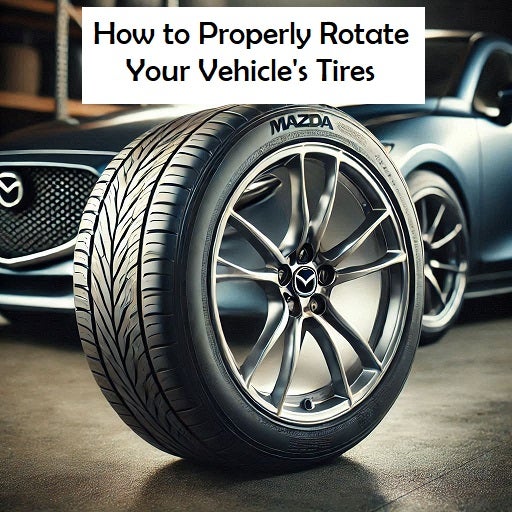
How to Properly Rotate Your Vehicle's Tires

Rotating your vehicle’s tires is a crucial maintenance task that helps ensure even tire wear, extend the life of your tires, and improve overall vehicle performance. Most manufacturers recommend rotating tires every 5,000 to 7,500 miles, but it’s always a good idea to consult your owner’s manual for specific guidelines. In this blog, we’ll guide you through the steps for properly rotating your vehicle’s tires, as well as discuss the benefits of this important maintenance task. more Why Rotate Your Tires? Before we delve into the steps for rotation, let’s explore why this practice is essential: Even Wear: Tires are worn differently depending on their position on the vehicle. Front tires often wear out faster due to the added weight of the engine and the steering forces they experience. Rotating the tires helps to distribute wear more evenly. Improved Handling: Evenly worn tires provide better traction and handling, which enhances safety and driving comfort. Extended Tire Life: Regular tire rotation can prolong the lifespan of your tires, saving you money on replacements. Better Fuel Efficiency: Properly rotated tires can improve fuel efficiency by ensuring that all tires are making optimal contact with the road. Steps to Properly Rotate Your Tires Tools You’ll Need: Jack Jack stands Lug wrench Torque wrench (optional but recommended) Step 1: Prepare Your Vehicle Park on a Level Surface: Ensure that your vehicle is parked on a flat, stable surface and that the parking brake is engaged. Gather Your Tools: Collect all necessary tools and materials before starting the rotation process. Step 2: Loosen the Lug Nuts Before Lifting the Vehicle: Use a lug wrench to loosen the lug nuts on all four tires. Turn them counterclockwise just enough to break their initial resistance but do not remove them yet. Step 3: Lift the Vehicle Use a Jack: Locate the jack points on your vehicle and lift it high enough to access the tires comfortably. Always refer to your owner’s manual for the correct jack points. Secure with Jack Stands: Once the vehicle is lifted, place jack stands under the appropriate support points for safety. Step 4: Remove the Tires Take Off the Lug Nuts: Now, remove the lug nuts completely and set them aside in a safe place. Remove Tires: Carefully take off the tires and set them aside, keeping track of their positions. Step 5: Rotate the Tires The rotation pattern will depend on whether your tires are directional (designed to rotate in one direction) and whether your vehicle is front-wheel drive, rear-wheel drive, or all-wheel drive. Here are common rotation patterns: Front-Wheel Drive Vehicles: Move the front tires to the rear, and the rear tires to the front, but swap the sides. (e.g., left front to right rear, right front to left rear). Rear-Wheel Drive Vehicles: Move the rear tires to the front, and the front tires to the rear, but swap the sides. All-Wheel Drive Vehicles: Rotate all four tires in a crisscross pattern (e.g., left front to right rear, right front to left rear, and vice versa). Step 6: Reinstall the Tires Position Tires: Place each tire back onto its respective wheel hub. Hand-Tighten Lug Nuts: Start all lug nuts by hand to ensure they’re properly aligned. Then, use the lug wrench to tighten them slightly. Step 7: Lower the Vehicle Remove the Jack Stands: Before lowering the vehicle, ensure all tools are clear and that no one is in the vicinity. Lower the Vehicle: Use the jack to carefully lower the vehicle back to the ground. Step 8: Tighten the Lug Nuts Final Tightening: Once the vehicle is on the ground, use the lug wrench to fully tighten the lug nuts in a star pattern to ensure even pressure. If you have a torque wrench, refer to the manufacturer’s specifications for the correct torque setting. Step 9: Check Tire Pressure Inflate as Needed: After rotating your tires, check the tire pressure and inflate them to the recommended PSI, which can be found in your owner’s manual or on the driver’s side door jamb. Vital Maintenance Properly rotating your vehicle’s tires is a simple yet vital maintenance task that can significantly enhance your vehicle's performance and extend tire life. By following these steps and adhering to your manufacturer’s recommendations, you can ensure that your tires wear evenly and maintain optimal handling and safety. Regular tire rotation not only saves you money in the long run but also contributes to a smoother and safer driving experience. Make tire rotation a part of your vehicle maintenance routine and enjoy the benefits of well-maintained tires!

bm3 title may 2025

Understanding Mazda’s Skyactiv Technology: What It Is and Why It Matters

Mazda has long been a brand associated with innovation, performance, and driving pleasure. One of the key technological advancements that set Mazda apart from the competition is its Skyactiv Technology. Introduced in 2011, Skyactiv represents a holistic approach to improving vehicle efficiency, performance, and environmental impact. But what exactly is Skyactiv Technology, and why does it matter? Let’s delve into the details. more The Genesis of Skyactiv Technology In an automotive world increasingly focused on sustainability, Mazda faced the challenge of enhancing fuel efficiency and reducing emissions without sacrificing the driving dynamics that its customers love. Instead of relying solely on hybrid or electric technology, Mazda engineers took a comprehensive approach, rethinking and redesigning every aspect of the internal combustion engine, transmission, body, and chassis. The result was Skyactiv Technology—a suite of innovations that work together to create vehicles that are more efficient, more powerful, and more enjoyable to drive. Skyactiv-G: The Heart of the Engine At the core of Skyactiv Technology is the Skyactiv-G engine, Mazda’s gasoline engine that boasts the world’s highest compression ratio for a mass-produced vehicle. This high compression ratio (14:1 in some models) allows the engine to extract more energy from the fuel-air mixture, resulting in greater power and efficiency. Unlike traditional engines that lose energy through heat, the Skyactiv-G engine maximizes fuel efficiency while minimizing emissions. This innovation allows drivers to enjoy the performance of a larger engine while benefiting from the fuel economy of a smaller one. Skyactiv-D: Redefining Diesel Mazda’s Skyactiv-D engine brings the principles of Skyactiv Technology to diesel engines. With a low compression ratio (unusual for diesel engines), the Skyactiv-D engine reduces emissions and improves efficiency without the need for expensive after-treatment systems. This engine is designed to meet global emissions standards while delivering the torque-rich performance that diesel enthusiasts love. Skyactiv-Drive and Skyactiv-MT: Precision in Transmission To complement the advanced engines, Mazda developed the Skyactiv-Drive automatic transmission and Skyactiv-MT manual transmission. The Skyactiv-Drive combines the benefits of conventional automatic, continuously variable, and dual-clutch transmissions, providing smooth shifts, quick acceleration, and exceptional fuel efficiency. The Skyactiv-MT, on the other hand, offers a lightweight, compact design with a short, precise shift feel, enhancing the connection between driver and car. Skyactiv-Chassis and Skyactiv-Body: Lighter, Stronger, Safer Mazda’s Skyactiv Technology extends beyond the engine and transmission to include the vehicle’s chassis and body structure. The Skyactiv-Chassis is designed to provide responsive handling, stability, and comfort, creating a driving experience that’s both engaging and enjoyable. Meanwhile, the Skyactiv-Body uses ultra-high tensile steel to create a structure that is both lighter and stronger. This not only improves fuel efficiency but also enhances safety by absorbing and dissipating crash energy more effectively. Why Skyactiv Technology Matters Skyactiv Technology represents Mazda’s commitment to innovation without compromise. In an era where many manufacturers are focused solely on electrification, Mazda’s approach to improving the traditional internal combustion engine is refreshingly different. Skyactiv Technology matters because it proves that significant gains in fuel efficiency and reductions in emissions can be achieved without sacrificing the performance and driving pleasure that Mazda is known for. Moreover, Skyactiv Technology is a testament to Mazda’s engineering ingenuity. By rethinking the fundamentals of automotive design, Mazda has created vehicles that are more efficient, environmentally friendly, and enjoyable to drive. For consumers, this means driving a car that not only meets modern demands for sustainability but also delivers the thrill of the open road. The Future of Skyactiv As Mazda looks to the future, Skyactiv Technology will continue to evolve. The company has already introduced Skyactiv-X, a revolutionary engine that combines the best aspects of gasoline and diesel engines using Spark Controlled Compression Ignition (SPCCI). This innovation promises even greater efficiency and lower emissions. Additionally, Mazda is exploring new frontiers with electrification, integrating Skyactiv principles into hybrid and electric powertrains. A Philosophy Mazda’s Skyactiv Technology is more than just a collection of technical advancements—it’s a philosophy that guides the brand’s approach to automotive engineering. By focusing on efficiency, performance, and environmental responsibility, Mazda has created a range of vehicles that offer the best of all worlds. Whether you’re a driving enthusiast or a conscious consumer, Skyactiv Technology ensures that you don’t have to choose between pleasure and responsibility. In a world where compromise often seems inevitable, Mazda’s Skyactiv Technology is proof that you can have it all.

bm2 title may 2025

The Impact of Car Color on Resale Value: What You Need to Know

When buying a car, color might not seem like a major factor in your decision-making process. However, the color of your vehicle can significantly influence its resale value. While practical considerations like condition, mileage, and model are crucial, the color of your car can also affect how easily it sells and at what price. Here’s a look at how car color impacts resale value and what you should consider when choosing a color for your vehicle. more Popular Car Colors and Resale Value Neutral Colors White: White is one of the most popular and timeless car colors. It’s associated with cleanliness, simplicity, and high resale value. White cars tend to have a broad appeal and are often easier to sell. Black: Black is another classic color that generally holds its value well. It’s often associated with luxury and sophistication, making it a preferred choice for many buyers. Silver and Gray: These colors are also popular and tend to retain their value. They are versatile and less likely to show dirt and scratches, which can contribute to a higher resale value. Less Common Colors Red and Blue: While vibrant colors like red and blue can be eye-catching, they may not have as broad an appeal as neutral colors. The impact on resale value can vary based on trends and buyer preferences. Green and Purple: These less common colors can be polarizing and might appeal to a smaller market segment. While they may stand out, they can sometimes lead to a lower resale value compared to more popular colors. Trends and Market Preferences Changing Preferences Trends: Car color trends can shift over time. What’s popular today may not be as desirable in a few years. For example, bold colors or unique finishes that are trendy now might not have the same appeal in the future. Regional Preferences: Preferences for car colors can vary by region. In some areas, certain colors might be more popular or have a higher resale value based on local tastes and climate. Resale Market Dynamics Demand and Supply: The resale value of a car can be influenced by the supply and demand for specific colors. If a particular color is in high demand, it can positively impact resale value, whereas less popular colors may lead to lower offers. Seasonal Factors: Car colors that are more suited to specific seasons or weather conditions might experience fluctuations in resale value based on the time of year and current market trends. T he Psychological Impact of Color Buyer Perception First Impressions: Car color can affect first impressions. Buyers often associate certain colors with specific attributes, such as safety, luxury, or sportiness. This perception can influence their willingness to pay more or negotiate on price. Emotional Appeal: Colors that evoke positive emotions or align with personal preferences can make a vehicle more attractive to potential buyers. This emotional connection can impact how much buyers are willing to pay. Brand and Model Association Luxury and Performance: Certain colors are often associated with luxury and performance brands. For example, a high-end sports car in a bold color may appeal to enthusiasts and command a higher resale value. Brand Identity: Some brands have specific colors that are part of their identity. Choosing a color that aligns with the brand’s image can positively influence resale value. Practical Considerations Maintenance and Care Visibility and Wear: Colors like white, silver, and gray tend to hide dirt and minor scratches better than darker or more vibrant colors. This can keep the vehicle looking newer for longer and potentially help maintain its resale value. Repair Costs: Some colors are more challenging and expensive to match for repairs. Custom or unique colors may require specialized touch-up work, which can impact the vehicle’s overall condition and resale value. Longevity and Appeal Timelessness: Classic colors that have remained popular over time generally offer better resale value. They tend to appeal to a broader audience and remain in demand, making them a safer choice for long-term value. Fashion and Trends: While trendy colors might be appealing now, they can become outdated or less desirable as trends change. Consider choosing a color that has a more timeless appeal to ensure better resale value. Making an Informed Decision Research and Analysis Market Research: Conduct research on current car color trends and their impact on resale value. Look at data and statistics to understand how different colors perform in the resale market. Consultation: Speak with automotive experts, dealerships, or resale professionals to get insights on how color choices can affect resale value. Personal Preferences vs. Resale Value Balance: While it’s important to consider resale value, choosing a color that you love and that suits your style is also crucial. Finding a balance between personal preference and resale potential will ensure you enjoy your vehicle while maximizing its value when it’s time to sell. The Color Choice That Works for You Choosing the right car color involves more than just aesthetic preferences. It’s about understanding how color influences resale value, buyer perceptions, and market trends. By considering popular and timeless colors, staying informed about market dynamics, and balancing your personal preferences with practical considerations, you can make a more informed decision that benefits both your enjoyment of the vehicle and its future resale value.

bm1 title may 2025

The Benefits of Mazda’s i-ACTIV AWD System: Confidence in Every Drive

Mazda has long been known for its commitment to delivering vehicles that are not only fun to drive but also equipped with cutting-edge technology designed to enhance safety and performance. One such innovation is Mazda’s i-ACTIV All-Wheel Drive (AWD) system. This advanced AWD technology sets Mazda apart by providing drivers with enhanced stability, control, and confidence, regardless of road or weather conditions. Let’s explore the benefits of Mazda’s i-ACTIV AWD system and why it matters for your driving experience. more Enhanced Traction and Stability The primary advantage of Mazda’s i-ACTIV AWD system is its ability to provide superior traction and stability in various driving conditions. Unlike traditional AWD systems that react after slippage occurs, i-ACTIV AWD is proactive, constantly monitoring road conditions, driver inputs, and vehicle dynamics. It uses this data to anticipate potential loss of traction and adjusts power distribution between the front and rear wheels accordingly. This means that whether you’re driving on a wet, icy, or uneven surface, the i-ACTIV AWD system ensures that power is sent to the wheels with the most grip, reducing the likelihood of wheel spin and enhancing overall stability. The result is a smoother, more controlled driving experience, even in challenging conditions. Seamless and Intuitive Operation One of the standout features of Mazda’s i-ACTIV AWD system is its seamless operation. The system continuously monitors over 27 sensors that measure factors such as wheel speed, throttle position, steering angle, and even outside temperature. This data allows the system to predict and respond to changes in driving conditions within milliseconds. The beauty of i-ACTIV AWD is that it works in the background without requiring any input from the driver. The transition between front-wheel drive and all-wheel drive is so smooth that it’s often imperceptible, allowing you to focus on the road and enjoy the drive without being distracted by sudden power shifts or jerky movements. I mproved Cornering and Handling Mazda’s i-ACTIV AWD system not only enhances traction on slippery surfaces but also improves cornering and handling on dry roads. By distributing power to the rear wheels when necessary, the system helps maintain optimal balance and control during cornering, reducing understeer and improving overall stability. This is particularly beneficial for drivers who enjoy spirited driving or frequently navigate winding roads. The i-ACTIV AWD system enhances the vehicle’s responsiveness, allowing for more precise handling and a more engaging driving experience. I ncreased Safety in Adverse Weather Driving in adverse weather conditions can be stressful, but Mazda’s i-ACTIV AWD system is designed to mitigate the challenges posed by rain, snow, and ice. By constantly monitoring the road and making real-time adjustments, the system ensures that your vehicle remains stable and secure, even when conditions are less than ideal. This increased safety is especially important during winter months when roads are often slick and unpredictable. With i-ACTIV AWD, you can have peace of mind knowing that your Mazda is equipped to handle whatever the weather throws your way, keeping you and your passengers safe. Optimized Fuel Efficiency One common concern with AWD systems is the potential impact on fuel efficiency. However, Mazda’s i-ACTIV AWD system is designed to minimize this drawback by operating primarily in front-wheel drive mode when all-wheel drive is not needed. This reduces the amount of power sent to the rear wheels, thereby improving fuel efficiency compared to traditional AWD systems that are always engaged. When road conditions or driving dynamics demand more traction, the system seamlessly engages the rear wheels, ensuring that you have the necessary grip without sacrificing efficiency. This intelligent power distribution allows you to enjoy the benefits of AWD while still achieving impressive fuel economy. Versatility for All Lifestyles Whether you’re navigating city streets, embarking on a weekend adventure, or tackling off-road terrain, Mazda’s i-ACTIV AWD system provides the versatility you need. The system adapts to a wide range of driving scenarios, making it an ideal choice for drivers with diverse lifestyles. For those who enjoy outdoor activities or live in regions with variable weather conditions, i-ACTIV AWD ensures that your Mazda can handle different environments with ease. From daily commuting to exploring the great outdoors, the system’s adaptability enhances the overall driving experience. Peace of Mind for Long Journeys Long road trips can present a variety of driving conditions, from smooth highways to unexpected weather changes. Mazda’s i-ACTIV AWD system offers peace of mind for these journeys by ensuring that your vehicle is prepared for any situation. The system’s ability to automatically adjust to changing conditions allows you to focus on enjoying the journey rather than worrying about road conditions. Additionally, the system’s predictive capabilities reduce the risk of accidents by maintaining stability and control, even in sudden or challenging situations. This added security is invaluable for long drives, where safety and comfort are paramount. Get Safety and Performance Mazda’s i-ACTIV AWD system is a testament to the brand’s dedication to creating vehicles that are both exhilarating to drive and equipped with advanced technology for safety and performance. By providing enhanced traction, stability, and handling, i-ACTIV AWD gives drivers the confidence to tackle any road condition with ease. Whether you’re navigating wet city streets, winding country roads, or snow-covered highways, Mazda’s i-ACTIV AWD system ensures that you’re always in control. For drivers who value both performance and safety, this innovative AWD system is a game-changer, making every drive more enjoyable, secure, and efficient.

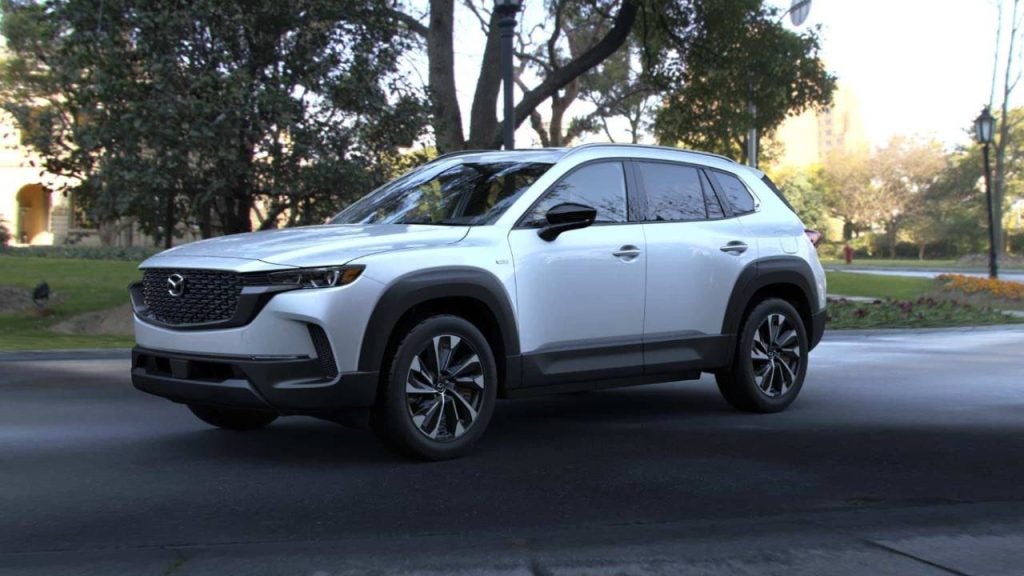
silver mazda cx-50 hybrid

Should I Buy a Hybrid Vehicle? Everything You Need to Know

If you're asking yourself, "Should I buy a hybrid vehicle?" you're not alone—many drivers are considering hybrids as a smart alternative to traditional gas-powered cars. With fuel prices, growing environmental concerns, and advancements in hybrid technology, these vehicles offer a compelling mix of fuel efficiency, reduced emissions, and long-term savings. But before making the switch, it's important to weigh the benefits and determine if a hybrid fits your lifestyle, driving habits, and budget. Let’s explore whether a hybrid vehicle is the right choice for you. more What is a Hybrid Vehicle? A hybrid vehicle is a car that uses a combination of a traditional internal combustion engine and an electric motor to power the car. Unlike fully electric vehicles, hybrids don’t need to be plugged in—most recharge their batteries through a process called regenerative braking and by drawing power from the gas engine when needed. This dual system allows hybrids to improve fuel efficiency, reduce emissions, and often deliver smoother, quieter rides, especially in city driving. Popular among eco-conscious and cost-savvy drivers, hybrid vehicles offer a practical balance between performance and sustainability. What is the Difference Between a Hybrid and a Plug-In Hybrid? While hybrid and plug-in hybrid vehicles combine a gasoline engine with an electric motor, the key difference lies in how they recharge and how much they rely on electricity. A standard hybrid recharges its battery through regenerative braking and the engine itself, meaning it doesn’t need to be plugged in. In contrast, a plug-in hybrid has a larger battery that can be recharged by plugging into an external power source, allowing it to drive longer distances on electric power alone, often 20 to 50 miles, before the gas engine kicks in. This gives plug-in hybrids more electric-only range and the flexibility to drive gas-free for shorter trips, making them a great option for commuters or those looking to reduce fuel use even further. Advantages of Owning a Hybrid Mazda Some key advantages include: Improved Fuel Efficiency – Use less gasoline and go farther on each tank. Lower Emissions – Reduce your environmental impact with fewer tailpipe emissions. Regenerative Braking – Recharge the battery while driving, improving overall efficiency. Smooth, Quiet Ride – Electric motors offer a quieter and smoother driving experience. Tax Incentives & Rebates – Some hybrids qualify for federal or state incentives. Lower Operating Costs – Save money over time with fewer fuel stops and reduced maintenance needs. No Need to Plug In – Standard hybrids recharge on the go, offering convenience over electric-only vehicles. Great for City Driving – Hybrids often perform best in stop-and-go traffic, making them ideal for urban commuters. Different Types of Hybrid Mazda Vehicles If you are looking to purchase a Hybrid Mazda, here are some options: Mazda CX-50 Hybrid The 2025 Mazda CX-50 Hybrid marks Mazda's entry into the compact hybrid SUV segment, blending the brand's signature driving dynamics with enhanced fuel efficiency. Developed in collaboration with Toyota, the CX-50 Hybrid features a 2.5-liter four-cylinder engine paired with three electric motors, delivering a combined 219 horsepower. This powertrain is complemented by an electronically controlled continuously variable transmission (e-CVT) and standard all-wheel drive, ensuring responsive performance across various driving conditions.​ Fuel efficiency is a standout, with EPA estimates of 38 mpg combined (39 city/37 highway), offering approximately 40% better fuel economy than the standard CX-50 2.5 S gas model. The hybrid system also provides a towing capacity of up to 1,500 pounds, suitable for small trailers or recreational equipment Inside, the CX-50 Hybrid maintains Mazda's commitment to upscale interiors, featuring high-quality materials and a suite of modern technologies. Even the base Preferred trim includes amenities like a 10.25-inch infotainment display with wireless Apple CarPlay and Android Auto, heated front seats, and a power rear liftgate. Higher trims, such as the Premium and Premium Plus, add features like a panoramic moonroof, Bose 12-speaker audio system, ventilated front seats, and a head-up display. Mazda CX-70 Plug-In Hybrid The 2025 Mazda CX-70 Plug-In Hybrid is a midsize, two-row SUV that blends Mazda's signature driving dynamics with modern electrification. Equipped with a 2.5-liter four-cylinder engine and an electric motor, the CX-70 plug-in hybrid delivers a combined 323 horsepower and 369 lb-ft of torque. Its 17.8 kWh lithium-ion battery provides up to 26 miles of electric-only range, making it ideal for daily commutes, while the total range extends to approximately 490 miles when combining electric and gasoline power.​ Inside, the CX-70 plug-in hybrid offers a luxurious and spacious cabin with high-quality materials and advanced technology features. Standard amenities include a 10.25-inch infotainment display with wireless Apple CarPlay and Android Auto, heated front seats, and a power rear liftgate. Higher trims, such as the Premium Plus, add features like a panoramic moonroof, Bose 12-speaker audio system, ventilated front seats, and a head-up display.​ Mazda CX-90 Plug-In Hybrid The 2025 Mazda CX-90 Plug-In Hybrid is a sophisticated three-row SUV that combines Mazda's renowned driving dynamics with the efficiency of electrification. Powered by a 2.5-liter four-cylinder engine paired with a 68 kW electric motor, it delivers a total system output of 323 horsepower and 369 lb-ft of torque. This setup allows for up to 26 miles of electric-only driving, making it ideal for daily commutes, while the gasoline engine ensures extended range for longer trips.​ Inside, the CX-90 plug-in hybrid offers a luxurious cabin with high-quality materials and advanced technology features. Standard amenities include a 10.25-inch infotainment display with wireless Apple CarPlay and Android Auto, heated front seats, and a power rear liftgate. Higher trims, such as the Premium Plus, add features like a panoramic moonroof, Bose 12-speaker audio system, ventilated front seats, and a head-up display.​ Visit Beach Mazda and Test Drive Our Hybrid Mazdas Today! Visit Beach Mazda today and explore our full lineup of hybrid SUVs to find the perfect one for you. Whether you’re interested in the fuel-efficient Mazda CX-50 Hybrid or the spacious Mazda CX-90 Plug-In Hybrid, our team is here to help you experience their performance firsthand with a test drive. We’ll walk you through each model’s features and help you compare them to find the one that fits your lifestyle best. Plus, take advantage of our easy trade-in process and value your current vehicle to put toward your new hybrid SUV. Get started today and take the next step toward a greener, more efficient ride!

bm4 title april 2025

How to Maintain Your Vehicle's Clutch: Essential Tips for Longevity

The clutch is a critical component of manual transmission vehicles, enabling smooth gear shifts and controlling the power transfer from the engine to the wheels. Proper maintenance of your vehicle's clutch is essential for ensuring its longevity and optimal performance. Neglecting this vital system can lead to costly repairs and a compromised driving experience. In this blog, we’ll explore practical tips for maintaining your vehicle’s clutch and keeping it in top shape. more Understand Your Clutch System Before diving into maintenance, it's important to understand the components of your vehicle's clutch system: Clutch Disc: The disc engages and disengages the engine power to the transmission. Pressure Plate: This component holds the clutch disc against the flywheel and is crucial for engaging gears. Release Bearing: The bearing enables smooth disengagement of the clutch when you press the pedal. Use the Clutch Properly Proper driving techniques can significantly extend the life of your clutch. Here are some tips to keep in mind: Avoid Riding the Clutch: Keep your foot off the clutch pedal when not shifting gears. Riding the clutch can cause unnecessary wear on the clutch components. Smooth Engagement: When engaging the clutch, do so smoothly to prevent excessive strain on the system. Gradually release the pedal to ensure a seamless transition between gears. Shift at Appropriate RPMs: Avoid revving the engine too high before shifting gears, as this can put extra stress on the clutch. Shift gears at the recommended RPMs for your vehicle. Regular Inspections Frequent inspections can help identify potential issues before they become major problems. Here are some key aspects to check: Clutch Pedal Travel: Pay attention to how far you need to press the clutch pedal to engage or disengage gears. If you notice excessive travel or if the pedal feels spongy, it may indicate a problem with the hydraulic system or worn components. Listen for Unusual Noises: Strange sounds when pressing the clutch pedal—such as grinding, squeaking, or rattling—can indicate wear or damage. Address these sounds promptly to avoid further issues. Check Fluid Levels For hydraulic clutch systems, maintaining the proper fluid level is essential for smooth operation: Monitor Clutch Fluid: Regularly check the clutch fluid reservoir for the correct fluid level. If the level is low, top it off with the recommended fluid type. Inspect for Leaks: Look for signs of fluid leaks around the clutch master cylinder and slave cylinder. Leaks can lead to low fluid levels and compromise clutch performance. Replace the Clutch Fluid Just like any other fluid in your vehicle, the clutch fluid can become contaminated over time. Regularly replacing it is crucial for optimal performance: Follow the Manufacturer's Recommendations: Refer to your owner’s manual for the recommended clutch fluid change intervals. Flushing the System: If the fluid appears dark or dirty, it may be time to flush the system and replace it with fresh fluid. Be Mindful of Driving Conditions Your driving habits and the conditions you encounter can impact the health of your clutch: Avoid Heavy Traffic: Frequent stop-and-go traffic can lead to excessive clutch engagement and wear. If possible, try to plan routes that minimize heavy traffic. Towing and Carrying Loads: If you often tow heavy loads or drive with a full passenger load, be cautious with clutch engagement. These conditions can put additional strain on the clutch. Know the Signs of Wear Being aware of the signs of a worn clutch can help you address issues before they escalate: Slipping Clutch: If the engine revs higher without an increase in speed, it may indicate a slipping clutch. This is a sign that the clutch disc is worn and may need replacement. Difficulty Engaging Gears: If you experience resistance when shifting gears or if the gears grind, it may indicate a problem with the clutch system that requires attention. Professional Maintenance While some maintenance tasks can be performed by vehicle owners, others may require professional expertise: Regular Servicing: Schedule regular maintenance with a qualified mechanic who can inspect and service your clutch system as needed. Clutch Replacement: If your clutch is worn out or damaged, it's best to have a professional handle the replacement to ensure it's done correctly. Smooth and Enjoyable Drive Maintaining your vehicle’s clutch is essential for ensuring a smooth and enjoyable driving experience. By following these tips and being mindful of your driving habits, you can extend the life of your clutch and avoid costly repairs. Regular inspections, proper use, and timely fluid changes will help keep your clutch in top condition, allowing you to enjoy the full potential of your manual transmission vehicle. Remember, a little care goes a long way in preserving this vital component of your vehicle!

bm3 title april 2025

How to Maintain Your Mazda for Optimal Performance

Owning a Mazda is not just about driving—it’s about experiencing the thrill of precision engineering, dynamic handling, and innovative technology. To ensure that your Mazda continues to deliver top-notch performance throughout its life, regular maintenance is key. Here’s a comprehensive guide on how to maintain your Mazda for optimal performance. more Regular Oil Changes: The Lifeblood of Your Engine Oil is the lifeblood of your Mazda’s engine, keeping all the moving parts lubricated and running smoothly. Regular oil changes are crucial to maintaining engine health and performance. Mazda recommends changing the oil every 5,000 to 7,500 miles, depending on your driving conditions. Always use the type of oil specified in your owner’s manual to ensure compatibility with Mazda’s Skyactiv Technology. Tip: Consider using synthetic oil for better protection and longer intervals between changes, especially if you drive in extreme conditions. Monitor and Maintain Fluid Levels Your Mazda relies on various fluids to operate efficiently, including coolant, brake fluid, transmission fluid, and power steering fluid. Regularly check these fluid levels and top them off as needed. Low or dirty fluids can lead to overheating, poor braking performance, and transmission issues, all of which can affect your vehicle’s overall performance. Tip: Schedule a full fluid check with your mechanic during routine maintenance visits to ensure all fluids are at optimal levels and free from contaminants. Keep an Eye on Tire Health Tires are a critical component of your Mazda’s performance, affecting handling, fuel efficiency, and safety. Regularly inspect your tires for proper inflation, tread wear, and overall condition. Underinflated tires can lead to reduced fuel efficiency and poor handling, while overinflated tires may cause a harsh ride and increased wear. Tip: Rotate your tires every 6,000 to 8,000 miles to ensure even wear and prolong tire life. Also, check the alignment and balance if you notice uneven wear or your Mazda pulling to one side. Brake Maintenance: Safety First Your brakes are essential for safe driving and maintaining control of your Mazda. Regular brake inspections help prevent issues such as squeaking, reduced stopping power, or vibrations. Check the brake pads, rotors, and fluid regularly, and replace worn components promptly to maintain braking performance. Tip: If you notice any unusual noises or a spongy brake pedal, have your brakes inspected immediately to avoid potential safety hazards. Air Filter and Cabin Filter Replacement A clean air filter ensures your Mazda’s engine receives the right amount of air for efficient combustion, while a clean cabin filter keeps the air inside your vehicle fresh. Dirty filters can lead to reduced engine performance and poor air quality inside the car. Replace the engine air filter every 15,000 to 30,000 miles, depending on driving conditions, and the cabin filter annually or every 15,000 miles. Tip: If you frequently drive in dusty or polluted areas, consider checking and replacing the filters more often to maintain optimal air quality and engine performance. Ba ttery Care: Reliable Starting Power A healthy battery is essential for reliable starting and powering your Mazda’s electrical systems. Regularly check the battery terminals for corrosion, ensure the battery is securely mounted, and test the battery’s charge. Most car batteries last between three to five years, so keep an eye on the age of your battery and replace it when necessary. Tip: If you experience slow cranking or need to jump-start your Mazda frequently, it’s time to have your battery and charging system checked by a professional. Regular Software Updates Mazda vehicles equipped with advanced infotainment systems and driver-assist technologies may require occasional software updates to ensure optimal performance and functionality. Regularly check for updates and have them installed by your dealer to keep your Mazda’s systems running smoothly. Tip: If you’re not sure whether your vehicle needs a software update, consult your dealer during routine maintenance visits. Wash and Wax: Protect the Exterior Regular washing and waxing protect your Mazda’s exterior from the elements, preventing rust, paint damage, and fading. Wash your car every two weeks, especially if you drive in harsh conditions or on salted roads. Wax your Mazda at least twice a year to maintain the paint’s luster and protect against UV rays. Tip: Pay special attention to the undercarriage during washes, as dirt and grime can accumulate and lead to rust if not properly cleaned. Follow the Manufacturer’s Maintenance Schedule Mazda provides a detailed maintenance schedule in the owner’s manual, outlining when specific services and inspections should be performed. Adhering to this schedule ensures that all critical components are checked and maintained at the appropriate intervals, helping to prevent costly repairs and prolonging your vehicle’s lifespan. Tip: Keep a log of all maintenance performed on your Mazda. This can help you track what’s been done and may increase the resale value of your car by showing prospective buyers that the vehicle has been well-maintained. More than Following a Checklist Maintaining your Mazda for optimal performance is about more than just following a checklist—it’s about ensuring that your vehicle continues to deliver the exhilarating driving experience you’ve come to expect. By staying on top of regular maintenance and addressing any issues promptly, you can keep your Mazda running smoothly for years to come. Remember, a well-maintained Mazda is not only more reliable and efficient but also more fun to drive.

BM2 TITLE APRIL 2025

Understanding Car Emissions and How to Reduce Them

Car emissions are a significant concern in today's world, contributing to air pollution, climate change, and public health issues. Understanding what car emissions are, their impact, and how to reduce them can help you make informed choices and contribute to a cleaner environment. Here’s a comprehensive guide to understanding car emissions and effective strategies for reducing them. more What Are Car Emissions? Types of Emissions Carbon Dioxide (CO2): CO2 is the primary greenhouse gas emitted from burning fossil fuels. It contributes to global warming and climate change. Carbon Monoxide (CO): CO is a colorless, odorless gas that can be harmful in high concentrations. It is produced from incomplete combustion of fuel. Nitrogen Oxides (NOx): NOx gases, including nitrogen dioxide (NO2) and nitric oxide (NO), contribute to smog formation and can cause respiratory problems. Particulate Matter (PM): PM consists of tiny particles that can penetrate the lungs and cause health issues. Diesel engines, in particular, are known for emitting high levels of PM. Volatile Organic Compounds (VOCs): VOCs are organic chemicals that contribute to smog and can have adverse health effects. Emission Sources Exhaust System: The primary source of car emissions is the exhaust system, which releases pollutants from the engine into the atmosphere. Fuel Type: Different fuels produce varying levels of emissions. For example, gasoline and diesel have different combustion characteristics and emission profiles. The Impact of Car Emissions Environmental Effects Climate Change: CO2 and other greenhouse gases trap heat in the atmosphere, contributing to global warming and climate change. This can lead to more extreme weather events and rising sea levels. Air Pollution: NOx and VOCs contribute to ground-level ozone formation and smog, which can degrade air quality and harm ecosystems. Health Impacts Respiratory Issues: Exposure to pollutants like NOx and PM can cause or exacerbate respiratory conditions such as asthma, bronchitis, and other lung diseases. Cardiovascular Problems: Long-term exposure to air pollution is associated with increased risk of cardiovascular diseases, including heart attacks and strokes. How to Reduce Car Emissions Choose a Cleaner Vehicle Electric Vehicles (EVs): EVs produce zero tailpipe emissions and are a cleaner alternative to traditional gasoline and diesel vehicles. They help reduce CO2 and other harmful pollutants. Hybrid Vehicles: Hybrids combine a conventional engine with an electric motor, improving fuel efficiency and reducing emissions compared to standard combustion engines. Low-Emission Models: When choosing a new car, look for models with lower emissions ratings and advanced emission control technologies. Maintain Your Vehicle Regular Maintenance: Follow the manufacturer’s maintenance schedule, including oil changes, filter replacements, and spark plug inspections. Proper maintenance ensures that your vehicle runs efficiently and produces fewer emissions. Emission Controls: Ensure that your vehicle’s emission control systems, such as catalytic converters and oxygen sensors, are functioning properly. These systems help reduce the amount of harmful pollutants released from the exhaust. Improve Fuel Efficiency Drive Efficiently: Adopt fuel-efficient driving habits, such as smooth acceleration and braking, maintaining a steady speed, and avoiding excessive idling. These practices can improve fuel efficiency and reduce emissions. Proper Tire Maintenance: Keep your tires properly inflated and aligned. Under-inflated tires can increase fuel consumption and emissions. Use Alternative Fuels Biofuels: Biofuels, such as ethanol and biodiesel, are derived from renewable sources and can reduce the overall carbon footprint of your vehicle. Check if your vehicle is compatible with alternative fuels. Hydrogen Fuel Cells: Hydrogen fuel cell vehicles emit only water vapor and are a promising alternative to traditional fuels. They offer a clean energy solution for reducing emissions. Reduce Vehicle Usage Carpooling: Share rides with others to reduce the number of vehicles on the road. Carpooling can decrease overall emissions and reduce traffic congestion. Public Transportation: Use public transportation, bike, or walk for short trips to minimize your reliance on personal vehicles and lower your carbon footprint. Combine Trips: Plan your trips efficiently to reduce the number of short trips and avoid unnecessary driving. Support Sustainable Practices Advocate for Policies Support Legislation: Advocate for and support policies and regulations aimed at reducing vehicle emissions, such as stricter emission standards and incentives for clean energy vehicles. Promote Renewable Energy: Support initiatives that promote the use of renewable energy sources for electricity generation, which can further reduce the environmental impact of electric vehicles. Educate and Raise Awareness Community Engagement: Share information about the environmental and health impacts of car emissions with friends, family, and community members. Encourage others to adopt cleaner and more sustainable practices. Participate in Initiatives: Get involved in local and national initiatives focused on reducing vehicle emissions and promoting sustainable transportation solutions. Future Trends and Innovations Advancements in Technology Improved Emission Controls: Ongoing research and development are focused on improving emission control technologies and reducing the environmental impact of vehicles. Autonomous Vehicles: Autonomous vehicles have the potential to optimize driving patterns and reduce fuel consumption, leading to lower emissions. Emerging Alternatives Alternative Powertrains: Innovations in alternative powertrains, such as hydrogen fuel cells and advanced battery technologies, are expected to further reduce emissions and improve environmental sustainability. Driving Toward a Cleaner Future Understanding car emissions and taking proactive steps to reduce them are essential for protecting the environment and public health. By choosing cleaner vehicles, maintaining your car, adopting fuel-efficient driving habits, and supporting sustainable practices, you can contribute to a cleaner and healthier planet. Embracing innovation and staying informed about advancements in automotive technology will help drive progress toward a more sustainable future in transportation.

Contact Us

Fill out this form below and we'll contact you shortly
*Required Fields