Blog / Money Saving Tips

Blog

All Money Saving Tips News Technology Important Information Mazda Model Features Tips Mazda Service Features & Specs Awards Service Mazda Vehicles Mazda Safety Technology Safety Beach Mazda Service History 2023 Models Community Events Comparisons Financing Your Mazda Fun Stuff Local 2024 Models Holidays Mazda Parts Car Buying Process Driver-Centric Design EVs Exterior Fuel & Gas Pre-Owned Certified Pre-Owned Mazda Vehicles Electric & Hybrid Vehicles Infotainment Insurance Mazda Accessories Mazda CX-30 Mazda3 Racing Restaurants & Food Tires & Wheels Travel Activities Drive For Good Kodo Design Language Mazda CX-5 Mazda CX-9 Mazda Motorsports Automotive Cleaning Fuel System Interior Paint & Body Work Seasonal Down-payments Mazda Connect Transmission Weather Brakes i-Activsense Technology Large Vehicles & SUVs Millennials Suspension System Towing
BM4 june 2025 title

How to Troubleshoot Common Car Electrical Problems

Car electrical systems can be complex, and when issues arise, they can lead to frustration and inconvenience. However, many common electrical problems can be diagnosed and potentially fixed with a bit of knowledge and patience. In this blog, we’ll explore some common car electrical issues, how to troubleshoot them, and when to seek professional help. more Understanding Your Car's Electrical System Your car's electrical system powers a variety of components, including the starter, alternator, battery, lights, and various sensors. The system relies on a network of wires, fuses, and relays to distribute electricity efficiently. When one component fails or malfunctions, it can impact the entire system. Common Car Electrical Problems Dead Battery Symptoms: The engine won't start, dim headlights, or electrical accessories not working. Alternator Issues Symptoms: Warning lights on the dashboard, flickering headlights, or a dead battery after a jump start. Blown Fuses Symptoms: Certain electrical components (like lights or radio) stop working. Starter Motor Problems Symptoms: Clicking sounds when turning the key, or the engine won't crank. Wiring Issues Symptoms: Intermittent electrical failures, lights that flicker, or unexpected behavior from electrical components. Troubleshooting Steps Diagnosing a Dead Battery Check Battery Connections: Ensure the battery terminals are clean and tightly connected. Corrosion can hinder electrical flow, so clean any buildup with a wire brush. Test the Battery: Use a multimeter to check the voltage. A healthy battery should read around 12.6 volts. If it’s below 12.4 volts, it may need a charge or replacement. Jump Start: If the battery is dead, try jump-starting the vehicle. If it starts, the battery may be faulty or unable to hold a charge. Inspecting the Alternator Check Warning Lights: If the battery light or charging system warning light is illuminated, it could indicate an alternator problem. Test Voltage Output: With the engine running, use a multimeter to measure the voltage at the battery terminals. A healthy alternator should produce between 13.7 and 14.7 volts. If the voltage is lower, the alternator may fail. Listen for Unusual Noises: A whining or grinding noise from the alternator can indicate a failing bearing or internal problem. Identifying Blown Fuses Locate the Fuse Box: Consult the owner’s manual to find the fuse box and identify the specific fuse for the malfunctioning component. Check the Fuses: Remove the fuse and inspect it for a broken filament. If the fuse is blown, replace it with a new one of the same amperage. Investigate the Cause: If the new fuse blows shortly after replacement, there may be an underlying issue, such as a short circuit, that needs further investigation. Troubleshooting Starter Motor Issues Listen for Clicks: If you hear a clicking sound when turning the key, the starter motor may be faulty or there may be insufficient power. Check Battery Voltage: Ensure the battery is fully charged, as low voltage can prevent the starter from functioning properly. Inspect Wiring: Check the wiring connections to the starter motor for signs of damage or corrosion. Addressing Wiring Issues Look for Exposed Wires: Inspect the wiring harnesses for any exposed or damaged wires, which can cause shorts or intermittent electrical failures. Test with a Multimeter: Use a multimeter to check for continuity in wires and connectors. If you find a break in the wire, repair or replace it as needed. Consult a Wiring Diagram: Use a wiring diagram for your vehicle to help identify potential problem areas and ensure everything is connected properly. When to Seek Professional Help While many electrical problems can be diagnosed and resolved at home, some issues may require professional expertise. If you’re unsure about the problem, lack the necessary tools, or feel uncomfortable working on the electrical system, it’s best to consult a qualified mechanic. Additionally, problems like computer malfunctions, advanced diagnostics, or repairs involving the vehicle’s onboard systems may be best left to the professionals. Save Time and Money Troubleshooting common car electrical problems can save you time and money while keeping your vehicle running smoothly. By understanding the symptoms and following the appropriate troubleshooting steps, you can diagnose and potentially resolve many electrical issues. Always prioritize safety and don’t hesitate to seek professional help when needed. With a little knowledge and effort, you can keep your car’s electrical system in top shape and enjoy a reliable driving experience.

BM2 JUNE 2025 TITLE

How to Properly Maintain Your Mazda's Air Conditioning System

As the temperature rises, the importance of a functioning air conditioning (AC) system in your Mazda becomes abundantly clear. A well-maintained AC system ensures a comfortable driving experience and enhances the overall longevity and performance of your vehicle. Here’s a comprehensive guide on how to properly maintain your Mazda’s air conditioning system, helping you beat the heat and avoid costly repairs down the line. more Regular Inspections Conducting regular inspections of your AC system is crucial to catch potential issues early. Here are some key aspects to check: Visual Inspection: Periodically inspect the exterior components of your AC system, including the compressor, condenser, and hoses, for signs of wear, damage, or leaks. Listen for Unusual Noises: When you turn on your AC, listen for unusual noises such as grinding or hissing. These sounds could indicate a problem that needs immediate attention. Check and Replace Cabin Air Filter The cabin air filter is responsible for filtering dust, pollen, and other contaminants from the air entering the vehicle's interior. A dirty or clogged filter can restrict airflow and decrease the efficiency of your AC system. Regular Replacement: Check your owner’s manual for recommendations on when to replace the cabin air filter, typically every 15,000 to 30,000 miles, or annually. If you frequently drive in dusty conditions, consider replacing it more often. Use Your AC Regularly It may seem counterintuitive, but using your AC system regularly, even during cooler months, can help maintain its functionality. Run the AC Year-Round: Turn on your AC for a few minutes every month to keep the system lubricated and prevent seals from drying out. This practice helps ensure the system remains in good working order. Monitor Refrigerant Levels Refrigerant is essential for the proper operation of your AC system. Low refrigerant levels can lead to poor cooling performance and potential damage to the compressor. Check for Leaks: If you notice a decrease in cooling efficiency, it may indicate a refrigerant leak. Have a professional technician check for leaks and recharge the system as needed. Avoid Overcharging: When adding refrigerant, be careful not to overcharge the system, as this can cause damage. It’s best to have a qualified technician handle refrigerant maintenance. Keep the Condenser Clean The AC condenser is located at the front of your vehicle, and it can accumulate dirt, debris, and insects over time, obstructing airflow and cooling efficiency. Regular Cleaning: Inspect the condenser for dirt and debris, especially if you frequently drive in dusty or rural areas. Gently wash the condenser with water to remove any buildup. Avoid Obstructions: Ensure that no objects, such as leaves or plastic bags, are blocking the condenser, as this can hinder performance. Schedule Professional Maintenance While there are many maintenance tasks you can perform on your own, scheduling professional maintenance is vital for the longevity of your AC system. Annual Check-Up: Have your AC system inspected by a qualified technician at least once a year. They can perform a comprehensive check, including testing pressure levels, inspecting components, and ensuring the system is functioning efficiently. Address Problems Promptly: If you notice any signs of malfunction—such as strange noises, poor cooling, or bad odors—schedule a service appointment immediately to prevent further damage. Be Mindful of Odors Unpleasant odors coming from your AC system can indicate mold or mildew growth, often due to moisture buildup. Use the Recirculation Setting: When using the AC, switch to the recirculation setting to help reduce humidity levels inside the cabin and prevent mold growth. Consider an Interior Detail: If you experience persistent odors, consider having your vehicle’s interior cleaned and the AC system disinfected by a professional. Keep Cool Maintaining your Mazda's air conditioning system is essential for comfort, performance, and longevity. By following these tips—conducting regular inspections, replacing the cabin air filter, running the AC year-round, monitoring refrigerant levels, keeping the condenser clean, scheduling professional maintenance, and addressing odors—you can ensure your AC system operates efficiently and effectively. A well-maintained AC system will not only keep you cool during hot summer days but also enhance your overall driving experience. By being proactive in your maintenance efforts, you can enjoy a comfortable cabin and peace of mind on every journey.

BM1 June 2025 title

How to Extend the Life of Your Mazda Vehicle: Tips for Longevity and Performance

Mazda vehicles are known for their reliability, performance, and driving enjoyment. To get the most out of your Mazda and ensure it serves you well for many years, proper maintenance and care are essential. Here are some practical tips to help you extend the life of your Mazda vehicle while keeping it performing at its best. more Regular Maintenance One of the most effective ways to extend the life of your Mazda is through regular maintenance. Adhering to the manufacturer’s recommended service schedule will help keep your vehicle in optimal condition. Key maintenance tasks include: Oil Changes: Regularly changing your engine oil and filter is crucial for engine health. Check your owner’s manual for the recommended oil change interval, typically every 5,000 to 7,500 miles. Fluid Checks: Monitor and maintain fluid levels, including transmission fluid, coolant, brake fluid, and power steering fluid. Low or dirty fluids can lead to significant issues over time. Tire Care: Rotate your tires regularly and keep them properly inflated to ensure even wear and optimal performance. Check the tread depth frequently and replace tires when necessary. Brake Maintenance: Inspect your brakes regularly, including pads, rotors, and brake fluid. Replacing worn components promptly ensures safe driving and prevents further damage. Keep it Clean Regular cleaning and detailing can help protect your Mazda's exterior and interior, extending its life: Wash and Wax: Wash your vehicle regularly to remove dirt, salt, and debris that can cause rust and damage. Waxing helps protect the paint and finish from the elements. Interior Care: Vacuum and clean the interior regularly, paying attention to upholstery and surfaces. Use protectants for leather or vinyl to prevent cracking and fading. Underbody Maintenance: If you live in an area with harsh winters or frequent rain, consider having the underbody washed and treated to prevent rust and corrosion. Mind Your Driving Habits How you drive your Mazda can significantly impact its longevity. Adopting good driving habits can help reduce wear and tear: Gentle Acceleration and Braking: Avoid aggressive starts and sudden stops. Smooth acceleration and braking can reduce stress on your engine and braking system. Avoid Overloading: Don’t exceed your vehicle’s weight capacity, as this can strain the engine, suspension, and brakes. Warm Up the Engine: Allow your engine to warm up for a minute or two before driving, especially in cold weather. This helps the oil circulate and lubricate engine components. Pay Attention to Warning Lights Modern Mazda vehicles are equipped with advanced warning systems that alert you to potential issues. Pay attention to dashboard warning lights and address any concerns promptly: Check Engine Light: If the check engine light illuminates, have your vehicle inspected as soon as possible. Ignoring this warning can lead to more significant problems down the line. Fluid Level Alerts: If you receive warnings related to fluid levels (e.g., oil, coolant), check and top off fluids as necessary to prevent damage. Use Quality Parts and Fluids When it comes time to replace components, always opt for high-quality or OEM (original equipment manufacturer) parts and fluids: OEM Parts: Using OEM parts ensures compatibility and quality, helping to maintain your Mazda's performance and longevity. Quality Fluids: Use the recommended fluids specified in your owner’s manual. High-quality engine oil, coolant, and other fluids can improve efficiency and protect components. Store Your Vehicle Properly If you have to store your Mazda for an extended period, take the necessary steps to protect it: Indoor Storage: If possible, store your vehicle indoors to shield it from the elements. Use a breathable car cover to protect against dust and scratches. Battery Maintenance: Disconnect the battery or use a trickle charger to prevent it from draining during long periods of inactivity. Fuel System Care: Fill the gas tank to prevent condensation and add a fuel stabilizer to keep the fuel system clean. Stay Informed and Engaged Stay informed about your Mazda and engage with the community: Owner’s Manual: Familiarize yourself with your owner’s manual to understand your vehicle’s maintenance needs and specifications. Join a Mazda Community: Engaging with other Mazda enthusiasts can provide valuable insights, tips, and support for keeping your vehicle in top shape. Be Proactive Extending the life of your Mazda vehicle requires a combination of regular maintenance, good driving habits, and proper care. By following these tips and being proactive about your vehicle’s health, you can enjoy many years of reliable performance and driving pleasure. Remember that a well-maintained Mazda not only enhances your driving experience but also retains its value over time, ensuring that you get the most out of your investment. Whether you’re cruising down the highway or navigating city streets, a little care goes a long way in preserving your Mazda for the road ahead.

bm4 title april 2025

How to Maintain Your Vehicle's Clutch: Essential Tips for Longevity

The clutch is a critical component of manual transmission vehicles, enabling smooth gear shifts and controlling the power transfer from the engine to the wheels. Proper maintenance of your vehicle's clutch is essential for ensuring its longevity and optimal performance. Neglecting this vital system can lead to costly repairs and a compromised driving experience. In this blog, we’ll explore practical tips for maintaining your vehicle’s clutch and keeping it in top shape. more Understand Your Clutch System Before diving into maintenance, it's important to understand the components of your vehicle's clutch system: Clutch Disc: The disc engages and disengages the engine power to the transmission. Pressure Plate: This component holds the clutch disc against the flywheel and is crucial for engaging gears. Release Bearing: The bearing enables smooth disengagement of the clutch when you press the pedal. Use the Clutch Properly Proper driving techniques can significantly extend the life of your clutch. Here are some tips to keep in mind: Avoid Riding the Clutch: Keep your foot off the clutch pedal when not shifting gears. Riding the clutch can cause unnecessary wear on the clutch components. Smooth Engagement: When engaging the clutch, do so smoothly to prevent excessive strain on the system. Gradually release the pedal to ensure a seamless transition between gears. Shift at Appropriate RPMs: Avoid revving the engine too high before shifting gears, as this can put extra stress on the clutch. Shift gears at the recommended RPMs for your vehicle. Regular Inspections Frequent inspections can help identify potential issues before they become major problems. Here are some key aspects to check: Clutch Pedal Travel: Pay attention to how far you need to press the clutch pedal to engage or disengage gears. If you notice excessive travel or if the pedal feels spongy, it may indicate a problem with the hydraulic system or worn components. Listen for Unusual Noises: Strange sounds when pressing the clutch pedal—such as grinding, squeaking, or rattling—can indicate wear or damage. Address these sounds promptly to avoid further issues. Check Fluid Levels For hydraulic clutch systems, maintaining the proper fluid level is essential for smooth operation: Monitor Clutch Fluid: Regularly check the clutch fluid reservoir for the correct fluid level. If the level is low, top it off with the recommended fluid type. Inspect for Leaks: Look for signs of fluid leaks around the clutch master cylinder and slave cylinder. Leaks can lead to low fluid levels and compromise clutch performance. Replace the Clutch Fluid Just like any other fluid in your vehicle, the clutch fluid can become contaminated over time. Regularly replacing it is crucial for optimal performance: Follow the Manufacturer's Recommendations: Refer to your owner’s manual for the recommended clutch fluid change intervals. Flushing the System: If the fluid appears dark or dirty, it may be time to flush the system and replace it with fresh fluid. Be Mindful of Driving Conditions Your driving habits and the conditions you encounter can impact the health of your clutch: Avoid Heavy Traffic: Frequent stop-and-go traffic can lead to excessive clutch engagement and wear. If possible, try to plan routes that minimize heavy traffic. Towing and Carrying Loads: If you often tow heavy loads or drive with a full passenger load, be cautious with clutch engagement. These conditions can put additional strain on the clutch. Know the Signs of Wear Being aware of the signs of a worn clutch can help you address issues before they escalate: Slipping Clutch: If the engine revs higher without an increase in speed, it may indicate a slipping clutch. This is a sign that the clutch disc is worn and may need replacement. Difficulty Engaging Gears: If you experience resistance when shifting gears or if the gears grind, it may indicate a problem with the clutch system that requires attention. Professional Maintenance While some maintenance tasks can be performed by vehicle owners, others may require professional expertise: Regular Servicing: Schedule regular maintenance with a qualified mechanic who can inspect and service your clutch system as needed. Clutch Replacement: If your clutch is worn out or damaged, it's best to have a professional handle the replacement to ensure it's done correctly. Smooth and Enjoyable Drive Maintaining your vehicle’s clutch is essential for ensuring a smooth and enjoyable driving experience. By following these tips and being mindful of your driving habits, you can extend the life of your clutch and avoid costly repairs. Regular inspections, proper use, and timely fluid changes will help keep your clutch in top condition, allowing you to enjoy the full potential of your manual transmission vehicle. Remember, a little care goes a long way in preserving this vital component of your vehicle!

bm3 title april 2025

How to Maintain Your Mazda for Optimal Performance

Owning a Mazda is not just about driving—it’s about experiencing the thrill of precision engineering, dynamic handling, and innovative technology. To ensure that your Mazda continues to deliver top-notch performance throughout its life, regular maintenance is key. Here’s a comprehensive guide on how to maintain your Mazda for optimal performance. more Regular Oil Changes: The Lifeblood of Your Engine Oil is the lifeblood of your Mazda’s engine, keeping all the moving parts lubricated and running smoothly. Regular oil changes are crucial to maintaining engine health and performance. Mazda recommends changing the oil every 5,000 to 7,500 miles, depending on your driving conditions. Always use the type of oil specified in your owner’s manual to ensure compatibility with Mazda’s Skyactiv Technology. Tip: Consider using synthetic oil for better protection and longer intervals between changes, especially if you drive in extreme conditions. Monitor and Maintain Fluid Levels Your Mazda relies on various fluids to operate efficiently, including coolant, brake fluid, transmission fluid, and power steering fluid. Regularly check these fluid levels and top them off as needed. Low or dirty fluids can lead to overheating, poor braking performance, and transmission issues, all of which can affect your vehicle’s overall performance. Tip: Schedule a full fluid check with your mechanic during routine maintenance visits to ensure all fluids are at optimal levels and free from contaminants. Keep an Eye on Tire Health Tires are a critical component of your Mazda’s performance, affecting handling, fuel efficiency, and safety. Regularly inspect your tires for proper inflation, tread wear, and overall condition. Underinflated tires can lead to reduced fuel efficiency and poor handling, while overinflated tires may cause a harsh ride and increased wear. Tip: Rotate your tires every 6,000 to 8,000 miles to ensure even wear and prolong tire life. Also, check the alignment and balance if you notice uneven wear or your Mazda pulling to one side. Brake Maintenance: Safety First Your brakes are essential for safe driving and maintaining control of your Mazda. Regular brake inspections help prevent issues such as squeaking, reduced stopping power, or vibrations. Check the brake pads, rotors, and fluid regularly, and replace worn components promptly to maintain braking performance. Tip: If you notice any unusual noises or a spongy brake pedal, have your brakes inspected immediately to avoid potential safety hazards. Air Filter and Cabin Filter Replacement A clean air filter ensures your Mazda’s engine receives the right amount of air for efficient combustion, while a clean cabin filter keeps the air inside your vehicle fresh. Dirty filters can lead to reduced engine performance and poor air quality inside the car. Replace the engine air filter every 15,000 to 30,000 miles, depending on driving conditions, and the cabin filter annually or every 15,000 miles. Tip: If you frequently drive in dusty or polluted areas, consider checking and replacing the filters more often to maintain optimal air quality and engine performance. Ba ttery Care: Reliable Starting Power A healthy battery is essential for reliable starting and powering your Mazda’s electrical systems. Regularly check the battery terminals for corrosion, ensure the battery is securely mounted, and test the battery’s charge. Most car batteries last between three to five years, so keep an eye on the age of your battery and replace it when necessary. Tip: If you experience slow cranking or need to jump-start your Mazda frequently, it’s time to have your battery and charging system checked by a professional. Regular Software Updates Mazda vehicles equipped with advanced infotainment systems and driver-assist technologies may require occasional software updates to ensure optimal performance and functionality. Regularly check for updates and have them installed by your dealer to keep your Mazda’s systems running smoothly. Tip: If you’re not sure whether your vehicle needs a software update, consult your dealer during routine maintenance visits. Wash and Wax: Protect the Exterior Regular washing and waxing protect your Mazda’s exterior from the elements, preventing rust, paint damage, and fading. Wash your car every two weeks, especially if you drive in harsh conditions or on salted roads. Wax your Mazda at least twice a year to maintain the paint’s luster and protect against UV rays. Tip: Pay special attention to the undercarriage during washes, as dirt and grime can accumulate and lead to rust if not properly cleaned. Follow the Manufacturer’s Maintenance Schedule Mazda provides a detailed maintenance schedule in the owner’s manual, outlining when specific services and inspections should be performed. Adhering to this schedule ensures that all critical components are checked and maintained at the appropriate intervals, helping to prevent costly repairs and prolonging your vehicle’s lifespan. Tip: Keep a log of all maintenance performed on your Mazda. This can help you track what’s been done and may increase the resale value of your car by showing prospective buyers that the vehicle has been well-maintained. More than Following a Checklist Maintaining your Mazda for optimal performance is about more than just following a checklist—it’s about ensuring that your vehicle continues to deliver the exhilarating driving experience you’ve come to expect. By staying on top of regular maintenance and addressing any issues promptly, you can keep your Mazda running smoothly for years to come. Remember, a well-maintained Mazda is not only more reliable and efficient but also more fun to drive.

BM2 TITLE APRIL 2025

Understanding Car Emissions and How to Reduce Them

Car emissions are a significant concern in today's world, contributing to air pollution, climate change, and public health issues. Understanding what car emissions are, their impact, and how to reduce them can help you make informed choices and contribute to a cleaner environment. Here’s a comprehensive guide to understanding car emissions and effective strategies for reducing them. more What Are Car Emissions? Types of Emissions Carbon Dioxide (CO2): CO2 is the primary greenhouse gas emitted from burning fossil fuels. It contributes to global warming and climate change. Carbon Monoxide (CO): CO is a colorless, odorless gas that can be harmful in high concentrations. It is produced from incomplete combustion of fuel. Nitrogen Oxides (NOx): NOx gases, including nitrogen dioxide (NO2) and nitric oxide (NO), contribute to smog formation and can cause respiratory problems. Particulate Matter (PM): PM consists of tiny particles that can penetrate the lungs and cause health issues. Diesel engines, in particular, are known for emitting high levels of PM. Volatile Organic Compounds (VOCs): VOCs are organic chemicals that contribute to smog and can have adverse health effects. Emission Sources Exhaust System: The primary source of car emissions is the exhaust system, which releases pollutants from the engine into the atmosphere. Fuel Type: Different fuels produce varying levels of emissions. For example, gasoline and diesel have different combustion characteristics and emission profiles. The Impact of Car Emissions Environmental Effects Climate Change: CO2 and other greenhouse gases trap heat in the atmosphere, contributing to global warming and climate change. This can lead to more extreme weather events and rising sea levels. Air Pollution: NOx and VOCs contribute to ground-level ozone formation and smog, which can degrade air quality and harm ecosystems. Health Impacts Respiratory Issues: Exposure to pollutants like NOx and PM can cause or exacerbate respiratory conditions such as asthma, bronchitis, and other lung diseases. Cardiovascular Problems: Long-term exposure to air pollution is associated with increased risk of cardiovascular diseases, including heart attacks and strokes. How to Reduce Car Emissions Choose a Cleaner Vehicle Electric Vehicles (EVs): EVs produce zero tailpipe emissions and are a cleaner alternative to traditional gasoline and diesel vehicles. They help reduce CO2 and other harmful pollutants. Hybrid Vehicles: Hybrids combine a conventional engine with an electric motor, improving fuel efficiency and reducing emissions compared to standard combustion engines. Low-Emission Models: When choosing a new car, look for models with lower emissions ratings and advanced emission control technologies. Maintain Your Vehicle Regular Maintenance: Follow the manufacturer’s maintenance schedule, including oil changes, filter replacements, and spark plug inspections. Proper maintenance ensures that your vehicle runs efficiently and produces fewer emissions. Emission Controls: Ensure that your vehicle’s emission control systems, such as catalytic converters and oxygen sensors, are functioning properly. These systems help reduce the amount of harmful pollutants released from the exhaust. Improve Fuel Efficiency Drive Efficiently: Adopt fuel-efficient driving habits, such as smooth acceleration and braking, maintaining a steady speed, and avoiding excessive idling. These practices can improve fuel efficiency and reduce emissions. Proper Tire Maintenance: Keep your tires properly inflated and aligned. Under-inflated tires can increase fuel consumption and emissions. Use Alternative Fuels Biofuels: Biofuels, such as ethanol and biodiesel, are derived from renewable sources and can reduce the overall carbon footprint of your vehicle. Check if your vehicle is compatible with alternative fuels. Hydrogen Fuel Cells: Hydrogen fuel cell vehicles emit only water vapor and are a promising alternative to traditional fuels. They offer a clean energy solution for reducing emissions. Reduce Vehicle Usage Carpooling: Share rides with others to reduce the number of vehicles on the road. Carpooling can decrease overall emissions and reduce traffic congestion. Public Transportation: Use public transportation, bike, or walk for short trips to minimize your reliance on personal vehicles and lower your carbon footprint. Combine Trips: Plan your trips efficiently to reduce the number of short trips and avoid unnecessary driving. Support Sustainable Practices Advocate for Policies Support Legislation: Advocate for and support policies and regulations aimed at reducing vehicle emissions, such as stricter emission standards and incentives for clean energy vehicles. Promote Renewable Energy: Support initiatives that promote the use of renewable energy sources for electricity generation, which can further reduce the environmental impact of electric vehicles. Educate and Raise Awareness Community Engagement: Share information about the environmental and health impacts of car emissions with friends, family, and community members. Encourage others to adopt cleaner and more sustainable practices. Participate in Initiatives: Get involved in local and national initiatives focused on reducing vehicle emissions and promoting sustainable transportation solutions. Future Trends and Innovations Advancements in Technology Improved Emission Controls: Ongoing research and development are focused on improving emission control technologies and reducing the environmental impact of vehicles. Autonomous Vehicles: Autonomous vehicles have the potential to optimize driving patterns and reduce fuel consumption, leading to lower emissions. Emerging Alternatives Alternative Powertrains: Innovations in alternative powertrains, such as hydrogen fuel cells and advanced battery technologies, are expected to further reduce emissions and improve environmental sustainability. Driving Toward a Cleaner Future Understanding car emissions and taking proactive steps to reduce them are essential for protecting the environment and public health. By choosing cleaner vehicles, maintaining your car, adopting fuel-efficient driving habits, and supporting sustainable practices, you can contribute to a cleaner and healthier planet. Embracing innovation and staying informed about advancements in automotive technology will help drive progress toward a more sustainable future in transportation.

bm1 title april 2025

How to Maintain the Paint and Exterior of Your Mazda

Your Mazda is more than just a mode of transportation; it’s a reflection of your style and personality. Keeping your vehicle's paint and exterior in pristine condition not only enhances its aesthetic appeal but also protects its value over time. In this blog, we’ll explore effective strategies for maintaining the paint and exterior of your Mazda, ensuring it remains as stunning as the day you drove it off the lot. more Regular Washing The foundation of paint maintenance is regular washing. Dirt, grime, and contaminants can damage the paint over time if not removed. Here are some tips for washing your Mazda effectively: Use the Right Products: Choose a pH-balanced car wash soap specifically designed for automotive paint. Avoid household cleaners or dish soap, as they can strip away wax and harm the paint. Soft Wash Mitt or Sponge: Use a soft wash mitt or sponge to prevent scratching the paint. Start washing from the top of the vehicle and work your way down, rinsing the mitt frequently to avoid redistributing dirt. Rinse Thoroughly: Make sure to rinse off all soap residue thoroughly to avoid streaks or spots on the paint. Wash Frequently: Aim to wash your Mazda every two weeks, or more often if you live in an area with harsh weather conditions, road salt, or heavy pollen. Drying Properly After washing, drying your Mazda properly is crucial to prevent water spots and streaks. Use a Microfiber Towel: Choose a soft, absorbent microfiber towel or drying chamois to dry your vehicle. Microfiber is gentle on paint and effectively absorbs water without scratching. Blot, Don’t Wipe: Blot the surface to absorb water instead of wiping, which can cause swirl marks or scratches. Dry in the Shade: If possible, dry your vehicle in the shade to avoid water spots caused by sunlight evaporating water too quickly. Waxing and Sealing Waxing your Mazda not only enhances its shine but also provides a protective barrier against UV rays, dirt, and contaminants. Here’s how to do it: Choose the Right Wax: Use a high-quality carnauba wax or synthetic sealant. Carnauba wax provides a deep shine, while synthetic sealants offer longer-lasting protection. Apply in a Controlled Environment: Wax your vehicle in a shaded area or indoors to avoid direct sunlight, which can cause the wax to dry too quickly. Follow Application Instructions: Apply the wax in thin, even layers using a foam applicator pad. Allow it to haze according to the product instructions before buffing it off with a clean microfiber towel. Frequency of Waxing: Wax your Mazda every three to six months, depending on environmental conditions and personal preference. Protecting Against Contaminants Environmental contaminants like bird droppings, tree sap, and road salt can damage your Mazda's paint if not addressed promptly. Here’s how to protect against them: Remove Contaminants Quickly: If you notice bird droppings, tree sap, or bug splatter, remove them as soon as possible. Use a gentle cleaner specifically designed for automotive surfaces to avoid damaging the paint. Consider a Ceramic Coating: For added protection, consider applying a ceramic coating. This advanced solution forms a durable layer on the paint, providing enhanced protection against scratches, UV rays, and environmental contaminants. Avoiding Scratches and Dings Preventing scratches and dings is essential for maintaining the exterior of your Mazda. Here are some tips to minimize damage: Be Mindful of Parking: Avoid tight parking spots and areas with low-hanging branches. Whenever possible, park in safe, well-lit areas to reduce the risk of dings. Use a Car Cover: If you plan to park your Mazda outdoors for an extended period, consider using a breathable car cover. This adds an extra layer of protection against dust, debris, and harsh weather. Careful Cleaning Techniques: When washing your vehicle, avoid using automatic car washes with brushes that can scratch the paint. Instead, opt for touchless car washes or hand washing. Regular Inspections Regularly inspecting your Mazda’s exterior can help you catch potential issues before they escalate. Check for Paint Damage: Look for scratches, chips, or signs of rust on the paint surface. Address any issues promptly to prevent further damage. Inspect Seals and Trim: Check the rubber seals around windows and doors for wear or damage. Replacing worn seals can prevent water leaks and further protect your vehicle’s interior. Professional Detailing Consider professional detailing services at least once a year to keep your Mazda looking its best. Professional detailers have access to specialized products and techniques that can enhance your vehicle’s appearance and protect the paint. Preserving Beauty and Value Maintaining the paint and exterior of your Mazda is essential for preserving its beauty and value. By following these tips—regular washing, proper drying, waxing, protecting against contaminants, avoiding scratches, conducting regular inspections, and considering professional detailing—you can ensure that your Mazda remains in top condition for years to come. A well-maintained exterior not only enhances your vehicle's appearance but also contributes to a more enjoyable driving experience, allowing you to take pride in every journey.

bm3 title march 2025

How to Care for the Interior of Your Mazda: Tips for Maintaining a Pristine Cabin

Your Mazda's interior is where you spend most of your time while driving, so keeping it clean, comfortable, and well-maintained is essential. A well-cared-for interior not only enhances your driving experience but also helps preserve the value of your vehicle over time. Here are some tips on how to care for the interior of your Mazda to ensure it stays in top condition for years to come. more Regular Cleaning: The Foundation of Interior Care Regular cleaning is the first step in maintaining a pristine interior. Dust, dirt, and grime can accumulate quickly, especially on frequently touched surfaces like the steering wheel, dashboard, and seats. To keep your Mazda's interior looking its best, make it a habit to clean it regularly. Vacuuming: Start by vacuuming the carpets, floor mats, and seats to remove loose dirt and debris. Use a soft brush attachment to gently clean around vents, seams, and other delicate areas. Don’t forget to vacuum under the seats and in the crevices where dirt tends to accumulate. Wiping Down Surfaces: Use a microfiber cloth and a mild, non-abrasive cleaner to wipe down hard surfaces such as the dashboard, center console, and door panels. Avoid using harsh chemicals or rough cloths that could scratch or damage surfaces. For leather seats and trim, use a leather cleaner and conditioner to keep the material soft and supple. Cleaning Windows: Clean the interior windows and mirrors with a glass cleaner to remove smudges, fingerprints, and streaks. This will not only improve visibility but also give your interior a polished look. Protecting Your Seats: Preserve Comfort and Appearance Your Mazda's seats are subject to a lot of wear and tear, so it's important to take steps to protect them from damage. Whether your seats are upholstered in cloth, leather, or a combination of materials, proper care will help them stay in good condition. Seat Covers: Consider using seat covers to protect your seats from spills, stains, and UV damage. Seat covers are especially useful if you frequently transport pets, kids, or cargo that could damage the seats. Choose covers that are designed to fit your specific Mazda model for the best protection and appearance. Leather Care: If your Mazda has leather seats, regular cleaning and conditioning are essential to prevent cracking, fading, and drying out. Use a leather cleaner to remove dirt and oils, followed by a leather conditioner to keep the leather soft and moisturized. Avoid leaving your car parked in direct sunlight for extended periods, as UV rays can cause leather to deteriorate over time. Cloth Seat Care: For cloth seats, vacuum them regularly to remove dust and dirt. If you notice stains, treat them promptly with a fabric cleaner that is safe for automotive interiors. Blot stains gently rather than scrubbing, as scrubbing can damage the fabric. Floor Mats and Carpets: Keeping Them Fresh and Clean The floor mats and carpets in your Mazda are among the most heavily used areas of the interior, often bearing the brunt of dirt, mud, and spills. Regular care will help keep them looking fresh and clean. Cleaning Floor Mats: Remove your floor mats and shake them out to remove loose dirt and debris. If your mats are rubber, rinse them with water and use a mild soap to clean them thoroughly. For carpeted mats, vacuum them and treat any stains with a carpet cleaner. Allow the mats to dry completely before placing them back in your car. Carpet Care: Vacuum your Mazda's carpets regularly to prevent dirt from becoming embedded in the fibers. For stains, use a carpet cleaner specifically designed for automotive use. Consider using all-weather floor mats during the winter months or in wet conditions to protect the carpets from mud, snow, and moisture. Protecting Against UV Damage: Preserve Your Interior’s Longevity The sun's UV rays can cause significant damage to your Mazda's interior over time, leading to fading, cracking, and discoloration of materials. Protecting your interior from UV damage is key to maintaining its appearance and longevity. Window Tinting: Consider having your Mazda’s windows tinted to reduce the amount of UV rays that enter the cabin. Window tinting not only helps protect your interior but also keeps the cabin cooler and more comfortable during hot weather. Sunshades: Use a windshield sunshade when parking your car in direct sunlight to protect the dashboard, steering wheel, and seats from UV exposure. Sunshades are an inexpensive and effective way to prevent sun damage and keep your interior looking new. UV Protectant Sprays: Apply a UV protectant spray to plastic and vinyl surfaces to shield them from the sun's harmful rays. These sprays can help prevent cracking and fading, extending the life of your interior materials. Dealing with Spills and Stains: Quick Action Is Key Accidents happen, and spills and stains are inevitable. However, how you handle them can make a big difference in whether they leave a lasting mark on your Mazda's interior. Immediate Action: As soon as a spill occurs, blot it up with a clean cloth or paper towel to absorb as much liquid as possible. Avoid rubbing the spill, as this can spread it and make the stain worse. Stain Removal: Use an appropriate cleaner for the type of material you’re treating. For fabric seats and carpets, a fabric cleaner can work wonders on stains. For leather, use a leather cleaner. Be sure to test any cleaning product on a small, inconspicuous area first to ensure it won’t damage the material. Odor Control: If a spill leaves behind an odor, sprinkle baking soda on the affected area and let it sit for a few hours before vacuuming it up. This can help neutralize any lingering smells. For more stubborn odors, consider using an interior odor eliminator designed for cars. Maintaining the Air Quality: Breathe Easy Inside Your Mazda The air quality inside your Mazda is important for your comfort and health, so it’s worth taking steps to ensure the cabin air is clean and fresh. Cabin Air Filter: Your Mazda’s cabin air filter helps remove dust, pollen, and other contaminants from the air that enters the interior. Over time, the filter can become clogged, reducing its effectiveness. Check your owner’s manual for the recommended replacement interval, and replace the filter as needed to maintain good air quality. Air Fresheners: Use air fresheners to keep your Mazda’s interior smelling fresh, but be mindful of strong scents that might be overpowering. If you prefer a more natural approach, consider placing a small bag of activated charcoal or a few coffee beans in the car to absorb odors. Organizing Your Interior: Clutter-Free Driving A clutter-free interior not only looks better but also makes for a more enjoyable and stress-free driving experience. Keep your Mazda's cabin organized by following these tips: Storage Solutions: Make use of your Mazda’s built-in storage compartments, such as the glove box, center console, and door pockets, to keep items neatly stowed away. Consider using organizers or trays to keep smaller items from sliding around. Minimalist Approach: Try to keep only essential items in your car, such as your owner’s manual, registration, and emergency supplies. Removing unnecessary clutter will make it easier to keep your interior clean and organized. Trunk Organization: Use trunk organizers or cargo nets to keep your trunk tidy and prevent items from shifting during transit. This not only protects your belongings but also prevents damage to the trunk lining and carpet. Protect Your Investment Caring for the interior of your Mazda is an investment in both the longevity and enjoyment of your vehicle. By following these tips and making regular cleaning and maintenance a priority, you can keep your Mazda's cabin looking and feeling like new. Whether you’re driving to work, running errands, or embarking on a road trip, a well-maintained interior enhances every journey, ensuring that your Mazda remains a comfortable and inviting space for you and your passengers.

bm1 feb title

How to Keep Your Car's Interior Looking New: Essential Tips and Tricks

Your car's interior is more than just a space to sit; it’s a reflection of your care and attention. Maintaining a clean and fresh interior not only enhances your driving experience but also helps retain the vehicle's value over time. Here’s a comprehensive guide to keeping your car’s interior looking new, from routine cleaning to preventative measures. more Regular Cleaning Routine Vacuuming Frequency: Vacuum your car’s interior at least once a week to remove dust, dirt, and crumbs. Focus on seats, floor mats, and under the seats. Technique: Use a vacuum with a brush attachment to gently clean upholstery and carpets. For hard-to-reach areas, consider using a handheld vacuum or a crevice tool. Dusting and Wiping Dashboard and Console: Dust and wipe down the dashboard, center console, and door panels with a microfiber cloth. Use a mild cleaner designed for automotive interiors to remove grime. Air Vents: Use a small brush or compressed air to clean out dust from air vents. A soft brush attachment can help reach tight spaces. Cleaning Upholstery Fabric Seats: For fabric seats, use a vacuum to remove loose dirt and a fabric cleaner to tackle stains. Follow the manufacturer’s instructions for application and drying. Leather Seats: Clean leather seats with a leather cleaner and conditioner to maintain their appearance and prevent cracking. Avoid using harsh chemicals or excessive water. Stain and Odor Prevention Stain Protection Immediate Action: Address spills and stains as soon as they occur. Blot the area with a clean cloth to absorb excess liquid before treating the stain with an appropriate cleaner. Protective Sprays: Consider using fabric or leather protectors that repel stains and make cleaning easier. These products create a barrier that helps prevent spills from setting in. Odor Control Air Fresheners: Use air fresheners or odor-neutralizing products to keep the interior smelling fresh. Opt for natural options like essential oil diffusers for a pleasant aroma. Ventilation: Regularly air out your car by opening the windows and using the air conditioning or heating system to circulate fresh air. Preventative Measures Use Floor Mats and Seat Covers Floor Mats: Invest in high-quality, all-weather floor mats to protect your car’s carpeting from dirt, spills, and wear. Ensure they are easy to remove and clean. Seat Covers: Seat covers provide an extra layer of protection for your upholstery, especially if you have kids or pets. Choose covers that are easy to install and remove for cleaning. Avoid Eating and Drinking in the Car Minimize Mess: Try to avoid eating and drinking in your car to reduce the risk of spills and crumbs. If you must eat or drink, use spill-proof containers and clean up immediately. Detailing and Deep Cleaning Professional Detailing Frequency: Consider having your car professionally detailed every 6 to 12 months. Professional detailers have the tools and expertise to thoroughly clean and protect your car’s interior. Services: Professional detailing often includes deep cleaning of carpets and upholstery, conditioning of leather, and treatment of hard-to-reach areas. DIY Deep Cleaning Shampoo Carpets and Upholstery: For a thorough clean, use a carpet and upholstery shampooer to remove deep-seated dirt and stains. Follow the manufacturer’s instructions for best results. Clean Windows: Use a glass cleaner to clean the interior windows and mirrors. Avoid ammonia-based cleaners, as they can damage tinted windows and leave streaks. Protecting Your Car’s Interior Sun Protection Window Shades: Use sunshades or window visors to protect your car’s interior from harmful UV rays. This helps prevent fading and cracking of upholstery and dashboard components. Park in Shade: Whenever possible, park your car in a shaded area or use a car cover to minimize exposure to direct sunlight. Regular Maintenance Check for Issues: Regularly inspect your car’s interior for any signs of wear or damage. Address issues promptly to prevent further deterioration. Keep Cleaning Supplies Handy: Maintain a set of cleaning supplies in your car for quick touch-ups. Include items like microfiber cloths, a small vacuum, and a multi-purpose cleaner. A Clean and Inviting Interior Keeping your car’s interior looking new requires a combination of regular cleaning, preventative measures, and occasional deep cleaning. By incorporating these practices into your routine, you can ensure that your vehicle’s interior remains fresh, clean, and inviting. A well-maintained interior not only enhances your driving experience but also helps preserve the value of your car for years to come.

bf2 jan title

How to Troubleshoot Common Mazda Electrical Issues

Electrical issues can be frustrating for any car owner, and Mazda vehicles, like all modern cars, rely heavily on electrical systems for performance and safety. From starting problems to malfunctioning lights, understanding how to troubleshoot common electrical issues can save you time and money. In this blog, we’ll explore some common electrical problems encountered in Mazda vehicles and provide you with practical troubleshooting steps to help you diagnose and resolve them. more Symptoms of Electrical Issues Before diving into troubleshooting, it’s essential to recognize the symptoms of electrical issues. Common signs include: Vehicle Won't Start: The engine cranks but doesn’t start, or there are no sounds at all when you turn the key. Dim or Flickering Lights: Interior or exterior lights are dim, flickering, or completely non-functional. Warning Lights on Dashboard: Various warning lights appear on the dashboard, indicating potential electrical issues. Malfunctioning Accessories: Power windows, locks, or other electrical accessories fail to operate correctly. Battery Drain: Frequent dead batteries or slow cranking when starting the engine. Troubleshooting Steps If you encounter any of the above symptoms, follow these troubleshooting steps to diagnose the issue. Step 1: Check the Battery Visual Inspection: Start by checking the battery for any signs of corrosion around the terminals. Clean any corrosion with a mixture of baking soda and water, and ensure the terminals are tightly connected. Battery Voltage: Use a multimeter to measure the battery voltage. A fully charged battery should read around 12.6 volts. If the voltage is significantly lower, consider charging or replacing the battery. Step 2: Inspect Fuses Locate the Fuse Box: Find the fuse box in your Mazda, typically located under the dashboard or in the engine compartment. Check for Blown Fuses: Visually inspect the fuses for any that appear burnt out. If you find a blown fuse, replace it with one of the same amperage. Identify the Issue: If the new fuse blows shortly after replacement, it may indicate an underlying electrical problem, such as a short circuit. Step 3: Examine the Alternator Testing the Alternator: Start the engine and use a multimeter to measure the voltage at the battery terminals. The reading should be between 13.7 to 14.7 volts if the alternator is functioning properly. Listen for Unusual Noises: While the engine is running, listen for any strange noises coming from the alternator, such as grinding or whining, which could indicate a failing alternator. Step 4: Check Wiring and Connections Inspect Wiring Harnesses: Look for damaged or frayed wiring in the engine compartment and under the dashboard. Pay close attention to areas that may be exposed to heat or abrasion. Check Ground Connections: Ensure that all ground connections are clean and secure. A loose or corroded ground connection can lead to various electrical issues. Step 5: Test Electrical Components Use a Multimeter: Test individual electrical components, such as power windows, lights, and switches, with a multimeter to check for proper voltage and functionality. Swap Components: If a specific accessory is malfunctioning, consider swapping it with a known good component (if applicable) to determine if the issue lies with the component itself. Common Electrical Issues and Solutions Here are a few common electrical issues encountered in Mazda vehicles and their potential solutions: Problem: Power Windows Won't Operate Solution: Check the window fuse and switch. If the fuse is intact, test the switch and window motor with a multimeter to identify any faulty components. Problem: Dashboard Warning Lights Stay On Solution: Use an OBD-II scanner to read diagnostic trouble codes (DTCs). This can help pinpoint the specific issue triggering the warning lights. Problem: Headlights or Taillights Are Dim Solution: Inspect the bulbs for wear and replace them if necessary. Check the wiring and connections to ensure there are no loose or corroded terminals. Problem: Battery Drains Overnight Solution: Perform a parasitic draw test using a multimeter to identify any components that may be drawing excessive power when the vehicle is off. When to Seek Professional Help While many electrical issues can be diagnosed and resolved with basic troubleshooting, some problems may require professional assistance. If you encounter persistent issues, complex wiring problems, or are unsure about performing electrical repairs, it’s best to consult a qualified mechanic. They have the tools and expertise to diagnose and fix more intricate electrical problems safely. Save Time, Monday and Frustration Troubleshooting common electrical issues in your Mazda can save you time, money, and frustration. By following these steps and being proactive about maintenance, you can ensure your vehicle’s electrical system remains in good working order. Remember that safety is paramount; if you ever feel unsure about your ability to diagnose or repair electrical problems, don’t hesitate to seek professional assistance. With a little knowledge and care, you can keep your Mazda running smoothly and enjoy a hassle-free driving experience.

bm1 jan title

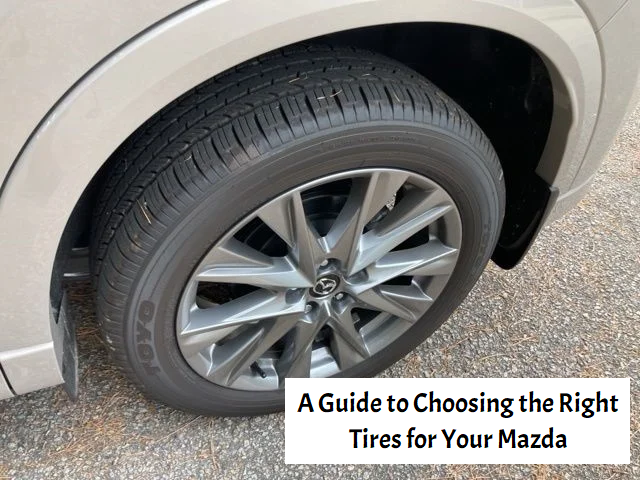
A Guide to Choosing the Right Tires for Your Mazda

Your Mazda is designed for performance, safety, and comfort, and the right set of tires plays a crucial role in maintaining these qualities. Whether you're looking to replace your worn-out tires or upgrade to a new set, choosing the right tires is essential for optimizing your Mazda's handling, fuel efficiency, and overall driving experience. This guide will walk you through the key factors to consider when selecting tires for your Mazda. more Understanding Tire Basics: What You Need to Know Before diving into the selection process, it's important to understand the basics of tire specifications and how they impact your driving experience. Tire Size: The size of your tires is specified by a combination of numbers and letters, such as 225/45R17. These numbers represent the tire's width, aspect ratio, and diameter. It's crucial to choose tires that match the size recommended by Mazda for your specific model, as using the wrong size can affect handling, safety, and even your vehicle's warranty. Tread Pattern: Tires come with different tread patterns designed for various driving conditions. The tread pattern affects traction, handling, and noise levels. Common tread patterns include: Symmetrical: Offers a smooth, quiet ride and long-lasting performance. Ideal for everyday driving. Asymmetrical: Combines different tread patterns to enhance handling, especially in wet conditions. Great for sporty driving. Directional: Designed for high-performance driving with excellent wet and dry traction. Often found on sports cars and performance vehicles. Speed Rating: The speed rating indicates the maximum speed at which a tire can safely operate. It's denoted by a letter, such as H, V, or Z. Make sure to choose a tire with a speed rating that meets or exceeds the capabilities of your Mazda. Load Index: The load index indicates the maximum weight a tire can support. It's important to select tires with a load index that matches or exceeds the weight of your Mazda, especially if you frequently carry heavy loads or passengers. Types of Tires: Which One Is Right for Your Mazda? Different types of tires are designed to perform optimally in specific conditions. Choosing the right type of tire depends on your driving habits, the climate you live in, and your Mazda model. All-Season Tires: All-season tires are the most versatile option, designed to perform well in a variety of conditions, including dry, wet, and light snow. They offer a balance of comfort, durability, and performance, making them an excellent choice for most Mazda drivers. If you live in an area with mild winters and don't frequently encounter extreme weather conditions, all-season tires are likely the best choice for you. Summer Tires: Summer tires, also known as performance tires, are engineered for maximum grip and handling on dry and wet roads during warm weather. They offer superior traction and responsiveness, making them ideal for sporty driving and high-performance Mazda models like the Mazda MX-5 Miata. However, summer tires are not suitable for cold weather or snow-covered roads, so they should be used only during the warmer months. Winter Tires: Winter tires are specifically designed to provide optimal traction and handling in cold weather, snow, and ice. They feature a softer rubber compound that remains flexible in low temperatures and a tread pattern designed to bite into snow and ice. If you live in an area with harsh winters, winter tires are essential for maintaining safety and control. It's recommended to switch to winter tires when the temperature consistently drops below 45°F (7°C). Touring Tires: Touring tires are designed for a smooth, comfortable ride with enhanced fuel efficiency and longer tread life. They are ideal for drivers who prioritize comfort and economy over sporty performance. Touring tires are a great option for Mazda sedans and crossovers used primarily for commuting and long-distance driving. Performance Tires: Performance tires are designed for drivers who demand high levels of grip, handling, and responsiveness. They are often found on sports cars and performance-oriented Mazda models. While they offer excellent performance in dry and wet conditions, they may have a shorter tread life and be noisier than other tire types. Off-Road Tires: If you frequently take your Mazda CX-5 or CX-9 off the beaten path, off-road or all-terrain tires may be a good choice. These tires are designed with rugged tread patterns and reinforced sidewalls to handle rough terrain, mud, and gravel. However, they may sacrifice some comfort and fuel efficiency on paved roads. Considering Your Driving Habits: Tailoring Your Tire Choice Your driving habits play a significant role in determining the right tires for your Mazda. Consider the following factors when making your decision: Daily Commutes: If you use your Mazda primarily for daily commuting on highways and city streets, all-season or touring tires are likely the best option. They offer a good balance of comfort, fuel efficiency, and durability. Sporty Driving: For those who enjoy spirited driving or own a performance-oriented Mazda model like the MX-5 Miata, performance or summer tires will provide the grip and handling needed to fully enjoy the driving experience. Long-Distance Travel: If you frequently embark on long road trips, touring tires may be the best choice for their smooth ride and long tread life. They are designed to minimize road noise and enhance comfort, making them ideal for extended journeys. Off-Road Adventures: If you often take your Mazda on off-road trails or unpaved roads, consider all-terrain or off-road tires. These tires are built to handle rough surfaces and provide the necessary traction for off-road driving. Winter Conditions: If you live in an area with harsh winters, winter tires are a must. They provide the traction and control needed to navigate snow and ice safely. Remember to switch back to all-season or summer tires when the weather warms up to maintain optimal performance. Budget Considerations: Balancing Cost and Quality Tires are a significant investment in your Mazda's performance and safety, so it's important to balance cost with quality. Here are some tips for making a budget-conscious decision: Set a Budget: Determine how much you're willing to spend on tires before you start shopping. While it's important to stay within your budget, remember that tires are a critical component of your vehicle's safety and performance, so prioritize quality. Compare Brands: There are many reputable tire brands available, each offering a range of options at different price points. Research and compare brands to find a set of tires that offers the best value for your needs. Well-known brands like Michelin, Bridgestone, Goodyear, and Continental are often reliable choices. Consider Tread Life: Tires with longer tread life may have a higher upfront cost but can save you money in the long run by lasting longer. Check the treadwear rating to get an idea of how long the tires are expected to last. Look for Promotions: Tire manufacturers and retailers often run promotions, discounts, or rebates. Keep an eye out for these deals to save money on your purchase. Balance Performance and Price: While high-performance tires may be tempting, consider whether you truly need the extra capabilities they offer. For everyday driving, a good-quality all-season tire may provide all the performance you need at a lower cost. Maintaining Your Tires: Maximizing Longevity and Performance Once you've chosen the right tires for your Mazda, proper maintenance is key to maximizing their lifespan and performance. Here are some maintenance tips to keep your tires in top condition: Regularly Check Tire Pressure: Maintaining the correct tire pressure is crucial for safety, fuel efficiency, and tire longevity. Check your tire pressure at least once a month and before long trips. Refer to your Mazda's owner’s manual or the sticker inside the driver’s door for the recommended pressure levels. Rotate Tires: To ensure even wear, have your tires rotated every 6,000 to 8,000 miles, or as recommended by Mazda. Rotating your tires helps extend their lifespan and maintain consistent handling. Align and Balance Tires: If you notice uneven tire wear, your Mazda may need a wheel alignment or balancing. Proper alignment and balancing ensure that your tires wear evenly and that your vehicle handles correctly. Check Tread Depth: Worn-out tires with low tread depth can compromise traction and safety, especially in wet conditions. Use the penny test to check your tread depth: insert a penny into the tread with Lincoln's head facing down. If you can see the top of Lincoln’s head, it's time to replace your tires. Inspect for Damage: Regularly inspect your tires for signs of damage, such as cuts, punctures, or bulges. If you notice any damage, have your tires inspected by a professional to determine if they need to be repaired or replaced. Essential Maintenance Choosing the right tires for your Mazda is an essential part of maintaining your vehicle's performance, safety, and comfort. By understanding tire basics, considering your driving habits, and balancing cost with quality, you can select a set of tires that will keep your Mazda performing at its best. Remember to maintain your tires properly to maximize their lifespan and ensure a smooth, safe driving experience. Whether you're cruising through the city, taking a road trip, or navigating winter weather, the right tires will help you enjoy every mile in your Mazda.

bm2 dec title

Navigating the Road to Savings: Tips for Finding an Affordable Automotive Repair Shop

Every car owner knows that the open road is not always smooth, and sooner or later, the need for automotive repairs is bound to arise. However, finding a reliable and affordable automotive repair shop can sometimes feel like navigating an unfamiliar route. In this blog, we'll explore practical tips and strategies to help you find an affordable automotive repair shop that not only fits your budget but also provides quality service. more R esearch and Recommendations Start your quest for an affordable automotive repair shop by conducting thorough research. Seek recommendations from friends, family, and colleagues who have had positive experiences with budget-friendly shops. Online reviews and forums can also offer valuable insights into the reputation and pricing of local repair shops. Compare Quotes Don't settle for the first quote you receive. Reach out to multiple automotive repair shops in your area and request detailed quotes for the specific services your vehicle needs. A transparent and itemized quote will help you understand the cost breakdown and make an informed decision. C heck Certifications and Experience While affordability is essential, it's equally crucial to ensure that the repair shop has certified technicians and relevant experience. Look for certifications displayed in the shop, as they indicate a commitment to professional standards. Experienced technicians are more likely to diagnose issues accurately, potentially saving you money in the long run. L ook for Special Offers and Discounts Many automotive repair shops offer special promotions, discounts, or loyalty programs. Keep an eye out for these cost-saving opportunities, as they can significantly reduce the overall expense of your repairs. Some shops may also have seasonal promotions or discounts for new customers. Consider Local and Independent Shops Local and independent automotive repair shops often have lower overhead costs compared to large chains, making their services more budget-friendly. Additionally, local shops are more likely to prioritize customer satisfaction, as their reputation within the community is at stake. Ask about Warranty and Guarantees A reputable and affordable automotive repair shop should stand by the quality of its work. Inquire about warranties or guarantees on parts and labor. This not only reflects the shop's confidence in its services but also provides you with added peace of mind, knowing that you won't incur additional costs if an issue arises shortly after the repair. DIY Options and Maintenance Workshops For smaller repairs and routine maintenance tasks, consider exploring do-it-yourself (DIY) options. Many automotive parts stores offer workshops or tutorials on basic maintenance tasks, allowing you to save money by handling simpler repairs on your own. Build a Relationship Establishing a long-term relationship with an automotive repair shop can lead to benefits such as loyalty discounts and personalized service. By consistently choosing the same shop for your repairs, you may find that they are more willing to work with you on pricing. Affordability and Quality Finding an affordable automotive repair shop is not just about cutting costs; it's about striking a balance between affordability and quality service. By following these tips, you can navigate the road to savings and ensure that your vehicle receives the care it needs without breaking the bank. Remember, a reliable and budget-friendly repair shop can be a valuable asset on your journey as a car owner.

Contact Us

Fill out this form below and we'll contact you shortly
*Required Fields