Blog / Money Saving Tips

Blog

All Money Saving Tips News Technology Important Information Mazda Model Features Tips Mazda Service Features & Specs Awards Service Mazda Vehicles Mazda Safety Technology Safety Beach Mazda Service History 2023 Models Community Events Comparisons Financing Your Mazda Fun Stuff Local 2024 Models Holidays Mazda Parts Car Buying Process Driver-Centric Design EVs Exterior Fuel & Gas Pre-Owned Certified Pre-Owned Mazda Vehicles Electric & Hybrid Vehicles Infotainment Insurance Mazda Accessories Mazda CX-30 Mazda3 Racing Restaurants & Food Tires & Wheels Travel Activities Drive For Good Kodo Design Language Mazda CX-5 Mazda CX-9 Mazda Motorsports Automotive Cleaning Fuel System Interior Paint & Body Work Seasonal Down-payments Mazda Connect Transmission Weather Brakes i-Activsense Technology Large Vehicles & SUVs Millennials Suspension System Towing
bm1 nov title

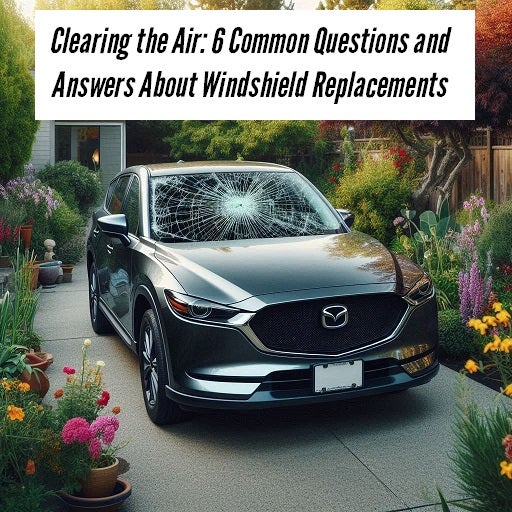
Clearing the Air: 6 Common Questions and Answers About Windshield Replacements

Your car's windshield is not just a protective barrier against the elements; it's a crucial component of your vehicle's structural integrity and safety features. When faced with windshield damage, understanding the essentials of windshield replacement is essential. In this blog, we'll address six common questions about windshield replacements to guide you through the process. more Q: Can a Cracked Windshield Be Repaired, or Does It Need Replacement? A: In some cases, minor chips or cracks can be repaired using specialized techniques. However, if the damage is extensive, located in the driver's line of sight, or compromises the structural integrity of the windshield, replacement is often the safer and more effective option. Consulting with a professional technician can help determine the best course of action for your specific situation. Q: How Long Does a Windshield Replacement Take? A: The duration of a windshield replacement depends on various factors, including the complexity of the installation and the type of adhesive used. On average, the process can take anywhere from 1 to 2 hours. It's advisable to check with the auto glass service provider for a more accurate estimate based on your vehicle's make and model. Q: Will Insurance Cover the Cost of a Windshield Replacement? A: Many insurance policies cover windshield replacements, and some even offer full coverage without imposing a deductible. Check your insurance policy to understand your coverage. If covered, the replacement cost is often taken care of by the insurance company, making it a cost-effective solution. Q: Can I Drive Immediately After a Windshield Replacement? A: While the adhesive used during the replacement process cures relatively quickly, it's recommended to wait until it fully sets before driving. This typically takes about 1 to 2 hours. Your technician will provide specific instructions, and it's crucial to follow them to ensure the windshield is secure and safe for driving. Q: What Type of Glass is Used for Windshield Replacements? A: Windshields are typically made of laminated safety glass, which consists of two layers of glass with a layer of polyvinyl butyral (PVB) in between. This design enhances safety by preventing the glass from shattering upon impact. When getting a replacement, it's essential to use glass that meets or exceeds original equipment manufacturer (OEM) standards to ensure proper fit and performance. Q: How Do I Care for a Newly Replaced Windshield? A: After a windshield replacement, avoid washing your car or exposing it to rain for at least 24 hours, allowing the adhesive to fully cure. Additionally: Do not slam car doors forcefully, as the increased pressure may affect the seal. Avoid off-road or high-impact driving immediately after replacement. Wait for a few days before using automated car washes to prevent damage to the fresh seal. A Common Necessity: Windshield replacements are a common necessity, whether due to chips, cracks, or extensive damage. Understanding the process, insurance coverage, and post-replacement care is crucial for a successful and safe windshield replacement. If you encounter windshield damage, seeking professional advice and timely replacement can help maintain the structural integrity of your vehicle and ensure a clear and safe view of the road ahead.

bm1 oct title

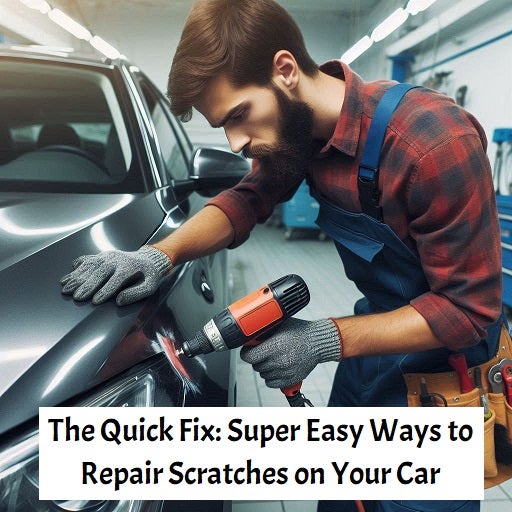
The Quick Fix: Super Easy Ways to Repair Scratches on Your Car

Scratches on your car's pristine paintwork can be a source of frustration, but fear not! There are super easy and effective ways to address minor scratches without breaking the bank or spending hours at an auto body shop. In this blog, we'll explore some DIY methods to help you fix those annoying scratches and restore your car's finish with minimal effort. more Assess the Depth of the Scratch Before diving into the fixes, assess the depth of the scratch. If the scratch is superficial, meaning it hasn't penetrated the clear coat, you can likely address it with these quick and easy methods. Use Toothpaste Toothpaste isn't just for your teeth – it can also work wonders on minor scratches. Choose a plain, non-gel toothpaste and apply a small amount to the scratch. Gently rub the toothpaste onto the affected area using a soft cloth or sponge. Wipe away the excess with a clean cloth, and voila! The mild abrasives in toothpaste can help reduce the appearance of superficial scratches. Nail Polish for Small Scratches For tiny scratches, clear nail polish can be an excellent quick fix. Clean the scratch and the surrounding area, then carefully apply a thin layer of clear nail polish over the scratch. Allow it to dry completely. The nail polish can fill in the scratch and create a smoother surface. DIY Baking Soda Paste Create a simple paste using baking soda and water. Mix equal parts of baking soda and water to form a thick paste. Apply the paste to the scratch, rubbing gently with a soft cloth in circular motions. Wipe away the residue and assess the results. This method is effective for light scratches. Scratch Repair Pens Scratch repair pens with clear coat applicators are readily available and can be an easy solution for minor scratches. Clean the scratch, apply the pen according to the instructions, and use a microfiber cloth to blend the clear coat. These pens often come in handy for small, shallow scratches. Car Scratch Remover Kits Consider investing in a car scratch remover kit that includes various compounds and polishes designed to address different levels of scratches. Follow the instructions provided in the kit for the best results. Buffing Compound for Light Scratches A light buffing compound can be effective for shallow scratches. Apply a small amount of the compound to a clean, soft cloth and rub it onto the scratch using circular motions. Buff the area until the scratch is less noticeable, and then wipe away any residue. Professional-Grade Polishing Compound If the scratch persists, you can opt for a professional-grade polishing compound. Apply the compound with a clean cloth and buff the scratched area. This method can be more aggressive, so use it with caution and follow the instructions carefully. Protect with Wax After addressing the scratch, protect the repaired area by applying a coat of car wax. This not only enhances the overall shine of your car but also provides an extra layer of protection against future scratches. Seek Professional Help for Deep Scratches If the scratch is deep, extends beyond the clear coat, or covers a large area, it's advisable to consult with a professional auto body shop for more comprehensive repairs. Fixing minor scratches on your car doesn't have to be a complicated or expensive endeavor. With these super easy and DIY-friendly methods, you can address superficial scratches and restore your car's appearance without the need for professional intervention. Remember to be gentle, follow instructions carefully, and always test any method on a small, inconspicuous area before applying it to the entire scratch. Enjoy the satisfaction of seeing those annoying scratches fade away as you bring back the shine to your beloved vehicle.

bm3-sept-title

Navigating the Road: A Guide to Choosing the Best Vehicle for Yourself

Selecting the perfect vehicle is a significant decision that involves a blend of personal preferences, lifestyle considerations, and practical needs. Whether you're a first-time car buyer or considering an upgrade, finding the best vehicle for yourself requires thoughtful evaluation. In this blog, we'll explore key factors to consider and guide you through the process of making a well-informed decision. more Assess Your Lifestyle and Needs Begin by reflecting on your lifestyle and daily activities. Consider: Your commuting patterns. The number of passengers you typically transport. Your storage and cargo requirements. Any specific features or capabilities you prioritize, such as fuel efficiency, off-road capabilities, or advanced safety features. Determine Your Budget Establish a clear budget for your vehicle purchase. Consider not only the upfront cost but also ongoing expenses such as insurance, maintenance, and fuel. Stick to a budget that aligns with your financial comfort and long-term goals. New vs. Used Decide whether a new or used vehicle is a better fit for your needs. New cars offer the latest features, warranties, and the assurance of no prior ownership. Used cars, on the other hand, often provide better value for money and may have already experienced the bulk of depreciation. Consider Fuel Efficiency Evaluate the fuel efficiency of potential vehicles, especially if you have a long daily commute or plan to use the vehicle frequently. Fuel-efficient models can save you money over time and contribute to environmental sustainability. Explore Different Body Styles Vehicles come in various body styles, including sedans, SUVs, trucks, and hatchbacks. Each style offers unique advantages and caters to different preferences. Consider the level of comfort, space, and utility each body style provides to determine which aligns best with your lifestyle. Safety Features Prioritize safety features that align with your preferences and concerns. Look for vehicles equipped with advanced safety technologies such as airbags, anti-lock brakes, stability control, and modern driver-assistance features like lane departure warning and automatic emergency braking. Test Drive Multiple Models The best way to understand a vehicle's performance and comfort is through a test drive. Visit dealerships and test drive different models that fit your criteria. Pay attention to aspects like driving comfort, visibility, and overall handling. Research Reliability and Resale Value Investigate the reliability ratings and resale values of the vehicles you're interested in. Brands with a reputation for reliability and strong resale value can offer long-term benefits, ensuring your investment holds its value over time. Explore Financing Options Research financing options and consider whether buying or leasing aligns better with your financial goals. Evaluate interest rates, loan terms, and monthly payments to make an informed decision. Check Insurance Costs Before finalizing your decision, obtain insurance quotes for the vehicles you're considering. Insurance costs can vary based on factors like the model's safety features, repair costs, and overall risk profile. Read Reviews and Seek Recommendations Explore reviews from automotive experts and seek recommendations from friends, family, or online communities. Learning from the experiences of others can provide valuable insights into the pros and cons of specific models. Holistic Approach Choosing the best vehicle for yourself involves a holistic approach that considers your lifestyle, budget, and preferences. Take the time to thoroughly research and test drive different models, weigh the pros and cons, and make decisions aligned with your long-term goals. Whether you prioritize fuel efficiency, safety features, or specific body styles, the right vehicle is the one that seamlessly integrates into your life and enhances your overall driving experience. Happy driving!

bm2-sept-title

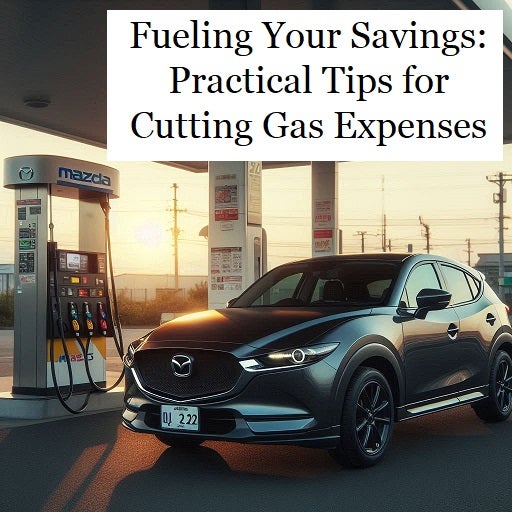
Fueling Your Savings: Practical Tips for Cutting Gas Expenses

In today's world, where gas prices seem to fluctuate more than ever, finding ways to save money at the pump has become a priority for many. Whether you're a daily commuter, a road-trip enthusiast, or just looking to stretch your budget, there are practical and easy-to-implement strategies that can help you save money on gas. In this blog, we'll explore some effective tips and habits to keep your fuel expenses in check without compromising your lifestyle. more Maintain Your Vehicle Regular vehicle maintenance is not only crucial for safety but also plays a significant role in fuel efficiency. Ensure your car is in good condition by regularly checking and changing the oil, keeping the tires properly inflated, and scheduling routine tune-ups. A well-maintained vehicle tends to run more efficiently, leading to better gas mileage and, ultimately, cost savings. Drive Smart Your driving habits have a direct impact on your fuel efficiency. Adopting a few simple driving techniques can make a noticeable difference in your gas consumption. Avoid aggressive driving, sudden stops, and rapid accelerations. Use cruise control on highways to maintain a steady speed and reduce fuel consumption. Additionally, plan your trips efficiently to minimize the need for unnecessary backtracking or multiple short trips. Choose the Right Fuel Check your vehicle's owner's manual to determine the recommended fuel type. Using a higher-octane fuel than necessary won't improve performance and is a waste of money. Stick to the manufacturer's guidelines to optimize your fuel efficiency. Additionally, consider using fuel with cleaning additives to keep your engine running smoothly. Comparison Shop for Gas Gas prices can vary significantly from one station to another. Take advantage of mobile apps and websites that provide real-time information on gas prices in your area. Plan your refueling stops based on the most affordable options but be mindful not to drive too far out of your way, as the savings may be outweighed by the additional fuel consumed. Keep Your Car Light Carrying unnecessary weight in your vehicle can reduce fuel efficiency. Remove items from your trunk or roof rack that you don't need, as excess weight creates additional drag on the vehicle and decreases gas mileage. A lighter load means less effort for your engine and more savings for your wallet. Explore Alternative Transportation Consider alternative transportation options for your daily commute. Carpooling, biking, walking, or using public transportation are environmentally friendly alternatives that can significantly reduce your fuel expenses. Additionally, telecommuting or working from home part-time, if possible, can further cut down on your commuting costs. Simple Yet Effective Strategies Saving money on gas doesn't have to be a daunting task. By adopting these simple yet effective strategies, you can make a positive impact on your budget while contributing to a more sustainable and eco-friendlier lifestyle. Remember, small changes in your driving habits and maintenance routines can lead to substantial savings over time. So, start implementing these tips today and watch your fuel expenses decrease without compromising your mobility and convenience.

Contact Us

Fill out this form below and we'll contact you shortly
*Required Fields