Blog / Safety

Blog

All Safety News Technology Important Information Mazda Model Features Tips Mazda Service Features & Specs Awards Service Mazda Vehicles Mazda Safety Technology Money Saving Tips Beach Mazda Service History 2023 Models Community Events Comparisons Financing Your Mazda Fun Stuff Local 2024 Models Holidays Mazda Parts Car Buying Process Driver-Centric Design EVs Exterior Fuel & Gas Pre-Owned Certified Pre-Owned Mazda Vehicles Electric & Hybrid Vehicles Infotainment Insurance Mazda Accessories Mazda CX-30 Mazda3 Racing Restaurants & Food Tires & Wheels Travel Activities Drive For Good Kodo Design Language Mazda CX-5 Mazda CX-9 Mazda Motorsports Automotive Cleaning Fuel System Interior Paint & Body Work Seasonal Down-payments Mazda Connect Transmission Weather Brakes i-Activsense Technology Large Vehicles & SUVs Millennials Suspension System Towing
BM3 TITLE JUNE 26

Mazda’s Telematics System: Monitoring & Maintaining Your Vehicle

By Beach Mazda In today’s connected world, cars are more than just a way to get from point A to point B—they’re intelligent machines designed to keep drivers informed, safe, and in control. Mazda’s Telematics System is a prime example of how modern technology enhances the driving experience, giving you real-time insights into your vehicle’s health and performance while keeping you connected no matter where the road takes you. In this blog post, we’ll take a closer look at Mazda’s Telematics System, how it works, and how it helps you monitor and maintain your vehicle more efficiently. more What is Mazda’s Telematics System? Mazda’s Telematics System uses wireless communication and onboard sensors to collect and transmit data from your vehicle to your smartphone or mobile device through the MyMazda App. This system keeps you informed about your vehicle’s condition and can even send alerts or maintenance reminders directly to your phone. With this technology, you can enjoy features like: Vehicle health monitoring Remote start and door locking/unlocking Real-time diagnostics Emergency roadside assistance Maintenance scheduling and reminders Vehicle location tracking This connectivity ensures that you’re never left guessing about what’s going on under the hood. Key Features of Mazda’s Telematics System 1. Vehicle Health Reports Mazda’s telematics system continuously monitors your vehicle’s systems and provides you with easy-to-read health reports. From oil life to tire pressure and battery condition, these reports help you catch potential issues before they become major problems. 2. Maintenance Reminders Never forget another oil change or tire rotation. The system tracks mileage and service intervals and sends maintenance reminders directly to your phone via the MyMazda App. You can also schedule service appointments at Beach Mazda with just a few taps. 3. Remote Access with MyMazda App Can’t remember if you locked your car? Need to warm it up on a cold morning? With the MyMazda App, you can remotely start the engine, lock or unlock the doors, and even flash the lights or honk the horn to locate your vehicle. 4. Stolen Vehicle Assistance In the unfortunate event that your vehicle is stolen, Mazda’s telematics system can assist law enforcement in locating it. The vehicle tracking feature adds peace of mind by giving you the tools to act quickly. 5. Roadside Assistance Integration Mazda’s telematics system offers seamless access to 24/7 roadside assistance. Whether you’ve got a flat tire or need a tow, help is just a button press away through your infotainment screen or the MyMazda App. How It Works Mazda’s Telematics System relies on a combination of embedded hardware in your vehicle and the Mazda Connected Services cloud platform. Data collected from your vehicle is sent to Mazda’s secure servers, where it’s processed and made available to you in real time via the MyMazda App. Getting Started: Download the MyMazda App from the Apple App Store or Google Play. Create a Mazda account and register your vehicle using its VIN. Activate Mazda Connected Services (free for the first three years on most new models). Start monitoring, managing, and maintaining your Mazda—anytime, anywhere. Which Mazda Models Feature Telematics? Mazda’s Telematics System is available on a wide range of newer models, including: Mazda CX-30 Mazda CX-50 Mazda CX-5 Mazda CX-90 Mazda3 Sedan and Hatchback As Mazda continues to expand its lineup and enhance its connected technology, more models will benefit from these advanced features. Why It Matters Mazda’s telematics technology isn’t just about convenience—it’s about proactive vehicle care, enhanced safety, and a more connected driving experience. By staying informed and in control, you can extend your vehicle’s lifespan, improve performance, and enjoy peace of mind on every drive. Stay Connected with Beach Mazda At Beach Mazda, we’re proud to offer vehicles equipped with the latest technology, including Mazda’s advanced Telematics System. Our team is here to help you set up your MyMazda App, understand your vehicle’s data, and keep your Mazda running like new. Ready to experience smart driving? Visit Beach Mazda today to explore our lineup and see how Mazda’s Telematics System can transform the way you drive. Beach Mazda Driven by innovation. Committed to you.

bm3 title apr 26

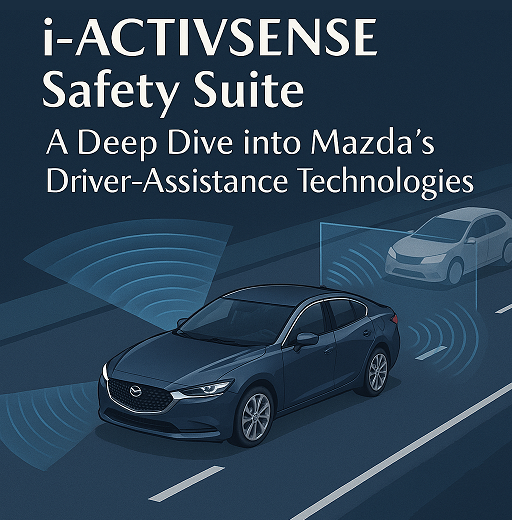
i-Activsense Safety Suite: A Deep Dive into Mazda's Driver-Assistance Technologies

By Beach Mazda At Beach Mazda, we’re committed to ensuring that every drive is not only enjoyable but also safe. One of the ways Mazda accomplishes this is through its i-Activsense Safety Suite, a collection of advanced driver-assistance technologies designed to keep you and your passengers safe on the road. Whether you’re driving through city traffic or cruising on the highway, i-Activsense provides a robust set of features that assist with everything from collision avoidance to lane-keeping. more In this blog post, we’ll take a closer look at i-Activsense, exploring its individual components, how they work, and why they are vital to your overall driving experience. What is i-Activsense? Mazda’s i-Activsense is a suite of advanced driver-assistance technologies aimed at improving vehicle safety and enhancing the driving experience. These systems rely on a combination of radar, cameras, and sensors to monitor the surrounding environment and provide real-time feedback to the driver. Many of these technologies are designed to intervene if a potentially dangerous situation arises, reducing the likelihood of accidents. The best part? These features are available across many new Mazda models, from the Mazda3 to the Mazda CX-5 and Mazda CX-9, making i-Activsense accessible to a wide range of drivers. Key Features of i-Activsense Mazda’s i-Activsense suite includes a variety of technologies that focus on different aspects of driving safety, including collision avoidance, lane assistance, and adaptive lighting. Let’s break down the most important features of i-Activsense: Adaptive Front-Lighting System (AFS) The Adaptive Front-Lighting System adjusts your headlights based on the direction of your steering, ensuring you have optimal illumination on winding or curved roads. This system helps you see further and more clearly around corners, improving visibility during night driving or in low-light conditions. Blind Spot Monitoring (BSM) The Blind Spot Monitoring system uses radar to detect vehicles in your blind spot and alerts you with a visual warning on your side mirrors. If you attempt to change lanes while a car is in your blind spot, the system provides an additional audible alert, helping you avoid collisions. Rear Cross-Traffic Alert (RCTA) When reversing out of parking spaces, the Rear Cross-Traffic Alert system detects vehicles approaching from either side and warns you with visual and audible alerts. This system is especially useful in busy parking lots where visibility may be limited. Lane Departure Warning System (LDWS) The Lane Departure Warning System monitors lane markings on the road. If it detects that you’re unintentionally drifting out of your lane without signaling, the system issues an audible warning. This technology helps prevent accidents caused by momentary lapses in attention, especially during long drives. Lane-Keep Assist (LKA) When the Lane-Keep Assist system detects unintentional lane departure, it provides subtle steering input to help guide your vehicle back into the center of your lane. This feature works in tandem with Lane Departure Warning to prevent accidents from happening while reducing the risk of drifting on the highway or busy roads. Smart City Brake Support (SCBS) The Smart City Brake Support system uses sensors to detect vehicles or obstacles ahead and helps avoid low-speed collisions. If the system detects that a crash is imminent and you haven’t reacted in time, it will automatically apply the brakes to reduce the severity of the collision or even avoid it altogether. This system is particularly helpful in urban driving conditions where sudden stops are more common. Forward Obstruction Warning (FOW) The Forward Obstruction Warning system uses a camera to monitor the distance between your Mazda and the vehicle ahead. If the system detects a potential collision, it provides both visual and audible warnings to prompt you to take action, giving you more time to react and avoid an accident. Traffic Sign Recognition (TSR) The Traffic Sign Recognition system can read traffic signs and display them on your vehicle’s dashboard or heads-up display. This includes speed limit signs, stop signs, and other important road signs. TSR helps keep you aware of the road rules, ensuring you’re always informed and safe while driving. How i-Activsense Works Together While each i-Activsense feature plays a key role in enhancing safety, the real magic happens when these systems work together. i-Activsense takes a holistic approach to driving safety, combining the strengths of its technologies to ensure that every aspect of your driving experience is monitored and enhanced. For example, the Smart City Brake Support system works in conjunction with Forward Obstruction Warning to alert you of potential collisions in urban environments. Additionally, features like Lane-Keep Assist and Blind Spot Monitoring work together to ensure that you stay in your lane and avoid side collisions on the highway. Mazda’s Commitment to Safety At Mazda, safety isn’t just an add-on; it’s a core part of the brand’s philosophy. Mazda designs its vehicles with both active and passive safety features in mind, ensuring that the car protects you in the event of an accident, while also preventing accidents from happening in the first place. The inclusion of i-Activsense technologies in Mazda’s lineup is a testament to the company’s commitment to improving safety, both for drivers and pedestrians. The Benefits of i-Activsense The benefits of Mazda’s i-Activsense safety suite are clear: Increased driver confidence: With the added support of i-Activsense features, you can drive with greater peace of mind knowing that your vehicle is working to help you avoid accidents. Enhanced safety: i-Activsense technologies provide an extra layer of protection by reducing the risk of accidents and helping drivers react in critical situations. Convenience: Features like Lane-Keep Assist, Rear Cross-Traffic Alert, and Traffic Sign Recognition make driving more convenient and less stressful, particularly in busy or unfamiliar environments. Experience i-Activsense at Beach Mazda If you’re ready to experience Mazda’s cutting-edge i-Activsense Safety Suite in action, visit us at Beach Mazda. Our team is happy to show you how these systems work and walk you through the features that will help make your drive safer and more enjoyable. Whether you’re driving through city streets or taking a road trip, Mazda’s i-Activsense is designed to make sure you arrive at your destination safely and confidently. Come test drive one of our Mazda models equipped with these innovative technologies today! Beach Mazda Driving Safety and Innovation Forward This blog post explains the features and benefits of Mazda’s i-Activsense Safety Suite, providing potential customers with insight into the advanced safety technologies available in Mazda vehicles.

BM4 TITLE MARCH 2026

Mazda Brake System Maintenance: Tips for Keeping Your Mazda Stopping Safely

By Beach Mazda Your Mazda’s brake system is one of the most critical components of your vehicle, ensuring your safety and the safety of everyone on the road. Whether you're navigating the busy streets of Myrtle Beach or cruising on open highways, keeping your brakes in excellent condition is essential to ensure that you can stop quickly and effectively when needed. more At Beach Mazda, we know how important your brakes are. In this blog, we’ll walk you through the essential tips for maintaining your Mazda’s brake system, from checking brake pads to inspecting the fluid levels. These simple yet effective steps can help you keep your car stopping safely for years to come. Check Your Brake Pads Regularly Why It’s Important: Brake pads are crucial for stopping your vehicle. Over time, they wear down and can become less effective, leading to longer stopping distances and potential damage to your brake rotors. How to Do It: Inspect the Thickness: You can usually check the thickness of your brake pads by looking through the spokes of the wheel. If the pad material is less than 1/8 inch thick, it’s time for a replacement. Listen for Squeaking or Grinding: If you hear squeaking, squealing, or grinding noises while braking, this could be a sign that the brake pads are worn out and need replacement. Have a Professional Check Them: If you're unsure about the condition of your brake pads, have a professional inspect them during your next service visit. Tip: On average, brake pads should be replaced every 30,000 to 70,000 miles, depending on driving conditions. Monitor Brake Fluid Levels Why It’s Important: Brake fluid is what allows your brakes to function properly by transferring the pressure from your foot on the brake pedal to the braking components. Low brake fluid can cause your brakes to feel soft or unresponsive, which can be dangerous. How to Do It: Check the Fluid Reservoir: The brake fluid reservoir is typically located near the back of the engine bay. Look for the “min” and “max” lines on the side of the reservoir to see if the fluid is within the recommended level. Look for Discoloration: Brake fluid should be clear or light yellow. If it looks dark or has a burnt smell, it’s time to replace it, as old brake fluid can degrade the performance of your braking system. Top Off or Replace Fluid: If the fluid level is low, top it off with the correct type of brake fluid, which can be found in your owner’s manual. If you need to replace the fluid, make sure to follow the correct procedure or have a technician do it for you. Tip: Check your brake fluid every 6 months to ensure it’s at the proper level and condition. Inspect Brake Rotors Why It’s Important: Brake rotors play a vital role in stopping your vehicle. When your brake pads press against the rotors, they slow your car down. Over time, rotors can become worn, scored, or warped, which can lead to vibrations, reduced braking efficiency, and even brake failure. How to Do It: Check for Scoring or Warping: Look for any visible signs of wear, such as grooves, scoring, or cracks. If you feel vibrations when braking or notice uneven brake pad wear, it may be time to replace the rotors. Measure Rotor Thickness: If your rotors are too thin, they can overheat and cause brake failure. A professional can measure the thickness to ensure they’re still within safe limits. Tip: Brake rotors should be inspected regularly, especially if you notice any unusual sounds or vibrations while braking. Bleed Your Brakes Why It’s Important: Over time, air can get trapped in the brake lines, which can cause your brakes to feel spongy or less responsive. Bleeding the brakes removes this air, ensuring the braking system works efficiently. How to Do It: Check for Soft Pedal: If you notice that your brake pedal feels unusually soft or sinks to the floor when pressed, air in the brake lines could be the issue. Bleed the Brakes: This process involves loosening the brake line valve at each brake and letting fluid flow out until no bubbles appear. It’s recommended to have this done by a professional, as it requires the correct tools and expertise. Tip: Brake fluid should be changed every 2-3 years to ensure optimal brake performance. Check for Leaks Why It’s Important: Leaking brake fluid can lead to a drop in braking performance and even complete brake failure. It's important to regularly check for leaks to ensure the integrity of your brake system. How to Do It: Inspect Brake Lines and Hoses: Look for any visible signs of leaks or damage around the brake lines and hoses. If you notice fluid under your car or a drop in brake fluid levels, there could be a leak somewhere in the system. Check the Master Cylinder: The master cylinder is responsible for distributing brake fluid to each wheel. If it’s leaking, your brakes will lose fluid and fail to work properly. Tip: If you find any leaks, have them fixed immediately to avoid a dangerous situation. Replace Worn Brake Shoes (For Drum Brakes) Why It’s Important: While most modern Mazdas use disc brakes, some models may still have drum brakes, particularly on the rear wheels. Brake shoes inside the drum press against the drum to slow your vehicle down. Over time, these shoes wear down and need replacement. How to Do It: Inspect the Brake Shoes: If you hear a grinding sound or notice your brakes feel less responsive, it could be a sign that your brake shoes are worn out. Replace the Shoes: Replacing brake shoes can be more complex than replacing pads, so if you’re not comfortable doing this yourself, it’s best to leave it to a professional. Tip: Brake shoes typically last around 30,000 to 50,000 miles, but they should be checked regularly. Regular Brake System Inspections Why It’s Important: Even if everything seems to be working fine, it’s important to have your brake system checked by a professional regularly. Routine inspections can catch potential problems before they become serious issues, ensuring you maintain safe and reliable braking. How to Do It: Schedule Regular Maintenance: At Beach Mazda, we recommend having your brake system inspected during routine service appointments, typically every 12,000 to 15,000 miles or once a year. Look for Warning Signs: If you notice any unusual noises, vibrations, or a decrease in braking performance, schedule a brake inspection immediately. Essential for Safe Driving Your Mazda’s brake system is essential for safe driving, and regular maintenance is key to ensuring it operates at its best. By checking brake pads, fluid, rotors, and other components, you can keep your braking system in excellent condition and avoid costly repairs down the road. At Beach Mazda, we’re here to help you with all your Mazda maintenance needs. If you’re unsure about any aspect of your brake system or need professional assistance, our expert technicians are ready to provide you with top-notch service. Beach Mazda Your Trusted Mazda Experts in Myrtle Beach Ready to ensure your Mazda stops safely? Contact Beach Mazda to schedule a brake system inspection or any other maintenance service today!

BM4 TITLE NOV 2025

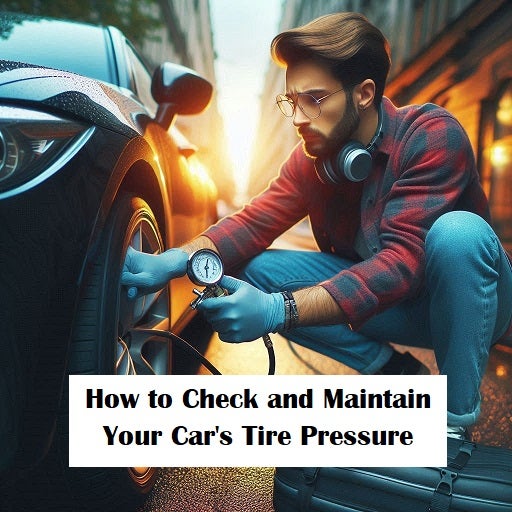
How to Check and Maintain Your Car's Tire Pressure

Proper tire maintenance is essential for the safety, performance, and longevity of your vehicle. One of the most critical aspects of tire care is maintaining the correct tire pressure. Under-inflated or over-inflated tires can lead to poor handling, reduced fuel efficiency, and even tire blowouts. In this blog, we’ll guide you through the process of checking and maintaining your car’s tire pressure, helping you ensure a smooth and safe ride. more Understanding Tire Pressure Tire pressure is measured in pounds per square inch (PSI) and refers to the amount of air inside the tire. Every vehicle has a recommended tire pressure, which can usually be found in the owner’s manual or on a sticker located on the driver’s side door jamb. Maintaining the correct tire pressure is crucial for: Safety: Properly inflated tires ensure better traction, handling, and braking performance. Fuel Efficiency: Tires that are inflated to the correct pressure can improve fuel economy, as under-inflated tires create more rolling resistance. Tire Longevity: Maintaining proper pressure can help prevent premature tire wear, extending the lifespan of your tires. When to Check Tire Pressure It's important to check your tire pressure regularly to ensure optimal performance: Monthly Checks: Aim to check your tire pressure at least once a month, as tires can lose pressure over time. Before Long Trips: Always check your tire pressure before embarking on a long journey to ensure that your tires are in optimal condition. Seasonal Changes: Temperature fluctuations can affect tire pressure. It’s a good practice to check your tires with the change of seasons, especially before winter and summer. How to Check Tire Pressure Checking your tire pressure is a straightforward process that can be done at home or at a gas station: Gather Your Tools You’ll need the following tools: Tire Pressure Gauge: A digital or analog tire pressure gauge will work. Digital gauges are often easier to read. Air Compressor: If your tires are low, you may need an air compressor to inflate them. Many gas stations have air pumps available for public use. Check Tire Pressure Ensure Cold Tires: Check tire pressure when the tires are cold, ideally before you’ve driven or at least three hours after driving. Tires heat up from friction, causing the air inside to expand and give a false reading. Remove Valve Caps: Unscrew the valve cap from the tire you want to check. Keep the cap in a safe place to avoid losing it. Press the Gauge: Firmly press the tire pressure gauge onto the valve stem. You should hear a short hiss of air as the gauge makes contact. Ensure that the gauge is seated properly for an accurate reading. Read the Pressure: Take note of the reading on the gauge. If using a digital gauge, it will display the pressure on the screen. If using an analog gauge, the needle will indicate the pressure. Replace Valve Caps: After checking, be sure to replace the valve cap securely. Adjusting Tire Pressure If your tire pressure is not within the recommended range, you’ll need to adjust it accordingly: Inflating Tires Use an Air Compressor: If the pressure is too low, locate an air compressor. Many gas stations have them, or you can use a portable air compressor. Inflate Gradually: Add air in short bursts, checking the pressure frequently until you reach the recommended PSI. Avoid Over-Inflation: Be cautious not to exceed the recommended pressure, as over-inflated tires can lead to reduced traction and a harsher ride. Deflating Tires If your tires are over-inflated, you can release some air: Press the Valve Stem: Use a small tool (like a screwdriver or a tire gauge) to press the valve stem, allowing air to escape slowly. Check Pressure Regularly: Continuously check the tire pressure until it reaches the recommended level. Maintaining Tire Pressure To maintain optimal tire pressure over time, consider the following tips: Regular Checks: Make tire pressure checks part of your regular vehicle maintenance routine, as mentioned earlier. Monitor Temperature: Be aware that temperature changes can affect tire pressure. As a general rule, tire pressure can drop about 1 PSI for every 10-degree Fahrenheit decrease in temperature. Use TPMS: Many modern vehicles are equipped with a Tire Pressure Monitoring System (TPMS) that alerts you when tire pressure is low. While this is a helpful feature, it’s still essential to check tire pressure manually. Inspect for Damage: Regularly inspect your tires for signs of damage, such as cracks, bulges, or foreign objects embedded in the tread. Address any issues promptly to maintain safety. Keep Tires in Top Condition Checking and maintaining your car's tire pressure is a simple yet crucial aspect of vehicle maintenance that can enhance safety, improve fuel efficiency, and extend the life of your tires. By incorporating regular tire pressure checks into your routine, you can ensure a smooth and safe driving experience. Don’t overlook this essential maintenance task—your tires are the only contact your vehicle has with the road, so keeping them in top condition is vital for your safety and performance. Happy driving!

BM1 TITLE NOV 2025

How to Winterize Your Mazda Vehicle: A Comprehensive Guide

As winter approaches, it’s essential to prepare your Mazda for the colder months ahead. Winterizing your vehicle not only ensures your safety on the road but also helps maintain its performance and longevity. In this blog, we’ll cover the key steps to winterize your Mazda effectively, so you can tackle those icy roads with confidence. more Check and Replace Fluids Fluids play a crucial role in your vehicle’s performance, especially during winter. Here are the key fluids to check and replace if necessary: Engine Oil: Ensure your engine oil is suitable for winter temperatures. If you’re using conventional oil, consider switching to a winter-grade synthetic oil that offers better performance in cold weather. Always follow your owner’s manual for the recommended oil type and viscosity. Coolant: Inspect your coolant levels and ensure that your antifreeze is mixed correctly to prevent freezing. A 50/50 mixture of antifreeze and water is generally recommended for optimal protection. If your coolant is old or contaminated, consider flushing and replacing it. Windshield Washer Fluid: Use a winter-grade windshield washer fluid that is designed to withstand freezing temperatures. This will help keep your windshield clear of ice and snow, improving visibility. Inspect and Replace Wipers Visibility is critical during winter driving conditions, so ensuring your wiper blades are in good condition is essential. Check your wipers for any signs of wear or damage, such as cracking or stiffness. If they’re not performing well, replace them with winter-specific wipers designed to handle ice and snow buildup. Check Your Tires Your tires are your vehicle's only contact with the road, making them a vital component for winter safety. Here’s what to do: Tread Depth: Check the tread depth of your tires to ensure they provide adequate traction on snowy or icy roads. The minimum recommended tread depth for winter driving is 4/32 of an inch. Inflation Pressure: Cold temperatures can cause tire pressure to drop, so check and inflate your tires to the manufacturer-recommended levels. Properly inflated tires improve handling and fuel efficiency. Winter Tires: If you live in an area with heavy snowfall or icy conditions, consider investing in winter tires. These tires are specifically designed for cold weather, providing better traction and handling compared to all-season tires. Inspect the Battery Cold temperatures can be harsh on car batteries, making it essential to check your battery’s health before winter sets in. Here’s how to ensure your battery is ready for the colder months: Battery Test: Have your battery tested for its charge and overall health. Most auto parts stores offer free battery testing services. If your battery is weak or over three years old, consider replacing it. Clean Terminals: Inspect the battery terminals for corrosion or dirt. Clean them with a mixture of baking soda and water, and ensure they are securely connected. Prepare Your Heating System A properly functioning heating system is essential for comfort during winter drives. Here’s how to prepare it: Check Heater Functionality: Test your heater and defroster to ensure they are working effectively. If you notice any issues, such as inadequate heat or strange smells, have it inspected by a professional. Inspect Cabin Air Filter: A clean cabin air filter ensures that your heating system functions efficiently. If it’s dirty or clogged, replace it to improve airflow and air quality inside the vehicle. Check Belts and Hoses Cold weather can put extra strain on belts and hoses, making it essential to inspect them for wear and damage: Visual Inspection: Look for any cracks, fraying, or signs of wear on belts and hoses. Pay particular attention to the serpentine belt and radiator hoses, as these are critical for engine performance and cooling. Replace if Necessary: If you notice any issues during your inspection, replace the affected belts and hoses before winter sets in to prevent breakdowns. Emergency Kit Preparation An emergency kit is essential for winter driving, ensuring you’re prepared for unexpected situations. Here are some items to include: Blankets and Warm Clothing: Pack blankets, gloves, and hats to keep warm in case you get stranded. First Aid Kit: A well-stocked first aid kit can be invaluable in emergencies. Food and Water: Keep non-perishable snacks and bottled water in your kit. Flashlight and Batteries: A flashlight can be useful for visibility in the dark. Ice Scraper and Snow Brush: These tools will help you clear your windshield and windows quickly. Jumper Cables: In case of a dead battery, jumper cables can be a lifesaver. Wash and Wax Your Vehicle Winter road conditions can lead to the accumulation of salt and grime on your vehicle, which can damage the paint and undercarriage. Here’s how to protect your Mazda: Wash Your Car: Thoroughly wash your vehicle to remove any dirt, salt, or debris. Pay special attention to the undercarriage, as salt can cause rust and corrosion. Wax for Protection: Apply a coat of wax to your vehicle's exterior to create a protective barrier against the elements. This can help prevent damage from road salt and moisture. Drive with Confidence Winterizing your Mazda is essential for ensuring your vehicle’s performance, safety, and longevity during the colder months. By following these steps—checking and replacing fluids, inspecting tires and battery, preparing your heating system, and assembling an emergency kit—you can drive with confidence through winter weather. Taking the time to winterize your vehicle will not only enhance your driving experience but also keep you safe on the road, allowing you to enjoy all that the season has to offer.

BM2 TITLE SEPT 2025

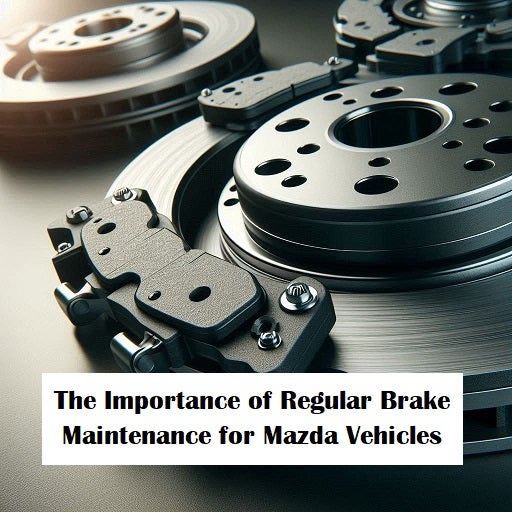
The Importance of Regular Brake Maintenance for Mazda Vehicles

Brakes are one of the most critical safety features of any vehicle, and Mazda is no exception. As a Mazda owner, ensuring that your braking system is in top condition is essential for safe driving and optimal vehicle performance. Regular brake maintenance not only enhances your safety but also prolongs the life of your braking components. In this blog, we’ll explore the importance of regular brake maintenance, what to look for, and how to keep your Mazda’s braking system in excellent shape. more Why Brake Maintenance is Crucial The braking system is responsible for slowing down and stopping your vehicle, making it vital for overall safety. Here are some reasons why regular brake maintenance is essential: Safety: The primary function of brakes is to ensure that you can stop your vehicle safely and effectively. Worn or malfunctioning brakes can lead to accidents, compromising your safety and that of others on the road. Performance: Well-maintained brakes provide better stopping power and responsiveness. If your brakes are not functioning correctly, you may experience longer stopping distances or reduced control over your vehicle. Cost-Effectiveness: Regular maintenance can help identify and address issues early on, preventing more significant and costly repairs in the future. Replacing worn-out brake pads and rotors is far less expensive than dealing with the aftermath of a brake failure. Key Components of the Brake System To understand brake maintenance, it’s important to be familiar with the key components of your Mazda's braking system: Brake Pads: These friction components press against the brake rotors to create the stopping force. Over time, brake pads wear down and need to be replaced. Brake Rotors: These metal discs provide a surface for the brake pads to clamp down on. Warped or worn rotors can lead to reduced braking performance and should be inspected regularly. Brake Fluid: This hydraulic fluid transmits the force from your foot on the brake pedal to the brake components. Low or contaminated brake fluid can affect braking performance and should be checked periodically. Calipers: These devices house the brake pads and push them against the rotors when you apply the brakes. If calipers become stuck or malfunction, they can lead to uneven brake wear or reduced stopping power. Signs That Your Brakes Need Attention Regularly monitoring your brakes for signs of wear or malfunction can help you catch potential issues before they become serious. Look out for these warning signs: Squeaking or Grinding Noises: If you hear squeaking, squealing, or grinding sounds when applying the brakes, it’s a sign that your brake pads may be worn down and need replacement. Vibrations or Pulsations: If you feel vibrations or pulsations in the brake pedal when applying the brakes, it may indicate warped rotors that require resurfacing or replacement. Warning Lights: Pay attention to any warning lights on your dashboard related to the braking system. If the brake warning light illuminates, have your vehicle inspected immediately. Reduced Stopping Power: If you notice that your vehicle takes longer to stop than usual or the brakes feel less responsive, it’s time to have them checked by a professional. Establishing a Maintenance Schedule Creating a regular maintenance schedule for your Mazda's brakes is essential for ensuring their longevity and performance. Here are some guidelines to follow: Routine Inspections: Have your brakes inspected at least once a year, or more frequently if you drive in heavy traffic, on mountainous roads, or in other demanding conditions. Check Brake Fluid Levels: Regularly check the brake fluid level and quality. If the fluid appears dark or contaminated, have it replaced. Brake Pad Replacement: Depending on your driving habits, brake pads may need replacement every 25,000 to 70,000 miles. Consult your owner’s manual for specific recommendations. Rotor Maintenance: Rotors should be inspected for wear and resurfaced or replaced as needed. This can typically be done during a brake pad replacement. Professional Brake Service While some maintenance tasks can be performed at home, it’s crucial to rely on professionals for comprehensive brake service. Professional mechanics have the tools and expertise to diagnose and address brake issues accurately. Here are some services you can expect: Complete Brake Inspection: A professional inspection will assess the condition of all brake components, including pads, rotors, calipers, and fluid. Brake Pad and Rotor Replacement: If needed, mechanics will replace worn-out brake pads and rotors, ensuring that your braking system functions optimally. Brake Fluid Flush: A brake fluid flush removes old, contaminated fluid and replaces it with fresh fluid to maintain hydraulic performance. Vital for Safety and Performance Regular brake maintenance is vital for the safety and performance of your Mazda. By staying vigilant for warning signs, establishing a maintenance schedule, and seeking professional assistance, when necessary, you can ensure that your braking system remains in top shape. Remember, your brakes are your vehicle's most crucial safety feature, and taking care of them is essential for a safe and enjoyable driving experience. Prioritize brake maintenance, and you'll enjoy peace of mind knowing you’re driving a well-maintained vehicle.

bm1 title may 2025

The Benefits of Mazda’s i-ACTIV AWD System: Confidence in Every Drive

Mazda has long been known for its commitment to delivering vehicles that are not only fun to drive but also equipped with cutting-edge technology designed to enhance safety and performance. One such innovation is Mazda’s i-ACTIV All-Wheel Drive (AWD) system. This advanced AWD technology sets Mazda apart by providing drivers with enhanced stability, control, and confidence, regardless of road or weather conditions. Let’s explore the benefits of Mazda’s i-ACTIV AWD system and why it matters for your driving experience. more Enhanced Traction and Stability The primary advantage of Mazda’s i-ACTIV AWD system is its ability to provide superior traction and stability in various driving conditions. Unlike traditional AWD systems that react after slippage occurs, i-ACTIV AWD is proactive, constantly monitoring road conditions, driver inputs, and vehicle dynamics. It uses this data to anticipate potential loss of traction and adjusts power distribution between the front and rear wheels accordingly. This means that whether you’re driving on a wet, icy, or uneven surface, the i-ACTIV AWD system ensures that power is sent to the wheels with the most grip, reducing the likelihood of wheel spin and enhancing overall stability. The result is a smoother, more controlled driving experience, even in challenging conditions. Seamless and Intuitive Operation One of the standout features of Mazda’s i-ACTIV AWD system is its seamless operation. The system continuously monitors over 27 sensors that measure factors such as wheel speed, throttle position, steering angle, and even outside temperature. This data allows the system to predict and respond to changes in driving conditions within milliseconds. The beauty of i-ACTIV AWD is that it works in the background without requiring any input from the driver. The transition between front-wheel drive and all-wheel drive is so smooth that it’s often imperceptible, allowing you to focus on the road and enjoy the drive without being distracted by sudden power shifts or jerky movements. I mproved Cornering and Handling Mazda’s i-ACTIV AWD system not only enhances traction on slippery surfaces but also improves cornering and handling on dry roads. By distributing power to the rear wheels when necessary, the system helps maintain optimal balance and control during cornering, reducing understeer and improving overall stability. This is particularly beneficial for drivers who enjoy spirited driving or frequently navigate winding roads. The i-ACTIV AWD system enhances the vehicle’s responsiveness, allowing for more precise handling and a more engaging driving experience. I ncreased Safety in Adverse Weather Driving in adverse weather conditions can be stressful, but Mazda’s i-ACTIV AWD system is designed to mitigate the challenges posed by rain, snow, and ice. By constantly monitoring the road and making real-time adjustments, the system ensures that your vehicle remains stable and secure, even when conditions are less than ideal. This increased safety is especially important during winter months when roads are often slick and unpredictable. With i-ACTIV AWD, you can have peace of mind knowing that your Mazda is equipped to handle whatever the weather throws your way, keeping you and your passengers safe. Optimized Fuel Efficiency One common concern with AWD systems is the potential impact on fuel efficiency. However, Mazda’s i-ACTIV AWD system is designed to minimize this drawback by operating primarily in front-wheel drive mode when all-wheel drive is not needed. This reduces the amount of power sent to the rear wheels, thereby improving fuel efficiency compared to traditional AWD systems that are always engaged. When road conditions or driving dynamics demand more traction, the system seamlessly engages the rear wheels, ensuring that you have the necessary grip without sacrificing efficiency. This intelligent power distribution allows you to enjoy the benefits of AWD while still achieving impressive fuel economy. Versatility for All Lifestyles Whether you’re navigating city streets, embarking on a weekend adventure, or tackling off-road terrain, Mazda’s i-ACTIV AWD system provides the versatility you need. The system adapts to a wide range of driving scenarios, making it an ideal choice for drivers with diverse lifestyles. For those who enjoy outdoor activities or live in regions with variable weather conditions, i-ACTIV AWD ensures that your Mazda can handle different environments with ease. From daily commuting to exploring the great outdoors, the system’s adaptability enhances the overall driving experience. Peace of Mind for Long Journeys Long road trips can present a variety of driving conditions, from smooth highways to unexpected weather changes. Mazda’s i-ACTIV AWD system offers peace of mind for these journeys by ensuring that your vehicle is prepared for any situation. The system’s ability to automatically adjust to changing conditions allows you to focus on enjoying the journey rather than worrying about road conditions. Additionally, the system’s predictive capabilities reduce the risk of accidents by maintaining stability and control, even in sudden or challenging situations. This added security is invaluable for long drives, where safety and comfort are paramount. Get Safety and Performance Mazda’s i-ACTIV AWD system is a testament to the brand’s dedication to creating vehicles that are both exhilarating to drive and equipped with advanced technology for safety and performance. By providing enhanced traction, stability, and handling, i-ACTIV AWD gives drivers the confidence to tackle any road condition with ease. Whether you’re navigating wet city streets, winding country roads, or snow-covered highways, Mazda’s i-ACTIV AWD system ensures that you’re always in control. For drivers who value both performance and safety, this innovative AWD system is a game-changer, making every drive more enjoyable, secure, and efficient.

bf2 feb title

Mazda’s Commitment to Safety: A Look at i-ACTIVSENSE

Mazda has built a reputation for crafting vehicles that are not only exhilarating to drive but also safe for drivers and passengers alike. Central to this commitment is Mazda’s i-ACTIVSENSE—a suite of advanced safety technologies designed to prevent accidents and protect occupants in the event of a collision. Let’s explore how i-ACTIVSENSE reflects Mazda’s dedication to safety and why it’s a crucial aspect of the driving experience. more Proactive Safety: Preventing Accidents Before They Happen At the heart of i-ACTIVSENSE is the philosophy of proactive safety. Rather than just mitigating the effects of a collision, Mazda’s advanced safety technologies are designed to prevent accidents from occurring in the first place. By constantly monitoring the road and surrounding environment, i-ACTIVSENSE helps drivers avoid potential hazards and stay in control, even in challenging conditions. Mazda achieves this through a combination of sensors, cameras, and radar systems that work together to detect potential dangers and assist the driver in making safer decisions. This proactive approach not only reduces the likelihood of accidents but also enhances overall driving confidence, allowing drivers to focus on the joy of the road. Advanced Driver Assistance Systems (ADAS): Enhancing Driver Awareness One of the key components of i-ACTIVSENSE is its suite of Advanced Driver Assistance Systems (ADAS), which are designed to enhance driver awareness and support safer driving habits. These systems include: Adaptive Cruise Control (ACC): This system maintains a set speed while automatically adjusting the vehicle’s speed to maintain a safe following distance from the car ahead. ACC reduces the stress of long highway drives and helps prevent rear-end collisions caused by sudden deceleration of the vehicle in front. Blind Spot Monitoring (BSM): BSM uses radar sensors to detect vehicles in adjacent lanes that may not be visible in your mirrors. If a vehicle is detected in your blind spot, the system alerts you with a visual or audible warning, helping you avoid unsafe lane changes. Lane Departure Warning System (LDWS): LDWS monitors your vehicle’s position within its lane and warns you if it detects unintentional lane drift, helping you stay centered on the road. This is especially useful on long drives where driver fatigue can lead to lapses in concentration. Lane-Keep Assist (LKA): Working in tandem with LDWS, LKA gently applies steering inputs to help keep your vehicle within its lane, providing an additional layer of safety when driving on highways or multi-lane roads. Rear Cross Traffic Alert (RCTA): RCTA helps you safely back out of parking spaces by detecting approaching vehicles from either side as you reverse. If a vehicle is detected, the system provides an alert to prevent potential collisions. Smart Brake Support (SBS): A Critical Collision-Avoidance Feature One of the standout features of i-ACTIVSENSE is Smart Brake Support (SBS). This technology is designed to help drivers avoid or reduce the severity of frontal collisions. Using a combination of radar and camera systems, SBS monitors the distance and relative speed between your vehicle and the one ahead. If the system detects a potential collision, it alerts the driver with visual and audible warnings. If the driver fails to respond in time, SBS can automatically apply the brakes to reduce the impact or avoid the collision altogether. This feature is particularly valuable in urban environments where sudden stops are common. Traffic Sign Recognition (TSR): Keeping You Informed and Compliant Mazda’s i-ACTIVSENSE also includes Traffic Sign Recognition (TSR), a technology that uses forward-facing cameras to detect and interpret road signs, such as speed limits, stop signs, and no-entry signs. The system then displays the relevant information on the vehicle’s head-up display or instrument cluster, helping drivers stay informed and compliant with road regulations. By providing real-time updates on traffic signs, TSR helps drivers maintain safe speeds, avoid traffic violations, and navigate unfamiliar roads with confidence. This is especially useful when driving in areas with frequent changes in speed limits or other road regulations. 360° View Monitor: Enhancing Visibility and Awareness Parking and maneuvering in tight spaces can be challenging, but Mazda’s i-ACTIVSENSE makes it easier with the 360° View Monitor. This system uses multiple cameras positioned around the vehicle to create a bird’s-eye view of your surroundings, displayed on the infotainment screen. The 360° View Monitor helps drivers see obstacles that may be hidden from view, making it easier to park in tight spots, avoid curbs, and navigate through crowded areas. This enhanced visibility reduces the risk of low-speed collisions and provides peace of mind in situations where visibility is limited. Driver Attention Alert (DAA): Combatting Driver Fatigue Driver fatigue is a significant contributor to accidents, especially on long trips. Mazda’s Driver Attention Alert (DAA) is designed to address this issue by monitoring the driver’s behavior for signs of drowsiness or inattention. The system analyzes steering inputs, vehicle position, and other factors to detect changes that may indicate driver fatigue. If the system detects signs of fatigue, it provides an alert, encouraging the driver to take a break. By helping drivers stay alert and focused, DAA contributes to safer driving and reduces the risk of accidents caused by drowsiness. Automatic High Beam Control: Maximizing Visibility at Night Night driving can be challenging due to reduced visibility, but Mazda’s i-ACTIVSENSE includes Automatic High Beam Control to enhance safety after dark. This system automatically switches between high and low beams based on the presence of oncoming traffic and the surrounding environment. Automatic High Beam Control ensures that you always have the best possible visibility without blinding other drivers. By optimizing your headlights for changing conditions, the system helps you see further down the road and react to potential hazards earlier. Mazda’s Human-Centric Approach to Safety What sets Mazda’s i-ACTIVSENSE apart is its human-centric approach to safety. Mazda understands that technology should enhance the driving experience, not replace the driver. That’s why i-ACTIVSENSE is designed to support and assist the driver without being intrusive or overwhelming. Mazda’s safety technologies are intuitive and easy to use, providing drivers with the information and assistance they need while allowing them to remain fully engaged in the driving experience. This balance between safety and driving enjoyment is a hallmark of Mazda’s approach to vehicle design. A Significant Step Forward Mazda’s i-ACTIVSENSE represents a significant step forward in automotive safety, offering a comprehensive suite of technologies that protect drivers and passengers in a wide range of situations. By focusing on proactive safety, enhancing driver awareness, and maintaining a human-centric approach, Mazda has created a system that not only prevents accidents but also enhances the overall driving experience. Whether you’re navigating city streets, cruising on the highway, or exploring winding country roads, i-ACTIVSENSE provides the confidence and peace of mind that comes from knowing your Mazda is equipped with the latest in safety technology. Mazda’s commitment to safety ensures that you can enjoy every drive to the fullest, with the assurance that you and your loved ones are protected by some of the most advanced safety features available today.

bm2 oct title

Navigating Winter Roads: Unraveling the Differences Between Winter Tires and All-Season Tires

As winter blankets the roads with snow and ice, your vehicle's safety relies heavily on the type of tires it wears. When it comes to choosing the right tires for winter driving, the debate often centers around two main contenders: winter tires and all-season tires. In this blog post, we'll dive into the key differences between these two tire types, helping you make an informed decision for safer winter travels. more Tread Design and Compound Winter Tires: Winter tires are specifically engineered to tackle cold and icy conditions. They feature a unique tread design with deeper grooves and a higher number of sipes (small channels) to enhance grip on slippery surfaces. The rubber compound used in winter tires remains flexible in low temperatures, providing better traction and grip in freezing conditions. All-Season Tires: All-season tires, as the name suggests, aim to provide a balanced performance in various weather conditions, including mild winter conditions. They come with a tread design that strikes a compromise between dry and wet traction. However, the rubber compound used in all-season tires may harden in extremely cold temperatures, leading to reduced flexibility and traction. Performance in Snow and Ice Winter Tires: Winter tires excel in snow and ice. The aggressive tread patterns and softer rubber compounds allow them to bite into snow and ice, providing superior traction and handling. The tread is designed to evacuate snow and slush efficiently, reducing the risk of skidding. All-Season Tires: While all-season tires offer better performance in winter compared to summer tires, they may struggle in extreme winter conditions. The tread patterns are not as aggressive, and the rubber compound is not as pliable in very cold temperatures, compromising their performance on snow and ice. Temperature Sensitivity Winter Tires: Winter tires are designed for cold weather, and their rubber compounds remain flexible even in freezing temperatures. This ensures optimal traction and handling in winter conditions. However, their performance may degrade in warmer temperatures, making them less suitable for year-round use. All-Season Tires: All-season tires are built to provide decent performance in a variety of conditions, including mild winter weather. They are a good compromise for drivers who do not face extreme winter conditions regularly. However, in very cold temperatures, their rubber may stiffen, affecting traction. Know the Difference Choosing between winter tires and all-season tires ultimately depends on your local climate and driving habits. If you frequently encounter harsh winter conditions with snow and ice, investing in a set of winter tires is a wise decision for enhanced safety and performance. On the other hand, if your winters are milder and you want a tire that can handle a variety of conditions throughout the year, all-season tires may be a more practical choice. Remember, the right tires can make a significant difference in your vehicle's handling and your safety on winter roads.

bm4-sept-title

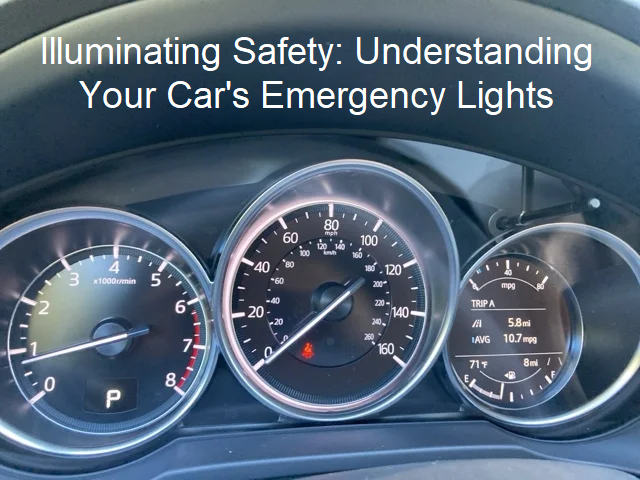
Illuminating Safety: Understanding Your Car's Emergency Lights

Your car's emergency lights are like silent guardians, ready to communicate crucial information to other drivers and pedestrians on the road. In this blog post, we'll delve into the different types of emergency lights in your vehicle, their functions, and when and how to use them effectively. more Hazard Lights (Flashers) Function: Hazard lights, commonly known as flashers, are designed to alert others to a potential road hazard or emergency. When to Use: Use hazard lights when your vehicle is stationary and facing an emergency situation, such as a breakdown, flat tire, or when parked in a hazardous location. Pro Tip: It's important to use hazard lights only when your vehicle is stationary. Activating them while driving can confuse other motorists and may be illegal in some areas. Turn Signals Function: Turn signals, or indicators, communicate your intention to turn or change lanes to other drivers. When to Use: Activate turn signals well in advance of making a turn or changing lanes. This gives other drivers ample time to anticipate your movements. Pro Tip: Always check that your turn signals are functioning properly during routine vehicle checks. Emergency Brake Lights Function: Some vehicles are equipped with emergency brake lights that illuminate more brightly when the driver applies the brakes forcefully. When to Use: Emergency brake lights activate during sudden and hard braking, signaling to following drivers that you are making a sudden stop. Pro Tip: Familiarize yourself with your vehicle's braking system, and use emergency brake lights judiciously to communicate urgency. Emergency Flashers in Motion Function: In some situations, flashing your headlights while driving can signal an emergency or a need for assistance. When to Use: Use this feature sparingly and only in situations where immediate attention is required, such as a medical emergency or when signaling for help. Pro Tip: Be aware that in some regions, flashing headlights while driving may be subject to legal restrictions. Fog Lights Function: Fog lights are designed to improve visibility in adverse weather conditions, such as dense fog or heavy rain. When to Use: Turn on fog lights when driving in foggy conditions, heavy rain, or when visibility is significantly reduced. Pro Tip: Avoid using fog lights in clear conditions, as they can be blinding to other drivers. Understanding Dashboard Warning Lights Function: Modern vehicles are equipped with various warning lights on the dashboard that signal specific issues, such as engine trouble, low tire pressure, or low fuel. When to Take Action: Respond promptly to dashboard warning lights by consulting your vehicle's manual or seeking professional assistance. Ignoring warning lights can lead to more significant problems. Vital Communication Your car's emergency lights are vital communication tools that enhance road safety and facilitate smooth traffic flow. Understanding when and how to use these lights ensures that you can navigate emergency situations effectively and convey important information to fellow drivers. Regularly check your vehicle's lighting systems to ensure they are functioning correctly, and always adhere to local traffic laws regarding the use of emergency lights. By doing so, you contribute to a safer and more cooperative driving environment for everyone on the road.

bm2-aug-title

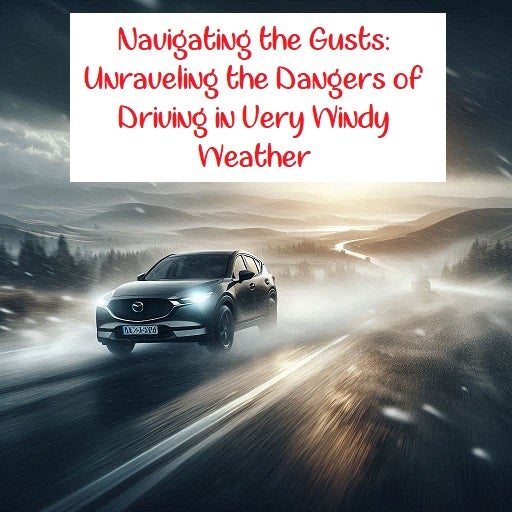
Navigating the Gusts: Unraveling the Dangers of Driving in Very Windy Weather

While the allure of a gentle breeze is often pleasant, the story changes when the wind picks up its pace, transforming a simple drive into a potential hazard. Very windy weather poses unique challenges for drivers, requiring heightened awareness and caution. In this blog, we'll delve into the dangers of driving in very windy conditions, exploring the risks and offering essential tips to navigate the gusts safely. more Reduced Vehicle Stability One of the primary dangers of driving in very windy weather is the reduction in vehicle stability. Strong gusts can create unpredictable shifts in your vehicle's trajectory, especially if you are driving a high-profile vehicle such as a truck, RV, or a vehicle with a roof rack. Sudden lateral movements can catch even experienced drivers off guard, leading to loss of control. Crosswinds and Lane Deviation Crosswinds, which blow across the direction of travel, can be particularly challenging. They have the potential to push your vehicle sideways, causing it to drift out of your lane. This scenario becomes especially perilous when driving on highways or exposed bridges where crosswinds can be more intense. Wind Gusts and Sudden Maneuvers Wind gusts are sudden and forceful bursts of wind that can catch drivers by surprise. These gusts can result in sudden movements of your vehicle, making steering control more challenging. Abrupt adjustments to correct for the wind can lead to over-correction, putting the vehicle at risk of swerving or even tipping over. Debris Hazards Very windy weather often brings along flying debris, such as branches, dust, or loose objects. These items can become projectiles on the road, posing hazards to both the vehicle and its occupants. Reduced visibility due to airborne debris further complicates the driving experience. High-Profile Vehicle Vulnerability High-profile vehicles, including trucks, buses, and RVs, are particularly vulnerable to the dangers of very windy weather. Their large surface areas make them more susceptible to the effects of crosswinds and gusts, increasing the risk of instability and potential accidents. Impact on Braking Distance Windy conditions can influence a vehicle's braking distance. The sudden need to brake in the midst of strong winds may lead to longer stopping distances, potentially causing rear-end collisions or difficulties in navigating stop-and-go traffic. Turbulence Near Large Vehicles Driving in very windy weather near larger vehicles, such as semi-trucks, can expose drivers to the effects of turbulence. The turbulent air generated by these larger vehicles can lead to sudden shifts in your vehicle's position, requiring additional caution and focus. Tips for Safely Navigating Very Windy Weather Reduce Speed: Slow down to maintain better control and reaction time in windy conditions. Maintain a Firm Grip: Keep a firm grip on the steering wheel to counter sudden gusts. Increase Following Distance: Allow for greater space between your vehicle and others for safety. Avoid High-Profile Vehicles: If possible, steer clear of high-profile vehicles during windy weather. Stay Informed: Check weather forecasts and road conditions before embarking on a journey. Demands Heightened Attention Driving in very windy weather demands heightened attention, caution, and a proactive approach to minimize risks. Understanding the dangers of reduced vehicle stability, crosswinds, sudden maneuvers, debris hazards, high-profile vehicle vulnerability, braking distance impact, and turbulence near large vehicles is crucial for making informed decisions on the road. By following safety tips and staying attuned to weather conditions, drivers can navigate the gusts with greater confidence and reduce the likelihood of accidents during very windy weather.

DALL·E-2024-04-04-09.32.53-photograph-of-a-car-driving-in-rain-looking-through-the-windshield-from-the-inside

Avoiding the Abyss: The Critical Reasons Why You Should Never Drive on Flooded Roads

In the face of heavy rains or severe weather, flooded roads can present a deceptive and treacherous challenge for drivers. While the temptation to navigate through the water may arise, it's crucial to understand the potential dangers and make a responsible decision. This blog will delve into the critical reasons why driving on flooded roads is a risk that should never be taken lightly. more Unpredictable Water Depth Flooded roads can hide the true depth of the water beneath the surface. What may seem like a shallow puddle could conceal a deeper pool, making it impossible to gauge the actual water depth. Attempting to drive through flooded areas puts you at risk of getting stuck or, worse, submerging your vehicle in dangerously deep waters. Swiftly Moving Water Floodwaters are notorious for their swift and unpredictable currents. Even seemingly calm water can carry tremendous force, making it easy for a vehicle to be swept away. The force of moving water can quickly overpower even large and heavy vehicles, turning a seemingly innocent decision to drive through a flooded road into a life-threatening situation. Hidden Hazards Flooded roads may hide various hazards beneath the water's surface, such as debris, fallen branches, or even downed power lines. These unseen dangers can damage your vehicle or pose serious risks to your safety. Driving through flooded areas increases the likelihood of encountering hidden hazards that could lead to accidents or injuries. Engine Damage and Stalling Floodwaters can wreak havoc on a vehicle's engine and internal components. Submerging your car in water increases the risk of water entering the engine or other critical systems, causing extensive damage. Stalled engines are a common consequence of attempting to drive through flooded areas, leaving you stranded and facing costly repairs. Electrical Risks Modern vehicles are equipped with intricate electrical systems that are highly susceptible to water damage. Attempting to drive through flooded roads increases the risk of short circuits, electrical failures, and potential fire hazards. Water and electricity are a dangerous combination, and attempting to navigate flooded areas puts both your vehicle and personal safety at significant risk. Rescue Challenges Driving on flooded roads not only endangers your safety but also places a burden on emergency responders who may need to rescue stranded individuals. Swift-water rescue operations are complex and risky, diverting resources from other critical emergencies. By avoiding flooded roads, you contribute to the safety of yourself and the community as a whole. Prioritize Safety The allure of navigating through flooded roads may be strong, especially in urgent situations, but the risks far outweigh the potential benefits. The unpredictability of water depth, swift currents, hidden hazards, engine damage, electrical risks, and the strain on emergency services are compelling reasons to exercise caution and never attempt to drive on flooded roads. Prioritize safety, stay informed about weather conditions, and choose alternative routes to ensure you and your passengers navigate safely through adverse weather situations. Remember, the road to safety is the one that avoids the dangerous depths of flooded streets.

Contact Us

Fill out this form below and we'll contact you shortly
*Required Fields