Blog / Safety

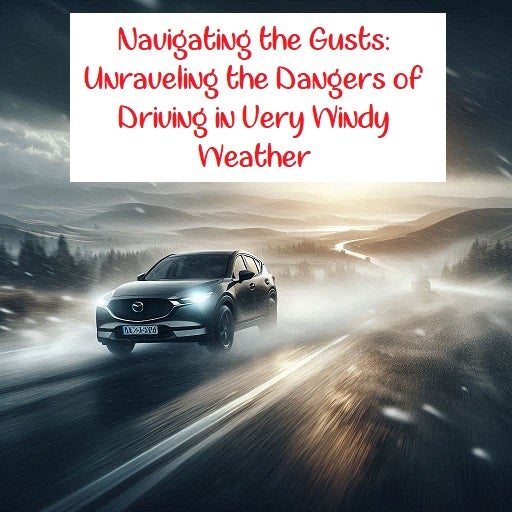
Navigating the Gusts: Unraveling the Dangers of Driving in Very Windy Weather

bm2-aug-title

While the allure of a gentle breeze is often pleasant, the story changes when the wind picks up its pace, transforming a simple drive into a potential hazard. Very windy weather poses unique challenges for drivers, requiring heightened awareness and caution. In this blog, we'll delve into the dangers of driving in very windy conditions, exploring the risks and offering essential tips to navigate the gusts safely.

Reduced Vehicle Stability

One of the primary dangers of driving in very windy weather is the reduction in vehicle stability. Strong gusts can create unpredictable shifts in your vehicle's trajectory, especially if you are driving a high-profile vehicle such as a truck, RV, or a vehicle with a roof rack. Sudden lateral movements can catch even experienced drivers off guard, leading to loss of control.

Crosswinds and Lane Deviation

Crosswinds, which blow across the direction of travel, can be particularly challenging. They have the potential to push your vehicle sideways, causing it to drift out of your lane. This scenario becomes especially perilous when driving on highways or exposed bridges where crosswinds can be more intense.

Wind Gusts and Sudden Maneuvers

Wind gusts are sudden and forceful bursts of wind that can catch drivers by surprise. These gusts can result in sudden movements of your vehicle, making steering control more challenging. Abrupt adjustments to correct for the wind can lead to over-correction, putting the vehicle at risk of swerving or even tipping over.

Debris Hazards

Very windy weather often brings along flying debris, such as branches, dust, or loose objects. These items can become projectiles on the road, posing hazards to both the vehicle and its occupants. Reduced visibility due to airborne debris further complicates the driving experience.

High-Profile Vehicle Vulnerability

High-profile vehicles, including trucks, buses, and RVs, are particularly vulnerable to the dangers of very windy weather. Their large surface areas make them more susceptible to the effects of crosswinds and gusts, increasing the risk of instability and potential accidents.

Impact on Braking Distance

Windy conditions can influence a vehicle's braking distance. The sudden need to brake in the midst of strong winds may lead to longer stopping distances, potentially causing rear-end collisions or difficulties in navigating stop-and-go traffic.

Turbulence Near Large Vehicles

Driving in very windy weather near larger vehicles, such as semi-trucks, can expose drivers to the effects of turbulence. The turbulent air generated by these larger vehicles can lead to sudden shifts in your vehicle's position, requiring additional caution and focus.

Tips for Safely Navigating Very Windy Weather

  • Reduce Speed: Slow down to maintain better control and reaction time in windy conditions.
  • Maintain a Firm Grip: Keep a firm grip on the steering wheel to counter sudden gusts.
  • Increase Following Distance: Allow for greater space between your vehicle and others for safety.
  • Avoid High-Profile Vehicles: If possible, steer clear of high-profile vehicles during windy weather.
  • Stay Informed: Check weather forecasts and road conditions before embarking on a journey.

Demands Heightened Attention

Driving in very windy weather demands heightened attention, caution, and a proactive approach to minimize risks. Understanding the dangers of reduced vehicle stability, crosswinds, sudden maneuvers, debris hazards, high-profile vehicle vulnerability, braking distance impact, and turbulence near large vehicles is crucial for making informed decisions on the road. By following safety tips and staying attuned to weather conditions, drivers can navigate the gusts with greater confidence and reduce the likelihood of accidents during very windy weather.
Posted in:

Related Posts

DALL·E-2024-04-04-09.32.53-photograph-of-a-car-driving-in-rain-looking-through-the-windshield-from-the-inside

Avoiding the Abyss: The Critical Reasons Why You Should Never Drive on Flooded Roads

In the face of heavy rains or severe weather, flooded roads can present a deceptive and treacherous challenge for drivers. While the temptation to navigate through the water may arise, it's crucial to understand the potential dangers and make a responsible decision. This blog will delve into the critical reasons why driving on flooded roads is a risk that should never be taken lightly. more Unpredictable Water Depth Flooded roads can hide the true depth of the water beneath the surface. What may seem like a shallow puddle could conceal a deeper pool, making it impossible to gauge the actual water depth. Attempting to drive through flooded areas puts you at risk of getting stuck or, worse, submerging your vehicle in dangerously deep waters. Swiftly Moving Water Floodwaters are notorious for their swift and unpredictable currents. Even seemingly calm water can carry tremendous force, making it easy for a vehicle to be swept away. The force of moving water can quickly overpower even large and heavy vehicles, turning a seemingly innocent decision to drive through a flooded road into a life-threatening situation. Hidden Hazards Flooded roads may hide various hazards beneath the water's surface, such as debris, fallen branches, or even downed power lines. These unseen dangers can damage your vehicle or pose serious risks to your safety. Driving through flooded areas increases the likelihood of encountering hidden hazards that could lead to accidents or injuries. Engine Damage and Stalling Floodwaters can wreak havoc on a vehicle's engine and internal components. Submerging your car in water increases the risk of water entering the engine or other critical systems, causing extensive damage. Stalled engines are a common consequence of attempting to drive through flooded areas, leaving you stranded and facing costly repairs. Electrical Risks Modern vehicles are equipped with intricate electrical systems that are highly susceptible to water damage. Attempting to drive through flooded roads increases the risk of short circuits, electrical failures, and potential fire hazards. Water and electricity are a dangerous combination, and attempting to navigate flooded areas puts both your vehicle and personal safety at significant risk. Rescue Challenges Driving on flooded roads not only endangers your safety but also places a burden on emergency responders who may need to rescue stranded individuals. Swift-water rescue operations are complex and risky, diverting resources from other critical emergencies. By avoiding flooded roads, you contribute to the safety of yourself and the community as a whole. Prioritize Safety The allure of navigating through flooded roads may be strong, especially in urgent situations, but the risks far outweigh the potential benefits. The unpredictability of water depth, swift currents, hidden hazards, engine damage, electrical risks, and the strain on emergency services are compelling reasons to exercise caution and never attempt to drive on flooded roads. Prioritize safety, stay informed about weather conditions, and choose alternative routes to ensure you and your passengers navigate safely through adverse weather situations. Remember, the road to safety is the one that avoids the dangerous depths of flooded streets.

Top 10 Car Insurance FAQs

Car insurance is a complex topic, and there are many questions that people have about it. To help you better understand car insurance, here are 10 frequently asked questions about car insurance. more What is car insurance? Car insurance is a type of insurance that provides financial protection against physical damage and/or bodily injury resulting from traffic collisions and against liability that could also arise from incidents in a vehicle. What does car insurance cover? Car insurance typically covers damage to your vehicle, medical expenses, legal costs, and other expenses related to an accident. It may also cover damage caused by theft, vandalism, and other events. How much does car insurance cost? The cost of car insurance varies depending on the type of coverage you choose, the amount of coverage you need, and other factors such as your age, driving record, and the make and model of your car. What is the difference between liability and comprehensive coverage? Liability coverage pays for damages you cause to another person or their property. Comprehensive coverage pays for damages to your own vehicle caused by an event other than a collision, such as theft, vandalism, or a natural disaster. What is an insurance deductible? An insurance deductible is the amount of money you must pay out of pocket before your insurance company will pay for a claim. What is an uninsured/underinsured motorist coverage? Uninsured/underinsured motorist coverage pays for damages caused by a driver who does not have insurance or does not have enough insurance to cover the damages. What is a no-fault state? A no-fault state is a state that requires drivers to carry personal injury protection (PIP) insurance, which pays for medical expenses regardless of who is at fault in an accident. What is a named-driver policy? A named-driver policy is a type of car insurance policy that only covers the named drivers on the policy. What is a non-owner car insurance policy? A non-owner car insurance policy is a type of car insurance policy that covers drivers who do not own a car but still need insurance coverage. What is gap insurance? Gap insurance is a type of car insurance that pays the difference between the actual cash value of a vehicle and the amount still owed on the loan if the vehicle is totaled or stolen.

Best Tips for Driving in Winter Weather

Winter weather can be a challenge for drivers, especially if you’re not used to it. Snow, ice, and freezing temperatures can make driving conditions hazardous, so it’s important to take extra precautions when driving in winter weather. more Here are some of the best tips for driving in winter weather: Be Ready for Winter Make sure your car is ready for winter. Before you hit the road, make sure your car is in good condition. Check your tires, brakes, and windshield wipers to make sure they’re in good working order. Make sure your car has enough antifreeze and that your battery is fully charged. Slow Down Winter weather can make roads slippery and reduce visibility, so it’s important to slow down and give yourself extra time to react to any unexpected situations. Increase your Following Distance Give yourself plenty of space between you and the car in front of you. This will give you more time to react if the car in front of you stops suddenly. Use Your Headlights Make sure your headlights are on at all times, even during the day. This will help other drivers see you more easily. Avoid Sudden Movements When driving in winter weather, it’s important to avoid sudden movements, such as sudden braking or accelerating. This can cause your car to skid or spin out of control. Be Aware of Black Ice Black ice is a thin layer of ice that can form on roads and is difficult to see. Be extra cautious when driving on roads that may be prone to black ice. Don’t Use Cruise Control Cruise control can be dangerous in winter weather, as it can cause your car to accelerate too quickly on slippery roads. Following these tips can help you stay safe while driving in winter weather. Remember to take your time and be extra cautious when driving in winter weather.