Blog / Important Information

Blog

All Important Information News Technology Mazda Model Features Tips Mazda Service Features & Specs Awards Service Mazda Vehicles Mazda Safety Technology Money Saving Tips Safety Beach Mazda Service History 2023 Models Community Events Comparisons Financing Your Mazda Fun Stuff Local 2024 Models Holidays Mazda Parts Car Buying Process Driver-Centric Design EVs Exterior Fuel & Gas Pre-Owned Certified Pre-Owned Mazda Vehicles Electric & Hybrid Vehicles Infotainment Insurance Mazda Accessories Mazda CX-30 Mazda3 Racing Restaurants & Food Tires & Wheels Travel Activities Drive For Good Kodo Design Language Mazda CX-5 Mazda CX-9 Mazda Motorsports Automotive Cleaning Fuel System Interior Paint & Body Work Seasonal Down-payments Mazda Connect Transmission Weather Brakes i-Activsense Technology Large Vehicles & SUVs Millennials Suspension System Towing
bm1 dec title

Behind the Wheel: Top 5 Questions to Ask Yourself Before Buying a New Car

Purchasing a new car is an exciting endeavor that requires thoughtful consideration and research. Before you drive off the lot with your shiny new vehicle, it's essential to ask yourself a series of questions to ensure that the car you choose aligns with your needs, preferences, and budget. In this blog post, we'll explore the top five questions you should ask yourself before making that significant investment. more 1. What Are My Budgetary Constraints? Understanding your financial limits is the first step in the car-buying process. Determine your budget by evaluating your current financial situation, factoring in not only the purchase price of the car but also additional costs like insurance, taxes, registration fees, and potential financing interest. Establishing a clear budget will guide your choices and help you avoid overextending financially. 2. What Are My Priorities and Needs? Consider your lifestyle, daily commute, and future plans when assessing your priorities and needs in a new car. Are you looking for fuel efficiency for long commutes? Do you need ample cargo space for family outings? Prioritize features such as safety, technology, and comfort based on your specific requirements. Knowing your priorities will help narrow down the myriad of options available in the automotive market. 3. New or Used: What Fits My Situation? Determine whether a new or used car best suits your needs. While a new car offers the latest features, warranties, and the satisfaction of being the first owner, a used car may provide a more affordable option with the potential for lower depreciation. Weigh the pros and cons of each based on your budget and preferences. 4. How Will I Finance the Purchase? Consider your financing options and decide whether you'll pay for the car upfront, finance it through a loan, or lease it. If financing, shop around for the best interest rates and terms. Understanding your financing strategy will impact your monthly payments and overall cost of ownership. 5. What Are the Long-Term Costs? Beyond the initial purchase price, assess the long-term costs associated with owning the car. Research the vehicle's fuel efficiency, maintenance requirements, and potential repair costs. Understanding these factors will give you a realistic picture of the ongoing expenses you'll incur throughout your ownership. Bonus Question: What Do Reviews and Research Say? Before finalizing your decision, delve into reviews and research on the specific make and model you're considering. Evaluate reliability ratings, safety features, and user reviews. This step ensures that you're well-informed about the car's performance, potential issues, and overall reputation. Five Crucial Questions Asking yourself these five crucial questions before buying a new car empowers you to make a well-informed decision that aligns with your financial capacity and lifestyle. Remember, the process of buying a car is not just about the thrill of a new ride but also about securing a vehicle that meets your needs and enhances your daily experiences on the road. By taking the time to reflect on these key questions, you'll navigate the car-buying journey with confidence and satisfaction.

bm4 nov title

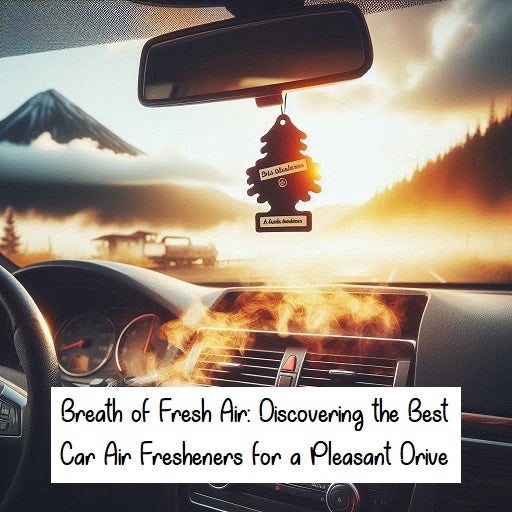
Breath of Fresh Air: Discovering the Best Car Air Fresheners for a Pleasant Drive

Your car is more than just a means of transportation; it's your personal space on wheels. Enhancing the driving experience goes beyond a smooth ride and stylish interior – it extends to the ambiance inside your vehicle. In this blog, we'll explore the world of car air fresheners, helping you discover the best options to keep your car smelling delightful during every journey. more Febreze Car Air Freshener Clips Why It's Great: Febreze is a trusted name in freshness, and their car air freshener clips are no exception. These clips attach easily to your car's air vents, releasing a burst of fragrance as air flows through. Variety: Febreze offers a range of scents, allowing you to choose from classic favorites or explore new, invigorating fragrances. Yankee Candle Car Jar Ultimate Why It's Great: Known for their premium candles, Yankee Candle brings their expertise to car air fresheners. The Car Jar Ultimate hangs freely in your car, offering a consistent release of pleasant fragrance. Long-Lasting: The Car Jar Ultimate is designed to last for weeks, providing a long-lasting solution for a fresh-smelling car. Little Trees Vent Wrap Why It's Great: Little Trees is an iconic brand in the world of air fresheners, and their Vent Wrap is a discreet and effective option. These wraps attach to your car's vents, ensuring a subtle and continuous release of fragrance. Variety and Style: With a wide range of scents and stylish designs, Little Trees Vent Wraps offer both functionality and a touch of personalization. Meguiar's Whole Car Air Re-Fresher Why It's Great: Meguiar's takes a different approach with their Whole Car Air Re-Fresher. This aerosol spray is designed to be used with your car's HVAC system, effectively treating the entire interior. Eliminates Odors: Meguiar's formula doesn't just mask odors – it eliminates them, leaving your car with a clean and fresh scent. Chemical Guys New Car Smell Premium Air Freshener Why It's Great: If you love the scent of a new car, Chemical Guys has you covered. Their New Car Smell Premium Air Freshener captures the essence of a freshly manufactured vehicle. Concentrated Formula: A little goes a long way with this concentrated formula, ensuring a lasting and authentic new car fragrance. Ozium Gel Why It's Great: Ozium Gel is a powerful option for those seeking to neutralize odors rather than mask them. It's a gel-based air freshener that works continuously to combat unwanted smells. Effective Odor Elimination: Ozium is known for its effectiveness in eliminating odors, making it a go-to choice for those dealing with persistent or challenging smells. California Scents Spillproof Organic Air Freshener Why It's Great: California Scents offers an eco-friendly and organic solution with their spill-proof air fresheners. These compact cans can be placed in various locations within your car for consistent freshness. Environmentally Conscious: If sustainability is a priority, California Scents provides an option that is both effective and environmentally conscious. Dr. Marcus EcoBreeze Car Air Freshener Vent Sticks Why It's Great: Dr. Marcus offers a unique and eco-friendly solution with their vent sticks. Made from natural wood, these sticks attach to your car's vents, providing a refreshing and long-lasting fragrance. Natural Materials: The use of natural materials adds an earthy and organic touch to your car's interior. Purggo Car Air Freshener Why It's Great: Purggo takes a different approach by using bamboo charcoal to naturally absorb and neutralize odors. It's an eco-friendly and allergen-free option that doesn't release any additional fragrances. Long-Lasting and Reusable: The Purggo Car Air Freshener is not only effective but also reusable. Simply place it in the sun to rejuvenate its odor-absorbing capabilities. Areon Ken Car Air Freshener Gel Why It's Great: Areon Ken offers a stylish and effective gel-based air freshener. Housed in a sleek container, the gel slowly releases a pleasant fragrance, creating a luxurious ambiance in your car. Elegant Design: Beyond its fragrance, the Areon Ken air freshener adds a touch of elegance to your car's interior with its sophisticated design. A Personal Choice Selecting the best car air freshener is a personal choice based on your preferences and the ambiance you want to create in your vehicle. Whether you prefer clips, sprays, gels, or natural options, the market offers a wide array of choices to suit every taste. Experiment with different scents and formats to discover the perfect air freshener that transforms every drive into a breath of fresh air.

bm3 nov title

Drive Smart, Save Smart: 10 Proven Ways to Cut Costs on Car Insurance

Introduction: Car insurance is a necessary expense for every driver, but that doesn't mean you have to break the bank to stay protected on the road. With a strategic approach and awareness of available options, you can save money on your car insurance premiums without compromising on coverage. In this blog, we'll explore ten effective ways to cut costs and drive smart while enjoying the benefits of affordable car insurance. more 1. Shop Around and Compare Quotes: Why It Matters: Insurance rates can vary significantly between providers. By shopping around and obtaining quotes from multiple insurers, you can identify the most competitive rates that suit your budget. How to Save: Utilize online comparison tools and obtain quotes directly from insurance providers. Compare coverage options, deductibles, and discounts to make an informed decision. 2. Bundle Your Policies: Why It Matters: Many insurance companies offer discounts when you bundle multiple policies, such as auto and home insurance. Bundling can lead to significant savings on your overall insurance costs. How to Save: Inquire with your current insurance provider or explore options with new providers to determine the potential discounts available for bundling policies. 3. Increase Your Deductible: Why It Matters: Opting for a higher deductible can result in lower premium payments. While it means taking on more financial responsibility in the event of a claim, it can significantly reduce your monthly or annual insurance costs. How to Save: Evaluate your financial situation and choose a deductible that aligns with your ability to cover out-of-pocket expenses in the event of an accident. 4. Maintain a Clean Driving Record: Why It Matters: Safe driving habits not only keep you and others on the road safe but also contribute to lower insurance premiums. A clean driving record is often rewarded with discounts. How to Save: Drive responsibly, obey traffic laws, and avoid accidents. Safe driving can lead to discounts and lower premiums over time. 5. Take Advantage of Discounts: Why It Matters: Insurance providers offer various discounts that can significantly reduce your premiums. Common discounts include safe driver discounts, multi-policy discounts, and good student discounts. How to Save: Inquire about available discounts and ensure you are taking advantage of all applicable ones. Discounts may also be available for features like anti-theft devices and safety features in your vehicle. 6. Maintain a Good Credit Score: Why It Matters: In many states, insurance companies use credit scores as a factor in determining premiums. A good credit score can positively influence your insurance rates. How to Save: Regularly monitor and improve your credit score. Responsible financial habits can lead to lower insurance premiums. 7. Drive Less and Consider Pay-Per-Mile Insurance: Why It Matters: Insurance providers often offer lower rates to drivers with lower annual mileage. Pay-per-mile insurance models calculate premiums based on the actual number of miles you drive. How to Save: Reduce your annual mileage when possible. If you have a low driving frequency, inquire about pay-per-mile insurance options for potential savings. 8. Maintain Continuous Coverage: Why It Matters: Continuous insurance coverage without lapses is viewed favorably by insurance providers. It can contribute to lower premiums over time. How to Save: Avoid gaps in coverage and maintain continuous insurance. If you switch providers, ensure there is no lapse in coverage to maximize potential savings. 9. Choose the Right Vehicle: Why It Matters: The type of vehicle you drive influences insurance premiums. High-performance or luxury cars often come with higher insurance costs. How to Save: When selecting a vehicle, consider insurance costs. Safe and reliable vehicles with lower repair and replacement costs typically result in more affordable insurance. 10. Attend Defensive Driving Courses: Why It Matters: Completing defensive driving courses can improve your driving skills and make you eligible for discounts from many insurance providers. How to Save: Enroll in a recognized defensive driving course. Check with your insurer to confirm eligibility for discounts and potential premium reductions. Strategic Decision-making Saving money on car insurance is a matter of strategic decision-making, responsible driving, and taking advantage of available discounts. By being proactive, comparing options, and adopting safe driving habits, you can enjoy the benefits of affordable car insurance without compromising

bm2 nov title

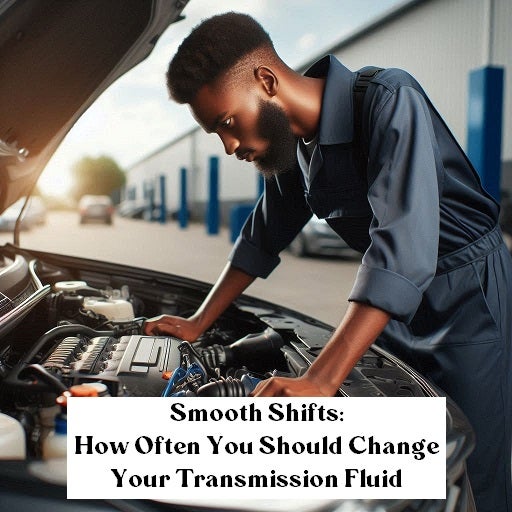
Smooth Shifts: How Often You Should Change Your Transmission Fluid

Your vehicle's transmission is a critical component that ensures the smooth operation of gears, allowing for efficient power transfer from the engine to the wheels. One key factor in maintaining a healthy transmission is regular fluid changes. In this blog post, we'll explore the importance of transmission fluid, signs that it may need changing, and the recommended frequency for this crucial maintenance task. more The Role of Transmission Fluid Transmission fluid serves multiple essential functions in your vehicle's transmission system: Lubrication: Transmission fluid lubricates the various moving parts within the transmission, reducing friction and preventing wear and tear. Cooling: It helps dissipate heat generated during the operation of the transmission, preventing overheating and potential damage. Seal Conditioning: Transmission fluid conditions and maintains the integrity of seals, preventing leaks and ensuring a tight seal on various components. Signs Your Transmission Fluid Needs Changing While there is a recommended schedule for changing transmission fluid, it's crucial to pay attention to your vehicle's specific needs. Signs that your transmission fluid may need changing include: Discolored Fluid: Transmission fluid is typically a bright red color. If it appears brown or has a burnt smell, it may be time for a change. Slipping Gears: If you experience a delay or slipping sensation when shifting gears, it could indicate insufficient or degraded transmission fluid. Unusual Noises: Whining or clunking noises during gear shifts may be a sign of inadequate lubrication, often due to deteriorating transmission fluid. Overheating: An overheating transmission can lead to fluid breakdown. If you notice your transmission temperature rising, it's crucial to address the issue promptly. Recommended Frequency for Transmission Fluid Changes The recommended frequency for changing transmission fluid can vary depending on the make and model of your vehicle. However, a general guideline is to change the transmission fluid every 30,000 to 60,000 miles (48,000 to 96,000 kilometers). Normal Driving Conditions: For vehicles that undergo regular, everyday driving without extreme conditions, the 30,000 to 60,000-mile range is a suitable guideline. Severe Driving Conditions: If you often engage in severe driving conditions, such as towing heavy loads, driving in stop-and-go traffic, or frequent short trips, consider changing the transmission fluid more frequently—closer to the 30,000-mile mark. DIY or Professional Service Changing transmission fluid can be a DIY task for some, but it may require specialized tools and expertise. If you're comfortable performing automotive maintenance tasks and your vehicle's design allows for easy access to the transmission fluid, you might consider tackling this job yourself. However, if you're unsure or prefer professional assistance, a certified mechanic or service center can ensure the task is done correctly. Vital Maintenance Regular transmission fluid changes are vital for maintaining the health and longevity of your vehicle's transmission system. By adhering to the recommended frequency and staying vigilant for signs of fluid degradation, you can enjoy smoother shifts, prevent costly repairs, and extend the life of your transmission. Whether you choose to perform the task yourself or seek professional help, prioritizing transmission fluid changes is a key aspect of responsible vehicle ownership.

bm1 nov title

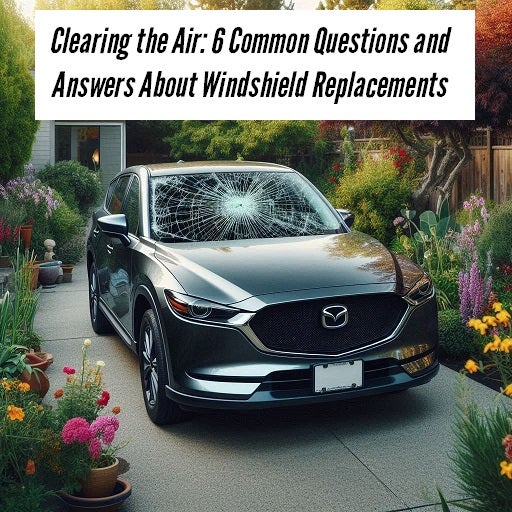
Clearing the Air: 6 Common Questions and Answers About Windshield Replacements

Your car's windshield is not just a protective barrier against the elements; it's a crucial component of your vehicle's structural integrity and safety features. When faced with windshield damage, understanding the essentials of windshield replacement is essential. In this blog, we'll address six common questions about windshield replacements to guide you through the process. more Q: Can a Cracked Windshield Be Repaired, or Does It Need Replacement? A: In some cases, minor chips or cracks can be repaired using specialized techniques. However, if the damage is extensive, located in the driver's line of sight, or compromises the structural integrity of the windshield, replacement is often the safer and more effective option. Consulting with a professional technician can help determine the best course of action for your specific situation. Q: How Long Does a Windshield Replacement Take? A: The duration of a windshield replacement depends on various factors, including the complexity of the installation and the type of adhesive used. On average, the process can take anywhere from 1 to 2 hours. It's advisable to check with the auto glass service provider for a more accurate estimate based on your vehicle's make and model. Q: Will Insurance Cover the Cost of a Windshield Replacement? A: Many insurance policies cover windshield replacements, and some even offer full coverage without imposing a deductible. Check your insurance policy to understand your coverage. If covered, the replacement cost is often taken care of by the insurance company, making it a cost-effective solution. Q: Can I Drive Immediately After a Windshield Replacement? A: While the adhesive used during the replacement process cures relatively quickly, it's recommended to wait until it fully sets before driving. This typically takes about 1 to 2 hours. Your technician will provide specific instructions, and it's crucial to follow them to ensure the windshield is secure and safe for driving. Q: What Type of Glass is Used for Windshield Replacements? A: Windshields are typically made of laminated safety glass, which consists of two layers of glass with a layer of polyvinyl butyral (PVB) in between. This design enhances safety by preventing the glass from shattering upon impact. When getting a replacement, it's essential to use glass that meets or exceeds original equipment manufacturer (OEM) standards to ensure proper fit and performance. Q: How Do I Care for a Newly Replaced Windshield? A: After a windshield replacement, avoid washing your car or exposing it to rain for at least 24 hours, allowing the adhesive to fully cure. Additionally: Do not slam car doors forcefully, as the increased pressure may affect the seal. Avoid off-road or high-impact driving immediately after replacement. Wait for a few days before using automated car washes to prevent damage to the fresh seal. A Common Necessity: Windshield replacements are a common necessity, whether due to chips, cracks, or extensive damage. Understanding the process, insurance coverage, and post-replacement care is crucial for a successful and safe windshield replacement. If you encounter windshield damage, seeking professional advice and timely replacement can help maintain the structural integrity of your vehicle and ensure a clear and safe view of the road ahead.

bm4 oct title

Listen Up: Top 3 Car Engine Noises That Demand Immediate Attention

Your car is like a symphony of moving parts, each contributing to the harmonious hum of a well-functioning engine. However, just like any orchestra, when one instrument is out of tune, the entire performance is affected. In the case of your car, unusual engine noises can be the early warning signs of potential issues that demand your immediate attention. In this blog post, we'll explore the top three car engine noises that should never be ignored. more Knocking or Pinging Sounds A distinct knocking or pinging noise coming from your engine can be an alarming sign of a problem with the combustion process. This noise is often caused by premature ignition of the air-fuel mixture in the cylinders, resulting in a knocking sound. Ignoring this issue can lead to serious damage to the engine. Possible Causes: Low-quality or incorrect fuel: Use the recommended fuel grade for your vehicle. Carbon buildup in the combustion chamber: Regular maintenance and fuel system cleaning can help prevent this issue. Faulty spark plugs or ignition timing: Replace spark plugs and ensure proper ignition timing during routine maintenance. Immediate Action: If you notice persistent knocking or pinging sounds, it's crucial to consult a professional mechanic promptly. Ignoring this issue can lead to piston damage, engine overheating, and decreased fuel efficiency. Squealing or Screeching Noises A high-pitched squealing or screeching noise when you start your car or while driving can indicate a problem with the belt system. Belts play a crucial role in powering various engine components, such as the alternator, water pump, and air conditioning compressor. Ignoring these noises may result in a sudden breakdown or even engine damage. Possible Causes: Worn or loose serpentine belt: Belts wear out over time and may need replacement. Faulty tensioner or pulley: A malfunctioning tensioner or pulley can lead to belt slippage and noise. Contaminated or damaged belt: Oil or coolant leaks can damage belts, causing noise. Immediate Action: Inspect the belt system visually for any signs of wear, damage, or misalignment. If you notice issues, consult a mechanic to replace the damaged components promptly. Ignoring belt issues can lead to a breakdown or a more expensive repair. Rattling or Ticking Sounds A consistent rattling or ticking noise from the engine can be an indication of a serious problem, such as issues with the timing chain or valve train. These components play a crucial role in controlling the timing and movement of engine parts, and any abnormalities can lead to significant damage. Possible Causes: Worn or damaged timing chain: A loose or damaged timing chain can result in engine misfires and decreased performance. Low oil levels or poor oil quality: Proper lubrication is essential for the smooth operation of engine components. Valve train issues: Damaged lifters, valves, or other valve train components can cause ticking sounds. Immediate Action: If you hear persistent rattling or ticking sounds, do not delay seeking professional assistance. These noises can be indicative of serious internal engine problems that, if left unaddressed, may lead to catastrophic engine failure. Be Attentive Your car's engine communicates with you through various sounds, and being attentive to these cues can help you catch potential issues before they escalate. If you notice any of the aforementioned noises, don't hesitate to consult a qualified mechanic. Regular maintenance, prompt attention to unusual sounds, and addressing issues early on can help keep your car's engine running smoothly and extend its lifespan. Remember, when it comes to your car's health, listening can be just as important as looking under the hood.

bm3 oct title

Driving Green: Carbon Footprint Reduction in the Auto Industry

As concerns about climate change intensify, the automotive industry is steering toward a greener future. Carbon footprint reduction has become a focal point for manufacturers, prompting innovations in technology, materials, and manufacturing processes. In this blog, we'll explore the initiatives and advancements in the auto industry that contribute to a sustainable and eco-friendly future. more 1. Electric Vehicles (EVs): Zero Emissions: Electric vehicles stand as the flag bearers of carbon footprint reduction. With no tailpipe emissions, EVs contribute to cleaner air and a substantial reduction in greenhouse gas emissions. 2. Hybrid Technology: Combining Efficiency: Hybrid vehicles, combining traditional internal combustion engines with electric power, offer improved fuel efficiency and reduced emissions compared to conventional vehicles. 3. Advancements in Fuel Efficiency: Innovative Engine Designs: Auto manufacturers are investing heavily in developing more fuel-efficient engines. Technologies like direct injection, turbocharging, and variable valve timing optimize combustion for better mileage and reduced carbon emissions. 4. Lightweight Materials: Cutting Weight, Cutting Emissions: The use of lightweight materials, such as aluminum and high-strength composites, reduces a vehicle's weight. Lighter vehicles require less energy to operate, resulting in lower fuel consumption and emissions. 5. Alternative Fuels: Diversifying Energy Sources: The auto industry is exploring alternative fuels like hydrogen and compressed natural gas (CNG) to diversify energy sources and reduce dependence on traditional fossil fuels. 6. Green Manufacturing Processes: Sustainable Production: Car manufacturers are adopting eco-friendly manufacturing processes, incorporating renewable energy sources, recycling materials, and minimizing waste to reduce the carbon footprint of vehicle production. 7. Lifecycle Assessments: Understanding the Full Impact: Lifecycle assessments evaluate the environmental impact of vehicles from production to disposal. This holistic approach helps manufacturers identify areas for improvement in reducing the overall carbon footprint. 8. Regenerative Braking Systems: Energy Recovery: Regenerative braking systems in electric and hybrid vehicles capture and convert kinetic energy during braking into electricity, increasing overall energy efficiency and reducing reliance on traditional braking systems. 9. Connected and Autonomous Vehicles: Optimizing Traffic Flow: Connected and autonomous vehicles can communicate with each other and traffic infrastructure to optimize traffic flow. This can reduce congestion and prevent unnecessary fuel consumption and emissions. 10. Carbon-Neutral Commitments: Corporate Responsibility: Several automakers are making bold commitments to achieve carbon neutrality. These initiatives involve offsetting emissions through tree-planting programs, renewable energy investments, and other sustainable practices. 11. Consumer Education and Incentives: Encouraging Sustainable Choices: Manufacturers are actively educating consumers about the environmental benefits of sustainable choices. Incentives, such as tax credits and rebates for purchasing electric vehicles, encourage the adoption of greener options. 12. Green Supply Chains: Sustainable Sourcing: Auto manufacturers are working with suppliers to ensure sustainable sourcing of materials. This includes responsibly mined metals and components with lower environmental impact. 13. End-of-Life Vehicle Recycling: Closing the Loop: Efficient recycling programs for end-of-life vehicles contribute to a circular economy. Recovering and reusing materials from retired vehicles reduce the demand for new raw materials. 14. Government Regulations and Standards: Driving Change Through Policy: Stringent emissions standards and regulations push auto manufacturers to invest in cleaner technologies and sustainable practices, driving the industry toward a lower carbon footprint. Industry's Commitment The auto industry's commitment to reducing its carbon footprint is evident in the array of innovations and initiatives aimed at creating a more sustainable future. From electric and hybrid vehicles to green manufacturing processes and a focus on sustainable sourcing, each step forward contributes to a cleaner and greener automotive landscape. As these efforts continue to gain momentum, the road ahead holds the promise of a more environmentally conscious and eco-friendly driving experience for all.

bm2 oct title

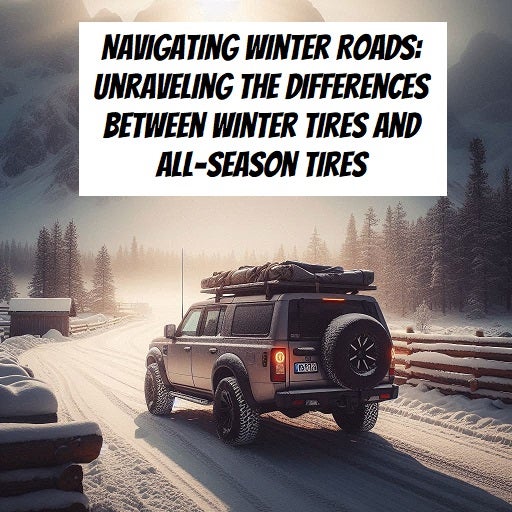
Navigating Winter Roads: Unraveling the Differences Between Winter Tires and All-Season Tires

As winter blankets the roads with snow and ice, your vehicle's safety relies heavily on the type of tires it wears. When it comes to choosing the right tires for winter driving, the debate often centers around two main contenders: winter tires and all-season tires. In this blog post, we'll dive into the key differences between these two tire types, helping you make an informed decision for safer winter travels. more Tread Design and Compound Winter Tires: Winter tires are specifically engineered to tackle cold and icy conditions. They feature a unique tread design with deeper grooves and a higher number of sipes (small channels) to enhance grip on slippery surfaces. The rubber compound used in winter tires remains flexible in low temperatures, providing better traction and grip in freezing conditions. All-Season Tires: All-season tires, as the name suggests, aim to provide a balanced performance in various weather conditions, including mild winter conditions. They come with a tread design that strikes a compromise between dry and wet traction. However, the rubber compound used in all-season tires may harden in extremely cold temperatures, leading to reduced flexibility and traction. Performance in Snow and Ice Winter Tires: Winter tires excel in snow and ice. The aggressive tread patterns and softer rubber compounds allow them to bite into snow and ice, providing superior traction and handling. The tread is designed to evacuate snow and slush efficiently, reducing the risk of skidding. All-Season Tires: While all-season tires offer better performance in winter compared to summer tires, they may struggle in extreme winter conditions. The tread patterns are not as aggressive, and the rubber compound is not as pliable in very cold temperatures, compromising their performance on snow and ice. Temperature Sensitivity Winter Tires: Winter tires are designed for cold weather, and their rubber compounds remain flexible even in freezing temperatures. This ensures optimal traction and handling in winter conditions. However, their performance may degrade in warmer temperatures, making them less suitable for year-round use. All-Season Tires: All-season tires are built to provide decent performance in a variety of conditions, including mild winter weather. They are a good compromise for drivers who do not face extreme winter conditions regularly. However, in very cold temperatures, their rubber may stiffen, affecting traction. Know the Difference Choosing between winter tires and all-season tires ultimately depends on your local climate and driving habits. If you frequently encounter harsh winter conditions with snow and ice, investing in a set of winter tires is a wise decision for enhanced safety and performance. On the other hand, if your winters are milder and you want a tire that can handle a variety of conditions throughout the year, all-season tires may be a more practical choice. Remember, the right tires can make a significant difference in your vehicle's handling and your safety on winter roads.

bm1 oct title

The Quick Fix: Super Easy Ways to Repair Scratches on Your Car

Scratches on your car's pristine paintwork can be a source of frustration, but fear not! There are super easy and effective ways to address minor scratches without breaking the bank or spending hours at an auto body shop. In this blog, we'll explore some DIY methods to help you fix those annoying scratches and restore your car's finish with minimal effort. more Assess the Depth of the Scratch Before diving into the fixes, assess the depth of the scratch. If the scratch is superficial, meaning it hasn't penetrated the clear coat, you can likely address it with these quick and easy methods. Use Toothpaste Toothpaste isn't just for your teeth – it can also work wonders on minor scratches. Choose a plain, non-gel toothpaste and apply a small amount to the scratch. Gently rub the toothpaste onto the affected area using a soft cloth or sponge. Wipe away the excess with a clean cloth, and voila! The mild abrasives in toothpaste can help reduce the appearance of superficial scratches. Nail Polish for Small Scratches For tiny scratches, clear nail polish can be an excellent quick fix. Clean the scratch and the surrounding area, then carefully apply a thin layer of clear nail polish over the scratch. Allow it to dry completely. The nail polish can fill in the scratch and create a smoother surface. DIY Baking Soda Paste Create a simple paste using baking soda and water. Mix equal parts of baking soda and water to form a thick paste. Apply the paste to the scratch, rubbing gently with a soft cloth in circular motions. Wipe away the residue and assess the results. This method is effective for light scratches. Scratch Repair Pens Scratch repair pens with clear coat applicators are readily available and can be an easy solution for minor scratches. Clean the scratch, apply the pen according to the instructions, and use a microfiber cloth to blend the clear coat. These pens often come in handy for small, shallow scratches. Car Scratch Remover Kits Consider investing in a car scratch remover kit that includes various compounds and polishes designed to address different levels of scratches. Follow the instructions provided in the kit for the best results. Buffing Compound for Light Scratches A light buffing compound can be effective for shallow scratches. Apply a small amount of the compound to a clean, soft cloth and rub it onto the scratch using circular motions. Buff the area until the scratch is less noticeable, and then wipe away any residue. Professional-Grade Polishing Compound If the scratch persists, you can opt for a professional-grade polishing compound. Apply the compound with a clean cloth and buff the scratched area. This method can be more aggressive, so use it with caution and follow the instructions carefully. Protect with Wax After addressing the scratch, protect the repaired area by applying a coat of car wax. This not only enhances the overall shine of your car but also provides an extra layer of protection against future scratches. Seek Professional Help for Deep Scratches If the scratch is deep, extends beyond the clear coat, or covers a large area, it's advisable to consult with a professional auto body shop for more comprehensive repairs. Fixing minor scratches on your car doesn't have to be a complicated or expensive endeavor. With these super easy and DIY-friendly methods, you can address superficial scratches and restore your car's appearance without the need for professional intervention. Remember to be gentle, follow instructions carefully, and always test any method on a small, inconspicuous area before applying it to the entire scratch. Enjoy the satisfaction of seeing those annoying scratches fade away as you bring back the shine to your beloved vehicle.

bm4-sept-title

Illuminating Safety: Understanding Your Car's Emergency Lights

Your car's emergency lights are like silent guardians, ready to communicate crucial information to other drivers and pedestrians on the road. In this blog post, we'll delve into the different types of emergency lights in your vehicle, their functions, and when and how to use them effectively. more Hazard Lights (Flashers) Function: Hazard lights, commonly known as flashers, are designed to alert others to a potential road hazard or emergency. When to Use: Use hazard lights when your vehicle is stationary and facing an emergency situation, such as a breakdown, flat tire, or when parked in a hazardous location. Pro Tip: It's important to use hazard lights only when your vehicle is stationary. Activating them while driving can confuse other motorists and may be illegal in some areas. Turn Signals Function: Turn signals, or indicators, communicate your intention to turn or change lanes to other drivers. When to Use: Activate turn signals well in advance of making a turn or changing lanes. This gives other drivers ample time to anticipate your movements. Pro Tip: Always check that your turn signals are functioning properly during routine vehicle checks. Emergency Brake Lights Function: Some vehicles are equipped with emergency brake lights that illuminate more brightly when the driver applies the brakes forcefully. When to Use: Emergency brake lights activate during sudden and hard braking, signaling to following drivers that you are making a sudden stop. Pro Tip: Familiarize yourself with your vehicle's braking system, and use emergency brake lights judiciously to communicate urgency. Emergency Flashers in Motion Function: In some situations, flashing your headlights while driving can signal an emergency or a need for assistance. When to Use: Use this feature sparingly and only in situations where immediate attention is required, such as a medical emergency or when signaling for help. Pro Tip: Be aware that in some regions, flashing headlights while driving may be subject to legal restrictions. Fog Lights Function: Fog lights are designed to improve visibility in adverse weather conditions, such as dense fog or heavy rain. When to Use: Turn on fog lights when driving in foggy conditions, heavy rain, or when visibility is significantly reduced. Pro Tip: Avoid using fog lights in clear conditions, as they can be blinding to other drivers. Understanding Dashboard Warning Lights Function: Modern vehicles are equipped with various warning lights on the dashboard that signal specific issues, such as engine trouble, low tire pressure, or low fuel. When to Take Action: Respond promptly to dashboard warning lights by consulting your vehicle's manual or seeking professional assistance. Ignoring warning lights can lead to more significant problems. Vital Communication Your car's emergency lights are vital communication tools that enhance road safety and facilitate smooth traffic flow. Understanding when and how to use these lights ensures that you can navigate emergency situations effectively and convey important information to fellow drivers. Regularly check your vehicle's lighting systems to ensure they are functioning correctly, and always adhere to local traffic laws regarding the use of emergency lights. By doing so, you contribute to a safer and more cooperative driving environment for everyone on the road.

bm3-sept-title

Navigating the Road: A Guide to Choosing the Best Vehicle for Yourself

Selecting the perfect vehicle is a significant decision that involves a blend of personal preferences, lifestyle considerations, and practical needs. Whether you're a first-time car buyer or considering an upgrade, finding the best vehicle for yourself requires thoughtful evaluation. In this blog, we'll explore key factors to consider and guide you through the process of making a well-informed decision. more Assess Your Lifestyle and Needs Begin by reflecting on your lifestyle and daily activities. Consider: Your commuting patterns. The number of passengers you typically transport. Your storage and cargo requirements. Any specific features or capabilities you prioritize, such as fuel efficiency, off-road capabilities, or advanced safety features. Determine Your Budget Establish a clear budget for your vehicle purchase. Consider not only the upfront cost but also ongoing expenses such as insurance, maintenance, and fuel. Stick to a budget that aligns with your financial comfort and long-term goals. New vs. Used Decide whether a new or used vehicle is a better fit for your needs. New cars offer the latest features, warranties, and the assurance of no prior ownership. Used cars, on the other hand, often provide better value for money and may have already experienced the bulk of depreciation. Consider Fuel Efficiency Evaluate the fuel efficiency of potential vehicles, especially if you have a long daily commute or plan to use the vehicle frequently. Fuel-efficient models can save you money over time and contribute to environmental sustainability. Explore Different Body Styles Vehicles come in various body styles, including sedans, SUVs, trucks, and hatchbacks. Each style offers unique advantages and caters to different preferences. Consider the level of comfort, space, and utility each body style provides to determine which aligns best with your lifestyle. Safety Features Prioritize safety features that align with your preferences and concerns. Look for vehicles equipped with advanced safety technologies such as airbags, anti-lock brakes, stability control, and modern driver-assistance features like lane departure warning and automatic emergency braking. Test Drive Multiple Models The best way to understand a vehicle's performance and comfort is through a test drive. Visit dealerships and test drive different models that fit your criteria. Pay attention to aspects like driving comfort, visibility, and overall handling. Research Reliability and Resale Value Investigate the reliability ratings and resale values of the vehicles you're interested in. Brands with a reputation for reliability and strong resale value can offer long-term benefits, ensuring your investment holds its value over time. Explore Financing Options Research financing options and consider whether buying or leasing aligns better with your financial goals. Evaluate interest rates, loan terms, and monthly payments to make an informed decision. Check Insurance Costs Before finalizing your decision, obtain insurance quotes for the vehicles you're considering. Insurance costs can vary based on factors like the model's safety features, repair costs, and overall risk profile. Read Reviews and Seek Recommendations Explore reviews from automotive experts and seek recommendations from friends, family, or online communities. Learning from the experiences of others can provide valuable insights into the pros and cons of specific models. Holistic Approach Choosing the best vehicle for yourself involves a holistic approach that considers your lifestyle, budget, and preferences. Take the time to thoroughly research and test drive different models, weigh the pros and cons, and make decisions aligned with your long-term goals. Whether you prioritize fuel efficiency, safety features, or specific body styles, the right vehicle is the one that seamlessly integrates into your life and enhances your overall driving experience. Happy driving!

bm1-sept-title

Navigating the Loan Landscape: Tips for Applying for a New Car Loan

Applying for a new car loan is a significant step on the road to vehicle ownership. Whether you're a first-time car buyer or a seasoned driver, understanding the intricacies of the loan application process is crucial to securing favorable terms. In this blog, we'll explore valuable tips to guide you through the process of applying for a new car loan and help you make informed decisions that align with your financial goals. more Check Your Credit Score Before applying for a car loan, check your credit score. Your credit score plays a pivotal role in determining the interest rate you qualify for. A higher credit score generally translates to lower interest rates, saving you money over the life of the loan. If your score is lower than desired, consider taking steps to improve it before applying. Establish a Realistic Budget Determine a realistic budget for your car purchase, taking into account your monthly income, existing expenses, and potential additional costs such as insurance and maintenance. Understanding your budget will help you narrow down the range of cars you can afford and ensure that your loan payments align with your financial capabilities. Save for a Down Payment While it's possible to secure a car loan with little to no down payment, putting money down upfront can have significant advantages. A down payment reduces the loan amount, resulting in lower monthly payments and potentially a more favorable interest rate. Aim for a down payment of at least 10-20% of the car's purchase price. Research Lenders and Loan Options Explore loan options from different lenders, including banks, credit unions, and online lenders. Research their interest rates, loan terms, and customer reviews. Getting quotes from multiple sources allows you to compare offers and choose the loan that best suits your needs. Get Preapproved Consider getting preapproved for a car loan before visiting the dealership. Preapproval provides you with a clear understanding of the loan amount and interest rate you qualify for, empowering you during the negotiation process. It also streamlines the car-buying experience and helps you stay within your budget. Understand the Loan Terms Carefully review the terms of the loan, including the interest rate, loan term, and any additional fees. Pay attention to the annual percentage rate (APR), which includes both the interest rate and any fees, providing a comprehensive view of the total cost of the loan. Ensure you understand the terms before committing to the loan. Consider Loan Term Length Evaluate the loan term carefully. While longer loan terms may result in lower monthly payments, they often lead to higher overall interest costs. Shorter loan terms may have higher monthly payments but can save you money in interest. Choose a term that aligns with your budget and financial goals. Read and Understand the Loan Agreement Before finalizing the loan, carefully read and understand the loan agreement. Pay attention to the terms and conditions, including any prepayment penalties or hidden fees. If there's anything you don't understand, seek clarification from the lender. Knowing the details of the loan agreement is crucial for making an informed decision. Driving Towards Financial Confidence Applying for a new car loan is a significant financial decision, and arming yourself with knowledge is key to securing the best possible terms. By checking your credit score, establishing a realistic budget, saving for a down payment, researching lenders, getting preapproved and understanding loan terms, you can navigate the loan landscape with confidence. Remember, a well-informed borrower is better positioned to make sound financial decisions and enjoy the excitement of a new car without unnecessary financial burdens.

Contact Us

Fill out this form below and we'll contact you shortly
*Required Fields