Blog / Electric & Hybrid Vehicles

Driving Green: Carbon Footprint Reduction in the Auto Industry

bm3 oct title

As concerns about climate change intensify, the automotive industry is steering toward a greener future. Carbon footprint reduction has become a focal point for manufacturers, prompting innovations in technology, materials, and manufacturing processes. In this blog, we'll explore the initiatives and advancements in the auto industry that contribute to a sustainable and eco-friendly future.

1. Electric Vehicles (EVs):

  • Zero Emissions: Electric vehicles stand as the flag bearers of carbon footprint reduction. With no tailpipe emissions, EVs contribute to cleaner air and a substantial reduction in greenhouse gas emissions.

2. Hybrid Technology:

  • Combining Efficiency: Hybrid vehicles, combining traditional internal combustion engines with electric power, offer improved fuel efficiency and reduced emissions compared to conventional vehicles.

3. Advancements in Fuel Efficiency:

  • Innovative Engine Designs: Auto manufacturers are investing heavily in developing more fuel-efficient engines. Technologies like direct injection, turbocharging, and variable valve timing optimize combustion for better mileage and reduced carbon emissions.

4. Lightweight Materials:

  • Cutting Weight, Cutting Emissions: The use of lightweight materials, such as aluminum and high-strength composites, reduces a vehicle's weight. Lighter vehicles require less energy to operate, resulting in lower fuel consumption and emissions.

5. Alternative Fuels:

  • Diversifying Energy Sources: The auto industry is exploring alternative fuels like hydrogen and compressed natural gas (CNG) to diversify energy sources and reduce dependence on traditional fossil fuels.

6. Green Manufacturing Processes:

  • Sustainable Production: Car manufacturers are adopting eco-friendly manufacturing processes, incorporating renewable energy sources, recycling materials, and minimizing waste to reduce the carbon footprint of vehicle production.

7. Lifecycle Assessments:

  • Understanding the Full Impact: Lifecycle assessments evaluate the environmental impact of vehicles from production to disposal. This holistic approach helps manufacturers identify areas for improvement in reducing the overall carbon footprint.

8. Regenerative Braking Systems:

  • Energy Recovery: Regenerative braking systems in electric and hybrid vehicles capture and convert kinetic energy during braking into electricity, increasing overall energy efficiency and reducing reliance on traditional braking systems.

9. Connected and Autonomous Vehicles:

  • Optimizing Traffic Flow: Connected and autonomous vehicles can communicate with each other and traffic infrastructure to optimize traffic flow. This can reduce congestion and prevent unnecessary fuel consumption and emissions.

10. Carbon-Neutral Commitments:

  • Corporate Responsibility: Several automakers are making bold commitments to achieve carbon neutrality. These initiatives involve offsetting emissions through tree-planting programs, renewable energy investments, and other sustainable practices.

11. Consumer Education and Incentives:

  • Encouraging Sustainable Choices: Manufacturers are actively educating consumers about the environmental benefits of sustainable choices. Incentives, such as tax credits and rebates for purchasing electric vehicles, encourage the adoption of greener options.

12. Green Supply Chains:

  • Sustainable Sourcing: Auto manufacturers are working with suppliers to ensure sustainable sourcing of materials. This includes responsibly mined metals and components with lower environmental impact.

13. End-of-Life Vehicle Recycling:

  • Closing the Loop: Efficient recycling programs for end-of-life vehicles contribute to a circular economy. Recovering and reusing materials from retired vehicles reduce the demand for new raw materials.

14. Government Regulations and Standards:

  • Driving Change Through Policy: Stringent emissions standards and regulations push auto manufacturers to invest in cleaner technologies and sustainable practices, driving the industry toward a lower carbon footprint.

Industry's Commitment

The auto industry's commitment to reducing its carbon footprint is evident in the array of innovations and initiatives aimed at creating a more sustainable future. From electric and hybrid vehicles to green manufacturing processes and a focus on sustainable sourcing, each step forward contributes to a cleaner and greener automotive landscape. As these efforts continue to gain momentum, the road ahead holds the promise of a more environmentally conscious and eco-friendly driving experience for all.
Posted in:

Related Posts

BM3 title Aug 2025

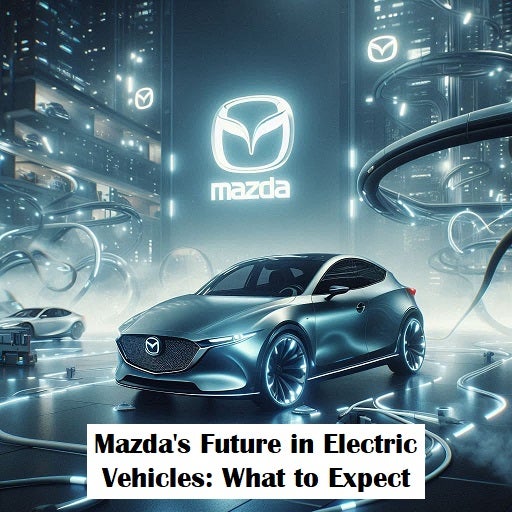
Mazda's Future in Electric Vehicles: What to Expect

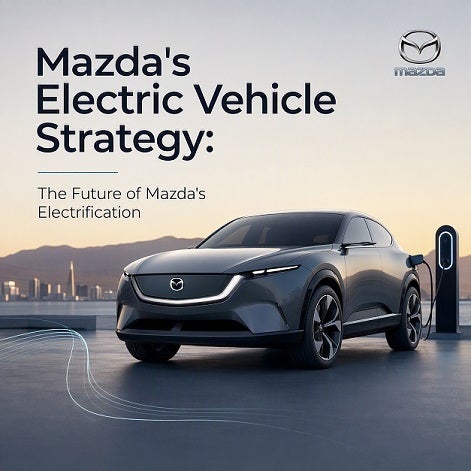
As the automotive industry shifts towards electrification, Mazda is embracing this change with its own vision for electric vehicles (EVs). Known for its commitment to innovation and driving pleasure, Mazda is strategically positioning itself to meet the demands of a more sustainable future. In this blog, we’ll explore Mazda’s approach to electric vehicles, what has been announced, and what we can expect in the coming years. more Mazda's Electrification Strategy Mazda’s journey into the electric vehicle market is guided by its long-term vision of sustainability and environmental responsibility. The brand has outlined a clear strategy that involves a combination of battery electric vehicles (BEVs), hybrid models, and plug-in hybrids. This multi-faceted approach aims to provide customers with a range of options that cater to different driving needs while reducing overall emissions. The Mazda Sustainable Zoom-Zoom 2030 Vision: This roadmap emphasizes Mazda’s commitment to achieving a sustainable future by promoting electrification, improving fuel efficiency, and reducing emissions across its lineup. The company aims for 100% of its new models to feature electrification technology by 2030. Focus on Driving Pleasure: True to its heritage, Mazda is committed to ensuring that electric vehicles maintain the brand's characteristic fun-to-drive ethos. The company believes that EVs can deliver the engaging performance and connection to the road that Mazda enthusiasts expect. Future EV Models Mazda has exciting plans for expanding its electric vehicle lineup. Here’s what to expect in the coming years: New BEV Models: Mazda is expected to introduce additional battery electric vehicles in various segments, catering to a broader audience. This includes compact cars, SUVs, and potentially larger vehicles, all designed to meet the growing demand for electrified options. Partnerships and Collaborations: To accelerate its electric vehicle development, Mazda has entered partnerships with other automakers and technology companies. Collaborations may focus on battery technology, research, and shared platforms to enhance efficiency and reduce costs. Extended Range and Performance: Future Mazda EVs are likely to feature larger battery capacities, resulting in extended ranges and improved performance. As battery technology advances, Mazda will incorporate these innovations to provide a more compelling driving experience. Hybrid and Plug-in Hybrid Offerings In addition to fully electric vehicles, Mazda is also focusing on hybrid and plug-in hybrid technologies. These models will play a crucial role in Mazda’s electrification strategy, allowing consumers to transition to more sustainable options without fully committing to electric vehicles. Current Offerings: Models like the Mazda CX-50, CX-70 and CX-90 are available with hybrid technology, which enhances fuel efficiency and reduces emissions while maintaining traditional gasoline powertrains. Future Hybrid Models: Mazda is likely to expand its hybrid offerings to include more plug-in hybrids, allowing drivers to experience electric driving with the flexibility of a gasoline engine for longer journeys. Commitment to Sustainability Mazda’s commitment to sustainability extends beyond electric vehicles. The company is focused on reducing its overall environmental footprint throughout its operations, including: Sustainable Manufacturing Practices: Mazda is investing in eco-friendly manufacturing processes and facilities that minimize waste and energy consumption. Use of Renewable Energy: The company aims to increase the use of renewable energy sources in its production facilities, further reducing emissions associated with vehicle manufacturing. The Future is Bright Mazda’s future in electric vehicles is bright, as the brand embraces electrification while remaining true to its core values of driving enjoyment and innovation. With the introduction of the MX-30 as its first fully electric offering and plans for a more extensive EV lineup, Mazda is well-positioned to meet the evolving needs of consumers in an increasingly electrified world. As the company continues to develop hybrid and plug-in hybrid models alongside its battery electric vehicles, Mazda is committed to sustainability and reducing its environmental impact. With a focus on performance, technology, and eco-friendly practices, Mazda’s journey into the electric vehicle market promises to be an exciting one for both current and future customers.

sustainability

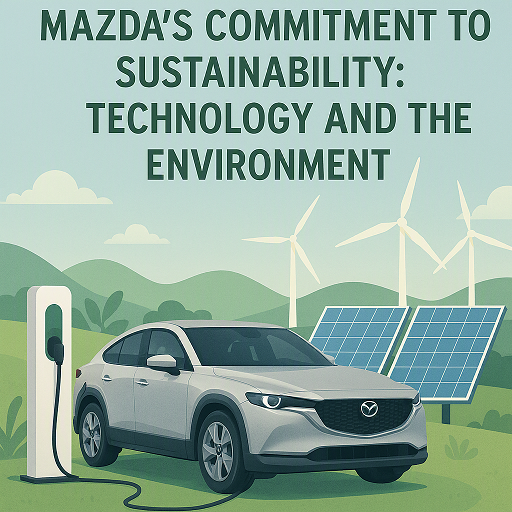
Mazda's Commitment to Sustainability: Technology and the Environment

By Beach Mazda At Beach Mazda, we understand that driving toward the future means more than just innovation in performance and style—it means taking responsibility for our planet. Mazda is committed to sustainability, blending cutting-edge technology with environmental stewardship to build a better world, one vehicle at a time. more From fuel-efficient engines to eco-friendly production methods, Mazda’s approach to sustainability is thoughtful, strategic, and deeply rooted in its philosophy of harmony between people, vehicles, and nature. Skyactiv Technology: More Power, Less Fuel Mazda's revolutionary Skyactiv Technology is at the heart of its sustainability efforts. It’s not just a buzzword—it’s a comprehensive approach to vehicle design that improves fuel efficiency and reduces emissions without sacrificing performance. How Skyactiv Supports the Environment: Skyactiv-G engines use high compression ratios to burn fuel more efficiently. Skyactiv-X, Mazda’s innovative spark-controlled compression ignition engine, delivers even lower emissions and better fuel economy. Skyactiv-Vehicle Architecture reduces vehicle weight and improves aerodynamics for less fuel consumption. Mazda's Multi-Solution Approach to Electrification Rather than rushing to electrify its entire lineup, Mazda has adopted a multi-solution strategy to reduce carbon emissions across the globe. Why? Because each region has different energy sources and infrastructure—and Mazda believes a one-size-fits-all approach won’t work. Mazda’s electrification plans include: Mild hybrids that reduce engine load and improve efficiency. Plug-in hybrid (PHEV) models, such as the Mazda CX-90 PHEV, that blend electric and gas power. Fully electric vehicles (EVs) like the Mazda MX-30 for urban commuters seeking zero-emissions driving. Mazda aims to electrify 100% of its lineup by 2030, and it's making strategic investments in battery development and charging infrastructure to support this vision. Sustainable Manufacturing and Materials Mazda’s environmental commitment goes beyond the cars themselves. The company is continuously finding new ways to make its manufacturing processes greener and more energy-efficient. Key sustainability efforts in production: Use of low-VOC (volatile organic compound) paints and water-based coatings. Solar energy systems and renewable energy at manufacturing plants. Reduction of waste and water consumption during production. Development of eco-friendly materials, including plant-derived plastics and recycled fabrics. Mazda also works closely with suppliers to ensure that the entire supply chain adheres to environmental standards. Global Environmental Goals Mazda has established clear goals through its Sustainable Zoom-Zoom 2030 vision, which outlines the company's commitment to society and the environment. Highlights include: Carbon neutrality across Mazda’s operations globally by 2050. Reducing CO₂ emissions throughout the vehicle lifecycle—including raw material procurement, manufacturing, vehicle use, and recycling. Promoting biodiversity and resource conservation at all levels of the business. What This Means for You When you choose Mazda, you’re not just choosing a vehicle with premium design and performance—you’re supporting a brand that cares about the future. Whether you’re driving a fuel-efficient Mazda3, an electrified CX-90, or considering the upcoming electric lineup, your Mazda is built with sustainability in mind. Drive Responsibly with Beach Mazda At Beach Mazda, we’re proud to offer a lineup of vehicles that reflect Mazda’s commitment to sustainability. Whether you're curious about electric options, want to reduce your carbon footprint, or simply want to learn how Mazda is helping the planet, our team is here to guide you. Visit us today to explore eco-conscious Mazda vehicles that are fun to drive and kind to the Earth. Beach Mazda Where innovation meets responsibility.

BM3 june 2025 title

Mazda's Approach to Sustainability and Environmental Responsibility

As the world becomes increasingly aware of environmental issues and the need for sustainable practices, the automotive industry is under pressure to adapt and innovate. Mazda is rising to this challenge with a strong commitment to sustainability and environmental responsibility. From vehicle design and production to corporate practices, Mazda is implementing strategies that not only benefit the planet but also enhance the overall driving experience. In this blog, we’ll explore Mazda’s holistic approach to sustainability and what it means for the future of the brand and its customers. more Sustainable Zoom-Zoom 2030 Vision At the core of Mazda’s sustainability efforts is its long-term vision, Sustainable Zoom-Zoom 2030. This roadmap outlines the company’s commitment to reducing its environmental impact while enhancing driving pleasure. Key goals of this initiative include: Reduction of CO2 Emissions: Mazda aims to achieve a 50% reduction in average CO2 emissions from its new vehicles by 2030, compared to 2010 levels. This ambitious target reflects the brand’s dedication to creating more efficient and environmentally friendly vehicles. Electrification of the Lineup: Mazda plans to expand its electrified vehicle offerings, including battery electric vehicles (BEVs), hybrids, and plug-in hybrids. The company intends for 100% of its new models to feature some form of electrification by 2030, allowing customers to choose sustainable options that suit their lifestyles. Innovative Technologies for Efficiency Mazda is committed to developing innovative technologies that improve fuel efficiency and reduce emissions across its entire lineup. Key advancements include: SKYACTIV Technology: This suite of technologies encompasses engines, transmissions, and vehicle platforms designed to maximize fuel efficiency and performance. SKYACTIV-G, the brand’s gasoline engine technology, features high compression ratios and direct fuel injection, resulting in impressive efficiency without sacrificing power. Mild Hybrid Systems: Mazda is incorporating mild hybrid systems in several models, enhancing fuel efficiency by using an electric motor to assist the gasoline engine during acceleration. This technology not only improves efficiency but also contributes to lower emissions. Sustainable Materials: In line with its commitment to environmental responsibility, Mazda is exploring the use of sustainable materials in its vehicles. This includes recycled plastics, natural fibers, and other eco-friendly materials that reduce the environmental impact of production. Eco-Friendly Manufacturing Practices Mazda understands that sustainability extends beyond vehicle design; it also involves responsible manufacturing practices. The company is taking significant steps to reduce its environmental footprint throughout the production process: Energy Efficiency: Mazda is investing in energy-efficient manufacturing processes and technologies to minimize energy consumption in its plants. This includes the use of renewable energy sources, such as solar and wind power, to reduce reliance on fossil fuels. Waste Reduction: The company is committed to reducing waste generated during production. Initiatives include recycling materials, optimizing production processes to minimize scrap, and implementing waste management practices that divert materials from landfills. Water Conservation: Mazda is focused on conserving water resources in its manufacturing facilities. The company has implemented strategies to reduce water usage and recycle water in its production processes. Community Engagement and Corporate Responsibility Mazda’s commitment to sustainability extends beyond its operations; the company actively engages with communities and supports initiatives that promote environmental stewardship: Partnerships and Collaborations: Mazda collaborates with various organizations and initiatives aimed at promoting sustainability and environmental education. These partnerships help raise awareness about environmental issues and encourage responsible practices within communities. Corporate Social Responsibility Programs: Mazda supports various corporate social responsibility programs focused on education, health, and community development. By investing in these initiatives, the company aims to contribute positively to society and the environment. Looking Ahead: The Future of Mazda and Sustainability As Mazda continues to evolve, its commitment to sustainability will remain at the forefront of its strategy. The company is actively researching and developing new technologies that will further enhance its environmental responsibility, including: Advancements in Battery Technology: Mazda is exploring new battery technologies to improve the performance and range of its electric vehicles. Innovations in battery chemistry and design will contribute to more efficient and sustainable EVs. Hydrogen Technology: Mazda is also researching hydrogen fuel cell technology as a potential solution for sustainable mobility. The company believes that hydrogen could play a significant role in achieving carbon neutrality in the automotive industry. Global Carbon Neutrality Goals: Mazda is committed to achieving carbon neutrality across its entire business, from manufacturing to product lifecycle, by 2050. This ambitious goal reflects the company’s dedication to addressing climate change and promoting a sustainable future. Industry Leader Mazda’s approach to sustainability and environmental responsibility is comprehensive and forward-thinking. Through its Sustainable Zoom-Zoom 2030 vision, innovative technologies, eco-friendly manufacturing practices, and community engagement, Mazda is taking significant steps toward creating a more sustainable automotive future. As consumers increasingly prioritize sustainability in their purchasing decisions, Mazda’s commitment to environmental stewardship positions the brand as a leader in the industry. With ongoing advancements and a clear vision for the future, Mazda is not only shaping the way we drive but also ensuring that the planet remains a beautiful place to explore.