Blog / Tires & Wheels

Blog

All Tires & Wheels News Technology Important Information Tips Mazda Model Features Mazda Service Features & Specs Awards Service Mazda Vehicles Mazda Safety Technology Money Saving Tips Safety Beach Mazda Service History 2023 Models Community Events Comparisons Fun Stuff Financing Your Mazda Local 2024 Models Holidays Mazda Parts Car Buying Process Driver-Centric Design EVs Exterior Fuel & Gas Infotainment Pre-Owned Travel Certified Pre-Owned Mazda Vehicles Electric & Hybrid Vehicles Insurance Mazda Accessories Mazda CX-30 Mazda CX-5 Mazda3 Racing Restaurants & Food Activities Drive For Good Interior Kodo Design Language Mazda CX-9 Mazda Motorsports Seasonal Automotive Cleaning Fuel System Mazda Connect Paint & Body Work Down-payments Transmission Weather Brakes i-Activsense Technology Large Vehicles & SUVs Mazda high compression engine care Millennials Skyactiv engine maintenance Suspension System Towing
BM4 TITLE MARCH 2026

Mazda Brake System Maintenance: Tips for Keeping Your Mazda Stopping Safely

By Beach Mazda Your Mazda’s brake system is one of the most critical components of your vehicle, ensuring your safety and the safety of everyone on the road. Whether you're navigating the busy streets of Myrtle Beach or cruising on open highways, keeping your brakes in excellent condition is essential to ensure that you can stop quickly and effectively when needed. At Beach Mazda, we know how important your brakes are. In this blog, we’ll walk you through the essential tips for maintaining your Mazda’s brake system, from checking brake pads to inspecting the fluid levels. These simple yet effective steps can help you keep your car stopping safely for years to come. Check Your Brake Pads Regularly Why It’s Important: Brake pads are crucial for stopping your vehicle. Over time, they wear down and can become less effective, leading to longer stopping distances and potential damage to your brake rotors. How to Do It: Inspect the Thickness: You can usually check the thickness of your brake pads by looking through the spokes of the wheel. If the pad material is less than 1/8 inch thick, it’s time for a replacement. Listen for Squeaking or Grinding: If you hear squeaking, squealing, or grinding noises while braking, this could be a sign that the brake pads are worn out and need replacement. Have a Professional Check Them: If you're unsure about the condition of your brake pads, have a professional inspect them during your next service visit. Tip: On average, brake pads should be replaced every 30,000 to 70,000 miles, depending on driving conditions. Monitor Brake Fluid Levels Why It’s Important: Brake fluid is what allows your brakes to function properly by transferring the pressure from your foot on the brake pedal to the braking components. Low brake fluid can cause your brakes to feel soft or unresponsive, which can be dangerous. How to Do It: Check the Fluid Reservoir: The brake fluid reservoir is typically located near the back of the engine bay. Look for the “min” and “max” lines on the side of the reservoir to see if the fluid is within the recommended level. Look for Discoloration: Brake fluid should be clear or light yellow. If it looks dark or has a burnt smell, it’s time to replace it, as old brake fluid can degrade the performance of your braking system. Top Off or Replace Fluid: If the fluid level is low, top it off with the correct type of brake fluid, which can be found in your owner’s manual. If you need to replace the fluid, make sure to follow the correct procedure or have a technician do it for you. Tip: Check your brake fluid every 6 months to ensure it’s at the proper level and condition. Inspect Brake Rotors Why It’s Important: Brake rotors play a vital role in stopping your vehicle. When your brake pads press against the rotors, they slow your car down. Over time, rotors can become worn, scored, or warped, which can lead to vibrations, reduced braking efficiency, and even brake failure. How to Do It: Check for Scoring or Warping: Look for any visible signs of wear, such as grooves, scoring, or cracks. If you feel vibrations when braking or notice uneven brake pad wear, it may be time to replace the rotors. Measure Rotor Thickness: If your rotors are too thin, they can overheat and cause brake failure. A professional can measure the thickness to ensure they’re still within safe limits. Tip: Brake rotors should be inspected regularly, especially if you notice any unusual sounds or vibrations while braking. Bleed Your Brakes Why It’s Important: Over time, air can get trapped in the brake lines, which can cause your brakes to feel spongy or less responsive. Bleeding the brakes removes this air, ensuring the braking system works efficiently. How to Do It: Check for Soft Pedal: If you notice that your brake pedal feels unusually soft or sinks to the floor when pressed, air in the brake lines could be the issue. Bleed the Brakes: This process involves loosening the brake line valve at each brake and letting fluid flow out until no bubbles appear. It’s recommended to have this done by a professional, as it requires the correct tools and expertise. Tip: Brake fluid should be changed every 2-3 years to ensure optimal brake performance. Check for Leaks Why It’s Important: Leaking brake fluid can lead to a drop in braking performance and even complete brake failure. It's important to regularly check for leaks to ensure the integrity of your brake system. How to Do It: Inspect Brake Lines and Hoses: Look for any visible signs of leaks or damage around the brake lines and hoses. If you notice fluid under your car or a drop in brake fluid levels, there could be a leak somewhere in the system. Check the Master Cylinder: The master cylinder is responsible for distributing brake fluid to each wheel. If it’s leaking, your brakes will lose fluid and fail to work properly. Tip: If you find any leaks, have them fixed immediately to avoid a dangerous situation. Replace Worn Brake Shoes (For Drum Brakes) Why It’s Important: While most modern Mazdas use disc brakes, some models may still have drum brakes, particularly on the rear wheels. Brake shoes inside the drum press against the drum to slow your vehicle down. Over time, these shoes wear down and need replacement. How to Do It: Inspect the Brake Shoes: If you hear a grinding sound or notice your brakes feel less responsive, it could be a sign that your brake shoes are worn out. Replace the Shoes: Replacing brake shoes can be more complex than replacing pads, so if you’re not comfortable doing this yourself, it’s best to leave it to a professional. Tip: Brake shoes typically last around 30,000 to 50,000 miles, but they should be checked regularly. Regular Brake System Inspections Why It’s Important: Even if everything seems to be working fine, it’s important to have your brake system checked by a professional regularly. Routine inspections can catch potential problems before they become serious issues, ensuring you maintain safe and reliable braking. How to Do It: Schedule Regular Maintenance: At Beach Mazda, we recommend having your brake system inspected during routine service appointments, typically every 12,000 to 15,000 miles or once a year. Look for Warning Signs: If you notice any unusual noises, vibrations, or a decrease in braking performance, schedule a brake inspection immediately. Essential for Safe Driving Your Mazda’s brake system is essential for safe driving, and regular maintenance is key to ensuring it operates at its best. By checking brake pads, fluid, rotors, and other components, you can keep your braking system in excellent condition and avoid costly repairs down the road. At Beach Mazda, we’re here to help you with all your Mazda maintenance needs. If you’re unsure about any aspect of your brake system or need professional assistance, our expert technicians are ready to provide you with top-notch service. Beach Mazda Your Trusted Mazda Experts in Myrtle Beach Ready to ensure your Mazda stops safely? Contact Beach Mazda to schedule a brake system inspection or any other maintenance service today!
BM4 TITLE NOV 2025

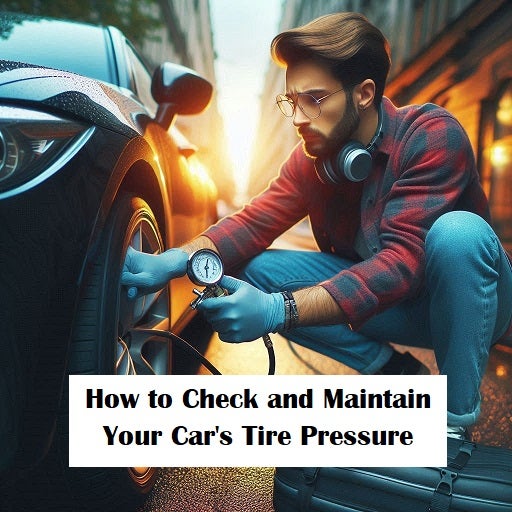
How to Check and Maintain Your Car's Tire Pressure

Proper tire maintenance is essential for the safety, performance, and longevity of your vehicle. One of the most critical aspects of tire care is maintaining the correct tire pressure. Under-inflated or over-inflated tires can lead to poor handling, reduced fuel efficiency, and even tire blowouts. In this blog, we’ll guide you through the process of checking and maintaining your car’s tire pressure, helping you ensure a smooth and safe ride. Understanding Tire Pressure Tire pressure is measured in pounds per square inch (PSI) and refers to the amount of air inside the tire. Every vehicle has a recommended tire pressure, which can usually be found in the owner’s manual or on a sticker located on the driver’s side door jamb. Maintaining the correct tire pressure is crucial for: Safety: Properly inflated tires ensure better traction, handling, and braking performance. Fuel Efficiency: Tires that are inflated to the correct pressure can improve fuel economy, as under-inflated tires create more rolling resistance. Tire Longevity: Maintaining proper pressure can help prevent premature tire wear, extending the lifespan of your tires. When to Check Tire Pressure It's important to check your tire pressure regularly to ensure optimal performance: Monthly Checks: Aim to check your tire pressure at least once a month, as tires can lose pressure over time. Before Long Trips: Always check your tire pressure before embarking on a long journey to ensure that your tires are in optimal condition. Seasonal Changes: Temperature fluctuations can affect tire pressure. It’s a good practice to check your tires with the change of seasons, especially before winter and summer. How to Check Tire Pressure Checking your tire pressure is a straightforward process that can be done at home or at a gas station: Gather Your Tools You’ll need the following tools: Tire Pressure Gauge: A digital or analog tire pressure gauge will work. Digital gauges are often easier to read. Air Compressor: If your tires are low, you may need an air compressor to inflate them. Many gas stations have air pumps available for public use. Check Tire Pressure Ensure Cold Tires: Check tire pressure when the tires are cold, ideally before you’ve driven or at least three hours after driving. Tires heat up from friction, causing the air inside to expand and give a false reading. Remove Valve Caps: Unscrew the valve cap from the tire you want to check. Keep the cap in a safe place to avoid losing it. Press the Gauge: Firmly press the tire pressure gauge onto the valve stem. You should hear a short hiss of air as the gauge makes contact. Ensure that the gauge is seated properly for an accurate reading. Read the Pressure: Take note of the reading on the gauge. If using a digital gauge, it will display the pressure on the screen. If using an analog gauge, the needle will indicate the pressure. Replace Valve Caps: After checking, be sure to replace the valve cap securely. Adjusting Tire Pressure If your tire pressure is not within the recommended range, you’ll need to adjust it accordingly: Inflating Tires Use an Air Compressor: If the pressure is too low, locate an air compressor. Many gas stations have them, or you can use a portable air compressor. Inflate Gradually: Add air in short bursts, checking the pressure frequently until you reach the recommended PSI. Avoid Over-Inflation: Be cautious not to exceed the recommended pressure, as over-inflated tires can lead to reduced traction and a harsher ride. Deflating Tires If your tires are over-inflated, you can release some air: Press the Valve Stem: Use a small tool (like a screwdriver or a tire gauge) to press the valve stem, allowing air to escape slowly. Check Pressure Regularly: Continuously check the tire pressure until it reaches the recommended level. Maintaining Tire Pressure To maintain optimal tire pressure over time, consider the following tips: Regular Checks: Make tire pressure checks part of your regular vehicle maintenance routine, as mentioned earlier. Monitor Temperature: Be aware that temperature changes can affect tire pressure. As a general rule, tire pressure can drop about 1 PSI for every 10-degree Fahrenheit decrease in temperature. Use TPMS: Many modern vehicles are equipped with a Tire Pressure Monitoring System (TPMS) that alerts you when tire pressure is low. While this is a helpful feature, it’s still essential to check tire pressure manually. Inspect for Damage: Regularly inspect your tires for signs of damage, such as cracks, bulges, or foreign objects embedded in the tread. Address any issues promptly to maintain safety. Keep Tires in Top Condition Checking and maintaining your car's tire pressure is a simple yet crucial aspect of vehicle maintenance that can enhance safety, improve fuel efficiency, and extend the life of your tires. By incorporating regular tire pressure checks into your routine, you can ensure a smooth and safe driving experience. Don’t overlook this essential maintenance task—your tires are the only contact your vehicle has with the road, so keeping them in top condition is vital for your safety and performance. Happy driving!

bm4 title may 2025

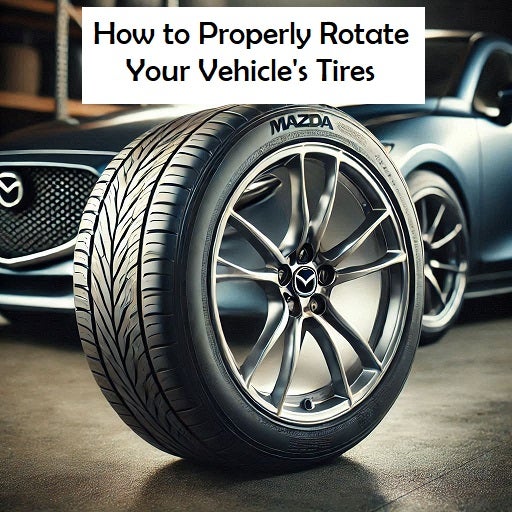
How to Properly Rotate Your Vehicle's Tires

Rotating your vehicle’s tires is a crucial maintenance task that helps ensure even tire wear, extend the life of your tires, and improve overall vehicle performance. Most manufacturers recommend rotating tires every 5,000 to 7,500 miles, but it’s always a good idea to consult your owner’s manual for specific guidelines. In this blog, we’ll guide you through the steps for properly rotating your vehicle’s tires, as well as discuss the benefits of this important maintenance task. Why Rotate Your Tires? Before we delve into the steps for rotation, let’s explore why this practice is essential: Even Wear: Tires are worn differently depending on their position on the vehicle. Front tires often wear out faster due to the added weight of the engine and the steering forces they experience. Rotating the tires helps to distribute wear more evenly. Improved Handling: Evenly worn tires provide better traction and handling, which enhances safety and driving comfort. Extended Tire Life: Regular tire rotation can prolong the lifespan of your tires, saving you money on replacements. Better Fuel Efficiency: Properly rotated tires can improve fuel efficiency by ensuring that all tires are making optimal contact with the road. Steps to Properly Rotate Your Tires Tools You’ll Need: Jack Jack stands Lug wrench Torque wrench (optional but recommended) Step 1: Prepare Your Vehicle Park on a Level Surface: Ensure that your vehicle is parked on a flat, stable surface and that the parking brake is engaged. Gather Your Tools: Collect all necessary tools and materials before starting the rotation process. Step 2: Loosen the Lug Nuts Before Lifting the Vehicle: Use a lug wrench to loosen the lug nuts on all four tires. Turn them counterclockwise just enough to break their initial resistance but do not remove them yet. Step 3: Lift the Vehicle Use a Jack: Locate the jack points on your vehicle and lift it high enough to access the tires comfortably. Always refer to your owner’s manual for the correct jack points. Secure with Jack Stands: Once the vehicle is lifted, place jack stands under the appropriate support points for safety. Step 4: Remove the Tires Take Off the Lug Nuts: Now, remove the lug nuts completely and set them aside in a safe place. Remove Tires: Carefully take off the tires and set them aside, keeping track of their positions. Step 5: Rotate the Tires The rotation pattern will depend on whether your tires are directional (designed to rotate in one direction) and whether your vehicle is front-wheel drive, rear-wheel drive, or all-wheel drive. Here are common rotation patterns: Front-Wheel Drive Vehicles: Move the front tires to the rear, and the rear tires to the front, but swap the sides. (e.g., left front to right rear, right front to left rear). Rear-Wheel Drive Vehicles: Move the rear tires to the front, and the front tires to the rear, but swap the sides. All-Wheel Drive Vehicles: Rotate all four tires in a crisscross pattern (e.g., left front to right rear, right front to left rear, and vice versa). Step 6: Reinstall the Tires Position Tires: Place each tire back onto its respective wheel hub. Hand-Tighten Lug Nuts: Start all lug nuts by hand to ensure they’re properly aligned. Then, use the lug wrench to tighten them slightly. Step 7: Lower the Vehicle Remove the Jack Stands: Before lowering the vehicle, ensure all tools are clear and that no one is in the vicinity. Lower the Vehicle: Use the jack to carefully lower the vehicle back to the ground. Step 8: Tighten the Lug Nuts Final Tightening: Once the vehicle is on the ground, use the lug wrench to fully tighten the lug nuts in a star pattern to ensure even pressure. If you have a torque wrench, refer to the manufacturer’s specifications for the correct torque setting. Step 9: Check Tire Pressure Inflate as Needed: After rotating your tires, check the tire pressure and inflate them to the recommended PSI, which can be found in your owner’s manual or on the driver’s side door jamb. Vital Maintenance Properly rotating your vehicle’s tires is a simple yet vital maintenance task that can significantly enhance your vehicle's performance and extend tire life. By following these steps and adhering to your manufacturer’s recommendations, you can ensure that your tires wear evenly and maintain optimal handling and safety. Regular tire rotation not only saves you money in the long run but also contributes to a smoother and safer driving experience. Make tire rotation a part of your vehicle maintenance routine and enjoy the benefits of well-maintained tires!

bm1 jan title

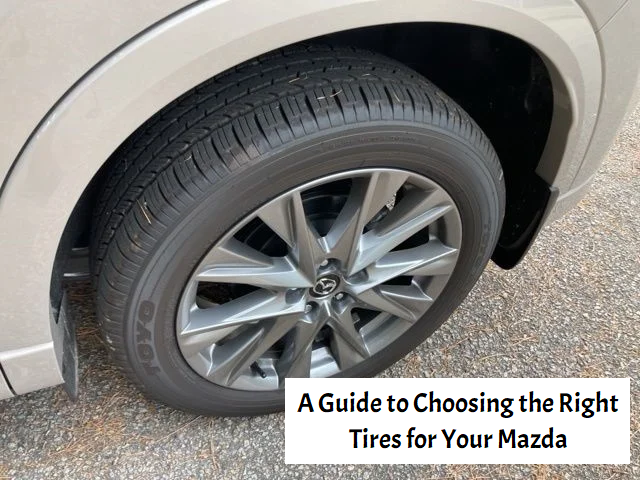
A Guide to Choosing the Right Tires for Your Mazda

Your Mazda is designed for performance, safety, and comfort, and the right set of tires plays a crucial role in maintaining these qualities. Whether you're looking to replace your worn-out tires or upgrade to a new set, choosing the right tires is essential for optimizing your Mazda's handling, fuel efficiency, and overall driving experience. This guide will walk you through the key factors to consider when selecting tires for your Mazda. Understanding Tire Basics: What You Need to Know Before diving into the selection process, it's important to understand the basics of tire specifications and how they impact your driving experience. Tire Size: The size of your tires is specified by a combination of numbers and letters, such as 225/45R17. These numbers represent the tire's width, aspect ratio, and diameter. It's crucial to choose tires that match the size recommended by Mazda for your specific model, as using the wrong size can affect handling, safety, and even your vehicle's warranty. Tread Pattern: Tires come with different tread patterns designed for various driving conditions. The tread pattern affects traction, handling, and noise levels. Common tread patterns include: Symmetrical: Offers a smooth, quiet ride and long-lasting performance. Ideal for everyday driving. Asymmetrical: Combines different tread patterns to enhance handling, especially in wet conditions. Great for sporty driving. Directional: Designed for high-performance driving with excellent wet and dry traction. Often found on sports cars and performance vehicles. Speed Rating: The speed rating indicates the maximum speed at which a tire can safely operate. It's denoted by a letter, such as H, V, or Z. Make sure to choose a tire with a speed rating that meets or exceeds the capabilities of your Mazda. Load Index: The load index indicates the maximum weight a tire can support. It's important to select tires with a load index that matches or exceeds the weight of your Mazda, especially if you frequently carry heavy loads or passengers. Types of Tires: Which One Is Right for Your Mazda? Different types of tires are designed to perform optimally in specific conditions. Choosing the right type of tire depends on your driving habits, the climate you live in, and your Mazda model. All-Season Tires: All-season tires are the most versatile option, designed to perform well in a variety of conditions, including dry, wet, and light snow. They offer a balance of comfort, durability, and performance, making them an excellent choice for most Mazda drivers. If you live in an area with mild winters and don't frequently encounter extreme weather conditions, all-season tires are likely the best choice for you. Summer Tires: Summer tires, also known as performance tires, are engineered for maximum grip and handling on dry and wet roads during warm weather. They offer superior traction and responsiveness, making them ideal for sporty driving and high-performance Mazda models like the Mazda MX-5 Miata. However, summer tires are not suitable for cold weather or snow-covered roads, so they should be used only during the warmer months. Winter Tires: Winter tires are specifically designed to provide optimal traction and handling in cold weather, snow, and ice. They feature a softer rubber compound that remains flexible in low temperatures and a tread pattern designed to bite into snow and ice. If you live in an area with harsh winters, winter tires are essential for maintaining safety and control. It's recommended to switch to winter tires when the temperature consistently drops below 45°F (7°C). Touring Tires: Touring tires are designed for a smooth, comfortable ride with enhanced fuel efficiency and longer tread life. They are ideal for drivers who prioritize comfort and economy over sporty performance. Touring tires are a great option for Mazda sedans and crossovers used primarily for commuting and long-distance driving. Performance Tires: Performance tires are designed for drivers who demand high levels of grip, handling, and responsiveness. They are often found on sports cars and performance-oriented Mazda models. While they offer excellent performance in dry and wet conditions, they may have a shorter tread life and be noisier than other tire types. Off-Road Tires: If you frequently take your Mazda CX-5 or CX-9 off the beaten path, off-road or all-terrain tires may be a good choice. These tires are designed with rugged tread patterns and reinforced sidewalls to handle rough terrain, mud, and gravel. However, they may sacrifice some comfort and fuel efficiency on paved roads. Considering Your Driving Habits: Tailoring Your Tire Choice Your driving habits play a significant role in determining the right tires for your Mazda. Consider the following factors when making your decision: Daily Commutes: If you use your Mazda primarily for daily commuting on highways and city streets, all-season or touring tires are likely the best option. They offer a good balance of comfort, fuel efficiency, and durability. Sporty Driving: For those who enjoy spirited driving or own a performance-oriented Mazda model like the MX-5 Miata, performance or summer tires will provide the grip and handling needed to fully enjoy the driving experience. Long-Distance Travel: If you frequently embark on long road trips, touring tires may be the best choice for their smooth ride and long tread life. They are designed to minimize road noise and enhance comfort, making them ideal for extended journeys. Off-Road Adventures: If you often take your Mazda on off-road trails or unpaved roads, consider all-terrain or off-road tires. These tires are built to handle rough surfaces and provide the necessary traction for off-road driving. Winter Conditions: If you live in an area with harsh winters, winter tires are a must. They provide the traction and control needed to navigate snow and ice safely. Remember to switch back to all-season or summer tires when the weather warms up to maintain optimal performance. Budget Considerations: Balancing Cost and Quality Tires are a significant investment in your Mazda's performance and safety, so it's important to balance cost with quality. Here are some tips for making a budget-conscious decision: Set a Budget: Determine how much you're willing to spend on tires before you start shopping. While it's important to stay within your budget, remember that tires are a critical component of your vehicle's safety and performance, so prioritize quality. Compare Brands: There are many reputable tire brands available, each offering a range of options at different price points. Research and compare brands to find a set of tires that offers the best value for your needs. Well-known brands like Michelin, Bridgestone, Goodyear, and Continental are often reliable choices. Consider Tread Life: Tires with longer tread life may have a higher upfront cost but can save you money in the long run by lasting longer. Check the treadwear rating to get an idea of how long the tires are expected to last. Look for Promotions: Tire manufacturers and retailers often run promotions, discounts, or rebates. Keep an eye out for these deals to save money on your purchase. Balance Performance and Price: While high-performance tires may be tempting, consider whether you truly need the extra capabilities they offer. For everyday driving, a good-quality all-season tire may provide all the performance you need at a lower cost. Maintaining Your Tires: Maximizing Longevity and Performance Once you've chosen the right tires for your Mazda, proper maintenance is key to maximizing their lifespan and performance. Here are some maintenance tips to keep your tires in top condition: Regularly Check Tire Pressure: Maintaining the correct tire pressure is crucial for safety, fuel efficiency, and tire longevity. Check your tire pressure at least once a month and before long trips. Refer to your Mazda's owner’s manual or the sticker inside the driver’s door for the recommended pressure levels. Rotate Tires: To ensure even wear, have your tires rotated every 6,000 to 8,000 miles, or as recommended by Mazda. Rotating your tires helps extend their lifespan and maintain consistent handling. Align and Balance Tires: If you notice uneven tire wear, your Mazda may need a wheel alignment or balancing. Proper alignment and balancing ensure that your tires wear evenly and that your vehicle handles correctly. Check Tread Depth: Worn-out tires with low tread depth can compromise traction and safety, especially in wet conditions. Use the penny test to check your tread depth: insert a penny into the tread with Lincoln's head facing down. If you can see the top of Lincoln’s head, it's time to replace your tires. Inspect for Damage: Regularly inspect your tires for signs of damage, such as cuts, punctures, or bulges. If you notice any damage, have your tires inspected by a professional to determine if they need to be repaired or replaced. Essential Maintenance Choosing the right tires for your Mazda is an essential part of maintaining your vehicle's performance, safety, and comfort. By understanding tire basics, considering your driving habits, and balancing cost with quality, you can select a set of tires that will keep your Mazda performing at its best. Remember to maintain your tires properly to maximize their lifespan and ensure a smooth, safe driving experience. Whether you're cruising through the city, taking a road trip, or navigating winter weather, the right tires will help you enjoy every mile in your Mazda.

bm2 oct title

Navigating Winter Roads: Unraveling the Differences Between Winter Tires and All-Season Tires

As winter blankets the roads with snow and ice, your vehicle's safety relies heavily on the type of tires it wears. When it comes to choosing the right tires for winter driving, the debate often centers around two main contenders: winter tires and all-season tires. In this blog post, we'll dive into the key differences between these two tire types, helping you make an informed decision for safer winter travels. Tread Design and Compound Winter Tires: Winter tires are specifically engineered to tackle cold and icy conditions. They feature a unique tread design with deeper grooves and a higher number of sipes (small channels) to enhance grip on slippery surfaces. The rubber compound used in winter tires remains flexible in low temperatures, providing better traction and grip in freezing conditions. All-Season Tires: All-season tires, as the name suggests, aim to provide a balanced performance in various weather conditions, including mild winter conditions. They come with a tread design that strikes a compromise between dry and wet traction. However, the rubber compound used in all-season tires may harden in extremely cold temperatures, leading to reduced flexibility and traction. Performance in Snow and Ice Winter Tires: Winter tires excel in snow and ice. The aggressive tread patterns and softer rubber compounds allow them to bite into snow and ice, providing superior traction and handling. The tread is designed to evacuate snow and slush efficiently, reducing the risk of skidding. All-Season Tires: While all-season tires offer better performance in winter compared to summer tires, they may struggle in extreme winter conditions. The tread patterns are not as aggressive, and the rubber compound is not as pliable in very cold temperatures, compromising their performance on snow and ice. Temperature Sensitivity Winter Tires: Winter tires are designed for cold weather, and their rubber compounds remain flexible even in freezing temperatures. This ensures optimal traction and handling in winter conditions. However, their performance may degrade in warmer temperatures, making them less suitable for year-round use. All-Season Tires: All-season tires are built to provide decent performance in a variety of conditions, including mild winter weather. They are a good compromise for drivers who do not face extreme winter conditions regularly. However, in very cold temperatures, their rubber may stiffen, affecting traction. Know the Difference Choosing between winter tires and all-season tires ultimately depends on your local climate and driving habits. If you frequently encounter harsh winter conditions with snow and ice, investing in a set of winter tires is a wise decision for enhanced safety and performance. On the other hand, if your winters are milder and you want a tire that can handle a variety of conditions throughout the year, all-season tires may be a more practical choice. Remember, the right tires can make a significant difference in your vehicle's handling and your safety on winter roads.

Contact Us

Fill out this form below and we'll contact you shortly
*Required Fields