Blog / Technology

Blog

All Technology News Important Information Mazda Model Features Tips Mazda Service Features & Specs Awards Service Mazda Vehicles Mazda Safety Technology Money Saving Tips Safety Beach Mazda Service History 2023 Models Community Events Comparisons Financing Your Mazda Fun Stuff Local 2024 Models Holidays Mazda Parts Car Buying Process Driver-Centric Design EVs Exterior Fuel & Gas Pre-Owned Certified Pre-Owned Mazda Vehicles Electric & Hybrid Vehicles Infotainment Insurance Mazda Accessories Mazda CX-30 Mazda3 Racing Restaurants & Food Tires & Wheels Travel Activities Drive For Good Kodo Design Language Mazda CX-5 Mazda CX-9 Mazda Motorsports Automotive Cleaning Fuel System Interior Paint & Body Work Seasonal Down-payments Mazda Connect Transmission Weather Brakes i-Activsense Technology Large Vehicles & SUVs Millennials Suspension System Towing
Laguna Seca 2019

Mazda's Role in Motorsports: A Legacy of Racing

Mazda is not just a manufacturer of stylish and reliable vehicles; it has also carved out a significant place in the world of motorsports. With a history that spans decades, Mazda’s commitment to racing and performance has not only influenced the brand’s engineering and design but has also fostered a passionate community of enthusiasts and drivers. In this blog, we’ll explore Mazda’s legacy in motorsports, its notable achievements, and how racing has shaped the brand we know today. more A Passion for Performance Mazda’s foray into motorsports began in the early 1960s when the company started to recognize the potential of racing as a platform for showcasing its engineering prowess. The philosophy of “Zoom-Zoom,” which captures the essence of driving excitement, became a guiding principle for Mazda. This passion for performance translated into significant investments in racing programs, leading to numerous victories and innovations on the track. The Birth of the RX Series One of the most iconic contributions of Mazda to motorsports is the development of the RX series, particularly the RX-7 and RX-8 models, which featured the revolutionary rotary engine. The unique design of the rotary engine allowed for a lightweight and powerful vehicle, making the RX series a formidable competitor in various racing categories. Mazda RX-7: Launched in the late 1970s, the RX-7 quickly became a popular choice in motorsports, thanks to its agile handling and impressive power. The RX-7 achieved great success in multiple racing disciplines, including the IMSA GT Championship and SCCA racing. Mazda RX-8: Building on the legacy of its predecessor, the RX-8 continued to make waves in motorsports, thanks to its balanced chassis and high-revving rotary engine. It was widely used in grassroots racing and became a favorite among amateur racers. Success in Endurance Racing Mazda’s commitment to endurance racing is exemplified by its legendary victory at the 24 Hours of Le Mans in 1991. The Mazda 787B, equipped with a four-rotor Wankel engine, made history by becoming the first and only rotary engine-powered car to win the prestigious race. The 787B's success was not just a testament to Mazda’s engineering but also a symbol of innovation and determination in a field dominated by traditional piston engines. The win at Le Mans highlighted Mazda’s willingness to push the boundaries of automotive technology and its dedication to performance. The distinctive sound of the 787B’s rotary engine became an iconic part of motorsport history, forever linking Mazda to endurance racing. Participation in Rallying Mazda also made its mark in rallying, showcasing the versatility of its vehicles in various off-road conditions. The Mazda 323 GTX and later models competed successfully in rally events, including the World Rally Championship (WRC). Mazda's ability to adapt and succeed in diverse racing environments demonstrated the brand’s commitment to performance and engineering excellence. Grassroots Motorsports and Community Engagement Mazda’s dedication to motorsports extends beyond professional racing. The company has fostered a strong grassroots motorsports community through initiatives like the Mazda Road to 24 program, which aims to support and develop aspiring racers. This program provides resources, mentorship, and opportunities for drivers to advance in their racing careers. Additionally, Mazda’s involvement in events like the Mazda MX-5 Cup allows amateur racers to compete in a cost-effective and exciting environment. By providing a platform for grassroots racing, Mazda encourages the next generation of drivers and enthusiasts to engage with the sport. Technological Innovations and Influence Mazda’s motorsports involvement has led to several technological innovations that have made their way into production vehicles. The knowledge gained from racing has influenced the design of features such as: Chassis and Suspension Design: Insights from racing have helped Mazda develop vehicles with superior handling and stability, ensuring that their cars deliver an engaging driving experience. Engine Performance: Developments in engine technology from motorsports have contributed to improved efficiency and performance in Mazda's lineup, including the Skyactiv engines that emphasize a balance between power and fuel economy. A Bright Future in Motorsports As Mazda continues to evolve, its commitment to motorsports remains steadfast. The brand is actively involved in various racing series, including sports car racing and grassroots events, ensuring that its legacy of performance and innovation endures. Mazda’s partnership with organizations like IMSA and participation in electric racing events demonstrates the brand's adaptability and forward-thinking approach to motorsports. Shaping the Next Generation Mazda’s legacy in motorsports is a testament to its dedication to performance, innovation, and community engagement. From the iconic RX series and historic Le Mans victory to grassroots racing initiatives, Mazda has established itself as a prominent player in the racing world. The brand’s passion for motorsports not only enhances its vehicles but also fosters a sense of community among enthusiasts and drivers alike. As Mazda looks to the future, its commitment to racing will undoubtedly continue to inspire and shape the next generation of vehicles, ensuring that the spirit of competition and driving excitement remains at the core of the brand. Whether on the racetrack or the open road, Mazda’s legacy of racing will always resonate with those who value performance, innovation, and the thrill of driving.

BM2 title Oct 2025

Understanding Mazda's SKYACTIV-G Engine Technology

Mazda has long been recognized for its innovative engineering and commitment to creating vehicles that provide a thrilling driving experience. One of the standout features in their lineup is the SKYACTIV-G engine technology, which represents a significant leap forward in engine performance and efficiency. In this blog, we’ll explore what SKYACTIV-G is, how it works, and why it matters for both Mazda owners and the environment. more What is SKYACTIV-G? SKYACTIV-G is Mazda’s term for its gasoline engines that utilize a unique combination of technologies to enhance performance, fuel efficiency, and emissions. Introduced as part of the broader SKYACTIV technology suite, SKYACTIV-G is designed to provide an engaging driving experience while minimizing environmental impact. The key goal of this technology is to offer the power and responsiveness of traditional gasoline engines while achieving the efficiency typically associated with diesel engines. Key Features of SKYACTIV-G Several innovative features set SKYACTIV-G engines apart from conventional gasoline engines: High Compression Ratio: One of the most notable aspects of SKYACTIV-G technology is its high compression ratio, which can reach up to 14:1 in certain models. This high ratio allows the engine to extract more energy from each drop of fuel, improving overall efficiency and performance. Traditional gasoline engines typically operate at lower compression ratios, which can limit their efficiency. Direct Fuel Injection: SKYACTIV-G engines utilize direct fuel injection technology, which delivers fuel directly into the combustion chamber at high pressure. This method enhances fuel atomization, resulting in a more complete combustion process. Improved combustion leads to better power output, increased efficiency, and reduced emissions. Lightweight Design: The SKYACTIV-G engines are designed with lightweight materials and components, which contribute to overall vehicle weight reduction. A lighter engine improves fuel efficiency and enhances vehicle handling, making for a more engaging driving experience. Optimized Combustion Chamber: The shape and design of the combustion chamber in SKYACTIV-G engines are carefully engineered to promote efficient airflow and combustion. This optimization helps achieve better performance and reduced emissions while maintaining power. Benefits of SKYACTIV-G Technology The implementation of SKYACTIV-G technology brings several benefits to both drivers and the environment: Improved Fuel Efficiency: With its high compression ratio and direct fuel injection, SKYACTIV-G engines deliver impressive fuel economy, allowing drivers to go further on less fuel. This efficiency is particularly beneficial for those who frequently drive long distances or commute regularly. Enhanced Performance: SKYACTIV-G engines provide a responsive and engaging driving experience. The combination of improved torque and power output ensures that Mazda vehicles feel lively and spirited on the road, making them enjoyable to drive. Lower Emissions: By optimizing combustion and fuel efficiency, SKYACTIV-G technology reduces harmful emissions, contributing to a cleaner environment. Mazda is committed to sustainability, and SKYACTIV-G is a crucial part of that mission. Versatility Across Models: SKYACTIV-G engines are used in a wide range of Mazda models, from compact sedans to SUVs. This versatility means that drivers can enjoy the benefits of this technology regardless of the vehicle type they choose. SKYACTIV-G in the Real World Mazda’s SKYACTIV-G technology is not just theoretical; it has been successfully implemented in various models, showcasing its real-world benefits. Some popular Mazda vehicles featuring SKYACTIV-G engines include: Mazda3: Known for its sporty handling and efficient performance, the Mazda3 leverages SKYACTIV-G technology to offer drivers a thrilling driving experience while achieving excellent fuel economy. Mazda CX-5: As a compact SUV, the CX-5 combines the practicality of an SUV with the engaging performance of a Mazda, thanks in part to its SKYACTIV-G engine that balances power and efficiency. Mazda MX-5 Miata: The iconic roadster utilizes SKYACTIV-G technology to deliver a lightweight, responsive driving experience that has earned it a dedicated following among driving enthusiasts. Looking Ahead Mazda continues to innovate with its SKYACTIV technology suite, including plans for future engine developments and enhancements. As the automotive industry shifts towards electrification and sustainability, Mazda is exploring ways to integrate its SKYACTIV-G technology with hybrid and electric systems, ensuring that drivers can continue to enjoy the performance and efficiency they expect from Mazda vehicles. Efficient and Engaging Mazda's SKYACTIV-G engine technology represents a significant advancement in the pursuit of efficient and engaging driving experiences. By combining high compression ratios, direct fuel injection, and optimized design, SKYACTIV-G engines deliver a powerful performance while minimizing environmental impact. For Mazda owners, this technology means more than just fuel savings; it translates into a thrilling driving experience that embodies the spirit of the brand. As Mazda continues to evolve and innovate, SKYACTIV-G will remain at the forefront of its commitment to performance, efficiency, and sustainability in the automotive world.

BM1 TITLE OCT 2025

Mazda's Rotary Engine: A Unique Innovation in Automotive Engineering

When it comes to automotive engineering, few innovations are as distinctive and intriguing as Mazda's rotary engine. Unlike conventional piston engines, the rotary engine operates on a completely different principle, offering unique advantages and challenges. Mazda has long been a pioneer in the development and implementation of rotary engines, making it a hallmark of the brand. In this blog, we’ll explore the history, mechanics, benefits, and future of Mazda’s rotary engine. more A Brief History of the Rotary Engine The rotary engine, also known as the Wankel engine (named after its inventor, Felix Wankel), was developed in the 1950s and quickly caught the attention of Mazda. The company began experimenting with the design in the late 1950s, and by 1967, it launched the Mazda Cosmo Sport, the first production car to use a rotary engine. The unique design not only provided an innovative power source but also established Mazda as a leader in automotive technology. Mazda continued to refine the rotary engine over the years, most notably in models like the Mazda RX-7 and Mazda RX-8. These cars showcased the performance potential of the rotary engine, attracting enthusiasts and cementing the engine’s legacy in motorsport and everyday driving. How the Rotary Engine Works At the heart of the rotary engine is its unique design, which replaces the traditional piston-and-cylinder arrangement with a triangular rotor that moves within an oval housing. This unconventional setup allows for continuous combustion and a more compact design. Here’s a simplified breakdown of its operation: Combustion Cycle: The rotary engine completes its four-stroke cycle (intake, compression, power, exhaust) as the rotor rotates around the eccentric shaft. As the rotor moves, it creates different chambers that go through the various stages of combustion. Less Weight and Size: The rotary engine is typically lighter and smaller than comparable piston engines. This compact design allows for greater flexibility in vehicle design and can contribute to better weight distribution. Fewer Moving Parts: With fewer moving parts than traditional engines, the rotary engine requires less maintenance and has a lower chance of mechanical failure. Advantages of the Rotary Engine Mazda’s rotary engine comes with a range of advantages that set it apart from conventional engines: High Power-to-Weight Ratio: The rotary engine can produce a significant amount of power relative to its size and weight. This characteristic contributes to excellent performance in sports cars. Smooth Operation: The rotary engine's design allows for a smoother power delivery compared to traditional piston engines, providing a more enjoyable driving experience. Rev-Friendly: Rotary engines can rev higher than traditional engines, allowing for greater performance potential and responsiveness. Compact Design: The smaller footprint of the rotary engine enables innovative vehicle designs and maximizes space efficiency. Challenges and Drawbacks Despite its many advantages, the rotary engine has faced challenges that have affected its mainstream acceptance: Fuel Efficiency: Rotary engines tend to have lower fuel efficiency compared to traditional piston engines, making them less favorable in a market increasingly focused on fuel economy. Emissions: Rotary engines have historically struggled to meet stringent emissions regulations due to incomplete combustion. However, Mazda has worked to address these concerns in recent models. Durability: While rotary engines are known for their reliability, they may require more frequent maintenance than conventional engines, especially regarding apex seals that can wear out over time. Mazda's Future with the Rotary Engine Despite the challenges, Mazda remains committed to the rotary engine, continually exploring its potential. In recent years, the company has introduced hybrid technology that incorporates rotary engines as range extenders. This innovative approach allows Mazda to maintain the unique characteristics of the rotary engine while addressing fuel efficiency and emissions concerns. Mazda has also hinted at plans to revive the rotary engine in future models, with a focus on electrification. The upcoming Mazda MX-30, for example, features a rotary engine as a range extender, showcasing how Mazda aims to combine its legacy technology with modern advancements. A Unique Innovation Mazda's rotary engine stands out as a unique innovation in automotive engineering, representing the brand's commitment to creativity and performance. With its distinct design, smooth operation, and impressive power-to-weight ratio, the rotary engine has captured the hearts of enthusiasts and continues to influence the automotive landscape. As Mazda explores new ways to integrate rotary technology into the future of mobility, the legacy of this remarkable engine will undoubtedly live on, inspiring a new generation of drivers and engineers alike. Whether on the road or in motorsport, the rotary engine remains a testament to Mazda's innovative spirit and dedication to pushing the boundaries of automotive design.

BM4 TITLE SEPT 2025

The Role of Regular Tune-Ups in Car Maintenance

When it comes to keeping your vehicle in optimal condition, regular maintenance is key. One of the most important aspects of car maintenance is the tune-up. While many drivers may overlook this service, understanding its significance can help prolong the life of your vehicle, improve performance, and enhance fuel efficiency. In this blog, we’ll explore what a tune-up entails, its benefits, and why it should be a regular part of your car maintenance routine. more What is a Tune-Up? A tune-up is a series of maintenance tasks performed on your vehicle to ensure it operates smoothly and efficiently. Traditionally, tune-ups involved adjusting the ignition system, replacing spark plugs, and checking the fuel system. However, modern vehicles often use electronic fuel injection and sophisticated engine management systems, which means the tune-up process has evolved. Today, a tune-up can include: Replacing spark plugs and ignition coils Checking and adjusting the ignition timing Inspecting and replacing air and fuel filters Testing and cleaning the fuel injectors Inspecting the throttle body and mass airflow sensor Checking the battery and electrical system Inspecting belts and hoses for wear Benefits of Regular Tune-Ups Improved Performance Regular tune-ups can significantly improve your vehicle's overall performance. By ensuring that the ignition system, fuel system, and air intake are functioning optimally, you can experience smoother acceleration, better throttle response, and reduced engine noise. A well-tuned engine operates more efficiently, providing a more enjoyable driving experience. Enhanced Fuel Efficiency One of the most noticeable benefits of a tune-up is improved fuel efficiency. When components like spark plugs, fuel injectors, and air filters are in good condition, your engine can burn fuel more efficiently. This means you’ll spend less at the pump, making regular tune-ups a cost-effective maintenance strategy. Many drivers notice a significant decrease in fuel consumption after a thorough tune-up. Extended Engine Life Regular maintenance, including tune-ups, can help extend the life of your engine. By addressing minor issues before they become major problems, you can prevent costly repairs and keep your engine running smoothly for years to come. A well-maintained engine experiences less stress and wear, resulting in a longer lifespan. Reduced Emissions A properly tuned engine produces fewer harmful emissions. This is not only beneficial for the environment but can also help you pass emissions tests. By ensuring that your fuel system and ignition system are functioning efficiently, you can reduce the pollutants your vehicle emits, contributing to a cleaner atmosphere. Preventative Maintenance Tune-ups serve as an excellent form of preventative maintenance. By regularly inspecting and replacing worn components, you can catch potential problems early before they lead to breakdowns or costly repairs. This proactive approach can save you time, money, and stress down the road. How Often Should You Get a Tune-Up? The frequency of tune-ups can vary depending on your vehicle's make and model, driving habits, and manufacturer recommendations. A good rule of thumb is to schedule a tune-up every 30,000 to 100,000 miles. However, always refer to your owner’s manual for specific guidelines related to your vehicle. Additionally, if you notice any signs of poor performance, such as decreased fuel efficiency, rough idling, or difficulty starting, it’s a good idea to schedule a tune-up sooner rather than later. Essential Maintenance Regular tune-ups play a vital role in maintaining your vehicle's performance, fuel efficiency, and longevity. By investing in this essential maintenance service, you can enjoy a smoother ride, save money on fuel, and extend the life of your engine. Don’t wait for warning signs to schedule a tune-up; make it a part of your regular car maintenance routine. With proper care and attention, your vehicle will continue to perform at its best, ensuring a safe and enjoyable driving experience for years to come.

BM1 TITLE SEPT 2025

Mazda's Approach to Driver-Centric Design: A Commitment to the Ultimate Driving Experience

In the competitive world of automotive manufacturing, companies continually strive to innovate and improve their vehicles. One brand that stands out for its unique approach is Mazda, known for its commitment to driver-centric design. This philosophy shapes every aspect of Mazda vehicles, from their aesthetics and ergonomics to their performance and technology. In this blog, we’ll explore Mazda’s driver-centric design approach, its underlying principles, and how it enhances the driving experience. more Understanding Driver-Centric Design Driver-centric design focuses on creating vehicles that prioritize the needs, preferences, and comfort of the driver. Mazda believes that a well-designed vehicle should provide an intuitive and engaging experience, allowing drivers to connect with their cars and the road. This philosophy is rooted in the belief that driving should be enjoyable, and every design element should contribute to a more immersive and rewarding experience. Key Principles of Mazda’s Driver-Centric Design Mazda’s approach to driver-centric design revolves around several core principles: Ergonomics: The design of Mazda vehicles emphasizes comfort and accessibility. Controls, displays, and seating are carefully positioned to minimize strain and ensure that drivers can operate their vehicles with ease. Features like adjustable seats and steering wheels allow for a customized fit, enhancing overall comfort during drives. Intuitive Technology: Mazda integrates advanced technology into its vehicles without overwhelming the driver. The Mazda Connect infotainment system, for instance, is designed to be user-friendly, with clear menus and simple controls. This allows drivers to access navigation, music, and communication features without distraction. Enhanced Visibility: Mazda vehicles are designed with driver visibility in mind. The placement of windows, mirrors, and other elements provides a clear view of the road and surroundings, improving safety and confidence while driving. Connection with the Road: Mazda emphasizes a strong connection between the driver and the vehicle. The Kodo Design philosophy aims to create vehicles that evoke emotion and a sense of unity. The chassis and suspension systems are engineered to provide responsive handling and feedback, allowing drivers to feel in control and engaged during every drive. The Role of Kodo Design Language Mazda’s Kodo Design language, which translates to “Soul of Motion,” plays a significant role in driver-centric design. This design philosophy aims to capture the dynamic essence of motion in every vehicle, reflecting elegance and sportiness. By creating visually appealing vehicles that also enhance aerodynamics, Mazda ensures that form and function work together harmoniously. Kodo Design not only enhances aesthetics but also contributes to the overall driving experience. The sleek lines and contours of Mazda vehicles create a sense of agility and responsiveness, inviting drivers to experience the thrill of driving. Focus on Performance and Handling At the heart of Mazda’s driver-centric design is a commitment to performance and handling. The company’s Skyactiv Technology encompasses a range of engineering innovations aimed at improving fuel efficiency, reducing emissions, and enhancing driving dynamics. Key elements include: Skyactiv-G Engines: These engines provide a perfect balance of power and efficiency, allowing for spirited driving while maintaining fuel economy. Skyactiv-Body and Chassis: Lightweight yet rigid structures enhance safety and handling performance. The chassis is engineered for optimal weight distribution, resulting in agile and responsive handling. i-Activ All-Wheel Drive: This advanced all-wheel-drive system enhances traction and stability, ensuring confidence in various driving conditions. The Driver's Experience in Mind Mazda’s dedication to driver-centric design extends to the overall driving experience. From the moment you step inside a Mazda vehicle, you are enveloped in an environment that prioritizes comfort, functionality, and enjoyment. Here are some aspects that enhance the driver’s experience: Quality Materials: Mazda uses high-quality materials in the interior design, creating a sophisticated and inviting atmosphere. Soft-touch surfaces, comfortable seating, and thoughtful details enhance the overall ambiance. Quiet Cabin: Attention to sound insulation ensures a quiet cabin environment, allowing drivers to enjoy music or conversation without distractions from road noise. Customization Options: Mazda offers various trims and packages, allowing drivers to choose features that align with their preferences and lifestyle. Emotional and Practical Mazda’s approach to driver-centric design is a testament to its commitment to creating vehicles that enhance the driving experience. By focusing on ergonomics, intuitive technology, performance, and aesthetics, Mazda delivers vehicles that resonate with drivers on both emotional and practical levels. The result is a harmonious blend of style and functionality that allows drivers to feel connected to their cars and the road. As Mazda continues to innovate and evolve, its driver-centric philosophy remains at the forefront, ensuring that each new model offers an exceptional driving experience that captures the essence of what it means to be behind the wheel. Whether you’re commuting through city streets or enjoying a scenic drive, Mazda’s dedication to driver-centric design ensures that every journey is one to remember.

BM3 title Aug 2025

Mazda's Future in Electric Vehicles: What to Expect

As the automotive industry shifts towards electrification, Mazda is embracing this change with its own vision for electric vehicles (EVs). Known for its commitment to innovation and driving pleasure, Mazda is strategically positioning itself to meet the demands of a more sustainable future. In this blog, we’ll explore Mazda’s approach to electric vehicles, what has been announced, and what we can expect in the coming years. more Mazda's Electrification Strategy Mazda’s journey into the electric vehicle market is guided by its long-term vision of sustainability and environmental responsibility. The brand has outlined a clear strategy that involves a combination of battery electric vehicles (BEVs), hybrid models, and plug-in hybrids. This multi-faceted approach aims to provide customers with a range of options that cater to different driving needs while reducing overall emissions. The Mazda Sustainable Zoom-Zoom 2030 Vision: This roadmap emphasizes Mazda’s commitment to achieving a sustainable future by promoting electrification, improving fuel efficiency, and reducing emissions across its lineup. The company aims for 100% of its new models to feature electrification technology by 2030. Focus on Driving Pleasure: True to its heritage, Mazda is committed to ensuring that electric vehicles maintain the brand's characteristic fun-to-drive ethos. The company believes that EVs can deliver the engaging performance and connection to the road that Mazda enthusiasts expect. Future EV Models Mazda has exciting plans for expanding its electric vehicle lineup. Here’s what to expect in the coming years: New BEV Models: Mazda is expected to introduce additional battery electric vehicles in various segments, catering to a broader audience. This includes compact cars, SUVs, and potentially larger vehicles, all designed to meet the growing demand for electrified options. Partnerships and Collaborations: To accelerate its electric vehicle development, Mazda has entered partnerships with other automakers and technology companies. Collaborations may focus on battery technology, research, and shared platforms to enhance efficiency and reduce costs. Extended Range and Performance: Future Mazda EVs are likely to feature larger battery capacities, resulting in extended ranges and improved performance. As battery technology advances, Mazda will incorporate these innovations to provide a more compelling driving experience. Hybrid and Plug-in Hybrid Offerings In addition to fully electric vehicles, Mazda is also focusing on hybrid and plug-in hybrid technologies. These models will play a crucial role in Mazda’s electrification strategy, allowing consumers to transition to more sustainable options without fully committing to electric vehicles. Current Offerings: Models like the Mazda CX-50, CX-70 and CX-90 are available with hybrid technology, which enhances fuel efficiency and reduces emissions while maintaining traditional gasoline powertrains. Future Hybrid Models: Mazda is likely to expand its hybrid offerings to include more plug-in hybrids, allowing drivers to experience electric driving with the flexibility of a gasoline engine for longer journeys. Commitment to Sustainability Mazda’s commitment to sustainability extends beyond electric vehicles. The company is focused on reducing its overall environmental footprint throughout its operations, including: Sustainable Manufacturing Practices: Mazda is investing in eco-friendly manufacturing processes and facilities that minimize waste and energy consumption. Use of Renewable Energy: The company aims to increase the use of renewable energy sources in its production facilities, further reducing emissions associated with vehicle manufacturing. The Future is Bright Mazda’s future in electric vehicles is bright, as the brand embraces electrification while remaining true to its core values of driving enjoyment and innovation. With the introduction of the MX-30 as its first fully electric offering and plans for a more extensive EV lineup, Mazda is well-positioned to meet the evolving needs of consumers in an increasingly electrified world. As the company continues to develop hybrid and plug-in hybrid models alongside its battery electric vehicles, Mazda is committed to sustainability and reducing its environmental impact. With a focus on performance, technology, and eco-friendly practices, Mazda’s journey into the electric vehicle market promises to be an exciting one for both current and future customers.

BM1 title Aug 2025

Mazda’s Infotainment System: Features and How to Use Them

Mazda's vehicles are known for their engaging driving experience, but the brand also offers a sophisticated infotainment system that enhances connectivity, entertainment, and convenience. Mazda Connect, the brand’s infotainment system, is designed to be intuitive and user-friendly, allowing drivers to stay connected while keeping their focus on the road. In this blog, we’ll explore the key features of Mazda’s infotainment system and provide tips on how to get the most out of them. more Mazda Connect: The Hub of Your Driving Experience Mazda Connect is the central hub for all your infotainment needs. It integrates audio, communication, navigation, and vehicle settings into a single, easy-to-use interface. The system is controlled via a combination of touchscreen inputs, a rotary dial, and voice commands, ensuring that you can interact with the system in a way that feels most natural to you. Rotary Dial Control: Located on the center console, the rotary dial allows you to navigate through the system’s menus without taking your eyes off the road. The dial can be turned, pressed, and tilted to select and adjust various functions, making it easy to control the infotainment system while driving. Touchscreen Interface: The touchscreen provides a direct way to interact with the system, allowing you to tap and swipe through menus and options. While the touchscreen is convenient when the vehicle is stationary, Mazda has designed the system to be primarily operated via the rotary dial for safer use while driving. Voice Command: Mazda Connect also supports voice commands, allowing you to control many functions hands-free. Simply press the voice command button on the steering wheel and speak your command. This feature is especially useful for tasks like making phone calls, setting navigation destinations, or adjusting audio settings. Connectivity: Stay Connected on the Go Mazda’s infotainment system offers a range of connectivity options to keep you connected while on the road. Bluetooth®: Pair your smartphone with Mazda Connect via Bluetooth to make hands-free calls, send and receive text messages, and stream music wirelessly. The system allows you to connect multiple devices, so passengers can also share their music playlists. Apple CarPlay® and Android Auto™: Mazda Connect supports both Apple CarPlay and Android Auto, allowing you to seamlessly integrate your smartphone with the infotainment system. With these features, you can access your favorite apps, navigate with real-time maps, listen to music, and even send messages using Siri or Google Assistant—all through the familiar interface of your phone. USB Ports: Mazda vehicles are equipped with multiple USB ports, allowing you to charge devices and connect them to the infotainment system. Use the USB ports to play music directly from a flash drive or connect your smartphone for a more stable connection than Bluetooth. Wi-Fi Hotspot: Some Mazda models offer an available Wi-Fi hotspot, allowing you and your passengers to stay connected to the internet while on the go. The Wi-Fi hotspot can support multiple devices, making it ideal for road trips or long commutes where passengers want to stream content or browse the web. Navigation: Find Your Way with Ease Mazda’s infotainment system includes a built-in navigation system that provides turn-by-turn directions, real-time traffic updates, and 3D map views. The navigation system is designed to be intuitive and easy to use, ensuring that you can reach your destination with confidence. Search for Destinations: You can search for destinations by entering an address, searching for points of interest, or selecting a location from your favorites. The system also allows you to search for nearby services, such as gas stations, restaurants, and parking, making it easier to find what you need while on the road. Real-Time Traffic Updates: The navigation system provides real-time traffic updates, helping you avoid congestion and find the fastest route to your destination. If traffic conditions change while you’re on the move, the system can automatically reroute you to save time. Voice-Guided Navigation: For added convenience, the navigation system offers voice-guided directions, allowing you to keep your eyes on the road while receiving turn-by-turn instructions. You can also use voice commands to set or change your destination without taking your hands off the wheel. 3D Map Views: The navigation system’s 3D map views provide a more detailed and immersive view of your surroundings, making it easier to navigate complex intersections and unfamiliar areas. Entertainment: Enjoy Your Favorite Media Mazda Connect offers a range of entertainment options to keep you and your passengers entertained on the road. AM/FM Radio and HD Radio™: Enjoy your favorite radio stations with the option of HD Radio, which provides higher-quality sound and additional digital channels. The system allows you to save your favorite stations for quick access. SiriusXM® Satellite Radio: With a subscription to SiriusXM, you can enjoy hundreds of channels of music, news, sports, and entertainment. Mazda Connect’s interface makes it easy to browse channels and find the content you want to listen to. Streaming Services: If you prefer streaming services like Spotify, Pandora, or Apple Music, you can access them through Apple CarPlay or Android Auto. Simply connect your smartphone and stream your favorite playlists, podcasts, or audiobooks directly through the infotainment system. USB and Auxiliary Inputs: If you have a collection of music stored on a USB drive or prefer to connect an external media player, Mazda Connect allows you to play music via the USB or auxiliary input. The system’s interface lets you browse and select tracks, albums, and playlists with ease. Settings and Customization: Tailor the Experience to Your Preferences Mazda’s infotainment system offers a range of settings and customization options, allowing you to tailor the system to your preferences. Audio Settings: Adjust the sound to your liking with customizable audio settings. You can fine-tune the bass, treble, balance, and fader to create the perfect listening experience. Some Mazda models also offer premium audio systems from brands like Bose, providing high-quality sound for an immersive experience. Display Customization: Mazda Connect allows you to customize the layout and appearance of the display. Choose your preferred background, adjust the brightness, and arrange the menu options to suit your preferences. You can also customize the head-up display (if equipped) to show the information that’s most important to you. Driver Profiles: If multiple people drive your Mazda, you can create individual driver profiles that save each driver’s preferred settings, including seat position, mirror adjustment, and climate control preferences. This feature ensures that every driver can enjoy a personalized experience. Vehicle Settings: Access and adjust a variety of vehicle settings through Mazda Connect, including lighting, door locks, and safety features. This allows you to configure your Mazda to match your driving style and preferences. Safety and Convenience Features Mazda’s infotainment system also integrates with various safety and convenience features to enhance your driving experience. Rearview Camera: The infotainment screen displays the feed from the rearview camera when you shift into reverse, helping you navigate tight parking spaces and avoid obstacles. Parking Sensors: If your Mazda is equipped with parking sensors, the infotainment system provides visual and audible alerts to help you avoid collisions while parking. Driver Assistance Features: The infotainment system works in conjunction with Mazda’s i-ACTIVSENSE safety features, such as lane departure warning, adaptive cruise control, and blind-spot monitoring, to keep you informed and in control. These features provide real-time information on the infotainment display, allowing you to stay aware of your surroundings. Climate Control: Some Mazda models allow you to adjust the climate control settings directly through the infotainment system. You can set the temperature, fan speed, and airflow distribution to ensure a comfortable cabin environment. Tips for Maximizing Your Infotainment Experience To get the most out of Mazda’s infotainment system, consider these tips: Familiarize Yourself with the System: Spend some time getting to know the layout and features of Mazda Connect. Understanding how to navigate the menus and use the rotary dial, touchscreen, and voice commands will make it easier to access the features you need while driving. Keep Your Software Updated: Mazda periodically releases software updates for the infotainment system to improve performance and add new features. Check with your dealership to ensure your system is up to date. Use Shortcuts: Customize the system’s home screen with shortcuts to your most-used features, such as navigation, music, or phone contacts. This will save you time and reduce distractions while driving. Practice Safe Use: While Mazda Connect is designed to be as distraction-free as possible, it’s important to use the system responsibly. Set up your navigation, select your music, and make any necessary adjustments before you start driving to minimize distractions on the road. Mazda Connect is a Powerful Tool Mazda’s infotainment system, Mazda Connect, is a powerful tool that enhances the driving experience by offering seamless connectivity, entertainment, and convenience. Whether you’re navigating through a new city, enjoying your favorite music, or adjusting your vehicle’s settings, Mazda Connect makes it easy to stay connected and in control. By taking the time to explore its features and customize the system to your preferences, you can make the most of your Mazda’s infotainment system and enjoy every drive to the fullest.

bm3 title july 2025

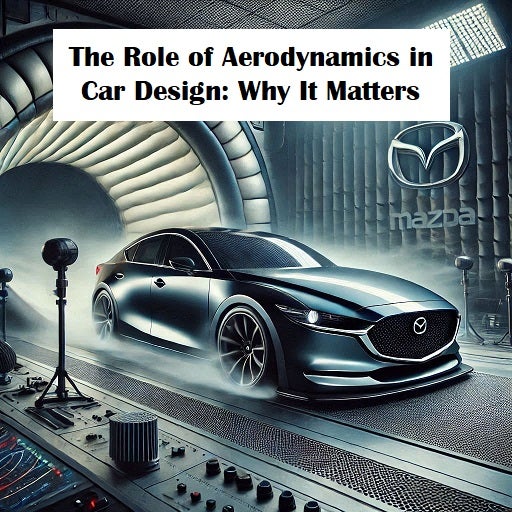
The Role of Aerodynamics in Car Design: Why It Matters

Aerodynamics plays a crucial role in modern car design, influencing everything from performance and fuel efficiency to safety and aesthetics. As automotive technology advances, understanding the principles of aerodynamics and their impact on vehicle design is essential for both engineers and consumers. This blog explores the importance of aerodynamics in car design, the key concepts involved, and how they shape the vehicles we drive today. more Understanding Aerodynamics What is Aerodynamics? Definition: Aerodynamics is the study of how air flows around objects, such as vehicles. In car design, it focuses on reducing drag and optimizing airflow to improve performance and efficiency. Principles: The fundamental principles of aerodynamics include lift, drag, and downforce. These factors influence how air interacts with the vehicle's surfaces as it moves. The Importance of Aerodynamics in Cars Performance: Aerodynamics affects a car's speed and handling. A well-designed aerodynamic profile can enhance stability and agility, allowing for better high-speed performance. Fuel Efficiency: Reducing drag improves fuel efficiency by decreasing the amount of energy required to overcome air resistance. This results in better mileage and reduced fuel consumption. Safety: Aerodynamic design can enhance vehicle stability and control, particularly at high speeds. It also plays a role in managing airflow around the car to improve visibility and reduce wind noise. Key Aerodynamic Concepts in Car Design Drag Coefficient (Cd) Definition: The drag coefficient is a measure of how aerodynamic a vehicle is. It represents the amount of aerodynamic drag a car experiences as it moves through the air. Impact: A lower drag coefficient indicates better aerodynamic efficiency, leading to improved fuel economy and higher top speeds. Modern cars strive for lower drag coefficients to maximize performance and efficiency. Lift and Downforce Lift: Lift is the force that acts upwards against gravity, potentially causing a vehicle to become less stable at high speeds. Minimizing the lift is crucial for maintaining stability and traction. Downforce: Downforce is the force that pushes the vehicle downwards, enhancing traction and stability. Aerodynamic features like spoilers and diffusers are designed to increase downforce, improving handling and cornering performance. Airflow Management Flow Separation: Flow separation occurs when the smooth airflow around a vehicle becomes turbulent. This can increase drag and reduce aerodynamic efficiency. Designing vehicles to manage airflow and minimize flow separation is essential for optimal performance. Vortex Generation: Engineers use vortex generators to control airflow and reduce drag. These small devices create controlled turbulence, helping to maintain smooth airflow and improve aerodynamic performance. Aerodynamic Features in Car Design Front Grilles and Bumpers Design: The shape and placement of front grilles and bumpers influence airflow around the car. Properly designed grilles can direct airflow to cool the engine and reduce drag. Function: Aerodynamic bumpers help manage airflow and reduce turbulence, contributing to a lower drag coefficient. Side Skirts and Underbody Panels Side Skirts: Side skirts help smooth airflow along the sides of the vehicle, reducing drag and improving stability. They also prevent airflow from getting trapped under the car. Underbody Panels: Smooth underbody panels reduce turbulence and drag by ensuring a consistent airflow beneath the vehicle. Rear Spoilers and Diffusers Spoilers: Rear spoilers increase downforce by disrupting airflow and creating aerodynamic pressure. They improve stability and handling, especially at high speeds. Diffusers: Rear diffusers manage the airflow exiting the vehicle and create additional downforce. They help reduce drag and improve overall aerodynamic efficiency. The Evolution of Aerodynamic Design Early Car Designs Historical Perspective: Early cars had rudimentary aerodynamic designs, focusing more on mechanical function than aerodynamic efficiency. As car performance became a priority, aerodynamic considerations started to influence design more significantly. Early Innovations: Innovations such as rounded shapes and streamlined bodies began to improve aerodynamic performance, leading to increased speeds and better fuel efficiency. Modern Advances Wind Tunnels and Simulations: Modern car manufacturers use wind tunnels and computer simulations to test and refine aerodynamic designs. These tools allow for precise adjustments and optimization of airflow. Materials and Techniques: Advances in materials and manufacturing techniques enable the creation of more complex aerodynamic features. Lightweight materials and advanced composites help reduce drag while maintaining structural integrity. Future Trends Electric Vehicles: As electric vehicles (EVs) become more prevalent, aerodynamic design will play an even greater role in optimizing range and performance. EVs often feature sleek, streamlined designs to maximize efficiency. Autonomous Vehicles: The design of autonomous vehicles may incorporate unique aerodynamic features to enhance stability and performance. The integration of sensors and cameras will influence aerodynamic considerations. The Impact on Consumers Benefits of Aerodynamic Design Improved Fuel Efficiency: Consumers benefit from better fuel economy due to reduced drag and optimized airflow, leading to cost savings on fuel. Enhanced Driving Experience: Aerodynamic design contributes to a smoother, quieter driving experience by reducing wind noise and improving vehicle stability. Choosing Aerodynamic Vehicles Considerations: When selecting a vehicle, consider its aerodynamic features and their impact on performance and efficiency. Look for vehicles with low drag coefficients and advanced aerodynamic design elements. The Power of Aerodynamics Aerodynamics is a fundamental aspect of modern car design, influencing everything from performance and fuel efficiency to safety and comfort. Understanding the role of aerodynamics helps appreciate the engineering and innovation behind today’s vehicles. As technology continues to advance, aerodynamic design will remain a key factor in shaping the future of automotive engineering, leading to more efficient, stable, and enjoyable driving experiences.

BM4 june 2025 title

How to Troubleshoot Common Car Electrical Problems

Car electrical systems can be complex, and when issues arise, they can lead to frustration and inconvenience. However, many common electrical problems can be diagnosed and potentially fixed with a bit of knowledge and patience. In this blog, we’ll explore some common car electrical issues, how to troubleshoot them, and when to seek professional help. more Understanding Your Car's Electrical System Your car's electrical system powers a variety of components, including the starter, alternator, battery, lights, and various sensors. The system relies on a network of wires, fuses, and relays to distribute electricity efficiently. When one component fails or malfunctions, it can impact the entire system. Common Car Electrical Problems Dead Battery Symptoms: The engine won't start, dim headlights, or electrical accessories not working. Alternator Issues Symptoms: Warning lights on the dashboard, flickering headlights, or a dead battery after a jump start. Blown Fuses Symptoms: Certain electrical components (like lights or radio) stop working. Starter Motor Problems Symptoms: Clicking sounds when turning the key, or the engine won't crank. Wiring Issues Symptoms: Intermittent electrical failures, lights that flicker, or unexpected behavior from electrical components. Troubleshooting Steps Diagnosing a Dead Battery Check Battery Connections: Ensure the battery terminals are clean and tightly connected. Corrosion can hinder electrical flow, so clean any buildup with a wire brush. Test the Battery: Use a multimeter to check the voltage. A healthy battery should read around 12.6 volts. If it’s below 12.4 volts, it may need a charge or replacement. Jump Start: If the battery is dead, try jump-starting the vehicle. If it starts, the battery may be faulty or unable to hold a charge. Inspecting the Alternator Check Warning Lights: If the battery light or charging system warning light is illuminated, it could indicate an alternator problem. Test Voltage Output: With the engine running, use a multimeter to measure the voltage at the battery terminals. A healthy alternator should produce between 13.7 and 14.7 volts. If the voltage is lower, the alternator may fail. Listen for Unusual Noises: A whining or grinding noise from the alternator can indicate a failing bearing or internal problem. Identifying Blown Fuses Locate the Fuse Box: Consult the owner’s manual to find the fuse box and identify the specific fuse for the malfunctioning component. Check the Fuses: Remove the fuse and inspect it for a broken filament. If the fuse is blown, replace it with a new one of the same amperage. Investigate the Cause: If the new fuse blows shortly after replacement, there may be an underlying issue, such as a short circuit, that needs further investigation. Troubleshooting Starter Motor Issues Listen for Clicks: If you hear a clicking sound when turning the key, the starter motor may be faulty or there may be insufficient power. Check Battery Voltage: Ensure the battery is fully charged, as low voltage can prevent the starter from functioning properly. Inspect Wiring: Check the wiring connections to the starter motor for signs of damage or corrosion. Addressing Wiring Issues Look for Exposed Wires: Inspect the wiring harnesses for any exposed or damaged wires, which can cause shorts or intermittent electrical failures. Test with a Multimeter: Use a multimeter to check for continuity in wires and connectors. If you find a break in the wire, repair or replace it as needed. Consult a Wiring Diagram: Use a wiring diagram for your vehicle to help identify potential problem areas and ensure everything is connected properly. When to Seek Professional Help While many electrical problems can be diagnosed and resolved at home, some issues may require professional expertise. If you’re unsure about the problem, lack the necessary tools, or feel uncomfortable working on the electrical system, it’s best to consult a qualified mechanic. Additionally, problems like computer malfunctions, advanced diagnostics, or repairs involving the vehicle’s onboard systems may be best left to the professionals. Save Time and Money Troubleshooting common car electrical problems can save you time and money while keeping your vehicle running smoothly. By understanding the symptoms and following the appropriate troubleshooting steps, you can diagnose and potentially resolve many electrical issues. Always prioritize safety and don’t hesitate to seek professional help when needed. With a little knowledge and effort, you can keep your car’s electrical system in top shape and enjoy a reliable driving experience.

BM3 june 2025 title

Mazda's Approach to Sustainability and Environmental Responsibility

As the world becomes increasingly aware of environmental issues and the need for sustainable practices, the automotive industry is under pressure to adapt and innovate. Mazda is rising to this challenge with a strong commitment to sustainability and environmental responsibility. From vehicle design and production to corporate practices, Mazda is implementing strategies that not only benefit the planet but also enhance the overall driving experience. In this blog, we’ll explore Mazda’s holistic approach to sustainability and what it means for the future of the brand and its customers. more Sustainable Zoom-Zoom 2030 Vision At the core of Mazda’s sustainability efforts is its long-term vision, Sustainable Zoom-Zoom 2030. This roadmap outlines the company’s commitment to reducing its environmental impact while enhancing driving pleasure. Key goals of this initiative include: Reduction of CO2 Emissions: Mazda aims to achieve a 50% reduction in average CO2 emissions from its new vehicles by 2030, compared to 2010 levels. This ambitious target reflects the brand’s dedication to creating more efficient and environmentally friendly vehicles. Electrification of the Lineup: Mazda plans to expand its electrified vehicle offerings, including battery electric vehicles (BEVs), hybrids, and plug-in hybrids. The company intends for 100% of its new models to feature some form of electrification by 2030, allowing customers to choose sustainable options that suit their lifestyles. Innovative Technologies for Efficiency Mazda is committed to developing innovative technologies that improve fuel efficiency and reduce emissions across its entire lineup. Key advancements include: SKYACTIV Technology: This suite of technologies encompasses engines, transmissions, and vehicle platforms designed to maximize fuel efficiency and performance. SKYACTIV-G, the brand’s gasoline engine technology, features high compression ratios and direct fuel injection, resulting in impressive efficiency without sacrificing power. Mild Hybrid Systems: Mazda is incorporating mild hybrid systems in several models, enhancing fuel efficiency by using an electric motor to assist the gasoline engine during acceleration. This technology not only improves efficiency but also contributes to lower emissions. Sustainable Materials: In line with its commitment to environmental responsibility, Mazda is exploring the use of sustainable materials in its vehicles. This includes recycled plastics, natural fibers, and other eco-friendly materials that reduce the environmental impact of production. Eco-Friendly Manufacturing Practices Mazda understands that sustainability extends beyond vehicle design; it also involves responsible manufacturing practices. The company is taking significant steps to reduce its environmental footprint throughout the production process: Energy Efficiency: Mazda is investing in energy-efficient manufacturing processes and technologies to minimize energy consumption in its plants. This includes the use of renewable energy sources, such as solar and wind power, to reduce reliance on fossil fuels. Waste Reduction: The company is committed to reducing waste generated during production. Initiatives include recycling materials, optimizing production processes to minimize scrap, and implementing waste management practices that divert materials from landfills. Water Conservation: Mazda is focused on conserving water resources in its manufacturing facilities. The company has implemented strategies to reduce water usage and recycle water in its production processes. Community Engagement and Corporate Responsibility Mazda’s commitment to sustainability extends beyond its operations; the company actively engages with communities and supports initiatives that promote environmental stewardship: Partnerships and Collaborations: Mazda collaborates with various organizations and initiatives aimed at promoting sustainability and environmental education. These partnerships help raise awareness about environmental issues and encourage responsible practices within communities. Corporate Social Responsibility Programs: Mazda supports various corporate social responsibility programs focused on education, health, and community development. By investing in these initiatives, the company aims to contribute positively to society and the environment. Looking Ahead: The Future of Mazda and Sustainability As Mazda continues to evolve, its commitment to sustainability will remain at the forefront of its strategy. The company is actively researching and developing new technologies that will further enhance its environmental responsibility, including: Advancements in Battery Technology: Mazda is exploring new battery technologies to improve the performance and range of its electric vehicles. Innovations in battery chemistry and design will contribute to more efficient and sustainable EVs. Hydrogen Technology: Mazda is also researching hydrogen fuel cell technology as a potential solution for sustainable mobility. The company believes that hydrogen could play a significant role in achieving carbon neutrality in the automotive industry. Global Carbon Neutrality Goals: Mazda is committed to achieving carbon neutrality across its entire business, from manufacturing to product lifecycle, by 2050. This ambitious goal reflects the company’s dedication to addressing climate change and promoting a sustainable future. Industry Leader Mazda’s approach to sustainability and environmental responsibility is comprehensive and forward-thinking. Through its Sustainable Zoom-Zoom 2030 vision, innovative technologies, eco-friendly manufacturing practices, and community engagement, Mazda is taking significant steps toward creating a more sustainable automotive future. As consumers increasingly prioritize sustainability in their purchasing decisions, Mazda’s commitment to environmental stewardship positions the brand as a leader in the industry. With ongoing advancements and a clear vision for the future, Mazda is not only shaping the way we drive but also ensuring that the planet remains a beautiful place to explore.

bm3 title may 2025

Understanding Mazda’s Skyactiv Technology: What It Is and Why It Matters

Mazda has long been a brand associated with innovation, performance, and driving pleasure. One of the key technological advancements that set Mazda apart from the competition is its Skyactiv Technology. Introduced in 2011, Skyactiv represents a holistic approach to improving vehicle efficiency, performance, and environmental impact. But what exactly is Skyactiv Technology, and why does it matter? Let’s delve into the details. more The Genesis of Skyactiv Technology In an automotive world increasingly focused on sustainability, Mazda faced the challenge of enhancing fuel efficiency and reducing emissions without sacrificing the driving dynamics that its customers love. Instead of relying solely on hybrid or electric technology, Mazda engineers took a comprehensive approach, rethinking and redesigning every aspect of the internal combustion engine, transmission, body, and chassis. The result was Skyactiv Technology—a suite of innovations that work together to create vehicles that are more efficient, more powerful, and more enjoyable to drive. Skyactiv-G: The Heart of the Engine At the core of Skyactiv Technology is the Skyactiv-G engine, Mazda’s gasoline engine that boasts the world’s highest compression ratio for a mass-produced vehicle. This high compression ratio (14:1 in some models) allows the engine to extract more energy from the fuel-air mixture, resulting in greater power and efficiency. Unlike traditional engines that lose energy through heat, the Skyactiv-G engine maximizes fuel efficiency while minimizing emissions. This innovation allows drivers to enjoy the performance of a larger engine while benefiting from the fuel economy of a smaller one. Skyactiv-D: Redefining Diesel Mazda’s Skyactiv-D engine brings the principles of Skyactiv Technology to diesel engines. With a low compression ratio (unusual for diesel engines), the Skyactiv-D engine reduces emissions and improves efficiency without the need for expensive after-treatment systems. This engine is designed to meet global emissions standards while delivering the torque-rich performance that diesel enthusiasts love. Skyactiv-Drive and Skyactiv-MT: Precision in Transmission To complement the advanced engines, Mazda developed the Skyactiv-Drive automatic transmission and Skyactiv-MT manual transmission. The Skyactiv-Drive combines the benefits of conventional automatic, continuously variable, and dual-clutch transmissions, providing smooth shifts, quick acceleration, and exceptional fuel efficiency. The Skyactiv-MT, on the other hand, offers a lightweight, compact design with a short, precise shift feel, enhancing the connection between driver and car. Skyactiv-Chassis and Skyactiv-Body: Lighter, Stronger, Safer Mazda’s Skyactiv Technology extends beyond the engine and transmission to include the vehicle’s chassis and body structure. The Skyactiv-Chassis is designed to provide responsive handling, stability, and comfort, creating a driving experience that’s both engaging and enjoyable. Meanwhile, the Skyactiv-Body uses ultra-high tensile steel to create a structure that is both lighter and stronger. This not only improves fuel efficiency but also enhances safety by absorbing and dissipating crash energy more effectively. Why Skyactiv Technology Matters Skyactiv Technology represents Mazda’s commitment to innovation without compromise. In an era where many manufacturers are focused solely on electrification, Mazda’s approach to improving the traditional internal combustion engine is refreshingly different. Skyactiv Technology matters because it proves that significant gains in fuel efficiency and reductions in emissions can be achieved without sacrificing the performance and driving pleasure that Mazda is known for. Moreover, Skyactiv Technology is a testament to Mazda’s engineering ingenuity. By rethinking the fundamentals of automotive design, Mazda has created vehicles that are more efficient, environmentally friendly, and enjoyable to drive. For consumers, this means driving a car that not only meets modern demands for sustainability but also delivers the thrill of the open road. The Future of Skyactiv As Mazda looks to the future, Skyactiv Technology will continue to evolve. The company has already introduced Skyactiv-X, a revolutionary engine that combines the best aspects of gasoline and diesel engines using Spark Controlled Compression Ignition (SPCCI). This innovation promises even greater efficiency and lower emissions. Additionally, Mazda is exploring new frontiers with electrification, integrating Skyactiv principles into hybrid and electric powertrains. A Philosophy Mazda’s Skyactiv Technology is more than just a collection of technical advancements—it’s a philosophy that guides the brand’s approach to automotive engineering. By focusing on efficiency, performance, and environmental responsibility, Mazda has created a range of vehicles that offer the best of all worlds. Whether you’re a driving enthusiast or a conscious consumer, Skyactiv Technology ensures that you don’t have to choose between pleasure and responsibility. In a world where compromise often seems inevitable, Mazda’s Skyactiv Technology is proof that you can have it all.

bm1 title may 2025

The Benefits of Mazda’s i-ACTIV AWD System: Confidence in Every Drive

Mazda has long been known for its commitment to delivering vehicles that are not only fun to drive but also equipped with cutting-edge technology designed to enhance safety and performance. One such innovation is Mazda’s i-ACTIV All-Wheel Drive (AWD) system. This advanced AWD technology sets Mazda apart by providing drivers with enhanced stability, control, and confidence, regardless of road or weather conditions. Let’s explore the benefits of Mazda’s i-ACTIV AWD system and why it matters for your driving experience. more Enhanced Traction and Stability The primary advantage of Mazda’s i-ACTIV AWD system is its ability to provide superior traction and stability in various driving conditions. Unlike traditional AWD systems that react after slippage occurs, i-ACTIV AWD is proactive, constantly monitoring road conditions, driver inputs, and vehicle dynamics. It uses this data to anticipate potential loss of traction and adjusts power distribution between the front and rear wheels accordingly. This means that whether you’re driving on a wet, icy, or uneven surface, the i-ACTIV AWD system ensures that power is sent to the wheels with the most grip, reducing the likelihood of wheel spin and enhancing overall stability. The result is a smoother, more controlled driving experience, even in challenging conditions. Seamless and Intuitive Operation One of the standout features of Mazda’s i-ACTIV AWD system is its seamless operation. The system continuously monitors over 27 sensors that measure factors such as wheel speed, throttle position, steering angle, and even outside temperature. This data allows the system to predict and respond to changes in driving conditions within milliseconds. The beauty of i-ACTIV AWD is that it works in the background without requiring any input from the driver. The transition between front-wheel drive and all-wheel drive is so smooth that it’s often imperceptible, allowing you to focus on the road and enjoy the drive without being distracted by sudden power shifts or jerky movements. I mproved Cornering and Handling Mazda’s i-ACTIV AWD system not only enhances traction on slippery surfaces but also improves cornering and handling on dry roads. By distributing power to the rear wheels when necessary, the system helps maintain optimal balance and control during cornering, reducing understeer and improving overall stability. This is particularly beneficial for drivers who enjoy spirited driving or frequently navigate winding roads. The i-ACTIV AWD system enhances the vehicle’s responsiveness, allowing for more precise handling and a more engaging driving experience. I ncreased Safety in Adverse Weather Driving in adverse weather conditions can be stressful, but Mazda’s i-ACTIV AWD system is designed to mitigate the challenges posed by rain, snow, and ice. By constantly monitoring the road and making real-time adjustments, the system ensures that your vehicle remains stable and secure, even when conditions are less than ideal. This increased safety is especially important during winter months when roads are often slick and unpredictable. With i-ACTIV AWD, you can have peace of mind knowing that your Mazda is equipped to handle whatever the weather throws your way, keeping you and your passengers safe. Optimized Fuel Efficiency One common concern with AWD systems is the potential impact on fuel efficiency. However, Mazda’s i-ACTIV AWD system is designed to minimize this drawback by operating primarily in front-wheel drive mode when all-wheel drive is not needed. This reduces the amount of power sent to the rear wheels, thereby improving fuel efficiency compared to traditional AWD systems that are always engaged. When road conditions or driving dynamics demand more traction, the system seamlessly engages the rear wheels, ensuring that you have the necessary grip without sacrificing efficiency. This intelligent power distribution allows you to enjoy the benefits of AWD while still achieving impressive fuel economy. Versatility for All Lifestyles Whether you’re navigating city streets, embarking on a weekend adventure, or tackling off-road terrain, Mazda’s i-ACTIV AWD system provides the versatility you need. The system adapts to a wide range of driving scenarios, making it an ideal choice for drivers with diverse lifestyles. For those who enjoy outdoor activities or live in regions with variable weather conditions, i-ACTIV AWD ensures that your Mazda can handle different environments with ease. From daily commuting to exploring the great outdoors, the system’s adaptability enhances the overall driving experience. Peace of Mind for Long Journeys Long road trips can present a variety of driving conditions, from smooth highways to unexpected weather changes. Mazda’s i-ACTIV AWD system offers peace of mind for these journeys by ensuring that your vehicle is prepared for any situation. The system’s ability to automatically adjust to changing conditions allows you to focus on enjoying the journey rather than worrying about road conditions. Additionally, the system’s predictive capabilities reduce the risk of accidents by maintaining stability and control, even in sudden or challenging situations. This added security is invaluable for long drives, where safety and comfort are paramount. Get Safety and Performance Mazda’s i-ACTIV AWD system is a testament to the brand’s dedication to creating vehicles that are both exhilarating to drive and equipped with advanced technology for safety and performance. By providing enhanced traction, stability, and handling, i-ACTIV AWD gives drivers the confidence to tackle any road condition with ease. Whether you’re navigating wet city streets, winding country roads, or snow-covered highways, Mazda’s i-ACTIV AWD system ensures that you’re always in control. For drivers who value both performance and safety, this innovative AWD system is a game-changer, making every drive more enjoyable, secure, and efficient.

Contact Us

Fill out this form below and we'll contact you shortly
*Required Fields