Blog / Service

Blog

All Service News Technology Important Information Tips Mazda Model Features Mazda Service Features & Specs Awards Mazda Vehicles Mazda Safety Technology Money Saving Tips Safety Beach Mazda Service History 2023 Models Community Events Comparisons Fun Stuff Financing Your Mazda Local 2024 Models Holidays Mazda Parts Car Buying Process Driver-Centric Design EVs Exterior Fuel & Gas Infotainment Pre-Owned Travel Certified Pre-Owned Mazda Vehicles Electric & Hybrid Vehicles Insurance Mazda Accessories Mazda CX-30 Mazda CX-5 Mazda3 Racing Restaurants & Food Tires & Wheels Activities Drive For Good Interior Kodo Design Language Mazda CX-9 Mazda Motorsports Seasonal Automotive Cleaning Fuel System Mazda Connect Paint & Body Work Down-payments Transmission Weather Brakes i-Activsense Technology Large Vehicles & SUVs Mazda high compression engine care Millennials Skyactiv engine maintenance Suspension System Towing
bm3-aug-title

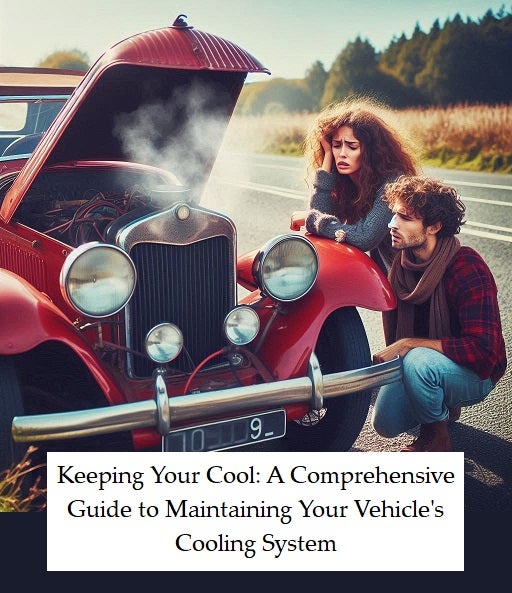
Keeping Your Cool: A Comprehensive Guide to Maintaining Your Vehicle's Cooling System

Your vehicle's cooling system plays a vital role in preventing overheating and ensuring optimal engine performance. Regular maintenance of the cooling system is essential for the longevity of your vehicle and preventing costly repairs. In this blog, we'll provide a comprehensive guide on how to maintain your vehicle's cooling system, keeping your engine running smoothly and your car on the road. Understanding the Cooling System The cooling system consists of various components working together to regulate engine temperature and prevent overheating. Key components include the radiator, coolant, water pump, thermostat, and hoses. Proper maintenance of these components is crucial for the efficient operation of the cooling system. 1. Regularly Check Coolant Levels Why It's Important: Coolant, also known as antifreeze, helps regulate the engine temperature and prevents freezing in cold conditions. Regularly check coolant levels to ensure they are within the recommended range. Tip: Check coolant levels when the engine is cool, and if needed, top up with a mixture of coolant and distilled water as specified in your vehicle's owner's manual. 2. Inspect for Coolant Leaks Why It's Important: Coolant leaks can lead to a loss of fluid, causing the engine to overheat. Periodically inspect the area around the radiator, hoses, and water pump for signs of leaks. Tip: Look for puddles or stains beneath the vehicle and check for visible leaks in the engine compartment. 3. Flush and Replace Coolant Why It's Important: Over time, coolant can accumulate contaminants and lose its effectiveness. A periodic coolant flush helps remove debris and old fluid, ensuring optimal performance. Tip: Follow your vehicle manufacturer's recommended interval for coolant replacement. Use the type of coolant specified in your owner's manual. 4. Check Radiator and Cooling Fins Why It's Important: The radiator dissipates heat from the coolant, and the cooling fins enhance this process. Inspect the radiator for damage and ensure the fins are clean and free from debris. Tip: Use a soft brush or compressed air to clean the cooling fins and visually inspect for any bent or damaged sections. 5. Inspect Belts and Hoses Why It's Important: Belts and hoses play a crucial role in the cooling system. Regularly inspect them for signs of wear, cracking, or leaks to prevent unexpected failures. Tip: Replace worn or damaged belts and hoses promptly. Check for proper tension in the belts to ensure they are functioning correctly. 6. Test the Thermostat Why It's Important: The thermostat regulates coolant flow, ensuring it reaches the proper temperature. Testing the thermostat helps identify any issues with its operation. Tip: If you notice fluctuations in engine temperature or overheating, it may indicate a faulty thermostat. Consider having it tested or replaced. 7. Monitor the Water Pump Why It's Important: The water pump circulates coolant through the engine and radiator. Regularly check for leaks around the water pump and listen for any unusual noises. Tip: If you notice coolant leaks or hear a squeaking noise, it may indicate a failing water pump. Address these issues promptly to prevent overheating. 8. Keep an Eye on Engine Temperature Why It's Important: Monitoring your vehicle's temperature gauge can provide early indications of cooling system issues. An unusually high temperature may signal a problem. Tip: If you observe temperature fluctuations or overheating, consult a professional mechanic to diagnose and address the issue. 9. Use Coolant Additives Why It's Important: Coolant additives can enhance the performance of your vehicle's cooling system. They can provide additional protection against rust, corrosion, and the formation of deposits. Tip: Follow the manufacturer's recommendations when using coolant additives and choose products compatible with your vehicle's coolant. 10. Consult a Professional Mechanic Why It's Important: While you can perform basic cooling system maintenance, consulting a professional mechanic for more complex tasks and inspections ensures thorough care for your vehicle. Tip: Schedule regular check-ups with a mechanic to assess the overall health of your vehicle's cooling system and address any potential issues. Responsible Car Ownership Maintaining your vehicle's cooling system is a crucial aspect of responsible car ownership. By following these comprehensive steps and staying proactive with regular checks, you can prevent overheating, extend the life of your engine, and ensure a smooth and reliable driving experience. Remember that a well-maintained cooling system not only keeps your engine cool but also contributes to the overall health and longevity of your vehicle.

bm1-title-pic

Ready, Set, Road Trip: A Comprehensive Guide to Getting Your Vehicle Adventure-Ready

Embarking on a road trip is an exhilarating experience, and ensuring your vehicle is in top-notch condition is crucial for a smooth and enjoyable journey. Before you hit the open road, it's essential to prepare your car for the adventure ahead. In this blog post, we'll provide a comprehensive guide to getting your vehicle road trip ready. Perform a Thorough Inspection Before anything else, conduct a comprehensive inspection of your vehicle. Check the following: Fluid Levels: Ensure that engine oil, transmission fluid, brake fluid, coolant, and windshield washer fluid levels are appropriate. Tire Condition: Inspect tire tread depth, look for signs of uneven wear, and ensure all tires are properly inflated, including the spare. Brakes: Check the brake pads and rotors for wear. If you hear unusual noises or experience braking issues, have the brakes inspected. Lights and Signals: Verify that all lights, including headlights, brake lights, turn signals, and hazard lights, are functioning correctly. Battery: Test the battery's charge and inspect for any signs of corrosion on the terminals. Change the Oil and Filter Schedule an oil change if you're due for one. Fresh oil and a clean filter help ensure optimal engine performance during the road trip. Check the manufacturer's recommendations for the appropriate oil type and change interval. Check the Cooling System A well-functioning cooling system is vital for preventing overheating during long drives. Inspect the radiator, hoses, and coolant levels. If the coolant hasn't been changed in a while, consider flushing and refilling the system. Inspect the Brakes Brakes are crucial for safety, especially on long journeys. If you notice any signs of brake issues, such as squeaking or grinding noises, or if it's been a while since your last brake inspection, schedule a checkup. Replace brake pads or rotors as needed. Replace Wiper Blades and Fluid Clear visibility is essential for safe driving. Replace worn-out wiper blades and ensure the windshield washer fluid reservoir is filled. Summer road trips may involve unexpected rain showers, and having efficient wipers is crucial. Test the Air Conditioning A functional air conditioning system ensures a comfortable driving experience, especially during hot summer months. Test the AC system to ensure it's cooling effectively. If there are issues, schedule a professional inspection and recharge if necessary. Inspect the Suspension and Alignment A smooth ride is essential for a comfortable road trip. Check for signs of uneven tire wear, vibrations, or pulling to one side, as these could indicate issues with the suspension or wheel alignment. Address any problems before hitting the road. Pack an Emergency Kit Prepare for unexpected situations by packing an emergency kit that includes: Jumper cables Spare tire, jack, and lug wrench Flashlight with extra batteries Basic tools (screwdrivers, pliers) First aid kit Reflective triangles or flares Tire pressure gauge Verify Insurance and Documents Ensure your vehicle's insurance is up to date and pack all necessary documents, including: Driver's license Vehicle registration Insurance card Roadside assistance information Plan Your Route and Stops Plan your route in advance, considering rest stops, meals, and attractions along the way. Having a well-thought-out itinerary enhances the overall road trip experience. Address Issues Early Getting your vehicle road trip ready involves a combination of preventive maintenance, thorough inspections, and proper planning. By taking the time to address any potential issues and prepare for the unexpected, you'll not only ensure a safe and reliable journey but also set the stage for unforgettable adventures on the open road. Safe travels!

e5yhwrthoiqryiqu45h09uqrthijrg

Eyes on the Road: Exploring the Best Dashboard Cameras for Your Vehicle

Introduction: In the age of advanced technology, having a dashboard camera, or dash cam, in your vehicle is becoming increasingly popular. These compact devices capture real-time footage of your journey, providing not only a sense of security but also valuable evidence in case of incidents. In this blog, we'll delve into the world of dashboard cameras, exploring the best options available to equip your vehicle with an extra set of vigilant eyes. 1. Vantrue N2 Pro Dual Dash Cam Why It's Great: The Vantrue N2 Pro is renowned for its dual-camera setup, capturing both the road ahead and the interior of your vehicle. It boasts impressive video quality, night vision capability, and a user-friendly design. Key Features: Dual 1080p resolution cameras. Infrared night vision for clear footage in low-light conditions. Loop recording and G-sensor for incident detection. 2. Garmin Dash Cam 66W Why It's Great: Garmin is a trusted name in navigation, and their Dash Cam 66W combines reliability with advanced features. This compact dash cam offers a wide-angle lens, 1440p resolution, and built-in GPS for location tracking. Key Features: 180-degree field of view for comprehensive coverage. Voice control for hands-free operation. Automatic incident detection and recording. 3. Nextbase 522GW Dash Cam Why It's Great: The Nextbase 522GW stands out for its impressive 1440p resolution, touch screen display, and compatibility with Amazon's Alexa. It also supports add-on modules for features like rear-view recording and cabin view. Key Features: Emergency SOS feature for immediate response in case of an accident. Intelligent Parking Mode for surveillance when your vehicle is parked. Quick-Link Wi-Fi for easy file transfer and sharing. 4. Rexing V1-4K Ultra HD Car Dash Cam Why It's Great: The Rexing V1-4K delivers ultra HD video quality at an affordable price. Its discreet design, loop recording, and reliable performance make it a popular choice among budget-conscious users. Key Features: 4K resolution for crisp and clear video footage. Wide dynamic range (WDR) for enhanced low-light performance. Loop recording and G-sensor for incident capture. 5. BlackVue DR900S-2CH Dash Cam Why It's Great: BlackVue is synonymous with high-quality dash cams, and the DR900S-2CH is no exception. It offers 4K front camera recording and a Full HD rear camera, along with cloud connectivity for remote access to footage. Key Features: 4K UHD front camera and Full HD rear camera. Built-in GPS and Wi-Fi for location tracking and easy file access. Cloud connectivity for real-time notifications and remote viewing. 6. Thinkware U1000 4K Dual Channel Dash Cam Why It's Great: The Thinkware U1000 boasts 4K UHD resolution, making it one of the highest-quality dash cams on the market. It comes equipped with advanced safety features and a comprehensive parking surveillance mode. Key Features: 4K UHD front and 2K QHD rear cameras for exceptional video clarity. Super Night Vision and Energy Saving Parking Mode. Advanced driver assistance system (ADAS) with lane departure and forward collision warnings. 7. VIOFO A129 Pro Duo 4K Dual Dash Cam Why It's Great: The VIOFO A129 Pro Duo is a compact yet powerful dual-channel dash cam offering 4K UHD resolution for both front and rear cameras. It features reliable performance, GPS logging, and built-in Wi-Fi for easy file management. Key Features: 4K UHD front and rear cameras with Sony image sensors. Buffered parking mode for capturing events before and after triggered incidents. CPL filter for reducing glare and improving video quality. 8. Anker Roav DashCam C2 Pro Why It's Great: Anker's Roav DashCam C2 Pro is a budget-friendly option that doesn't compromise on essential features. It offers 1080p resolution, a wide-angle lens, and built-in GPS for accurate location tracking. Key Features: Full HD 1080p resolution with a 145-degree wide-angle lens. Gravity sensor for automatic incident detection and recording. Compact design with a user-friendly interface. 9. Rove R2-4K Dash Cam Why It's Great: The Rove R2-4K stands out for its 4K UHD recording capability at an affordable price. It features built-in Wi-Fi, loop recording, and a compact design that won't obstruct your view. Key Features: 4K UHD resolution for sharp and detailed video footage. Built-in Wi-Fi for easy file transfer and mobile app connectivity. Loop recording and G-sensor for incident detection. 10. Aukey Dash Cam Dual Why It's Great: Aukey's Dual Dash Cam offers budget-friendly dual-camera functionality with Full HD recording for both the front and rear views. It features a compact design, loop recording, and a user-friendly interface. Key Features: Full HD 1080p resolution for both front and rear cameras. Loop recording and G-sensor for automatic incident capture. Super capacitor for reliable performance in various temperatures. Safety and Peace of Mind Investing in a reliable dashboard camera is a prudent decision for both safety and peace of mind. The best dashboard camera for your vehicle depends on your specific needs, budget, and desired features. Whether you prioritize 4K resolution, dual-channel recording, or smart connectivity, the options listed above cater to a variety of preferences, ensuring you find the perfect dash cam to document your journeys on the road.

Roadmap to Reliability: 5 Questions to Ask When Choosing a Mechanic for Your Car

Finding a trustworthy and skilled mechanic is crucial for the well-being of your vehicle. Whether you're facing a sudden breakdown or in need of routine maintenance, the right mechanic can make all the difference. In this blog post, we'll explore five essential questions you should ask when selecting a mechanic to ensure your car receives the care it deserves. Are You Certified and Licensed? Before entrusting your vehicle to a mechanic, it's essential to verify their credentials. A certified and licensed mechanic has undergone formal training and demonstrated a certain level of expertise in the field. Certifications from reputable organizations, such as the National Institute for Automotive Service Excellence (ASE), are a testament to a mechanic's professionalism and commitment to quality service. What Experience and Specializations Do You Have? Experience matters when it comes to handling the intricacies of different vehicle makes and models. Inquire about the mechanic's experience, especially with cars similar to yours. Some mechanics specialize in specific areas, such as electrical systems, brakes, or transmissions. Understanding their expertise can help you choose a mechanic who is well-equipped to address your car's specific needs. Do You Provide Written Estimates? Transparent communication about costs is essential in any service industry, and automotive repair is no exception. A reputable mechanic should provide you with a detailed, written estimate before commencing any work on your vehicle. This estimate should outline the costs of parts, labor, and any additional fees, helping you avoid surprises when the final bill arrives. What Warranty or Guarantees Do You Offer? A reliable mechanic stands by their work and should offer warranties or guarantees on both parts and labor. Ask about the specific terms of their warranty policy, including the duration and coverage. A warranty not only reflects the mechanic's confidence in their work but also provides you with peace of mind, knowing that you're protected in case issues arise after the repair. Can You Provide References or Customer Reviews? Word of mouth is a powerful indicator of a mechanic's reputation. Ask for references or seek out customer reviews online to get a sense of the experiences others have had with the mechanic. Positive reviews and satisfied customers are a good sign that the mechanic values customer satisfaction and performs quality work. Establish a Relationship Choosing the right mechanic involves more than just finding someone who can fix your car; it's about establishing a relationship built on trust and reliability. By asking these five essential questions, you can navigate the process of selecting a mechanic with confidence. Remember, a skilled and trustworthy mechanic can be a valuable partner in keeping your vehicle running smoothly and ensuring your peace of mind on the road.

What You Need to Know About Automotive Belts and Hoses

When it comes to keeping your car running smoothly, automotive belts and hoses are essential components. Belts and hoses are responsible for transferring power from the engine to other parts of the car, such as the alternator, power steering pump, and air conditioning compressor. They also help to keep the engine cool by transferring coolant from the radiator to the engine. What are Belts? Belts are made of rubber and are used to transfer power from the crankshaft to other parts of the car. They are usually made of a single piece of rubber and are designed to be flexible and durable. Belts can become worn over time, and it is important to check them regularly for signs of wear and tear. If a belt is worn or cracked, it should be replaced as soon as possible to avoid further damage to the engine. What are Hoses? Hoses are also made of rubber and are used to transfer fluids, such as coolant, from one part of the car to another. They are usually made of a reinforced rubber material and are designed to be flexible and durable. Like belts, hoses can become worn over time and should be checked regularly for signs of wear and tear. If a hose is cracked or leaking, it should be replaced as soon as possible to avoid further damage to the engine. Regularly Inspect It is important to regularly inspect your car’s belts and hoses to ensure they are in good condition. If you notice any signs of wear or damage, it is important to have them replaced as soon as possible to avoid further damage to the engine. Regular maintenance of your car’s belts and hoses can help to keep your car running smoothly and efficiently.

Online Mazda Service Scheduling Instructions

Did you know you can schedule your Mazda vehicle’s service or repairs online? It’s a really easy process too! If you haven’t scheduled service online before, here is the process to do so. Do This First First, you’ll want to go to our website at https://www.beachmazda.com/ In the top right hand corner, click or tap “Schedule Service.” The Log-In Page Once you click or tap that button, you’ll be sent to the log-in page. Here you’ll have two options: If you’ve had service here before, simply enter your phone number or email address. If you haven’t had service here before, click or tap “I’m a new customer” and follow the prompts. Now, just confirm your contact and vehicle information. Pick the Services You Want After this step, you will be taken to the requested services screen. Scroll down the list to find what service you need and click the circle in the right hand column to select it. When you have all the services you want selected, at the bottom right of the page, click or tap NEXT. Do You Need a Ride? You will now be taken to the Transportation screen. Here, you have three option from which to choose. You can drop off your vehicle by clicking or tapping the I HAVE A RIDE option. You can click I’LL WAIT AT THE DEALERSHIP if you are going to wait for your service to be completed. If you want to go home but don’t have a ride, you can pick the I’LL TAKE THE SHUTTLE option. We can also drop you off at the mall, a grocery store or someplace else. Once you’ve made your choice, click or tap NEXT on the top right hand corner of the page. Choose Your Appointment Date and Time You should now be on the APPOINTMENT TIME page. The first thing you will want to do is choose your service advisor. Shea Bomar is our dedicated Volvo Service Advisor. Below that line will be the available appointment dates. Use the arrows < or > to scroll left or right to find the date you want. Under that, the available appointment times will be listed. Click or tap the appointment time you desire. Please note, if a date or time is not listed, it means that date or time is not available. You will need to pick a different date or time. Once you have chosen the date and time you want, click NEXT in the top right hand corner of the page. Review Your Information You should now be on the REVIEW page. Please confirm your contact and vehicle information is correct. On the right side of the screen, you will see a box with the date and time of your appointment. Under that box is an area where you can send your service advisor any additional comments or questions you have prior to service. There’s also an option to have the service advisor call you. Once you have confirmed everything is correct, you must click or tap the box BOOK SERVICE to schedule your appointment. If you do not click or tap this box, your service appointment will NOT be scheduled. When you click or tap that box, you’ll be transferred to a confirmation page. If you do not get the confirmation page, your appointment is not scheduled. You will also receive a confirmation email. If you do not get the confirmation email, you appointment is not scheduled. If you don’t get your confirmation email, double check your spam folder, as it may have been sent there. As you can tell, this is a pretty straightforward process. This method of scheduling service is highly recommended. We know our call volume and hold times can be quite high at times. This is the best, quickest and easiest way to schedule your service appointment! Click or Tap the box below to get started!

When are Car Repairs Covered by Insurance?

Car repairs can be expensive, but luckily, some of them may be covered by your insurance policy. Depending on the type of coverage you have, you may be able to get some or all of the costs of repairs covered. Comprehensive Coverage If you have comprehensive coverage, you may be able to get repairs covered if your car is damaged in an accident, or if it is damaged by something other than an accident, such as a natural disaster or vandalism. Comprehensive coverage may also cover repairs if your car is stolen. Collision Coverage If you have collision coverage, you may be able to get repairs covered if your car is damaged in an accident. This coverage may also cover repairs if your car is damaged by something other than an accident, such as a natural disaster or vandalism. Liability Coverage If you have liability coverage, you may be able to get repairs covered if you are found to be at fault for an accident. This coverage may also cover repairs if your car is damaged by something other than an accident, such as a natural disaster or vandalism. Exceptions It’s important to note that not all car repairs are covered by insurance. For example, if you need repairs due to normal wear and tear, or if you need repairs due to a lack of maintenance, these costs may not be covered. Additionally, some insurance policies may have limits on the amount of coverage they provide for car repairs. If you’re unsure whether or not your car repairs are covered by your insurance policy, it’s best to contact your insurance provider to find out. They can provide you with more information about what is and isn’t covered, as well as any limits that may apply.

7 Tips to Keep Your Mazda Healthy

Mazda is one of the most reliable and dependable cars on the market, but like any vehicle, it needs regular maintenance to keep it running smoothly. Here are some of the best tips for keeping your Mazda healthy and running at its best. Follow These Tips Regular Oil Changes: Regular oil changes are essential for keeping your Mazda running smoothly. Make sure to check your owner’s manual for the recommended oil change interval and stick to it. Regular Tire Rotations: Regular tire rotations help to ensure that your tires wear evenly and last longer. It’s important to rotate your tires every 5,000 to 8,000 miles, depending on your driving habits. Regular Brake Inspections: Regular brake inspections are important for ensuring that your brakes are in good working order. Make sure to have your brakes inspected every 6 months or 6,000 miles, whichever comes first. Regular Fluids Checks: Regular fluid checks are important for ensuring that your Mazda’s fluids are at the correct levels. Make sure to check your engine oil, coolant, brake fluid, and transmission fluid levels regularly. Regular Battery Checks: Regular battery checks are important for ensuring that your battery is in good working order. Make sure to check your battery every 6 months or 6,000 miles, whichever comes first. Regular Filter Changes: Regular filter changes are important for ensuring that your Mazda’s engine is running efficiently. Make sure to change your air filter, fuel filter, and cabin air filter every 12 months or 12,000 miles, whichever comes first. Regular Wiper Blade Replacements: Regular wiper blade replacements are important for ensuring that your windshield is clear and your visibility is not impaired. Make sure to replace your wiper blades every 6 months or 6,000 miles, whichever comes first. Schedule Service at Beach Mazda By following these tips, you can help ensure that your Mazda stays healthy and running at its best. Regular maintenance is the key to keeping your Mazda running smoothly and reliably for years to come. Of course, scheduling regular maintenance and checkups at the Beach Mazda Service Department is something we will always recommend. We have the experts who can keep your vehicle on the road for years to come!

Do You Know What to Ask Your Mazda Service Advisor?

Being very much educated on the intricate details regarding your vehicle's maintenance is significant. On the off chance that you have a forthcoming Mazda Service appointment, the following are a couple of inquiries you might need to pose to your service experts. What Services are Advertised? It's fundamental to comprehend the services accessible for your vehicle in the event that you are acquiring it for customary support. A few services that will be required incorporate oil changes, tire pivots, brake, and battery checks. Do You Utilize Certified MAZDA Parts? While buying new parts, you'll need to buy great parts that will keep going for quite a while. Genuine original equipment manufacturer (OEM) vehicle parts are ensured to accommodate your vehicle since they are made by the same maker who made its unique parts. There are less expensive parts accessible, otherwise called aftermarket parts, yet they are in many cases lower quality and can harm your vehicle, causing exorbitant repairs over the long haul. Are Written Estimations Offered? Before your Mazda vehicle is taken in to be overhauled, request a written estimate. This estimate will provide you with an overall idea of what you will pay. It ought to incorporate the maintenance of your Mazda vehicle, the parts utilized for the maintenance, and work hours. The estimate ought to be nitty gritty and supported by the repairman. Feel free to ask your Service expert any subsequent inquiries concerning your arranged upkeep or fix! Are Guarantees Presented for the Service and Parts? In the event that there are issues with your Service or parts, guarantee they have a guarantee. A guarantee can guarantee that no extra installments will be paid in the event that a similar help is required soon. Prepared to acquire your Mazda vehicle for Service? Call or make an appointment at our Beach Mazda Service Department today. One of our certified specialists will be eager to assist!

MAZDA Parts that Increase Your Vehicle’s Performance

Numerous Mazda drivers need to buy Mazda parts and accessories to modify and tweak their vehicles into something that feels customized. In any case, there are Mazda parts that will improve your vehicle and upgrade its performance. Around here at Beach Mazda, we will teach you about these parts so you can take advantage of your Mazda vehicle. MAZDA Parts that Enhance Performance Despite the fact that it's anything but a mechanical part, you ought to focus on the oil you put in your vehicle. Manufactured oil turns out better for a Mazda vehicle and makes the motor run smoother. There are additionally a few sections connected with your motor that you ought to consider. Your flash attachments assist with your vehicle's start, making them fundamental to your vehicle's presentation. Next time you carry your vehicle to our Mazda administration focus, check whether you can move up to iridium flash fittings. These last longer and assist your vehicle with firing up more productively. In the event that you're looking for the vibe of driving an elite execution sports vehicle, consider moving up to a game pedal set. For instance, the Mazda3 is qualified for the overhaul (manual transmission just), which gives upgraded solace and non-slip grasp. At last, ensure that you have parts that can assist with security needs. Your windshield wipers might be worn, and there are windshield wipers dependable long and leave a sans streak sparkle. Trust Beach Mazda for Parts For all parts, go with an astonishing parts place like the one here at Beach Mazda. You will like your vehicle significantly more whenever we are finished with it!

Is Your Mazda’s Alternator Going Bad?

The alternator creates your Mazda's electrical power and re-energizes your battery. With significant obligations like this, your alternator needs to be in good form. In the event that your alternator is impaired, your Mazda Service Center can offer an alternator repair or substitution. These are a couple of the significant signs that your alternator might be going bad. Signs Your Vehicle Requires Alternator Repair Bulbs are Frequently Burning Out The bulbs in your headlights have a life expectancy of 500 to 30,000 hours relying upon the sorts of bulbs you have. Assuming you oftentimes need to replace blown bulbs, you could have an alternator issue. Bulbs rely upon a steady and reliable supply of electricity, and a well-used alternator will not have the option to give all the power required. As the alternator breaks down, its supply of electricity turns out to be extremely unpredictable. It will end up being impossible to miss when your alternator can't create sufficient power for the bulbs. At the point when you switch on the headlights, the bulbs will be exceptionally faint. This is on the grounds that the alternator can supply sufficient ability to turn on the headlights. The more disturbance to your electrical supply, the more oftentimes your bulbs will blow. Our experts can really look at the alternator and replace it if critical. A Depleted Battery Your battery can die because of advanced age, and it can likewise fail because of a feeble alternator. At the point when you start your vehicle, the battery sends a hearty electrical charge to the starter solenoid. This solenoid starts the break, and your motor will start. Assuming your alternator is fizzling, it will not have the option to re-energize your battery completely. Each time the power utilized isn't completely replaced, your battery will gradually get more fragile. As the battery gets more vulnerable, you'll encounter difficulties with starting your vehicle. The battery will not have sufficient ability to quickly turn over your motor. After this happens, your battery will near fall flat. Our professionals will test your alternator for signs that it is weakening. Damaged Wiring The power created by your alternator is sent to all your vehicle's gadgets by wiring. To endure the intensity of your motor, every one of the wires are enclosed in plastic and elastic protection. Notwithstanding this protection, wires can break down. A destroyed wire will promptly remove capacity to the part it's joined to. Your vehicle’s computer system will take note of that the part has failed, and the alternator will be told to supply more capacity to it. The exorbitant degree of power in the wire will make it heat up, and the protection can burst into flames. We can follow and supplant the harmed wiring. Assuming your alternator gives indications of strain, call our service department at Beach Mazda. Our master professionals will fix the issue for you.

Do You Know the Mazda Warning Lights?

Most drivers realize the sinking feeling of seeing a warning light illuminate at the dash. If your Mazda check engine light comes on, don’t fear. Even as a comprehensive list may be observed in your Mazda owner’s manual, this manual will help you decode a number of the more commonplace indicator lights and tell you what you must do if they turn on. Maintenance-Related Warning Lights CHECK ENGINE LIGHT: this light can indicate an issue with the engine’s electric system, emission system or gasoline tank is near empty. BATTERY LIGHT: the battery indicator is alerting you of a malfunctioning battery or troubles with the voltage regulator of your Mazda vehicle. TIRE PRESSURE MONITORING LIGHT: this light is alerting you that at least one tire no longer has the correct level of air. The tire may have a sluggish leak or become completely flat. AIRBAG SYSTEM LIGHT: this red indicator light is alerting you to a potential fault in your Mazda airbag system, which might work correctly in an accident. ENGINE COOLANT TEMPERATURE LIGHT: when flashing, this light is letting you know that the engine coolant temperature is extremely high. While constantly illuminated, your coolant is too hot and your automobile will overheat. All maintenance-associated lights require a ride to your trusted Mazda service provider. I-ACTIVSENSE-Related Lights Mazda’s i-ACTIVSENSE gives advanced protection functions. Some of these indicators include the Lane Departure Warning System, Forward Obstruction Warning, and Pedestrian Detection alert. These notifications are supposed to keep you and others safe. A complete list and descriptions for each may be defined in your Mazda owner’s manual. In the End No motorist desires to see a warning light illuminate in their automobile. It’s important to remember the fact that they are there for a specific reason. The best way to avoid maintenance-associated caution lights is go to Beach Mazda in Myrtle Beach, SC for your vehicle’s regular maintenance.

Contact Us

Fill out this form below and we'll contact you shortly
*Required Fields