Blog / History

Blog

All History News Technology Important Information Mazda Model Features Tips Mazda Service Features & Specs Awards Service Mazda Vehicles Mazda Safety Technology Money Saving Tips Safety Beach Mazda Service 2023 Models Community Events Comparisons Financing Your Mazda Fun Stuff Local 2024 Models Holidays Mazda Parts Car Buying Process Driver-Centric Design EVs Exterior Fuel & Gas Pre-Owned Certified Pre-Owned Mazda Vehicles Electric & Hybrid Vehicles Infotainment Insurance Mazda Accessories Mazda CX-30 Mazda3 Racing Restaurants & Food Tires & Wheels Travel Activities Drive For Good Kodo Design Language Mazda CX-5 Mazda CX-9 Mazda Motorsports Automotive Cleaning Fuel System Interior Paint & Body Work Seasonal Down-payments Mazda Connect Transmission Weather Brakes i-Activsense Technology Large Vehicles & SUVs Millennials Suspension System Towing
BM4 TITLE AUG 2026

Myrtle Beach for History Buffs: Museums and Historical Sites

Explore our History with Comfort and Style from Beach Mazda Myrtle Beach is famous for its sun, surf, and endless entertainment—but for those who love to step back in time, the area is also rich with fascinating history and cultural heritage. From Civil War landmarks to local museums, history buffs will find plenty to explore along the Grand Strand. At Beach Mazda, we understand that great adventures start with a reliable ride. Whether you’re cruising to a historic site or visiting a museum, your Mazda offers comfort, tech, and style that make every trip enjoyable. Here are some must-visit historical spots around Myrtle Beach. more 🏰 1. Hopsewee Plantation Location: Georgetown, SC This 18th-century rice plantation offers a glimpse into South Carolina’s colonial past. Tour the beautifully preserved house, stroll through the gardens, and learn about the history of rice cultivation and the lives of those who lived and worked on the plantation. Drive tip: It’s just a short, scenic ride from Myrtle Beach — perfect in your Mazda CX-5 with plenty of room for family and picnic gear. 🏛️ 2. Franklin G. Burroughs-Simeon B. Chapin Art Museum Location: Myrtle Beach This museum combines art with local history. Discover exhibitions focused on the region’s heritage alongside contemporary works by South Carolina artists. It’s a cultural hub that connects the past and present beautifully. Mazda match: The stylish Mazda3 makes a great city cruiser for this downtown stop. ⚓ 3. Atalaya Castle at Huntington Beach State Park Location: Murrells Inlet Built in the 1930s by sculptor Anna Hyatt Huntington, Atalaya Castle is a unique Moorish-style structure set along the coast. Explore the grounds and learn about this artistic and historical treasure in a stunning natural setting. Perfect ride: The Mazda CX-50, combining rugged capability with coastal style for an inspiring day trip. ⚔️ 4. The Georgetown County Museum Location: Georgetown, SC Dive deeper into the history of Georgetown County with artifacts, exhibits, and stories from the colonial era through the 20th century. The museum highlights the region’s maritime history, Native American heritage, and more. Travel tip: The comfortable and fuel-efficient Mazda CX-30 makes exploring nearby towns easy and economical. 🕰️ 5. Myrtle Beach Colored School Museum Location: Myrtle Beach This museum preserves the history of African American education and community in Myrtle Beach. It’s an important stop for understanding the cultural and social history of the area. 🚗 Explore History, Your Way with Beach Mazda With advanced navigation, spacious interiors, and features designed for comfort, your Mazda is the ideal companion for your historical explorations. Take your time visiting museums, plantations, and landmarks—your ride will be ready when it’s time to move on. 📍 Plan Your Historical Journey Today Ready to discover Myrtle Beach’s rich past? Visit Beach Mazda to find the perfect vehicle for your adventures—whether a compact Mazda3 for quick city stops or a roomy CX-9 for longer trips with the whole family. Stop by for a test drive and start making memories on the road and beyond.

BM3 TITLE AUG 2026

Mazda's Rotary Engine: A Deep Dive into this Unique Technology

When you think of Mazda performance and innovation, one term likely stands out: rotary engine. Unlike traditional piston engines, the rotary engine—also known as the Wankel engine —has become a symbol of Mazda’s engineering boldness and passion for unique driving experiences. At Beach Mazda, we believe part of what makes Mazda special is its willingness to think differently. So today, we’re diving deep into what makes the rotary engine so unique, how it works, and why it still holds a legendary status among driving enthusiasts. more 🔧 What Is a Rotary Engine? Instead of using pistons that move up and down, a rotary engine uses a triangular rotor that spins inside an oval-shaped housing. The rotor’s movement completes the four strokes of internal combustion— intake, compression, power, and exhaust —in a continuous motion. This design offers a lightweight, compact engine that delivers smooth power output and high-revving performance in a much smaller package than traditional engines. 🚘 Mazda and the Rotary Legacy Mazda didn't invent the rotary engine, but it perfected it. Starting with the Mazda Cosmo Sport 110S in 1967, Mazda brought the rotary engine to global attention. However, it was the Mazda RX-7 and later the RX-8 that truly defined the brand’s rotary reputation. These cars became beloved for their lightweight handling, distinctive engine sound, and thrilling driving dynamics. ⚙️ Key Advantages of the Rotary Engine Compact and Lightweight: Ideal for achieving balanced weight distribution and nimble handling. High Power-to-Weight Ratio: Delivers impressive horsepower for its size. Smooth Operation: Fewer moving parts and a unique rotation create a silky engine feel. High RPM Capability: Rotary engines love to rev, making them exciting for sports car fans. 🔍 Rotary Engine Challenges While the rotary engine has many perks, it’s not without its quirks: Fuel and Oil Consumption: Rotary engines are less efficient than piston engines, using more fuel and burning oil by design. Maintenance Requirements: They require more frequent attention, especially regarding seals and spark plugs. Emissions: Regulatory pressure and emissions standards eventually led to the discontinuation of the RX-8 in 2012. 🔋 A Rotary Comeback? The e-Skyactiv R-EV Mazda hasn’t given up on rotary technology. In fact, it’s returning in a new role: as a range extender for Mazda’s plug-in hybrid vehicles. The Mazda MX-30 e-Skyactiv R-EV reintroduces a compact rotary engine—not for driving the wheels, but for charging the battery when needed. It’s a clever use of the rotary’s lightweight, compact design, showing that Mazda still values its rotary heritage in the age of electrification. 🔧 Caring for a Rotary Engine (If You Own One) If you’re lucky enough to drive a rotary-powered Mazda like an RX-7 or RX-8, here are a few maintenance tips: Use high-quality oil and check levels often. Warm up the engine fully before pushing RPMs. Regularly replace spark plugs and ignition components. Stay on top of cooling system health to avoid overheating. Let the engine idle for a few seconds before shutting off to prevent flooding. Need help servicing a rotary engine? Our team at Beach Mazda has access to Mazda-certified parts and service experts who understand the care these engines require. 🔧 Rotary Engine, Mazda Spirit While the rotary engine is rare today, it remains a cornerstone of Mazda’s identity: innovation, driving joy, and fearless engineering. Whether in classic sports cars or cutting-edge EVs, the rotary still spins strong in Mazda’s DNA. Ready to explore Mazda’s legacy or the latest in electrified performance? Visit Beach Mazda today — where the spirit of rotary innovation lives on in every vehicle we sell and service. Want to learn more about rotary engine models or future Mazda tech? Just let us know and we’ll be glad to share more insights!

sustainability

Mazda's Commitment to Sustainability: Technology and the Environment

By Beach Mazda At Beach Mazda, we understand that driving toward the future means more than just innovation in performance and style—it means taking responsibility for our planet. Mazda is committed to sustainability, blending cutting-edge technology with environmental stewardship to build a better world, one vehicle at a time. more From fuel-efficient engines to eco-friendly production methods, Mazda’s approach to sustainability is thoughtful, strategic, and deeply rooted in its philosophy of harmony between people, vehicles, and nature. Skyactiv Technology: More Power, Less Fuel Mazda's revolutionary Skyactiv Technology is at the heart of its sustainability efforts. It’s not just a buzzword—it’s a comprehensive approach to vehicle design that improves fuel efficiency and reduces emissions without sacrificing performance. How Skyactiv Supports the Environment: Skyactiv-G engines use high compression ratios to burn fuel more efficiently. Skyactiv-X, Mazda’s innovative spark-controlled compression ignition engine, delivers even lower emissions and better fuel economy. Skyactiv-Vehicle Architecture reduces vehicle weight and improves aerodynamics for less fuel consumption. Mazda's Multi-Solution Approach to Electrification Rather than rushing to electrify its entire lineup, Mazda has adopted a multi-solution strategy to reduce carbon emissions across the globe. Why? Because each region has different energy sources and infrastructure—and Mazda believes a one-size-fits-all approach won’t work. Mazda’s electrification plans include: Mild hybrids that reduce engine load and improve efficiency. Plug-in hybrid (PHEV) models, such as the Mazda CX-90 PHEV, that blend electric and gas power. Fully electric vehicles (EVs) like the Mazda MX-30 for urban commuters seeking zero-emissions driving. Mazda aims to electrify 100% of its lineup by 2030, and it's making strategic investments in battery development and charging infrastructure to support this vision. Sustainable Manufacturing and Materials Mazda’s environmental commitment goes beyond the cars themselves. The company is continuously finding new ways to make its manufacturing processes greener and more energy-efficient. Key sustainability efforts in production: Use of low-VOC (volatile organic compound) paints and water-based coatings. Solar energy systems and renewable energy at manufacturing plants. Reduction of waste and water consumption during production. Development of eco-friendly materials, including plant-derived plastics and recycled fabrics. Mazda also works closely with suppliers to ensure that the entire supply chain adheres to environmental standards. Global Environmental Goals Mazda has established clear goals through its Sustainable Zoom-Zoom 2030 vision, which outlines the company's commitment to society and the environment. Highlights include: Carbon neutrality across Mazda’s operations globally by 2050. Reducing CO₂ emissions throughout the vehicle lifecycle—including raw material procurement, manufacturing, vehicle use, and recycling. Promoting biodiversity and resource conservation at all levels of the business. What This Means for You When you choose Mazda, you’re not just choosing a vehicle with premium design and performance—you’re supporting a brand that cares about the future. Whether you’re driving a fuel-efficient Mazda3, an electrified CX-90, or considering the upcoming electric lineup, your Mazda is built with sustainability in mind. Drive Responsibly with Beach Mazda At Beach Mazda, we’re proud to offer a lineup of vehicles that reflect Mazda’s commitment to sustainability. Whether you're curious about electric options, want to reduce your carbon footprint, or simply want to learn how Mazda is helping the planet, our team is here to guide you. Visit us today to explore eco-conscious Mazda vehicles that are fun to drive and kind to the Earth. Beach Mazda Where innovation meets responsibility.

BM1 TITLE DEC 2025

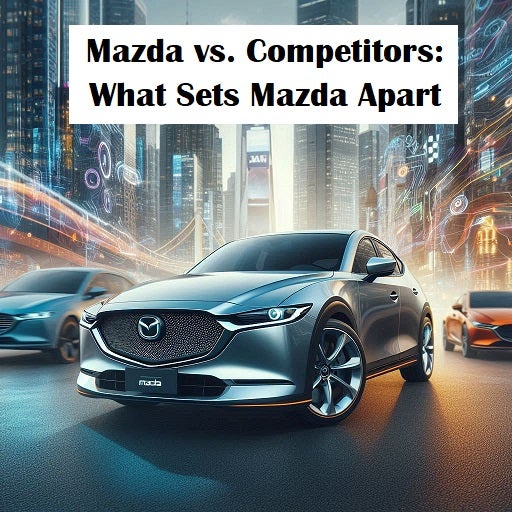
Mazda vs. Competitors: What Sets Mazda Apart

When it comes to choosing a vehicle, the market is filled with numerous options, each offering its own unique set of features, performance capabilities, and designs. Among these, Mazda has carved out a distinct identity, appealing to drivers who seek a blend of performance, style, and innovation. In this blog, we’ll explore how Mazda stacks up against its competitors and what sets the brand apart in a crowded automotive landscape. more Driving Dynamics and Performance One of Mazda's most significant differentiators is its commitment to delivering an engaging driving experience. The brand is renowned for its focus on "Zoom-Zoom," a philosophy that emphasizes the joy of driving. This is achieved through several key factors: SKYACTIV Technology: Mazda's innovative SKYACTIV technology encompasses engine, transmission, chassis, and body design, resulting in vehicles that are lightweight yet powerful. This technology enhances fuel efficiency without compromising performance, providing a spirited driving experience that competitors often struggle to match. Chassis and Suspension Tuning: Mazda vehicles are engineered with an emphasis on precise handling and responsiveness. The brand's commitment to delivering a connected driving experience is evident in the tuning of its suspensions, steering, and braking systems. This results in vehicles that feel nimble and agile on the road, making every drive more enjoyable. Focus on Lightweight Design: Mazda's emphasis on lightweight construction helps improve acceleration, handling, and fuel efficiency. By utilizing advanced materials and innovative design techniques, Mazda achieves a performance advantage over many competitors, particularly in compact and subcompact segments. Stylish Design and Craftsmanship Mazda's design philosophy, known as "KODO: Soul of Motion," sets it apart from competitors by emphasizing fluid lines and an athletic stance. This design language creates vehicles that are not only visually appealing but also exude a sense of sophistication. Here are a few key aspects of Mazda's design: Elegant Exterior Styling: Mazda vehicles feature a sleek, modern aesthetic that stands out on the road. The bold grille designs, sculpted body lines, and attention to detail create an upscale appearance that rivals luxury brands. High-Quality Interiors: Mazda pays careful attention to interior craftsmanship, using premium materials and ergonomic designs to create a comfortable and inviting cabin. The layout of controls and technology is intuitive, ensuring that drivers can focus on the road ahead. Innovative Use of Color: Mazda has made a name for itself with its unique paint colors, including the striking Soul Red Crystal and Machine Gray Metallic. These colors not only enhance the vehicle's aesthetics but also showcase Mazda's commitment to quality and detail. Safety and Technology Mazda is committed to ensuring the safety of its drivers and passengers, incorporating advanced safety features and technologies into its vehicles. Here’s how Mazda compares in this area: i-Activsense Safety Technology: Mazda’s i-Activsense suite of safety features includes adaptive cruise control, blind-spot monitoring, lane-keeping assist, and automatic emergency braking. These technologies help prevent accidents and enhance driver confidence on the road. User-Friendly Infotainment System: Mazda’s infotainment system, known as Mazda Connect, is designed with user experience in mind. It features a straightforward interface, responsive controls, and compatibility with Apple CarPlay and Android Auto. This focus on ease of use sets Mazda apart from some competitors with more complex systems. Strong Crash Test Ratings: Mazda vehicles consistently earn high safety ratings from organizations such as the National Highway Traffic Safety Administration (NHTSA) and the Insurance Institute for Highway Safety (IIHS). This commitment to safety helps Mazda stand out in a competitive market. Commitment to Environmental Sustainability As the automotive industry shifts towards sustainability, Mazda is making strides to reduce its environmental impact. Here’s what sets Mazda apart in this regard: Efficient Powertrains: Mazda's SKYACTIV technology not only improves performance but also enhances fuel efficiency, reducing overall emissions. The brand’s commitment to optimizing engine performance contributes to a lower environmental footprint. Future Electrification Plans: Mazda is actively exploring electrification with the introduction of hybrid and electric models. The Mazda MX-30, for instance, represents the brand's entry into the electric vehicle market, showcasing its dedication to sustainability and innovation. Sustainable Manufacturing Practices: Mazda is focused on minimizing its environmental impact throughout the manufacturing process, including efforts to reduce waste, energy consumption, and emissions at its production facilities. Value for Money Mazda vehicles are often praised for offering excellent value compared to competitors in their respective segments. Here are some reasons why: Affordable Pricing: Mazda offers competitive pricing without sacrificing quality or features. Many models come well-equipped with advanced technology and safety features, making them attractive options for budget-conscious buyers. Strong Resale Value: Mazda vehicles tend to hold their value well over time, thanks in part to their reputation for reliability and performance. This factor can make them a smart investment for buyers. Comprehensive Warranty: Mazda provides a generous warranty package, including a three-year/36,000-mile basic warranty and a five-year/60,000-mile powertrain warranty. This assurance adds to the overall value of owning a Mazda. More Than Just Transportation In a competitive automotive landscape, Mazda stands out for its commitment to delivering a unique driving experience, stylish design, advanced safety features, and strong value. With innovations like SKYACTIV technology, a focus on sustainability, and an unwavering dedication to craftsmanship, Mazda continues to attract drivers who seek more than just transportation—they seek an engaging and enjoyable driving experience. Whether you’re considering a compact sedan, a versatile SUV, or a sporty convertible, Mazda offers a range of vehicles that deliver on performance, comfort, and style, making it a compelling choice among its competitors.

Laguna Seca 2019

Mazda's Role in Motorsports: A Legacy of Racing

Mazda is not just a manufacturer of stylish and reliable vehicles; it has also carved out a significant place in the world of motorsports. With a history that spans decades, Mazda’s commitment to racing and performance has not only influenced the brand’s engineering and design but has also fostered a passionate community of enthusiasts and drivers. In this blog, we’ll explore Mazda’s legacy in motorsports, its notable achievements, and how racing has shaped the brand we know today. more A Passion for Performance Mazda’s foray into motorsports began in the early 1960s when the company started to recognize the potential of racing as a platform for showcasing its engineering prowess. The philosophy of “Zoom-Zoom,” which captures the essence of driving excitement, became a guiding principle for Mazda. This passion for performance translated into significant investments in racing programs, leading to numerous victories and innovations on the track. The Birth of the RX Series One of the most iconic contributions of Mazda to motorsports is the development of the RX series, particularly the RX-7 and RX-8 models, which featured the revolutionary rotary engine. The unique design of the rotary engine allowed for a lightweight and powerful vehicle, making the RX series a formidable competitor in various racing categories. Mazda RX-7: Launched in the late 1970s, the RX-7 quickly became a popular choice in motorsports, thanks to its agile handling and impressive power. The RX-7 achieved great success in multiple racing disciplines, including the IMSA GT Championship and SCCA racing. Mazda RX-8: Building on the legacy of its predecessor, the RX-8 continued to make waves in motorsports, thanks to its balanced chassis and high-revving rotary engine. It was widely used in grassroots racing and became a favorite among amateur racers. Success in Endurance Racing Mazda’s commitment to endurance racing is exemplified by its legendary victory at the 24 Hours of Le Mans in 1991. The Mazda 787B, equipped with a four-rotor Wankel engine, made history by becoming the first and only rotary engine-powered car to win the prestigious race. The 787B's success was not just a testament to Mazda’s engineering but also a symbol of innovation and determination in a field dominated by traditional piston engines. The win at Le Mans highlighted Mazda’s willingness to push the boundaries of automotive technology and its dedication to performance. The distinctive sound of the 787B’s rotary engine became an iconic part of motorsport history, forever linking Mazda to endurance racing. Participation in Rallying Mazda also made its mark in rallying, showcasing the versatility of its vehicles in various off-road conditions. The Mazda 323 GTX and later models competed successfully in rally events, including the World Rally Championship (WRC). Mazda's ability to adapt and succeed in diverse racing environments demonstrated the brand’s commitment to performance and engineering excellence. Grassroots Motorsports and Community Engagement Mazda’s dedication to motorsports extends beyond professional racing. The company has fostered a strong grassroots motorsports community through initiatives like the Mazda Road to 24 program, which aims to support and develop aspiring racers. This program provides resources, mentorship, and opportunities for drivers to advance in their racing careers. Additionally, Mazda’s involvement in events like the Mazda MX-5 Cup allows amateur racers to compete in a cost-effective and exciting environment. By providing a platform for grassroots racing, Mazda encourages the next generation of drivers and enthusiasts to engage with the sport. Technological Innovations and Influence Mazda’s motorsports involvement has led to several technological innovations that have made their way into production vehicles. The knowledge gained from racing has influenced the design of features such as: Chassis and Suspension Design: Insights from racing have helped Mazda develop vehicles with superior handling and stability, ensuring that their cars deliver an engaging driving experience. Engine Performance: Developments in engine technology from motorsports have contributed to improved efficiency and performance in Mazda's lineup, including the Skyactiv engines that emphasize a balance between power and fuel economy. A Bright Future in Motorsports As Mazda continues to evolve, its commitment to motorsports remains steadfast. The brand is actively involved in various racing series, including sports car racing and grassroots events, ensuring that its legacy of performance and innovation endures. Mazda’s partnership with organizations like IMSA and participation in electric racing events demonstrates the brand's adaptability and forward-thinking approach to motorsports. Shaping the Next Generation Mazda’s legacy in motorsports is a testament to its dedication to performance, innovation, and community engagement. From the iconic RX series and historic Le Mans victory to grassroots racing initiatives, Mazda has established itself as a prominent player in the racing world. The brand’s passion for motorsports not only enhances its vehicles but also fosters a sense of community among enthusiasts and drivers alike. As Mazda looks to the future, its commitment to racing will undoubtedly continue to inspire and shape the next generation of vehicles, ensuring that the spirit of competition and driving excitement remains at the core of the brand. Whether on the racetrack or the open road, Mazda’s legacy of racing will always resonate with those who value performance, innovation, and the thrill of driving.

BM2 title Oct 2025

Understanding Mazda's SKYACTIV-G Engine Technology

Mazda has long been recognized for its innovative engineering and commitment to creating vehicles that provide a thrilling driving experience. One of the standout features in their lineup is the SKYACTIV-G engine technology, which represents a significant leap forward in engine performance and efficiency. In this blog, we’ll explore what SKYACTIV-G is, how it works, and why it matters for both Mazda owners and the environment. more What is SKYACTIV-G? SKYACTIV-G is Mazda’s term for its gasoline engines that utilize a unique combination of technologies to enhance performance, fuel efficiency, and emissions. Introduced as part of the broader SKYACTIV technology suite, SKYACTIV-G is designed to provide an engaging driving experience while minimizing environmental impact. The key goal of this technology is to offer the power and responsiveness of traditional gasoline engines while achieving the efficiency typically associated with diesel engines. Key Features of SKYACTIV-G Several innovative features set SKYACTIV-G engines apart from conventional gasoline engines: High Compression Ratio: One of the most notable aspects of SKYACTIV-G technology is its high compression ratio, which can reach up to 14:1 in certain models. This high ratio allows the engine to extract more energy from each drop of fuel, improving overall efficiency and performance. Traditional gasoline engines typically operate at lower compression ratios, which can limit their efficiency. Direct Fuel Injection: SKYACTIV-G engines utilize direct fuel injection technology, which delivers fuel directly into the combustion chamber at high pressure. This method enhances fuel atomization, resulting in a more complete combustion process. Improved combustion leads to better power output, increased efficiency, and reduced emissions. Lightweight Design: The SKYACTIV-G engines are designed with lightweight materials and components, which contribute to overall vehicle weight reduction. A lighter engine improves fuel efficiency and enhances vehicle handling, making for a more engaging driving experience. Optimized Combustion Chamber: The shape and design of the combustion chamber in SKYACTIV-G engines are carefully engineered to promote efficient airflow and combustion. This optimization helps achieve better performance and reduced emissions while maintaining power. Benefits of SKYACTIV-G Technology The implementation of SKYACTIV-G technology brings several benefits to both drivers and the environment: Improved Fuel Efficiency: With its high compression ratio and direct fuel injection, SKYACTIV-G engines deliver impressive fuel economy, allowing drivers to go further on less fuel. This efficiency is particularly beneficial for those who frequently drive long distances or commute regularly. Enhanced Performance: SKYACTIV-G engines provide a responsive and engaging driving experience. The combination of improved torque and power output ensures that Mazda vehicles feel lively and spirited on the road, making them enjoyable to drive. Lower Emissions: By optimizing combustion and fuel efficiency, SKYACTIV-G technology reduces harmful emissions, contributing to a cleaner environment. Mazda is committed to sustainability, and SKYACTIV-G is a crucial part of that mission. Versatility Across Models: SKYACTIV-G engines are used in a wide range of Mazda models, from compact sedans to SUVs. This versatility means that drivers can enjoy the benefits of this technology regardless of the vehicle type they choose. SKYACTIV-G in the Real World Mazda’s SKYACTIV-G technology is not just theoretical; it has been successfully implemented in various models, showcasing its real-world benefits. Some popular Mazda vehicles featuring SKYACTIV-G engines include: Mazda3: Known for its sporty handling and efficient performance, the Mazda3 leverages SKYACTIV-G technology to offer drivers a thrilling driving experience while achieving excellent fuel economy. Mazda CX-5: As a compact SUV, the CX-5 combines the practicality of an SUV with the engaging performance of a Mazda, thanks in part to its SKYACTIV-G engine that balances power and efficiency. Mazda MX-5 Miata: The iconic roadster utilizes SKYACTIV-G technology to deliver a lightweight, responsive driving experience that has earned it a dedicated following among driving enthusiasts. Looking Ahead Mazda continues to innovate with its SKYACTIV technology suite, including plans for future engine developments and enhancements. As the automotive industry shifts towards electrification and sustainability, Mazda is exploring ways to integrate its SKYACTIV-G technology with hybrid and electric systems, ensuring that drivers can continue to enjoy the performance and efficiency they expect from Mazda vehicles. Efficient and Engaging Mazda's SKYACTIV-G engine technology represents a significant advancement in the pursuit of efficient and engaging driving experiences. By combining high compression ratios, direct fuel injection, and optimized design, SKYACTIV-G engines deliver a powerful performance while minimizing environmental impact. For Mazda owners, this technology means more than just fuel savings; it translates into a thrilling driving experience that embodies the spirit of the brand. As Mazda continues to evolve and innovate, SKYACTIV-G will remain at the forefront of its commitment to performance, efficiency, and sustainability in the automotive world.

BM1 TITLE OCT 2025

Mazda's Rotary Engine: A Unique Innovation in Automotive Engineering

When it comes to automotive engineering, few innovations are as distinctive and intriguing as Mazda's rotary engine. Unlike conventional piston engines, the rotary engine operates on a completely different principle, offering unique advantages and challenges. Mazda has long been a pioneer in the development and implementation of rotary engines, making it a hallmark of the brand. In this blog, we’ll explore the history, mechanics, benefits, and future of Mazda’s rotary engine. more A Brief History of the Rotary Engine The rotary engine, also known as the Wankel engine (named after its inventor, Felix Wankel), was developed in the 1950s and quickly caught the attention of Mazda. The company began experimenting with the design in the late 1950s, and by 1967, it launched the Mazda Cosmo Sport, the first production car to use a rotary engine. The unique design not only provided an innovative power source but also established Mazda as a leader in automotive technology. Mazda continued to refine the rotary engine over the years, most notably in models like the Mazda RX-7 and Mazda RX-8. These cars showcased the performance potential of the rotary engine, attracting enthusiasts and cementing the engine’s legacy in motorsport and everyday driving. How the Rotary Engine Works At the heart of the rotary engine is its unique design, which replaces the traditional piston-and-cylinder arrangement with a triangular rotor that moves within an oval housing. This unconventional setup allows for continuous combustion and a more compact design. Here’s a simplified breakdown of its operation: Combustion Cycle: The rotary engine completes its four-stroke cycle (intake, compression, power, exhaust) as the rotor rotates around the eccentric shaft. As the rotor moves, it creates different chambers that go through the various stages of combustion. Less Weight and Size: The rotary engine is typically lighter and smaller than comparable piston engines. This compact design allows for greater flexibility in vehicle design and can contribute to better weight distribution. Fewer Moving Parts: With fewer moving parts than traditional engines, the rotary engine requires less maintenance and has a lower chance of mechanical failure. Advantages of the Rotary Engine Mazda’s rotary engine comes with a range of advantages that set it apart from conventional engines: High Power-to-Weight Ratio: The rotary engine can produce a significant amount of power relative to its size and weight. This characteristic contributes to excellent performance in sports cars. Smooth Operation: The rotary engine's design allows for a smoother power delivery compared to traditional piston engines, providing a more enjoyable driving experience. Rev-Friendly: Rotary engines can rev higher than traditional engines, allowing for greater performance potential and responsiveness. Compact Design: The smaller footprint of the rotary engine enables innovative vehicle designs and maximizes space efficiency. Challenges and Drawbacks Despite its many advantages, the rotary engine has faced challenges that have affected its mainstream acceptance: Fuel Efficiency: Rotary engines tend to have lower fuel efficiency compared to traditional piston engines, making them less favorable in a market increasingly focused on fuel economy. Emissions: Rotary engines have historically struggled to meet stringent emissions regulations due to incomplete combustion. However, Mazda has worked to address these concerns in recent models. Durability: While rotary engines are known for their reliability, they may require more frequent maintenance than conventional engines, especially regarding apex seals that can wear out over time. Mazda's Future with the Rotary Engine Despite the challenges, Mazda remains committed to the rotary engine, continually exploring its potential. In recent years, the company has introduced hybrid technology that incorporates rotary engines as range extenders. This innovative approach allows Mazda to maintain the unique characteristics of the rotary engine while addressing fuel efficiency and emissions concerns. Mazda has also hinted at plans to revive the rotary engine in future models, with a focus on electrification. The upcoming Mazda MX-30, for example, features a rotary engine as a range extender, showcasing how Mazda aims to combine its legacy technology with modern advancements. A Unique Innovation Mazda's rotary engine stands out as a unique innovation in automotive engineering, representing the brand's commitment to creativity and performance. With its distinct design, smooth operation, and impressive power-to-weight ratio, the rotary engine has captured the hearts of enthusiasts and continues to influence the automotive landscape. As Mazda explores new ways to integrate rotary technology into the future of mobility, the legacy of this remarkable engine will undoubtedly live on, inspiring a new generation of drivers and engineers alike. Whether on the road or in motorsport, the rotary engine remains a testament to Mazda's innovative spirit and dedication to pushing the boundaries of automotive design.

BM1 TITLE SEPT 2025

Mazda's Approach to Driver-Centric Design: A Commitment to the Ultimate Driving Experience

In the competitive world of automotive manufacturing, companies continually strive to innovate and improve their vehicles. One brand that stands out for its unique approach is Mazda, known for its commitment to driver-centric design. This philosophy shapes every aspect of Mazda vehicles, from their aesthetics and ergonomics to their performance and technology. In this blog, we’ll explore Mazda’s driver-centric design approach, its underlying principles, and how it enhances the driving experience. more Understanding Driver-Centric Design Driver-centric design focuses on creating vehicles that prioritize the needs, preferences, and comfort of the driver. Mazda believes that a well-designed vehicle should provide an intuitive and engaging experience, allowing drivers to connect with their cars and the road. This philosophy is rooted in the belief that driving should be enjoyable, and every design element should contribute to a more immersive and rewarding experience. Key Principles of Mazda’s Driver-Centric Design Mazda’s approach to driver-centric design revolves around several core principles: Ergonomics: The design of Mazda vehicles emphasizes comfort and accessibility. Controls, displays, and seating are carefully positioned to minimize strain and ensure that drivers can operate their vehicles with ease. Features like adjustable seats and steering wheels allow for a customized fit, enhancing overall comfort during drives. Intuitive Technology: Mazda integrates advanced technology into its vehicles without overwhelming the driver. The Mazda Connect infotainment system, for instance, is designed to be user-friendly, with clear menus and simple controls. This allows drivers to access navigation, music, and communication features without distraction. Enhanced Visibility: Mazda vehicles are designed with driver visibility in mind. The placement of windows, mirrors, and other elements provides a clear view of the road and surroundings, improving safety and confidence while driving. Connection with the Road: Mazda emphasizes a strong connection between the driver and the vehicle. The Kodo Design philosophy aims to create vehicles that evoke emotion and a sense of unity. The chassis and suspension systems are engineered to provide responsive handling and feedback, allowing drivers to feel in control and engaged during every drive. The Role of Kodo Design Language Mazda’s Kodo Design language, which translates to “Soul of Motion,” plays a significant role in driver-centric design. This design philosophy aims to capture the dynamic essence of motion in every vehicle, reflecting elegance and sportiness. By creating visually appealing vehicles that also enhance aerodynamics, Mazda ensures that form and function work together harmoniously. Kodo Design not only enhances aesthetics but also contributes to the overall driving experience. The sleek lines and contours of Mazda vehicles create a sense of agility and responsiveness, inviting drivers to experience the thrill of driving. Focus on Performance and Handling At the heart of Mazda’s driver-centric design is a commitment to performance and handling. The company’s Skyactiv Technology encompasses a range of engineering innovations aimed at improving fuel efficiency, reducing emissions, and enhancing driving dynamics. Key elements include: Skyactiv-G Engines: These engines provide a perfect balance of power and efficiency, allowing for spirited driving while maintaining fuel economy. Skyactiv-Body and Chassis: Lightweight yet rigid structures enhance safety and handling performance. The chassis is engineered for optimal weight distribution, resulting in agile and responsive handling. i-Activ All-Wheel Drive: This advanced all-wheel-drive system enhances traction and stability, ensuring confidence in various driving conditions. The Driver's Experience in Mind Mazda’s dedication to driver-centric design extends to the overall driving experience. From the moment you step inside a Mazda vehicle, you are enveloped in an environment that prioritizes comfort, functionality, and enjoyment. Here are some aspects that enhance the driver’s experience: Quality Materials: Mazda uses high-quality materials in the interior design, creating a sophisticated and inviting atmosphere. Soft-touch surfaces, comfortable seating, and thoughtful details enhance the overall ambiance. Quiet Cabin: Attention to sound insulation ensures a quiet cabin environment, allowing drivers to enjoy music or conversation without distractions from road noise. Customization Options: Mazda offers various trims and packages, allowing drivers to choose features that align with their preferences and lifestyle. Emotional and Practical Mazda’s approach to driver-centric design is a testament to its commitment to creating vehicles that enhance the driving experience. By focusing on ergonomics, intuitive technology, performance, and aesthetics, Mazda delivers vehicles that resonate with drivers on both emotional and practical levels. The result is a harmonious blend of style and functionality that allows drivers to feel connected to their cars and the road. As Mazda continues to innovate and evolve, its driver-centric philosophy remains at the forefront, ensuring that each new model offers an exceptional driving experience that captures the essence of what it means to be behind the wheel. Whether you’re commuting through city streets or enjoying a scenic drive, Mazda’s dedication to driver-centric design ensures that every journey is one to remember.

bm3 title july 2025

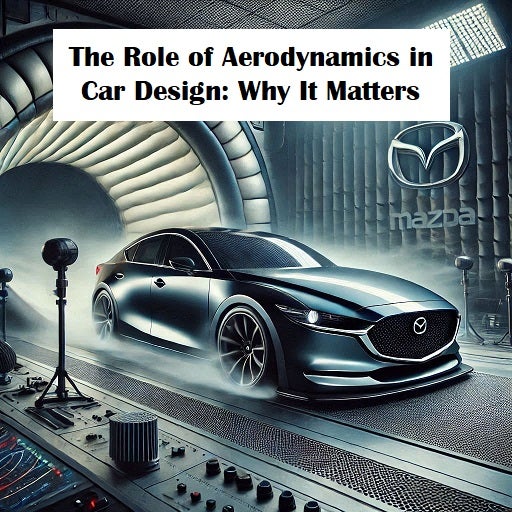
The Role of Aerodynamics in Car Design: Why It Matters

Aerodynamics plays a crucial role in modern car design, influencing everything from performance and fuel efficiency to safety and aesthetics. As automotive technology advances, understanding the principles of aerodynamics and their impact on vehicle design is essential for both engineers and consumers. This blog explores the importance of aerodynamics in car design, the key concepts involved, and how they shape the vehicles we drive today. more Understanding Aerodynamics What is Aerodynamics? Definition: Aerodynamics is the study of how air flows around objects, such as vehicles. In car design, it focuses on reducing drag and optimizing airflow to improve performance and efficiency. Principles: The fundamental principles of aerodynamics include lift, drag, and downforce. These factors influence how air interacts with the vehicle's surfaces as it moves. The Importance of Aerodynamics in Cars Performance: Aerodynamics affects a car's speed and handling. A well-designed aerodynamic profile can enhance stability and agility, allowing for better high-speed performance. Fuel Efficiency: Reducing drag improves fuel efficiency by decreasing the amount of energy required to overcome air resistance. This results in better mileage and reduced fuel consumption. Safety: Aerodynamic design can enhance vehicle stability and control, particularly at high speeds. It also plays a role in managing airflow around the car to improve visibility and reduce wind noise. Key Aerodynamic Concepts in Car Design Drag Coefficient (Cd) Definition: The drag coefficient is a measure of how aerodynamic a vehicle is. It represents the amount of aerodynamic drag a car experiences as it moves through the air. Impact: A lower drag coefficient indicates better aerodynamic efficiency, leading to improved fuel economy and higher top speeds. Modern cars strive for lower drag coefficients to maximize performance and efficiency. Lift and Downforce Lift: Lift is the force that acts upwards against gravity, potentially causing a vehicle to become less stable at high speeds. Minimizing the lift is crucial for maintaining stability and traction. Downforce: Downforce is the force that pushes the vehicle downwards, enhancing traction and stability. Aerodynamic features like spoilers and diffusers are designed to increase downforce, improving handling and cornering performance. Airflow Management Flow Separation: Flow separation occurs when the smooth airflow around a vehicle becomes turbulent. This can increase drag and reduce aerodynamic efficiency. Designing vehicles to manage airflow and minimize flow separation is essential for optimal performance. Vortex Generation: Engineers use vortex generators to control airflow and reduce drag. These small devices create controlled turbulence, helping to maintain smooth airflow and improve aerodynamic performance. Aerodynamic Features in Car Design Front Grilles and Bumpers Design: The shape and placement of front grilles and bumpers influence airflow around the car. Properly designed grilles can direct airflow to cool the engine and reduce drag. Function: Aerodynamic bumpers help manage airflow and reduce turbulence, contributing to a lower drag coefficient. Side Skirts and Underbody Panels Side Skirts: Side skirts help smooth airflow along the sides of the vehicle, reducing drag and improving stability. They also prevent airflow from getting trapped under the car. Underbody Panels: Smooth underbody panels reduce turbulence and drag by ensuring a consistent airflow beneath the vehicle. Rear Spoilers and Diffusers Spoilers: Rear spoilers increase downforce by disrupting airflow and creating aerodynamic pressure. They improve stability and handling, especially at high speeds. Diffusers: Rear diffusers manage the airflow exiting the vehicle and create additional downforce. They help reduce drag and improve overall aerodynamic efficiency. The Evolution of Aerodynamic Design Early Car Designs Historical Perspective: Early cars had rudimentary aerodynamic designs, focusing more on mechanical function than aerodynamic efficiency. As car performance became a priority, aerodynamic considerations started to influence design more significantly. Early Innovations: Innovations such as rounded shapes and streamlined bodies began to improve aerodynamic performance, leading to increased speeds and better fuel efficiency. Modern Advances Wind Tunnels and Simulations: Modern car manufacturers use wind tunnels and computer simulations to test and refine aerodynamic designs. These tools allow for precise adjustments and optimization of airflow. Materials and Techniques: Advances in materials and manufacturing techniques enable the creation of more complex aerodynamic features. Lightweight materials and advanced composites help reduce drag while maintaining structural integrity. Future Trends Electric Vehicles: As electric vehicles (EVs) become more prevalent, aerodynamic design will play an even greater role in optimizing range and performance. EVs often feature sleek, streamlined designs to maximize efficiency. Autonomous Vehicles: The design of autonomous vehicles may incorporate unique aerodynamic features to enhance stability and performance. The integration of sensors and cameras will influence aerodynamic considerations. The Impact on Consumers Benefits of Aerodynamic Design Improved Fuel Efficiency: Consumers benefit from better fuel economy due to reduced drag and optimized airflow, leading to cost savings on fuel. Enhanced Driving Experience: Aerodynamic design contributes to a smoother, quieter driving experience by reducing wind noise and improving vehicle stability. Choosing Aerodynamic Vehicles Considerations: When selecting a vehicle, consider its aerodynamic features and their impact on performance and efficiency. Look for vehicles with low drag coefficients and advanced aerodynamic design elements. The Power of Aerodynamics Aerodynamics is a fundamental aspect of modern car design, influencing everything from performance and fuel efficiency to safety and comfort. Understanding the role of aerodynamics helps appreciate the engineering and innovation behind today’s vehicles. As technology continues to advance, aerodynamic design will remain a key factor in shaping the future of automotive engineering, leading to more efficient, stable, and enjoyable driving experiences.

bm1 title july 2025

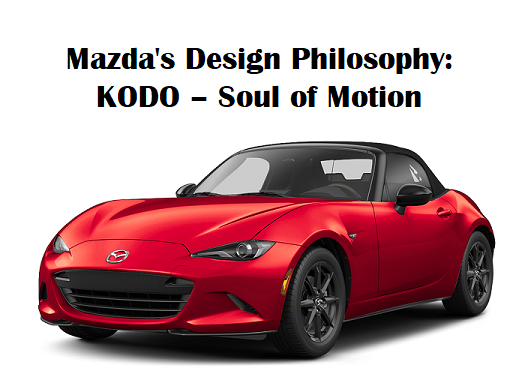
Mazda's Design Philosophy: KODO – Soul of Motion

Mazda’s design philosophy, known as KODO – Soul of Motion, is more than just an aesthetic approach; it represents the brand’s commitment to creating vehicles that embody beauty, performance, and the essence of driving. Since its introduction, KODO has redefined how Mazda vehicles are perceived, blending artistry with functionality to create a distinctive and captivating presence on the road. In this blog, we’ll explore the core principles of KODO and how they influence Mazda’s design language and overall brand identity. more The Essence of Motion At the heart of KODO lies the idea of movement. The philosophy seeks to capture the dynamic energy and life of motion, even when the vehicle is at rest. This concept reflects Mazda’s belief that a car should evoke emotions and tell a story, making it feel alive. The flowing lines and sculpted forms found in Mazda’s designs are inspired by the beauty of nature and the elegance of living creatures, giving each model a sense of purpose and vitality. Inspiration from Nature: Mazda designers draw inspiration from natural elements, such as the grace of animals and the fluidity of natural forms. This influence is evident in the sleek curves and organic shapes that characterize Mazda vehicles, creating an aesthetic that feels both powerful and harmonious. Dynamic Silhouettes: The design language emphasizes dynamic silhouettes that suggest movement and agility. From the low stance of the MX-5 Miata to the sporty lines of the Mazda3, every model is crafted to evoke a sense of motion, even when stationary. A Harmonious Balance of Form and Function KODO emphasizes the importance of harmonizing form with function. Mazda believes that a vehicle’s design should not only be visually appealing but also serve a practical purpose. This philosophy results in vehicles that are not only beautiful but also highly functional, enhancing the overall driving experience. Aerodynamic Efficiency: Mazda’s commitment to performance is reflected in the aerodynamic designs of its vehicles. Every curve and contour is meticulously crafted to reduce drag and improve fuel efficiency, contributing to a more engaging and eco-friendly driving experience. Driver-Centric Interiors: The interior design of Mazda vehicles is focused on the driver and passengers, ensuring comfort and ease of use. Controls are intuitively placed, and materials are selected for both aesthetics and durability, creating an inviting and functional space. Attention to Detail and Craftsmanship KODO reflects Mazda's dedication to craftsmanship and quality. Each vehicle is designed with meticulous attention to detail, ensuring that every element contributes to the overall design and functionality. High-Quality Materials: Mazda utilizes premium materials throughout its vehicles, enhancing the tactile experience for drivers and passengers. From soft-touch surfaces to elegant trim, the focus on quality is evident in every aspect of the design. Thoughtful Touches: Unique design elements, such as the signature “wing” grille and distinctive LED lighting, create a recognizable identity for Mazda vehicles. These thoughtful touches help reinforce the brand’s commitment to excellence and innovation. Emotional Connection with Drivers KODO aims to establish an emotional connection between the vehicle and its driver. Mazda believes that a car should resonate with its owner, creating a bond that goes beyond mere transportation. This emotional connection is achieved through design elements that evoke feelings of joy, excitement, and adventure. The Joy of Driving: Mazda’s design philosophy is rooted in the joy of driving. The sporty and engaging designs invite drivers to take to the road, fostering a sense of connection between the vehicle and the driver. Personal Expression: Mazda vehicles allow owners to express their personalities through various design options, including color choices and trims. This personal touch enhances the ownership experience, making each vehicle feel unique. Innovation and Future Vision As Mazda looks to the future, KODO continues to evolve, embracing new technologies and design trends while staying true to its core principles. The brand is committed to innovation, exploring new ways to integrate advanced features and sustainable practices into its design philosophy. Sustainable Design Practices: Mazda is actively pursuing environmentally friendly materials and production processes as part of its commitment to sustainability. This focus on eco-conscious design aligns with the evolving values of modern consumers. Adapting to New Technologies: As the automotive industry shifts toward electrification and advanced technologies, Mazda aims to integrate these elements seamlessly into its designs. Future models will continue to embody the spirit of KODO while embracing the latest innovations. A Leader in Automotive Design Mazda's KODO – Soul of Motion design philosophy encapsulates the brand's commitment to creating vehicles that inspire and engage. By emphasizing the essence of motion, harmonizing form and function, and fostering an emotional connection with drivers, Mazda has established itself as a leader in automotive design. The attention to detail and craftsmanship, combined with a vision for the future, ensures that KODO will continue to shape Mazda's identity for years to come. As you explore Mazda's lineup, you'll find that each vehicle is a testament to this philosophy, inviting you to experience the joy of driving in a beautifully designed package.

bm2 title march 2025

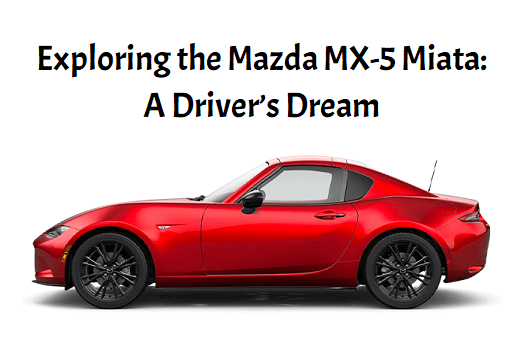
Exploring the Mazda MX-5 Miata: A Driver’s Dream

For over three decades, the Mazda MX-5 Miata has captivated driving enthusiasts around the world with its blend of agility, style, and pure driving pleasure. Often referred to as the ultimate driver’s car, the Miata is a testament to Mazda’s commitment to creating vehicles that celebrate the joy of driving. Let’s dive into what makes the Mazda MX-5 Miata a driver’s dream. more A Legacy of Driving Pleasure Since its debut in 1989, the Mazda MX-5 Miata has become synonymous with driving joy. Inspired by the classic British roadsters of the 1960s, Mazda set out to create a lightweight, nimble sports car that emphasized driving engagement over raw power. The result was a car that offered a thrilling, connected driving experience at an affordable price, quickly earning a dedicated fanbase. Over the years, the Miata has stayed true to its roots while evolving to meet modern demands. Each generation has refined the formula, incorporating new technologies and improvements while maintaining the essence of what makes the Miata special—its lightweight design, balanced handling, and an open-top experience that immerses the driver in the joy of the road. Lightweight Design: Less Is More One of the key elements that make the Miata a driver’s dream is its lightweight design. Weighing in at just over 2,300 pounds, the MX-5 Miata is one of the lightest sports cars on the market. This lightweight construction is central to the car’s dynamic handling and responsiveness. Mazda’s engineers have meticulously designed every component to minimize weight without compromising safety or structural integrity. This attention to detail is evident in the Miata’s quick acceleration, precise steering, and agile cornering. The result is a car that feels like an extension of the driver, responding instantly to inputs and delivering a driving experience that’s both exhilarating and effortless. Balanced Handling: The Perfect Dance Partner The Miata’s perfectly balanced chassis is another reason why it’s beloved by driving enthusiasts. With a near 50:50 weight distribution and rear-wheel drive, the MX-5 Miata offers a level of handling that’s hard to match. Whether you’re carving through twisty mountain roads or enjoying a spirited drive on the track, the Miata’s balance and poise make it a joy to drive. The Miata’s suspension is tuned to provide just the right amount of feedback, allowing the driver to feel connected to the road while maintaining comfort. The steering is precise and communicative, giving you confidence as you navigate corners with precision. This combination of balance and responsiveness makes the Miata a car that’s not only fun to drive but also easy to control, even at the limit. Open-Top Experience: Wind in Your Hair The Mazda MX-5 Miata is one of the few sports cars that offers an open-top experience, and it’s a big part of what makes the car so special. Whether you choose the classic soft-top or the retractable hardtop (RF) model, the Miata allows you to enjoy the thrill of driving with the wind in your hair and the sun on your face. The open-top design enhances the sense of freedom and connection with the environment, making every drive feel like an adventure. The Miata’s roof is also incredibly easy to operate, allowing you to go from enclosed to open-air in seconds, adding to the car’s appeal as the perfect weekend getaway vehicle. Engaging Powertrain: Power Meets Precision While the MX-5 Miata isn’t about sheer horsepower, its engine is perfectly matched to its lightweight and nimble character. The latest generation Miata features a 2.0-liter Skyactiv-G engine that delivers 181 horsepower and 151 lb-ft of torque. While these numbers may seem modest compared to other sports cars, the Miata’s power-to-weight ratio ensures brisk acceleration and lively performance. The engine is mated to a slick-shifting six-speed manual transmission, which is the preferred choice for purists who want the most engaging driving experience. The manual gearbox offers short, precise throws and a satisfying mechanical feel that makes every shift a delight. For those who prefer an automatic, Mazda also offers a six-speed automatic transmission that’s smooth and responsive. Timeless Design: Style Meets Functionality The MX-5 Miata’s design is as timeless as its driving dynamics. With its sleek lines, classic roadster proportions, and a design that’s both modern and evocative of the past, the Miata turns heads wherever it goes. Mazda’s Kodo design language, which emphasizes motion and vitality, is beautifully expressed in the Miata’s flowing curves and aggressive stance. The interior of the Miata is designed with the driver in mind, offering a minimalist, driver-focused cockpit that puts everything within easy reach. The seats are supportive and comfortable, even on long drives, and the materials used are of high quality, giving the cabin a premium feel despite the car’s affordable price. Affordability and Accessibility One of the Miata’s greatest strengths is its accessibility. Unlike many sports cars that come with a hefty price tag, the MX-5 Miata offers an affordable entry into the world of driving excitement. Mazda has managed to keep the Miata’s price within reach for a wide range of drivers, making it one of the most affordable sports cars on the market. This affordability, combined with the Miata’s low running costs and impressive reliability, makes it an attractive option for both first-time sports car buyers and seasoned enthusiasts alike. The Miata is a car that delivers a high level of driving enjoyment without breaking the bank, which is part of why it has such a dedicated following. The Community: More Than Just a Car Owning a Mazda MX-5 Miata is more than just owning a car—it’s being part of a passionate and welcoming community. Miata owners around the world come together to celebrate their love for the car through events, clubs, and online forums. This sense of camaraderie adds to the ownership experience, creating lasting friendships and shared adventures. A Driver’s Dream The Mazda MX-5 Miata is a driver’s dream, offering a pure, unfiltered connection to the road that few other cars can match. With its lightweight design, balanced handling, engaging powertrain, and open-top experience, the Miata embodies the joy of driving in its most essential form. Whether you’re a seasoned enthusiast or new to the world of sports cars, the MX-5 Miata offers a driving experience that’s hard to beat. It’s not just a car—it’s an invitation to enjoy the open road, to savor the simple pleasure of driving, and to be part of a community that shares your passion.

bm1 title march 2025

Evolution of Mazda: A Journey Through History

Mazda, renowned for its innovative spirit and engineering prowess, has carved a unique path in the automotive industry since its inception. From humble beginnings to becoming a global player, Mazda's journey is a testament to perseverance, innovation, and a deep commitment to driving pleasure. more The Early Days: Foundation and Innovation Founded in 1920 as Toyo Cork Kogyo Co., Ltd., Mazda initially produced cork, but soon diversified into machine tools and eventually automobiles. In 1931, Mazda produced its first vehicle, the Mazda-Go autorickshaw, marking its entry into the automotive world. The company's name was officially changed to Mazda in 1984, inspired by Ahura Mazda, the god of wisdom, intelligence, and harmony in early civilizations. Engineering Excellence and Rotary Engines Mazda gained global attention in the 1960s with its innovative rotary engine technology. The Cosmo Sport 110S, launched in 1967, was the world's first twin-rotor rotary engine production car, setting Mazda apart as a pioneer in unconventional engine designs. This commitment to innovation continued with models like the RX-7 and RX-8, solidifying Mazda's reputation for engineering excellence and driving enjoyment. Embracing Design and Performance Throughout the 1980s and 1990s, Mazda expanded its lineup and embraced a design philosophy focused on performance and style. The MX-5 Miata, introduced in 1989, became a global icon of affordable sports cars, combining agile handling with timeless design. This roadster not only revived interest in lightweight, fun-to-drive cars but also set records as the best-selling two-seater sports car in history. Commitment to Environmental Responsibility In recent decades, Mazda has prioritized sustainability and efficiency without compromising driving dynamics. Skyactiv Technology, introduced in 2011, embodies Mazda's holistic approach to enhancing fuel efficiency, reducing emissions, and maintaining performance. This innovative technology is integrated across Mazda's lineup, from compact cars to SUVs, demonstrating Mazda's commitment to environmental responsibility. Future Directions: Innovation and Beyond Looking ahead, Mazda continues to innovate with its next-generation technologies. The MX-30, Mazda's first all-electric vehicle, combines eco-friendliness with Mazda's renowned driving dynamics. Additionally, Mazda's partnership with Toyota aims to develop hydrogen fuel cell technology, showcasing its forward-thinking approach to sustainable mobility. Dedication to Innovation Mazda's evolution from a cork manufacturer to a global automotive leader reflects its dedication to innovation, craftsmanship, and the pursuit of driving pleasure. With a rich history of pioneering technologies and iconic designs, Mazda continues to shape the future of mobility while honoring its legacy of engineering excellence and passion for cars. Whether it's the thrill of rotary engines or the sustainability of Skyactiv, Mazda remains a brand that embodies the joy of driving while embracing the challenges of tomorrow's automotive landscape.

Contact Us

Fill out this form below and we'll contact you shortly
*Required Fields