Blog / Fun Stuff

Blog

All Fun Stuff News Technology Important Information Tips Mazda Model Features Mazda Service Features & Specs Awards Service Mazda Vehicles Mazda Safety Technology Money Saving Tips Safety Beach Mazda Service History 2023 Models Community Events Comparisons Financing Your Mazda Local 2024 Models Holidays Mazda Parts Car Buying Process Driver-Centric Design EVs Exterior Fuel & Gas Infotainment Pre-Owned Travel Certified Pre-Owned Mazda Vehicles Electric & Hybrid Vehicles Insurance Mazda Accessories Mazda CX-30 Mazda CX-5 Mazda3 Racing Restaurants & Food Tires & Wheels Activities Drive For Good Interior Kodo Design Language Mazda CX-9 Mazda Motorsports Seasonal Automotive Cleaning Fuel System Mazda Connect Paint & Body Work Down-payments Transmission Weather Brakes i-Activsense Technology Large Vehicles & SUVs Mazda high compression engine care Millennials Skyactiv engine maintenance Suspension System Towing
BM1 TITLE OCT 2025

Mazda's Rotary Engine: A Unique Innovation in Automotive Engineering

When it comes to automotive engineering, few innovations are as distinctive and intriguing as Mazda's rotary engine. Unlike conventional piston engines, the rotary engine operates on a completely different principle, offering unique advantages and challenges. Mazda has long been a pioneer in the development and implementation of rotary engines, making it a hallmark of the brand. In this blog, we’ll explore the history, mechanics, benefits, and future of Mazda’s rotary engine. A Brief History of the Rotary Engine The rotary engine, also known as the Wankel engine (named after its inventor, Felix Wankel), was developed in the 1950s and quickly caught the attention of Mazda. The company began experimenting with the design in the late 1950s, and by 1967, it launched the Mazda Cosmo Sport, the first production car to use a rotary engine. The unique design not only provided an innovative power source but also established Mazda as a leader in automotive technology. Mazda continued to refine the rotary engine over the years, most notably in models like the Mazda RX-7 and Mazda RX-8. These cars showcased the performance potential of the rotary engine, attracting enthusiasts and cementing the engine’s legacy in motorsport and everyday driving. How the Rotary Engine Works At the heart of the rotary engine is its unique design, which replaces the traditional piston-and-cylinder arrangement with a triangular rotor that moves within an oval housing. This unconventional setup allows for continuous combustion and a more compact design. Here’s a simplified breakdown of its operation: Combustion Cycle: The rotary engine completes its four-stroke cycle (intake, compression, power, exhaust) as the rotor rotates around the eccentric shaft. As the rotor moves, it creates different chambers that go through the various stages of combustion. Less Weight and Size: The rotary engine is typically lighter and smaller than comparable piston engines. This compact design allows for greater flexibility in vehicle design and can contribute to better weight distribution. Fewer Moving Parts: With fewer moving parts than traditional engines, the rotary engine requires less maintenance and has a lower chance of mechanical failure. Advantages of the Rotary Engine Mazda’s rotary engine comes with a range of advantages that set it apart from conventional engines: High Power-to-Weight Ratio: The rotary engine can produce a significant amount of power relative to its size and weight. This characteristic contributes to excellent performance in sports cars. Smooth Operation: The rotary engine's design allows for a smoother power delivery compared to traditional piston engines, providing a more enjoyable driving experience. Rev-Friendly: Rotary engines can rev higher than traditional engines, allowing for greater performance potential and responsiveness. Compact Design: The smaller footprint of the rotary engine enables innovative vehicle designs and maximizes space efficiency. Challenges and Drawbacks Despite its many advantages, the rotary engine has faced challenges that have affected its mainstream acceptance: Fuel Efficiency: Rotary engines tend to have lower fuel efficiency compared to traditional piston engines, making them less favorable in a market increasingly focused on fuel economy. Emissions: Rotary engines have historically struggled to meet stringent emissions regulations due to incomplete combustion. However, Mazda has worked to address these concerns in recent models. Durability: While rotary engines are known for their reliability, they may require more frequent maintenance than conventional engines, especially regarding apex seals that can wear out over time. Mazda's Future with the Rotary Engine Despite the challenges, Mazda remains committed to the rotary engine, continually exploring its potential. In recent years, the company has introduced hybrid technology that incorporates rotary engines as range extenders. This innovative approach allows Mazda to maintain the unique characteristics of the rotary engine while addressing fuel efficiency and emissions concerns. Mazda has also hinted at plans to revive the rotary engine in future models, with a focus on electrification. The upcoming Mazda MX-30, for example, features a rotary engine as a range extender, showcasing how Mazda aims to combine its legacy technology with modern advancements. A Unique Innovation Mazda's rotary engine stands out as a unique innovation in automotive engineering, representing the brand's commitment to creativity and performance. With its distinct design, smooth operation, and impressive power-to-weight ratio, the rotary engine has captured the hearts of enthusiasts and continues to influence the automotive landscape. As Mazda explores new ways to integrate rotary technology into the future of mobility, the legacy of this remarkable engine will undoubtedly live on, inspiring a new generation of drivers and engineers alike. Whether on the road or in motorsport, the rotary engine remains a testament to Mazda's innovative spirit and dedication to pushing the boundaries of automotive design.


BM1 title Aug 2025

Mazda’s Infotainment System: Features and How to Use Them

Mazda's vehicles are known for their engaging driving experience, but the brand also offers a sophisticated infotainment system that enhances connectivity, entertainment, and convenience. Mazda Connect, the brand’s infotainment system, is designed to be intuitive and user-friendly, allowing drivers to stay connected while keeping their focus on the road. In this blog, we’ll explore the key features of Mazda’s infotainment system and provide tips on how to get the most out of them. Mazda Connect: The Hub of Your Driving Experience Mazda Connect is the central hub for all your infotainment needs. It integrates audio, communication, navigation, and vehicle settings into a single, easy-to-use interface. The system is controlled via a combination of touchscreen inputs, a rotary dial, and voice commands, ensuring that you can interact with the system in a way that feels most natural to you. Rotary Dial Control: Located on the center console, the rotary dial allows you to navigate through the system’s menus without taking your eyes off the road. The dial can be turned, pressed, and tilted to select and adjust various functions, making it easy to control the infotainment system while driving. Touchscreen Interface: The touchscreen provides a direct way to interact with the system, allowing you to tap and swipe through menus and options. While the touchscreen is convenient when the vehicle is stationary, Mazda has designed the system to be primarily operated via the rotary dial for safer use while driving. Voice Command: Mazda Connect also supports voice commands, allowing you to control many functions hands-free. Simply press the voice command button on the steering wheel and speak your command. This feature is especially useful for tasks like making phone calls, setting navigation destinations, or adjusting audio settings. Connectivity: Stay Connected on the Go Mazda’s infotainment system offers a range of connectivity options to keep you connected while on the road. Bluetooth®: Pair your smartphone with Mazda Connect via Bluetooth to make hands-free calls, send and receive text messages, and stream music wirelessly. The system allows you to connect multiple devices, so passengers can also share their music playlists. Apple CarPlay® and Android Auto™: Mazda Connect supports both Apple CarPlay and Android Auto, allowing you to seamlessly integrate your smartphone with the infotainment system. With these features, you can access your favorite apps, navigate with real-time maps, listen to music, and even send messages using Siri or Google Assistant—all through the familiar interface of your phone. USB Ports: Mazda vehicles are equipped with multiple USB ports, allowing you to charge devices and connect them to the infotainment system. Use the USB ports to play music directly from a flash drive or connect your smartphone for a more stable connection than Bluetooth. Wi-Fi Hotspot: Some Mazda models offer an available Wi-Fi hotspot, allowing you and your passengers to stay connected to the internet while on the go. The Wi-Fi hotspot can support multiple devices, making it ideal for road trips or long commutes where passengers want to stream content or browse the web. Navigation: Find Your Way with Ease Mazda’s infotainment system includes a built-in navigation system that provides turn-by-turn directions, real-time traffic updates, and 3D map views. The navigation system is designed to be intuitive and easy to use, ensuring that you can reach your destination with confidence. Search for Destinations: You can search for destinations by entering an address, searching for points of interest, or selecting a location from your favorites. The system also allows you to search for nearby services, such as gas stations, restaurants, and parking, making it easier to find what you need while on the road. Real-Time Traffic Updates: The navigation system provides real-time traffic updates, helping you avoid congestion and find the fastest route to your destination. If traffic conditions change while you’re on the move, the system can automatically reroute you to save time. Voice-Guided Navigation: For added convenience, the navigation system offers voice-guided directions, allowing you to keep your eyes on the road while receiving turn-by-turn instructions. You can also use voice commands to set or change your destination without taking your hands off the wheel. 3D Map Views: The navigation system’s 3D map views provide a more detailed and immersive view of your surroundings, making it easier to navigate complex intersections and unfamiliar areas. Entertainment: Enjoy Your Favorite Media Mazda Connect offers a range of entertainment options to keep you and your passengers entertained on the road. AM/FM Radio and HD Radio™: Enjoy your favorite radio stations with the option of HD Radio, which provides higher-quality sound and additional digital channels. The system allows you to save your favorite stations for quick access. SiriusXM® Satellite Radio: With a subscription to SiriusXM, you can enjoy hundreds of channels of music, news, sports, and entertainment. Mazda Connect’s interface makes it easy to browse channels and find the content you want to listen to. Streaming Services: If you prefer streaming services like Spotify, Pandora, or Apple Music, you can access them through Apple CarPlay or Android Auto. Simply connect your smartphone and stream your favorite playlists, podcasts, or audiobooks directly through the infotainment system. USB and Auxiliary Inputs: If you have a collection of music stored on a USB drive or prefer to connect an external media player, Mazda Connect allows you to play music via the USB or auxiliary input. The system’s interface lets you browse and select tracks, albums, and playlists with ease. Settings and Customization: Tailor the Experience to Your Preferences Mazda’s infotainment system offers a range of settings and customization options, allowing you to tailor the system to your preferences. Audio Settings: Adjust the sound to your liking with customizable audio settings. You can fine-tune the bass, treble, balance, and fader to create the perfect listening experience. Some Mazda models also offer premium audio systems from brands like Bose, providing high-quality sound for an immersive experience. Display Customization: Mazda Connect allows you to customize the layout and appearance of the display. Choose your preferred background, adjust the brightness, and arrange the menu options to suit your preferences. You can also customize the head-up display (if equipped) to show the information that’s most important to you. Driver Profiles: If multiple people drive your Mazda, you can create individual driver profiles that save each driver’s preferred settings, including seat position, mirror adjustment, and climate control preferences. This feature ensures that every driver can enjoy a personalized experience. Vehicle Settings: Access and adjust a variety of vehicle settings through Mazda Connect, including lighting, door locks, and safety features. This allows you to configure your Mazda to match your driving style and preferences. Safety and Convenience Features Mazda’s infotainment system also integrates with various safety and convenience features to enhance your driving experience. Rearview Camera: The infotainment screen displays the feed from the rearview camera when you shift into reverse, helping you navigate tight parking spaces and avoid obstacles. Parking Sensors: If your Mazda is equipped with parking sensors, the infotainment system provides visual and audible alerts to help you avoid collisions while parking. Driver Assistance Features: The infotainment system works in conjunction with Mazda’s i-ACTIVSENSE safety features, such as lane departure warning, adaptive cruise control, and blind-spot monitoring, to keep you informed and in control. These features provide real-time information on the infotainment display, allowing you to stay aware of your surroundings. Climate Control: Some Mazda models allow you to adjust the climate control settings directly through the infotainment system. You can set the temperature, fan speed, and airflow distribution to ensure a comfortable cabin environment. Tips for Maximizing Your Infotainment Experience To get the most out of Mazda’s infotainment system, consider these tips: Familiarize Yourself with the System: Spend some time getting to know the layout and features of Mazda Connect. Understanding how to navigate the menus and use the rotary dial, touchscreen, and voice commands will make it easier to access the features you need while driving. Keep Your Software Updated: Mazda periodically releases software updates for the infotainment system to improve performance and add new features. Check with your dealership to ensure your system is up to date. Use Shortcuts: Customize the system’s home screen with shortcuts to your most-used features, such as navigation, music, or phone contacts. This will save you time and reduce distractions while driving. Practice Safe Use: While Mazda Connect is designed to be as distraction-free as possible, it’s important to use the system responsibly. Set up your navigation, select your music, and make any necessary adjustments before you start driving to minimize distractions on the road. Mazda Connect is a Powerful Tool Mazda’s infotainment system, Mazda Connect, is a powerful tool that enhances the driving experience by offering seamless connectivity, entertainment, and convenience. Whether you’re navigating through a new city, enjoying your favorite music, or adjusting your vehicle’s settings, Mazda Connect makes it easy to stay connected and in control. By taking the time to explore its features and customize the system to your preferences, you can make the most of your Mazda’s infotainment system and enjoy every drive to the fullest.

bm1 title july 2025

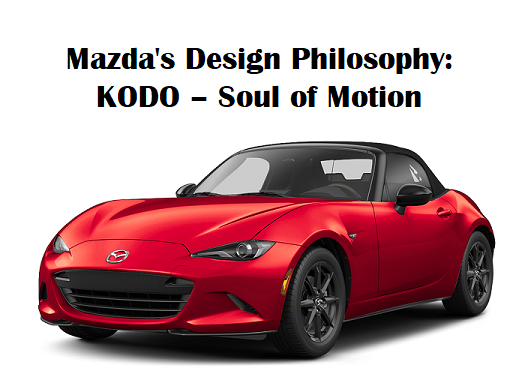
Mazda's Design Philosophy: KODO – Soul of Motion

Mazda’s design philosophy, known as KODO – Soul of Motion, is more than just an aesthetic approach; it represents the brand’s commitment to creating vehicles that embody beauty, performance, and the essence of driving. Since its introduction, KODO has redefined how Mazda vehicles are perceived, blending artistry with functionality to create a distinctive and captivating presence on the road. In this blog, we’ll explore the core principles of KODO and how they influence Mazda’s design language and overall brand identity. The Essence of Motion At the heart of KODO lies the idea of movement. The philosophy seeks to capture the dynamic energy and life of motion, even when the vehicle is at rest. This concept reflects Mazda’s belief that a car should evoke emotions and tell a story, making it feel alive. The flowing lines and sculpted forms found in Mazda’s designs are inspired by the beauty of nature and the elegance of living creatures, giving each model a sense of purpose and vitality. Inspiration from Nature: Mazda designers draw inspiration from natural elements, such as the grace of animals and the fluidity of natural forms. This influence is evident in the sleek curves and organic shapes that characterize Mazda vehicles, creating an aesthetic that feels both powerful and harmonious. Dynamic Silhouettes: The design language emphasizes dynamic silhouettes that suggest movement and agility. From the low stance of the MX-5 Miata to the sporty lines of the Mazda3, every model is crafted to evoke a sense of motion, even when stationary. A Harmonious Balance of Form and Function KODO emphasizes the importance of harmonizing form with function. Mazda believes that a vehicle’s design should not only be visually appealing but also serve a practical purpose. This philosophy results in vehicles that are not only beautiful but also highly functional, enhancing the overall driving experience. Aerodynamic Efficiency: Mazda’s commitment to performance is reflected in the aerodynamic designs of its vehicles. Every curve and contour is meticulously crafted to reduce drag and improve fuel efficiency, contributing to a more engaging and eco-friendly driving experience. Driver-Centric Interiors: The interior design of Mazda vehicles is focused on the driver and passengers, ensuring comfort and ease of use. Controls are intuitively placed, and materials are selected for both aesthetics and durability, creating an inviting and functional space. Attention to Detail and Craftsmanship KODO reflects Mazda's dedication to craftsmanship and quality. Each vehicle is designed with meticulous attention to detail, ensuring that every element contributes to the overall design and functionality. High-Quality Materials: Mazda utilizes premium materials throughout its vehicles, enhancing the tactile experience for drivers and passengers. From soft-touch surfaces to elegant trim, the focus on quality is evident in every aspect of the design. Thoughtful Touches: Unique design elements, such as the signature “wing” grille and distinctive LED lighting, create a recognizable identity for Mazda vehicles. These thoughtful touches help reinforce the brand’s commitment to excellence and innovation. Emotional Connection with Drivers KODO aims to establish an emotional connection between the vehicle and its driver. Mazda believes that a car should resonate with its owner, creating a bond that goes beyond mere transportation. This emotional connection is achieved through design elements that evoke feelings of joy, excitement, and adventure. The Joy of Driving: Mazda’s design philosophy is rooted in the joy of driving. The sporty and engaging designs invite drivers to take to the road, fostering a sense of connection between the vehicle and the driver. Personal Expression: Mazda vehicles allow owners to express their personalities through various design options, including color choices and trims. This personal touch enhances the ownership experience, making each vehicle feel unique. Innovation and Future Vision As Mazda looks to the future, KODO continues to evolve, embracing new technologies and design trends while staying true to its core principles. The brand is committed to innovation, exploring new ways to integrate advanced features and sustainable practices into its design philosophy. Sustainable Design Practices: Mazda is actively pursuing environmentally friendly materials and production processes as part of its commitment to sustainability. This focus on eco-conscious design aligns with the evolving values of modern consumers. Adapting to New Technologies: As the automotive industry shifts toward electrification and advanced technologies, Mazda aims to integrate these elements seamlessly into its designs. Future models will continue to embody the spirit of KODO while embracing the latest innovations. A Leader in Automotive Design Mazda's KODO – Soul of Motion design philosophy encapsulates the brand's commitment to creating vehicles that inspire and engage. By emphasizing the essence of motion, harmonizing form and function, and fostering an emotional connection with drivers, Mazda has established itself as a leader in automotive design. The attention to detail and craftsmanship, combined with a vision for the future, ensures that KODO will continue to shape Mazda's identity for years to come. As you explore Mazda's lineup, you'll find that each vehicle is a testament to this philosophy, inviting you to experience the joy of driving in a beautifully designed package.

bm3 feb title

How to Upgrade Your Mazda's Audio System: A Comprehensive Guide

For many car enthusiasts, the audio system is just as important as the vehicle’s performance and handling. Mazda vehicles, known for their stylish design and sporty driving experience, can be greatly enhanced with an upgraded audio system. Whether you want clearer sound, more bass, or advanced connectivity features, upgrading your Mazda's audio system can significantly improve your driving experience. In this blog, we’ll guide you through the steps to upgrade your audio system, the components to consider, and tips for a successful installation. Assess Your Current Audio System Before diving into an upgrade, it's important to evaluate your current audio system and identify what improvements you desire. Here are some factors to consider: Sound Quality: Are you satisfied with the overall sound quality? Do you want clearer vocals, better bass, or enhanced sound staging? Features: Do you need modern features like Bluetooth connectivity, smartphone integration, or built-in navigation? Power Output: Consider whether your current system provides enough power and volume for your preferences. Choose Your Upgrades Depending on your needs, you can choose to upgrade specific components of your audio system or replace the entire system. Here are some key components to consider: Head Unit (Receiver): Upgrading the head unit can significantly enhance your audio experience. Look for models with features like Bluetooth, USB ports, Apple CarPlay, and Android Auto for seamless smartphone integration. Speakers: High-quality speakers can drastically improve sound clarity and bass response. Consider upgrading to component speakers for better sound quality or coaxial speakers for a more straightforward installation. Subwoofer: If you're looking for deep bass, adding a subwoofer is an excellent choice. You can opt for a standalone subwoofer or a powered subwoofer that integrates with your existing audio system. Amplifier: An amplifier can provide the extra power needed to drive high-performance speakers and subwoofers, resulting in improved sound quality and volume. Sound Deadening Material: To enhance audio quality, consider adding sound-deadening material to reduce road noise and vibrations. This can help create a more enjoyable listening environment. Gather the Necessary Tools Before starting the installation process, make sure you have the right tools. Common tools needed for audio system upgrades include: Screwdrivers (flathead and Phillips) Wire strippers and crimpers Electrical tape Socket set Dash removal tools (for head unit installation) Multimeter (for electrical testing) Installation Steps Here’s a general overview of the installation process for upgrading your Mazda's audio system. Keep in mind that the specific steps may vary depending on your vehicle model and the components you choose. Step 1: Disconnect the Battery Always disconnect the negative terminal of the battery before working on any electrical components to avoid shorts or shocks. Step 2: Remove the Existing Head Unit Use dash removal tools to carefully remove the trim around the head unit. Unscrew the mounting screws and gently pull out the old head unit. Disconnect the wiring harness and antenna cable. Step 3: Install the New Head Unit Connect the wiring harness adapter to the new head unit. This may require some splicing of wires, so ensure you follow the color-coded instructions carefully. Secure the head unit in place and reattach the trim. Step 4: Upgrade Speakers If you’re replacing the speakers, remove the door panels or speaker covers to access the factory speakers. Disconnect the wiring harness and unscrew the old speakers. Install the new speakers, ensuring they fit securely and connect the wiring. Step 5: Add a Subwoofer (if applicable) If you're adding a subwoofer, follow the manufacturer’s instructions for placement and wiring. Connect the subwoofer to the amplifier, and ensure you have a secure power source. S tep 6: Install an Amplifier (if applicable) If you’re using an amplifier, find a suitable location to mount it (usually under a seat or in the trunk). Connect the amplifier to the head unit and the speakers, ensuring proper power and ground connections. Step 7: Test the System Once everything is connected, reconnect the battery and test the audio system. Check for sound quality, volume levels, and connectivity features. Make any necessary adjustments. Consider Professional Installation While upgrading your audio system can be a rewarding DIY project, consider seeking professional installation if you’re unsure about the process or if your upgrades are complex. Professional installers have the experience and tools to ensure a flawless installation and optimal performance. Fine-Tune Your Audio Settings After upgrading your audio system, take the time to fine-tune the settings for the best sound quality. Adjust the equalizer settings, balance, and fade to achieve your desired sound profile. Experiment with different settings to find what works best for your music preferences. Transform Your Driving Experience Upgrading your Mazda's audio system can transform your driving experience, allowing you to enjoy your favorite music with exceptional clarity and depth. By assessing your needs, choosing the right components, and following the installation steps, you can create a custom audio setup that enhances your vehicle. Whether you opt for a simple upgrade or a complete overhaul, investing in your Mazda’s audio system is a decision you won’t regret. Enjoy the ride and the music!

bm4 nov title

Breath of Fresh Air: Discovering the Best Car Air Fresheners for a Pleasant Drive

Your car is more than just a means of transportation; it's your personal space on wheels. Enhancing the driving experience goes beyond a smooth ride and stylish interior – it extends to the ambiance inside your vehicle. In this blog, we'll explore the world of car air fresheners, helping you discover the best options to keep your car smelling delightful during every journey. Febreze Car Air Freshener Clips Why It's Great: Febreze is a trusted name in freshness, and their car air freshener clips are no exception. These clips attach easily to your car's air vents, releasing a burst of fragrance as air flows through. Variety: Febreze offers a range of scents, allowing you to choose from classic favorites or explore new, invigorating fragrances. Yankee Candle Car Jar Ultimate Why It's Great: Known for their premium candles, Yankee Candle brings their expertise to car air fresheners. The Car Jar Ultimate hangs freely in your car, offering a consistent release of pleasant fragrance. Long-Lasting: The Car Jar Ultimate is designed to last for weeks, providing a long-lasting solution for a fresh-smelling car. Little Trees Vent Wrap Why It's Great: Little Trees is an iconic brand in the world of air fresheners, and their Vent Wrap is a discreet and effective option. These wraps attach to your car's vents, ensuring a subtle and continuous release of fragrance. Variety and Style: With a wide range of scents and stylish designs, Little Trees Vent Wraps offer both functionality and a touch of personalization. Meguiar's Whole Car Air Re-Fresher Why It's Great: Meguiar's takes a different approach with their Whole Car Air Re-Fresher. This aerosol spray is designed to be used with your car's HVAC system, effectively treating the entire interior. Eliminates Odors: Meguiar's formula doesn't just mask odors – it eliminates them, leaving your car with a clean and fresh scent. Chemical Guys New Car Smell Premium Air Freshener Why It's Great: If you love the scent of a new car, Chemical Guys has you covered. Their New Car Smell Premium Air Freshener captures the essence of a freshly manufactured vehicle. Concentrated Formula: A little goes a long way with this concentrated formula, ensuring a lasting and authentic new car fragrance. Ozium Gel Why It's Great: Ozium Gel is a powerful option for those seeking to neutralize odors rather than mask them. It's a gel-based air freshener that works continuously to combat unwanted smells. Effective Odor Elimination: Ozium is known for its effectiveness in eliminating odors, making it a go-to choice for those dealing with persistent or challenging smells. California Scents Spillproof Organic Air Freshener Why It's Great: California Scents offers an eco-friendly and organic solution with their spill-proof air fresheners. These compact cans can be placed in various locations within your car for consistent freshness. Environmentally Conscious: If sustainability is a priority, California Scents provides an option that is both effective and environmentally conscious. Dr. Marcus EcoBreeze Car Air Freshener Vent Sticks Why It's Great: Dr. Marcus offers a unique and eco-friendly solution with their vent sticks. Made from natural wood, these sticks attach to your car's vents, providing a refreshing and long-lasting fragrance. Natural Materials: The use of natural materials adds an earthy and organic touch to your car's interior. Purggo Car Air Freshener Why It's Great: Purggo takes a different approach by using bamboo charcoal to naturally absorb and neutralize odors. It's an eco-friendly and allergen-free option that doesn't release any additional fragrances. Long-Lasting and Reusable: The Purggo Car Air Freshener is not only effective but also reusable. Simply place it in the sun to rejuvenate its odor-absorbing capabilities. Areon Ken Car Air Freshener Gel Why It's Great: Areon Ken offers a stylish and effective gel-based air freshener. Housed in a sleek container, the gel slowly releases a pleasant fragrance, creating a luxurious ambiance in your car. Elegant Design: Beyond its fragrance, the Areon Ken air freshener adds a touch of elegance to your car's interior with its sophisticated design. A Personal Choice Selecting the best car air freshener is a personal choice based on your preferences and the ambiance you want to create in your vehicle. Whether you prefer clips, sprays, gels, or natural options, the market offers a wide array of choices to suit every taste. Experiment with different scents and formats to discover the perfect air freshener that transforms every drive into a breath of fresh air.

bm2-title

Beyond Luxury: Unveiling the Most Expensive Vehicles to Own in the United States

Owning a vehicle extends beyond the initial purchase price, as factors like maintenance, fuel, insurance, and depreciation contribute to the overall cost of ownership. For those seeking the epitome of automotive luxury and performance, certain vehicles stand out as the most expensive to own in the United States. In this blog, we'll explore these exclusive rides, delving into the realms of opulence, power, and the accompanying financial commitment. Bugatti Veyron Ownership Costs: The Bugatti Veyron, known for its unparalleled speed and craftsmanship, comes with a hefty price tag. With a starting price well into the millions, maintenance, insurance, and fuel costs elevate the overall ownership expense. Lamborghini Aventador Ownership Costs: The Lamborghini Aventador, an icon in the world of supercars, boasts a striking design and formidable performance. However, its high maintenance costs, premium insurance rates, and thirst for fuel contribute to its status as one of the most expensive vehicles to own. Rolls-Royce Phantom Ownership Costs: The epitome of luxury, the Rolls-Royce Phantom, demands a considerable investment in ownership. The exclusivity and meticulous craftsmanship come at a price, not only in terms of the initial purchase but also in ongoing maintenance and premium insurance costs. Ferrari SF90 Stradale Ownership Costs: The Ferrari SF90 Stradale represents the pinnacle of Ferrari's engineering prowess, blending performance and electrification. However, its advanced technology, bespoke components, and specialized maintenance contribute to its high cost of ownership. Porsche 911 Turbo S Ownership Costs: While the Porsche 911 Turbo S is a sports car icon, its elevated performance and luxury features contribute to higher ownership costs. Routine maintenance, premium fuel, and insurance for this high-performance machine are part of the overall expense. Bentley Bentayga Ownership Costs: The Bentley Bentayga, an ultra-luxurious SUV, offers opulence and performance. However, its elevated maintenance costs, premium fuel requirements, and high-end insurance contribute to its status as one of the most expensive vehicles to own. Tesla Model X Performance Ownership Costs: While electric vehicles are often associated with lower operating costs, the Tesla Model X Performance, with its cutting-edge technology and high-performance features, can still be expensive to own. Maintenance, insurance, and charging infrastructure requirements contribute to its overall cost of ownership. Mercedes-Benz Maybach S650 Ownership Costs: The Mercedes-Benz Maybach S650 stands as a symbol of automotive luxury and comfort. However, its premium features, advanced technology, and specialized maintenance contribute to its position among the most expensive vehicles to own. Factors Contributing to High Ownership Costs Exclusive Components: Luxury and high-performance vehicles often feature exclusive and specialized components, leading to higher costs for replacement and maintenance. Specialized Maintenance: The intricate engineering and advanced technology in these vehicles may require specialized technicians and maintenance procedures, contributing to higher service costs. High-Performance Fuel: Some of these vehicles demand high-performance fuel, which comes at a premium compared to regular gasoline. Premium Insurance Rates: The cost of insuring these high-value vehicles with advanced features and technology contributes significantly to the overall ownership expense. Ongoing Financial Commitment Owning the most expensive vehicles in the United States goes beyond the initial awe-inspiring purchase price. The unparalleled luxury, performance, and exclusivity of these vehicles come with ongoing financial commitments, making them a choice reserved for those who seek the pinnacle of automotive excellence and are willing to bear the associated costs. As automotive technology continues to advance, these costs may evolve, but for now, these vehicles remain the epitome of opulence and extravagance on American roads.

Contact Us

Fill out this form below and we'll contact you shortly
*Required Fields