Blog

All News Technology Important Information Mazda Model Features Tips Mazda Service Features & Specs Awards Service Mazda Vehicles Mazda Safety Technology Money Saving Tips Safety Beach Mazda Service History 2023 Models Community Events Comparisons Financing Your Mazda Fun Stuff Local 2024 Models Holidays Mazda Parts Car Buying Process Driver-Centric Design EVs Exterior Fuel & Gas Pre-Owned Certified Pre-Owned Mazda Vehicles Electric & Hybrid Vehicles Infotainment Insurance Mazda Accessories Mazda CX-30 Mazda3 Racing Restaurants & Food Tires & Wheels Travel Activities Drive For Good Kodo Design Language Mazda CX-5 Mazda CX-9 Mazda Motorsports Automotive Cleaning Fuel System Interior Paint & Body Work Seasonal Down-payments Mazda Connect Transmission Weather Brakes i-Activsense Technology Large Vehicles & SUVs Millennials Suspension System Towing
bm3 title jan 2026

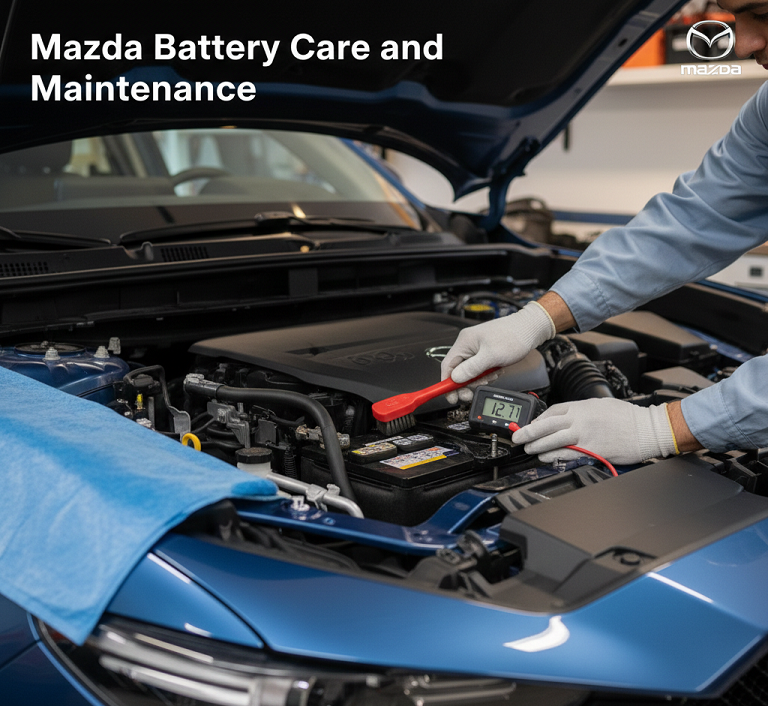
DIY Mazda Maintenance: What You Can Do at Home

Owning a Mazda comes with the responsibility of keeping your vehicle in top shape, and while regular visits to a certified Mazda technician are essential, there are many maintenance tasks you can perform yourself at home to keep your car running smoothly. DIY maintenance not only saves you money but also helps you become more familiar with your vehicle, improving both its lifespan and your overall driving experience. more At Beach Mazda, we’re passionate about keeping your Mazda in great condition. In this blog, we’ll guide you through some simple, effective DIY Mazda maintenance tasks that you can tackle at home. From checking your fluids to changing your wiper blades, these tasks are easy and rewarding! 1. Checking and Changing Engine Oil Why It’s Important: Regular oil changes are crucial for maintaining engine health and performance. The oil in your Mazda’s engine keeps all moving parts lubricated and prevents excessive wear. How to Do It: Prepare Your Supplies: You’ll need the right type of oil for your Mazda (check your owner’s manual for the exact specifications), an oil filter, an oil drain pan, a funnel, and a wrench to remove the oil plug. Drain the Oil: Place the drain pan under the oil pan and unscrew the drain plug. Allow the oil to drain completely into the pan. Replace the Oil Filter: Use a wrench to unscrew the old oil filter. Coat the rubber gasket of the new filter with a little oil before installing it. Add New Oil: Once the old oil has drained, replace the drain plug and add the new oil using a funnel. Check the oil level with the dipstick to ensure it's at the proper level. Dispose of the Oil: Take your used oil to a recycling center. 2. Checking and Replacing Air Filters Why It’s Important: A clean air filter ensures that your engine gets a steady supply of clean air, which is essential for optimal performance and fuel efficiency. How to Do It: Locate the Air Filter: On most Mazda models, the air filter is located in a rectangular air box near the front of the engine bay. Inspect the Filter: Remove the air filter and check for dirt, debris, and wear. If it’s clogged or dirty, it’s time to replace it. Install a New Filter: Place a new air filter in the air box, ensuring it fits snugly and seals properly. Tip: For maximum performance, replace your air filter every 12,000 to 15,000 miles, or more often if you drive in dusty conditions. 3. Replacing Windshield Wiper Blades Why It’s Important: Worn-out wiper blades can reduce visibility, especially during rain or snow. Keeping your wipers in good condition is essential for safe driving. How to Do It: Check Wiper Blades: Lift the wiper arms away from the windshield and check the blades for cracks, tears, or missing rubber. If they’re damaged, it’s time to replace them. Remove the Old Blades: Most Mazda wipers can be removed by pressing a small tab on the wiper arm to release the blade. Slide the old wiper off. Install the New Blades: Slide the new wiper blades onto the wiper arm and make sure they’re securely attached. Tip: Replace your wiper blades every 6-12 months for optimal performance. 4. Checking Tire Pressure Why It’s Important: Proper tire pressure is essential for safety, fuel efficiency, and tire longevity. Underinflated or overinflated tires can cause uneven wear and reduce your car's handling ability. How to Do It: Get a Tire Pressure Gauge: A digital or manual tire pressure gauge will allow you to check the pressure in each tire. Check the Recommended Pressure: Look for the recommended tire pressure for your Mazda, which is usually listed on the driver’s side door frame or in the owner’s manual. Measure and Adjust the Pressure: Remove the valve cap from the tire and press the gauge onto the valve stem. If the pressure is too low, add air until it reaches the recommended level. If it’s too high, release some air until it’s just right. Tip: Check your tire pressure at least once a month and before long trips. 5. Inspecting and Replacing Brake Pads Why It’s Important: Your brakes are one of the most critical safety features of your vehicle. Keeping an eye on brake pad wear can prevent costly repairs and ensure your safety. How to Do It: Visual Inspection: If you can see the brake pads through the wheel spokes, check their thickness. Brake pads should be replaced if they are worn down to about 1/8 inch or thinner. Replace the Brake Pads: To replace the brake pads, you'll need to remove the wheel, use a jack to lift the car, and unscrew the caliper. Once the caliper is off, remove the old brake pads and replace them with new ones. Be sure to follow your owner’s manual for exact steps, as the process may vary by model. Tip: If you’re not familiar with brake pad replacement, consider having a professional handle it for safety reasons. 6. Changing Cabin Air Filter Why It’s Important: The cabin air filter ensures the air you breathe inside the car is clean. It filters dust, pollen, and other allergens from the air entering the cabin. How to Do It: Locate the Filter: The cabin air filter is usually located behind the glove compartment or under the dashboard. Check your owner’s manual to find the exact location. Remove the Old Filter: Open the compartment or panel that houses the filter. Slide out the old filter and check it for dirt and debris. Install the New Filter: Insert the new filter, ensuring it’s properly aligned and seated. Tip: Replace the cabin air filter every 15,000 to 20,000 miles, or more often if you live in a dusty area. 7. Checking and Replacing Fluids Why It’s Important: Fluids like engine oil, coolant, transmission fluid, and brake fluid are essential to keep your Mazda running smoothly and prevent damage to critical systems. How to Do It: Engine Oil: Check the oil level with the dipstick and top off if necessary. Coolant: Check the coolant level and top it off with the appropriate coolant if it’s low. Brake Fluid: Inspect the brake fluid reservoir and add fluid if needed. Transmission Fluid: Check the transmission fluid level (if accessible) and add more fluid if necessary. Tip: Always use the fluid type specified in your Mazda’s owner manual to ensure proper performance. Visit the Beach Mazda Service Department Performing DIY maintenance on your Mazda is a great way to save money, stay connected with your car, and ensure its longevity. While some tasks, like oil changes and brake pad replacements, can be more involved, others, like checking tire pressure and replacing air filters, are simple and quick. At Beach Mazda, we’re always here to help with more complex maintenance tasks and provide guidance if you ever need assistance. Regular maintenance not only keeps your Mazda running like new, but it also ensures your safety and driving comfort. If you ever have questions about performing DIY maintenance or need help with a more advanced repair, don’t hesitate to contact us! Beach Mazda Your Trusted Mazda Experts in Myrtle Beach Ready to tackle some DIY Mazda maintenance? Visit Beach Mazda for more tips, tools, and guidance on keeping your vehicle in top shape!

bm2 title jan 2026

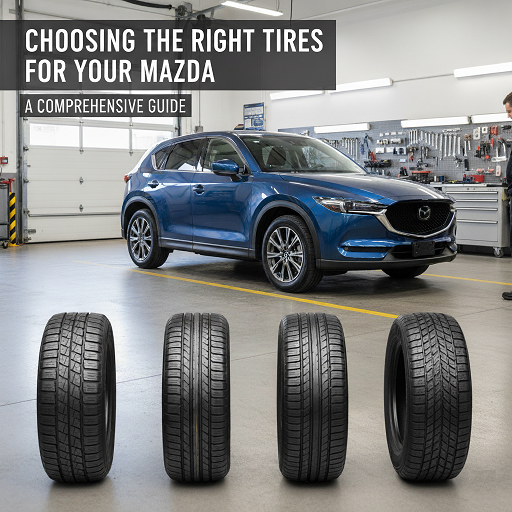
Choosing the Right Tires for Your Mazda: A Comprehensive Guide

Your Mazda is built for performance, safety, and style — and the right set of tires plays a crucial role in all three. Whether you’re driving through Myrtle Beach’s sunny streets or preparing for a long road trip, choosing the proper tires helps ensure your vehicle performs its best in any condition. more At Beach Mazda, we know that picking the right tires can be confusing. That’s why we’ve created this easy-to-follow guide to help you make the right decision for your Mazda and your lifestyle. Why the Right Tires Matter Tires directly affect: Handling and performance Fuel efficiency Ride comfort Safety and stopping distance Tire wear and lifespan Mazda engineers each vehicle with a specific driving feel — what they call “Jinba Ittai,” the harmony between car and driver. The wrong tires can interfere with that carefully balanced experience. Types of Tires for Your Mazda Let’s break down the most common types of tires you might consider for your Mazda: 1. All-Season Tires Best for: Everyday driving in mild climates These are the most common tires and typically what comes standard on most Mazda models. They offer a balance of performance, comfort, and longevity. 2. Performance Tires Best for: Sporty handling and enhanced grip Ideal for Mazda3, Mazda6, or MX-5 Miata owners who want tighter cornering and better high-speed control. However, they may wear faster than standard all-season options. 3. Touring Tires Best for: Long-distance comfort and quiet rides These tires are perfect for drivers who value a smooth, quiet ride — great for family-focused vehicles like the Mazda CX-5 or CX-90. 4. Winter/Snow Tires Best for: Cold-weather or snowy conditions If you travel north in the winter or live in colder climates, winter tires are essential. They provide better traction in snow, ice, and freezing temperatures. 5. All-Terrain Tires Best for: Off-road and rugged conditions If you drive a Mazda CX-50 or plan to explore trails and unpaved roads, all-terrain tires give you the traction and toughness needed for adventure. How to Choose the Right Tires Here are a few factors to consider when selecting your next set of tires: 1. Driving Habits Do you stick to city roads, hit the highway often, or take the scenic route off the beaten path? Your driving patterns should influence your tire choice. 2. Climate Myrtle Beach drivers generally benefit from all-season tires. However, if you travel to colder regions or experience frequent rain, consider specialty options. 3. Vehicle Model Each Mazda model has a recommended tire size and type. Refer to your owner’s manual or the sticker inside the driver-side door for Mazda’s specific recommendations. 4. Budget and Longevity Tires vary in cost and tread life. A more expensive tire may last longer and offer better performance, making it a smarter long-term investment. Signs It’s Time to Replace Your Tires Tread depth is below 2/32 of an inch (use the penny test!) Uneven wear or visible cracks Frequent tire pressure loss Road noise or vibration while driving Your tires are more than 6 years old Why Choose Beach Mazda for Tires? At Beach Mazda, we carry a wide selection of genuine Mazda-recommended tires and top brands. Our certified technicians can: Recommend the best tires for your specific model and driving style Perform professional tire installation and balancing Handle alignments, rotations, and flat repairs Help you save with regular tire specials and rebates Final Thoughts The right tires enhance your Mazda’s performance, improve fuel economy, and keep your family safe. Don’t leave such a critical component to chance — let the experts at Beach Mazda help you choose the best tires for your driving lifestyle. Need help picking or installing tires? Schedule an appointment or visit Beach Mazda today, and let’s keep your Mazda riding smoothly, no matter where the road takes you. Want to learn more about tire maintenance or tire pressure monitoring systems? We're happy to help you understand every detail!

BM1 TITLE JAN 2026

A Golfer’s Paradise: Top Golf Courses in Myrtle Beach

Hit the Fairways in Style with Beach Mazda Myrtle Beach isn’t just a beach destination—it’s one of the premier golf capitals in the world. With nearly 90 courses along the Grand Strand, there's something for every golfer, from weekend warriors to seasoned pros. And whether you’re teeing off at sunrise or enjoying a twilight round, getting there in a smooth, comfortable Mazda only adds to the experience. more At Beach Mazda, we know that your drive to the course should be as enjoyable as your drive off the tee. Here's our list of must-play Myrtle Beach golf courses—plus the perfect Mazda to match your playing style. Caledonia Golf & Fish Club (Pawleys Island) Style: Southern charm meets challenging design Caledonia is a Lowcountry masterpiece, known for its moss-draped oaks, perfectly manicured greens, and Southern plantation setting. Designed by the legendary Mike Strantz, it’s a favorite for serious golfers and scenic seekers alike. Mazda pairing: The elegant Mazda CX-90, offering premium comfort and cargo space for clubs and gear. Tidewater Golf Club (North Myrtle Beach) Style: Coastal beauty with a test of skill Tidewater is often called the “Pebble Beach of the East,” with breathtaking views of the Intracoastal Waterway and saltwater marshes. Its layout demands precision, but the scenery is worth every swing. Best enjoyed with: The Mazda CX-50 —rugged enough for early tee times and refined enough for the clubhouse. TPC Myrtle Beach (Murrells Inlet) Style: Tour-quality challenge This course is the only Golf Digest 5-star rated layout on the Grand Strand. Designed to PGA Tour standards, it’s a must-play for anyone who wants a professional-level round. Watch for bunkers, water hazards, and tournament-ready greens. Mazda match: The athletic Mazda3 for a smooth, performance-inspired arrival. Barefoot Resort & Golf (North Myrtle Beach) Style: Four world-class courses in one spot Barefoot offers layouts by Davis Love III, Greg Norman, Tom Fazio, and Pete Dye—each with its own signature flair. Whether you’re playing the wide fairways of the Love course or the Dye course’s famous finishing holes, it’s a one-stop-shop for golf greatness. Perfect companion: The versatile Mazda CX-5 —roomy, tech-savvy, and ready for a full golf weekend. Myrtle Beach National – King’s North (Central Myrtle Beach) Style: Classic Myrtle Beach golf with Arnold Palmer design Known for its dramatic holes—like the famous “Gambler” with its island fairway—King’s North is fun, flashy, and memorable. A Myrtle Beach icon. Arrive in style with: The sporty Mazda MX-5 Miata, for a fun, top-down drive to the clubhouse. Tee Off in Comfort: Why Mazda Makes the Perfect Golf Companion Whether you’re hauling your clubs to a local round or planning a weekend golf getaway, Mazda vehicles offer: Spacious cargo capacity for golf bags, shoes, and coolers Luxurious interiors to stay cool and comfortable between rounds Fuel efficiency and handling for smooth rides along the Grand Strand Smart navigation systems to guide you from one top course to the next Start Your Golf Adventure at Beach Mazda From sunrise tee times to twilight rounds, your Myrtle Beach golf trip deserves a ride that matches the experience. At Beach Mazda, we’ll help you find the right vehicle to make every trip to the course feel like a hole-in-one. Visit Beach Mazda today to test drive your next golf partner—and ask us about our favorite places to play!

BM4 title dec 2025

When to Replace Your Car's Timing Belt or Chain

The timing belt or chain is a critical component of your vehicle's engine, responsible for synchronizing the rotation of the crankshaft and camshaft(s). This ensures that the engine's valves open and close at the proper times during each cylinder's intake and exhaust strokes. Because of its importance, it’s essential to know when to replace your car’s timing belt or chain to avoid severe engine damage and costly repairs. In this blog, we’ll explore the differences between timing belts and chains, how to tell when they need replacement, and the general guidelines for replacement. more Timing Belt vs. Timing Chain Before diving into replacement schedules, it’s crucial to understand the difference between timing belts and chains: Timing Belt: Made of rubber and reinforced with fibers, timing belts are quieter and lighter than chains. However, they can wear out over time and typically require replacement. Timing Chain: Made of metal, timing chains are more durable and designed to last the lifetime of the engine. They usually don’t require regular replacement, but they can stretch or wear out under certain conditions. When to Replace Your Timing Belt Most manufacturers recommend replacing the timing belt every 60,000 to 100,000 miles, but this can vary depending on your vehicle's make and model. Here are some signs and guidelines to help you determine when to replace your timing belt: Check Your Owner’s Manual: Always refer to your vehicle’s owner manual for the manufacturer’s specific recommendations regarding timing belt replacement intervals. Mileage and Age: If your vehicle has reached the mileage range recommended by the manufacturer, or if the belt is more than five years old, it’s time to consider a replacement, even if the mileage is lower. Visible Wear and Damage: Inspect the timing belt for signs of wear, such as cracks, fraying, or glazing. If you notice any of these issues, it’s essential to replace the belt immediately. Engine Performance Issues: If you experience symptoms such as misfiring, rough idling, or difficulty starting the engine, it could indicate a problem with the timing belt. Have your vehicle inspected by a qualified mechanic if you notice these symptoms. Oil Leaks: Oil leaking onto the timing belt can cause it to degrade more quickly. If you find oil on the belt, it’s best to have it replaced along with any necessary repairs to stop the leak. When to Replace Your Timing Chain Timing chains are generally more robust and longer-lasting than timing belts, but they can still wear out or experience issues. Here’s when to consider replacing your timing chain: Manufacturer Recommendations: Unlike timing belts, timing chains don’t have a strict replacement schedule, but some manufacturers suggest inspecting the chain every 100,000 miles or so. Engine Noise: A rattling or knocking noise from the engine, especially during startup, may indicate a worn or loose timing chain. If you hear unusual noises, have a professional inspection done. Check Engine Light: If the check engine light comes on and diagnostic codes indicate timing chain issues, it’s crucial to address the problem promptly. Oil Contamination: Just like with timing belts, oil leaks that contaminate the timing chain can lead to premature wear. If you notice oil leaks, address them quickly and inspect the timing chain. Engine Performance Issues: Symptoms such as poor acceleration, rough idling, or engine misfires may indicate timing chain problems. A thorough inspection by a mechanic can help diagnose the issue. Stay Proactive Knowing when to replace your car's timing belt or chain is crucial for maintaining your engine's health and performance. Regular maintenance and inspections can help identify potential issues before they lead to severe damage. If you’re approaching the recommended mileage for replacement or notice any signs of wear, consult a qualified mechanic for a thorough inspection and any necessary replacements. By staying proactive with your timing belt or chain, you can ensure your engine runs smoothly for years to come.

Exploring the Safety Features in the Mazda CX-5

When it comes to choosing a compact SUV that blends style, performance, and peace of mind, the Mazda CX-5 stands out for its comprehensive suite of advanced safety features. Designed to protect you and your passengers on every journey, the CX-5 integrates cutting-edge technology with smart engineering to help prevent accidents and minimize risk on the road. From proactive driver-assistance systems to reinforced structural design, exploring the safety features in the Mazda CX-5 reveals how this versatile SUV prioritizes confidence and control for drivers who demand both capability and reassurance behind the wheel. more i-Activsense Safety Tech that Covers Every Measure Mazda’s i-Activsense safety technology is an integrated suite of advanced driver-assist and collision-mitigation systems that work together to help you stay aware of your surroundings, avoid hazards, and reduce the severity of accidents when they can’t be avoided. At its core, i-Activsense uses radar, cameras, and smart sensors to monitor traffic and road conditions, alerting you or intervening when necessary. Together, these technologies form a comprehensive safety net that enhances your awareness, assists in critical situations, and reinforces Mazda’s proactive approach to protecting you on the road. What is the Mazda CX-5 Safety Rating? The Mazda CX-5 is widely recognized for its strong safety performance, as rated by independent testing organizations. In the United States, the National Highway Traffic Safety Administration (NHTSA) has awarded the CX-5 a 5-Star Overall Safety Rating, the highest possible score, with five stars in frontal and side crash categories and a solid four-star rollover resistance rating, giving drivers confidence in the SUV’s crashworthiness across multiple impact scenarios. This ratings reflect the CX-5’s robust structural design and effective active safety systems, making it a compelling choice for buyers who prioritize occupant protection and crash avoidance. CX-5 Top Safety Features Here’s a bulleted list of the top safety features available on the 2025 Mazda CX-5, many of which are part of the i-Activsense safety suite designed to help protect you and your passengers: Blind Spot Monitoring (BSM) – Alerts you to vehicles in your blind spots to help make lane changes safer. Rear Cross Traffic Alert (RCTA) – Warns you of approaching traffic when backing out of a parking space. Mazda Radar Cruise Control with Stop & Go (MRCC) – Maintains a safe distance from the car ahead and can bring the vehicle to a stop in traffic. Forward Collision Warning & Automatic Emergency Braking – Detects potential frontal collisions and applies brakes to help avoid or lessen an impact. Smart Brake Support (SBS) – Automatic braking assistance in certain situations to help prevent or mitigate collisions. Advanced Smart City Brake Support – Helps avoid low-speed collisions with vehicles or pedestrians. Lane Departure Warning & Lane-Keep Assist – Alerts you if you drift out of your lane and gently assists steering to help keep you centered. High Beam Control – Automatically toggles high and low beams based on lighting conditions to improve night-time visibility. Rear Seat Alert – Reminds you to check the back seat before exiting the vehicle. Available 360° View Monitor – Provides a bird’s-eye view around the vehicle to help with parking and tight-space maneuvers (availability varies by trim). Traffic Sign Recognition & Traffic Jam Assist (available on higher trims) – Helps identify road signs and offers traffic support in congested conditions. These features combine proactive driver assistance with traditional passive protections to enhance overall safety on a wide range of roads and driving conditions Visit Beach Mazda and Test Drive the New CX-5 in Myrtle Beach, SC, Today! You can visit Beach Mazda in Myrtle Beach, SC, today to test drive our Mazda CX-5 models for sale and experience their advanced safety features firsthand. When you arrive, one of our knowledgeable sales professionals will walk you through the CX-5’s impressive safety technology, including Mazda i-Activsense driver-assist features designed to boost confidence and peace of mind on every drive. From explaining how each system works to demonstrating them during your test drive, our team is here to make sure you fully understand how the CX-5 helps keep you and your passengers protected. Stop by Beach Mazda in Myrtle Beach today and see why the CX-5 is a smart choice for safety-focused drivers.

BM3 title dec 2025

How to Keep Your Mazda's Suspension System in Top Shape

The suspension system of your Mazda is crucial for ensuring a smooth ride, maintaining vehicle stability, and providing handling performance. A well-maintained suspension not only enhances comfort but also improves safety by keeping your tires in contact with the road. To help you keep your Mazda’s suspension system in top shape, this blog will cover essential maintenance tips, common signs of wear, and when to seek professional assistance. more Understanding Your Suspension System Before diving into maintenance, it’s important to understand the components of your Mazda's suspension system. Key parts include: Shock Absorbers/Struts: These dampen the impact of bumps and irregularities in the road, helping to stabilize your vehicle. Coil Springs: These support the weight of the vehicle and absorb shocks from the road. Control Arms: These connect the suspension to the vehicle’s chassis, allowing for controlled movement. Ball Joints: These act as pivot points, enabling the wheels to turn and move vertically. Bushings: These provide cushioning and reduce friction between moving parts. Regular Inspections Routine inspections are vital for identifying potential issues before they escalate. Here are some tips for inspecting your Mazda’s suspension: Visual Checks: Regularly inspect the suspension components for signs of wear, such as cracks, leaks, or rust. Pay attention to the shock absorbers and struts for oil leaks, which indicate they may need replacement. Listen for Noises: Be aware of any unusual noises while driving, such as clunking or rattling sounds, which may indicate loose or damaged components. Check Ride Height: If you notice your vehicle sitting lower or higher on one side, it could be a sign of worn springs or damaged components. Keep the Tires in Check Tires and suspension are closely linked, so maintaining your tires can positively impact your suspension system. Regular Tire Rotations: Rotate your tires every 5,000 to 7,500 miles to promote even wear and extend their lifespan. Proper Inflation: Ensure your tires are inflated to the recommended pressure, as under-inflated or over-inflated tires can negatively affect suspension performance and lead to uneven wear. Alignment Checks: Get a wheel alignment every 6,000 miles or if you notice uneven tire wear or if the vehicle pulls to one side. Proper alignment helps maintain suspension integrity and improves handling. Monitor Driving Conditions Your driving habits and the conditions you encounter can affect the longevity of your suspension system. Here are some practices to consider: Avoid Potholes and Road Hazards: Whenever possible, steer clear of potholes, speed bumps, and other road hazards that can jolt your suspension and cause damage. Drive Smoothly: Accelerate and brake smoothly to minimize stress on the suspension components. Aggressive driving can lead to premature wear. Maintenance and Replacement Regular maintenance is essential to keep your Mazda’s suspension system in optimal condition. Here are some maintenance practices to follow: Fluid Checks: Ensure that the hydraulic fluid levels for your shocks and struts are within the recommended range. Low fluid levels can affect performance and lead to premature wear. Component Replacement: Replace worn-out suspension components as needed. If you notice any signs of damage or excessive wear, consult your owner’s manual or a professional mechanic for guidance on when to replace parts. Professional Inspections and Services While regular maintenance can help you keep your suspension system in check, professional inspections are essential for identifying issues you might overlook. Consider the following: Annual Inspections: Have your suspension system inspected by a qualified mechanic at least once a year. They can identify hidden problems and recommend necessary repairs. After Heavy Usage: If you frequently drive on rough terrain, or if you notice any changes in handling or comfort, schedule a professional inspection sooner rather than later. Signs Your Suspension Needs Attention Be on the lookout for these signs that may indicate your suspension system requires attention: Excessive Bouncing: If your vehicle bounces excessively after hitting a bump, it may indicate worn shocks or struts. Uneven Tire Wear: If you notice uneven wear patterns on your tires, it may suggest alignment or suspension issues. Difficulty Steering: If you experience difficulty steering or notice that your vehicle feels unstable, it may be time to have your suspension checked. Maintain Optimal Performance Keeping your Mazda’s suspension system in top shape is essential for a comfortable and safe driving experience. By performing regular inspections, monitoring tire health, and adopting good driving habits, you can extend the life of your suspension components and maintain optimal performance. Don’t hesitate to seek professional help when needed, as early detection of issues can save you from costly repairs down the line. By taking these proactive steps, you’ll enjoy a smoother ride and ensure your Mazda remains a pleasure to drive for years to come.

BM2 TITLE DEC 2025

How to Improve the Fuel Efficiency of Your Mazda

Fuel efficiency is a key consideration for many Mazda owners, whether you’re looking to save money on gas or reduce your environmental footprint. Mazda vehicles are designed to be both fun to drive and fuel-efficient, but there are several steps you can take to maximize your Mazda's fuel economy. In this blog, we’ll explore practical tips and strategies to help you get the most miles per gallon (MPG) out of your Mazda. more Keep Up with Regular Maintenance Regular maintenance is crucial for ensuring that your Mazda operates efficiently. A well-maintained vehicle is not only more reliable but also more fuel-efficient. Here’s what you should focus on: Oil Changes: Regular oil changes keep your engine running smoothly. Fresh, clean oil reduces friction in the engine, allowing it to run more efficiently. Be sure to use the recommended oil type for your Mazda, as specified in the owner’s manual. Air Filter Replacement: A clogged air filter can restrict airflow to the engine, making it work harder and consume more fuel. Check your air filter regularly and replace it as needed to ensure optimal engine performance and fuel efficiency. Spark Plug Inspection: Worn or dirty spark plugs can cause misfires, leading to reduced fuel efficiency. Inspect your spark plugs according to the maintenance schedule and replace them if necessary to keep your engine firing efficiently. Tire Maintenance: Properly inflated tires reduce rolling resistance, which in turn improves fuel efficiency. Check your tire pressure regularly and keep it at the level recommended by Mazda. Additionally, rotating and balancing your tires as needed will help them wear evenly, further contributing to better fuel economy. Wheel Alignment: Misaligned wheels can cause your Mazda to drag or pull to one side, increasing fuel consumption. Have your wheel alignment checked periodically, especially if you notice uneven tire wear or if your vehicle pulls to one side. Drive Smoothly and Consistently Your driving habits have a significant impact on your Mazda’s fuel efficiency. By adopting a smooth and consistent driving style, you can reduce fuel consumption and make the most of every tank. Avoid Rapid Acceleration: Sudden acceleration requires more fuel than gradually increasing your speed. Accelerate smoothly and steadily to improve your MPG. Maintain a Steady Speed: Constantly changing your speed, especially at high speeds, can lead to increased fuel consumption. Use cruise control on highways when possible to maintain a steady speed and improve fuel efficiency. Anticipate Traffic Conditions: Look ahead and anticipate traffic flow to avoid unnecessary braking and acceleration. By coasting to a stop instead of slamming on the brakes, you’ll use less fuel. Avoid Idling: Idling consumes fuel without moving your vehicle. If you expect to be stopped for more than a minute, consider turning off the engine to save fuel. Modern Mazda vehicles are equipped with an i-stop feature that automatically shuts off the engine when the car is stopped, further enhancing fuel efficiency. Lighten Your Load: Carrying excess weight in your Mazda can reduce fuel efficiency. Remove unnecessary items from your trunk and cabin to lighten the load and improve MPG. Use the Right Fuel Using the correct fuel is essential for optimal performance and fuel efficiency. Mazda vehicles are designed to run on specific types of fuel, and using the recommended fuel grade is important for both engine health and fuel economy. Choose the Right Octane: Most Mazda vehicles are designed to run on regular unleaded gasoline with an octane rating of 87. Using a higher-octane fuel than recommended doesn’t necessarily improve performance or fuel efficiency and can be a waste of money. Always refer to your owner’s manual for the correct fuel type for your Mazda. Consider Top-Tier Gasoline: Top-tier gasoline contains higher levels of detergents that help keep your engine clean and running efficiently. While it may cost a bit more, using top-tier gasoline can contribute to better fuel economy and lower emissions over time. Optimize Your Use of Air Conditioning and Climate Control Using your Mazda’s air conditioning and climate control system can impact fuel efficiency, especially in extreme temperatures. Here’s how to optimize their use: Use Air Conditioning Wisely: Air conditioning puts an additional load on your engine, which can reduce fuel efficiency. To minimize the impact, use the A/C sparingly and only when necessary. At lower speeds, consider rolling down the windows instead of using the A/C. However, at highway speeds, using air conditioning is more fuel-efficient than driving with the windows down, which can create drag. Park in the Shade: Parking in the shade can reduce the need to use air conditioning when you start your Mazda, saving fuel in the process. Additionally, using a windshield sunshade can help keep the interior cooler. Pre-Cool Your Vehicle: If your Mazda has remote start, consider using it to cool down the interior before you begin driving. This allows the air conditioning to work more efficiently and reduces the load on the engine while you’re driving. Reduce Aerodynamic Drag Aerodynamic drag increases fuel consumption, especially at higher speeds. By reducing drag, you can improve your Mazda’s fuel efficiency. Remove Roof Racks and Carriers: Roof racks, cargo boxes, and bike carriers create additional drag, reducing fuel efficiency. When not in use, remove these accessories to reduce wind resistance and improve MPG. Close Windows and Sunroof at High Speeds: Driving with the windows or sunroof open at high speeds can increase drag and decrease fuel efficiency. Keep them closed on the highway to minimize drag and improve fuel economy. Consider Upgrading to Fuel-Efficient Tires Tires play a crucial role in your Mazda’s fuel efficiency. If you’re in the market for new tires, consider choosing a set designed for low rolling resistance, which can help improve MPG. Low Rolling Resistance Tires: These tires are specifically designed to reduce the energy required to keep your vehicle moving, thereby improving fuel efficiency. They often feature a special tread pattern and rubber compound that minimizes friction with the road. Proper Tire Inflation: As mentioned earlier, keeping your tires properly inflated is key to reducing rolling resistance and improving fuel economy. Make sure to check your tire pressure regularly and keep it at the recommended level. Leverage Mazda’s Fuel-Efficiency Technologies Mazda has developed several technologies to enhance fuel efficiency without compromising performance. By taking advantage of these features, you can further improve your Mazda’s fuel economy. SKYACTIV® Technology: Mazda’s SKYACTIV® technology is a suite of innovations designed to maximize fuel efficiency and performance. From SKYACTIV® engines and transmissions to lightweight chassis and body structures, these technologies work together to reduce fuel consumption while maintaining the engaging driving experience Mazda is known for. i-ELOOP: Mazda’s i-ELOOP system is a regenerative braking system that captures energy during braking and stores it in a capacitor. This stored energy is then used to power electrical systems in the vehicle, reducing the load on the engine and improving fuel efficiency. i-Stop: Mazda’s i-Stop technology automatically shuts off the engine when the vehicle is stopped, such as at traffic lights or in heavy traffic. This feature helps conserve fuel by reducing engine idling time, and the engine restarts quickly and smoothly when you’re ready to move again. Maximize Your Mazda’s MPG Improving the fuel efficiency of your Mazda is not only good for your wallet but also for the environment. By following these tips—maintaining your vehicle regularly, adopting fuel-efficient driving habits, using the right fuel, and taking advantage of Mazda’s advanced technologies—you can maximize your Mazda’s MPG and enjoy a more economical and eco-friendly driving experience. Whether you’re commuting to work, running errands, or embarking on a road trip, these strategies will help you get the most out of every tank of gas.

BM1 TITLE DEC 2025

Mazda vs. Competitors: What Sets Mazda Apart

When it comes to choosing a vehicle, the market is filled with numerous options, each offering its own unique set of features, performance capabilities, and designs. Among these, Mazda has carved out a distinct identity, appealing to drivers who seek a blend of performance, style, and innovation. In this blog, we’ll explore how Mazda stacks up against its competitors and what sets the brand apart in a crowded automotive landscape. more Driving Dynamics and Performance One of Mazda's most significant differentiators is its commitment to delivering an engaging driving experience. The brand is renowned for its focus on "Zoom-Zoom," a philosophy that emphasizes the joy of driving. This is achieved through several key factors: SKYACTIV Technology: Mazda's innovative SKYACTIV technology encompasses engine, transmission, chassis, and body design, resulting in vehicles that are lightweight yet powerful. This technology enhances fuel efficiency without compromising performance, providing a spirited driving experience that competitors often struggle to match. Chassis and Suspension Tuning: Mazda vehicles are engineered with an emphasis on precise handling and responsiveness. The brand's commitment to delivering a connected driving experience is evident in the tuning of its suspensions, steering, and braking systems. This results in vehicles that feel nimble and agile on the road, making every drive more enjoyable. Focus on Lightweight Design: Mazda's emphasis on lightweight construction helps improve acceleration, handling, and fuel efficiency. By utilizing advanced materials and innovative design techniques, Mazda achieves a performance advantage over many competitors, particularly in compact and subcompact segments. Stylish Design and Craftsmanship Mazda's design philosophy, known as "KODO: Soul of Motion," sets it apart from competitors by emphasizing fluid lines and an athletic stance. This design language creates vehicles that are not only visually appealing but also exude a sense of sophistication. Here are a few key aspects of Mazda's design: Elegant Exterior Styling: Mazda vehicles feature a sleek, modern aesthetic that stands out on the road. The bold grille designs, sculpted body lines, and attention to detail create an upscale appearance that rivals luxury brands. High-Quality Interiors: Mazda pays careful attention to interior craftsmanship, using premium materials and ergonomic designs to create a comfortable and inviting cabin. The layout of controls and technology is intuitive, ensuring that drivers can focus on the road ahead. Innovative Use of Color: Mazda has made a name for itself with its unique paint colors, including the striking Soul Red Crystal and Machine Gray Metallic. These colors not only enhance the vehicle's aesthetics but also showcase Mazda's commitment to quality and detail. Safety and Technology Mazda is committed to ensuring the safety of its drivers and passengers, incorporating advanced safety features and technologies into its vehicles. Here’s how Mazda compares in this area: i-Activsense Safety Technology: Mazda’s i-Activsense suite of safety features includes adaptive cruise control, blind-spot monitoring, lane-keeping assist, and automatic emergency braking. These technologies help prevent accidents and enhance driver confidence on the road. User-Friendly Infotainment System: Mazda’s infotainment system, known as Mazda Connect, is designed with user experience in mind. It features a straightforward interface, responsive controls, and compatibility with Apple CarPlay and Android Auto. This focus on ease of use sets Mazda apart from some competitors with more complex systems. Strong Crash Test Ratings: Mazda vehicles consistently earn high safety ratings from organizations such as the National Highway Traffic Safety Administration (NHTSA) and the Insurance Institute for Highway Safety (IIHS). This commitment to safety helps Mazda stand out in a competitive market. Commitment to Environmental Sustainability As the automotive industry shifts towards sustainability, Mazda is making strides to reduce its environmental impact. Here’s what sets Mazda apart in this regard: Efficient Powertrains: Mazda's SKYACTIV technology not only improves performance but also enhances fuel efficiency, reducing overall emissions. The brand’s commitment to optimizing engine performance contributes to a lower environmental footprint. Future Electrification Plans: Mazda is actively exploring electrification with the introduction of hybrid and electric models. The Mazda MX-30, for instance, represents the brand's entry into the electric vehicle market, showcasing its dedication to sustainability and innovation. Sustainable Manufacturing Practices: Mazda is focused on minimizing its environmental impact throughout the manufacturing process, including efforts to reduce waste, energy consumption, and emissions at its production facilities. Value for Money Mazda vehicles are often praised for offering excellent value compared to competitors in their respective segments. Here are some reasons why: Affordable Pricing: Mazda offers competitive pricing without sacrificing quality or features. Many models come well-equipped with advanced technology and safety features, making them attractive options for budget-conscious buyers. Strong Resale Value: Mazda vehicles tend to hold their value well over time, thanks in part to their reputation for reliability and performance. This factor can make them a smart investment for buyers. Comprehensive Warranty: Mazda provides a generous warranty package, including a three-year/36,000-mile basic warranty and a five-year/60,000-mile powertrain warranty. This assurance adds to the overall value of owning a Mazda. More Than Just Transportation In a competitive automotive landscape, Mazda stands out for its commitment to delivering a unique driving experience, stylish design, advanced safety features, and strong value. With innovations like SKYACTIV technology, a focus on sustainability, and an unwavering dedication to craftsmanship, Mazda continues to attract drivers who seek more than just transportation—they seek an engaging and enjoyable driving experience. Whether you’re considering a compact sedan, a versatile SUV, or a sporty convertible, Mazda offers a range of vehicles that deliver on performance, comfort, and style, making it a compelling choice among its competitors.

BM4 TITLE NOV 2025

How to Check and Maintain Your Car's Tire Pressure

Proper tire maintenance is essential for the safety, performance, and longevity of your vehicle. One of the most critical aspects of tire care is maintaining the correct tire pressure. Under-inflated or over-inflated tires can lead to poor handling, reduced fuel efficiency, and even tire blowouts. In this blog, we’ll guide you through the process of checking and maintaining your car’s tire pressure, helping you ensure a smooth and safe ride. more Understanding Tire Pressure Tire pressure is measured in pounds per square inch (PSI) and refers to the amount of air inside the tire. Every vehicle has a recommended tire pressure, which can usually be found in the owner’s manual or on a sticker located on the driver’s side door jamb. Maintaining the correct tire pressure is crucial for: Safety: Properly inflated tires ensure better traction, handling, and braking performance. Fuel Efficiency: Tires that are inflated to the correct pressure can improve fuel economy, as under-inflated tires create more rolling resistance. Tire Longevity: Maintaining proper pressure can help prevent premature tire wear, extending the lifespan of your tires. When to Check Tire Pressure It's important to check your tire pressure regularly to ensure optimal performance: Monthly Checks: Aim to check your tire pressure at least once a month, as tires can lose pressure over time. Before Long Trips: Always check your tire pressure before embarking on a long journey to ensure that your tires are in optimal condition. Seasonal Changes: Temperature fluctuations can affect tire pressure. It’s a good practice to check your tires with the change of seasons, especially before winter and summer. How to Check Tire Pressure Checking your tire pressure is a straightforward process that can be done at home or at a gas station: Gather Your Tools You’ll need the following tools: Tire Pressure Gauge: A digital or analog tire pressure gauge will work. Digital gauges are often easier to read. Air Compressor: If your tires are low, you may need an air compressor to inflate them. Many gas stations have air pumps available for public use. Check Tire Pressure Ensure Cold Tires: Check tire pressure when the tires are cold, ideally before you’ve driven or at least three hours after driving. Tires heat up from friction, causing the air inside to expand and give a false reading. Remove Valve Caps: Unscrew the valve cap from the tire you want to check. Keep the cap in a safe place to avoid losing it. Press the Gauge: Firmly press the tire pressure gauge onto the valve stem. You should hear a short hiss of air as the gauge makes contact. Ensure that the gauge is seated properly for an accurate reading. Read the Pressure: Take note of the reading on the gauge. If using a digital gauge, it will display the pressure on the screen. If using an analog gauge, the needle will indicate the pressure. Replace Valve Caps: After checking, be sure to replace the valve cap securely. Adjusting Tire Pressure If your tire pressure is not within the recommended range, you’ll need to adjust it accordingly: Inflating Tires Use an Air Compressor: If the pressure is too low, locate an air compressor. Many gas stations have them, or you can use a portable air compressor. Inflate Gradually: Add air in short bursts, checking the pressure frequently until you reach the recommended PSI. Avoid Over-Inflation: Be cautious not to exceed the recommended pressure, as over-inflated tires can lead to reduced traction and a harsher ride. Deflating Tires If your tires are over-inflated, you can release some air: Press the Valve Stem: Use a small tool (like a screwdriver or a tire gauge) to press the valve stem, allowing air to escape slowly. Check Pressure Regularly: Continuously check the tire pressure until it reaches the recommended level. Maintaining Tire Pressure To maintain optimal tire pressure over time, consider the following tips: Regular Checks: Make tire pressure checks part of your regular vehicle maintenance routine, as mentioned earlier. Monitor Temperature: Be aware that temperature changes can affect tire pressure. As a general rule, tire pressure can drop about 1 PSI for every 10-degree Fahrenheit decrease in temperature. Use TPMS: Many modern vehicles are equipped with a Tire Pressure Monitoring System (TPMS) that alerts you when tire pressure is low. While this is a helpful feature, it’s still essential to check tire pressure manually. Inspect for Damage: Regularly inspect your tires for signs of damage, such as cracks, bulges, or foreign objects embedded in the tread. Address any issues promptly to maintain safety. Keep Tires in Top Condition Checking and maintaining your car's tire pressure is a simple yet crucial aspect of vehicle maintenance that can enhance safety, improve fuel efficiency, and extend the life of your tires. By incorporating regular tire pressure checks into your routine, you can ensure a smooth and safe driving experience. Don’t overlook this essential maintenance task—your tires are the only contact your vehicle has with the road, so keeping them in top condition is vital for your safety and performance. Happy driving!

What Add-On Accessories Can I Install to My Mazda CX-50?

If you own a Mazda CX-50, numerous add-on accessories are available to enhance its style, functionality, and comfort. From cargo and storage solutions, such as liners and retractable covers, to all-weather protection accessories like floor mats and mud guards, these items help keep your SUV organised and protected. For adventure enthusiasts, roof racks and outdoor gear expand your carrying capacity, while tech upgrades like wireless charging pads and console safes improve convenience. You can also customize the look of your CX-50 with cosmetic add-ons or add safety and protection accessories like bumper guards to keep your SUV in top condition. With these accessories, your Mazda CX-50 can be tailored to fit your lifestyle, whether for everyday driving, outdoor adventures, or a stylish, modern ride. more Cargo & Storage Upgrades Enhance the utility of your Mazda CX‑50 with cargo and storage accessories. A retractable cargo cover or cargo liner keeps your trunk organized while protecting the interior from dirt, spills, and shifting gear. For adventure-ready owners, a collapsible cargo carrier provides additional storage that can easily fold away when not needed. These upgrades maximize the versatility of your SUV, making every trip more convenient and organized. All-Weather & Interior Protection Keep your CX‑50 interior protected in all conditions with all-weather accessories. All-weather floor mats trap mud, snow, and water, while cargo liners with seatback protection shield the rear seats from scuffs, pets, or gear. Additionally, mud guards help prevent rocks and road debris from damaging the lower body of your Mazda. These accessories are essential for maintaining the value and cleanliness of your SUV, especially during active or outdoor lifestyles. Roof & Outdoor Adventure Gear Make your Mazda CX‑50 adventure-ready with roof and outdoor accessories. Roof rack crossbars expand your cargo capacity, allowing you to mount bikes, kayaks, or cargo boxes. A roof platform provides a stable base for rooftop tents or large gear. These upgrades are perfect for weekend trips, camping, or outdoor sports, giving your SUV both functionality and versatility for any adventure. Tech & Convenience Enhancements Upgrade your Mazda CX‑50 with smart technology and convenience accessories. A wireless charging pad provides seamless in-car charging for your phone, while a console safe keeps valuables secure and within reach. These enhancements improve the daily usability of your SUV, ensuring you stay connected, organized, and protected while on the road. Style & Cosmetic Add-Ons Give your CX‑50 a personalized look with style-focused accessories. Window deflectors allow airflow without letting rain in, while pillar covers or trim garnishes add a touch of elegance or sportiness to the exterior. Light tinting or vinyl kits further customize your CX-50’s aesthetic, giving it a bold, unique presence on the road. These upgrades enhance both appearance and practicality. Safety & Practical Protection Protect your Mazda CX‑50 with practical safety accessories. Front A-bars or nudge bars provide minor front-end protection, and bumper protectors shield the rear bumper from scuffs while loading cargo. Combined with mud guards, these upgrades help maintain your vehicle’s exterior while adding peace of mind during daily driving or off-road adventures. Shop Add-On Accessories at Beach Mazda in Myrtle Beach You can visit Beach Mazda in Myrtle Beach today to explore a wide selection of add-on accessories for your Mazda CX-50 and customize your SUV to fit your lifestyle. From cargo liners and all-weather floor mats to roof racks, tech upgrades, and cosmetic enhancements, our team can help you find the perfect accessories to boost style, functionality, and convenience. While you’re here, you can also discuss installation options, explore financing for accessories, and ensure your Mazda CX-50 is fully equipped for both everyday driving and weekend adventures. Start to explore accessory options for your CX-50 today and make it truly your own at Beach Mazda.

BM3 TITLE NOV 2025

The Best Accessories for Enhancing Your Mazda Experience

Owning a Mazda is all about enjoying the drive, but there are plenty of accessories available to enhance your experience even further. Whether you want to improve comfort, convenience, performance, or style, there’s an accessory for every Mazda owner. In this blog, we’ll explore some of the best accessories to elevate your Mazda experience and make your time on the road even more enjoyable. more All-Weather Floor Mats Keeping your Mazda’s interior clean is essential for maintaining its value and aesthetics. All-weather floor mats are a practical accessory that protects your vehicle's carpet from dirt, mud, spills, and wear. Designed to fit your Mazda's specific model, these mats are durable, easy to clean, and can handle a variety of conditions. Whether you're dealing with rain, snow, or just everyday messes, all-weather floor mats help preserve the interior while adding a touch of style. Cargo Trays and Organizers Maximize the functionality of your Mazda’s cargo area with custom-fit cargo trays and organizers. These accessories provide protection for the trunk or hatch area and keep your belongings secure and organized. Look for options with raised edges to contain spills or dirt, and consider organizers that offer compartments for smaller items, making it easier to find what you need while on the go. Car Phone Mount A car phone mount is a must-have for anyone who uses their smartphone for navigation, calls, or music. A high-quality phone mount keeps your device within reach and at eye level, allowing you to stay focused on the road while accessing your favorite apps. Look for mounts that are compatible with your phone size and can be easily attached to your Mazda’s dashboard or air vent. Dash Cam For added peace of mind, consider installing a dash cam in your Mazda. A dash cam records your driving and can provide crucial evidence in case of an accident or incident. Some models come with features like loop recording, parking mode, and GPS tracking, offering extra security and protection. Investing in a quality dash cam can enhance your driving experience by keeping you informed and protected. Upgraded Sound System Mazda vehicles come with decent audio systems, but upgrading to a premium sound system can significantly enhance your in-car experience. Consider installing a high-quality aftermarket stereo, speakers, or subwoofer for improved sound quality and clarity. Whether you enjoy listening to music, podcasts, or audiobooks, an upgraded sound system will transform your daily drives into a more immersive experience. Roof Racks and Cargo Carriers If you love outdoor adventures, roof racks and cargo carriers are essential accessories for your Mazda. Roof racks allow you to transport bikes, kayaks, skis, or extra luggage, freeing up space inside the vehicle. Consider a cargo carrier for long road trips, providing additional storage for your belongings. Look for options specifically designed for your Mazda model to ensure proper fit and stability. Window Tinting Window tinting is a stylish accessory that offers both aesthetic and functional benefits. Tinted windows reduce glare from the sun, enhance privacy, and protect your interior from UV rays, which can cause fading and cracking over time. Additionally, window tinting can help keep your Mazda cooler in hot weather, improving comfort during those long drives. LED Lighting Upgrades Enhance the ambiance of your Mazda with LED lighting upgrades. Interior LED lights can create a modern and inviting atmosphere, while upgraded exterior lighting can improve visibility and style. Consider adding LED strips under the dashboard or in the footwell for a customized look, or upgrade your headlights and taillights for better illumination and a sleek appearance. Performance Upgrades If you’re looking to enhance the performance of your Mazda, there are several aftermarket accessories to consider. Cold air intakes, performance exhaust systems, and upgraded suspension components can improve horsepower, handling, and overall driving experience. Before making modifications, research compatibility with your specific Mazda model and consult with a professional if necessary. Custom Seat Covers Protect your seats and add a personal touch to your Mazda with custom seat covers. Available in a variety of materials, colors, and patterns, seat covers can enhance comfort and style while safeguarding your seats from wear and tear. Look for covers that are easy to install and clean, ensuring they fit your Mazda perfectly. Portable Jump Starter A portable jump starter is a practical accessory that can save you from being stranded due to a dead battery. Compact and easy to store, a jump starter allows you to jump-start your Mazda without needing another vehicle. Many models also come with USB ports for charging devices, making them a versatile addition to your emergency kit. Reflect Your Lifestyle Enhancing your Mazda experience is all about personalization, comfort, and convenience. From practical accessories like all-weather floor mats and cargo organizers to performance upgrades and stylish modifications, there are countless options to make your time on the road even more enjoyable. By investing in the right accessories, you can create a driving experience that reflects your lifestyle and meets your needs, ensuring that every journey in your Mazda is a pleasure.

Laguna Seca 2019

Mazda's Role in Motorsports: A Legacy of Racing

Mazda is not just a manufacturer of stylish and reliable vehicles; it has also carved out a significant place in the world of motorsports. With a history that spans decades, Mazda’s commitment to racing and performance has not only influenced the brand’s engineering and design but has also fostered a passionate community of enthusiasts and drivers. In this blog, we’ll explore Mazda’s legacy in motorsports, its notable achievements, and how racing has shaped the brand we know today. more A Passion for Performance Mazda’s foray into motorsports began in the early 1960s when the company started to recognize the potential of racing as a platform for showcasing its engineering prowess. The philosophy of “Zoom-Zoom,” which captures the essence of driving excitement, became a guiding principle for Mazda. This passion for performance translated into significant investments in racing programs, leading to numerous victories and innovations on the track. The Birth of the RX Series One of the most iconic contributions of Mazda to motorsports is the development of the RX series, particularly the RX-7 and RX-8 models, which featured the revolutionary rotary engine. The unique design of the rotary engine allowed for a lightweight and powerful vehicle, making the RX series a formidable competitor in various racing categories. Mazda RX-7: Launched in the late 1970s, the RX-7 quickly became a popular choice in motorsports, thanks to its agile handling and impressive power. The RX-7 achieved great success in multiple racing disciplines, including the IMSA GT Championship and SCCA racing. Mazda RX-8: Building on the legacy of its predecessor, the RX-8 continued to make waves in motorsports, thanks to its balanced chassis and high-revving rotary engine. It was widely used in grassroots racing and became a favorite among amateur racers. Success in Endurance Racing Mazda’s commitment to endurance racing is exemplified by its legendary victory at the 24 Hours of Le Mans in 1991. The Mazda 787B, equipped with a four-rotor Wankel engine, made history by becoming the first and only rotary engine-powered car to win the prestigious race. The 787B's success was not just a testament to Mazda’s engineering but also a symbol of innovation and determination in a field dominated by traditional piston engines. The win at Le Mans highlighted Mazda’s willingness to push the boundaries of automotive technology and its dedication to performance. The distinctive sound of the 787B’s rotary engine became an iconic part of motorsport history, forever linking Mazda to endurance racing. Participation in Rallying Mazda also made its mark in rallying, showcasing the versatility of its vehicles in various off-road conditions. The Mazda 323 GTX and later models competed successfully in rally events, including the World Rally Championship (WRC). Mazda's ability to adapt and succeed in diverse racing environments demonstrated the brand’s commitment to performance and engineering excellence. Grassroots Motorsports and Community Engagement Mazda’s dedication to motorsports extends beyond professional racing. The company has fostered a strong grassroots motorsports community through initiatives like the Mazda Road to 24 program, which aims to support and develop aspiring racers. This program provides resources, mentorship, and opportunities for drivers to advance in their racing careers. Additionally, Mazda’s involvement in events like the Mazda MX-5 Cup allows amateur racers to compete in a cost-effective and exciting environment. By providing a platform for grassroots racing, Mazda encourages the next generation of drivers and enthusiasts to engage with the sport. Technological Innovations and Influence Mazda’s motorsports involvement has led to several technological innovations that have made their way into production vehicles. The knowledge gained from racing has influenced the design of features such as: Chassis and Suspension Design: Insights from racing have helped Mazda develop vehicles with superior handling and stability, ensuring that their cars deliver an engaging driving experience. Engine Performance: Developments in engine technology from motorsports have contributed to improved efficiency and performance in Mazda's lineup, including the Skyactiv engines that emphasize a balance between power and fuel economy. A Bright Future in Motorsports As Mazda continues to evolve, its commitment to motorsports remains steadfast. The brand is actively involved in various racing series, including sports car racing and grassroots events, ensuring that its legacy of performance and innovation endures. Mazda’s partnership with organizations like IMSA and participation in electric racing events demonstrates the brand's adaptability and forward-thinking approach to motorsports. Shaping the Next Generation Mazda’s legacy in motorsports is a testament to its dedication to performance, innovation, and community engagement. From the iconic RX series and historic Le Mans victory to grassroots racing initiatives, Mazda has established itself as a prominent player in the racing world. The brand’s passion for motorsports not only enhances its vehicles but also fosters a sense of community among enthusiasts and drivers alike. As Mazda looks to the future, its commitment to racing will undoubtedly continue to inspire and shape the next generation of vehicles, ensuring that the spirit of competition and driving excitement remains at the core of the brand. Whether on the racetrack or the open road, Mazda’s legacy of racing will always resonate with those who value performance, innovation, and the thrill of driving.

Contact Us

Fill out this form below and we'll contact you shortly
*Required Fields