Blog / Mazda Vehicles

Blog

All Mazda Vehicles News Technology Important Information Mazda Model Features Tips Mazda Service Features & Specs Awards Service Mazda Safety Technology Money Saving Tips Safety Beach Mazda Service History 2023 Models Community Events Comparisons Financing Your Mazda Fun Stuff Local 2024 Models Holidays Mazda Parts Car Buying Process Driver-Centric Design EVs Exterior Fuel & Gas Pre-Owned Certified Pre-Owned Mazda Vehicles Electric & Hybrid Vehicles Infotainment Insurance Mazda Accessories Mazda CX-30 Mazda3 Racing Restaurants & Food Tires & Wheels Travel Activities Drive For Good Kodo Design Language Mazda CX-5 Mazda CX-9 Mazda Motorsports Automotive Cleaning Fuel System Interior Paint & Body Work Seasonal Down-payments Mazda Connect Transmission Weather Brakes i-Activsense Technology Large Vehicles & SUVs Millennials Suspension System Towing
BM2_FEB 2026_TITLE

Decoding Mazda’s Diagnostic Codes: What They Mean and What to Do

Modern Mazdas are packed with advanced technology designed to keep you safe and your vehicle running smoothly. One of these technologies is the On-Board Diagnostic (OBD) system, which monitors your car’s systems and alerts you when something isn’t quite right through diagnostic trouble codes (DTCs). At Beach Mazda, we understand how confusing those blinking check engine lights or error messages can be. That’s why we’ve put together this guide to help you decode Mazda’s diagnostic codes, understand what they mean, and know the best steps to take. more What Are Diagnostic Trouble Codes (DTCs)? Diagnostic trouble codes are alphanumeric codes generated by your vehicle’s computer when it detects a malfunction. These codes pinpoint specific issues in your engine, transmission, emissions system, brakes, or other critical components. When a problem arises, the “Check Engine” light or another warning indicator might illuminate on your dashboard, signaling that it’s time for a diagnostic check. Common Mazda Diagnostic Codes and What They Mean Here are some common Mazda DTCs you might encounter: Code Meaning What to Do P0300 Random/Multiple Cylinder Misfire Schedule service to inspect spark plugs, ignition coils, or fuel injectors. P0420 Catalyst System Efficiency Below Threshold Possible catalytic converter issue; get it checked promptly. P0171 System Too Lean (Bank 1) Could indicate vacuum leaks or dirty fuel injectors. Service needed. P0442 Evaporative Emission Control System Leak (small leak) Check gas cap seal and fuel system. Tighten or replace gas cap if needed. C0035 Wheel Speed Sensor Malfunction (ABS) May affect braking performance; have your brakes inspected immediately. What Should You Do When a Code Appears? Don’t panic. A check engine light doesn’t always mean a major repair. Sometimes it’s a simple fix like tightening a loose gas cap. Check for symptoms. Is your Mazda driving differently? Any unusual noises, smells, or performance changes? Note them to share with your technician. Use an OBD-II scanner. If you have one, you can check the code yourself and get a rough idea of the problem. However, some Mazda-specific codes may require professional tools. Schedule a service appointment at Beach Mazda. Our expert technicians have the latest Mazda diagnostic equipment and factory training to accurately read and repair your vehicle. Why Trust Beach Mazda for Diagnostics? At Beach Mazda, we don’t just read codes — we interpret them in the context of your vehicle’s condition. That means fewer unnecessary repairs and more accurate solutions. Our advantages include: Genuine Mazda diagnostic software Certified Mazda technicians OEM parts and warranty-backed repairs Transparent explanations and cost estimates Proactive Maintenance Helps Prevent Codes Regular maintenance is your best defense against unexpected codes. Stay on top of: Oil changes Spark plug and air filter replacement Fuel system cleaning Brake system inspections Emissions testing (where required) Stay Informed, Drive Confidently Understanding Mazda’s diagnostic codes empowers you to take timely action and keep your vehicle performing at its best. If your check engine light comes on or you notice any warning indicators, don’t hesitate— bring your Mazda to Beach Mazda for expert diagnostics and trusted repairs. Need help decoding a code or scheduling a diagnostic check? Contact Beach Mazda today and let our team get you back on the road safely and smoothly.

bm4 title jan 2026

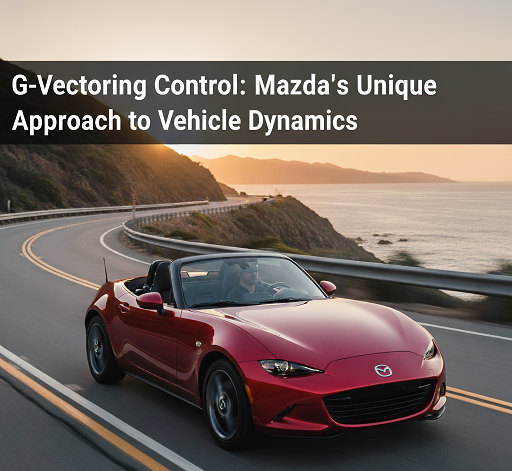
G-Vectoring Control: Mazda's Unique Approach to Vehicle Dynamics

Mazda has long been known for its commitment to delivering exceptional driving experiences, blending innovation, precision, and excitement into every vehicle it creates. One of the standout features that exemplifies Mazda's passion for driving dynamics is G-Vectoring Control (GVC). This cutting-edge technology enhances the way your Mazda handles, offering a smooth, stable, and more connected driving experience. more In this blog post, we’ll take a deep dive into Mazda's GVC technology, how it works, and how it improves your overall driving experience. What is G-Vectoring Control (GVC)? G-Vectoring Control is a unique vehicle dynamics control system developed by Mazda to optimize the driving experience by adjusting engine torque to enhance the vehicle's stability and handling. This system is designed to improve steering response, reduce the need for constant corrections, and create a more natural, engaging driving experience. Unlike traditional systems that focus solely on braking or suspension adjustments, GVC subtly integrates engine torque control into the vehicle’s handling. This results in smoother, more predictable steering and better overall control. How Does G-Vectoring Control Work? GVC works by adjusting engine power in response to steering inputs. When you turn the steering wheel, GVC slightly reduces engine torque, which shifts the vehicle’s weight forward. This shift in weight helps the front tires grip the road more effectively, improving the vehicle’s steering response and cornering ability. Once the steering wheel is straightened, GVC subtly increases engine torque to stabilize the vehicle, providing a smooth and controlled transition out of the corner. This dynamic balance between engine power and vehicle response helps create a seamless, enjoyable driving experience with less effort on the part of the driver. In short, GVC works with the car’s natural dynamics to improve control and smoothness in both steady-state driving and cornering. Benefits of GVC for Drivers Mazda’s GVC system offers several key benefits that enhance both the driver’s comfort and the vehicle’s performance. Here are a few reasons why Mazda drivers love this technology: Improved Cornering Stability When you enter a corner, the vehicle’s weight naturally shifts toward the outside of the turn. GVC helps mitigate this by adjusting engine torque to shift the vehicle’s weight forward. This enhances tire grip on the road and allows the car to corner with more precision, reducing the need for constant steering corrections. Enhanced Steering Response GVC makes steering more responsive, so the vehicle feels more connected to your inputs. It reduces the sense of understeer or oversteer, allowing you to feel more confident and in control, whether you’re navigating a winding mountain road or cruising through city streets. Smoother Ride Quality By making slight adjustments to engine torque, GVC helps to smooth out sudden shifts in weight transfer, leading to a more stable and comfortable ride. This can make a big difference during long trips or when driving over bumpy roads, as the car feels more predictable and less prone to harsh movements. Reduced Driver Fatigue Because GVC minimizes the need for constant steering corrections, it reduces the overall effort required to keep the vehicle on course. This leads to a more relaxed driving experience, especially on longer journeys. Drivers may notice less fatigue from constant adjustments, making every trip more enjoyable. How GVC Enhances Safety While GVC is often praised for its performance benefits, it also plays a crucial role in safety. By providing smoother and more controlled handling, GVC reduces the risk of losing control in critical situations. For example: In wet or slippery conditions, GVC can help maintain better grip on the road, reducing the likelihood of skidding or sliding. During emergency maneuvers, the system provides more responsive steering, helping drivers avoid obstacles or stay on course when sudden steering inputs are required. In high-speed driving, GVC enhances stability and ensures the vehicle behaves predictably, even during high-speed lane changes or sudden turns. Ultimately, the GVC system contributes to a more stable and controlled vehicle, helping keep you and your passengers safe on the road. The Evolution of GVC: GVC+ As with many Mazda technologies, GVC has continued to evolve. The latest iteration, GVC+, is an enhanced version of the original system, offering even more refined control. GVC+ further enhances steering stability by also factoring in lateral forces and making additional adjustments to engine torque when the car is under cornering stress. The addition of GVC+ ensures that the vehicle’s handling is even more refined, providing a smoother, more balanced ride in a wider range of driving conditions. Whether you’re driving through tight turns, navigating slippery roads, or cruising at high speeds, GVC+ ensures that your Mazda always feels composed and connected to the road. Why GVC is Unique to Mazda Mazda's commitment to Jinba Ittai —the philosophy of the connection between horse and rider—is evident in the development of GVC. This concept, which focuses on the perfect harmony between the driver and the vehicle, is central to Mazda’s design ethos. Unlike many other automakers, Mazda didn’t just focus on adding more power or features to improve handling. Instead, they focused on refining the fundamentals—improving the way the vehicle interacts with the driver through more intuitive, natural responses. GVC is part of Mazda’s larger goal to create cars that are more than just modes of transportation; they are meant to offer a deeper connection between the driver, the vehicle, and the road. By integrating subtle adjustments to the vehicle’s dynamics, GVC makes driving feel more organic and less mechanical, bringing a sense of joy and ease to every trip. Learn More at Beach Mazda Mazda’s G-Vectoring Control (GVC) is a prime example of how technology can enhance the driving experience by refining the vehicle’s dynamics and responsiveness. Whether you’re carving through mountain roads, commuting to work, or driving in inclement weather, GVC helps you stay in control and connected to your Mazda. Ready to experience the benefits of GVC for yourself? Visit Beach Mazda today to test drive a Mazda equipped with this groundbreaking technology. Our team is here to help you discover how Mazda’s commitment to innovative vehicle dynamics can elevate your driving experience. Beach Mazda Driving Performance, Safety, and Innovation. This blog explains how Mazda's G-Vectoring Control (GVC) improves vehicle dynamics, offering a smoother, safer, and more engaging driving experience.

BM1 TITLE JAN 2026

A Golfer’s Paradise: Top Golf Courses in Myrtle Beach

Hit the Fairways in Style with Beach Mazda Myrtle Beach isn’t just a beach destination—it’s one of the premier golf capitals in the world. With nearly 90 courses along the Grand Strand, there's something for every golfer, from weekend warriors to seasoned pros. And whether you’re teeing off at sunrise or enjoying a twilight round, getting there in a smooth, comfortable Mazda only adds to the experience. more At Beach Mazda, we know that your drive to the course should be as enjoyable as your drive off the tee. Here's our list of must-play Myrtle Beach golf courses—plus the perfect Mazda to match your playing style. Caledonia Golf & Fish Club (Pawleys Island) Style: Southern charm meets challenging design Caledonia is a Lowcountry masterpiece, known for its moss-draped oaks, perfectly manicured greens, and Southern plantation setting. Designed by the legendary Mike Strantz, it’s a favorite for serious golfers and scenic seekers alike. Mazda pairing: The elegant Mazda CX-90, offering premium comfort and cargo space for clubs and gear. Tidewater Golf Club (North Myrtle Beach) Style: Coastal beauty with a test of skill Tidewater is often called the “Pebble Beach of the East,” with breathtaking views of the Intracoastal Waterway and saltwater marshes. Its layout demands precision, but the scenery is worth every swing. Best enjoyed with: The Mazda CX-50 —rugged enough for early tee times and refined enough for the clubhouse. TPC Myrtle Beach (Murrells Inlet) Style: Tour-quality challenge This course is the only Golf Digest 5-star rated layout on the Grand Strand. Designed to PGA Tour standards, it’s a must-play for anyone who wants a professional-level round. Watch for bunkers, water hazards, and tournament-ready greens. Mazda match: The athletic Mazda3 for a smooth, performance-inspired arrival. Barefoot Resort & Golf (North Myrtle Beach) Style: Four world-class courses in one spot Barefoot offers layouts by Davis Love III, Greg Norman, Tom Fazio, and Pete Dye—each with its own signature flair. Whether you’re playing the wide fairways of the Love course or the Dye course’s famous finishing holes, it’s a one-stop-shop for golf greatness. Perfect companion: The versatile Mazda CX-5 —roomy, tech-savvy, and ready for a full golf weekend. Myrtle Beach National – King’s North (Central Myrtle Beach) Style: Classic Myrtle Beach golf with Arnold Palmer design Known for its dramatic holes—like the famous “Gambler” with its island fairway—King’s North is fun, flashy, and memorable. A Myrtle Beach icon. Arrive in style with: The sporty Mazda MX-5 Miata, for a fun, top-down drive to the clubhouse. Tee Off in Comfort: Why Mazda Makes the Perfect Golf Companion Whether you’re hauling your clubs to a local round or planning a weekend golf getaway, Mazda vehicles offer: Spacious cargo capacity for golf bags, shoes, and coolers Luxurious interiors to stay cool and comfortable between rounds Fuel efficiency and handling for smooth rides along the Grand Strand Smart navigation systems to guide you from one top course to the next Start Your Golf Adventure at Beach Mazda From sunrise tee times to twilight rounds, your Myrtle Beach golf trip deserves a ride that matches the experience. At Beach Mazda, we’ll help you find the right vehicle to make every trip to the course feel like a hole-in-one. Visit Beach Mazda today to test drive your next golf partner—and ask us about our favorite places to play!

bm3 title july 2025

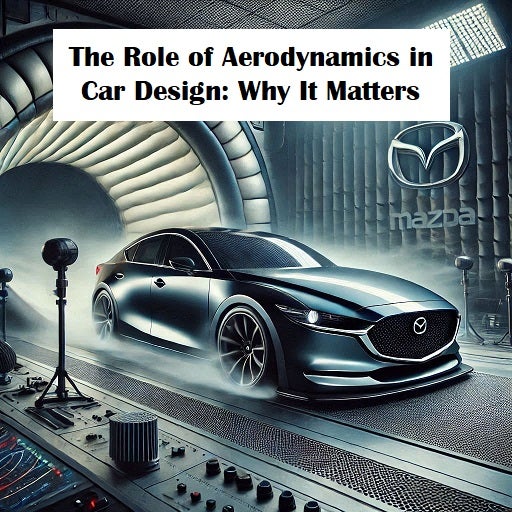
The Role of Aerodynamics in Car Design: Why It Matters

Aerodynamics plays a crucial role in modern car design, influencing everything from performance and fuel efficiency to safety and aesthetics. As automotive technology advances, understanding the principles of aerodynamics and their impact on vehicle design is essential for both engineers and consumers. This blog explores the importance of aerodynamics in car design, the key concepts involved, and how they shape the vehicles we drive today. more Understanding Aerodynamics What is Aerodynamics? Definition: Aerodynamics is the study of how air flows around objects, such as vehicles. In car design, it focuses on reducing drag and optimizing airflow to improve performance and efficiency. Principles: The fundamental principles of aerodynamics include lift, drag, and downforce. These factors influence how air interacts with the vehicle's surfaces as it moves. The Importance of Aerodynamics in Cars Performance: Aerodynamics affects a car's speed and handling. A well-designed aerodynamic profile can enhance stability and agility, allowing for better high-speed performance. Fuel Efficiency: Reducing drag improves fuel efficiency by decreasing the amount of energy required to overcome air resistance. This results in better mileage and reduced fuel consumption. Safety: Aerodynamic design can enhance vehicle stability and control, particularly at high speeds. It also plays a role in managing airflow around the car to improve visibility and reduce wind noise. Key Aerodynamic Concepts in Car Design Drag Coefficient (Cd) Definition: The drag coefficient is a measure of how aerodynamic a vehicle is. It represents the amount of aerodynamic drag a car experiences as it moves through the air. Impact: A lower drag coefficient indicates better aerodynamic efficiency, leading to improved fuel economy and higher top speeds. Modern cars strive for lower drag coefficients to maximize performance and efficiency. Lift and Downforce Lift: Lift is the force that acts upwards against gravity, potentially causing a vehicle to become less stable at high speeds. Minimizing the lift is crucial for maintaining stability and traction. Downforce: Downforce is the force that pushes the vehicle downwards, enhancing traction and stability. Aerodynamic features like spoilers and diffusers are designed to increase downforce, improving handling and cornering performance. Airflow Management Flow Separation: Flow separation occurs when the smooth airflow around a vehicle becomes turbulent. This can increase drag and reduce aerodynamic efficiency. Designing vehicles to manage airflow and minimize flow separation is essential for optimal performance. Vortex Generation: Engineers use vortex generators to control airflow and reduce drag. These small devices create controlled turbulence, helping to maintain smooth airflow and improve aerodynamic performance. Aerodynamic Features in Car Design Front Grilles and Bumpers Design: The shape and placement of front grilles and bumpers influence airflow around the car. Properly designed grilles can direct airflow to cool the engine and reduce drag. Function: Aerodynamic bumpers help manage airflow and reduce turbulence, contributing to a lower drag coefficient. Side Skirts and Underbody Panels Side Skirts: Side skirts help smooth airflow along the sides of the vehicle, reducing drag and improving stability. They also prevent airflow from getting trapped under the car. Underbody Panels: Smooth underbody panels reduce turbulence and drag by ensuring a consistent airflow beneath the vehicle. Rear Spoilers and Diffusers Spoilers: Rear spoilers increase downforce by disrupting airflow and creating aerodynamic pressure. They improve stability and handling, especially at high speeds. Diffusers: Rear diffusers manage the airflow exiting the vehicle and create additional downforce. They help reduce drag and improve overall aerodynamic efficiency. The Evolution of Aerodynamic Design Early Car Designs Historical Perspective: Early cars had rudimentary aerodynamic designs, focusing more on mechanical function than aerodynamic efficiency. As car performance became a priority, aerodynamic considerations started to influence design more significantly. Early Innovations: Innovations such as rounded shapes and streamlined bodies began to improve aerodynamic performance, leading to increased speeds and better fuel efficiency. Modern Advances Wind Tunnels and Simulations: Modern car manufacturers use wind tunnels and computer simulations to test and refine aerodynamic designs. These tools allow for precise adjustments and optimization of airflow. Materials and Techniques: Advances in materials and manufacturing techniques enable the creation of more complex aerodynamic features. Lightweight materials and advanced composites help reduce drag while maintaining structural integrity. Future Trends Electric Vehicles: As electric vehicles (EVs) become more prevalent, aerodynamic design will play an even greater role in optimizing range and performance. EVs often feature sleek, streamlined designs to maximize efficiency. Autonomous Vehicles: The design of autonomous vehicles may incorporate unique aerodynamic features to enhance stability and performance. The integration of sensors and cameras will influence aerodynamic considerations. The Impact on Consumers Benefits of Aerodynamic Design Improved Fuel Efficiency: Consumers benefit from better fuel economy due to reduced drag and optimized airflow, leading to cost savings on fuel. Enhanced Driving Experience: Aerodynamic design contributes to a smoother, quieter driving experience by reducing wind noise and improving vehicle stability. Choosing Aerodynamic Vehicles Considerations: When selecting a vehicle, consider its aerodynamic features and their impact on performance and efficiency. Look for vehicles with low drag coefficients and advanced aerodynamic design elements. The Power of Aerodynamics Aerodynamics is a fundamental aspect of modern car design, influencing everything from performance and fuel efficiency to safety and comfort. Understanding the role of aerodynamics helps appreciate the engineering and innovation behind today’s vehicles. As technology continues to advance, aerodynamic design will remain a key factor in shaping the future of automotive engineering, leading to more efficient, stable, and enjoyable driving experiences.

bm1 title july 2025

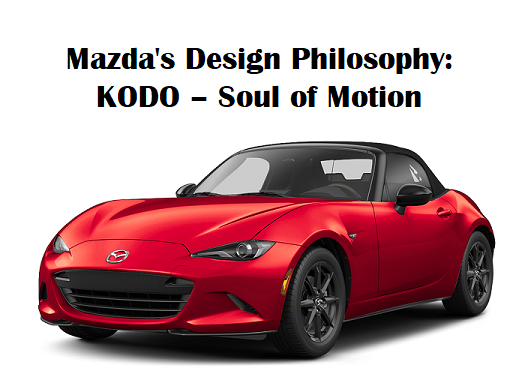
Mazda's Design Philosophy: KODO – Soul of Motion

Mazda’s design philosophy, known as KODO – Soul of Motion, is more than just an aesthetic approach; it represents the brand’s commitment to creating vehicles that embody beauty, performance, and the essence of driving. Since its introduction, KODO has redefined how Mazda vehicles are perceived, blending artistry with functionality to create a distinctive and captivating presence on the road. In this blog, we’ll explore the core principles of KODO and how they influence Mazda’s design language and overall brand identity. more The Essence of Motion At the heart of KODO lies the idea of movement. The philosophy seeks to capture the dynamic energy and life of motion, even when the vehicle is at rest. This concept reflects Mazda’s belief that a car should evoke emotions and tell a story, making it feel alive. The flowing lines and sculpted forms found in Mazda’s designs are inspired by the beauty of nature and the elegance of living creatures, giving each model a sense of purpose and vitality. Inspiration from Nature: Mazda designers draw inspiration from natural elements, such as the grace of animals and the fluidity of natural forms. This influence is evident in the sleek curves and organic shapes that characterize Mazda vehicles, creating an aesthetic that feels both powerful and harmonious. Dynamic Silhouettes: The design language emphasizes dynamic silhouettes that suggest movement and agility. From the low stance of the MX-5 Miata to the sporty lines of the Mazda3, every model is crafted to evoke a sense of motion, even when stationary. A Harmonious Balance of Form and Function KODO emphasizes the importance of harmonizing form with function. Mazda believes that a vehicle’s design should not only be visually appealing but also serve a practical purpose. This philosophy results in vehicles that are not only beautiful but also highly functional, enhancing the overall driving experience. Aerodynamic Efficiency: Mazda’s commitment to performance is reflected in the aerodynamic designs of its vehicles. Every curve and contour is meticulously crafted to reduce drag and improve fuel efficiency, contributing to a more engaging and eco-friendly driving experience. Driver-Centric Interiors: The interior design of Mazda vehicles is focused on the driver and passengers, ensuring comfort and ease of use. Controls are intuitively placed, and materials are selected for both aesthetics and durability, creating an inviting and functional space. Attention to Detail and Craftsmanship KODO reflects Mazda's dedication to craftsmanship and quality. Each vehicle is designed with meticulous attention to detail, ensuring that every element contributes to the overall design and functionality. High-Quality Materials: Mazda utilizes premium materials throughout its vehicles, enhancing the tactile experience for drivers and passengers. From soft-touch surfaces to elegant trim, the focus on quality is evident in every aspect of the design. Thoughtful Touches: Unique design elements, such as the signature “wing” grille and distinctive LED lighting, create a recognizable identity for Mazda vehicles. These thoughtful touches help reinforce the brand’s commitment to excellence and innovation. Emotional Connection with Drivers KODO aims to establish an emotional connection between the vehicle and its driver. Mazda believes that a car should resonate with its owner, creating a bond that goes beyond mere transportation. This emotional connection is achieved through design elements that evoke feelings of joy, excitement, and adventure. The Joy of Driving: Mazda’s design philosophy is rooted in the joy of driving. The sporty and engaging designs invite drivers to take to the road, fostering a sense of connection between the vehicle and the driver. Personal Expression: Mazda vehicles allow owners to express their personalities through various design options, including color choices and trims. This personal touch enhances the ownership experience, making each vehicle feel unique. Innovation and Future Vision As Mazda looks to the future, KODO continues to evolve, embracing new technologies and design trends while staying true to its core principles. The brand is committed to innovation, exploring new ways to integrate advanced features and sustainable practices into its design philosophy. Sustainable Design Practices: Mazda is actively pursuing environmentally friendly materials and production processes as part of its commitment to sustainability. This focus on eco-conscious design aligns with the evolving values of modern consumers. Adapting to New Technologies: As the automotive industry shifts toward electrification and advanced technologies, Mazda aims to integrate these elements seamlessly into its designs. Future models will continue to embody the spirit of KODO while embracing the latest innovations. A Leader in Automotive Design Mazda's KODO – Soul of Motion design philosophy encapsulates the brand's commitment to creating vehicles that inspire and engage. By emphasizing the essence of motion, harmonizing form and function, and fostering an emotional connection with drivers, Mazda has established itself as a leader in automotive design. The attention to detail and craftsmanship, combined with a vision for the future, ensures that KODO will continue to shape Mazda's identity for years to come. As you explore Mazda's lineup, you'll find that each vehicle is a testament to this philosophy, inviting you to experience the joy of driving in a beautifully designed package.

bf2 feb title

Mazda’s Commitment to Safety: A Look at i-ACTIVSENSE

Mazda has built a reputation for crafting vehicles that are not only exhilarating to drive but also safe for drivers and passengers alike. Central to this commitment is Mazda’s i-ACTIVSENSE—a suite of advanced safety technologies designed to prevent accidents and protect occupants in the event of a collision. Let’s explore how i-ACTIVSENSE reflects Mazda’s dedication to safety and why it’s a crucial aspect of the driving experience. more Proactive Safety: Preventing Accidents Before They Happen At the heart of i-ACTIVSENSE is the philosophy of proactive safety. Rather than just mitigating the effects of a collision, Mazda’s advanced safety technologies are designed to prevent accidents from occurring in the first place. By constantly monitoring the road and surrounding environment, i-ACTIVSENSE helps drivers avoid potential hazards and stay in control, even in challenging conditions. Mazda achieves this through a combination of sensors, cameras, and radar systems that work together to detect potential dangers and assist the driver in making safer decisions. This proactive approach not only reduces the likelihood of accidents but also enhances overall driving confidence, allowing drivers to focus on the joy of the road. Advanced Driver Assistance Systems (ADAS): Enhancing Driver Awareness One of the key components of i-ACTIVSENSE is its suite of Advanced Driver Assistance Systems (ADAS), which are designed to enhance driver awareness and support safer driving habits. These systems include: Adaptive Cruise Control (ACC): This system maintains a set speed while automatically adjusting the vehicle’s speed to maintain a safe following distance from the car ahead. ACC reduces the stress of long highway drives and helps prevent rear-end collisions caused by sudden deceleration of the vehicle in front. Blind Spot Monitoring (BSM): BSM uses radar sensors to detect vehicles in adjacent lanes that may not be visible in your mirrors. If a vehicle is detected in your blind spot, the system alerts you with a visual or audible warning, helping you avoid unsafe lane changes. Lane Departure Warning System (LDWS): LDWS monitors your vehicle’s position within its lane and warns you if it detects unintentional lane drift, helping you stay centered on the road. This is especially useful on long drives where driver fatigue can lead to lapses in concentration. Lane-Keep Assist (LKA): Working in tandem with LDWS, LKA gently applies steering inputs to help keep your vehicle within its lane, providing an additional layer of safety when driving on highways or multi-lane roads. Rear Cross Traffic Alert (RCTA): RCTA helps you safely back out of parking spaces by detecting approaching vehicles from either side as you reverse. If a vehicle is detected, the system provides an alert to prevent potential collisions. Smart Brake Support (SBS): A Critical Collision-Avoidance Feature One of the standout features of i-ACTIVSENSE is Smart Brake Support (SBS). This technology is designed to help drivers avoid or reduce the severity of frontal collisions. Using a combination of radar and camera systems, SBS monitors the distance and relative speed between your vehicle and the one ahead. If the system detects a potential collision, it alerts the driver with visual and audible warnings. If the driver fails to respond in time, SBS can automatically apply the brakes to reduce the impact or avoid the collision altogether. This feature is particularly valuable in urban environments where sudden stops are common. Traffic Sign Recognition (TSR): Keeping You Informed and Compliant Mazda’s i-ACTIVSENSE also includes Traffic Sign Recognition (TSR), a technology that uses forward-facing cameras to detect and interpret road signs, such as speed limits, stop signs, and no-entry signs. The system then displays the relevant information on the vehicle’s head-up display or instrument cluster, helping drivers stay informed and compliant with road regulations. By providing real-time updates on traffic signs, TSR helps drivers maintain safe speeds, avoid traffic violations, and navigate unfamiliar roads with confidence. This is especially useful when driving in areas with frequent changes in speed limits or other road regulations. 360° View Monitor: Enhancing Visibility and Awareness Parking and maneuvering in tight spaces can be challenging, but Mazda’s i-ACTIVSENSE makes it easier with the 360° View Monitor. This system uses multiple cameras positioned around the vehicle to create a bird’s-eye view of your surroundings, displayed on the infotainment screen. The 360° View Monitor helps drivers see obstacles that may be hidden from view, making it easier to park in tight spots, avoid curbs, and navigate through crowded areas. This enhanced visibility reduces the risk of low-speed collisions and provides peace of mind in situations where visibility is limited. Driver Attention Alert (DAA): Combatting Driver Fatigue Driver fatigue is a significant contributor to accidents, especially on long trips. Mazda’s Driver Attention Alert (DAA) is designed to address this issue by monitoring the driver’s behavior for signs of drowsiness or inattention. The system analyzes steering inputs, vehicle position, and other factors to detect changes that may indicate driver fatigue. If the system detects signs of fatigue, it provides an alert, encouraging the driver to take a break. By helping drivers stay alert and focused, DAA contributes to safer driving and reduces the risk of accidents caused by drowsiness. Automatic High Beam Control: Maximizing Visibility at Night Night driving can be challenging due to reduced visibility, but Mazda’s i-ACTIVSENSE includes Automatic High Beam Control to enhance safety after dark. This system automatically switches between high and low beams based on the presence of oncoming traffic and the surrounding environment. Automatic High Beam Control ensures that you always have the best possible visibility without blinding other drivers. By optimizing your headlights for changing conditions, the system helps you see further down the road and react to potential hazards earlier. Mazda’s Human-Centric Approach to Safety What sets Mazda’s i-ACTIVSENSE apart is its human-centric approach to safety. Mazda understands that technology should enhance the driving experience, not replace the driver. That’s why i-ACTIVSENSE is designed to support and assist the driver without being intrusive or overwhelming. Mazda’s safety technologies are intuitive and easy to use, providing drivers with the information and assistance they need while allowing them to remain fully engaged in the driving experience. This balance between safety and driving enjoyment is a hallmark of Mazda’s approach to vehicle design. A Significant Step Forward Mazda’s i-ACTIVSENSE represents a significant step forward in automotive safety, offering a comprehensive suite of technologies that protect drivers and passengers in a wide range of situations. By focusing on proactive safety, enhancing driver awareness, and maintaining a human-centric approach, Mazda has created a system that not only prevents accidents but also enhances the overall driving experience. Whether you’re navigating city streets, cruising on the highway, or exploring winding country roads, i-ACTIVSENSE provides the confidence and peace of mind that comes from knowing your Mazda is equipped with the latest in safety technology. Mazda’s commitment to safety ensures that you can enjoy every drive to the fullest, with the assurance that you and your loved ones are protected by some of the most advanced safety features available today.

e5liuyhqpeiuhqprghpruigh

Driving Towards Tomorrow: The Auto Industry's Integration of Sustainability

In an era where environmental consciousness is at the forefront of global concerns, the automotive industry is steering towards a sustainable future. Automakers worldwide are embracing the challenge to reduce their carbon footprint, minimize environmental impact, and innovate towards more eco-friendly practices. In this blog, we'll explore how the auto industry is integrating sustainability across various aspects of design, manufacturing, and operation. more Electric Vehicle Revolution At the forefront of the automotive sustainability movement is the rapid rise of electric vehicles (EVs). Major automakers are investing heavily in EV technology, producing models that offer zero-emission driving. These vehicles utilize clean energy sources, such as electricity, and contribute significantly to reducing greenhouse gas emissions and dependence on fossil fuels. Hybrid Technologies Hybrid vehicles, combining traditional internal combustion engines with electric power, bridge the gap between conventional and electric cars. Hybrid technologies enhance fuel efficiency, reduce emissions, and provide consumers with a transitional option towards a fully electric future. Advancements in Fuel Efficiency Automakers are continually improving the fuel efficiency of internal combustion engine vehicles. Through innovations in engine design, lightweight materials, and aerodynamics, new cars are achieving higher miles per gallon (MPG) ratings, resulting in reduced fuel consumption and emissions. Materials Innovation The auto industry is exploring sustainable materials for vehicle construction. Lightweight, recycled, and bio-based materials are being integrated into car manufacturing to reduce environmental impact. Additionally, the use of eco-friendly materials aligns with the principles of a circular economy, promoting resource efficiency and recycling. Renewable Energy in Manufacturing Sustainable practices extend to the manufacturing process itself. Many automakers are adopting renewable energy sources, such as solar and wind power, to meet the energy needs of their production facilities. This shift towards cleaner energy helps reduce the carbon footprint associated with the manufacturing of vehicles. Reducing Waste and Recycling Efforts to minimize waste and increase recycling are becoming integral to automotive manufacturing. From recycling production materials to implementing eco-friendly disposal methods, automakers are striving to reduce the environmental impact of their operations. Closed-loop recycling systems are being implemented to create a more sustainable production cycle. Eco-Friendly Supply Chains Automakers are placing increased emphasis on sustainability within their supply chains. Collaborating with suppliers committed to environmentally responsible practices, such as ethical sourcing of materials and reduced energy consumption, contributes to a more sustainable and socially responsible automotive industry. Green Certifications and Standards Many automakers are seeking and obtaining green certifications for their facilities and products. Certifications, such as ISO 14001 for environmental management and LEED (Leadership in Energy and Environmental Design) for building sustainability, showcase a commitment to meeting stringent environmental standards. Embracing Circular Economy Principles The concept of a circular economy is gaining traction in the automotive industry. Manufacturers are exploring ways to design products for longevity, reuse, and recycling. This approach aims to minimize waste and extend the life cycle of automotive components, contributing to a more sustainable and resource-efficient industry. Consumer Education and Engagement Sustainability efforts in the auto industry extend to consumer education and engagement. Automakers are providing information about eco-friendly driving practices, the environmental impact of vehicle choices, and the benefits of choosing sustainable transportation options. This education empowers consumers to make informed decisions that align with their environmental values. Paving the Way to a Sustainable Drive The integration of sustainability in the automotive industry signifies a commitment to a greener, more environmentally conscious future. From electric vehicles and hybrid technologies to eco-friendly manufacturing practices and supply chain sustainability, the auto industry is navigating a transformative journey. As consumers increasingly prioritize sustainability, automakers are not only meeting regulatory standards but also driving innovation towards a future where mobility and environmental responsibility coexist harmoniously on the road ahead.

Driving into the Future: Choosing the Perfect Mazda Model for Graduates

As a recent graduate, stepping into the next chapter of your life often comes with the excitement of upgrading your ride. Mazda, renowned for its sleek design, engaging driving experience, and advanced technology, offers a range of models that cater to various preferences and lifestyles. In this blog post, we'll explore some of the best Mazda models for graduates, considering factors like affordability, style, and driving dynamics. more New 2024 Mazda3 Hatchback 2.5 S Preferred Mazda3: The Stylish Compact The Mazda3 stands out as a stylish and versatile compact car that blends elegance with an engaging driving experience. As a graduate, you'll appreciate its sleek design, advanced safety features, and the option of a hatchback for added practicality. The Mazda3 is perfect for those seeking an affordable yet sophisticated ride. New 2024 Mazda CX-30 2.5 Turbo Carbon Edition AWD Mazda CX-30: The Subcompact Crossover For graduates with an active lifestyle and a preference for a crossover, the Mazda CX-30 offers a compelling package. Combining the agility of a compact car with the versatility of a crossover, the CX-30 provides a comfortable ride and modern technology features. Its compact size makes it well-suited for urban living. New 2024 Mazda CX-50 2.5 S Select AWD Mazda CX-50: The Stylish SUV The Mazda CX-50 is a standout choice for graduates who desire a blend of style and functionality in an SUV. With its upscale interior, refined driving dynamics, and available turbocharged engine, the CX-50 delivers a sophisticated driving experience. It's an ideal companion for those who appreciate both aesthetics and performance. New 2024 Mazda MX-5 MIATA Grand Touring Mazda MX-5 Miata: The Sporty Roadster For the graduate with a passion for driving and a love for open-air adventures, the Mazda MX-5 Miata is an iconic choice. This sporty roadster embodies the spirit of driving enthusiasts, offering a lightweight design, responsive handling, and a convertible top for an exhilarating driving experience. C onsiderations for Graduates Budget Constraints: Evaluate your budget and explore financing options or lease deals that align with your financial situation. Lifestyle Needs: Consider your lifestyle, daily commute, and any specific requirements you have in terms of space, technology, and features. Technology and Connectivity: Look for models that offer advanced technology, infotainment features, and driver-assistance systems to enhance your driving experience. Fuel Efficiency: Assess the fuel efficiency of the chosen Mazda model, especially if you have a long commute or prioritize eco-friendly driving. Preferences, Needs & Budget Choosing the best Mazda model for graduates involves considering personal preferences, lifestyle needs, and budget constraints. Whether it's the stylish compact Mazda3, the versatile CX-30 crossover, the sophisticated CX-5 SUV, the sleek Mazda6 sedan, or the sporty MX-5 Miata roadster, Mazda offers a diverse range of vehicles to cater to your post-graduate aspirations. Elevate your journey into the next chapter of life with a Mazda that not only complements your style but also delivers an enjoyable driving experience.

Unveiling the Essence of Driving: Mazda's KODO Soul and Jinba Ittai

In the world of automobiles, some brands manage to carve a distinct niche for themselves by blending cutting-edge technology with an unwavering commitment to delivering an exceptional driving experience. Among these brands, Mazda stands out as a true enthusiast's choice, with its unique design philosophy known as "KODO Soul of Motion" and the driving concept called "Jinba Ittai." These two core principles form the heart and soul of Mazda's approach to crafting vehicles that resonate with drivers on a profound level. more KODO Soul of Motion: Artistry in Motion Mazda's design language, KODO Soul of Motion, is more than just a design philosophy – it's a manifestation of the brand's belief that a vehicle should embody the vitality and dynamism of a living creature. Inspired by the movements of animals in the wild, KODO seeks to capture a sense of motion even when the vehicle is at a standstill. The result is a lineup of Mazda vehicles that exude elegance, energy, and a sense of purpose. KODO design principles are not about creating overly complex or flashy exteriors. Instead, it emphasizes simplicity, balance, and a focus on essential elements. Sharp lines, sculpted surfaces, and a keen attention to proportions define the KODO philosophy. The goal is to create cars that invoke an emotional connection, not just by being visually appealing, but by conveying a feeling of anticipation and movement. Jinba Ittai: Horse and Rider as One While KODO captures the visual essence of Mazda vehicles, the Jinba Ittai concept is all about the driving experience itself. Translating to "horse and rider as one," Jinba Ittai encapsulates the idea that the connection between a driver and their vehicle should be seamless and intuitive, much like the bond between a skilled rider and a responsive horse. Mazda engineers and designers have worked tirelessly to create cars that respond to the driver's intentions with precision. This involves refining everything from the car's steering and handling to the feedback it provides through the pedals and controls. The goal is to create a harmonious synergy between the driver and the vehicle, allowing the driver to feel like they're an integral part of the car's performance. The Symbiotic Relationship The fascinating aspect of Mazda's approach is how KODO Soul of Motion and Jinba Ittai are interconnected. The expressive and dynamic designs resulting from KODO not only catch the eye but also set the stage for the emotional connection that Jinba Ittai aims to foster. The KODO design elicits a sense of movement even when stationary, and this same sense of movement is amplified when the car is in motion, reinforcing the feeling of being in sync with the vehicle. Furthermore, the KODO design also contributes to the practical aspects of Jinba Ittai. The visibility-enhancing design elements and ergonomic considerations ensure that the driver feels more connected to the road and surroundings, further enhancing the driving experience. Driving Beyond Utility In a world where cars are often perceived as mere modes of transportation, Mazda's KODO Soul of Motion and Jinba Ittai concepts remind us that driving can be an artful and immersive experience. They underline the idea that vehicles can evoke emotions, inspire connections, and offer a form of engagement that goes beyond mere utility. For those who have the privilege of driving a Mazda, the marriage of these two principles transforms the act of driving from a mundane task into a journey of discovery and connection. With KODO Soul of Motion, Mazda designs vehicles that spark emotion even before the engine roars to life, and with Jinba Ittai, the driving experience becomes a captivating symphony of control and responsiveness. In an automotive landscape that is constantly evolving, Mazda's steadfast commitment to KODO Soul of Motion and Jinba Ittai reminds us that the essence of driving is not just about reaching a destination, but about savoring every moment of the journey.

Towing with a Mazda Vehicle

If you’re looking for a reliable vehicle to tow with, you can’t go wrong with a Mazda. Mazda vehicles are known for their reliability and performance, and they’re also great for towing. Whether you’re towing a boat, a trailer, or a camper, Mazda has the perfect vehicle for the job. more Ideal for Towing Mazda vehicles are designed to be lightweight and fuel-efficient, which makes them ideal for towing. They also have powerful engines that can handle the extra weight of a trailer or camper. And with a variety of models to choose from, you’re sure to find the perfect Mazda for your towing needs. Safety Features When it comes to towing, safety is always a priority. Mazda vehicles are equipped with a variety of safety features, such as stability control, anti-lock brakes, and airbags. These features help keep you and your cargo safe while you’re on the road. Customizable Mazda also offers a variety of towing packages that make it easy to customize your vehicle for towing. These packages include hitches, wiring harnesses, and other accessories that make towing easier and more convenient. Come See for Yourself If you’re looking for a reliable vehicle to tow with, you can’t go wrong with a Mazda. With their lightweight design, powerful engines, and safety features, Mazda vehicles are the perfect choice for towing. So if you’re in the market for a new vehicle, consider a Mazda for your towing needs.

Best Mazda Vehicles for a Road Trip

If you’re planning a road trip, you want to make sure you have a reliable and comfortable vehicle to get you there. Mazda vehicles are known for their reliability, comfort, and performance, making them the perfect choice for a road trip. Here are some of the best Mazda vehicles to drive for a road trip. more Mazda CX-5 The Mazda CX-5 is a great choice for a road trip. It has a comfortable interior, plenty of cargo space, and a powerful engine that will get you where you need to go. The CX-5 also has great fuel economy, so you won’t have to worry about spending too much money on gas. Mazda MX-5 Miata The Mazda MX-5 Miata is a great choice for a road trip. It’s a fun and sporty car that will make your road trip more enjoyable. The Miata has a powerful engine and great handling, so you can take on the curves of the road with ease. Plus, the Miata is lightweight, so you won’t have to worry about burning too much fuel. Mazda3 The Mazda3 is a great choice for a road trip. It has a comfortable interior, plenty of cargo space, and a powerful engine that will get you where you need to go. The Mazda3 also has great fuel economy, so you won’t have to worry about spending too much money on gas. Mazda CX-9 The Mazda CX-9 is a great choice for a road trip. It has a comfortable interior, plenty of cargo space, and a powerful engine that will get you where you need to go. The CX-9 also has great fuel economy, so you won’t have to worry about spending too much money on gas. No matter which Mazda vehicle you choose, you can be sure that you’ll have a reliable and comfortable ride for your road trip. With great fuel economy, plenty of cargo space, and a powerful engine, Mazda vehicles are the perfect choice for a road trip.

Learn More About the 2024 Mazda CX-90

Mazda North American Operations recently presented the very first 2024 Mazda CX-90. Based on Mazda's all-new large platform, the three-row hybrid addresses the organization's new leader vehicle with more extensive, longer, and more forceful extents that impeccably mix its elite exhibition appearance with top notch refinement. Mazda CX-90 is accessible with all-new electric powertrains, including an inline 6 turbo and a plug-in hybrid, that offer drivers upgraded execution and productivity. more 2024-Mazda-CX-90-Uncover " At Mazda, our focus is to deliver an ownership experience that enriches the lives of our customers. With each new vehicle launch, we challenge ourselves to progress through our human-centric approach of design and engineering,” said Jeff Guyton, President and CEO of Mazda North American Operations. “CX-90 offers powerful and responsive performance, alluring design, and intuitive technology. We’re very proud of our team’s work on CX-90, which we know is a breakthrough vehicle in its segment.” Similarly, as with all Mazda vehicles, CX-90 is planned in view of the driver. With seating for up to eight travelers, CX-90 can oblige families and companions in every one of the three rows. Cabin space, freight limit, safety highlights, and numerous conveniences are upgraded for their necessities. Strong and Effective Execution CX-90 is based on an all-new large platform that includes a wider body and fenders and longer wheelbase to lift Mazda's particular driving presentation. CX-90 is furnished with Kinematic Posture Control which initially appeared on the MX-5 Miata, a product include that smothers body lift on sharp corners to upgrade the hold and permits all inhabitants to keep a characteristic stance. Emphasis was put toward enhancing unbending nature across the whole vehicle body, while fastidiously planning the seats and suspension to give better equilibrium, control, and trust in a scope of driving circumstances. With these smart turns of events, alongside standard I-Activ all-wheel drive, drivers can partake in the maximum capacity of the accessible high-yield powertrains. CX-90 is accessible with an all-new e-Skyactiv G 3.3L Inline 6 Turbo engine, which has the most noteworthy strength and force from a large scale manufacturing gas motor created by Mazda, with 340 horsepower and 369 lb-ft of torque while utilizing the suggested premium fuel. This motor likewise is furnished with M-Hybrid Boost (a mild-hybrid system) to give effectiveness without settling for less on its exceptional execution. The electric engine is put between the motor and transmission, making a smooth speed increase from a halt, and permitting the engine to control CX-90 at low speed straightforwardly. This drawing in powertrain furnishes the CX-90 with an upscale inclination, a smooth-driving encounter, drawing in sound, and effectiveness. e-Skyactiv PHEV Powertrain The new e-Skyactiv PHEV powertrain, tuned explicitly for the North American market, displays responsiveness and speed increase that adjusts to driver assumptions. A noteworthy 323 horsepower and 369 lb-ft of torque, while utilizing the suggested premium fuel, furnish clients with the smartest scenario imaginable regarding execution and proficiency. The PHEV is intended to work simply on the electric engine in different driving situations. To give proprietors adaptability and true serenity, Mazda's 2.5-liter four-cylinder motor, with a tuned admission to further develop force, has been adjusted to work close by the electric engine and 17.8 kWh high-limit battery. This is useful for longer drives like excursions, or when the driver requires greatest speed increase, like proceeding onto the expressway. All CX-90 powertrains are matched with an all-new eight-speed automatic transmission, explicitly intended for the electric longitudinal powertrains and enormous stage vehicles. The multi-speed programmed gearbox, without a force converter, accomplishes smooth and direct speed increase while improving drivetrain proficiency. Stately Plan CX-90 elements insightful extents that impeccably mix its superior presentation appearance with top notch refinement, while furnishing a very much created inside with expanded cabin space for families and adequate freight space to oblige needs for any way of life. The huge stage considers a more extensive body and bumpers and longer wheelbase, highlighting CX-90's solid position and further underlines its feeling of execution. The body is intended to be smooth with made bends that give the CX-90 always changing articulations made by the impressions of lights and shadows. Accessible chrome trims on the lower guards stresses its width and immortal styling, while new, accessible 21-inch diamond-cut wheels featuring a black metallic finish supplement CX-90's strong presence. Likewise, being presented with CX-90 is Mazda's most recent Takuminuri tone, Artisan Red. This accessible paint choice has been grown explicitly to suit the CX-90 and gives a modern, yet profoundly soaked variety to the vehicle's mix of execution and refinement. CX-90's noble plan go on into the cabin with an inside that gives a far reaching impression from the dashboard through the situating of the vents and chrome trim stretching out to the entryways for a cutting edge, straight appearance. Propelled by conventional Japanese style, an extravagant and agreeable feel is knowledgeable about every one of the three rows. From the front seats to the accessible captain's seats, and into the third row, there are various materials, for example, Nappa cowhide, wood, and tone-on-tone textures that all met up agreeably. Natural Innovation and Security Supplementing the refined inside, the CX-90 incorporates some new, trend setting innovations and conveniences that lift the driving experience, while likewise giving premium solace and comfort to all inhabitants. This incorporates accessible third-line USB-C charging ports, cooling vents, and overhauled inside lighting, among a lot more elements. Similarly, as with all Mazda vehicles, CX-90 looks to keep up with similar top security acknowledgment as Mazda's different items with numerous standard i-Activsense safety features, such as Smart Brake Support, Blind Spot Monitoring, Mazda Radar Cruise Control, and other new elements that will assist with improving the sure experience for all tenants. CX-90 additionally includes bigger presentations, joined by actual buttons that supplement the inside styling. New Mazda innovations, for example, an accessible See-Through View monitor, are intended to aid an assortment of stopping circumstances through the 12.3″ center display. These smart comforts furnish the driver a consistent involvement in the innovation and solace CX-90 offers, while assisting the driver with feeling in charge of the vehicle.

Contact Us

Fill out this form below and we'll contact you shortly
*Required Fields