Blog / Important Information

Blog

All Important Information News Technology Mazda Model Features Tips Mazda Service Features & Specs Awards Service Mazda Vehicles Mazda Safety Technology Money Saving Tips Safety Beach Mazda Service History 2023 Models Community Events Comparisons Financing Your Mazda Fun Stuff Local 2024 Models Holidays Mazda Parts Car Buying Process Driver-Centric Design EVs Exterior Fuel & Gas Pre-Owned Certified Pre-Owned Mazda Vehicles Electric & Hybrid Vehicles Infotainment Insurance Mazda Accessories Mazda CX-30 Mazda3 Racing Restaurants & Food Tires & Wheels Travel Activities Drive For Good Kodo Design Language Mazda CX-5 Mazda CX-9 Mazda Motorsports Automotive Cleaning Fuel System Interior Paint & Body Work Seasonal Down-payments Mazda Connect Transmission Weather Brakes i-Activsense Technology Large Vehicles & SUVs Millennials Suspension System Towing
BM4 TITLE SEPT 2025

The Role of Regular Tune-Ups in Car Maintenance

When it comes to keeping your vehicle in optimal condition, regular maintenance is key. One of the most important aspects of car maintenance is the tune-up. While many drivers may overlook this service, understanding its significance can help prolong the life of your vehicle, improve performance, and enhance fuel efficiency. In this blog, we’ll explore what a tune-up entails, its benefits, and why it should be a regular part of your car maintenance routine. more What is a Tune-Up? A tune-up is a series of maintenance tasks performed on your vehicle to ensure it operates smoothly and efficiently. Traditionally, tune-ups involved adjusting the ignition system, replacing spark plugs, and checking the fuel system. However, modern vehicles often use electronic fuel injection and sophisticated engine management systems, which means the tune-up process has evolved. Today, a tune-up can include: Replacing spark plugs and ignition coils Checking and adjusting the ignition timing Inspecting and replacing air and fuel filters Testing and cleaning the fuel injectors Inspecting the throttle body and mass airflow sensor Checking the battery and electrical system Inspecting belts and hoses for wear Benefits of Regular Tune-Ups Improved Performance Regular tune-ups can significantly improve your vehicle's overall performance. By ensuring that the ignition system, fuel system, and air intake are functioning optimally, you can experience smoother acceleration, better throttle response, and reduced engine noise. A well-tuned engine operates more efficiently, providing a more enjoyable driving experience. Enhanced Fuel Efficiency One of the most noticeable benefits of a tune-up is improved fuel efficiency. When components like spark plugs, fuel injectors, and air filters are in good condition, your engine can burn fuel more efficiently. This means you’ll spend less at the pump, making regular tune-ups a cost-effective maintenance strategy. Many drivers notice a significant decrease in fuel consumption after a thorough tune-up. Extended Engine Life Regular maintenance, including tune-ups, can help extend the life of your engine. By addressing minor issues before they become major problems, you can prevent costly repairs and keep your engine running smoothly for years to come. A well-maintained engine experiences less stress and wear, resulting in a longer lifespan. Reduced Emissions A properly tuned engine produces fewer harmful emissions. This is not only beneficial for the environment but can also help you pass emissions tests. By ensuring that your fuel system and ignition system are functioning efficiently, you can reduce the pollutants your vehicle emits, contributing to a cleaner atmosphere. Preventative Maintenance Tune-ups serve as an excellent form of preventative maintenance. By regularly inspecting and replacing worn components, you can catch potential problems early before they lead to breakdowns or costly repairs. This proactive approach can save you time, money, and stress down the road. How Often Should You Get a Tune-Up? The frequency of tune-ups can vary depending on your vehicle's make and model, driving habits, and manufacturer recommendations. A good rule of thumb is to schedule a tune-up every 30,000 to 100,000 miles. However, always refer to your owner’s manual for specific guidelines related to your vehicle. Additionally, if you notice any signs of poor performance, such as decreased fuel efficiency, rough idling, or difficulty starting, it’s a good idea to schedule a tune-up sooner rather than later. Essential Maintenance Regular tune-ups play a vital role in maintaining your vehicle's performance, fuel efficiency, and longevity. By investing in this essential maintenance service, you can enjoy a smoother ride, save money on fuel, and extend the life of your engine. Don’t wait for warning signs to schedule a tune-up; make it a part of your regular car maintenance routine. With proper care and attention, your vehicle will continue to perform at its best, ensuring a safe and enjoyable driving experience for years to come.

BM3 TITLE SEPT 2025

Tips for Maintaining Your Mazda's Transmission: Ensuring Smooth Shifts and Longevity

The transmission is one of the most critical components of your Mazda, responsible for transferring power from the engine to the wheels. Proper maintenance is essential to ensure your transmission operates smoothly and lasts for many miles. Whether you own a manual or automatic transmission Mazda, following these tips can help you maintain its performance and reliability. In this blog, we’ll explore practical steps you can take to keep your Mazda’s transmission in top shape. more Regular Fluid Checks and Changes Transmission fluid is vital for lubrication, cooling, and ensuring smooth gear shifts. Over time, transmission fluid can degrade and lose its effectiveness. Here’s how to manage your transmission fluid: Check Fluid Levels: Regularly check the transmission fluid level using the dipstick (if equipped) while the engine is running and at operating temperature. Ensure the fluid is at the recommended level. Inspect Fluid Condition: Transmission fluid should be a bright red color and have a slightly sweet smell. If it appears dark, brown, or smells burnt, it’s time for a change. Change Fluid Regularly: Follow your owner’s manual for recommended fluid change intervals. Generally, it’s advisable to change the transmission fluid every 30,000 to 60,000 miles, but this can vary based on driving conditions and usage. Keep an Eye on Transmission Filters Most automatic transmissions are equipped with filters that help keep the fluid clean and free from debris. Clogged filters can lead to transmission issues. Here’s how to manage your transmission filter: Replace Filters as Needed: Check your owner’s manual for guidance on when to replace the transmission filter. It’s often recommended to change the filter during fluid changes to ensure optimal performance. Use OEM Parts: When replacing the filter, opt for original equipment manufacturer (OEM) parts to ensure compatibility and quality. Monitor for Signs of Trouble Being aware of your transmission’s performance can help you catch issues early. Keep an eye out for the following warning signs: Unusual Noises: Grinding, whining, or clunking noises when shifting can indicate a problem. Slipping Gears: If the transmission slips out of gear or has difficulty staying in gear, it may signal a need for inspection. Fluid Leaks: Puddles of reddish-brown fluid under your vehicle can indicate a transmission leak. Address leaks promptly to avoid more significant damage. Warning Lights: Pay attention to any warning lights on your dashboard. If the check engine light or transmission warning light illuminates, have your vehicle checked by a professional. Practice Good Driving Habits Your driving habits can significantly impact the longevity of your transmission. Consider the following tips to minimize wear and tear: Avoid Rapid Acceleration: Sudden starts and aggressive driving can put excessive strain on the transmission. Accelerate smoothly and gradually. Use the Right Gear: For manual transmissions, ensure you’re using the appropriate gear for the speed and load. Over-revving or lugging the engine can cause unnecessary wear. Warm Up the Engine: Allow your engine to warm up for a few minutes before driving, especially in cold weather. This helps the transmission fluid circulate and reach optimal temperatures for smooth operation. Don’t Tow Beyond Capacity: If your Mazda is equipped for towing, ensure you adhere to the manufacturer’s towing capacity. Overloading can strain the transmission. Maintain the Cooling System The transmission generates heat during operation, and an efficient cooling system is essential to prevent overheating. Follow these tips to maintain your cooling system: Check Coolant Levels: Regularly check the coolant level and ensure it’s at the recommended level to prevent overheating. Inspect Transmission Cooler: If your Mazda is equipped with a transmission cooler, inspect it for leaks or blockages. A well-functioning cooler helps maintain optimal transmission temperatures. Seek Professional Inspections While many maintenance tasks can be performed at home, having a professional technician inspect your transmission periodically is advisable. They can identify potential issues before they escalate, ensuring your transmission remains in good condition. Keep Your Transmission Running Smoothly Maintaining your Mazda’s transmission is crucial for optimal performance and longevity. By regularly checking fluid levels, changing the fluid and filter, monitoring for signs of trouble, practicing good driving habits, and ensuring proper cooling, you can help keep your transmission running smoothly for years to come. Remember, a little preventive maintenance goes a long way in avoiding costly repairs down the line. If you’re ever unsure about your transmission’s condition, don’t hesitate to consult a qualified mechanic for expert advice and service. Keeping your Mazda’s transmission in top shape will ensure a more enjoyable driving experience and peace of mind on the road.

BM2 TITLE SEPT 2025

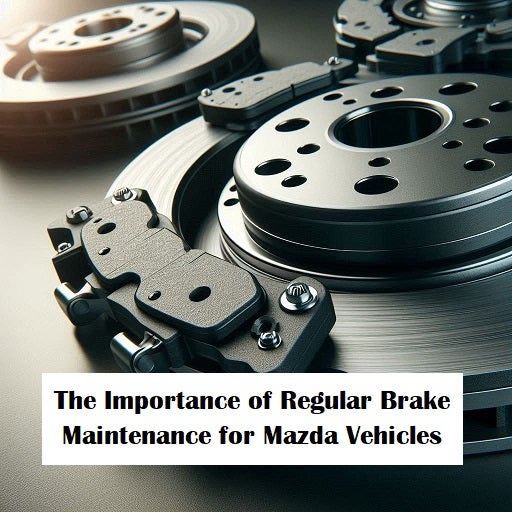
The Importance of Regular Brake Maintenance for Mazda Vehicles

Brakes are one of the most critical safety features of any vehicle, and Mazda is no exception. As a Mazda owner, ensuring that your braking system is in top condition is essential for safe driving and optimal vehicle performance. Regular brake maintenance not only enhances your safety but also prolongs the life of your braking components. In this blog, we’ll explore the importance of regular brake maintenance, what to look for, and how to keep your Mazda’s braking system in excellent shape. more Why Brake Maintenance is Crucial The braking system is responsible for slowing down and stopping your vehicle, making it vital for overall safety. Here are some reasons why regular brake maintenance is essential: Safety: The primary function of brakes is to ensure that you can stop your vehicle safely and effectively. Worn or malfunctioning brakes can lead to accidents, compromising your safety and that of others on the road. Performance: Well-maintained brakes provide better stopping power and responsiveness. If your brakes are not functioning correctly, you may experience longer stopping distances or reduced control over your vehicle. Cost-Effectiveness: Regular maintenance can help identify and address issues early on, preventing more significant and costly repairs in the future. Replacing worn-out brake pads and rotors is far less expensive than dealing with the aftermath of a brake failure. Key Components of the Brake System To understand brake maintenance, it’s important to be familiar with the key components of your Mazda's braking system: Brake Pads: These friction components press against the brake rotors to create the stopping force. Over time, brake pads wear down and need to be replaced. Brake Rotors: These metal discs provide a surface for the brake pads to clamp down on. Warped or worn rotors can lead to reduced braking performance and should be inspected regularly. Brake Fluid: This hydraulic fluid transmits the force from your foot on the brake pedal to the brake components. Low or contaminated brake fluid can affect braking performance and should be checked periodically. Calipers: These devices house the brake pads and push them against the rotors when you apply the brakes. If calipers become stuck or malfunction, they can lead to uneven brake wear or reduced stopping power. Signs That Your Brakes Need Attention Regularly monitoring your brakes for signs of wear or malfunction can help you catch potential issues before they become serious. Look out for these warning signs: Squeaking or Grinding Noises: If you hear squeaking, squealing, or grinding sounds when applying the brakes, it’s a sign that your brake pads may be worn down and need replacement. Vibrations or Pulsations: If you feel vibrations or pulsations in the brake pedal when applying the brakes, it may indicate warped rotors that require resurfacing or replacement. Warning Lights: Pay attention to any warning lights on your dashboard related to the braking system. If the brake warning light illuminates, have your vehicle inspected immediately. Reduced Stopping Power: If you notice that your vehicle takes longer to stop than usual or the brakes feel less responsive, it’s time to have them checked by a professional. Establishing a Maintenance Schedule Creating a regular maintenance schedule for your Mazda's brakes is essential for ensuring their longevity and performance. Here are some guidelines to follow: Routine Inspections: Have your brakes inspected at least once a year, or more frequently if you drive in heavy traffic, on mountainous roads, or in other demanding conditions. Check Brake Fluid Levels: Regularly check the brake fluid level and quality. If the fluid appears dark or contaminated, have it replaced. Brake Pad Replacement: Depending on your driving habits, brake pads may need replacement every 25,000 to 70,000 miles. Consult your owner’s manual for specific recommendations. Rotor Maintenance: Rotors should be inspected for wear and resurfaced or replaced as needed. This can typically be done during a brake pad replacement. Professional Brake Service While some maintenance tasks can be performed at home, it’s crucial to rely on professionals for comprehensive brake service. Professional mechanics have the tools and expertise to diagnose and address brake issues accurately. Here are some services you can expect: Complete Brake Inspection: A professional inspection will assess the condition of all brake components, including pads, rotors, calipers, and fluid. Brake Pad and Rotor Replacement: If needed, mechanics will replace worn-out brake pads and rotors, ensuring that your braking system functions optimally. Brake Fluid Flush: A brake fluid flush removes old, contaminated fluid and replaces it with fresh fluid to maintain hydraulic performance. Vital for Safety and Performance Regular brake maintenance is vital for the safety and performance of your Mazda. By staying vigilant for warning signs, establishing a maintenance schedule, and seeking professional assistance, when necessary, you can ensure that your braking system remains in top shape. Remember, your brakes are your vehicle's most crucial safety feature, and taking care of them is essential for a safe and enjoyable driving experience. Prioritize brake maintenance, and you'll enjoy peace of mind knowing you’re driving a well-maintained vehicle.

BM1 TITLE SEPT 2025

Mazda's Approach to Driver-Centric Design: A Commitment to the Ultimate Driving Experience

In the competitive world of automotive manufacturing, companies continually strive to innovate and improve their vehicles. One brand that stands out for its unique approach is Mazda, known for its commitment to driver-centric design. This philosophy shapes every aspect of Mazda vehicles, from their aesthetics and ergonomics to their performance and technology. In this blog, we’ll explore Mazda’s driver-centric design approach, its underlying principles, and how it enhances the driving experience. more Understanding Driver-Centric Design Driver-centric design focuses on creating vehicles that prioritize the needs, preferences, and comfort of the driver. Mazda believes that a well-designed vehicle should provide an intuitive and engaging experience, allowing drivers to connect with their cars and the road. This philosophy is rooted in the belief that driving should be enjoyable, and every design element should contribute to a more immersive and rewarding experience. Key Principles of Mazda’s Driver-Centric Design Mazda’s approach to driver-centric design revolves around several core principles: Ergonomics: The design of Mazda vehicles emphasizes comfort and accessibility. Controls, displays, and seating are carefully positioned to minimize strain and ensure that drivers can operate their vehicles with ease. Features like adjustable seats and steering wheels allow for a customized fit, enhancing overall comfort during drives. Intuitive Technology: Mazda integrates advanced technology into its vehicles without overwhelming the driver. The Mazda Connect infotainment system, for instance, is designed to be user-friendly, with clear menus and simple controls. This allows drivers to access navigation, music, and communication features without distraction. Enhanced Visibility: Mazda vehicles are designed with driver visibility in mind. The placement of windows, mirrors, and other elements provides a clear view of the road and surroundings, improving safety and confidence while driving. Connection with the Road: Mazda emphasizes a strong connection between the driver and the vehicle. The Kodo Design philosophy aims to create vehicles that evoke emotion and a sense of unity. The chassis and suspension systems are engineered to provide responsive handling and feedback, allowing drivers to feel in control and engaged during every drive. The Role of Kodo Design Language Mazda’s Kodo Design language, which translates to “Soul of Motion,” plays a significant role in driver-centric design. This design philosophy aims to capture the dynamic essence of motion in every vehicle, reflecting elegance and sportiness. By creating visually appealing vehicles that also enhance aerodynamics, Mazda ensures that form and function work together harmoniously. Kodo Design not only enhances aesthetics but also contributes to the overall driving experience. The sleek lines and contours of Mazda vehicles create a sense of agility and responsiveness, inviting drivers to experience the thrill of driving. Focus on Performance and Handling At the heart of Mazda’s driver-centric design is a commitment to performance and handling. The company’s Skyactiv Technology encompasses a range of engineering innovations aimed at improving fuel efficiency, reducing emissions, and enhancing driving dynamics. Key elements include: Skyactiv-G Engines: These engines provide a perfect balance of power and efficiency, allowing for spirited driving while maintaining fuel economy. Skyactiv-Body and Chassis: Lightweight yet rigid structures enhance safety and handling performance. The chassis is engineered for optimal weight distribution, resulting in agile and responsive handling. i-Activ All-Wheel Drive: This advanced all-wheel-drive system enhances traction and stability, ensuring confidence in various driving conditions. The Driver's Experience in Mind Mazda’s dedication to driver-centric design extends to the overall driving experience. From the moment you step inside a Mazda vehicle, you are enveloped in an environment that prioritizes comfort, functionality, and enjoyment. Here are some aspects that enhance the driver’s experience: Quality Materials: Mazda uses high-quality materials in the interior design, creating a sophisticated and inviting atmosphere. Soft-touch surfaces, comfortable seating, and thoughtful details enhance the overall ambiance. Quiet Cabin: Attention to sound insulation ensures a quiet cabin environment, allowing drivers to enjoy music or conversation without distractions from road noise. Customization Options: Mazda offers various trims and packages, allowing drivers to choose features that align with their preferences and lifestyle. Emotional and Practical Mazda’s approach to driver-centric design is a testament to its commitment to creating vehicles that enhance the driving experience. By focusing on ergonomics, intuitive technology, performance, and aesthetics, Mazda delivers vehicles that resonate with drivers on both emotional and practical levels. The result is a harmonious blend of style and functionality that allows drivers to feel connected to their cars and the road. As Mazda continues to innovate and evolve, its driver-centric philosophy remains at the forefront, ensuring that each new model offers an exceptional driving experience that captures the essence of what it means to be behind the wheel. Whether you’re commuting through city streets or enjoying a scenic drive, Mazda’s dedication to driver-centric design ensures that every journey is one to remember.

BM4 title Aug 2025

The Importance of Regular Car Washes and Waxing

Keeping your car clean isn’t just about aesthetics; regular washes and waxing are essential for maintaining your vehicle’s value and longevity. Over time, dirt, grime, and environmental contaminants can cause damage to your car’s exterior. In this blog, we’ll explore the importance of regular car washes and waxing, highlighting the benefits they bring to your vehicle. more Protects the Paint One of the primary reasons to wash and wax your car regularly is to protect its paint. Dust, dirt, bird droppings, tree sap, and road salt can all cause corrosion and damage to the paint surface. If left untreated, these contaminants can lead to paint fading and deterioration. Car Washes: Regular washing removes these harmful substances, helping to prevent scratches and oxidation. Waxing: Applying wax provides an additional protective layer that shields the paint from UV rays, which can cause fading, and from harmful contaminants. Enhances Aesthetic Appeal A clean car looks better and creates a positive impression. Regular washing and waxing keep your vehicle looking new and well-maintained. Boosts Appearance: A shiny, clean car reflects light and enhances color depth, making it more visually appealing. Resale Value: When it comes time to sell or trade in your vehicle, a well-maintained exterior can significantly increase its resale value. Prevents Rust and Corrosion Rust is one of the most significant threats to your vehicle’s longevity. Moisture trapped under dirt and grime can lead to corrosion over time. Regular car washes can help prevent this issue. Removing Contaminants: By washing your car regularly, especially in winter when road salt is prevalent, you can minimize the risk of rust formation. Protective Wax Layer: Waxing acts as a barrier against moisture, helping to keep the metal surfaces dry and reducing the chances of rust. Improves Visibility and Safety A clean windshield, mirrors, and lights are crucial for safe driving. Regular washes ensure that your visibility isn’t compromised by dirt and grime. Clearer Visibility: Clean windows and mirrors improve your ability to see the road and your surroundings, enhancing safety. Functional Lighting: Keeping headlights and taillights clean ensures they function properly and are visible to other drivers, reducing the risk of accidents. Saves Money in the Long Run Investing time and effort in regular car washes and waxing can save you money over time. Reduced Repairs: By preventing paint damage and rust, you can avoid costly repairs and repainting down the road. Increased Resale Value: A vehicle that looks good and is well-maintained will attract higher offers when it’s time to sell. Maintains Interior Condition While washing the exterior is essential, it’s also a good opportunity to clean the interior of your vehicle. Dust, dirt, and debris can accumulate over time, leading to a less pleasant driving experience. Interior Cleaning: Many car washes offer interior cleaning services, which can help keep your vehicle looking and smelling fresh. Preservation: Regularly cleaning the interior surfaces can prevent wear and tear, keeping your car in better shape for years to come. Environmental Considerations Regular car washes can be more environmentally friendly than washing your car at home. Professional car washes typically use water-saving techniques and eco-friendly cleaning products. Reduced Water Waste: Commercial washes often use less water compared to home washes, which can waste significant amounts. Proper Disposal: Professional car washes properly dispose of dirty water and contaminants, minimizing environmental impact. Essential Practices Regular car washes and waxing are essential practices for maintaining your vehicle’s appearance, performance, and longevity. From protecting the paint and preventing rust to enhancing safety and preserving resale value, the benefits are numerous. Make it a habit to wash your car every few weeks and apply wax every few months to keep it looking and performing its best. Your car will thank you for it!

BM2 title Aug 2025

Understanding the Pros and Cons of Zero Percent Financing

Zero percent financing is a popular promotion used by car dealerships to attract buyers. The appeal is clear: you can finance a vehicle with no interest charges over the life of the loan. However, while the offer sounds enticing, it’s essential to understand the full picture before deciding if zero percent financing is the right choice for you. Let's dive into the pros and cons of zero percent financing. more What is Zero Percent Financing? Zero percent financing means that you borrow money to purchase a vehicle without paying any interest on the loan. Instead of the lender charging interest, you pay back only the principal—the amount you borrowed. This offer is typically available for a limited time and often requires a good to excellent credit score to qualify. The Pros of Zero Percent Financing Interest-Free Borrowing: No Interest Costs: The most significant advantage of zero percent financing is that you won’t pay any interest on your loan. Every dollar you pay goes directly toward the principal, allowing you to pay off the car more quickly and with less total expenditure compared to a standard loan with interest. Cost Savings: Without interest charges, the total cost of the car is lower. Over the life of the loan, this can result in significant savings, especially on higher-priced vehicles. Simplified Budgeting: Fixed Payments: Since there’s no interest to worry about, your monthly payments are straightforward and easy to calculate. This predictability can help with budgeting, as you know exactly how much you’ll pay each month and how long it will take to pay off the loan. Potential to Afford a Better Car: Upgrade Potential: Zero percent financing may allow you to afford a higher trim level or a more expensive vehicle than you could with a traditional loan. Since your monthly payments are lower without interest, you might be able to stretch your budget further. Increased Equity in the Vehicle: Building Equity Faster: Because your payments go directly toward the principal, you build equity in the vehicle more quickly. This can be beneficial if you plan to sell or trade in the car before the loan is paid off. The Cons of Zero Percent Financing Limited Availability: Strict Qualifications: Zero percent financing is typically reserved for buyers with excellent credit scores (usually 700 or above). If your credit score doesn’t meet the lender’s criteria, you may not qualify for the offer, or you might be offered a higher interest rate instead. Vehicle Restrictions: These promotions are often limited to specific models or trims. If you’re not interested in the cars available under the offer, you may need to choose between the promotion and getting the car you want. Shorter Loan Terms: Higher Monthly Payments: Zero percent financing deals often come with shorter loan terms, such as 36 or 48 months. While this means you’ll pay off the car sooner, it also results in higher monthly payments, which may strain your budget if you’re not prepared. Limited Flexibility: With a shorter loan term, you have less flexibility to extend payments if your financial situation changes. This could make it harder to manage your budget during challenging times. Potential Trade-Offs: No Room for Negotiation: Dealerships offering zero percent financing may be less willing to negotiate the car's price or other terms of the sale. The low financing offer might come at the expense of other discounts or incentives, such as cash rebates. Limited Incentives: Sometimes, zero percent financing is offered as an alternative to other incentives, like cash-back offers. In some cases, taking the cash rebate and financing at a standard interest rate could save you more money in the long run. Opportunity Cost: Missed Alternative Deals: By focusing on zero percent financing, you might overlook other financing options or promotions that could be more advantageous, such as lower prices on older models or used vehicles with low-interest loans. Higher Initial Costs: Zero percent financing often requires a substantial down payment. If you’re not prepared to put down a large sum of money upfront, you might end up financing more of the vehicle’s cost, which could lead to higher overall expenses. Is Zero Percent Financing Right for You? Deciding whether to take advantage of zero percent financing depends on your financial situation, credit score, and the specific terms of the offer. Here are a few questions to consider: Do You Have Excellent Credit? If your credit score is high, you’re more likely to qualify for zero percent financing. If your score is lower, you might face higher interest rates or be ineligible for the promotion. Can You Afford the Higher Monthly Payments? If the zero percent financing offer comes with a shorter loan term, make sure the monthly payments fit comfortably within your budget. Are There Other Incentives Available? Compare the zero percent financing offer with other available incentives, such as cash rebates or low-interest financing on a longer term. Sometimes, taking a different deal can save you more money overall. Does the Offer Apply to the Vehicle You Want? Make sure the zero percent financing promotion applies to the car you’re interested in. If not, you might need to compromise on features or trim levels to take advantage of the deal. Weighing the Benefits and Drawbacks Zero percent financing can be a powerful tool for saving money when buying a car, but it’s not always the best choice for everyone. By understanding the pros and cons, you can make a more informed decision that aligns with your financial goals and driving needs. Before you head to the dealership, take the time to evaluate your budget, credit score, and the terms of the financing offer. Compare all available incentives and consider the long-term impact of your decision. With careful consideration, you can drive away with a deal that’s right for you.

BM1 title Aug 2025

Mazda’s Infotainment System: Features and How to Use Them

Mazda's vehicles are known for their engaging driving experience, but the brand also offers a sophisticated infotainment system that enhances connectivity, entertainment, and convenience. Mazda Connect, the brand’s infotainment system, is designed to be intuitive and user-friendly, allowing drivers to stay connected while keeping their focus on the road. In this blog, we’ll explore the key features of Mazda’s infotainment system and provide tips on how to get the most out of them. more Mazda Connect: The Hub of Your Driving Experience Mazda Connect is the central hub for all your infotainment needs. It integrates audio, communication, navigation, and vehicle settings into a single, easy-to-use interface. The system is controlled via a combination of touchscreen inputs, a rotary dial, and voice commands, ensuring that you can interact with the system in a way that feels most natural to you. Rotary Dial Control: Located on the center console, the rotary dial allows you to navigate through the system’s menus without taking your eyes off the road. The dial can be turned, pressed, and tilted to select and adjust various functions, making it easy to control the infotainment system while driving. Touchscreen Interface: The touchscreen provides a direct way to interact with the system, allowing you to tap and swipe through menus and options. While the touchscreen is convenient when the vehicle is stationary, Mazda has designed the system to be primarily operated via the rotary dial for safer use while driving. Voice Command: Mazda Connect also supports voice commands, allowing you to control many functions hands-free. Simply press the voice command button on the steering wheel and speak your command. This feature is especially useful for tasks like making phone calls, setting navigation destinations, or adjusting audio settings. Connectivity: Stay Connected on the Go Mazda’s infotainment system offers a range of connectivity options to keep you connected while on the road. Bluetooth®: Pair your smartphone with Mazda Connect via Bluetooth to make hands-free calls, send and receive text messages, and stream music wirelessly. The system allows you to connect multiple devices, so passengers can also share their music playlists. Apple CarPlay® and Android Auto™: Mazda Connect supports both Apple CarPlay and Android Auto, allowing you to seamlessly integrate your smartphone with the infotainment system. With these features, you can access your favorite apps, navigate with real-time maps, listen to music, and even send messages using Siri or Google Assistant—all through the familiar interface of your phone. USB Ports: Mazda vehicles are equipped with multiple USB ports, allowing you to charge devices and connect them to the infotainment system. Use the USB ports to play music directly from a flash drive or connect your smartphone for a more stable connection than Bluetooth. Wi-Fi Hotspot: Some Mazda models offer an available Wi-Fi hotspot, allowing you and your passengers to stay connected to the internet while on the go. The Wi-Fi hotspot can support multiple devices, making it ideal for road trips or long commutes where passengers want to stream content or browse the web. Navigation: Find Your Way with Ease Mazda’s infotainment system includes a built-in navigation system that provides turn-by-turn directions, real-time traffic updates, and 3D map views. The navigation system is designed to be intuitive and easy to use, ensuring that you can reach your destination with confidence. Search for Destinations: You can search for destinations by entering an address, searching for points of interest, or selecting a location from your favorites. The system also allows you to search for nearby services, such as gas stations, restaurants, and parking, making it easier to find what you need while on the road. Real-Time Traffic Updates: The navigation system provides real-time traffic updates, helping you avoid congestion and find the fastest route to your destination. If traffic conditions change while you’re on the move, the system can automatically reroute you to save time. Voice-Guided Navigation: For added convenience, the navigation system offers voice-guided directions, allowing you to keep your eyes on the road while receiving turn-by-turn instructions. You can also use voice commands to set or change your destination without taking your hands off the wheel. 3D Map Views: The navigation system’s 3D map views provide a more detailed and immersive view of your surroundings, making it easier to navigate complex intersections and unfamiliar areas. Entertainment: Enjoy Your Favorite Media Mazda Connect offers a range of entertainment options to keep you and your passengers entertained on the road. AM/FM Radio and HD Radio™: Enjoy your favorite radio stations with the option of HD Radio, which provides higher-quality sound and additional digital channels. The system allows you to save your favorite stations for quick access. SiriusXM® Satellite Radio: With a subscription to SiriusXM, you can enjoy hundreds of channels of music, news, sports, and entertainment. Mazda Connect’s interface makes it easy to browse channels and find the content you want to listen to. Streaming Services: If you prefer streaming services like Spotify, Pandora, or Apple Music, you can access them through Apple CarPlay or Android Auto. Simply connect your smartphone and stream your favorite playlists, podcasts, or audiobooks directly through the infotainment system. USB and Auxiliary Inputs: If you have a collection of music stored on a USB drive or prefer to connect an external media player, Mazda Connect allows you to play music via the USB or auxiliary input. The system’s interface lets you browse and select tracks, albums, and playlists with ease. Settings and Customization: Tailor the Experience to Your Preferences Mazda’s infotainment system offers a range of settings and customization options, allowing you to tailor the system to your preferences. Audio Settings: Adjust the sound to your liking with customizable audio settings. You can fine-tune the bass, treble, balance, and fader to create the perfect listening experience. Some Mazda models also offer premium audio systems from brands like Bose, providing high-quality sound for an immersive experience. Display Customization: Mazda Connect allows you to customize the layout and appearance of the display. Choose your preferred background, adjust the brightness, and arrange the menu options to suit your preferences. You can also customize the head-up display (if equipped) to show the information that’s most important to you. Driver Profiles: If multiple people drive your Mazda, you can create individual driver profiles that save each driver’s preferred settings, including seat position, mirror adjustment, and climate control preferences. This feature ensures that every driver can enjoy a personalized experience. Vehicle Settings: Access and adjust a variety of vehicle settings through Mazda Connect, including lighting, door locks, and safety features. This allows you to configure your Mazda to match your driving style and preferences. Safety and Convenience Features Mazda’s infotainment system also integrates with various safety and convenience features to enhance your driving experience. Rearview Camera: The infotainment screen displays the feed from the rearview camera when you shift into reverse, helping you navigate tight parking spaces and avoid obstacles. Parking Sensors: If your Mazda is equipped with parking sensors, the infotainment system provides visual and audible alerts to help you avoid collisions while parking. Driver Assistance Features: The infotainment system works in conjunction with Mazda’s i-ACTIVSENSE safety features, such as lane departure warning, adaptive cruise control, and blind-spot monitoring, to keep you informed and in control. These features provide real-time information on the infotainment display, allowing you to stay aware of your surroundings. Climate Control: Some Mazda models allow you to adjust the climate control settings directly through the infotainment system. You can set the temperature, fan speed, and airflow distribution to ensure a comfortable cabin environment. Tips for Maximizing Your Infotainment Experience To get the most out of Mazda’s infotainment system, consider these tips: Familiarize Yourself with the System: Spend some time getting to know the layout and features of Mazda Connect. Understanding how to navigate the menus and use the rotary dial, touchscreen, and voice commands will make it easier to access the features you need while driving. Keep Your Software Updated: Mazda periodically releases software updates for the infotainment system to improve performance and add new features. Check with your dealership to ensure your system is up to date. Use Shortcuts: Customize the system’s home screen with shortcuts to your most-used features, such as navigation, music, or phone contacts. This will save you time and reduce distractions while driving. Practice Safe Use: While Mazda Connect is designed to be as distraction-free as possible, it’s important to use the system responsibly. Set up your navigation, select your music, and make any necessary adjustments before you start driving to minimize distractions on the road. Mazda Connect is a Powerful Tool Mazda’s infotainment system, Mazda Connect, is a powerful tool that enhances the driving experience by offering seamless connectivity, entertainment, and convenience. Whether you’re navigating through a new city, enjoying your favorite music, or adjusting your vehicle’s settings, Mazda Connect makes it easy to stay connected and in control. By taking the time to explore its features and customize the system to your preferences, you can make the most of your Mazda’s infotainment system and enjoy every drive to the fullest.

bm4 title july 2025

The Basics of Engine Coolant: What You Need to Know

Engine coolant, also known as antifreeze, is a crucial fluid in your vehicle's cooling system. Its primary role is to regulate engine temperature, preventing overheating and ensuring optimal performance. Understanding the basics of engine coolant can help you maintain your vehicle and avoid costly repairs. In this blog, we’ll explore what engine coolant is, its functions, types, maintenance tips, and how to detect issues. more What is Engine Coolant? Engine coolant is a liquid mixture, typically made of water and antifreeze, designed to absorb and dissipate heat from the engine. It circulates through the engine block, radiator, and heater core, helping to maintain a consistent operating temperature. Functions of Engine Coolant Engine coolant serves several essential functions, including: Temperature Regulation: Coolant absorbs heat from the engine and carries it to the radiator, where it is dissipated into the air. This process helps maintain an optimal operating temperature, preventing overheating. Corrosion Prevention: Most modern coolants contain additives that help protect the engine and cooling system components from rust and corrosion. Boiling and Freezing Protection: Engine coolant has a lower freezing point and a higher boiling point than water, which helps prevent the coolant from freezing in cold weather and boiling over in high temperatures. Lubrication: Coolant also lubricates the water pump and other components of the cooling system, reducing friction and wear. Types of Engine Coolant There are several types of engine coolant available, each with its unique properties: Ethylene Glycol: The most common type of coolant, ethylene glycol is used in a wide range of vehicles. It provides excellent freeze protection and corrosion resistance but is toxic, so handling it with care is essential. Propylene Glycol: A less toxic alternative to ethylene glycol, propylene glycol is often used in vehicles where human or animal exposure is a concern. While it provides similar freeze protection, it may not be as effective in preventing corrosion. Organic Acid Technology (OAT) Coolants: These coolants are formulated with organic acids and provide long-lasting protection. They typically have a longer service life than traditional coolants and are often used in newer vehicles. Hybrid Organic Acid Technology (HOAT) Coolants: Combining traditional and organic acid technologies, HOAT coolants offer excellent protection against corrosion and are suitable for a wide range of vehicles. How to Maintain Engine Coolant Proper maintenance of engine coolant is essential for optimal performance. Here are some tips: Check Coolant Levels Regularly: Periodically inspect the coolant reservoir and the radiator (when cool) to ensure the fluid level is within the recommended range. If it’s low, top it off with the appropriate coolant. Flush the Cooling System: Over time, coolant can become contaminated with debris and lose its effectiveness. Flushing the cooling system every 30,000 to 50,000 miles or as recommended by your vehicle manufacturer helps remove old coolant and contaminants. Inspect for Leaks: Regularly check hoses, connections, and the radiator for signs of leaks. If you notice coolant on the ground or a decrease in coolant levels, it may indicate a leak that needs to be addressed. Monitor Temperature: Pay attention to your vehicle’s temperature gauge. If the engine runs hotter than normal or the check engine light illuminates, it may indicate a coolant issue that requires immediate attention. Signs of Coolant Issues Recognizing the signs of coolant problems can help you address issues before they escalate: Overheating Engine: If your engine overheats, it may indicate low coolant levels or a malfunctioning cooling system. Coolant Leaks: Puddles of green, orange, or pink fluid under your vehicle can indicate a coolant leak. Address leaks promptly to avoid engine damage. Discolored or Sludgy Coolant: If the coolant appears discolored or has a sludgy consistency, it may indicate contamination. Flushing the cooling system may be necessary. Sweet Smell: A sweet odor inside or around your vehicle can indicate a coolant leak, as antifreeze has a distinct sweet smell. When to Replace Engine Coolant The frequency of coolant replacement depends on the type of coolant used and the manufacturer's recommendations. Generally, it’s advisable to replace coolant every 2 to 5 years or every 30,000 to 50,000 miles, depending on the coolant type. Always refer to your owner’s manual for specific guidelines. Health and Performance Understanding the basics of engine coolant is vital for maintaining your vehicle's health and performance. Regular inspection, maintenance, and prompt attention to any issues can help you avoid costly repairs and ensure your engine runs smoothly. By keeping an eye on coolant levels, types, and signs of potential problems, you can enjoy a reliable driving experience and extend the life of your vehicle.

bm3 title july 2025

The Role of Aerodynamics in Car Design: Why It Matters

Aerodynamics plays a crucial role in modern car design, influencing everything from performance and fuel efficiency to safety and aesthetics. As automotive technology advances, understanding the principles of aerodynamics and their impact on vehicle design is essential for both engineers and consumers. This blog explores the importance of aerodynamics in car design, the key concepts involved, and how they shape the vehicles we drive today. more Understanding Aerodynamics What is Aerodynamics? Definition: Aerodynamics is the study of how air flows around objects, such as vehicles. In car design, it focuses on reducing drag and optimizing airflow to improve performance and efficiency. Principles: The fundamental principles of aerodynamics include lift, drag, and downforce. These factors influence how air interacts with the vehicle's surfaces as it moves. The Importance of Aerodynamics in Cars Performance: Aerodynamics affects a car's speed and handling. A well-designed aerodynamic profile can enhance stability and agility, allowing for better high-speed performance. Fuel Efficiency: Reducing drag improves fuel efficiency by decreasing the amount of energy required to overcome air resistance. This results in better mileage and reduced fuel consumption. Safety: Aerodynamic design can enhance vehicle stability and control, particularly at high speeds. It also plays a role in managing airflow around the car to improve visibility and reduce wind noise. Key Aerodynamic Concepts in Car Design Drag Coefficient (Cd) Definition: The drag coefficient is a measure of how aerodynamic a vehicle is. It represents the amount of aerodynamic drag a car experiences as it moves through the air. Impact: A lower drag coefficient indicates better aerodynamic efficiency, leading to improved fuel economy and higher top speeds. Modern cars strive for lower drag coefficients to maximize performance and efficiency. Lift and Downforce Lift: Lift is the force that acts upwards against gravity, potentially causing a vehicle to become less stable at high speeds. Minimizing the lift is crucial for maintaining stability and traction. Downforce: Downforce is the force that pushes the vehicle downwards, enhancing traction and stability. Aerodynamic features like spoilers and diffusers are designed to increase downforce, improving handling and cornering performance. Airflow Management Flow Separation: Flow separation occurs when the smooth airflow around a vehicle becomes turbulent. This can increase drag and reduce aerodynamic efficiency. Designing vehicles to manage airflow and minimize flow separation is essential for optimal performance. Vortex Generation: Engineers use vortex generators to control airflow and reduce drag. These small devices create controlled turbulence, helping to maintain smooth airflow and improve aerodynamic performance. Aerodynamic Features in Car Design Front Grilles and Bumpers Design: The shape and placement of front grilles and bumpers influence airflow around the car. Properly designed grilles can direct airflow to cool the engine and reduce drag. Function: Aerodynamic bumpers help manage airflow and reduce turbulence, contributing to a lower drag coefficient. Side Skirts and Underbody Panels Side Skirts: Side skirts help smooth airflow along the sides of the vehicle, reducing drag and improving stability. They also prevent airflow from getting trapped under the car. Underbody Panels: Smooth underbody panels reduce turbulence and drag by ensuring a consistent airflow beneath the vehicle. Rear Spoilers and Diffusers Spoilers: Rear spoilers increase downforce by disrupting airflow and creating aerodynamic pressure. They improve stability and handling, especially at high speeds. Diffusers: Rear diffusers manage the airflow exiting the vehicle and create additional downforce. They help reduce drag and improve overall aerodynamic efficiency. The Evolution of Aerodynamic Design Early Car Designs Historical Perspective: Early cars had rudimentary aerodynamic designs, focusing more on mechanical function than aerodynamic efficiency. As car performance became a priority, aerodynamic considerations started to influence design more significantly. Early Innovations: Innovations such as rounded shapes and streamlined bodies began to improve aerodynamic performance, leading to increased speeds and better fuel efficiency. Modern Advances Wind Tunnels and Simulations: Modern car manufacturers use wind tunnels and computer simulations to test and refine aerodynamic designs. These tools allow for precise adjustments and optimization of airflow. Materials and Techniques: Advances in materials and manufacturing techniques enable the creation of more complex aerodynamic features. Lightweight materials and advanced composites help reduce drag while maintaining structural integrity. Future Trends Electric Vehicles: As electric vehicles (EVs) become more prevalent, aerodynamic design will play an even greater role in optimizing range and performance. EVs often feature sleek, streamlined designs to maximize efficiency. Autonomous Vehicles: The design of autonomous vehicles may incorporate unique aerodynamic features to enhance stability and performance. The integration of sensors and cameras will influence aerodynamic considerations. The Impact on Consumers Benefits of Aerodynamic Design Improved Fuel Efficiency: Consumers benefit from better fuel economy due to reduced drag and optimized airflow, leading to cost savings on fuel. Enhanced Driving Experience: Aerodynamic design contributes to a smoother, quieter driving experience by reducing wind noise and improving vehicle stability. Choosing Aerodynamic Vehicles Considerations: When selecting a vehicle, consider its aerodynamic features and their impact on performance and efficiency. Look for vehicles with low drag coefficients and advanced aerodynamic design elements. The Power of Aerodynamics Aerodynamics is a fundamental aspect of modern car design, influencing everything from performance and fuel efficiency to safety and comfort. Understanding the role of aerodynamics helps appreciate the engineering and innovation behind today’s vehicles. As technology continues to advance, aerodynamic design will remain a key factor in shaping the future of automotive engineering, leading to more efficient, stable, and enjoyable driving experiences.

bm2 title july 2025

The Importance of Regular Oil Changes for Your Mazda

When it comes to maintaining your Mazda, few things are as critical as regular oil changes. Engine oil is the lifeblood of your vehicle, ensuring that all the moving parts inside the engine work smoothly and efficiently. Neglecting this simple yet essential task can lead to reduced performance, increased fuel consumption, and potentially costly repairs. Here’s why regular oil changes are crucial for keeping your Mazda running at its best. more Lubrication: Keeping Your Engine Running Smoothly Your Mazda’s engine consists of numerous moving parts, including pistons, valves, and camshafts, all of which operate at high speeds and under intense pressure. Engine oil lubricates these components, reducing friction and preventing them from grinding against each other. Without proper lubrication, these parts can wear down quickly, leading to engine damage and, ultimately, engine failure. Over time, engine oil breaks down and loses its effectiveness, especially under extreme conditions like high temperatures or heavy loads. Regular oil changes ensure that your engine always has fresh, high-quality oil to keep everything running smoothly. Heat Dissipation: Preventing Overheating Engines generate a significant amount of heat during operation, and one of the roles of engine oil is to help dissipate this heat. As the oil circulates through the engine, it absorbs heat from critical components, helping to maintain optimal operating temperatures. However, as oil ages, it becomes less effective at absorbing and dispersing heat, which can lead to overheating. Regular oil changes help prevent this by ensuring that your Mazda’s engine is always protected by oil that can efficiently manage heat, reducing the risk of overheating and associated damage. Removing Contaminants: Keeping Your Engine Clean As engine oil circulates, it picks up dirt, debris, and metal particles from the engine. Over time, these contaminants can accumulate and form sludge, which can clog oil passages and reduce the efficiency of the oil. Sludge buildup can lead to poor engine performance, increased fuel consumption, and even engine damage. Regular oil changes are essential for removing these contaminants from your engine. By replacing old, dirty oil with fresh, clean oil, you help keep your engine clean and free from harmful deposits, ensuring it runs smoothly and efficiently. Improving Fuel Efficiency One of the benefits of regular oil changes is improved fuel efficiency. When engine oil is clean and free-flowing, it reduces friction between engine components, allowing the engine to operate more efficiently. This means your engine doesn’t have to work as hard, which can lead to better fuel economy. On the other hand, old, dirty oil can thicken and create more friction, making your engine work harder and consume more fuel. By sticking to a regular oil change schedule, you can help maximize your Mazda’s fuel efficiency and save money at the pump. Extending Engine Life Regular oil changes are one of the simplest and most cost-effective ways to extend the life of your Mazda’s engine. Clean, fresh oil reduces wear and tear on engine components, prevents overheating, and keeps the engine free from harmful contaminants. By taking care of your engine with regular oil changes, you can help ensure it remains reliable and performs well for years to come. Neglecting oil changes, on the other hand, can lead to accelerated wear, increased risk of engine failure, and costly repairs. In the worst-case scenario, driving with old or insufficient oil can result in catastrophic engine damage that may require a complete engine replacement. Maintaining Warranty Coverage For newer Mazdas, regular oil changes are often a requirement for maintaining warranty coverage. Failing to adhere to the recommended oil change schedule can void your warranty, leaving you responsible for any repairs that may arise as a result of neglect. By following Mazda’s recommended maintenance schedule and keeping up with regular oil changes, you can ensure that your warranty remains intact, giving you peace of mind and protecting your investment. Adapting to Driving Conditions Your driving habits and conditions can impact how often you need to change your oil. For example, if you frequently drive in stop-and-go traffic, tow heavy loads, or operate in extreme temperatures, your engine may experience more stress, causing the oil to break down faster. Mazda provides specific recommendations for oil change intervals based on driving conditions, so it’s important to follow these guidelines to ensure your engine is properly protected. If you’re unsure about how often to change your oil based on your driving habits, consult your owner’s manual or speak with a Mazda service technician. Peace of Mind Regular oil changes provide peace of mind knowing that your Mazda’s engine is well-maintained and operating at its best. By staying on top of this routine maintenance task, you can avoid the stress and expense of unexpected engine problems, ensuring that your vehicle remains reliable and enjoyable to drive. A Fundamental Aspect Regular oil changes are a fundamental aspect of maintaining your Mazda’s health and performance. By ensuring your engine is always lubricated, clean, and operates efficiently, you can enjoy better fuel economy, a longer engine life, and a more enjoyable driving experience. Don’t overlook this simple but essential maintenance task—keep your Mazda running smoothly and reliably by sticking to a regular oil change schedule.

bm1 title july 2025

Mazda's Design Philosophy: KODO – Soul of Motion

Mazda’s design philosophy, known as KODO – Soul of Motion, is more than just an aesthetic approach; it represents the brand’s commitment to creating vehicles that embody beauty, performance, and the essence of driving. Since its introduction, KODO has redefined how Mazda vehicles are perceived, blending artistry with functionality to create a distinctive and captivating presence on the road. In this blog, we’ll explore the core principles of KODO and how they influence Mazda’s design language and overall brand identity. more The Essence of Motion At the heart of KODO lies the idea of movement. The philosophy seeks to capture the dynamic energy and life of motion, even when the vehicle is at rest. This concept reflects Mazda’s belief that a car should evoke emotions and tell a story, making it feel alive. The flowing lines and sculpted forms found in Mazda’s designs are inspired by the beauty of nature and the elegance of living creatures, giving each model a sense of purpose and vitality. Inspiration from Nature: Mazda designers draw inspiration from natural elements, such as the grace of animals and the fluidity of natural forms. This influence is evident in the sleek curves and organic shapes that characterize Mazda vehicles, creating an aesthetic that feels both powerful and harmonious. Dynamic Silhouettes: The design language emphasizes dynamic silhouettes that suggest movement and agility. From the low stance of the MX-5 Miata to the sporty lines of the Mazda3, every model is crafted to evoke a sense of motion, even when stationary. A Harmonious Balance of Form and Function KODO emphasizes the importance of harmonizing form with function. Mazda believes that a vehicle’s design should not only be visually appealing but also serve a practical purpose. This philosophy results in vehicles that are not only beautiful but also highly functional, enhancing the overall driving experience. Aerodynamic Efficiency: Mazda’s commitment to performance is reflected in the aerodynamic designs of its vehicles. Every curve and contour is meticulously crafted to reduce drag and improve fuel efficiency, contributing to a more engaging and eco-friendly driving experience. Driver-Centric Interiors: The interior design of Mazda vehicles is focused on the driver and passengers, ensuring comfort and ease of use. Controls are intuitively placed, and materials are selected for both aesthetics and durability, creating an inviting and functional space. Attention to Detail and Craftsmanship KODO reflects Mazda's dedication to craftsmanship and quality. Each vehicle is designed with meticulous attention to detail, ensuring that every element contributes to the overall design and functionality. High-Quality Materials: Mazda utilizes premium materials throughout its vehicles, enhancing the tactile experience for drivers and passengers. From soft-touch surfaces to elegant trim, the focus on quality is evident in every aspect of the design. Thoughtful Touches: Unique design elements, such as the signature “wing” grille and distinctive LED lighting, create a recognizable identity for Mazda vehicles. These thoughtful touches help reinforce the brand’s commitment to excellence and innovation. Emotional Connection with Drivers KODO aims to establish an emotional connection between the vehicle and its driver. Mazda believes that a car should resonate with its owner, creating a bond that goes beyond mere transportation. This emotional connection is achieved through design elements that evoke feelings of joy, excitement, and adventure. The Joy of Driving: Mazda’s design philosophy is rooted in the joy of driving. The sporty and engaging designs invite drivers to take to the road, fostering a sense of connection between the vehicle and the driver. Personal Expression: Mazda vehicles allow owners to express their personalities through various design options, including color choices and trims. This personal touch enhances the ownership experience, making each vehicle feel unique. Innovation and Future Vision As Mazda looks to the future, KODO continues to evolve, embracing new technologies and design trends while staying true to its core principles. The brand is committed to innovation, exploring new ways to integrate advanced features and sustainable practices into its design philosophy. Sustainable Design Practices: Mazda is actively pursuing environmentally friendly materials and production processes as part of its commitment to sustainability. This focus on eco-conscious design aligns with the evolving values of modern consumers. Adapting to New Technologies: As the automotive industry shifts toward electrification and advanced technologies, Mazda aims to integrate these elements seamlessly into its designs. Future models will continue to embody the spirit of KODO while embracing the latest innovations. A Leader in Automotive Design Mazda's KODO – Soul of Motion design philosophy encapsulates the brand's commitment to creating vehicles that inspire and engage. By emphasizing the essence of motion, harmonizing form and function, and fostering an emotional connection with drivers, Mazda has established itself as a leader in automotive design. The attention to detail and craftsmanship, combined with a vision for the future, ensures that KODO will continue to shape Mazda's identity for years to come. As you explore Mazda's lineup, you'll find that each vehicle is a testament to this philosophy, inviting you to experience the joy of driving in a beautifully designed package.

BM4 june 2025 title

How to Troubleshoot Common Car Electrical Problems

Car electrical systems can be complex, and when issues arise, they can lead to frustration and inconvenience. However, many common electrical problems can be diagnosed and potentially fixed with a bit of knowledge and patience. In this blog, we’ll explore some common car electrical issues, how to troubleshoot them, and when to seek professional help. more Understanding Your Car's Electrical System Your car's electrical system powers a variety of components, including the starter, alternator, battery, lights, and various sensors. The system relies on a network of wires, fuses, and relays to distribute electricity efficiently. When one component fails or malfunctions, it can impact the entire system. Common Car Electrical Problems Dead Battery Symptoms: The engine won't start, dim headlights, or electrical accessories not working. Alternator Issues Symptoms: Warning lights on the dashboard, flickering headlights, or a dead battery after a jump start. Blown Fuses Symptoms: Certain electrical components (like lights or radio) stop working. Starter Motor Problems Symptoms: Clicking sounds when turning the key, or the engine won't crank. Wiring Issues Symptoms: Intermittent electrical failures, lights that flicker, or unexpected behavior from electrical components. Troubleshooting Steps Diagnosing a Dead Battery Check Battery Connections: Ensure the battery terminals are clean and tightly connected. Corrosion can hinder electrical flow, so clean any buildup with a wire brush. Test the Battery: Use a multimeter to check the voltage. A healthy battery should read around 12.6 volts. If it’s below 12.4 volts, it may need a charge or replacement. Jump Start: If the battery is dead, try jump-starting the vehicle. If it starts, the battery may be faulty or unable to hold a charge. Inspecting the Alternator Check Warning Lights: If the battery light or charging system warning light is illuminated, it could indicate an alternator problem. Test Voltage Output: With the engine running, use a multimeter to measure the voltage at the battery terminals. A healthy alternator should produce between 13.7 and 14.7 volts. If the voltage is lower, the alternator may fail. Listen for Unusual Noises: A whining or grinding noise from the alternator can indicate a failing bearing or internal problem. Identifying Blown Fuses Locate the Fuse Box: Consult the owner’s manual to find the fuse box and identify the specific fuse for the malfunctioning component. Check the Fuses: Remove the fuse and inspect it for a broken filament. If the fuse is blown, replace it with a new one of the same amperage. Investigate the Cause: If the new fuse blows shortly after replacement, there may be an underlying issue, such as a short circuit, that needs further investigation. Troubleshooting Starter Motor Issues Listen for Clicks: If you hear a clicking sound when turning the key, the starter motor may be faulty or there may be insufficient power. Check Battery Voltage: Ensure the battery is fully charged, as low voltage can prevent the starter from functioning properly. Inspect Wiring: Check the wiring connections to the starter motor for signs of damage or corrosion. Addressing Wiring Issues Look for Exposed Wires: Inspect the wiring harnesses for any exposed or damaged wires, which can cause shorts or intermittent electrical failures. Test with a Multimeter: Use a multimeter to check for continuity in wires and connectors. If you find a break in the wire, repair or replace it as needed. Consult a Wiring Diagram: Use a wiring diagram for your vehicle to help identify potential problem areas and ensure everything is connected properly. When to Seek Professional Help While many electrical problems can be diagnosed and resolved at home, some issues may require professional expertise. If you’re unsure about the problem, lack the necessary tools, or feel uncomfortable working on the electrical system, it’s best to consult a qualified mechanic. Additionally, problems like computer malfunctions, advanced diagnostics, or repairs involving the vehicle’s onboard systems may be best left to the professionals. Save Time and Money Troubleshooting common car electrical problems can save you time and money while keeping your vehicle running smoothly. By understanding the symptoms and following the appropriate troubleshooting steps, you can diagnose and potentially resolve many electrical issues. Always prioritize safety and don’t hesitate to seek professional help when needed. With a little knowledge and effort, you can keep your car’s electrical system in top shape and enjoy a reliable driving experience.

Contact Us

Fill out this form below and we'll contact you shortly
*Required Fields