Blog / Fuel System

Blog

All Fuel System News Technology Important Information Mazda Model Features Tips Mazda Service Features & Specs Awards Service Mazda Vehicles Mazda Safety Technology Money Saving Tips Safety Beach Mazda Service History 2023 Models Community Events Comparisons Financing Your Mazda Fun Stuff Local 2024 Models Holidays Mazda Parts Car Buying Process Driver-Centric Design EVs Exterior Fuel & Gas Pre-Owned Certified Pre-Owned Mazda Vehicles Electric & Hybrid Vehicles Infotainment Insurance Mazda Accessories Mazda CX-30 Mazda3 Racing Restaurants & Food Tires & Wheels Travel Activities Drive For Good Kodo Design Language Mazda CX-5 Mazda CX-9 Mazda Motorsports Automotive Cleaning Interior Paint & Body Work Seasonal Down-payments Mazda Connect Transmission Weather Brakes i-Activsense Technology Large Vehicles & SUVs Millennials Suspension System Towing
Skyactiv® Technology

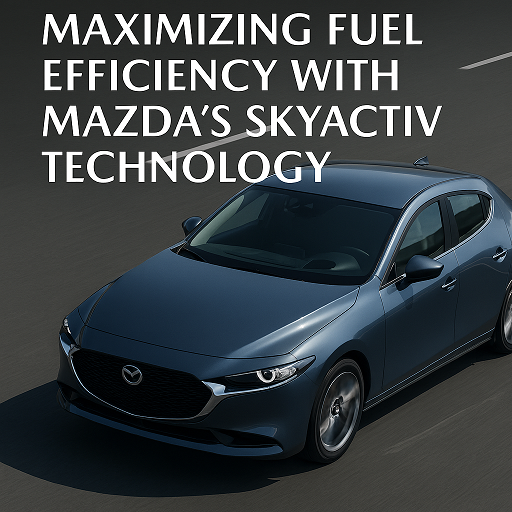
Maximizing Fuel Efficiency with Mazda’s Skyactiv® Technology

At Beach Mazda, we know that drivers want a vehicle that delivers performance and fuel efficiency — without compromise. That’s exactly what Mazda’s Skyactiv® Technology was built for. Whether you're commuting daily, planning a road trip, or simply trying to reduce fuel costs, Skyactiv® makes every mile count. Let’s take a closer look at how the Skyactiv® Technology suite of technologies works and how you can get the most out of it. more What Is Mazda’s Skyactiv® Technology? Skyactiv® is Mazda’s comprehensive approach to vehicle engineering. Rather than optimizing one part of the vehicle, Mazda reimagined the entire system — from the engine and transmission to the chassis and body — to improve fuel efficiency and performance without sacrificing the thrill of driving. Here’s what makes it special: Skyactiv®-G Engine: A high-compression gasoline engine that delivers more power with less fuel. Skyactiv®-Drive Transmission: Combines the best features of automatic, manual, and CVT transmissions for a more responsive and efficient ride. Skyactiv®-Body and Chassis: Lightweight materials and smart design reduce vehicle weight while improving handling and safety. How Skyactiv® Helps You Save on Fuel Higher Compression Ratio = Better Fuel Economy The Skyactiv®-G engine features a 13:1 compression ratio (one of the highest for gasoline engines), allowing for more efficient combustion and less fuel usage. Lighter Weight = Less Work for the Engine Mazda vehicles are engineered to be lighter without compromising strength, meaning your engine uses less energy to move the car. Smarter Shifting = More Efficient Driving Skyactiv®-Drive anticipates your driving style and optimizes gear shifts for smoothness and fuel savings. Tips to Maximize Fuel Efficiency in Your Mazda Even with advanced technology under the hood, how you drive still matters. Here are a few ways to take full advantage of Skyactiv®: Drive Smoothly: Avoid rapid acceleration and hard braking. Smooth driving reduces fuel consumption. Use Cruise Control: On highways, cruise control can help maintain a consistent speed and reduce unnecessary fuel use. Stay on Top of Maintenance: Clean air filters, properly inflated tires, and regular oil changes help your Mazda perform at its most efficient. Reduce Weight and Drag: Remove excess cargo and use roof racks only when needed to cut down on aerodynamic drag. Mazda Models Equipped with Skyactiv® Technology Skyactiv® Technology is standard on nearly all new Mazda vehicles, including: Mazda3 Sedan & Hatchback Mazda CX-30 Mazda CX-5 Mazda CX-50 Mazda CX-90 (also includes electrified Skyactiv®-PHEV options) Each model is designed to deliver impressive fuel economy ratings without losing the dynamic feel that Mazda drivers love. Final Thoughts from Beach Mazda Mazda’s Skyactiv® Technology proves you don’t have to choose between performance and efficiency. Whether you're navigating Myrtle Beach or heading out for a long-distance drive, your Mazda is engineered to make every gallon of fuel go further. Want to learn more or experience Skyactiv® for yourself? Visit us at Beach Mazda for a test drive and see how fun, fuel-efficient driving should feel. Need help picking the most fuel-efficient Mazda for your lifestyle? Contact Beach Mazda today and let’s find your perfect match!

BM2 TITLE DEC 2025

How to Improve the Fuel Efficiency of Your Mazda

Fuel efficiency is a key consideration for many Mazda owners, whether you’re looking to save money on gas or reduce your environmental footprint. Mazda vehicles are designed to be both fun to drive and fuel-efficient, but there are several steps you can take to maximize your Mazda's fuel economy. In this blog, we’ll explore practical tips and strategies to help you get the most miles per gallon (MPG) out of your Mazda. more Keep Up with Regular Maintenance Regular maintenance is crucial for ensuring that your Mazda operates efficiently. A well-maintained vehicle is not only more reliable but also more fuel-efficient. Here’s what you should focus on: Oil Changes: Regular oil changes keep your engine running smoothly. Fresh, clean oil reduces friction in the engine, allowing it to run more efficiently. Be sure to use the recommended oil type for your Mazda, as specified in the owner’s manual. Air Filter Replacement: A clogged air filter can restrict airflow to the engine, making it work harder and consume more fuel. Check your air filter regularly and replace it as needed to ensure optimal engine performance and fuel efficiency. Spark Plug Inspection: Worn or dirty spark plugs can cause misfires, leading to reduced fuel efficiency. Inspect your spark plugs according to the maintenance schedule and replace them if necessary to keep your engine firing efficiently. Tire Maintenance: Properly inflated tires reduce rolling resistance, which in turn improves fuel efficiency. Check your tire pressure regularly and keep it at the level recommended by Mazda. Additionally, rotating and balancing your tires as needed will help them wear evenly, further contributing to better fuel economy. Wheel Alignment: Misaligned wheels can cause your Mazda to drag or pull to one side, increasing fuel consumption. Have your wheel alignment checked periodically, especially if you notice uneven tire wear or if your vehicle pulls to one side. Drive Smoothly and Consistently Your driving habits have a significant impact on your Mazda’s fuel efficiency. By adopting a smooth and consistent driving style, you can reduce fuel consumption and make the most of every tank. Avoid Rapid Acceleration: Sudden acceleration requires more fuel than gradually increasing your speed. Accelerate smoothly and steadily to improve your MPG. Maintain a Steady Speed: Constantly changing your speed, especially at high speeds, can lead to increased fuel consumption. Use cruise control on highways when possible to maintain a steady speed and improve fuel efficiency. Anticipate Traffic Conditions: Look ahead and anticipate traffic flow to avoid unnecessary braking and acceleration. By coasting to a stop instead of slamming on the brakes, you’ll use less fuel. Avoid Idling: Idling consumes fuel without moving your vehicle. If you expect to be stopped for more than a minute, consider turning off the engine to save fuel. Modern Mazda vehicles are equipped with an i-stop feature that automatically shuts off the engine when the car is stopped, further enhancing fuel efficiency. Lighten Your Load: Carrying excess weight in your Mazda can reduce fuel efficiency. Remove unnecessary items from your trunk and cabin to lighten the load and improve MPG. Use the Right Fuel Using the correct fuel is essential for optimal performance and fuel efficiency. Mazda vehicles are designed to run on specific types of fuel, and using the recommended fuel grade is important for both engine health and fuel economy. Choose the Right Octane: Most Mazda vehicles are designed to run on regular unleaded gasoline with an octane rating of 87. Using a higher-octane fuel than recommended doesn’t necessarily improve performance or fuel efficiency and can be a waste of money. Always refer to your owner’s manual for the correct fuel type for your Mazda. Consider Top-Tier Gasoline: Top-tier gasoline contains higher levels of detergents that help keep your engine clean and running efficiently. While it may cost a bit more, using top-tier gasoline can contribute to better fuel economy and lower emissions over time. Optimize Your Use of Air Conditioning and Climate Control Using your Mazda’s air conditioning and climate control system can impact fuel efficiency, especially in extreme temperatures. Here’s how to optimize their use: Use Air Conditioning Wisely: Air conditioning puts an additional load on your engine, which can reduce fuel efficiency. To minimize the impact, use the A/C sparingly and only when necessary. At lower speeds, consider rolling down the windows instead of using the A/C. However, at highway speeds, using air conditioning is more fuel-efficient than driving with the windows down, which can create drag. Park in the Shade: Parking in the shade can reduce the need to use air conditioning when you start your Mazda, saving fuel in the process. Additionally, using a windshield sunshade can help keep the interior cooler. Pre-Cool Your Vehicle: If your Mazda has remote start, consider using it to cool down the interior before you begin driving. This allows the air conditioning to work more efficiently and reduces the load on the engine while you’re driving. Reduce Aerodynamic Drag Aerodynamic drag increases fuel consumption, especially at higher speeds. By reducing drag, you can improve your Mazda’s fuel efficiency. Remove Roof Racks and Carriers: Roof racks, cargo boxes, and bike carriers create additional drag, reducing fuel efficiency. When not in use, remove these accessories to reduce wind resistance and improve MPG. Close Windows and Sunroof at High Speeds: Driving with the windows or sunroof open at high speeds can increase drag and decrease fuel efficiency. Keep them closed on the highway to minimize drag and improve fuel economy. Consider Upgrading to Fuel-Efficient Tires Tires play a crucial role in your Mazda’s fuel efficiency. If you’re in the market for new tires, consider choosing a set designed for low rolling resistance, which can help improve MPG. Low Rolling Resistance Tires: These tires are specifically designed to reduce the energy required to keep your vehicle moving, thereby improving fuel efficiency. They often feature a special tread pattern and rubber compound that minimizes friction with the road. Proper Tire Inflation: As mentioned earlier, keeping your tires properly inflated is key to reducing rolling resistance and improving fuel economy. Make sure to check your tire pressure regularly and keep it at the recommended level. Leverage Mazda’s Fuel-Efficiency Technologies Mazda has developed several technologies to enhance fuel efficiency without compromising performance. By taking advantage of these features, you can further improve your Mazda’s fuel economy. SKYACTIV® Technology: Mazda’s SKYACTIV® technology is a suite of innovations designed to maximize fuel efficiency and performance. From SKYACTIV® engines and transmissions to lightweight chassis and body structures, these technologies work together to reduce fuel consumption while maintaining the engaging driving experience Mazda is known for. i-ELOOP: Mazda’s i-ELOOP system is a regenerative braking system that captures energy during braking and stores it in a capacitor. This stored energy is then used to power electrical systems in the vehicle, reducing the load on the engine and improving fuel efficiency. i-Stop: Mazda’s i-Stop technology automatically shuts off the engine when the vehicle is stopped, such as at traffic lights or in heavy traffic. This feature helps conserve fuel by reducing engine idling time, and the engine restarts quickly and smoothly when you’re ready to move again. Maximize Your Mazda’s MPG Improving the fuel efficiency of your Mazda is not only good for your wallet but also for the environment. By following these tips—maintaining your vehicle regularly, adopting fuel-efficient driving habits, using the right fuel, and taking advantage of Mazda’s advanced technologies—you can maximize your Mazda’s MPG and enjoy a more economical and eco-friendly driving experience. Whether you’re commuting to work, running errands, or embarking on a road trip, these strategies will help you get the most out of every tank of gas.

BM4 title Oct 2025

Understanding and Maintaining Your Car's Fuel System

The fuel system is a crucial component of your vehicle, responsible for delivering the right amount of fuel to the engine for optimal performance. Understanding how your fuel system works and how to maintain it can help you avoid costly repairs, improve fuel efficiency, and ensure a smooth driving experience. In this blog, we will explore the different parts of the fuel system, common issues that may arise, and essential maintenance tips to keep your fuel system in top shape. more Components of the Fuel System Fuel Tank: The fuel tank stores the fuel until it is needed by the engine. It is usually made of metal or plastic and is designed to withstand pressure and temperature changes. Fuel Pump: The fuel pump is responsible for moving fuel from the tank to the engine. Most modern vehicles use an electric fuel pump, which is located inside the fuel tank. Fuel Filter: The fuel filter removes impurities and contaminants from the fuel before it reaches the engine. A clean fuel filter ensures that only clean fuel is delivered to the engine, preventing damage to internal components. Fuel Injectors: Fuel injectors spray a fine mist of fuel into the engine's combustion chamber. They are controlled by the vehicle’s engine control unit (ECU) and are crucial for maintaining the correct air-fuel mixture for efficient combustion. Fuel Lines: Fuel lines transport fuel from the tank to the engine and return any excess fuel back to the tank. They are typically made of durable materials to withstand the pressure of the fuel system. Common Fuel System Issues Clogged Fuel Filter: A clogged fuel filter can restrict fuel flow to the engine, leading to poor performance, engine stalling, or difficulty starting. Failing Fuel Pump: A failing fuel pump may cause the engine to sputter, lose power, or not start at all. It can also lead to decreased fuel efficiency. Fuel Injector Problems: Dirty or malfunctioning fuel injectors can cause poor fuel atomization, resulting in rough idling, misfires, and decreased engine performance. Leaking Fuel Lines: Leaks in the fuel lines can lead to fuel odors, decreased fuel efficiency, and potential fire hazards. Maintenance Tips for Your Fuel System Use Quality Fuel Using high-quality fuel from reputable gas stations can help maintain your fuel system's health. Quality fuels contain detergents that help keep the fuel injectors clean and prevent carbon buildup in the engine. Change the Fuel Filter Regularly Regularly changing the fuel filter is essential for preventing clogs and ensuring proper fuel flow. Consult your vehicle’s owner manual for recommended intervals for fuel filter replacement, typically every 30,000 to 50,000 miles. Keep the Fuel Tank Full Keeping your fuel tank at least a quarter full can help prevent sediment buildup at the bottom of the tank from entering the fuel system. This is especially important if your vehicle has been sitting for extended periods. Add Fuel System Cleaner Periodically adding a fuel system cleaner can help remove carbon deposits and keep fuel injectors clean. Follow the manufacturer’s instructions for use, and consider using a cleaner every few thousand miles or as recommended by your mechanic. Inspect Fuel Lines for Leaks Regularly check your fuel lines for signs of wear, cracks, or leaks. Look for fuel stains or odors around the lines and fittings. If you notice any issues, have them repaired promptly by a qualified mechanic. Monitor Engine Performance Pay attention to any changes in engine performance, such as difficulty starting, rough idling, or decreased power. These symptoms may indicate fuel system issues that require immediate attention. Schedule Regular Maintenance In addition to your routine oil changes, schedule regular maintenance that includes checking the fuel system. A qualified mechanic can inspect components, perform necessary tests, and address any potential issues before they become major problems. Prevent Common Issues Understanding and maintaining your car's fuel system is essential for ensuring optimal performance, fuel efficiency, and longevity. By familiarizing yourself with the components of the fuel system and following these maintenance tips, you can help prevent common issues and keep your vehicle running smoothly. Regular attention to your fuel system will not only enhance your driving experience but also save you time and money on repairs. If you encounter any significant problems or have concerns about your fuel system, don’t hesitate to consult a qualified mechanic for assistance. A well-maintained fuel system is key to a reliable and efficient vehicle.

Contact Us

Fill out this form below and we'll contact you shortly
*Required Fields