Blog / Beach Mazda Service

Blog

All Beach Mazda Service News Technology Important Information Mazda Model Features Tips Mazda Service Features & Specs Awards Service Mazda Vehicles Mazda Safety Technology Money Saving Tips Safety History 2023 Models Community Events Comparisons Financing Your Mazda Fun Stuff Local 2024 Models Holidays Mazda Parts Car Buying Process Driver-Centric Design EVs Exterior Fuel & Gas Pre-Owned Certified Pre-Owned Mazda Vehicles Electric & Hybrid Vehicles Infotainment Insurance Mazda Accessories Mazda CX-30 Mazda3 Racing Restaurants & Food Tires & Wheels Travel Activities Drive For Good Kodo Design Language Mazda CX-5 Mazda CX-9 Mazda Motorsports Automotive Cleaning Fuel System Interior Paint & Body Work Seasonal Down-payments Mazda Connect Transmission Weather Brakes i-Activsense Technology Large Vehicles & SUVs Millennials Suspension System Towing
BM1 TITLE AUG 2026

Mazda Driver-Assist Systems: Understanding i-Activsense Technologies

At Beach Mazda, we believe that your driving experience should be as safe, comfortable, and convenient as possible. That’s why Mazda offers an array of advanced driver-assist technologies designed to help you navigate the road with confidence. These features, bundled under the name i-Activsense, provide extra peace of mind by helping you avoid potential hazards, stay aware of your surroundings, and reduce the risk of accidents. In this blog, we’ll take a closer look at Mazda's i-Activsense driver-assist technologies, explaining how they work and how they contribute to a safer and more enjoyable driving experience. more What is i-Activsense? i-Activsense is Mazda’s suite of safety and driver-assist technologies designed to provide an extra layer of protection for you and your passengers. By utilizing cameras, sensors, and radar, i-Activsense helps to detect potential hazards on the road and assists you in avoiding them when possible. These systems range from basic driver aids, like blind spot monitoring, to advanced features like adaptive cruise control and collision warning systems. Mazda’s commitment to safety is evident in how these systems work together to help drivers make better decisions, enhance situational awareness, and react faster when needed. Key i-Activsense Technologies 1. Adaptive Cruise Control (ACC) with Stop & Go Mazda’s Adaptive Cruise Control (ACC) system allows you to maintain a set speed on the highway while also adjusting your speed based on the flow of traffic. This system uses radar and cameras to detect the vehicle ahead of you, automatically reducing your speed if traffic slows down. Once traffic clears, the system will accelerate back to your set speed. How It Helps: Reduces the need to constantly adjust the cruise control settings during long drives. Provides a safer and more relaxed highway driving experience. Tip: When using ACC, always keep your hands on the wheel and remain alert to road conditions, as the system is designed to assist, not replace, your driving skills. 2. Blind Spot Monitoring (BSM) Blind Spot Monitoring (BSM) uses sensors on the rear corners of your Mazda to detect vehicles that may be in your blind spots, providing a visual or audible warning if a vehicle is present. This helps you make safer lane changes by increasing your awareness of vehicles you might not otherwise see. How It Helps: Alerts you to vehicles in your blind spots, preventing unsafe lane changes. Provides extra peace of mind during highway driving and merging. Tip: Make sure to check your mirrors and blind spots manually before changing lanes, even when the system provides a warning. 3. Rear Cross Traffic Alert (RCTA) When reversing out of parking spaces, Rear Cross Traffic Alert (RCTA) uses sensors to monitor for approaching vehicles from the left and right. If it detects any movement, it will alert you to help prevent a potential collision. How It Helps: Provides added protection when reversing in tight spaces or parking lots. Warns you of approaching vehicles or pedestrians you might not be able to see. Tip: Always check your surroundings before reversing, even when RCTA provides a warning. 4. Lane Departure Warning (LDW) and Lane-Keep Assist (LKA) The Lane Departure Warning (LDW) system helps prevent accidental lane drift by alerting you when your vehicle unintentionally veers out of your lane. If the system detects that you’re drifting without signaling, it will provide a visual or audible warning. Lane-Keep Assist (LKA) works in tandem with LDW. If you begin to drift out of your lane without signaling, LKA can provide gentle steering inputs to help guide the vehicle back into its lane. How It Helps: Alerts you to unintentional lane departures, reducing the risk of collisions. Helps to keep the vehicle centered in its lane during long highway drives. Tip: While LKA provides steering assistance, it’s important to always maintain control of the vehicle and be ready to take over if needed. 5. Smart Brake Support (SBS) Mazda’s Smart Brake Support (SBS) system uses sensors to monitor the distance between your vehicle and the one ahead of you. If the system detects that a collision is imminent and you haven’t applied the brakes in time, it will automatically apply the brakes to help reduce the severity of the impact or avoid the collision altogether. How It Helps: Reduces the chance of rear-end collisions by automatically applying the brakes. Provides added protection in emergency situations. Tip: While SBS can help prevent accidents, always maintain a safe following distance and stay alert to traffic conditions. 6. Forward Obstruction Warning (FOW) and Smart City Brake Support (SCBS) Forward Obstruction Warning (FOW) works by detecting vehicles or obstacles in front of you. If the system detects an imminent collision, it will alert you with a visual and audible warning. If you don’t react quickly enough, the Smart City Brake Support (SCBS) will apply the brakes to prevent or reduce the severity of the impact. How It Helps: Helps prevent collisions when driving at low speeds, such as in traffic or parking lots. Provides extra protection when you may not have time to react. Tip: Always remain aware of your surroundings, especially in stop-and-go traffic or when parking. 7. Traffic Sign Recognition (TSR) The Traffic Sign Recognition (TSR) system uses cameras to read traffic signs, such as speed limits, stop signs, and yield signs. The system then displays these signs on your Mazda’s instrument cluster, ensuring that you never miss important road signs, especially in unfamiliar areas. How It Helps: Keeps you informed about important traffic signs, even when you’re not paying close attention. Helps prevent speeding or other violations by keeping you aware of speed limits and road conditions. Tip: While TSR is a helpful tool, always pay attention to road signs, as some may not be detected under certain conditions. How i-Activsense Keeps You Safe Each of the i-Activsense technologies works together to create a comprehensive safety net, giving you peace of mind and making your driving experience safer and more convenient. While these systems can assist you in avoiding accidents, it’s essential to remember that they are not a substitute for attentive driving. Always stay alert, follow the road rules, and use your judgment in conjunction with the technology. When to Visit Beach Mazda for i-Activsense Service To ensure your i-Activsense technologies continue working as intended, regular maintenance and system checks are essential. If you notice any issues, such as warning lights, faulty sensors, or unexpected system behavior, it’s important to bring your Mazda to Beach Mazda for a diagnostic check. At Beach Mazda, our expert technicians are trained to maintain and repair Mazda’s advanced driver-assist systems, ensuring that they continue to provide the highest level of safety and convenience. Mazda's Commitment Mazda’s i-Activsense technologies are a testament to the brand’s commitment to your safety and comfort on the road. From Adaptive Cruise Control to Smart City Brake Support, these advanced features help you navigate various driving conditions with confidence. By understanding how these technologies work and ensuring they’re properly maintained, you can get the most out of your Mazda’s safety systems. At Beach Mazda, we’re always here to help you with any questions or service needs regarding your i-Activsense technologies. If you’d like to learn more about the systems in your Mazda, or if you’re ready for a service appointment, don’t hesitate to contact us today! Beach Mazda Your Trusted Mazda Experts in Myrtle Beach If you’re ready to experience the latest i-Activsense features or need assistance, Beach Mazda is here to help. Schedule your service visit or learn more about these technologies by contacting us today!

BM4 TITLE JUNE 26

Mazda i-Activ AWD System Maintenance and Troubleshooting

By Beach Mazda Mazda's i-Activ All-Wheel Drive (AWD) system is a cutting-edge technology designed to provide enhanced control and performance, especially in challenging road conditions. Whether you’re navigating wet streets, gravel roads, or snow-covered terrain, the i-Activ AWD system ensures optimal traction and stability, giving you confidence in any driving scenario. However, like any advanced system, regular maintenance and occasional troubleshooting are essential to keep your Mazda’s AWD system functioning at its best. In this blog, we’ll dive into the maintenance requirements and common troubleshooting tips for the Mazda i-Activ AWD system to ensure it continues to deliver reliable performance for years to come. more What is Mazda’s i-Activ AWD System? Mazda's i-Activ AWD system is designed to seamlessly distribute power between the front and rear wheels, depending on driving conditions. Unlike traditional AWD systems that react to slippage, i-Activ is proactive—constantly monitoring factors like wheel speed, steering angle, throttle input, and road conditions to predict when all-wheel drive is needed and adjust accordingly. This predictive system ensures that the vehicle is always prepared for various conditions without sacrificing fuel efficiency. It’s an integral part of Mazda’s Skyactiv technology, designed to maximize performance while maintaining a lightweight, fuel-efficient vehicle. Why i-Activ AWD System Maintenance is Important To ensure that the i-Activ AWD system functions efficiently, regular maintenance is crucial. If neglected, issues could arise, such as poor traction, reduced fuel efficiency, or drivetrain problems. The good news is that with proper care and attention, the system can offer reliable performance for many years. Essential i-Activ AWD System Maintenance 1. Check the AWD Fluid Regularly Like any other drivetrain component, the i-Activ AWD system relies on specific fluids to function properly. The fluid in your vehicle’s AWD system lubricates and cools the components, helping the system maintain smooth and efficient operation. When to Check: Inspect the fluid level at least once a year or every 30,000 miles, depending on your driving habits and climate. If you notice a burning smell or the AWD system is making unusual noises, it may be time for a fluid inspection or replacement. How to Maintain: Mazda recommends using the appropriate AWD fluid specific to your model, as different systems require different types of fluid. Always follow the recommendations found in your vehicle’s owner’s manual. Fluid flushes should be done at regular intervals, typically every 60,000 miles, but check with Beach Mazda for exact recommendations based on your model and driving conditions. 2. Inspect the Differential and Transfer Case The differential and transfer case are crucial components of your i-Activ AWD system, responsible for distributing power to the wheels. Over time, wear and tear can affect their efficiency, so it's important to ensure they’re operating smoothly. How to Inspect: Have your differential fluid checked during routine oil changes or when performing maintenance on other drivetrain components. If you notice any vibrations, difficulty turning, or unusual noises, it could indicate a problem with the transfer case or differential. Regular inspections will help catch any issues early before they cause more significant damage. 3. Tire Maintenance and Rotation The i-Activ AWD system relies heavily on the uniformity of the tires. If your tires are mismatched or unevenly worn, the AWD system may not function optimally. Uneven tire wear can result in strain on the drivetrain, leading to premature component wear. How to Maintain: Rotate your tires every 6,000 to 8,000 miles or as recommended in your owner’s manual. Check your tire pressure regularly and maintain the recommended levels to prevent uneven wear. Make sure your tires are always the same size and tread type to ensure that the AWD system operates efficiently. 4. Brake System Maintenance While not directly part of the i-Activ AWD system, the brake system and ABS (Anti-lock Braking System) play a crucial role in maintaining control when the AWD system is engaged. The i-Activ AWD system can activate in situations that also require effective braking. What to Check: Check the condition of your brake pads and rotors every 12,000 to 15,000 miles. Ensure the ABS system is functioning properly, as it works in conjunction with the AWD system to provide stability in slippery conditions. 5. Regularly Inspect the AWD Sensors The i-Activ AWD system relies on sensors to monitor various parameters such as wheel speed, steering angle, and throttle input. If any of these sensors fail or become misaligned, it could affect the AWD system's performance. What to Check: Have the AWD sensors inspected during regular service visits. If you notice a decrease in performance, it could be due to faulty sensors. Keep an eye on the check engine light or any other warning indicators that may signal sensor issues. Troubleshooting Common i-Activ AWD Issues 1. AWD Warning Light Comes On If the AWD warning light comes on your dashboard, it may indicate a problem with the system. Common causes include low fluid levels, malfunctioning sensors, or an issue with the differential or transfer case. What to Do: Check your AWD fluid levels and make sure they’re within the recommended range. If the light remains on, it’s important to bring your Mazda to Beach Mazda for a diagnostic check. Our technicians can identify the root cause and ensure your i-Activ AWD system is functioning properly. 2. Unusual Noises or Vibrations If you hear grinding, whining, or any other unusual noises coming from your drivetrain, or if you feel vibrations while driving, this could be a sign of an issue with your i-Activ AWD system, such as a problem with the differential, transfer case, or AWD fluid. What to Do: Inspect the fluid levels and check for any visible leaks around the drivetrain. If the problem persists, visit Beach Mazda for an in-depth inspection. Our certified technicians will pinpoint the issue and provide the necessary repairs. 3. Loss of Traction or Handling Issues If your Mazda feels like it’s losing traction more frequently or is handling poorly, it could be a sign that the i-Activ AWD system isn’t working as it should. This might happen if the tires are worn unevenly or the AWD system isn’t engaging properly. What to Do: Inspect your tires for wear and ensure that they’re properly inflated and rotated. Have the AWD system checked by a professional to ensure it’s distributing power correctly. When to Visit Beach Mazda for i-Activ AWD Service While many of the i-Activ AWD maintenance tasks can be performed at home, certain aspects, especially troubleshooting, are best handled by professional technicians. If you experience any of the issues mentioned above, or if you just want to make sure your i-Activ AWD system is in top shape, it’s a good idea to bring your Mazda in for a service visit. At Beach Mazda, we’re experts in maintaining and troubleshooting the i-Activ AWD system. Our team of certified technicians is equipped with the knowledge and tools to keep your Mazda performing at its best, no matter the road conditions. Beach Mazda Can Help Mazda’s i-Activ AWD system offers superior traction, stability, and handling, making it ideal for all types of driving conditions. With regular maintenance and timely troubleshooting, you can keep your Mazda’s AWD system functioning at its peak performance for years to come. At Beach Mazda, we’re always here to help with your AWD maintenance needs. Whether you’re due for a fluid change, tire rotation, or need assistance with troubleshooting, you can rely on us to keep your Mazda running smoothly. Beach Mazda Your Trusted Mazda Experts in Myrtle Beach If you have any questions or need assistance with your Mazda i-Activ AWD system, don’t hesitate to contact us or schedule a service appointment!

BM4 TITLE MAY 2026

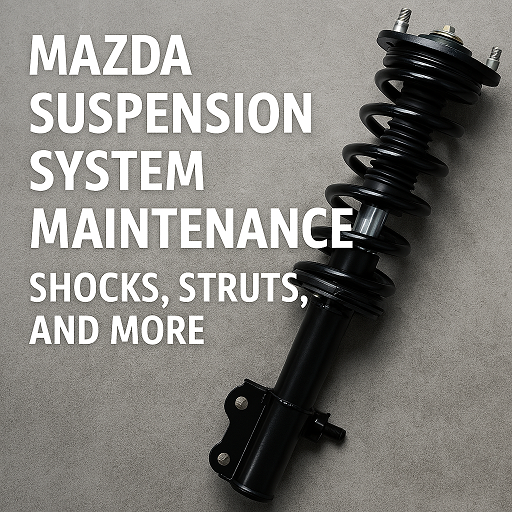
Mazda Suspension System Maintenance: Shocks, Struts, and More

By Beach Mazda Your Mazda’s suspension system plays a pivotal role in ensuring a smooth and comfortable ride, and it also contributes to your vehicle’s overall handling, stability, and safety. When your suspension components like shocks, struts, and springs are well-maintained, you enjoy a safer, more enjoyable driving experience. At Beach Mazda, we understand the importance of keeping your suspension system in optimal condition. In this blog, we’ll walk you through the essential parts of your Mazda’s suspension system, why maintenance is crucial, and how to spot signs of wear. more What is the Suspension System? Your Mazda’s suspension system consists of several key components that work together to absorb shocks and bumps from the road, keeping the wheels in contact with the ground. These components include the shocks, struts, springs, control arms, and ball joints. The suspension system is crucial for providing comfort, handling, and safety while driving. Here’s a quick breakdown of the most common suspension parts that need regular maintenance: Shocks & Struts: These components help absorb impacts from bumps and potholes, ensuring that the ride remains smooth. While they perform similar functions, shocks are usually found at the rear, and struts are typically used in the front. Springs: Springs provide the foundational support for the suspension, helping to distribute the weight of the vehicle evenly and ensure that the wheels remain firmly on the ground. Control Arms & Ball Joints: These components connect the wheels to the vehicle frame, allowing for proper movement and alignment. Bushings: Rubber bushings provide cushioning and help prevent metal-on-metal contact in the suspension system. Why Suspension System Maintenance is Important Maintaining your Mazda’s suspension system is not just about comfort—it's about safety and handling. A well-maintained suspension ensures: Smoother rides by absorbing road bumps and irregularities. Better control and stability, particularly during sharp turns or when stopping quickly. Improved tire wear, as the suspension helps keep your tires in proper alignment with the road. Enhanced braking performance, as a properly functioning suspension ensures that the vehicle remains stable during braking. Neglecting suspension system maintenance can lead to reduced driving comfort, poor handling, and unsafe driving conditions. Keeping your shocks, struts, and other suspension components in top shape is essential for maintaining your Mazda’s performance and your safety on the road. Common Suspension Issues to Look Out For Your Mazda’s suspension system takes a lot of abuse from the road, and over time, certain components can wear out. It’s important to keep an eye out for common symptoms that may indicate that your suspension system needs attention: 1. Bumpy or Rough Ride If you notice your ride feels unusually rough, especially over bumps or uneven surfaces, it may be a sign that your shocks or struts are worn out. They may no longer be absorbing impacts effectively, leading to an uncomfortable driving experience. 2. Unusual Noises If you hear clunking, squeaking, or rattling noises coming from the suspension area, it could indicate worn-out parts such as control arms, bushings, or ball joints. These noises often signal that something is loose or damaged and needs to be repaired or replaced. 3. Drifting or Pulling to One Side If your Mazda drifts or pulls to one side when you turn, it could mean there’s an issue with the suspension system. This could be caused by a damaged strut or shock absorber, leading to uneven handling. 4. Uneven Tire Wear Excessive or uneven tire wear is often a sign that your suspension system is out of alignment. When your suspension components are worn or damaged, the vehicle’s alignment can shift, causing the tires to wear unevenly, which can lead to costly tire replacements if not addressed. 5. Leaking Fluid Shocks and struts contain fluid that helps control their movement. If you notice oil or fluid leaks around these components, it’s a clear indication that they need attention or replacement. 6. Nose Diving or Swaying During Braking If your Mazda seems to dip forward when you brake or sways during sharp turns, it could indicate a problem with the shock absorbers or struts. These components are responsible for maintaining stability during braking and cornering. How to Maintain Your Mazda’s Suspension System To keep your Mazda’s suspension system working properly, regular maintenance and inspections are crucial. Here are a few key steps to ensure your suspension remains in good shape: 1. Regular Inspections Have your suspension system inspected regularly by a professional technician at Beach Mazda. During an inspection, the technician will check for worn or damaged parts, such as shocks, struts, springs, and other suspension components. A routine checkup can help identify potential problems before they become serious. 2. Replace Worn Shocks and Struts Shocks and struts wear out over time, typically after about 50,000 to 100,000 miles, depending on your driving conditions. If your Mazda is showing signs of poor ride quality, it may be time to replace these components. Replacing shocks and struts when necessary can prevent further damage to other parts of your suspension system. 3. Check the Alignment Proper wheel alignment is crucial for the health of your suspension system. If your Mazda pulls to one side or if you notice uneven tire wear, it may indicate an alignment issue. Having your alignment checked regularly can save you from premature tire replacement and help maintain your suspension system. 4. Lubricate Suspension Components Certain parts of your suspension, such as ball joints, control arms, and bushings, may require periodic lubrication to maintain smooth operation. Regular lubrication helps reduce friction and wear, improving the longevity of these components. 5. Address Suspension Issues Promptly If you notice any of the symptoms mentioned above, it’s essential to have your suspension system checked by a professional technician as soon as possible. Prompt attention to issues like worn-out shocks, leaking struts, or damaged control arms can prevent further damage and costly repairs. Schedule Service with Beach Mazda Your Mazda’s suspension system is crucial for ensuring a smooth, comfortable, and safe driving experience. Regular maintenance, such as inspecting and replacing worn shocks, struts, and other suspension components, is essential for maintaining the performance and safety of your vehicle. Keeping your suspension system in top shape not only enhances your driving comfort but also extends the life of your tires and other critical vehicle systems. At Beach Mazda, we’re here to help you keep your Mazda in excellent condition. Our expert technicians can inspect your suspension system and provide any necessary repairs or replacements to ensure you’re always driving safely and comfortably. Beach Mazda Your Trusted Mazda Experts in Myrtle Beach If you suspect an issue with your suspension system or are due for an inspection, contact Beach Mazda today to schedule your service appointment. We're dedicated to keeping your Mazda in top performance, mile after mile!

bm2 title apr 26

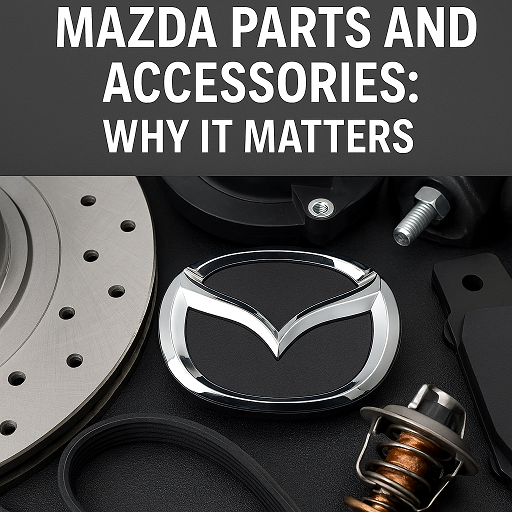
Finding Genuine Mazda Parts and Accessories: Why It Matters

When it comes to maintaining or customizing your Mazda, using the right parts and accessories can make all the difference. Whether you're driving a sporty Mazda3 or a family-friendly CX-90, choosing genuine Mazda components ensures optimal performance, safety, and longevity. more At Beach Mazda, we know your Mazda was built with precision — and it deserves to stay that way. In this blog, we’ll explain why genuine Mazda parts and accessories are essential and how to make sure you’re getting the real deal. 🛠️ What Are Genuine Mazda Parts? Genuine Mazda parts are original equipment manufacturer (OEM) components designed specifically for your vehicle. That means they meet the same engineering and quality standards as the parts used when your car was first built. These parts are tested for performance, durability, and safety — unlike many aftermarket parts, which may not fit or function properly. ✅ Why Choose Genuine Mazda Parts? Here are the top reasons to stick with OEM components: 1. Perfect Fit Each part is made to fit your specific Mazda model. No modifications, no guesswork — just plug-and-play precision. 2. Peace of Mind Genuine Mazda parts often come with a manufacturer’s warranty, offering added protection that aftermarket options typically don’t provide. 3. Better Performance From brake pads to filters to spark plugs, OEM parts keep your Mazda running the way it was engineered to — smooth, efficient, and reliable. 4. Safety Safety systems like airbags, sensors, and brakes must meet strict standards. Using non-genuine parts can compromise performance and put you at risk. 5. Resale Value Maintaining your Mazda with genuine parts shows that you’ve taken proper care of it — something potential buyers or trade-in appraisers will notice. 🧰 Genuine Mazda Accessories: Make It Yours Looking to personalize your ride? Mazda offers a wide range of genuine accessories designed to enhance your driving experience: All-weather floor mats Cargo organizers and trays Roof racks and bike carriers Navigation upgrades Interior trim kits Stylish alloy wheels and spoilers These accessories not only fit perfectly — they also match your vehicle’s styling and color themes, preserving the refined Mazda aesthetic. 🔍 How to Spot Genuine Mazda Parts Worried about fakes? Here’s how to ensure you’re buying genuine: Buy from an authorized Mazda dealership like Beach Mazda. Look for Mazda part numbers and branded packaging. Avoid unusually low prices from unknown sellers. Ask for proof of OEM certification if buying from third parties. 🛒 Get Genuine Parts at Beach Mazda At Beach Mazda, we make it easy to find the right parts and accessories for your vehicle. Our Mazda-trained service advisors and technicians are here to help you choose, install, or order exactly what you need. Benefits of shopping with us include: OEM part warranty coverage Professional installation available Special order support Mazda accessory promotions throughout the year 💡 Final Thoughts Your Mazda is more than just transportation — it’s a reflection of craftsmanship and innovation. Using genuine Mazda parts and accessories helps you protect that investment and enjoy your vehicle to the fullest. Looking for a specific part or accessory? Contact our parts department at Beach Mazda today, and let our experts help you find exactly what you need. Would you like help customizing your Mazda or setting up a parts order? Just say the word and we’ll get you started!

bm3 title jan 2026

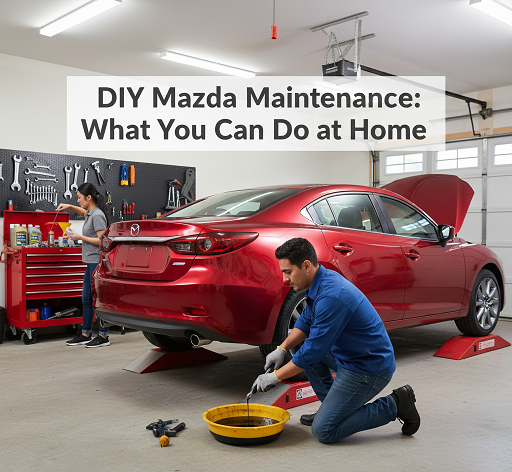
DIY Mazda Maintenance: What You Can Do at Home

Owning a Mazda comes with the responsibility of keeping your vehicle in top shape, and while regular visits to a certified Mazda technician are essential, there are many maintenance tasks you can perform yourself at home to keep your car running smoothly. DIY maintenance not only saves you money but also helps you become more familiar with your vehicle, improving both its lifespan and your overall driving experience. more At Beach Mazda, we’re passionate about keeping your Mazda in great condition. In this blog, we’ll guide you through some simple, effective DIY Mazda maintenance tasks that you can tackle at home. From checking your fluids to changing your wiper blades, these tasks are easy and rewarding! 1. Checking and Changing Engine Oil Why It’s Important: Regular oil changes are crucial for maintaining engine health and performance. The oil in your Mazda’s engine keeps all moving parts lubricated and prevents excessive wear. How to Do It: Prepare Your Supplies: You’ll need the right type of oil for your Mazda (check your owner’s manual for the exact specifications), an oil filter, an oil drain pan, a funnel, and a wrench to remove the oil plug. Drain the Oil: Place the drain pan under the oil pan and unscrew the drain plug. Allow the oil to drain completely into the pan. Replace the Oil Filter: Use a wrench to unscrew the old oil filter. Coat the rubber gasket of the new filter with a little oil before installing it. Add New Oil: Once the old oil has drained, replace the drain plug and add the new oil using a funnel. Check the oil level with the dipstick to ensure it's at the proper level. Dispose of the Oil: Take your used oil to a recycling center. 2. Checking and Replacing Air Filters Why It’s Important: A clean air filter ensures that your engine gets a steady supply of clean air, which is essential for optimal performance and fuel efficiency. How to Do It: Locate the Air Filter: On most Mazda models, the air filter is located in a rectangular air box near the front of the engine bay. Inspect the Filter: Remove the air filter and check for dirt, debris, and wear. If it’s clogged or dirty, it’s time to replace it. Install a New Filter: Place a new air filter in the air box, ensuring it fits snugly and seals properly. Tip: For maximum performance, replace your air filter every 12,000 to 15,000 miles, or more often if you drive in dusty conditions. 3. Replacing Windshield Wiper Blades Why It’s Important: Worn-out wiper blades can reduce visibility, especially during rain or snow. Keeping your wipers in good condition is essential for safe driving. How to Do It: Check Wiper Blades: Lift the wiper arms away from the windshield and check the blades for cracks, tears, or missing rubber. If they’re damaged, it’s time to replace them. Remove the Old Blades: Most Mazda wipers can be removed by pressing a small tab on the wiper arm to release the blade. Slide the old wiper off. Install the New Blades: Slide the new wiper blades onto the wiper arm and make sure they’re securely attached. Tip: Replace your wiper blades every 6-12 months for optimal performance. 4. Checking Tire Pressure Why It’s Important: Proper tire pressure is essential for safety, fuel efficiency, and tire longevity. Underinflated or overinflated tires can cause uneven wear and reduce your car's handling ability. How to Do It: Get a Tire Pressure Gauge: A digital or manual tire pressure gauge will allow you to check the pressure in each tire. Check the Recommended Pressure: Look for the recommended tire pressure for your Mazda, which is usually listed on the driver’s side door frame or in the owner’s manual. Measure and Adjust the Pressure: Remove the valve cap from the tire and press the gauge onto the valve stem. If the pressure is too low, add air until it reaches the recommended level. If it’s too high, release some air until it’s just right. Tip: Check your tire pressure at least once a month and before long trips. 5. Inspecting and Replacing Brake Pads Why It’s Important: Your brakes are one of the most critical safety features of your vehicle. Keeping an eye on brake pad wear can prevent costly repairs and ensure your safety. How to Do It: Visual Inspection: If you can see the brake pads through the wheel spokes, check their thickness. Brake pads should be replaced if they are worn down to about 1/8 inch or thinner. Replace the Brake Pads: To replace the brake pads, you'll need to remove the wheel, use a jack to lift the car, and unscrew the caliper. Once the caliper is off, remove the old brake pads and replace them with new ones. Be sure to follow your owner’s manual for exact steps, as the process may vary by model. Tip: If you’re not familiar with brake pad replacement, consider having a professional handle it for safety reasons. 6. Changing Cabin Air Filter Why It’s Important: The cabin air filter ensures the air you breathe inside the car is clean. It filters dust, pollen, and other allergens from the air entering the cabin. How to Do It: Locate the Filter: The cabin air filter is usually located behind the glove compartment or under the dashboard. Check your owner’s manual to find the exact location. Remove the Old Filter: Open the compartment or panel that houses the filter. Slide out the old filter and check it for dirt and debris. Install the New Filter: Insert the new filter, ensuring it’s properly aligned and seated. Tip: Replace the cabin air filter every 15,000 to 20,000 miles, or more often if you live in a dusty area. 7. Checking and Replacing Fluids Why It’s Important: Fluids like engine oil, coolant, transmission fluid, and brake fluid are essential to keep your Mazda running smoothly and prevent damage to critical systems. How to Do It: Engine Oil: Check the oil level with the dipstick and top off if necessary. Coolant: Check the coolant level and top it off with the appropriate coolant if it’s low. Brake Fluid: Inspect the brake fluid reservoir and add fluid if needed. Transmission Fluid: Check the transmission fluid level (if accessible) and add more fluid if necessary. Tip: Always use the fluid type specified in your Mazda’s owner manual to ensure proper performance. Visit the Beach Mazda Service Department Performing DIY maintenance on your Mazda is a great way to save money, stay connected with your car, and ensure its longevity. While some tasks, like oil changes and brake pad replacements, can be more involved, others, like checking tire pressure and replacing air filters, are simple and quick. At Beach Mazda, we’re always here to help with more complex maintenance tasks and provide guidance if you ever need assistance. Regular maintenance not only keeps your Mazda running like new, but it also ensures your safety and driving comfort. If you ever have questions about performing DIY maintenance or need help with a more advanced repair, don’t hesitate to contact us! Beach Mazda Your Trusted Mazda Experts in Myrtle Beach Ready to tackle some DIY Mazda maintenance? Visit Beach Mazda for more tips, tools, and guidance on keeping your vehicle in top shape!

bm2 title jan 2026

Choosing the Right Tires for Your Mazda: A Comprehensive Guide

Your Mazda is built for performance, safety, and style — and the right set of tires plays a crucial role in all three. Whether you’re driving through Myrtle Beach’s sunny streets or preparing for a long road trip, choosing the proper tires helps ensure your vehicle performs its best in any condition. more At Beach Mazda, we know that picking the right tires can be confusing. That’s why we’ve created this easy-to-follow guide to help you make the right decision for your Mazda and your lifestyle. Why the Right Tires Matter Tires directly affect: Handling and performance Fuel efficiency Ride comfort Safety and stopping distance Tire wear and lifespan Mazda engineers each vehicle with a specific driving feel — what they call “Jinba Ittai,” the harmony between car and driver. The wrong tires can interfere with that carefully balanced experience. Types of Tires for Your Mazda Let’s break down the most common types of tires you might consider for your Mazda: 1. All-Season Tires Best for: Everyday driving in mild climates These are the most common tires and typically what comes standard on most Mazda models. They offer a balance of performance, comfort, and longevity. 2. Performance Tires Best for: Sporty handling and enhanced grip Ideal for Mazda3, Mazda6, or MX-5 Miata owners who want tighter cornering and better high-speed control. However, they may wear faster than standard all-season options. 3. Touring Tires Best for: Long-distance comfort and quiet rides These tires are perfect for drivers who value a smooth, quiet ride — great for family-focused vehicles like the Mazda CX-5 or CX-90. 4. Winter/Snow Tires Best for: Cold-weather or snowy conditions If you travel north in the winter or live in colder climates, winter tires are essential. They provide better traction in snow, ice, and freezing temperatures. 5. All-Terrain Tires Best for: Off-road and rugged conditions If you drive a Mazda CX-50 or plan to explore trails and unpaved roads, all-terrain tires give you the traction and toughness needed for adventure. How to Choose the Right Tires Here are a few factors to consider when selecting your next set of tires: 1. Driving Habits Do you stick to city roads, hit the highway often, or take the scenic route off the beaten path? Your driving patterns should influence your tire choice. 2. Climate Myrtle Beach drivers generally benefit from all-season tires. However, if you travel to colder regions or experience frequent rain, consider specialty options. 3. Vehicle Model Each Mazda model has a recommended tire size and type. Refer to your owner’s manual or the sticker inside the driver-side door for Mazda’s specific recommendations. 4. Budget and Longevity Tires vary in cost and tread life. A more expensive tire may last longer and offer better performance, making it a smarter long-term investment. Signs It’s Time to Replace Your Tires Tread depth is below 2/32 of an inch (use the penny test!) Uneven wear or visible cracks Frequent tire pressure loss Road noise or vibration while driving Your tires are more than 6 years old Why Choose Beach Mazda for Tires? At Beach Mazda, we carry a wide selection of genuine Mazda-recommended tires and top brands. Our certified technicians can: Recommend the best tires for your specific model and driving style Perform professional tire installation and balancing Handle alignments, rotations, and flat repairs Help you save with regular tire specials and rebates Final Thoughts The right tires enhance your Mazda’s performance, improve fuel economy, and keep your family safe. Don’t leave such a critical component to chance — let the experts at Beach Mazda help you choose the best tires for your driving lifestyle. Need help picking or installing tires? Schedule an appointment or visit Beach Mazda today, and let’s keep your Mazda riding smoothly, no matter where the road takes you. Want to learn more about tire maintenance or tire pressure monitoring systems? We're happy to help you understand every detail!

BM4 title dec 2025

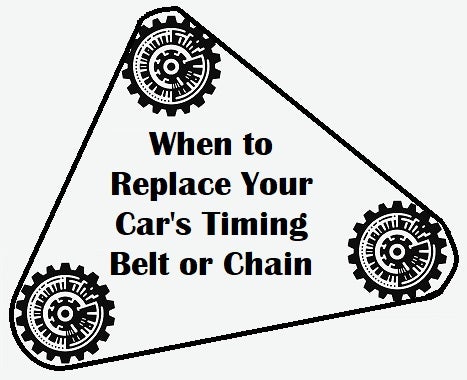
When to Replace Your Car's Timing Belt or Chain

The timing belt or chain is a critical component of your vehicle's engine, responsible for synchronizing the rotation of the crankshaft and camshaft(s). This ensures that the engine's valves open and close at the proper times during each cylinder's intake and exhaust strokes. Because of its importance, it’s essential to know when to replace your car’s timing belt or chain to avoid severe engine damage and costly repairs. In this blog, we’ll explore the differences between timing belts and chains, how to tell when they need replacement, and the general guidelines for replacement. more Timing Belt vs. Timing Chain Before diving into replacement schedules, it’s crucial to understand the difference between timing belts and chains: Timing Belt: Made of rubber and reinforced with fibers, timing belts are quieter and lighter than chains. However, they can wear out over time and typically require replacement. Timing Chain: Made of metal, timing chains are more durable and designed to last the lifetime of the engine. They usually don’t require regular replacement, but they can stretch or wear out under certain conditions. When to Replace Your Timing Belt Most manufacturers recommend replacing the timing belt every 60,000 to 100,000 miles, but this can vary depending on your vehicle's make and model. Here are some signs and guidelines to help you determine when to replace your timing belt: Check Your Owner’s Manual: Always refer to your vehicle’s owner manual for the manufacturer’s specific recommendations regarding timing belt replacement intervals. Mileage and Age: If your vehicle has reached the mileage range recommended by the manufacturer, or if the belt is more than five years old, it’s time to consider a replacement, even if the mileage is lower. Visible Wear and Damage: Inspect the timing belt for signs of wear, such as cracks, fraying, or glazing. If you notice any of these issues, it’s essential to replace the belt immediately. Engine Performance Issues: If you experience symptoms such as misfiring, rough idling, or difficulty starting the engine, it could indicate a problem with the timing belt. Have your vehicle inspected by a qualified mechanic if you notice these symptoms. Oil Leaks: Oil leaking onto the timing belt can cause it to degrade more quickly. If you find oil on the belt, it’s best to have it replaced along with any necessary repairs to stop the leak. When to Replace Your Timing Chain Timing chains are generally more robust and longer-lasting than timing belts, but they can still wear out or experience issues. Here’s when to consider replacing your timing chain: Manufacturer Recommendations: Unlike timing belts, timing chains don’t have a strict replacement schedule, but some manufacturers suggest inspecting the chain every 100,000 miles or so. Engine Noise: A rattling or knocking noise from the engine, especially during startup, may indicate a worn or loose timing chain. If you hear unusual noises, have a professional inspection done. Check Engine Light: If the check engine light comes on and diagnostic codes indicate timing chain issues, it’s crucial to address the problem promptly. Oil Contamination: Just like with timing belts, oil leaks that contaminate the timing chain can lead to premature wear. If you notice oil leaks, address them quickly and inspect the timing chain. Engine Performance Issues: Symptoms such as poor acceleration, rough idling, or engine misfires may indicate timing chain problems. A thorough inspection by a mechanic can help diagnose the issue. Stay Proactive Knowing when to replace your car's timing belt or chain is crucial for maintaining your engine's health and performance. Regular maintenance and inspections can help identify potential issues before they lead to severe damage. If you’re approaching the recommended mileage for replacement or notice any signs of wear, consult a qualified mechanic for a thorough inspection and any necessary replacements. By staying proactive with your timing belt or chain, you can ensure your engine runs smoothly for years to come.

BM3 title dec 2025

How to Keep Your Mazda's Suspension System in Top Shape

The suspension system of your Mazda is crucial for ensuring a smooth ride, maintaining vehicle stability, and providing handling performance. A well-maintained suspension not only enhances comfort but also improves safety by keeping your tires in contact with the road. To help you keep your Mazda’s suspension system in top shape, this blog will cover essential maintenance tips, common signs of wear, and when to seek professional assistance. more Understanding Your Suspension System Before diving into maintenance, it’s important to understand the components of your Mazda's suspension system. Key parts include: Shock Absorbers/Struts: These dampen the impact of bumps and irregularities in the road, helping to stabilize your vehicle. Coil Springs: These support the weight of the vehicle and absorb shocks from the road. Control Arms: These connect the suspension to the vehicle’s chassis, allowing for controlled movement. Ball Joints: These act as pivot points, enabling the wheels to turn and move vertically. Bushings: These provide cushioning and reduce friction between moving parts. Regular Inspections Routine inspections are vital for identifying potential issues before they escalate. Here are some tips for inspecting your Mazda’s suspension: Visual Checks: Regularly inspect the suspension components for signs of wear, such as cracks, leaks, or rust. Pay attention to the shock absorbers and struts for oil leaks, which indicate they may need replacement. Listen for Noises: Be aware of any unusual noises while driving, such as clunking or rattling sounds, which may indicate loose or damaged components. Check Ride Height: If you notice your vehicle sitting lower or higher on one side, it could be a sign of worn springs or damaged components. Keep the Tires in Check Tires and suspension are closely linked, so maintaining your tires can positively impact your suspension system. Regular Tire Rotations: Rotate your tires every 5,000 to 7,500 miles to promote even wear and extend their lifespan. Proper Inflation: Ensure your tires are inflated to the recommended pressure, as under-inflated or over-inflated tires can negatively affect suspension performance and lead to uneven wear. Alignment Checks: Get a wheel alignment every 6,000 miles or if you notice uneven tire wear or if the vehicle pulls to one side. Proper alignment helps maintain suspension integrity and improves handling. Monitor Driving Conditions Your driving habits and the conditions you encounter can affect the longevity of your suspension system. Here are some practices to consider: Avoid Potholes and Road Hazards: Whenever possible, steer clear of potholes, speed bumps, and other road hazards that can jolt your suspension and cause damage. Drive Smoothly: Accelerate and brake smoothly to minimize stress on the suspension components. Aggressive driving can lead to premature wear. Maintenance and Replacement Regular maintenance is essential to keep your Mazda’s suspension system in optimal condition. Here are some maintenance practices to follow: Fluid Checks: Ensure that the hydraulic fluid levels for your shocks and struts are within the recommended range. Low fluid levels can affect performance and lead to premature wear. Component Replacement: Replace worn-out suspension components as needed. If you notice any signs of damage or excessive wear, consult your owner’s manual or a professional mechanic for guidance on when to replace parts. Professional Inspections and Services While regular maintenance can help you keep your suspension system in check, professional inspections are essential for identifying issues you might overlook. Consider the following: Annual Inspections: Have your suspension system inspected by a qualified mechanic at least once a year. They can identify hidden problems and recommend necessary repairs. After Heavy Usage: If you frequently drive on rough terrain, or if you notice any changes in handling or comfort, schedule a professional inspection sooner rather than later. Signs Your Suspension Needs Attention Be on the lookout for these signs that may indicate your suspension system requires attention: Excessive Bouncing: If your vehicle bounces excessively after hitting a bump, it may indicate worn shocks or struts. Uneven Tire Wear: If you notice uneven wear patterns on your tires, it may suggest alignment or suspension issues. Difficulty Steering: If you experience difficulty steering or notice that your vehicle feels unstable, it may be time to have your suspension checked. Maintain Optimal Performance Keeping your Mazda’s suspension system in top shape is essential for a comfortable and safe driving experience. By performing regular inspections, monitoring tire health, and adopting good driving habits, you can extend the life of your suspension components and maintain optimal performance. Don’t hesitate to seek professional help when needed, as early detection of issues can save you from costly repairs down the line. By taking these proactive steps, you’ll enjoy a smoother ride and ensure your Mazda remains a pleasure to drive for years to come.

BM2 TITLE DEC 2025

How to Improve the Fuel Efficiency of Your Mazda

Fuel efficiency is a key consideration for many Mazda owners, whether you’re looking to save money on gas or reduce your environmental footprint. Mazda vehicles are designed to be both fun to drive and fuel-efficient, but there are several steps you can take to maximize your Mazda's fuel economy. In this blog, we’ll explore practical tips and strategies to help you get the most miles per gallon (MPG) out of your Mazda. more Keep Up with Regular Maintenance Regular maintenance is crucial for ensuring that your Mazda operates efficiently. A well-maintained vehicle is not only more reliable but also more fuel-efficient. Here’s what you should focus on: Oil Changes: Regular oil changes keep your engine running smoothly. Fresh, clean oil reduces friction in the engine, allowing it to run more efficiently. Be sure to use the recommended oil type for your Mazda, as specified in the owner’s manual. Air Filter Replacement: A clogged air filter can restrict airflow to the engine, making it work harder and consume more fuel. Check your air filter regularly and replace it as needed to ensure optimal engine performance and fuel efficiency. Spark Plug Inspection: Worn or dirty spark plugs can cause misfires, leading to reduced fuel efficiency. Inspect your spark plugs according to the maintenance schedule and replace them if necessary to keep your engine firing efficiently. Tire Maintenance: Properly inflated tires reduce rolling resistance, which in turn improves fuel efficiency. Check your tire pressure regularly and keep it at the level recommended by Mazda. Additionally, rotating and balancing your tires as needed will help them wear evenly, further contributing to better fuel economy. Wheel Alignment: Misaligned wheels can cause your Mazda to drag or pull to one side, increasing fuel consumption. Have your wheel alignment checked periodically, especially if you notice uneven tire wear or if your vehicle pulls to one side. Drive Smoothly and Consistently Your driving habits have a significant impact on your Mazda’s fuel efficiency. By adopting a smooth and consistent driving style, you can reduce fuel consumption and make the most of every tank. Avoid Rapid Acceleration: Sudden acceleration requires more fuel than gradually increasing your speed. Accelerate smoothly and steadily to improve your MPG. Maintain a Steady Speed: Constantly changing your speed, especially at high speeds, can lead to increased fuel consumption. Use cruise control on highways when possible to maintain a steady speed and improve fuel efficiency. Anticipate Traffic Conditions: Look ahead and anticipate traffic flow to avoid unnecessary braking and acceleration. By coasting to a stop instead of slamming on the brakes, you’ll use less fuel. Avoid Idling: Idling consumes fuel without moving your vehicle. If you expect to be stopped for more than a minute, consider turning off the engine to save fuel. Modern Mazda vehicles are equipped with an i-stop feature that automatically shuts off the engine when the car is stopped, further enhancing fuel efficiency. Lighten Your Load: Carrying excess weight in your Mazda can reduce fuel efficiency. Remove unnecessary items from your trunk and cabin to lighten the load and improve MPG. Use the Right Fuel Using the correct fuel is essential for optimal performance and fuel efficiency. Mazda vehicles are designed to run on specific types of fuel, and using the recommended fuel grade is important for both engine health and fuel economy. Choose the Right Octane: Most Mazda vehicles are designed to run on regular unleaded gasoline with an octane rating of 87. Using a higher-octane fuel than recommended doesn’t necessarily improve performance or fuel efficiency and can be a waste of money. Always refer to your owner’s manual for the correct fuel type for your Mazda. Consider Top-Tier Gasoline: Top-tier gasoline contains higher levels of detergents that help keep your engine clean and running efficiently. While it may cost a bit more, using top-tier gasoline can contribute to better fuel economy and lower emissions over time. Optimize Your Use of Air Conditioning and Climate Control Using your Mazda’s air conditioning and climate control system can impact fuel efficiency, especially in extreme temperatures. Here’s how to optimize their use: Use Air Conditioning Wisely: Air conditioning puts an additional load on your engine, which can reduce fuel efficiency. To minimize the impact, use the A/C sparingly and only when necessary. At lower speeds, consider rolling down the windows instead of using the A/C. However, at highway speeds, using air conditioning is more fuel-efficient than driving with the windows down, which can create drag. Park in the Shade: Parking in the shade can reduce the need to use air conditioning when you start your Mazda, saving fuel in the process. Additionally, using a windshield sunshade can help keep the interior cooler. Pre-Cool Your Vehicle: If your Mazda has remote start, consider using it to cool down the interior before you begin driving. This allows the air conditioning to work more efficiently and reduces the load on the engine while you’re driving. Reduce Aerodynamic Drag Aerodynamic drag increases fuel consumption, especially at higher speeds. By reducing drag, you can improve your Mazda’s fuel efficiency. Remove Roof Racks and Carriers: Roof racks, cargo boxes, and bike carriers create additional drag, reducing fuel efficiency. When not in use, remove these accessories to reduce wind resistance and improve MPG. Close Windows and Sunroof at High Speeds: Driving with the windows or sunroof open at high speeds can increase drag and decrease fuel efficiency. Keep them closed on the highway to minimize drag and improve fuel economy. Consider Upgrading to Fuel-Efficient Tires Tires play a crucial role in your Mazda’s fuel efficiency. If you’re in the market for new tires, consider choosing a set designed for low rolling resistance, which can help improve MPG. Low Rolling Resistance Tires: These tires are specifically designed to reduce the energy required to keep your vehicle moving, thereby improving fuel efficiency. They often feature a special tread pattern and rubber compound that minimizes friction with the road. Proper Tire Inflation: As mentioned earlier, keeping your tires properly inflated is key to reducing rolling resistance and improving fuel economy. Make sure to check your tire pressure regularly and keep it at the recommended level. Leverage Mazda’s Fuel-Efficiency Technologies Mazda has developed several technologies to enhance fuel efficiency without compromising performance. By taking advantage of these features, you can further improve your Mazda’s fuel economy. SKYACTIV® Technology: Mazda’s SKYACTIV® technology is a suite of innovations designed to maximize fuel efficiency and performance. From SKYACTIV® engines and transmissions to lightweight chassis and body structures, these technologies work together to reduce fuel consumption while maintaining the engaging driving experience Mazda is known for. i-ELOOP: Mazda’s i-ELOOP system is a regenerative braking system that captures energy during braking and stores it in a capacitor. This stored energy is then used to power electrical systems in the vehicle, reducing the load on the engine and improving fuel efficiency. i-Stop: Mazda’s i-Stop technology automatically shuts off the engine when the vehicle is stopped, such as at traffic lights or in heavy traffic. This feature helps conserve fuel by reducing engine idling time, and the engine restarts quickly and smoothly when you’re ready to move again. Maximize Your Mazda’s MPG Improving the fuel efficiency of your Mazda is not only good for your wallet but also for the environment. By following these tips—maintaining your vehicle regularly, adopting fuel-efficient driving habits, using the right fuel, and taking advantage of Mazda’s advanced technologies—you can maximize your Mazda’s MPG and enjoy a more economical and eco-friendly driving experience. Whether you’re commuting to work, running errands, or embarking on a road trip, these strategies will help you get the most out of every tank of gas.

BM4 TITLE NOV 2025

How to Check and Maintain Your Car's Tire Pressure

Proper tire maintenance is essential for the safety, performance, and longevity of your vehicle. One of the most critical aspects of tire care is maintaining the correct tire pressure. Under-inflated or over-inflated tires can lead to poor handling, reduced fuel efficiency, and even tire blowouts. In this blog, we’ll guide you through the process of checking and maintaining your car’s tire pressure, helping you ensure a smooth and safe ride. more Understanding Tire Pressure Tire pressure is measured in pounds per square inch (PSI) and refers to the amount of air inside the tire. Every vehicle has a recommended tire pressure, which can usually be found in the owner’s manual or on a sticker located on the driver’s side door jamb. Maintaining the correct tire pressure is crucial for: Safety: Properly inflated tires ensure better traction, handling, and braking performance. Fuel Efficiency: Tires that are inflated to the correct pressure can improve fuel economy, as under-inflated tires create more rolling resistance. Tire Longevity: Maintaining proper pressure can help prevent premature tire wear, extending the lifespan of your tires. When to Check Tire Pressure It's important to check your tire pressure regularly to ensure optimal performance: Monthly Checks: Aim to check your tire pressure at least once a month, as tires can lose pressure over time. Before Long Trips: Always check your tire pressure before embarking on a long journey to ensure that your tires are in optimal condition. Seasonal Changes: Temperature fluctuations can affect tire pressure. It’s a good practice to check your tires with the change of seasons, especially before winter and summer. How to Check Tire Pressure Checking your tire pressure is a straightforward process that can be done at home or at a gas station: Gather Your Tools You’ll need the following tools: Tire Pressure Gauge: A digital or analog tire pressure gauge will work. Digital gauges are often easier to read. Air Compressor: If your tires are low, you may need an air compressor to inflate them. Many gas stations have air pumps available for public use. Check Tire Pressure Ensure Cold Tires: Check tire pressure when the tires are cold, ideally before you’ve driven or at least three hours after driving. Tires heat up from friction, causing the air inside to expand and give a false reading. Remove Valve Caps: Unscrew the valve cap from the tire you want to check. Keep the cap in a safe place to avoid losing it. Press the Gauge: Firmly press the tire pressure gauge onto the valve stem. You should hear a short hiss of air as the gauge makes contact. Ensure that the gauge is seated properly for an accurate reading. Read the Pressure: Take note of the reading on the gauge. If using a digital gauge, it will display the pressure on the screen. If using an analog gauge, the needle will indicate the pressure. Replace Valve Caps: After checking, be sure to replace the valve cap securely. Adjusting Tire Pressure If your tire pressure is not within the recommended range, you’ll need to adjust it accordingly: Inflating Tires Use an Air Compressor: If the pressure is too low, locate an air compressor. Many gas stations have them, or you can use a portable air compressor. Inflate Gradually: Add air in short bursts, checking the pressure frequently until you reach the recommended PSI. Avoid Over-Inflation: Be cautious not to exceed the recommended pressure, as over-inflated tires can lead to reduced traction and a harsher ride. Deflating Tires If your tires are over-inflated, you can release some air: Press the Valve Stem: Use a small tool (like a screwdriver or a tire gauge) to press the valve stem, allowing air to escape slowly. Check Pressure Regularly: Continuously check the tire pressure until it reaches the recommended level. Maintaining Tire Pressure To maintain optimal tire pressure over time, consider the following tips: Regular Checks: Make tire pressure checks part of your regular vehicle maintenance routine, as mentioned earlier. Monitor Temperature: Be aware that temperature changes can affect tire pressure. As a general rule, tire pressure can drop about 1 PSI for every 10-degree Fahrenheit decrease in temperature. Use TPMS: Many modern vehicles are equipped with a Tire Pressure Monitoring System (TPMS) that alerts you when tire pressure is low. While this is a helpful feature, it’s still essential to check tire pressure manually. Inspect for Damage: Regularly inspect your tires for signs of damage, such as cracks, bulges, or foreign objects embedded in the tread. Address any issues promptly to maintain safety. Keep Tires in Top Condition Checking and maintaining your car's tire pressure is a simple yet crucial aspect of vehicle maintenance that can enhance safety, improve fuel efficiency, and extend the life of your tires. By incorporating regular tire pressure checks into your routine, you can ensure a smooth and safe driving experience. Don’t overlook this essential maintenance task—your tires are the only contact your vehicle has with the road, so keeping them in top condition is vital for your safety and performance. Happy driving!

BM4 title Oct 2025

Understanding and Maintaining Your Car's Fuel System

The fuel system is a crucial component of your vehicle, responsible for delivering the right amount of fuel to the engine for optimal performance. Understanding how your fuel system works and how to maintain it can help you avoid costly repairs, improve fuel efficiency, and ensure a smooth driving experience. In this blog, we will explore the different parts of the fuel system, common issues that may arise, and essential maintenance tips to keep your fuel system in top shape. more Components of the Fuel System Fuel Tank: The fuel tank stores the fuel until it is needed by the engine. It is usually made of metal or plastic and is designed to withstand pressure and temperature changes. Fuel Pump: The fuel pump is responsible for moving fuel from the tank to the engine. Most modern vehicles use an electric fuel pump, which is located inside the fuel tank. Fuel Filter: The fuel filter removes impurities and contaminants from the fuel before it reaches the engine. A clean fuel filter ensures that only clean fuel is delivered to the engine, preventing damage to internal components. Fuel Injectors: Fuel injectors spray a fine mist of fuel into the engine's combustion chamber. They are controlled by the vehicle’s engine control unit (ECU) and are crucial for maintaining the correct air-fuel mixture for efficient combustion. Fuel Lines: Fuel lines transport fuel from the tank to the engine and return any excess fuel back to the tank. They are typically made of durable materials to withstand the pressure of the fuel system. Common Fuel System Issues Clogged Fuel Filter: A clogged fuel filter can restrict fuel flow to the engine, leading to poor performance, engine stalling, or difficulty starting. Failing Fuel Pump: A failing fuel pump may cause the engine to sputter, lose power, or not start at all. It can also lead to decreased fuel efficiency. Fuel Injector Problems: Dirty or malfunctioning fuel injectors can cause poor fuel atomization, resulting in rough idling, misfires, and decreased engine performance. Leaking Fuel Lines: Leaks in the fuel lines can lead to fuel odors, decreased fuel efficiency, and potential fire hazards. Maintenance Tips for Your Fuel System Use Quality Fuel Using high-quality fuel from reputable gas stations can help maintain your fuel system's health. Quality fuels contain detergents that help keep the fuel injectors clean and prevent carbon buildup in the engine. Change the Fuel Filter Regularly Regularly changing the fuel filter is essential for preventing clogs and ensuring proper fuel flow. Consult your vehicle’s owner manual for recommended intervals for fuel filter replacement, typically every 30,000 to 50,000 miles. Keep the Fuel Tank Full Keeping your fuel tank at least a quarter full can help prevent sediment buildup at the bottom of the tank from entering the fuel system. This is especially important if your vehicle has been sitting for extended periods. Add Fuel System Cleaner Periodically adding a fuel system cleaner can help remove carbon deposits and keep fuel injectors clean. Follow the manufacturer’s instructions for use, and consider using a cleaner every few thousand miles or as recommended by your mechanic. Inspect Fuel Lines for Leaks Regularly check your fuel lines for signs of wear, cracks, or leaks. Look for fuel stains or odors around the lines and fittings. If you notice any issues, have them repaired promptly by a qualified mechanic. Monitor Engine Performance Pay attention to any changes in engine performance, such as difficulty starting, rough idling, or decreased power. These symptoms may indicate fuel system issues that require immediate attention. Schedule Regular Maintenance In addition to your routine oil changes, schedule regular maintenance that includes checking the fuel system. A qualified mechanic can inspect components, perform necessary tests, and address any potential issues before they become major problems. Prevent Common Issues Understanding and maintaining your car's fuel system is essential for ensuring optimal performance, fuel efficiency, and longevity. By familiarizing yourself with the components of the fuel system and following these maintenance tips, you can help prevent common issues and keep your vehicle running smoothly. Regular attention to your fuel system will not only enhance your driving experience but also save you time and money on repairs. If you encounter any significant problems or have concerns about your fuel system, don’t hesitate to consult a qualified mechanic for assistance. A well-maintained fuel system is key to a reliable and efficient vehicle.

BM4 TITLE SEPT 2025

The Role of Regular Tune-Ups in Car Maintenance

When it comes to keeping your vehicle in optimal condition, regular maintenance is key. One of the most important aspects of car maintenance is the tune-up. While many drivers may overlook this service, understanding its significance can help prolong the life of your vehicle, improve performance, and enhance fuel efficiency. In this blog, we’ll explore what a tune-up entails, its benefits, and why it should be a regular part of your car maintenance routine. more What is a Tune-Up? A tune-up is a series of maintenance tasks performed on your vehicle to ensure it operates smoothly and efficiently. Traditionally, tune-ups involved adjusting the ignition system, replacing spark plugs, and checking the fuel system. However, modern vehicles often use electronic fuel injection and sophisticated engine management systems, which means the tune-up process has evolved. Today, a tune-up can include: Replacing spark plugs and ignition coils Checking and adjusting the ignition timing Inspecting and replacing air and fuel filters Testing and cleaning the fuel injectors Inspecting the throttle body and mass airflow sensor Checking the battery and electrical system Inspecting belts and hoses for wear Benefits of Regular Tune-Ups Improved Performance Regular tune-ups can significantly improve your vehicle's overall performance. By ensuring that the ignition system, fuel system, and air intake are functioning optimally, you can experience smoother acceleration, better throttle response, and reduced engine noise. A well-tuned engine operates more efficiently, providing a more enjoyable driving experience. Enhanced Fuel Efficiency One of the most noticeable benefits of a tune-up is improved fuel efficiency. When components like spark plugs, fuel injectors, and air filters are in good condition, your engine can burn fuel more efficiently. This means you’ll spend less at the pump, making regular tune-ups a cost-effective maintenance strategy. Many drivers notice a significant decrease in fuel consumption after a thorough tune-up. Extended Engine Life Regular maintenance, including tune-ups, can help extend the life of your engine. By addressing minor issues before they become major problems, you can prevent costly repairs and keep your engine running smoothly for years to come. A well-maintained engine experiences less stress and wear, resulting in a longer lifespan. Reduced Emissions A properly tuned engine produces fewer harmful emissions. This is not only beneficial for the environment but can also help you pass emissions tests. By ensuring that your fuel system and ignition system are functioning efficiently, you can reduce the pollutants your vehicle emits, contributing to a cleaner atmosphere. Preventative Maintenance Tune-ups serve as an excellent form of preventative maintenance. By regularly inspecting and replacing worn components, you can catch potential problems early before they lead to breakdowns or costly repairs. This proactive approach can save you time, money, and stress down the road. How Often Should You Get a Tune-Up? The frequency of tune-ups can vary depending on your vehicle's make and model, driving habits, and manufacturer recommendations. A good rule of thumb is to schedule a tune-up every 30,000 to 100,000 miles. However, always refer to your owner’s manual for specific guidelines related to your vehicle. Additionally, if you notice any signs of poor performance, such as decreased fuel efficiency, rough idling, or difficulty starting, it’s a good idea to schedule a tune-up sooner rather than later. Essential Maintenance Regular tune-ups play a vital role in maintaining your vehicle's performance, fuel efficiency, and longevity. By investing in this essential maintenance service, you can enjoy a smoother ride, save money on fuel, and extend the life of your engine. Don’t wait for warning signs to schedule a tune-up; make it a part of your regular car maintenance routine. With proper care and attention, your vehicle will continue to perform at its best, ensuring a safe and enjoyable driving experience for years to come.

Contact Us

Fill out this form below and we'll contact you shortly
*Required Fields