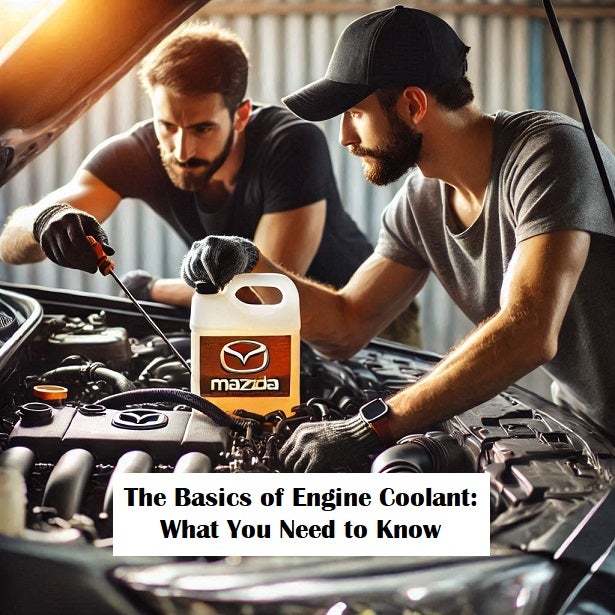
Engine coolant, also known as antifreeze, is a crucial fluid in your vehicle's cooling system. Its primary role is to regulate engine temperature, preventing overheating and ensuring optimal performance. Understanding the basics of engine coolant can help you maintain your vehicle and avoid costly repairs. In this blog, we’ll explore what engine coolant is, its functions, types, maintenance tips, and how to detect issues.
What is Engine Coolant?
Engine coolant is a liquid mixture, typically made of water and antifreeze, designed to absorb and dissipate heat from the engine. It circulates through the engine block, radiator, and heater core, helping to maintain a consistent operating temperature.
Functions of Engine Coolant
Engine coolant serves several essential functions, including:
- Temperature Regulation: Coolant absorbs heat from the engine and carries it to the radiator, where it is dissipated into the air. This process helps maintain an optimal operating temperature, preventing overheating.
- Corrosion Prevention: Most modern coolants contain additives that help protect the engine and cooling system components from rust and corrosion.
- Boiling and Freezing Protection: Engine coolant has a lower freezing point and a higher boiling point than water, which helps prevent the coolant from freezing in cold weather and boiling over in high temperatures.
- Lubrication: Coolant also lubricates the water pump and other components of the cooling system, reducing friction and wear.
Types of Engine Coolant
There are several types of engine coolant available, each with its unique properties:
- Ethylene Glycol: The most common type of coolant, ethylene glycol is used in a wide range of vehicles. It provides excellent freeze protection and corrosion resistance but is toxic, so handling it with care is essential.
- Propylene Glycol: A less toxic alternative to ethylene glycol, propylene glycol is often used in vehicles where human or animal exposure is a concern. While it provides similar freeze protection, it may not be as effective in preventing corrosion.
- Organic Acid Technology (OAT) Coolants: These coolants are formulated with organic acids and provide long-lasting protection. They typically have a longer service life than traditional coolants and are often used in newer vehicles.
- Hybrid Organic Acid Technology (HOAT) Coolants: Combining traditional and organic acid technologies, HOAT coolants offer excellent protection against corrosion and are suitable for a wide range of vehicles.
How to Maintain Engine Coolant
Proper maintenance of engine coolant is essential for optimal performance. Here are some tips:
- Check Coolant Levels Regularly: Periodically inspect the coolant reservoir and the radiator (when cool) to ensure the fluid level is within the recommended range. If it’s low, top it off with the appropriate coolant.
- Flush the Cooling System: Over time, coolant can become contaminated with debris and lose its effectiveness. Flushing the cooling system every 30,000 to 50,000 miles or as recommended by your vehicle manufacturer helps remove old coolant and contaminants.
- Inspect for Leaks: Regularly check hoses, connections, and the radiator for signs of leaks. If you notice coolant on the ground or a decrease in coolant levels, it may indicate a leak that needs to be addressed.
- Monitor Temperature: Pay attention to your vehicle’s temperature gauge. If the engine runs hotter than normal or the check engine light illuminates, it may indicate a coolant issue that requires immediate attention.
Signs of Coolant Issues
Recognizing the signs of coolant problems can help you address issues before they escalate:
- Overheating Engine: If your engine overheats, it may indicate low coolant levels or a malfunctioning cooling system.
- Coolant Leaks: Puddles of green, orange, or pink fluid under your vehicle can indicate a coolant leak. Address leaks promptly to avoid engine damage.
- Discolored or Sludgy Coolant: If the coolant appears discolored or has a sludgy consistency, it may indicate contamination. Flushing the cooling system may be necessary.
- Sweet Smell: A sweet odor inside or around your vehicle can indicate a coolant leak, as antifreeze has a distinct sweet smell.
When to Replace Engine Coolant
The frequency of coolant replacement depends on the type of coolant used and the manufacturer's recommendations. Generally, it’s advisable to replace coolant every 2 to 5 years or every 30,000 to 50,000 miles, depending on the coolant type. Always refer to your owner’s manual for specific guidelines.
Health and Performance
Understanding the basics of engine coolant is vital for maintaining your vehicle's health and performance. Regular inspection, maintenance, and prompt attention to any issues can help you avoid costly repairs and ensure your engine runs smoothly. By keeping an eye on coolant levels, types, and signs of potential problems, you can enjoy a reliable driving experience and extend the life of your vehicle.