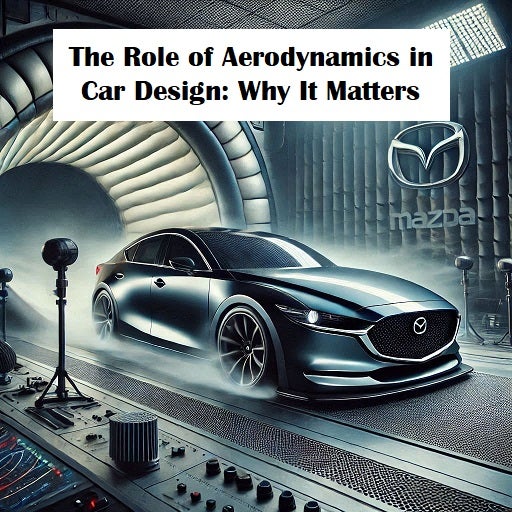
Aerodynamics plays a crucial role in modern car design, influencing everything from performance and fuel efficiency to safety and aesthetics. As automotive technology advances, understanding the principles of aerodynamics and their impact on vehicle design is essential for both engineers and consumers. This blog explores the importance of aerodynamics in car design, the key concepts involved, and how they shape the vehicles we drive today.
Understanding Aerodynamics
What is Aerodynamics?
- Definition: Aerodynamics is the study of how air flows around objects, such as vehicles. In car design, it focuses on reducing drag and optimizing airflow to improve performance and efficiency.
- Principles: The fundamental principles of aerodynamics include lift, drag, and downforce. These factors influence how air interacts with the vehicle's surfaces as it moves.
The Importance of Aerodynamics in Cars
- Performance: Aerodynamics affects a car's speed and handling. A well-designed aerodynamic profile can enhance stability and agility, allowing for better high-speed performance.
- Fuel Efficiency: Reducing drag improves fuel efficiency by decreasing the amount of energy required to overcome air resistance. This results in better mileage and reduced fuel consumption.
- Safety: Aerodynamic design can enhance vehicle stability and control, particularly at high speeds. It also plays a role in managing airflow around the car to improve visibility and reduce wind noise.
Key Aerodynamic Concepts in Car Design
Drag Coefficient (Cd)
- Definition: The drag coefficient is a measure of how aerodynamic a vehicle is. It represents the amount of aerodynamic drag a car experiences as it moves through the air.
- Impact: A lower drag coefficient indicates better aerodynamic efficiency, leading to improved fuel economy and higher top speeds. Modern cars strive for lower drag coefficients to maximize performance and efficiency.
Lift and Downforce
- Lift: Lift is the force that acts upwards against gravity, potentially causing a vehicle to become less stable at high speeds. Minimizing the lift is crucial for maintaining stability and traction.
- Downforce: Downforce is the force that pushes the vehicle downwards, enhancing traction and stability. Aerodynamic features like spoilers and diffusers are designed to increase downforce, improving handling and cornering performance.
Airflow Management
- Flow Separation: Flow separation occurs when the smooth airflow around a vehicle becomes turbulent. This can increase drag and reduce aerodynamic efficiency. Designing vehicles to manage airflow and minimize flow separation is essential for optimal performance.
- Vortex Generation: Engineers use vortex generators to control airflow and reduce drag. These small devices create controlled turbulence, helping to maintain smooth airflow and improve aerodynamic performance.
Aerodynamic Features in Car Design
Front Grilles and Bumpers
- Design: The shape and placement of front grilles and bumpers influence airflow around the car. Properly designed grilles can direct airflow to cool the engine and reduce drag.
- Function: Aerodynamic bumpers help manage airflow and reduce turbulence, contributing to a lower drag coefficient.
Side Skirts and Underbody Panels
- Side Skirts: Side skirts help smooth airflow along the sides of the vehicle, reducing drag and improving stability. They also prevent airflow from getting trapped under the car.
- Underbody Panels: Smooth underbody panels reduce turbulence and drag by ensuring a consistent airflow beneath the vehicle.
Rear Spoilers and Diffusers
- Spoilers: Rear spoilers increase downforce by disrupting airflow and creating aerodynamic pressure. They improve stability and handling, especially at high speeds.
- Diffusers: Rear diffusers manage the airflow exiting the vehicle and create additional downforce. They help reduce drag and improve overall aerodynamic efficiency.
The Evolution of Aerodynamic Design

Early Car Designs
- Historical Perspective: Early cars had rudimentary aerodynamic designs, focusing more on mechanical function than aerodynamic efficiency. As car performance became a priority, aerodynamic considerations started to influence design more significantly.
- Early Innovations: Innovations such as rounded shapes and streamlined bodies began to improve aerodynamic performance, leading to increased speeds and better fuel efficiency.
Modern Advances
- Wind Tunnels and Simulations: Modern car manufacturers use wind tunnels and computer simulations to test and refine aerodynamic designs. These tools allow for precise adjustments and optimization of airflow.
- Materials and Techniques: Advances in materials and manufacturing techniques enable the creation of more complex aerodynamic features. Lightweight materials and advanced composites help reduce drag while maintaining structural integrity.
Future Trends
- Electric Vehicles: As electric vehicles (EVs) become more prevalent, aerodynamic design will play an even greater role in optimizing range and performance. EVs often feature sleek, streamlined designs to maximize efficiency.
- Autonomous Vehicles: The design of autonomous vehicles may incorporate unique aerodynamic features to enhance stability and performance. The integration of sensors and cameras will influence aerodynamic considerations.
The Impact on Consumers
Benefits of Aerodynamic Design
- Improved Fuel Efficiency: Consumers benefit from better fuel economy due to reduced drag and optimized airflow, leading to cost savings on fuel.
- Enhanced Driving Experience: Aerodynamic design contributes to a smoother, quieter driving experience by reducing wind noise and improving vehicle stability.
Choosing Aerodynamic Vehicles
- Considerations: When selecting a vehicle, consider its aerodynamic features and their impact on performance and efficiency. Look for vehicles with low drag coefficients and advanced aerodynamic design elements.
The Power of Aerodynamics
Aerodynamics is a fundamental aspect of modern car design, influencing everything from performance and fuel efficiency to safety and comfort. Understanding the role of aerodynamics helps appreciate the engineering and innovation behind today’s vehicles. As technology continues to advance, aerodynamic design will remain a key factor in shaping the future of automotive engineering, leading to more efficient, stable, and enjoyable driving experiences.