

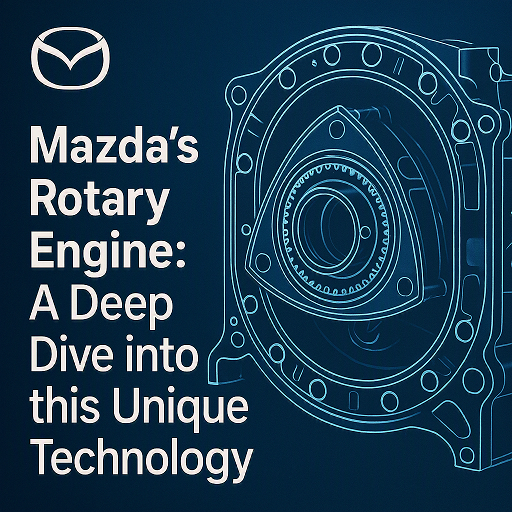
When you think of Mazda performance and innovation, one term likely stands out: rotary engine. Unlike traditional piston engines, the rotary engine—also known as the Wankel engine—has become a symbol of Mazda’s engineering boldness and passion for unique driving experiences.
At Beach Mazda, we believe part of what makes Mazda special is its willingness to think differently. So today, we’re diving deep into what makes the rotary engine so unique, how it works, and why it still holds a legendary status among driving enthusiasts.
🔧 What Is a Rotary Engine?
Instead of using pistons that move up and down, a rotary engine uses a triangular rotor that spins inside an oval-shaped housing. The rotor’s movement completes the four strokes of internal combustion—intake, compression, power, and exhaust—in a continuous motion.
This design offers a lightweight, compact engine that delivers smooth power output and high-revving performance in a much smaller package than traditional engines.
🚘 Mazda and the Rotary Legacy
Mazda didn’t invent the rotary engine, but it perfected it. Starting with the Mazda Cosmo Sport 110S in 1967, Mazda brought the rotary engine to global attention. However, it was the Mazda RX-7 and later the RX-8 that truly defined the brand’s rotary reputation.
These cars became beloved for their lightweight handling, distinctive engine sound, and thrilling driving dynamics.
⚙️ Key Advantages of the Rotary Engine
- Compact and Lightweight: Ideal for achieving balanced weight distribution and nimble handling.
- High Power-to-Weight Ratio: Delivers impressive horsepower for its size.
- Smooth Operation: Fewer moving parts and a unique rotation create a silky engine feel.
- High RPM Capability: Rotary engines love to rev, making them exciting for sports car fans.
🔍 Rotary Engine Challenges
While the rotary engine has many perks, it’s not without its quirks:
- Fuel and Oil Consumption: Rotary engines are less efficient than piston engines, using more fuel and burning oil by design.
- Maintenance Requirements: They require more frequent attention, especially regarding seals and spark plugs.
- Emissions: Regulatory pressure and emissions standards eventually led to the discontinuation of the RX-8 in 2012.
🔋 A Rotary Comeback? The e-Skyactiv R-EV
Mazda hasn’t given up on rotary technology. In fact, it’s returning in a new role: as a range extender for Mazda’s plug-in hybrid vehicles. The Mazda MX-30 e-Skyactiv R-EV reintroduces a compact rotary engine—not for driving the wheels, but for charging the battery when needed.
It’s a clever use of the rotary’s lightweight, compact design, showing that Mazda still values its rotary heritage in the age of electrification.
🔧 Caring for a Rotary Engine (If You Own One)
If you’re lucky enough to drive a rotary-powered Mazda like an RX-7 or RX-8, here are a few maintenance tips:
- Use high-quality oil and check levels often.
- Warm up the engine fully before pushing RPMs.
- Regularly replace spark plugs and ignition components.
- Stay on top of cooling system health to avoid overheating.
- Let the engine idle for a few seconds before shutting off to prevent flooding.
Need help servicing a rotary engine? Our team at Beach Mazda has access to Mazda-certified parts and service experts who understand the care these engines require.
🔧 Rotary Engine, Mazda Spirit
While the rotary engine is rare today, it remains a cornerstone of Mazda’s identity: innovation, driving joy, and fearless engineering. Whether in classic sports cars or cutting-edge EVs, the rotary still spins strong in Mazda’s DNA.
Ready to explore Mazda’s legacy or the latest in electrified performance? Visit Beach Mazda today — where the spirit of rotary innovation lives on in every vehicle we sell and service.
Want to learn more about rotary engine models or future Mazda tech? Just let us know and we’ll be glad to share more insights!
Connect with us


- August 2026
- July 2026
- June 2026
- May 2026
- April 2026
- March 2026
- February 2026
- January 2026
- December 2025
- November 2025
- October 2025
- September 2025
- August 2025
- July 2025
- June 2025
- May 2025
- April 2025
- March 2025
- February 2025
- January 2025
- December 2024
- November 2024
- October 2024
- September 2024
- August 2024
- July 2024
- June 2024
- May 2024
- April 2024
- March 2024
- February 2024
- January 2024
- December 2023
- November 2023
- October 2023
- September 2023
- August 2023
- July 2023
- June 2023
- May 2023
- April 2023
- March 2023
- February 2023
- January 2023
- December 2022
- November 2022
- October 2022
- September 2022
- August 2022
- July 2022
- June 2022
- May 2022
- April 2022
- March 2022
- February 2022
- January 2022
- December 2021
- November 2021
- October 2021
- September 2021
- August 2021
- July 2021
- June 2021
- May 2021
- April 2021
- March 2021
- February 2021
- January 2021
- December 2020
- November 2020
- October 2020
- September 2020
- August 2020
- July 2020
- May 2020
- April 2020
- March 2020
- February 2020
- December 2019
- November 2019
- October 2019
- September 2019
- August 2019
- July 2019
- June 2019
- May 2019
- April 2019
- March 2019
- February 2019
- January 2019
- December 2018
- November 2018
- October 2018
- September 2018
- August 2018
- July 2018
- June 2018
- May 2018
- April 2018
- March 2018
- February 2018
- January 2018
- December 2017
- November 2017
- October 2017
- September 2017
- August 2017
- July 2017
- June 2017
- May 2017
- April 2017
- March 2017
- February 2017
- January 2017
- December 2016
- November 2016
- October 2016
- September 2016
- August 2016
- July 2016
- June 2016
- May 2016
- April 2016
- March 2016
- February 2016
- January 2016
- December 2015
- November 2015
- October 2015
- September 2015
- August 2015
- July 2015
Archives
- 2023 Models
- 2024 Models
- Activities
- Automotive Cleaning
- Awards
- Beach Mazda Service
- Brakes
- Car Buying Process
- Certified Pre-Owned Mazda Vehicles
- Community Events
- Comparisons
- Down-payments
- Drive For Good
- Driver-Centric Design
- Electric & Hybrid Vehicles
- EVs
- Exterior
- Features & Specs
- Financing Your Mazda
- Fuel & Gas
- Fuel System
- Fun Stuff
- History
- Holidays
- i-Activsense Technology
- Important Information
- Infotainment
- Insurance
- Interior
- Kodo Design Language
- Large Vehicles & SUVs
- Local
- Mazda Accessories
- Mazda Connect
- Mazda CX-30
- Mazda CX-5
- Mazda CX-9
- Mazda Model Features
- Mazda Motorsports
- Mazda Parts
- Mazda Safety Technology
- Mazda Service
- Mazda Vehicles
- Mazda3
- Millennials
- Money Saving Tips
- News
- Paint & Body Work
- Pre-Owned
- Racing
- Restaurants & Food
- Safety
- Seasonal
- Service
- Suspension System
- Technology
- Tips
- Tires & Wheels
- Towing
- Transmission
- Travel
- Uncategorized
- Weather