

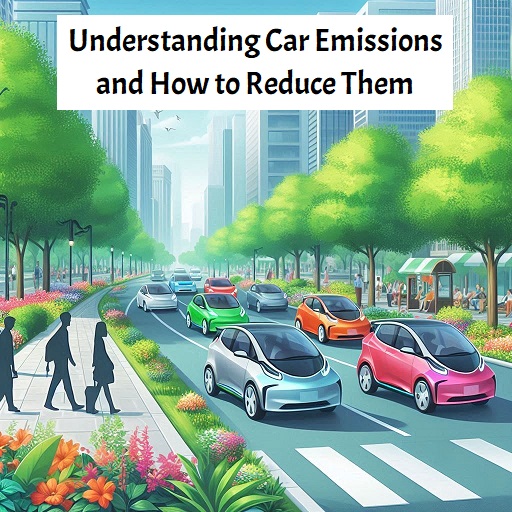
Car emissions are a significant concern in today’s world, contributing to air pollution, climate change, and public health issues. Understanding what car emissions are, their impact, and how to reduce them can help you make informed choices and contribute to a cleaner environment. Here’s a comprehensive guide to understanding car emissions and effective strategies for reducing them.
What Are Car Emissions?
Types of Emissions
- Carbon Dioxide (CO2): CO2 is the primary greenhouse gas emitted from burning fossil fuels. It contributes to global warming and climate change.
- Carbon Monoxide (CO): CO is a colorless, odorless gas that can be harmful in high concentrations. It is produced from incomplete combustion of fuel.
- Nitrogen Oxides (NOx): NOx gases, including nitrogen dioxide (NO2) and nitric oxide (NO), contribute to smog formation and can cause respiratory problems.
- Particulate Matter (PM): PM consists of tiny particles that can penetrate the lungs and cause health issues. Diesel engines, in particular, are known for emitting high levels of PM.
- Volatile Organic Compounds (VOCs): VOCs are organic chemicals that contribute to smog and can have adverse health effects.
Emission Sources
- Exhaust System: The primary source of car emissions is the exhaust system, which releases pollutants from the engine into the atmosphere.
- Fuel Type: Different fuels produce varying levels of emissions. For example, gasoline and diesel have different combustion characteristics and emission profiles.
The Impact of Car Emissions
Environmental Effects
- Climate Change: CO2 and other greenhouse gases trap heat in the atmosphere, contributing to global warming and climate change. This can lead to more extreme weather events and rising sea levels.
- Air Pollution: NOx and VOCs contribute to ground-level ozone formation and smog, which can degrade air quality and harm ecosystems.
Health Impacts
- Respiratory Issues: Exposure to pollutants like NOx and PM can cause or exacerbate respiratory conditions such as asthma, bronchitis, and other lung diseases.
- Cardiovascular Problems: Long-term exposure to air pollution is associated with increased risk of cardiovascular diseases, including heart attacks and strokes.
How to Reduce Car Emissions
Choose a Cleaner Vehicle
- Electric Vehicles (EVs): EVs produce zero tailpipe emissions and are a cleaner alternative to traditional gasoline and diesel vehicles. They help reduce CO2 and other harmful pollutants.
- Hybrid Vehicles: Hybrids combine a conventional engine with an electric motor, improving fuel efficiency and reducing emissions compared to standard combustion engines.
- Low-Emission Models: When choosing a new car, look for models with lower emissions ratings and advanced emission control technologies.
Maintain Your Vehicle

- Regular Maintenance: Follow the manufacturer’s maintenance schedule, including oil changes, filter replacements, and spark plug inspections. Proper maintenance ensures that your vehicle runs efficiently and produces fewer emissions.
- Emission Controls: Ensure that your vehicle’s emission control systems, such as catalytic converters and oxygen sensors, are functioning properly. These systems help reduce the amount of harmful pollutants released from the exhaust.
Improve Fuel Efficiency
- Drive Efficiently: Adopt fuel-efficient driving habits, such as smooth acceleration and braking, maintaining a steady speed, and avoiding excessive idling. These practices can improve fuel efficiency and reduce emissions.
- Proper Tire Maintenance: Keep your tires properly inflated and aligned. Under-inflated tires can increase fuel consumption and emissions.
Use Alternative Fuels
- Biofuels: Biofuels, such as ethanol and biodiesel, are derived from renewable sources and can reduce the overall carbon footprint of your vehicle. Check if your vehicle is compatible with alternative fuels.
- Hydrogen Fuel Cells: Hydrogen fuel cell vehicles emit only water vapor and are a promising alternative to traditional fuels. They offer a clean energy solution for reducing emissions.
Reduce Vehicle Usage
- Carpooling: Share rides with others to reduce the number of vehicles on the road. Carpooling can decrease overall emissions and reduce traffic congestion.
- Public Transportation: Use public transportation, bike, or walk for short trips to minimize your reliance on personal vehicles and lower your carbon footprint.
- Combine Trips: Plan your trips efficiently to reduce the number of short trips and avoid unnecessary driving.
Support Sustainable Practices
Advocate for Policies
- Support Legislation: Advocate for and support policies and regulations aimed at reducing vehicle emissions, such as stricter emission standards and incentives for clean energy vehicles.
- Promote Renewable Energy: Support initiatives that promote the use of renewable energy sources for electricity generation, which can further reduce the environmental impact of electric vehicles.
Educate and Raise Awareness
- Community Engagement: Share information about the environmental and health impacts of car emissions with friends, family, and community members. Encourage others to adopt cleaner and more sustainable practices.
- Participate in Initiatives: Get involved in local and national initiatives focused on reducing vehicle emissions and promoting sustainable transportation solutions.
Future Trends and Innovations
Advancements in Technology
- Improved Emission Controls: Ongoing research and development are focused on improving emission control technologies and reducing the environmental impact of vehicles.
- Autonomous Vehicles: Autonomous vehicles have the potential to optimize driving patterns and reduce fuel consumption, leading to lower emissions.
Emerging Alternatives
- Alternative Powertrains: Innovations in alternative powertrains, such as hydrogen fuel cells and advanced battery technologies, are expected to further reduce emissions and improve environmental sustainability.
Driving Toward a Cleaner Future
Understanding car emissions and taking proactive steps to reduce them are essential for protecting the environment and public health. By choosing cleaner vehicles, maintaining your car, adopting fuel-efficient driving habits, and supporting sustainable practices, you can contribute to a cleaner and healthier planet. Embracing innovation and staying informed about advancements in automotive technology will help drive progress toward a more sustainable future in transportation.
Connect with us


- July 2026
- June 2026
- May 2026
- April 2026
- March 2026
- February 2026
- January 2026
- December 2025
- November 2025
- October 2025
- September 2025
- August 2025
- July 2025
- June 2025
- May 2025
- April 2025
- March 2025
- February 2025
- January 2025
- December 2024
- November 2024
- October 2024
- September 2024
- August 2024
- July 2024
- June 2024
- May 2024
- April 2024
- March 2024
- February 2024
- January 2024
- December 2023
- November 2023
- October 2023
- September 2023
- August 2023
- July 2023
- June 2023
- May 2023
- April 2023
- March 2023
- February 2023
- January 2023
- December 2022
- November 2022
- October 2022
- September 2022
- August 2022
- July 2022
- June 2022
- May 2022
- April 2022
- March 2022
- February 2022
- January 2022
- December 2021
- November 2021
- October 2021
- September 2021
- August 2021
- July 2021
- June 2021
- May 2021
- April 2021
- March 2021
- February 2021
- January 2021
- December 2020
- November 2020
- October 2020
- September 2020
- August 2020
- July 2020
- May 2020
- April 2020
- March 2020
- February 2020
- December 2019
- November 2019
- October 2019
- September 2019
- August 2019
- July 2019
- June 2019
- May 2019
- April 2019
- March 2019
- February 2019
- January 2019
- December 2018
- November 2018
- October 2018
- September 2018
- August 2018
- July 2018
- June 2018
- May 2018
- April 2018
- March 2018
- February 2018
- January 2018
- December 2017
- November 2017
- October 2017
- September 2017
- August 2017
- July 2017
- June 2017
- May 2017
- April 2017
- March 2017
- February 2017
- January 2017
- December 2016
- November 2016
- October 2016
- September 2016
- August 2016
- July 2016
- June 2016
- May 2016
- April 2016
- March 2016
- February 2016
- January 2016
- December 2015
- November 2015
- October 2015
- September 2015
- August 2015
- July 2015
Archives
- 2023 Models
- 2024 Models
- Activities
- Automotive Cleaning
- Awards
- Beach Mazda Service
- Brakes
- Car Buying Process
- Certified Pre-Owned Mazda Vehicles
- Community Events
- Comparisons
- Down-payments
- Drive For Good
- Driver-Centric Design
- Electric & Hybrid Vehicles
- EVs
- Exterior
- Features & Specs
- Financing Your Mazda
- Fuel & Gas
- Fuel System
- Fun Stuff
- History
- Holidays
- Important Information
- Infotainment
- Insurance
- Interior
- Kodo Design Language
- Large Vehicles & SUVs
- Local
- Mazda Accessories
- Mazda Connect
- Mazda CX-30
- Mazda CX-5
- Mazda CX-9
- Mazda Model Features
- Mazda Motorsports
- Mazda Parts
- Mazda Safety Technology
- Mazda Service
- Mazda Vehicles
- Mazda3
- Millennials
- Money Saving Tips
- News
- Paint & Body Work
- Pre-Owned
- Racing
- Restaurants & Food
- Safety
- Seasonal
- Service
- Suspension System
- Technology
- Tips
- Tires & Wheels
- Towing
- Transmission
- Travel
- Uncategorized
- Weather