When buying a car, color might not seem like a major factor in your decision-making process. However, the color of your vehicle can significantly influence its resale value. While practical considerations like condition, mileage, and model are crucial, the color of your car can also affect how easily it sells and at what price. Here’s a look at how car color impacts resale value and what you should consider when choosing a color for your vehicle.
Popular Car Colors and Resale Value
Neutral Colors
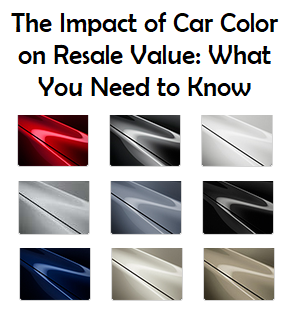
- White: White is one of the most popular and timeless car colors. It’s associated with cleanliness, simplicity, and high resale value. White cars tend to have a broad appeal and are often easier to sell.
- Black: Black is another classic color that generally holds its value well. It’s often associated with luxury and sophistication, making it a preferred choice for many buyers.
- Silver and Gray: These colors are also popular and tend to retain their value. They are versatile and less likely to show dirt and scratches, which can contribute to a higher resale value.
Less Common Colors
- Red and Blue: While vibrant colors like red and blue can be eye-catching, they may not have as broad an appeal as neutral colors. The impact on resale value can vary based on trends and buyer preferences.
- Green and Purple: These less common colors can be polarizing and might appeal to a smaller market segment. While they may stand out, they can sometimes lead to a lower resale value compared to more popular colors.
Trends and Market Preferences
Changing Preferences
- Trends: Car color trends can shift over time. What’s popular today may not be as desirable in a few years. For example, bold colors or unique finishes that are trendy now might not have the same appeal in the future.
- Regional Preferences: Preferences for car colors can vary by region. In some areas, certain colors might be more popular or have a higher resale value based on local tastes and climate.
Resale Market Dynamics
- Demand and Supply: The resale value of a car can be influenced by the supply and demand for specific colors. If a particular color is in high demand, it can positively impact resale value, whereas less popular colors may lead to lower offers.
- Seasonal Factors: Car colors that are more suited to specific seasons or weather conditions might experience fluctuations in resale value based on the time of year and current market trends.
The Psychological Impact of Color
Buyer Perception
- First Impressions: Car color can affect first impressions. Buyers often associate certain colors with specific attributes, such as safety, luxury, or sportiness. This perception can influence their willingness to pay more or negotiate on price.
- Emotional Appeal: Colors that evoke positive emotions or align with personal preferences can make a vehicle more attractive to potential buyers. This emotional connection can impact how much buyers are willing to pay.
Brand and Model Association
- Luxury and Performance: Certain colors are often associated with luxury and performance brands. For example, a high-end sports car in a bold color may appeal to enthusiasts and command a higher resale value.
- Brand Identity: Some brands have specific colors that are part of their identity. Choosing a color that aligns with the brand’s image can positively influence resale value.
Practical Considerations
Maintenance and Care
- Visibility and Wear: Colors like white, silver, and gray tend to hide dirt and minor scratches better than darker or more vibrant colors. This can keep the vehicle looking newer for longer and potentially help maintain its resale value.
- Repair Costs: Some colors are more challenging and expensive to match for repairs. Custom or unique colors may require specialized touch-up work, which can impact the vehicle’s overall condition and resale value.
Longevity and Appeal
- Timelessness: Classic colors that have remained popular over time generally offer better resale value. They tend to appeal to a broader audience and remain in demand, making them a safer choice for long-term value.
- Fashion and Trends: While trendy colors might be appealing now, they can become outdated or less desirable as trends change. Consider choosing a color that has a more timeless appeal to ensure better resale value.
Making an Informed Decision

Research and Analysis
- Market Research: Conduct research on current car color trends and their impact on resale value. Look at data and statistics to understand how different colors perform in the resale market.
- Consultation: Speak with automotive experts, dealerships, or resale professionals to get insights on how color choices can affect resale value.
Personal Preferences vs. Resale Value
- Balance: While it’s important to consider resale value, choosing a color that you love and that suits your style is also crucial. Finding a balance between personal preference and resale potential will ensure you enjoy your vehicle while maximizing its value when it’s time to sell.
The Color Choice That Works for You
Choosing the right car color involves more than just aesthetic preferences. It’s about understanding how color influences resale value, buyer perceptions, and market trends. By considering popular and timeless colors, staying informed about market dynamics, and balancing your personal preferences with practical considerations, you can make a more informed decision that benefits both your enjoyment of the vehicle and its future resale value.