

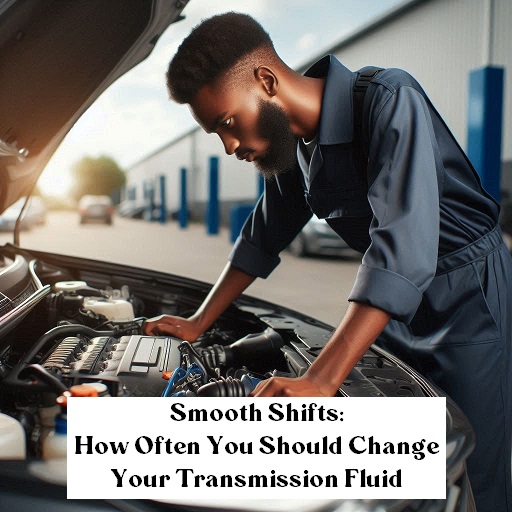
Your vehicle’s transmission is a critical component that ensures the smooth operation of gears, allowing for efficient power transfer from the engine to the wheels. One key factor in maintaining a healthy transmission is regular fluid changes. In this blog post, we’ll explore the importance of transmission fluid, signs that it may need changing, and the recommended frequency for this crucial maintenance task.
The Role of Transmission Fluid
Transmission fluid serves multiple essential functions in your vehicle’s transmission system:
- Lubrication: Transmission fluid lubricates the various moving parts within the transmission, reducing friction and preventing wear and tear.
- Cooling: It helps dissipate heat generated during the operation of the transmission, preventing overheating and potential damage.
- Seal Conditioning: Transmission fluid conditions and maintains the integrity of seals, preventing leaks and ensuring a tight seal on various components.
Signs Your Transmission Fluid Needs Changing
While there is a recommended schedule for changing transmission fluid, it’s crucial to pay attention to your vehicle’s specific needs. Signs that your transmission fluid may need changing include:
- Discolored Fluid: Transmission fluid is typically a bright red color. If it appears brown or has a burnt smell, it may be time for a change.
- Slipping Gears: If you experience a delay or slipping sensation when shifting gears, it could indicate insufficient or degraded transmission fluid.
- Unusual Noises: Whining or clunking noises during gear shifts may be a sign of inadequate lubrication, often due to deteriorating transmission fluid.
- Overheating: An overheating transmission can lead to fluid breakdown. If you notice your transmission temperature rising, it’s crucial to address the issue promptly.
Recommended Frequency for Transmission Fluid Changes
The recommended frequency for changing transmission fluid can vary depending on the make and model of your vehicle. However, a general guideline is to change the transmission fluid every 30,000 to 60,000 miles (48,000 to 96,000 kilometers).
- Normal Driving Conditions: For vehicles that undergo regular, everyday driving without extreme conditions, the 30,000 to 60,000-mile range is a suitable guideline.
- Severe Driving Conditions: If you often engage in severe driving conditions, such as towing heavy loads, driving in stop-and-go traffic, or frequent short trips, consider changing the transmission fluid more frequently—closer to the 30,000-mile mark.
DIY or Professional Service
Changing transmission fluid can be a DIY task for some, but it may require specialized tools and expertise. If you’re comfortable performing automotive maintenance tasks and your vehicle’s design allows for easy access to the transmission fluid, you might consider tackling this job yourself. However, if you’re unsure or prefer professional assistance, a certified mechanic or service center can ensure the task is done correctly.
Vital Maintenance
Regular transmission fluid changes are vital for maintaining the health and longevity of your vehicle’s transmission system. By adhering to the recommended frequency and staying vigilant for signs of fluid degradation, you can enjoy smoother shifts, prevent costly repairs, and extend the life of your transmission. Whether you choose to perform the task yourself or seek professional help, prioritizing transmission fluid changes is a key aspect of responsible vehicle ownership.
Connect with us


- July 2026
- June 2026
- May 2026
- April 2026
- March 2026
- February 2026
- January 2026
- December 2025
- November 2025
- October 2025
- September 2025
- August 2025
- July 2025
- June 2025
- May 2025
- April 2025
- March 2025
- February 2025
- January 2025
- December 2024
- November 2024
- October 2024
- September 2024
- August 2024
- July 2024
- June 2024
- May 2024
- April 2024
- March 2024
- February 2024
- January 2024
- December 2023
- November 2023
- October 2023
- September 2023
- August 2023
- July 2023
- June 2023
- May 2023
- April 2023
- March 2023
- February 2023
- January 2023
- December 2022
- November 2022
- October 2022
- September 2022
- August 2022
- July 2022
- June 2022
- May 2022
- April 2022
- March 2022
- February 2022
- January 2022
- December 2021
- November 2021
- October 2021
- September 2021
- August 2021
- July 2021
- June 2021
- May 2021
- April 2021
- March 2021
- February 2021
- January 2021
- December 2020
- November 2020
- October 2020
- September 2020
- August 2020
- July 2020
- May 2020
- April 2020
- March 2020
- February 2020
- December 2019
- November 2019
- October 2019
- September 2019
- August 2019
- July 2019
- June 2019
- May 2019
- April 2019
- March 2019
- February 2019
- January 2019
- December 2018
- November 2018
- October 2018
- September 2018
- August 2018
- July 2018
- June 2018
- May 2018
- April 2018
- March 2018
- February 2018
- January 2018
- December 2017
- November 2017
- October 2017
- September 2017
- August 2017
- July 2017
- June 2017
- May 2017
- April 2017
- March 2017
- February 2017
- January 2017
- December 2016
- November 2016
- October 2016
- September 2016
- August 2016
- July 2016
- June 2016
- May 2016
- April 2016
- March 2016
- February 2016
- January 2016
- December 2015
- November 2015
- October 2015
- September 2015
- August 2015
- July 2015
Archives
- 2023 Models
- 2024 Models
- Activities
- Automotive Cleaning
- Awards
- Beach Mazda Service
- Brakes
- Car Buying Process
- Certified Pre-Owned Mazda Vehicles
- Community Events
- Comparisons
- Down-payments
- Drive For Good
- Driver-Centric Design
- Electric & Hybrid Vehicles
- EVs
- Exterior
- Features & Specs
- Financing Your Mazda
- Fuel & Gas
- Fuel System
- Fun Stuff
- History
- Holidays
- Important Information
- Infotainment
- Insurance
- Interior
- Kodo Design Language
- Large Vehicles & SUVs
- Local
- Mazda Accessories
- Mazda Connect
- Mazda CX-30
- Mazda CX-5
- Mazda CX-9
- Mazda Model Features
- Mazda Motorsports
- Mazda Parts
- Mazda Safety Technology
- Mazda Service
- Mazda Vehicles
- Mazda3
- Millennials
- Money Saving Tips
- News
- Paint & Body Work
- Pre-Owned
- Racing
- Restaurants & Food
- Safety
- Seasonal
- Service
- Suspension System
- Technology
- Tips
- Tires & Wheels
- Towing
- Transmission
- Travel
- Uncategorized
- Weather