

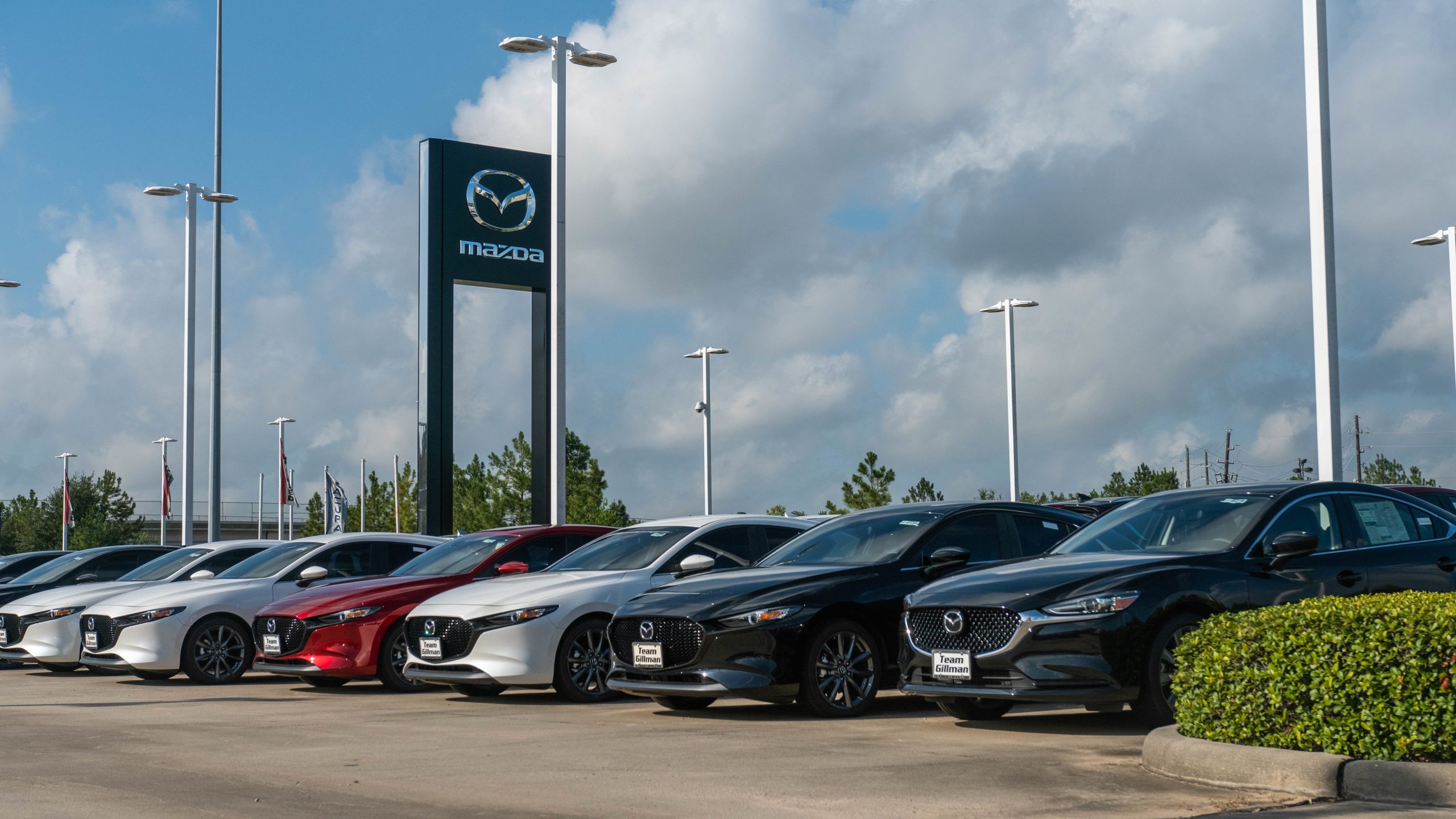
Deciding whether to lease or buy your next car is a big decision, and each option has its pros and cons. Your choice will ultimately depend on your lifestyle, budget, and long-term goals. Leasing offers the allure of driving a new car with manageable monthly payments, while buying provides the freedom of ownership and the potential for long-term value. This blog dives into how leasing works and compares the advantages and disadvantages of each option to help you make an informed decision.
How Does a Car Lease Work?
Leasing a car is essentially like renting it for an extended period, typically for a set number of years. Here’s what you need to know about how leasing works:
- Monthly Payments: When you lease a car, you pay a fixed monthly fee to drive the vehicle during the agreed lease term.
- Returning the Car: At the end of the lease, you generally return the car unless you choose to buy it outright (if this option is available).
- Mileage Restrictions: Leased cars often come with annual mileage limits, typically between 10,000 and 15,000 miles. Exceeding this limit could result in extra fees.
Understanding how leasing works is key to deciding whether it aligns with your driving habits and financial situation. Now let’s take a look at the pros and cons of leasing.
Pros of Leasing a Car
Leasing can be an excellent choice for many drivers, especially those who love the idea of switching to a newer model every few years. Here are some key advantages:
- Predictable Costs: Leases usually come with predictable monthly payments and often include repair costs under warranty, so there are fewer surprises.
- Shorter Terms: Lease terms are generally shorter than car loan terms, typically lasting three years or 36 months. This means you’ll have the flexibility to upgrade when the lease ends.
- Access to New Features: With leasing, you can always drive a car with the latest technology, advanced safety features, and improved fuel efficiency.
- Frequent Upgrades: Leases allow you to upgrade your car more often than if you owned one, giving you access to different vehicles every few years.
- Lower Down Payment: Leasing often requires a lower initial payment compared to buying a car.
- Option to Buy: At the end of the lease term, some agreements allow you to purchase the car if you’ve developed a connection to it.
These benefits make leasing a car an attractive option for individuals who prioritize flexibility, convenience, and consistently driving new cars.
Cons of Leasing a Car
On the flip side, there are some limitations that come with leasing. These should be considered carefully before making a decision:
- Mileage Restrictions: Leases have mileage limits, and exceeding them could result in costly penalties.
- No Equity: Since you don’t own the car, you won’t build equity in it. At the end of the lease, the car must be returned, leaving you with nothing to show for your payments.
- Wear and Tear Fees: If the car shows excessive wear and tear when you return it, you might incur additional charges.
- Early Termination Fees: If you need to break the lease agreement early, you could face substantial fees.
- Condition Requirements: Because leased vehicles must be returned, you’re obligated to keep them in good condition.
Leasing is often ideal for drivers with predictable habits and those who don’t mind adhering to specific contract terms. However, these drawbacks may make it less appealing to others.
Pros of Buying a Car
Buying a car offers a completely different set of advantages, especially if ownership appeals to you:
- Ownership: Once you’ve paid off the loan (if applicable), the car is entirely yours to keep, customize, and sell whenever you like.
- Extended Warranties: New cars usually come with warranties that last for at least 36 months or 60,000 miles.
- Lower Interest Rates: Financing a new vehicle typically comes with lower interest rates compared to purchasing a used car, which can save you money over time.
- Latest Features: Just like leasing, buying a new car gives you access to state-of-the-art technology, improved safety features, and better fuel efficiency.
For people who value long-term cost savings and ownership, buying a car can be a highly rewarding investment.
Cons of Buying a Car
While car ownership has its benefits, there are also some downsides you should be aware of:
- Higher Costs: A new car can be expensive upfront, often requiring a high down payment and higher monthly loan payments.
- Rapid Depreciation: New cars depreciate quickly, losing approximately 20% of their value within the first year and around 50% within five years.
- Maintenance Costs: Once the warranty expires, you’ll be responsible for all repair and maintenance costs, which can add up over time.
- Insurance Rates: Insurance for new cars can be higher, further increasing the overall cost of ownership.
Buying a car is a long-term commitment that demands careful budgeting. If money is tight or you prefer frequent upgrades, leasing may be a better fit.
Finding the Right Fit for You
Ultimately, the decision to lease or buy a car comes down to your priorities. If you like the idea of lower monthly payments, driving something new every few years, and limited commitment, leasing could be the perfect option. On the other hand, if you prefer the freedom of ownership and are thinking about long-term value, buying might be a wiser choice.
At Beach Mazda in Myrtle Beach, South Carolina, we offer a wide selection of new and pre-owned vehicles, along with flexible leasing options to suit your needs. Whether you’re ready to lease your next car or looking to buy, our friendly team is here to guide you every step of the way. Visit us today or schedule a test drive and take the first step towards finding your perfect ride.
Connect with us


- July 2026
- June 2026
- May 2026
- April 2026
- March 2026
- February 2026
- January 2026
- December 2025
- November 2025
- October 2025
- September 2025
- August 2025
- July 2025
- June 2025
- May 2025
- April 2025
- March 2025
- February 2025
- January 2025
- December 2024
- November 2024
- October 2024
- September 2024
- August 2024
- July 2024
- June 2024
- May 2024
- April 2024
- March 2024
- February 2024
- January 2024
- December 2023
- November 2023
- October 2023
- September 2023
- August 2023
- July 2023
- June 2023
- May 2023
- April 2023
- March 2023
- February 2023
- January 2023
- December 2022
- November 2022
- October 2022
- September 2022
- August 2022
- July 2022
- June 2022
- May 2022
- April 2022
- March 2022
- February 2022
- January 2022
- December 2021
- November 2021
- October 2021
- September 2021
- August 2021
- July 2021
- June 2021
- May 2021
- April 2021
- March 2021
- February 2021
- January 2021
- December 2020
- November 2020
- October 2020
- September 2020
- August 2020
- July 2020
- May 2020
- April 2020
- March 2020
- February 2020
- December 2019
- November 2019
- October 2019
- September 2019
- August 2019
- July 2019
- June 2019
- May 2019
- April 2019
- March 2019
- February 2019
- January 2019
- December 2018
- November 2018
- October 2018
- September 2018
- August 2018
- July 2018
- June 2018
- May 2018
- April 2018
- March 2018
- February 2018
- January 2018
- December 2017
- November 2017
- October 2017
- September 2017
- August 2017
- July 2017
- June 2017
- May 2017
- April 2017
- March 2017
- February 2017
- January 2017
- December 2016
- November 2016
- October 2016
- September 2016
- August 2016
- July 2016
- June 2016
- May 2016
- April 2016
- March 2016
- February 2016
- January 2016
- December 2015
- November 2015
- October 2015
- September 2015
- August 2015
- July 2015
Archives
- 2023 Models
- 2024 Models
- Activities
- Automotive Cleaning
- Awards
- Beach Mazda Service
- Brakes
- Car Buying Process
- Certified Pre-Owned Mazda Vehicles
- Community Events
- Comparisons
- Down-payments
- Drive For Good
- Driver-Centric Design
- Electric & Hybrid Vehicles
- EVs
- Exterior
- Features & Specs
- Financing Your Mazda
- Fuel & Gas
- Fuel System
- Fun Stuff
- History
- Holidays
- Important Information
- Infotainment
- Insurance
- Interior
- Kodo Design Language
- Large Vehicles & SUVs
- Local
- Mazda Accessories
- Mazda Connect
- Mazda CX-30
- Mazda CX-5
- Mazda CX-9
- Mazda Model Features
- Mazda Motorsports
- Mazda Parts
- Mazda Safety Technology
- Mazda Service
- Mazda Vehicles
- Mazda3
- Millennials
- Money Saving Tips
- News
- Paint & Body Work
- Pre-Owned
- Racing
- Restaurants & Food
- Safety
- Seasonal
- Service
- Suspension System
- Technology
- Tips
- Tires & Wheels
- Towing
- Transmission
- Travel
- Uncategorized
- Weather