


New 2024 Mazda CX-90 3.3 Turbo Preferred AWD
When it comes to family transportation, safety is paramount. Selecting a car that prioritizes the well-being of your loved ones is a crucial decision. From advanced safety features to crash-test ratings, there are several factors to consider when choosing a family-friendly and safe car. In this blog, we’ll guide you through the key considerations to ensure you make an informed decision that prioritizes the safety of your family.
Crash Test Ratings
Why It’s Important: Organizations like the National Highway Traffic Safety Administration (NHTSA) and the Insurance Institute for Highway Safety (IIHS) conduct crash tests on vehicles, providing valuable insights into their safety performance.
Tip: Research and compare crash test ratings for the specific make and model you are considering. Look for vehicles with high scores in frontal, side, and rollover crash tests.
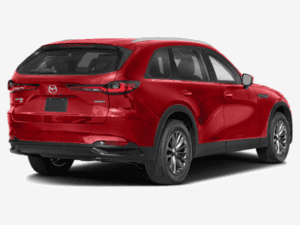
New 2024 Mazda CX-90 3.3 Turbo Preferred AWD
Safety Features
Why It’s Important: Modern cars come equipped with a variety of safety features designed to prevent accidents and protect occupants in the event of a collision.
Tip: Prioritize vehicles with advanced safety features such as antilock brakes, airbags, electronic stability control, adaptive cruise control, lane-keeping assistance, and automatic emergency braking.
Size and Weight
Why It’s Important: Larger, heavier vehicles often perform better in crashes than smaller ones. Consider the size of the vehicle relative to your family’s needs and ensure it provides adequate protection in various scenarios.
Tip: Opt for midsize or larger vehicles, such as SUVs or minivans, which tend to offer better protection in accidents.
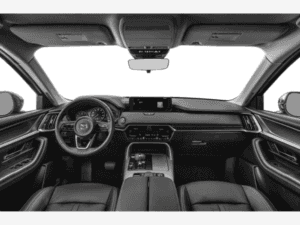 Child Safety Features
Why It’s Important: Families with young children should prioritize vehicles with proper child safety features, including LATCH (Lower Anchors and Tethers for Children) systems and rearview cameras to aid in parking and visibility.
Tip: Ensure the vehicle has sufficient space for child safety seats and strollers and check the ease of access to the rear seats.
Visibility and Blind Spot Monitoring
Why It’s Important: Good visibility is essential for safe driving. Cars with blind spot monitoring systems can help drivers be aware of vehicles in adjacent lanes, reducing the risk of accidents during lane changes.
Tip: Test the visibility from the driver’s seat and look for vehicles with blind spot monitoring features.
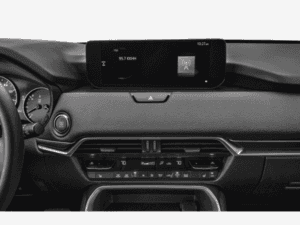 All-Wheel Drive (AWD) or Four-Wheel Drive (4WD)
Why It’s Important: AWD or 4WD can enhance a vehicle’s stability and traction, especially in adverse weather conditions. This feature contributes to better control and handling.
Tip: If you live in an area with challenging weather conditions, consider AWD or 4WD for improved safety.
Reliability and Maintenance
Why It’s Important: A reliable vehicle ensures that safety features and systems are consistently operational. Regular maintenance is crucial for keeping the car in top condition.
Tip: Research the reliability ratings of the specific make and model you are interested in, and consider the availability of maintenance services in your area.
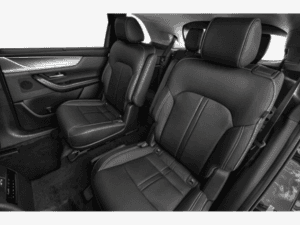 Advanced Driver Assistance Systems (ADAS)
Why It’s Important: ADAS, including features like adaptive cruise control, lane departure warning, and automatic emergency braking, can enhance driver awareness and actively contribute to accident prevention.
Tip: Look for vehicles with comprehensive ADAS features, and understand how these systems function.
Vehicle History Reports
Why It’s Important: Obtain a vehicle history report to check for any accidents, title issues, or odometer discrepancies. This can provide insights into the car’s past and potential safety concerns.
Tip: Use reputable services to obtain a comprehensive vehicle history report before finalizing a purchase.
 Ease of Use
Why It’s Important: An easy-to-use vehicle ensures that drivers can focus on the road without distraction. Intuitive controls and user-friendly features contribute to a safer driving experience.
Tip: During test drives, assess the ease of use for controls, infotainment systems, and other essential features.
Various Factors
Choosing a family-friendly and safe car involves a thoughtful consideration of various factors, from crash test ratings to advanced safety features. By prioritizing safety in your decision-making process and conducting thorough research, you can select a vehicle that provides peace of mind and safeguards your loved ones on every journey. Remember, safety is an investment that pays invaluable dividends for the well-being of your family.
Connect with us


- July 2026
- June 2026
- May 2026
- April 2026
- March 2026
- February 2026
- January 2026
- December 2025
- November 2025
- October 2025
- September 2025
- August 2025
- July 2025
- June 2025
- May 2025
- April 2025
- March 2025
- February 2025
- January 2025
- December 2024
- November 2024
- October 2024
- September 2024
- August 2024
- July 2024
- June 2024
- May 2024
- April 2024
- March 2024
- February 2024
- January 2024
- December 2023
- November 2023
- October 2023
- September 2023
- August 2023
- July 2023
- June 2023
- May 2023
- April 2023
- March 2023
- February 2023
- January 2023
- December 2022
- November 2022
- October 2022
- September 2022
- August 2022
- July 2022
- June 2022
- May 2022
- April 2022
- March 2022
- February 2022
- January 2022
- December 2021
- November 2021
- October 2021
- September 2021
- August 2021
- July 2021
- June 2021
- May 2021
- April 2021
- March 2021
- February 2021
- January 2021
- December 2020
- November 2020
- October 2020
- September 2020
- August 2020
- July 2020
- May 2020
- April 2020
- March 2020
- February 2020
- December 2019
- November 2019
- October 2019
- September 2019
- August 2019
- July 2019
- June 2019
- May 2019
- April 2019
- March 2019
- February 2019
- January 2019
- December 2018
- November 2018
- October 2018
- September 2018
- August 2018
- July 2018
- June 2018
- May 2018
- April 2018
- March 2018
- February 2018
- January 2018
- December 2017
- November 2017
- October 2017
- September 2017
- August 2017
- July 2017
- June 2017
- May 2017
- April 2017
- March 2017
- February 2017
- January 2017
- December 2016
- November 2016
- October 2016
- September 2016
- August 2016
- July 2016
- June 2016
- May 2016
- April 2016
- March 2016
- February 2016
- January 2016
- December 2015
- November 2015
- October 2015
- September 2015
- August 2015
- July 2015
Archives
- 2023 Models
- 2024 Models
- Activities
- Automotive Cleaning
- Awards
- Beach Mazda Service
- Brakes
- Car Buying Process
- Certified Pre-Owned Mazda Vehicles
- Community Events
- Comparisons
- Down-payments
- Drive For Good
- Driver-Centric Design
- Electric & Hybrid Vehicles
- EVs
- Exterior
- Features & Specs
- Financing Your Mazda
- Fuel & Gas
- Fuel System
- Fun Stuff
- History
- Holidays
- Important Information
- Infotainment
- Insurance
- Interior
- Kodo Design Language
- Large Vehicles & SUVs
- Local
- Mazda Accessories
- Mazda Connect
- Mazda CX-30
- Mazda CX-5
- Mazda CX-9
- Mazda Model Features
- Mazda Motorsports
- Mazda Parts
- Mazda Safety Technology
- Mazda Service
- Mazda Vehicles
- Mazda3
- Millennials
- Money Saving Tips
- News
- Paint & Body Work
- Pre-Owned
- Racing
- Restaurants & Food
- Safety
- Seasonal
- Service
- Suspension System
- Technology
- Tips
- Tires & Wheels
- Towing
- Transmission
- Travel
- Uncategorized
- Weather