

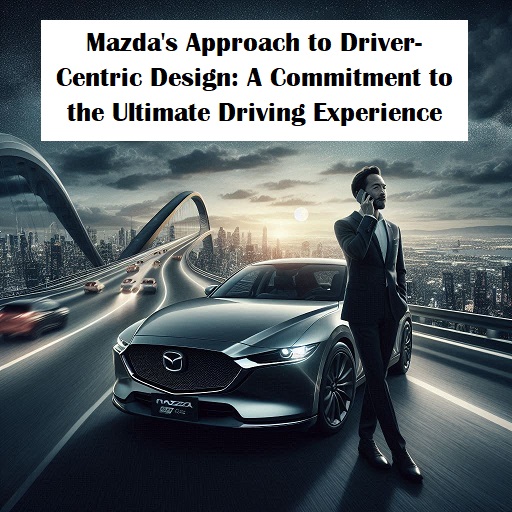
In the competitive world of automotive manufacturing, companies continually strive to innovate and improve their vehicles. One brand that stands out for its unique approach is Mazda, known for its commitment to driver-centric design. This philosophy shapes every aspect of Mazda vehicles, from their aesthetics and ergonomics to their performance and technology. In this blog, we’ll explore Mazda’s driver-centric design approach, its underlying principles, and how it enhances the driving experience.
Understanding Driver-Centric Design
Driver-centric design focuses on creating vehicles that prioritize the needs, preferences, and comfort of the driver. Mazda believes that a well-designed vehicle should provide an intuitive and engaging experience, allowing drivers to connect with their cars and the road. This philosophy is rooted in the belief that driving should be enjoyable, and every design element should contribute to a more immersive and rewarding experience.
Key Principles of Mazda’s Driver-Centric Design
Mazda’s approach to driver-centric design revolves around several core principles:
- Ergonomics: The design of Mazda vehicles emphasizes comfort and accessibility. Controls, displays, and seating are carefully positioned to minimize strain and ensure that drivers can operate their vehicles with ease. Features like adjustable seats and steering wheels allow for a customized fit, enhancing overall comfort during drives.
- Intuitive Technology: Mazda integrates advanced technology into its vehicles without overwhelming the driver. The Mazda Connect infotainment system, for instance, is designed to be user-friendly, with clear menus and simple controls. This allows drivers to access navigation, music, and communication features without distraction.
- Enhanced Visibility: Mazda vehicles are designed with driver visibility in mind. The placement of windows, mirrors, and other elements provides a clear view of the road and surroundings, improving safety and confidence while driving.
- Connection with the Road: Mazda emphasizes a strong connection between the driver and the vehicle. The Kodo Design philosophy aims to create vehicles that evoke emotion and a sense of unity. The chassis and suspension systems are engineered to provide responsive handling and feedback, allowing drivers to feel in control and engaged during every drive.
The Role of Kodo Design Language
Mazda’s Kodo Design language, which translates to “Soul of Motion,” plays a significant role in driver-centric design. This design philosophy aims to capture the dynamic essence of motion in every vehicle, reflecting elegance and sportiness. By creating visually appealing vehicles that also enhance aerodynamics, Mazda ensures that form and function work together harmoniously.
Kodo Design not only enhances aesthetics but also contributes to the overall driving experience. The sleek lines and contours of Mazda vehicles create a sense of agility and responsiveness, inviting drivers to experience the thrill of driving.
Focus on Performance and Handling
At the heart of Mazda’s driver-centric design is a commitment to performance and handling. The company’s Skyactiv Technology encompasses a range of engineering innovations aimed at improving fuel efficiency, reducing emissions, and enhancing driving dynamics. Key elements include:
- Skyactiv-G Engines: These engines provide a perfect balance of power and efficiency, allowing for spirited driving while maintaining fuel economy.
- Skyactiv-Body and Chassis: Lightweight yet rigid structures enhance safety and handling performance. The chassis is engineered for optimal weight distribution, resulting in agile and responsive handling.
- i-Activ All-Wheel Drive: This advanced all-wheel-drive system enhances traction and stability, ensuring confidence in various driving conditions.
The Driver’s Experience in Mind

Mazda’s dedication to driver-centric design extends to the overall driving experience. From the moment you step inside a Mazda vehicle, you are enveloped in an environment that prioritizes comfort, functionality, and enjoyment. Here are some aspects that enhance the driver’s experience:
- Quality Materials: Mazda uses high-quality materials in the interior design, creating a sophisticated and inviting atmosphere. Soft-touch surfaces, comfortable seating, and thoughtful details enhance the overall ambiance.
- Quiet Cabin: Attention to sound insulation ensures a quiet cabin environment, allowing drivers to enjoy music or conversation without distractions from road noise.
- Customization Options: Mazda offers various trims and packages, allowing drivers to choose features that align with their preferences and lifestyle.
Emotional and Practical
Mazda’s approach to driver-centric design is a testament to its commitment to creating vehicles that enhance the driving experience. By focusing on ergonomics, intuitive technology, performance, and aesthetics, Mazda delivers vehicles that resonate with drivers on both emotional and practical levels. The result is a harmonious blend of style and functionality that allows drivers to feel connected to their cars and the road.
As Mazda continues to innovate and evolve, its driver-centric philosophy remains at the forefront, ensuring that each new model offers an exceptional driving experience that captures the essence of what it means to be behind the wheel. Whether you’re commuting through city streets or enjoying a scenic drive, Mazda’s dedication to driver-centric design ensures that every journey is one to remember.
Connect with us


- July 2026
- June 2026
- May 2026
- April 2026
- March 2026
- February 2026
- January 2026
- December 2025
- November 2025
- October 2025
- September 2025
- August 2025
- July 2025
- June 2025
- May 2025
- April 2025
- March 2025
- February 2025
- January 2025
- December 2024
- November 2024
- October 2024
- September 2024
- August 2024
- July 2024
- June 2024
- May 2024
- April 2024
- March 2024
- February 2024
- January 2024
- December 2023
- November 2023
- October 2023
- September 2023
- August 2023
- July 2023
- June 2023
- May 2023
- April 2023
- March 2023
- February 2023
- January 2023
- December 2022
- November 2022
- October 2022
- September 2022
- August 2022
- July 2022
- June 2022
- May 2022
- April 2022
- March 2022
- February 2022
- January 2022
- December 2021
- November 2021
- October 2021
- September 2021
- August 2021
- July 2021
- June 2021
- May 2021
- April 2021
- March 2021
- February 2021
- January 2021
- December 2020
- November 2020
- October 2020
- September 2020
- August 2020
- July 2020
- May 2020
- April 2020
- March 2020
- February 2020
- December 2019
- November 2019
- October 2019
- September 2019
- August 2019
- July 2019
- June 2019
- May 2019
- April 2019
- March 2019
- February 2019
- January 2019
- December 2018
- November 2018
- October 2018
- September 2018
- August 2018
- July 2018
- June 2018
- May 2018
- April 2018
- March 2018
- February 2018
- January 2018
- December 2017
- November 2017
- October 2017
- September 2017
- August 2017
- July 2017
- June 2017
- May 2017
- April 2017
- March 2017
- February 2017
- January 2017
- December 2016
- November 2016
- October 2016
- September 2016
- August 2016
- July 2016
- June 2016
- May 2016
- April 2016
- March 2016
- February 2016
- January 2016
- December 2015
- November 2015
- October 2015
- September 2015
- August 2015
- July 2015
Archives
- 2023 Models
- 2024 Models
- Activities
- Automotive Cleaning
- Awards
- Beach Mazda Service
- Brakes
- Car Buying Process
- Certified Pre-Owned Mazda Vehicles
- Community Events
- Comparisons
- Down-payments
- Drive For Good
- Driver-Centric Design
- Electric & Hybrid Vehicles
- EVs
- Exterior
- Features & Specs
- Financing Your Mazda
- Fuel & Gas
- Fuel System
- Fun Stuff
- History
- Holidays
- Important Information
- Infotainment
- Insurance
- Interior
- Kodo Design Language
- Large Vehicles & SUVs
- Local
- Mazda Accessories
- Mazda Connect
- Mazda CX-30
- Mazda CX-5
- Mazda CX-9
- Mazda Model Features
- Mazda Motorsports
- Mazda Parts
- Mazda Safety Technology
- Mazda Service
- Mazda Vehicles
- Mazda3
- Millennials
- Money Saving Tips
- News
- Paint & Body Work
- Pre-Owned
- Racing
- Restaurants & Food
- Safety
- Seasonal
- Service
- Suspension System
- Technology
- Tips
- Tires & Wheels
- Towing
- Transmission
- Travel
- Uncategorized
- Weather