

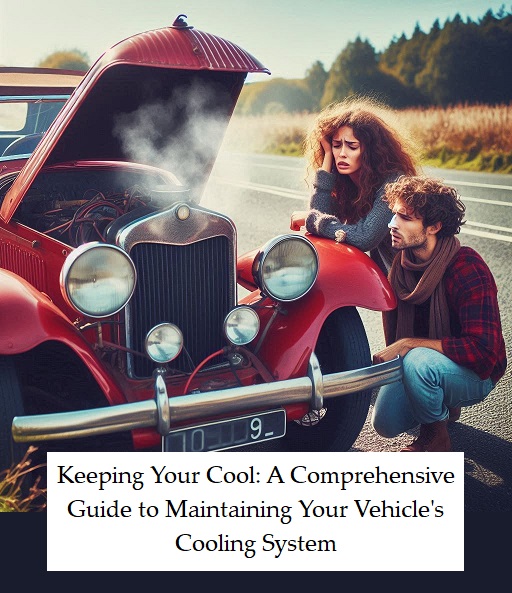
Your vehicle’s cooling system plays a vital role in preventing overheating and ensuring optimal engine performance. Regular maintenance of the cooling system is essential for the longevity of your vehicle and preventing costly repairs. In this blog, we’ll provide a comprehensive guide on how to maintain your vehicle’s cooling system, keeping your engine running smoothly and your car on the road.
Understanding the Cooling System
The cooling system consists of various components working together to regulate engine temperature and prevent overheating. Key components include the radiator, coolant, water pump, thermostat, and hoses. Proper maintenance of these components is crucial for the efficient operation of the cooling system.
1. Regularly Check Coolant Levels
- Why It’s Important: Coolant, also known as antifreeze, helps regulate the engine temperature and prevents freezing in cold conditions. Regularly check coolant levels to ensure they are within the recommended range.
- Tip: Check coolant levels when the engine is cool, and if needed, top up with a mixture of coolant and distilled water as specified in your vehicle’s owner’s manual.
2. Inspect for Coolant Leaks
- Why It’s Important: Coolant leaks can lead to a loss of fluid, causing the engine to overheat. Periodically inspect the area around the radiator, hoses, and water pump for signs of leaks.
- Tip: Look for puddles or stains beneath the vehicle and check for visible leaks in the engine compartment.
3. Flush and Replace Coolant
- Why It’s Important: Over time, coolant can accumulate contaminants and lose its effectiveness. A periodic coolant flush helps remove debris and old fluid, ensuring optimal performance.
- Tip: Follow your vehicle manufacturer’s recommended interval for coolant replacement. Use the type of coolant specified in your owner’s manual.
4. Check Radiator and Cooling Fins
- Why It’s Important: The radiator dissipates heat from the coolant, and the cooling fins enhance this process. Inspect the radiator for damage and ensure the fins are clean and free from debris.
- Tip: Use a soft brush or compressed air to clean the cooling fins and visually inspect for any bent or damaged sections.
5. Inspect Belts and Hoses
- Why It’s Important: Belts and hoses play a crucial role in the cooling system. Regularly inspect them for signs of wear, cracking, or leaks to prevent unexpected failures.
- Tip: Replace worn or damaged belts and hoses promptly. Check for proper tension in the belts to ensure they are functioning correctly.
6. Test the Thermostat
- Why It’s Important: The thermostat regulates coolant flow, ensuring it reaches the proper temperature. Testing the thermostat helps identify any issues with its operation.
- Tip: If you notice fluctuations in engine temperature or overheating, it may indicate a faulty thermostat. Consider having it tested or replaced.
7. Monitor the Water Pump
- Why It’s Important: The water pump circulates coolant through the engine and radiator. Regularly check for leaks around the water pump and listen for any unusual noises.
- Tip: If you notice coolant leaks or hear a squeaking noise, it may indicate a failing water pump. Address these issues promptly to prevent overheating.
8. Keep an Eye on Engine Temperature
- Why It’s Important: Monitoring your vehicle’s temperature gauge can provide early indications of cooling system issues. An unusually high temperature may signal a problem.
- Tip: If you observe temperature fluctuations or overheating, consult a professional mechanic to diagnose and address the issue.
9. Use Coolant Additives
- Why It’s Important: Coolant additives can enhance the performance of your vehicle’s cooling system. They can provide additional protection against rust, corrosion, and the formation of deposits.
- Tip: Follow the manufacturer’s recommendations when using coolant additives and choose products compatible with your vehicle’s coolant.
10. Consult a Professional Mechanic
- Why It’s Important: While you can perform basic cooling system maintenance, consulting a professional mechanic for more complex tasks and inspections ensures thorough care for your vehicle.
- Tip: Schedule regular check-ups with a mechanic to assess the overall health of your vehicle’s cooling system and address any potential issues.
Responsible Car Ownership
Maintaining your vehicle’s cooling system is a crucial aspect of responsible car ownership. By following these comprehensive steps and staying proactive with regular checks, you can prevent overheating, extend the life of your engine, and ensure a smooth and reliable driving experience. Remember that a well-maintained cooling system not only keeps your engine cool but also contributes to the overall health and longevity of your vehicle.
Connect with us


- July 2026
- June 2026
- May 2026
- April 2026
- March 2026
- February 2026
- January 2026
- December 2025
- November 2025
- October 2025
- September 2025
- August 2025
- July 2025
- June 2025
- May 2025
- April 2025
- March 2025
- February 2025
- January 2025
- December 2024
- November 2024
- October 2024
- September 2024
- August 2024
- July 2024
- June 2024
- May 2024
- April 2024
- March 2024
- February 2024
- January 2024
- December 2023
- November 2023
- October 2023
- September 2023
- August 2023
- July 2023
- June 2023
- May 2023
- April 2023
- March 2023
- February 2023
- January 2023
- December 2022
- November 2022
- October 2022
- September 2022
- August 2022
- July 2022
- June 2022
- May 2022
- April 2022
- March 2022
- February 2022
- January 2022
- December 2021
- November 2021
- October 2021
- September 2021
- August 2021
- July 2021
- June 2021
- May 2021
- April 2021
- March 2021
- February 2021
- January 2021
- December 2020
- November 2020
- October 2020
- September 2020
- August 2020
- July 2020
- May 2020
- April 2020
- March 2020
- February 2020
- December 2019
- November 2019
- October 2019
- September 2019
- August 2019
- July 2019
- June 2019
- May 2019
- April 2019
- March 2019
- February 2019
- January 2019
- December 2018
- November 2018
- October 2018
- September 2018
- August 2018
- July 2018
- June 2018
- May 2018
- April 2018
- March 2018
- February 2018
- January 2018
- December 2017
- November 2017
- October 2017
- September 2017
- August 2017
- July 2017
- June 2017
- May 2017
- April 2017
- March 2017
- February 2017
- January 2017
- December 2016
- November 2016
- October 2016
- September 2016
- August 2016
- July 2016
- June 2016
- May 2016
- April 2016
- March 2016
- February 2016
- January 2016
- December 2015
- November 2015
- October 2015
- September 2015
- August 2015
- July 2015
Archives
- 2023 Models
- 2024 Models
- Activities
- Automotive Cleaning
- Awards
- Beach Mazda Service
- Brakes
- Car Buying Process
- Certified Pre-Owned Mazda Vehicles
- Community Events
- Comparisons
- Down-payments
- Drive For Good
- Driver-Centric Design
- Electric & Hybrid Vehicles
- EVs
- Exterior
- Features & Specs
- Financing Your Mazda
- Fuel & Gas
- Fuel System
- Fun Stuff
- History
- Holidays
- Important Information
- Infotainment
- Insurance
- Interior
- Kodo Design Language
- Large Vehicles & SUVs
- Local
- Mazda Accessories
- Mazda Connect
- Mazda CX-30
- Mazda CX-5
- Mazda CX-9
- Mazda Model Features
- Mazda Motorsports
- Mazda Parts
- Mazda Safety Technology
- Mazda Service
- Mazda Vehicles
- Mazda3
- Millennials
- Money Saving Tips
- News
- Paint & Body Work
- Pre-Owned
- Racing
- Restaurants & Food
- Safety
- Seasonal
- Service
- Suspension System
- Technology
- Tips
- Tires & Wheels
- Towing
- Transmission
- Travel
- Uncategorized
- Weather