

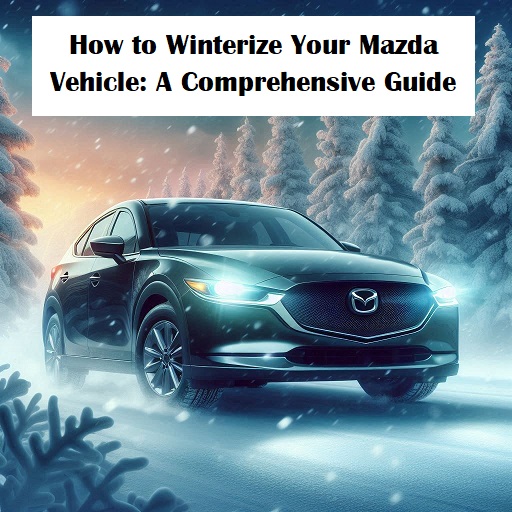
As winter approaches, it’s essential to prepare your Mazda for the colder months ahead. Winterizing your vehicle not only ensures your safety on the road but also helps maintain its performance and longevity. In this blog, we’ll cover the key steps to winterize your Mazda effectively, so you can tackle those icy roads with confidence.
Check and Replace Fluids
Fluids play a crucial role in your vehicle’s performance, especially during winter. Here are the key fluids to check and replace if necessary:
- Engine Oil: Ensure your engine oil is suitable for winter temperatures. If you’re using conventional oil, consider switching to a winter-grade synthetic oil that offers better performance in cold weather. Always follow your owner’s manual for the recommended oil type and viscosity.
- Coolant: Inspect your coolant levels and ensure that your antifreeze is mixed correctly to prevent freezing. A 50/50 mixture of antifreeze and water is generally recommended for optimal protection. If your coolant is old or contaminated, consider flushing and replacing it.
- Windshield Washer Fluid: Use a winter-grade windshield washer fluid that is designed to withstand freezing temperatures. This will help keep your windshield clear of ice and snow, improving visibility.
Inspect and Replace Wipers
Visibility is critical during winter driving conditions, so ensuring your wiper blades are in good condition is essential. Check your wipers for any signs of wear or damage, such as cracking or stiffness. If they’re not performing well, replace them with winter-specific wipers designed to handle ice and snow buildup.
Check Your Tires
Your tires are your vehicle’s only contact with the road, making them a vital component for winter safety. Here’s what to do:
- Tread Depth: Check the tread depth of your tires to ensure they provide adequate traction on snowy or icy roads. The minimum recommended tread depth for winter driving is 4/32 of an inch.
- Inflation Pressure: Cold temperatures can cause tire pressure to drop, so check and inflate your tires to the manufacturer-recommended levels. Properly inflated tires improve handling and fuel efficiency.
- Winter Tires: If you live in an area with heavy snowfall or icy conditions, consider investing in winter tires. These tires are specifically designed for cold weather, providing better traction and handling compared to all-season tires.
Inspect the Battery
Cold temperatures can be harsh on car batteries, making it essential to check your battery’s health before winter sets in. Here’s how to ensure your battery is ready for the colder months:
- Battery Test: Have your battery tested for its charge and overall health. Most auto parts stores offer free battery testing services. If your battery is weak or over three years old, consider replacing it.
- Clean Terminals: Inspect the battery terminals for corrosion or dirt. Clean them with a mixture of baking soda and water, and ensure they are securely connected.
Prepare Your Heating System
A properly functioning heating system is essential for comfort during winter drives. Here’s how to prepare it:
- Check Heater Functionality: Test your heater and defroster to ensure they are working effectively. If you notice any issues, such as inadequate heat or strange smells, have it inspected by a professional.
- Inspect Cabin Air Filter: A clean cabin air filter ensures that your heating system functions efficiently. If it’s dirty or clogged, replace it to improve airflow and air quality inside the vehicle.
Check Belts and Hoses
Cold weather can put extra strain on belts and hoses, making it essential to inspect them for wear and damage:
- Visual Inspection: Look for any cracks, fraying, or signs of wear on belts and hoses. Pay particular attention to the serpentine belt and radiator hoses, as these are critical for engine performance and cooling.
- Replace if Necessary: If you notice any issues during your inspection, replace the affected belts and hoses before winter sets in to prevent breakdowns.
Emergency Kit Preparation
An emergency kit is essential for winter driving, ensuring you’re prepared for unexpected situations. Here are some items to include:
- Blankets and Warm Clothing: Pack blankets, gloves, and hats to keep warm in case you get stranded.
- First Aid Kit: A well-stocked first aid kit can be invaluable in emergencies.
- Food and Water: Keep non-perishable snacks and bottled water in your kit.
- Flashlight and Batteries: A flashlight can be useful for visibility in the dark.
- Ice Scraper and Snow Brush: These tools will help you clear your windshield and windows quickly.
- Jumper Cables: In case of a dead battery, jumper cables can be a lifesaver.
Wash and Wax Your Vehicle
Winter road conditions can lead to the accumulation of salt and grime on your vehicle, which can damage the paint and undercarriage. Here’s how to protect your Mazda:
- Wash Your Car: Thoroughly wash your vehicle to remove any dirt, salt, or debris. Pay special attention to the undercarriage, as salt can cause rust and corrosion.
- Wax for Protection: Apply a coat of wax to your vehicle’s exterior to create a protective barrier against the elements. This can help prevent damage from road salt and moisture.
Drive with Confidence
Winterizing your Mazda is essential for ensuring your vehicle’s performance, safety, and longevity during the colder months. By following these steps—checking and replacing fluids, inspecting tires and battery, preparing your heating system, and assembling an emergency kit—you can drive with confidence through winter weather. Taking the time to winterize your vehicle will not only enhance your driving experience but also keep you safe on the road, allowing you to enjoy all that the season has to offer.
Connect with us


- July 2026
- June 2026
- May 2026
- April 2026
- March 2026
- February 2026
- January 2026
- December 2025
- November 2025
- October 2025
- September 2025
- August 2025
- July 2025
- June 2025
- May 2025
- April 2025
- March 2025
- February 2025
- January 2025
- December 2024
- November 2024
- October 2024
- September 2024
- August 2024
- July 2024
- June 2024
- May 2024
- April 2024
- March 2024
- February 2024
- January 2024
- December 2023
- November 2023
- October 2023
- September 2023
- August 2023
- July 2023
- June 2023
- May 2023
- April 2023
- March 2023
- February 2023
- January 2023
- December 2022
- November 2022
- October 2022
- September 2022
- August 2022
- July 2022
- June 2022
- May 2022
- April 2022
- March 2022
- February 2022
- January 2022
- December 2021
- November 2021
- October 2021
- September 2021
- August 2021
- July 2021
- June 2021
- May 2021
- April 2021
- March 2021
- February 2021
- January 2021
- December 2020
- November 2020
- October 2020
- September 2020
- August 2020
- July 2020
- May 2020
- April 2020
- March 2020
- February 2020
- December 2019
- November 2019
- October 2019
- September 2019
- August 2019
- July 2019
- June 2019
- May 2019
- April 2019
- March 2019
- February 2019
- January 2019
- December 2018
- November 2018
- October 2018
- September 2018
- August 2018
- July 2018
- June 2018
- May 2018
- April 2018
- March 2018
- February 2018
- January 2018
- December 2017
- November 2017
- October 2017
- September 2017
- August 2017
- July 2017
- June 2017
- May 2017
- April 2017
- March 2017
- February 2017
- January 2017
- December 2016
- November 2016
- October 2016
- September 2016
- August 2016
- July 2016
- June 2016
- May 2016
- April 2016
- March 2016
- February 2016
- January 2016
- December 2015
- November 2015
- October 2015
- September 2015
- August 2015
- July 2015
Archives
- 2023 Models
- 2024 Models
- Activities
- Automotive Cleaning
- Awards
- Beach Mazda Service
- Brakes
- Car Buying Process
- Certified Pre-Owned Mazda Vehicles
- Community Events
- Comparisons
- Down-payments
- Drive For Good
- Driver-Centric Design
- Electric & Hybrid Vehicles
- EVs
- Exterior
- Features & Specs
- Financing Your Mazda
- Fuel & Gas
- Fuel System
- Fun Stuff
- History
- Holidays
- Important Information
- Infotainment
- Insurance
- Interior
- Kodo Design Language
- Large Vehicles & SUVs
- Local
- Mazda Accessories
- Mazda Connect
- Mazda CX-30
- Mazda CX-5
- Mazda CX-9
- Mazda Model Features
- Mazda Motorsports
- Mazda Parts
- Mazda Safety Technology
- Mazda Service
- Mazda Vehicles
- Mazda3
- Millennials
- Money Saving Tips
- News
- Paint & Body Work
- Pre-Owned
- Racing
- Restaurants & Food
- Safety
- Seasonal
- Service
- Suspension System
- Technology
- Tips
- Tires & Wheels
- Towing
- Transmission
- Travel
- Uncategorized
- Weather