

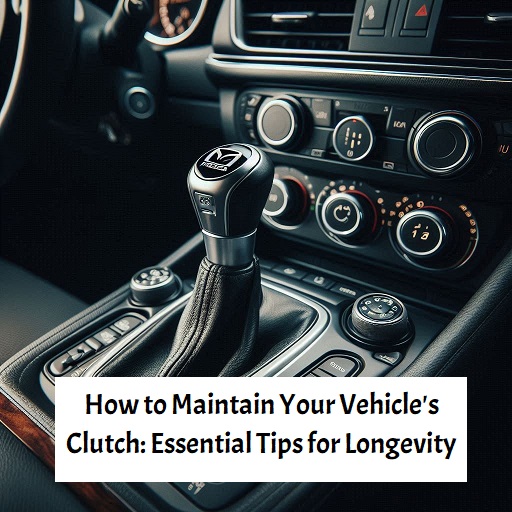
The clutch is a critical component of manual transmission vehicles, enabling smooth gear shifts and controlling the power transfer from the engine to the wheels. Proper maintenance of your vehicle’s clutch is essential for ensuring its longevity and optimal performance. Neglecting this vital system can lead to costly repairs and a compromised driving experience. In this blog, we’ll explore practical tips for maintaining your vehicle’s clutch and keeping it in top shape.
Understand Your Clutch System
Before diving into maintenance, it’s important to understand the components of your vehicle’s clutch system:
- Clutch Disc: The disc engages and disengages the engine power to the transmission.
- Pressure Plate: This component holds the clutch disc against the flywheel and is crucial for engaging gears.
- Release Bearing: The bearing enables smooth disengagement of the clutch when you press the pedal.
Use the Clutch Properly
Proper driving techniques can significantly extend the life of your clutch. Here are some tips to keep in mind:
- Avoid Riding the Clutch: Keep your foot off the clutch pedal when not shifting gears. Riding the clutch can cause unnecessary wear on the clutch components.
- Smooth Engagement: When engaging the clutch, do so smoothly to prevent excessive strain on the system. Gradually release the pedal to ensure a seamless transition between gears.
- Shift at Appropriate RPMs: Avoid revving the engine too high before shifting gears, as this can put extra stress on the clutch. Shift gears at the recommended RPMs for your vehicle.
Regular Inspections
Frequent inspections can help identify potential issues before they become major problems. Here are some key aspects to check:
- Clutch Pedal Travel: Pay attention to how far you need to press the clutch pedal to engage or disengage gears. If you notice excessive travel or if the pedal feels spongy, it may indicate a problem with the hydraulic system or worn components.
- Listen for Unusual Noises: Strange sounds when pressing the clutch pedal—such as grinding, squeaking, or rattling—can indicate wear or damage. Address these sounds promptly to avoid further issues.
Check Fluid Levels
For hydraulic clutch systems, maintaining the proper fluid level is essential for smooth operation:
- Monitor Clutch Fluid: Regularly check the clutch fluid reservoir for the correct fluid level. If the level is low, top it off with the recommended fluid type.
- Inspect for Leaks: Look for signs of fluid leaks around the clutch master cylinder and slave cylinder. Leaks can lead to low fluid levels and compromise clutch performance.
Replace the Clutch Fluid
Just like any other fluid in your vehicle, the clutch fluid can become contaminated over time. Regularly replacing it is crucial for optimal performance:
- Follow the Manufacturer’s Recommendations: Refer to your owner’s manual for the recommended clutch fluid change intervals.
- Flushing the System: If the fluid appears dark or dirty, it may be time to flush the system and replace it with fresh fluid.
Be Mindful of Driving Conditions
Your driving habits and the conditions you encounter can impact the health of your clutch:
- Avoid Heavy Traffic: Frequent stop-and-go traffic can lead to excessive clutch engagement and wear. If possible, try to plan routes that minimize heavy traffic.
- Towing and Carrying Loads: If you often tow heavy loads or drive with a full passenger load, be cautious with clutch engagement. These conditions can put additional strain on the clutch.
Know the Signs of Wear
Being aware of the signs of a worn clutch can help you address issues before they escalate:
- Slipping Clutch: If the engine revs higher without an increase in speed, it may indicate a slipping clutch. This is a sign that the clutch disc is worn and may need replacement.
- Difficulty Engaging Gears: If you experience resistance when shifting gears or if the gears grind, it may indicate a problem with the clutch system that requires attention.
Professional Maintenance
While some maintenance tasks can be performed by vehicle owners, others may require professional expertise:
- Regular Servicing: Schedule regular maintenance with a qualified mechanic who can inspect and service your clutch system as needed.
- Clutch Replacement: If your clutch is worn out or damaged, it’s best to have a professional handle the replacement to ensure it’s done correctly.
Smooth and Enjoyable Drive
Maintaining your vehicle’s clutch is essential for ensuring a smooth and enjoyable driving experience. By following these tips and being mindful of your driving habits, you can extend the life of your clutch and avoid costly repairs. Regular inspections, proper use, and timely fluid changes will help keep your clutch in top condition, allowing you to enjoy the full potential of your manual transmission vehicle. Remember, a little care goes a long way in preserving this vital component of your vehicle!
Connect with us


- July 2026
- June 2026
- May 2026
- April 2026
- March 2026
- February 2026
- January 2026
- December 2025
- November 2025
- October 2025
- September 2025
- August 2025
- July 2025
- June 2025
- May 2025
- April 2025
- March 2025
- February 2025
- January 2025
- December 2024
- November 2024
- October 2024
- September 2024
- August 2024
- July 2024
- June 2024
- May 2024
- April 2024
- March 2024
- February 2024
- January 2024
- December 2023
- November 2023
- October 2023
- September 2023
- August 2023
- July 2023
- June 2023
- May 2023
- April 2023
- March 2023
- February 2023
- January 2023
- December 2022
- November 2022
- October 2022
- September 2022
- August 2022
- July 2022
- June 2022
- May 2022
- April 2022
- March 2022
- February 2022
- January 2022
- December 2021
- November 2021
- October 2021
- September 2021
- August 2021
- July 2021
- June 2021
- May 2021
- April 2021
- March 2021
- February 2021
- January 2021
- December 2020
- November 2020
- October 2020
- September 2020
- August 2020
- July 2020
- May 2020
- April 2020
- March 2020
- February 2020
- December 2019
- November 2019
- October 2019
- September 2019
- August 2019
- July 2019
- June 2019
- May 2019
- April 2019
- March 2019
- February 2019
- January 2019
- December 2018
- November 2018
- October 2018
- September 2018
- August 2018
- July 2018
- June 2018
- May 2018
- April 2018
- March 2018
- February 2018
- January 2018
- December 2017
- November 2017
- October 2017
- September 2017
- August 2017
- July 2017
- June 2017
- May 2017
- April 2017
- March 2017
- February 2017
- January 2017
- December 2016
- November 2016
- October 2016
- September 2016
- August 2016
- July 2016
- June 2016
- May 2016
- April 2016
- March 2016
- February 2016
- January 2016
- December 2015
- November 2015
- October 2015
- September 2015
- August 2015
- July 2015
Archives
- 2023 Models
- 2024 Models
- Activities
- Automotive Cleaning
- Awards
- Beach Mazda Service
- Brakes
- Car Buying Process
- Certified Pre-Owned Mazda Vehicles
- Community Events
- Comparisons
- Down-payments
- Drive For Good
- Driver-Centric Design
- Electric & Hybrid Vehicles
- EVs
- Exterior
- Features & Specs
- Financing Your Mazda
- Fuel & Gas
- Fuel System
- Fun Stuff
- History
- Holidays
- Important Information
- Infotainment
- Insurance
- Interior
- Kodo Design Language
- Large Vehicles & SUVs
- Local
- Mazda Accessories
- Mazda Connect
- Mazda CX-30
- Mazda CX-5
- Mazda CX-9
- Mazda Model Features
- Mazda Motorsports
- Mazda Parts
- Mazda Safety Technology
- Mazda Service
- Mazda Vehicles
- Mazda3
- Millennials
- Money Saving Tips
- News
- Paint & Body Work
- Pre-Owned
- Racing
- Restaurants & Food
- Safety
- Seasonal
- Service
- Suspension System
- Technology
- Tips
- Tires & Wheels
- Towing
- Transmission
- Travel
- Uncategorized
- Weather