

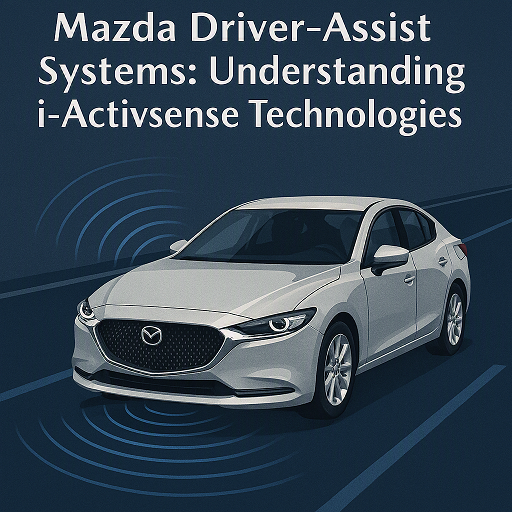
At Beach Mazda, we believe that your driving experience should be as safe, comfortable, and convenient as possible. That’s why Mazda offers an array of advanced driver-assist technologies designed to help you navigate the road with confidence. These features, bundled under the name i-Activsense, provide extra peace of mind by helping you avoid potential hazards, stay aware of your surroundings, and reduce the risk of accidents.
In this blog, we’ll take a closer look at Mazda’s i-Activsense driver-assist technologies, explaining how they work and how they contribute to a safer and more enjoyable driving experience.
What is i-Activsense?
i-Activsense is Mazda’s suite of safety and driver-assist technologies designed to provide an extra layer of protection for you and your passengers. By utilizing cameras, sensors, and radar, i-Activsense helps to detect potential hazards on the road and assists you in avoiding them when possible.
These systems range from basic driver aids, like blind spot monitoring, to advanced features like adaptive cruise control and collision warning systems. Mazda’s commitment to safety is evident in how these systems work together to help drivers make better decisions, enhance situational awareness, and react faster when needed.
Key i-Activsense Technologies
1. Adaptive Cruise Control (ACC) with Stop & Go
Mazda’s Adaptive Cruise Control (ACC) system allows you to maintain a set speed on the highway while also adjusting your speed based on the flow of traffic. This system uses radar and cameras to detect the vehicle ahead of you, automatically reducing your speed if traffic slows down. Once traffic clears, the system will accelerate back to your set speed.
How It Helps:
- Reduces the need to constantly adjust the cruise control settings during long drives.
- Provides a safer and more relaxed highway driving experience.
Tip: When using ACC, always keep your hands on the wheel and remain alert to road conditions, as the system is designed to assist, not replace, your driving skills.
2. Blind Spot Monitoring (BSM)
Blind Spot Monitoring (BSM) uses sensors on the rear corners of your Mazda to detect vehicles that may be in your blind spots, providing a visual or audible warning if a vehicle is present. This helps you make safer lane changes by increasing your awareness of vehicles you might not otherwise see.
How It Helps:
- Alerts you to vehicles in your blind spots, preventing unsafe lane changes.
- Provides extra peace of mind during highway driving and merging.
Tip: Make sure to check your mirrors and blind spots manually before changing lanes, even when the system provides a warning.
3. Rear Cross Traffic Alert (RCTA)
When reversing out of parking spaces, Rear Cross Traffic Alert (RCTA) uses sensors to monitor for approaching vehicles from the left and right. If it detects any movement, it will alert you to help prevent a potential collision.
How It Helps:
- Provides added protection when reversing in tight spaces or parking lots.
- Warns you of approaching vehicles or pedestrians you might not be able to see.
Tip: Always check your surroundings before reversing, even when RCTA provides a warning.
4. Lane Departure Warning (LDW) and Lane-Keep Assist (LKA)
The Lane Departure Warning (LDW) system helps prevent accidental lane drift by alerting you when your vehicle unintentionally veers out of your lane. If the system detects that you’re drifting without signaling, it will provide a visual or audible warning.
Lane-Keep Assist (LKA) works in tandem with LDW. If you begin to drift out of your lane without signaling, LKA can provide gentle steering inputs to help guide the vehicle back into its lane.
How It Helps:
- Alerts you to unintentional lane departures, reducing the risk of collisions.
- Helps to keep the vehicle centered in its lane during long highway drives.
Tip: While LKA provides steering assistance, it’s important to always maintain control of the vehicle and be ready to take over if needed.
5. Smart Brake Support (SBS)
Mazda’s Smart Brake Support (SBS) system uses sensors to monitor the distance between your vehicle and the one ahead of you. If the system detects that a collision is imminent and you haven’t applied the brakes in time, it will automatically apply the brakes to help reduce the severity of the impact or avoid the collision altogether.
How It Helps:
- Reduces the chance of rear-end collisions by automatically applying the brakes.
- Provides added protection in emergency situations.
Tip: While SBS can help prevent accidents, always maintain a safe following distance and stay alert to traffic conditions.
6. Forward Obstruction Warning (FOW) and Smart City Brake Support (SCBS)
Forward Obstruction Warning (FOW) works by detecting vehicles or obstacles in front of you. If the system detects an imminent collision, it will alert you with a visual and audible warning. If you don’t react quickly enough, the Smart City Brake Support (SCBS) will apply the brakes to prevent or reduce the severity of the impact.
How It Helps:
- Helps prevent collisions when driving at low speeds, such as in traffic or parking lots.
- Provides extra protection when you may not have time to react.
Tip: Always remain aware of your surroundings, especially in stop-and-go traffic or when parking.
7. Traffic Sign Recognition (TSR)
The Traffic Sign Recognition (TSR) system uses cameras to read traffic signs, such as speed limits, stop signs, and yield signs. The system then displays these signs on your Mazda’s instrument cluster, ensuring that you never miss important road signs, especially in unfamiliar areas.
How It Helps:
- Keeps you informed about important traffic signs, even when you’re not paying close attention.
- Helps prevent speeding or other violations by keeping you aware of speed limits and road conditions.
Tip: While TSR is a helpful tool, always pay attention to road signs, as some may not be detected under certain conditions.
How i-Activsense Keeps You Safe
Each of the i-Activsense technologies works together to create a comprehensive safety net, giving you peace of mind and making your driving experience safer and more convenient. While these systems can assist you in avoiding accidents, it’s essential to remember that they are not a substitute for attentive driving. Always stay alert, follow the road rules, and use your judgment in conjunction with the technology.
When to Visit Beach Mazda for i-Activsense Service
To ensure your i-Activsense technologies continue working as intended, regular maintenance and system checks are essential. If you notice any issues, such as warning lights, faulty sensors, or unexpected system behavior, it’s important to bring your Mazda to Beach Mazda for a diagnostic check.
At Beach Mazda, our expert technicians are trained to maintain and repair Mazda’s advanced driver-assist systems, ensuring that they continue to provide the highest level of safety and convenience.
Mazda’s Commitment
Mazda’s i-Activsense technologies are a testament to the brand’s commitment to your safety and comfort on the road. From Adaptive Cruise Control to Smart City Brake Support, these advanced features help you navigate various driving conditions with confidence. By understanding how these technologies work and ensuring they’re properly maintained, you can get the most out of your Mazda’s safety systems.
At Beach Mazda, we’re always here to help you with any questions or service needs regarding your i-Activsense technologies. If you’d like to learn more about the systems in your Mazda, or if you’re ready for a service appointment, don’t hesitate to contact us today!
Beach Mazda
Your Trusted Mazda Experts in Myrtle Beach
If you’re ready to experience the latest i-Activsense features or need assistance, Beach Mazda is here to help. Schedule your service visit or learn more about these technologies by contacting us today!
Connect with us


- August 2026
- July 2026
- June 2026
- May 2026
- April 2026
- March 2026
- February 2026
- January 2026
- December 2025
- November 2025
- October 2025
- September 2025
- August 2025
- July 2025
- June 2025
- May 2025
- April 2025
- March 2025
- February 2025
- January 2025
- December 2024
- November 2024
- October 2024
- September 2024
- August 2024
- July 2024
- June 2024
- May 2024
- April 2024
- March 2024
- February 2024
- January 2024
- December 2023
- November 2023
- October 2023
- September 2023
- August 2023
- July 2023
- June 2023
- May 2023
- April 2023
- March 2023
- February 2023
- January 2023
- December 2022
- November 2022
- October 2022
- September 2022
- August 2022
- July 2022
- June 2022
- May 2022
- April 2022
- March 2022
- February 2022
- January 2022
- December 2021
- November 2021
- October 2021
- September 2021
- August 2021
- July 2021
- June 2021
- May 2021
- April 2021
- March 2021
- February 2021
- January 2021
- December 2020
- November 2020
- October 2020
- September 2020
- August 2020
- July 2020
- May 2020
- April 2020
- March 2020
- February 2020
- December 2019
- November 2019
- October 2019
- September 2019
- August 2019
- July 2019
- June 2019
- May 2019
- April 2019
- March 2019
- February 2019
- January 2019
- December 2018
- November 2018
- October 2018
- September 2018
- August 2018
- July 2018
- June 2018
- May 2018
- April 2018
- March 2018
- February 2018
- January 2018
- December 2017
- November 2017
- October 2017
- September 2017
- August 2017
- July 2017
- June 2017
- May 2017
- April 2017
- March 2017
- February 2017
- January 2017
- December 2016
- November 2016
- October 2016
- September 2016
- August 2016
- July 2016
- June 2016
- May 2016
- April 2016
- March 2016
- February 2016
- January 2016
- December 2015
- November 2015
- October 2015
- September 2015
- August 2015
- July 2015
Archives
- 2023 Models
- 2024 Models
- Activities
- Automotive Cleaning
- Awards
- Beach Mazda Service
- Brakes
- Car Buying Process
- Certified Pre-Owned Mazda Vehicles
- Community Events
- Comparisons
- Down-payments
- Drive For Good
- Driver-Centric Design
- Electric & Hybrid Vehicles
- EVs
- Exterior
- Features & Specs
- Financing Your Mazda
- Fuel & Gas
- Fuel System
- Fun Stuff
- History
- Holidays
- i-Activsense Technology
- Important Information
- Infotainment
- Insurance
- Interior
- Kodo Design Language
- Large Vehicles & SUVs
- Local
- Mazda Accessories
- Mazda Connect
- Mazda CX-30
- Mazda CX-5
- Mazda CX-9
- Mazda Model Features
- Mazda Motorsports
- Mazda Parts
- Mazda Safety Technology
- Mazda Service
- Mazda Vehicles
- Mazda3
- Millennials
- Money Saving Tips
- News
- Paint & Body Work
- Pre-Owned
- Racing
- Restaurants & Food
- Safety
- Seasonal
- Service
- Suspension System
- Technology
- Tips
- Tires & Wheels
- Towing
- Transmission
- Travel
- Uncategorized
- Weather