

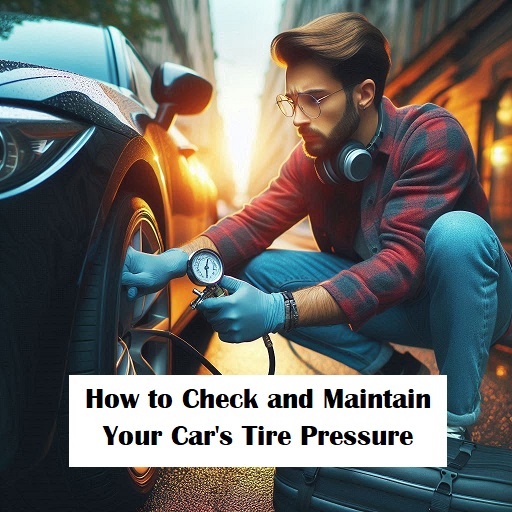
Proper tire maintenance is essential for the safety, performance, and longevity of your vehicle. One of the most critical aspects of tire care is maintaining the correct tire pressure. Under-inflated or over-inflated tires can lead to poor handling, reduced fuel efficiency, and even tire blowouts. In this blog, we’ll guide you through the process of checking and maintaining your car’s tire pressure, helping you ensure a smooth and safe ride.
Understanding Tire Pressure
Tire pressure is measured in pounds per square inch (PSI) and refers to the amount of air inside the tire. Every vehicle has a recommended tire pressure, which can usually be found in the owner’s manual or on a sticker located on the driver’s side door jamb. Maintaining the correct tire pressure is crucial for:
- Safety: Properly inflated tires ensure better traction, handling, and braking performance.
- Fuel Efficiency: Tires that are inflated to the correct pressure can improve fuel economy, as under-inflated tires create more rolling resistance.
- Tire Longevity: Maintaining proper pressure can help prevent premature tire wear, extending the lifespan of your tires.
When to Check Tire Pressure
It’s important to check your tire pressure regularly to ensure optimal performance:
- Monthly Checks: Aim to check your tire pressure at least once a month, as tires can lose pressure over time.
- Before Long Trips: Always check your tire pressure before embarking on a long journey to ensure that your tires are in optimal condition.
- Seasonal Changes: Temperature fluctuations can affect tire pressure. It’s a good practice to check your tires with the change of seasons, especially before winter and summer.
How to Check Tire Pressure
Checking your tire pressure is a straightforward process that can be done at home or at a gas station:
Gather Your Tools
You’ll need the following tools:
- Tire Pressure Gauge: A digital or analog tire pressure gauge will work. Digital gauges are often easier to read.
- Air Compressor: If your tires are low, you may need an air compressor to inflate them. Many gas stations have air pumps available for public use.
Check Tire Pressure
- Ensure Cold Tires: Check tire pressure when the tires are cold, ideally before you’ve driven or at least three hours after driving. Tires heat up from friction, causing the air inside to expand and give a false reading.
- Remove Valve Caps: Unscrew the valve cap from the tire you want to check. Keep the cap in a safe place to avoid losing it.
- Press the Gauge: Firmly press the tire pressure gauge onto the valve stem. You should hear a short hiss of air as the gauge makes contact. Ensure that the gauge is seated properly for an accurate reading.
- Read the Pressure: Take note of the reading on the gauge. If using a digital gauge, it will display the pressure on the screen. If using an analog gauge, the needle will indicate the pressure.
- Replace Valve Caps: After checking, be sure to replace the valve cap securely.
Adjusting Tire Pressure
If your tire pressure is not within the recommended range, you’ll need to adjust it accordingly:
Inflating Tires
- Use an Air Compressor: If the pressure is too low, locate an air compressor. Many gas stations have them, or you can use a portable air compressor.
- Inflate Gradually: Add air in short bursts, checking the pressure frequently until you reach the recommended PSI.
- Avoid Over-Inflation: Be cautious not to exceed the recommended pressure, as over-inflated tires can lead to reduced traction and a harsher ride.
Deflating Tires
If your tires are over-inflated, you can release some air:
- Press the Valve Stem: Use a small tool (like a screwdriver or a tire gauge) to press the valve stem, allowing air to escape slowly.
- Check Pressure Regularly: Continuously check the tire pressure until it reaches the recommended level.
Maintaining Tire Pressure
To maintain optimal tire pressure over time, consider the following tips:
- Regular Checks: Make tire pressure checks part of your regular vehicle maintenance routine, as mentioned earlier.
- Monitor Temperature: Be aware that temperature changes can affect tire pressure. As a general rule, tire pressure can drop about 1 PSI for every 10-degree Fahrenheit decrease in temperature.
- Use TPMS: Many modern vehicles are equipped with a Tire Pressure Monitoring System (TPMS) that alerts you when tire pressure is low. While this is a helpful feature, it’s still essential to check tire pressure manually.
- Inspect for Damage: Regularly inspect your tires for signs of damage, such as cracks, bulges, or foreign objects embedded in the tread. Address any issues promptly to maintain safety.
Keep Tires in Top Condition
Checking and maintaining your car’s tire pressure is a simple yet crucial aspect of vehicle maintenance that can enhance safety, improve fuel efficiency, and extend the life of your tires. By incorporating regular tire pressure checks into your routine, you can ensure a smooth and safe driving experience. Don’t overlook this essential maintenance task—your tires are the only contact your vehicle has with the road, so keeping them in top condition is vital for your safety and performance. Happy driving!
Connect with us


- July 2026
- June 2026
- May 2026
- April 2026
- March 2026
- February 2026
- January 2026
- December 2025
- November 2025
- October 2025
- September 2025
- August 2025
- July 2025
- June 2025
- May 2025
- April 2025
- March 2025
- February 2025
- January 2025
- December 2024
- November 2024
- October 2024
- September 2024
- August 2024
- July 2024
- June 2024
- May 2024
- April 2024
- March 2024
- February 2024
- January 2024
- December 2023
- November 2023
- October 2023
- September 2023
- August 2023
- July 2023
- June 2023
- May 2023
- April 2023
- March 2023
- February 2023
- January 2023
- December 2022
- November 2022
- October 2022
- September 2022
- August 2022
- July 2022
- June 2022
- May 2022
- April 2022
- March 2022
- February 2022
- January 2022
- December 2021
- November 2021
- October 2021
- September 2021
- August 2021
- July 2021
- June 2021
- May 2021
- April 2021
- March 2021
- February 2021
- January 2021
- December 2020
- November 2020
- October 2020
- September 2020
- August 2020
- July 2020
- May 2020
- April 2020
- March 2020
- February 2020
- December 2019
- November 2019
- October 2019
- September 2019
- August 2019
- July 2019
- June 2019
- May 2019
- April 2019
- March 2019
- February 2019
- January 2019
- December 2018
- November 2018
- October 2018
- September 2018
- August 2018
- July 2018
- June 2018
- May 2018
- April 2018
- March 2018
- February 2018
- January 2018
- December 2017
- November 2017
- October 2017
- September 2017
- August 2017
- July 2017
- June 2017
- May 2017
- April 2017
- March 2017
- February 2017
- January 2017
- December 2016
- November 2016
- October 2016
- September 2016
- August 2016
- July 2016
- June 2016
- May 2016
- April 2016
- March 2016
- February 2016
- January 2016
- December 2015
- November 2015
- October 2015
- September 2015
- August 2015
- July 2015
Archives
- 2023 Models
- 2024 Models
- Activities
- Automotive Cleaning
- Awards
- Beach Mazda Service
- Brakes
- Car Buying Process
- Certified Pre-Owned Mazda Vehicles
- Community Events
- Comparisons
- Down-payments
- Drive For Good
- Driver-Centric Design
- Electric & Hybrid Vehicles
- EVs
- Exterior
- Features & Specs
- Financing Your Mazda
- Fuel & Gas
- Fuel System
- Fun Stuff
- History
- Holidays
- Important Information
- Infotainment
- Insurance
- Interior
- Kodo Design Language
- Large Vehicles & SUVs
- Local
- Mazda Accessories
- Mazda Connect
- Mazda CX-30
- Mazda CX-5
- Mazda CX-9
- Mazda Model Features
- Mazda Motorsports
- Mazda Parts
- Mazda Safety Technology
- Mazda Service
- Mazda Vehicles
- Mazda3
- Millennials
- Money Saving Tips
- News
- Paint & Body Work
- Pre-Owned
- Racing
- Restaurants & Food
- Safety
- Seasonal
- Service
- Suspension System
- Technology
- Tips
- Tires & Wheels
- Towing
- Transmission
- Travel
- Uncategorized
- Weather