

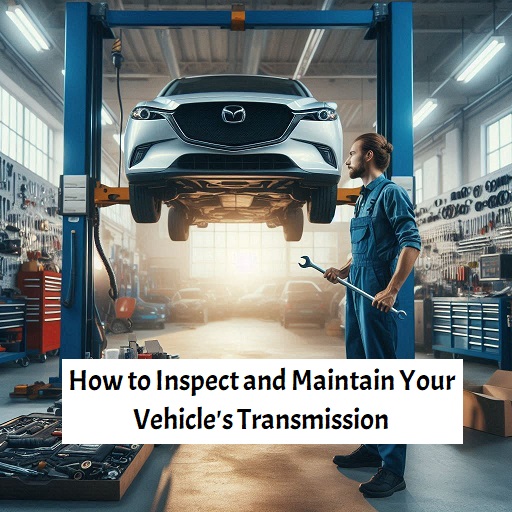
Your vehicle’s transmission is one of the most critical components, responsible for transferring power from the engine to the wheels. A well-maintained transmission ensures smooth shifting and optimal performance, while neglect can lead to costly repairs or even complete transmission failure. In this blog, we’ll explore how to inspect and maintain your vehicle’s transmission to keep it running smoothly for years to come.
***Please be advised, this information is for older Mazda vehicles. Newer Mazda vehicles have a sealed transmission system.***
Understanding Your Transmission
Before diving into maintenance, it’s essential to understand the different types of transmissions:
- Automatic Transmission: Uses a complex system of gears and hydraulic systems to change gears automatically based on speed and load.
- Manual Transmission: Requires the driver to manually shift gears using a clutch pedal and gear lever.
- Continuously Variable Transmission (CVT): Uses a system of pulleys and belts to provide seamless acceleration without traditional gear shifts.
Signs of Transmission Problems
Regular inspection can help you identify issues before they escalate. Here are some signs that your transmission may need attention:
- Slipping Gears: If your transmission unexpectedly shifts out of gear or has trouble staying in gear, it could indicate a problem.
- Delayed Engagement: A noticeable delay when shifting from park to drive or reverse can signal low fluid levels or internal issues.
- Unusual Noises: Grinding, whining, or clunking sounds when changing gears can indicate worn components or low fluid.
- Fluid Leaks: Puddles of reddish or brownish fluid under your vehicle can indicate a transmission fluid leak, which should be addressed immediately.
Regular Transmission Maintenance
To keep your transmission in good shape, follow these maintenance tips:
Check Transmission Fluid Level and Condition
- Warm Up the Vehicle: Start the engine and let it run for a few minutes to warm up the transmission fluid.
- Locate the Dipstick: For vehicles with an automatic transmission, locate the transmission dipstick, usually marked with a color-coded handle. Manual transmissions may not have a dipstick; instead, they may require a fill plug for checking fluid levels.
- Check Fluid Level: With the engine running, remove the dipstick, wipe it clean with a cloth, and reinsert it. Remove it again to check the fluid level. The fluid should be within the marked range on the dipstick.
- Inspect Fluid Condition: The transmission fluid should be a bright red color and free of debris. If it appears dark brown or smells burnt, it may need to be replaced.
Change Transmission Fluid and Filter
Most manufacturers recommend changing the transmission fluid and filter every 30,000 to 60,000 miles, but always refer to your owner’s manual for specific guidelines.
- Gather Supplies: You will need new transmission fluid, a new filter (if applicable), a drain pan, and a funnel.
- Drain the Old Fluid: Locate the transmission drain plug and remove it to let the fluid drain into the pan. Allow it to drain completely.
- Replace the Filter: If your vehicle has a replaceable transmission filter, remove the old filter and install the new one according to the manufacturer’s instructions.
- Refill with New Fluid: Use a funnel to add new transmission fluid through the dipstick tube, ensuring you use the correct type of fluid specified in your owner’s manual.
- Check Fluid Level Again: After refilling, start the engine and let it run for a few minutes. Check the fluid level again and add more if necessary.
Inspect Transmission Cooling System
An efficient transmission cooling system is vital for maintaining optimal operating temperatures:
- Check the Cooler Lines: Inspect the transmission cooler lines for any signs of wear, cracks, or leaks. Replace any damaged lines immediately.
- Inspect the Radiator: If your vehicle uses the radiator to cool the transmission fluid, ensure it is functioning properly and free of leaks.
Monitor Driving Habits
Your driving habits can significantly affect the lifespan of your transmission. Consider the following tips:
- Avoid Overloading: Excessive weight can put additional strain on your transmission. Ensure you don’t exceed the vehicle’s load capacity.
- Use Proper Gear: In manual transmissions, shift smoothly and at the appropriate RPMs. In automatic vehicles, avoid “lugging” the engine by letting it downshift before acceleration.
- Keep Your Cool: If towing or driving in heavy traffic, be mindful of your transmission temperature. Consider using an auxiliary transmission cooler for added protection.
When to Seek Professional Help

While many transmission maintenance tasks can be performed at home, some issues may require professional attention. If you notice persistent problems, such as slipping, delayed engagement, or unusual noises, it’s best to consult a qualified mechanic. They can diagnose and repair any internal issues that may be affecting your transmission.
Ensuring Longevity and Performance
Regular inspection and maintenance of your vehicle’s transmission are essential for ensuring its longevity and performance. By checking fluid levels, changing fluid and filters, inspecting the cooling system, and being mindful of your driving habits, you can keep your transmission running smoothly. If you’re ever in doubt or encounter significant issues, don’t hesitate to seek professional assistance. Taking proactive steps will help you avoid costly repairs and keep your vehicle on the road for years to come.
Connect with us


- July 2026
- June 2026
- May 2026
- April 2026
- March 2026
- February 2026
- January 2026
- December 2025
- November 2025
- October 2025
- September 2025
- August 2025
- July 2025
- June 2025
- May 2025
- April 2025
- March 2025
- February 2025
- January 2025
- December 2024
- November 2024
- October 2024
- September 2024
- August 2024
- July 2024
- June 2024
- May 2024
- April 2024
- March 2024
- February 2024
- January 2024
- December 2023
- November 2023
- October 2023
- September 2023
- August 2023
- July 2023
- June 2023
- May 2023
- April 2023
- March 2023
- February 2023
- January 2023
- December 2022
- November 2022
- October 2022
- September 2022
- August 2022
- July 2022
- June 2022
- May 2022
- April 2022
- March 2022
- February 2022
- January 2022
- December 2021
- November 2021
- October 2021
- September 2021
- August 2021
- July 2021
- June 2021
- May 2021
- April 2021
- March 2021
- February 2021
- January 2021
- December 2020
- November 2020
- October 2020
- September 2020
- August 2020
- July 2020
- May 2020
- April 2020
- March 2020
- February 2020
- December 2019
- November 2019
- October 2019
- September 2019
- August 2019
- July 2019
- June 2019
- May 2019
- April 2019
- March 2019
- February 2019
- January 2019
- December 2018
- November 2018
- October 2018
- September 2018
- August 2018
- July 2018
- June 2018
- May 2018
- April 2018
- March 2018
- February 2018
- January 2018
- December 2017
- November 2017
- October 2017
- September 2017
- August 2017
- July 2017
- June 2017
- May 2017
- April 2017
- March 2017
- February 2017
- January 2017
- December 2016
- November 2016
- October 2016
- September 2016
- August 2016
- July 2016
- June 2016
- May 2016
- April 2016
- March 2016
- February 2016
- January 2016
- December 2015
- November 2015
- October 2015
- September 2015
- August 2015
- July 2015
Archives
- 2023 Models
- 2024 Models
- Activities
- Automotive Cleaning
- Awards
- Beach Mazda Service
- Brakes
- Car Buying Process
- Certified Pre-Owned Mazda Vehicles
- Community Events
- Comparisons
- Down-payments
- Drive For Good
- Driver-Centric Design
- Electric & Hybrid Vehicles
- EVs
- Exterior
- Features & Specs
- Financing Your Mazda
- Fuel & Gas
- Fuel System
- Fun Stuff
- History
- Holidays
- Important Information
- Infotainment
- Insurance
- Interior
- Kodo Design Language
- Large Vehicles & SUVs
- Local
- Mazda Accessories
- Mazda Connect
- Mazda CX-30
- Mazda CX-5
- Mazda CX-9
- Mazda Model Features
- Mazda Motorsports
- Mazda Parts
- Mazda Safety Technology
- Mazda Service
- Mazda Vehicles
- Mazda3
- Millennials
- Money Saving Tips
- News
- Paint & Body Work
- Pre-Owned
- Racing
- Restaurants & Food
- Safety
- Seasonal
- Service
- Suspension System
- Technology
- Tips
- Tires & Wheels
- Towing
- Transmission
- Travel
- Uncategorized
- Weather